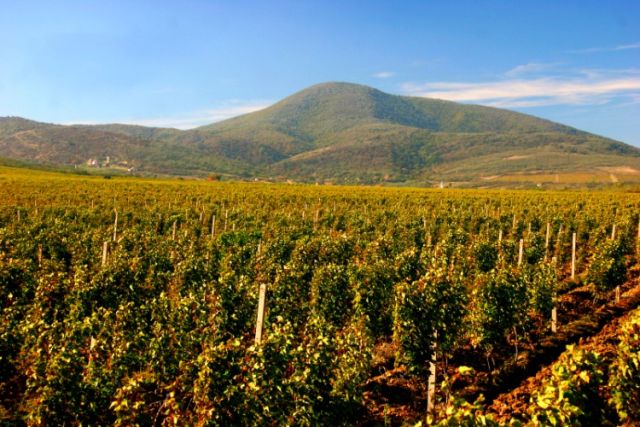
Vršac area; exact cellar location depends on producer

Wine Cellars, Vršac refers to the town’s historic cellar tradition: old cellars associated with established wine producers and the wider wine identity of Vršac in southeastern Banat. For travelers, the point of visiting is not only to taste wine, but to understand how cellar architecture, storage conditions, and local production shaped the town’s reputation. This works best as a half-day stop paired with a walk in central Vršac or a longer day that also includes the Vršac Mountains. Expect producer-specific arrangements rather than one uniform public attraction.
The wine cellars of Vršac are part of the town’s long-standing wine-making landscape in Banat. The core idea is simple: historic cellar spaces, established producers, and a local tradition built around storing, ageing, and presenting wine in older built settings rather than in a single museum-style complex. What Vršac is most known for here is the continuity of wine production and the presence of respected producers connected with old cellars. The mood is quieter and more local than a festival stop, with visits centered on tasting, conversation, and wine heritage.
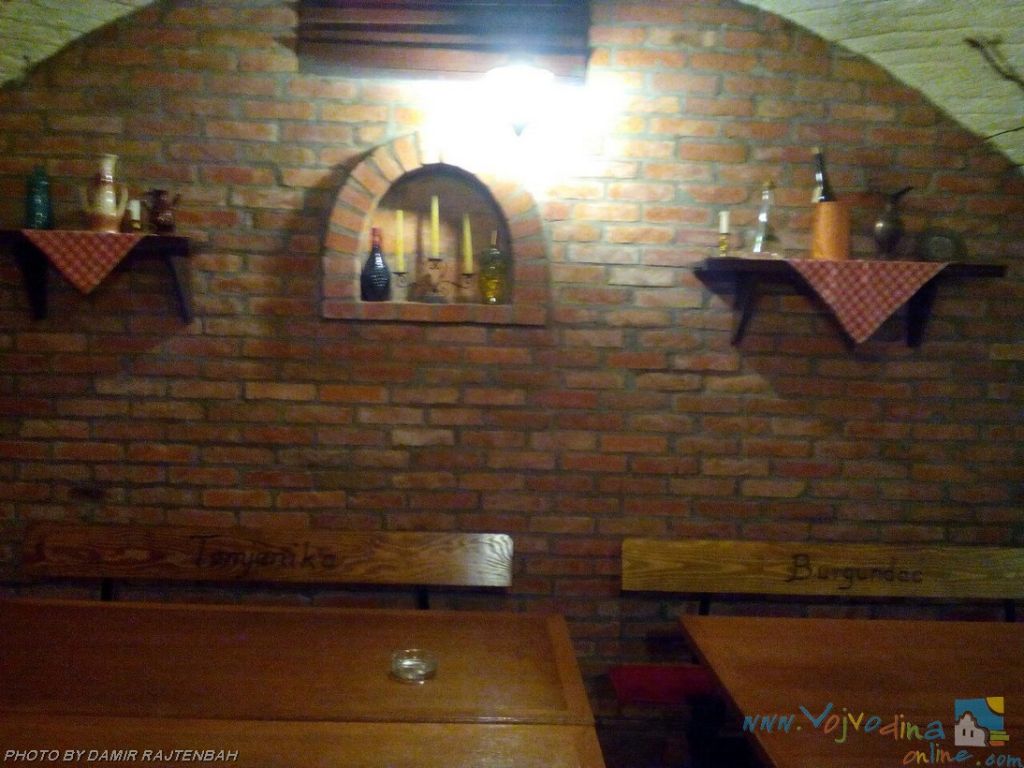
What makes the cellar experience in Vršac distinct is the overlap of working wine culture and older cellar architecture. In many wine towns, tastings are presented mainly as tourism products. In Vršac, the appeal is more grounded in a production story: older cellars, established names, and the wider setting of vineyards below the Vršac slopes. That gives visits a stronger sense of place. You come for the cellar atmosphere, for an understanding of how wine was stored and presented, and for the chance to connect the tasting with the broader identity of Vršac as a wine town in Vojvodina. For wider context on regional grapes and styles, the background guide to Serbian wine regions helps frame what you are tasting.
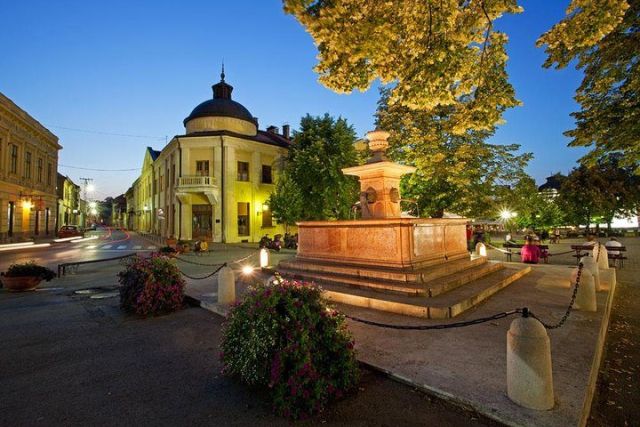
Start from central Vršac, usually the easiest base for any cellar visit. If your tasting is in or near the town center, most locations are reached on foot in about 10 to 20 minutes from the main central streets. If your visit is in the vineyard belt or outside the compact center, a taxi is the most practical option. Vršac is also reached by intercity bus and rail, and route planning is easiest through Serbia Transit Search: Buses, Trains & Practical Route Planning. Because cellar visits are producer-specific, there is no single public stop for all of them; confirm the exact meeting point before departure. If driving, parking conditions depend on the individual cellar or producer property.
Expect a visit shaped by the producer, not by one central ticket office. Some travelers will find that appealing because it feels closer to working wine culture; others should note that it requires more planning. Dress is usually casual and neat. Cellar interiors can be cooler than the street outside, so bring a light layer. Surfaces may be uneven in older spaces, which can affect accessibility. Families can visit, but the experience is more adult-focused than child-oriented. Bring cash and card, ask in advance about language availability, and do not assume walk-in tasting places will be open without prior contact.
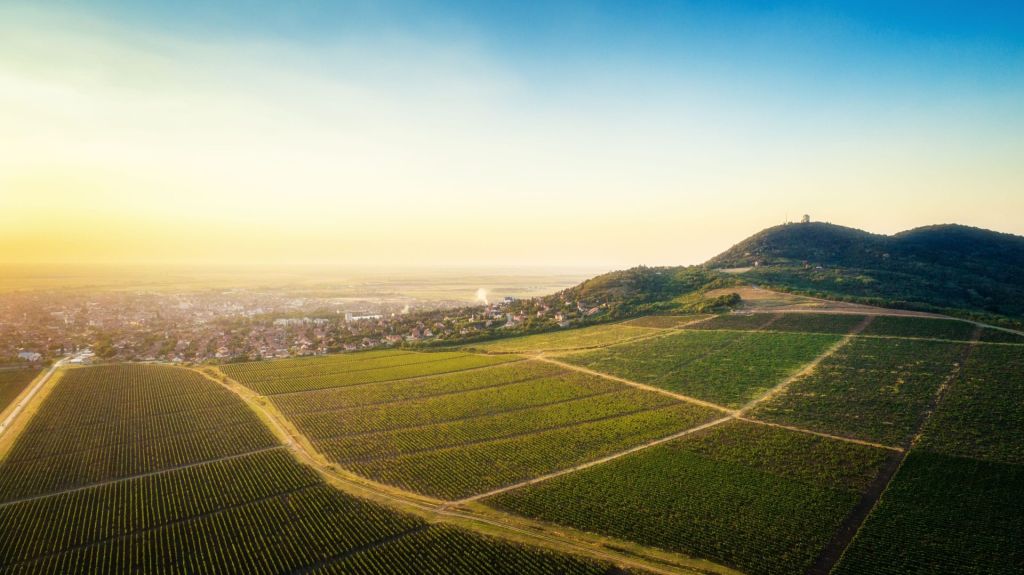
The most reliable approach is to treat the wine cellars as a tailored stop rather than a casual walk-in attraction. Build your day around central Vršac first, then add a confirmed tasting. If you want a broader outdoor frame for the trip, the nearby Vršac Mountains make sense before or after a cellar visit. Travelers focused on wine alone can keep the visit short; travelers interested in local identity should allow more time for conversation, cellar context, and movement between town and vineyard areas.
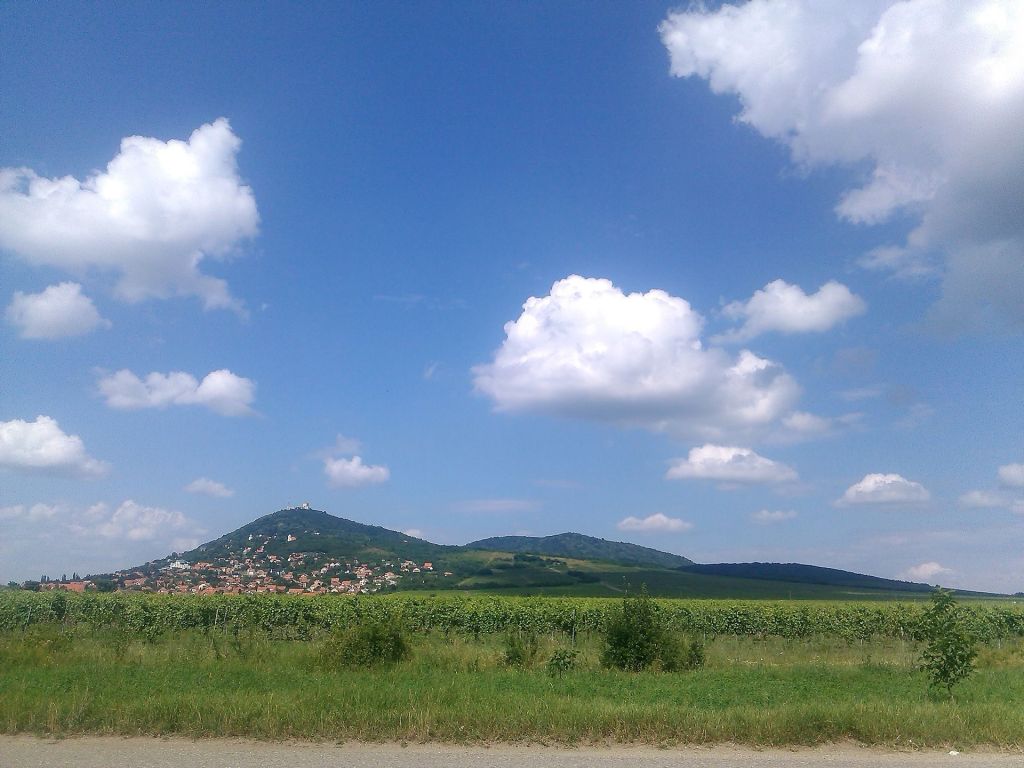
Late morning to early evening is the most practical window because cellar visits are usually arranged rather than fully drop-in. A lunch-time or afternoon tasting works well if you are pairing it with a town walk.
Spring and autumn fit the wine setting best, especially when you want to combine cellars with views toward the Vršac slopes. Reserve ahead whenever possible, since source-backed material for this topic does not indicate fixed public opening schedules.
Use central Vršac as your navigation base, then confirm the exact cellar or producer address before setting out.
Source material for this topic points to renowned producers in old cellars but does not publish a stable official list of visitor-ready tasting venues, fixed opening hours, or standard tariffs. Use the places below as practical planning anchors inside the Vršac wine landscape and confirm current access directly.
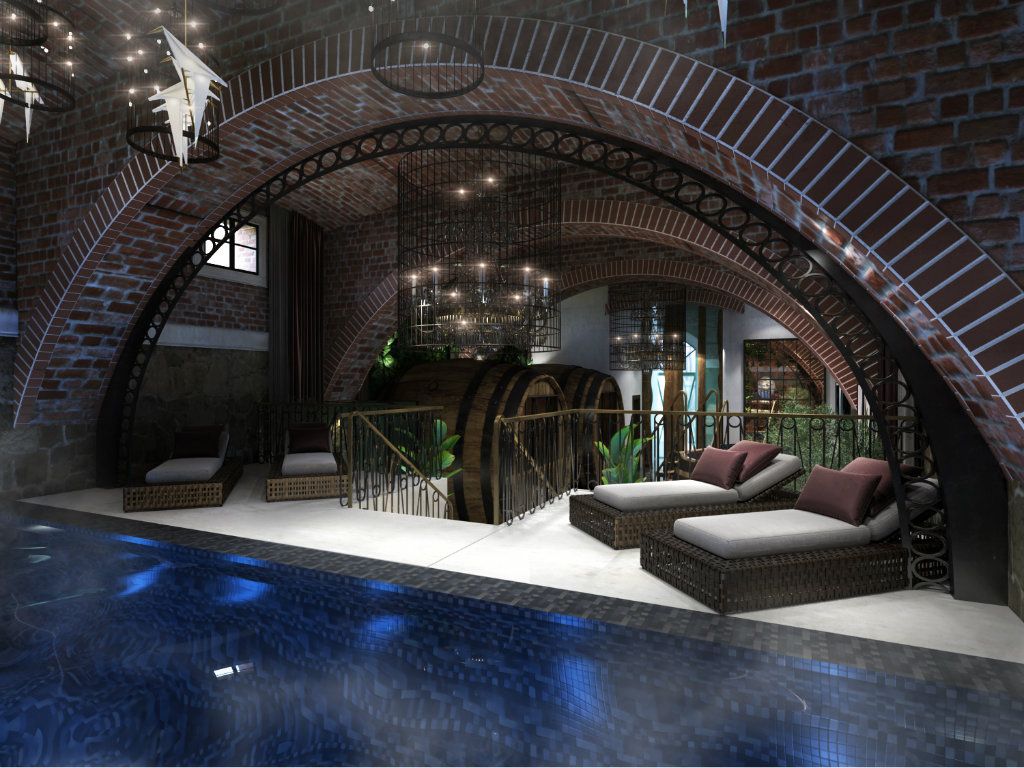
Historic cellar visits in central Vršac
Town-based cellar experience tied to Vršac’s wine identity.
Best for travelers already staying in town and looking for a short producer-led tasting or cellar visit without leaving the urban area.
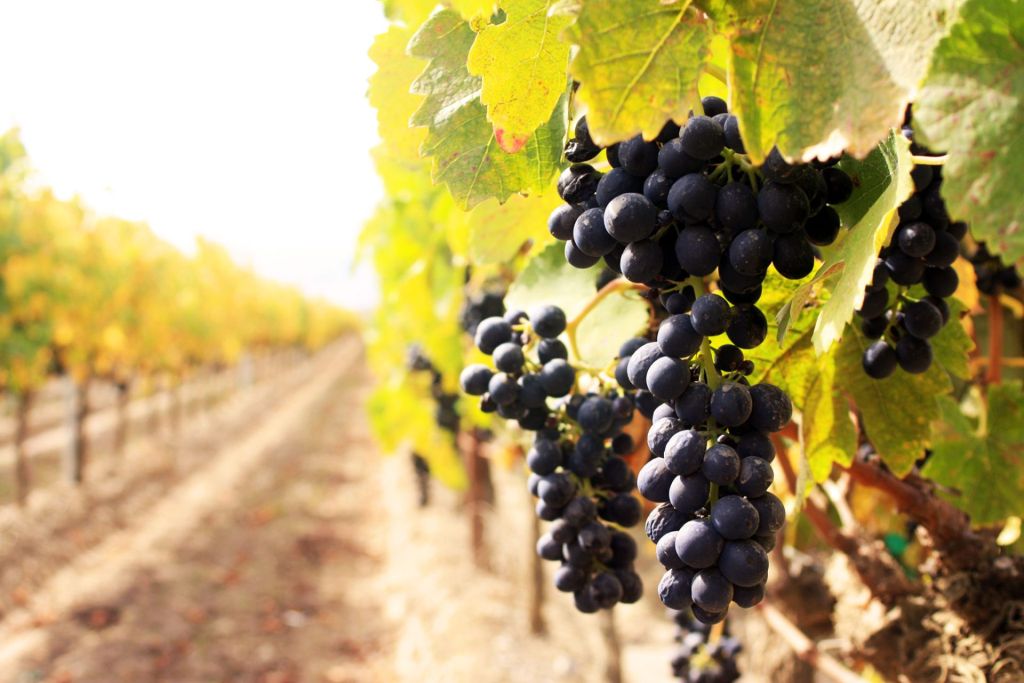
Producer tastings around the Vršac vineyards
Wine visits linked more closely to vineyard setting than to the town core.
Useful if you want the tasting to connect with the slopes and broader landscape that define Vršac wine production.
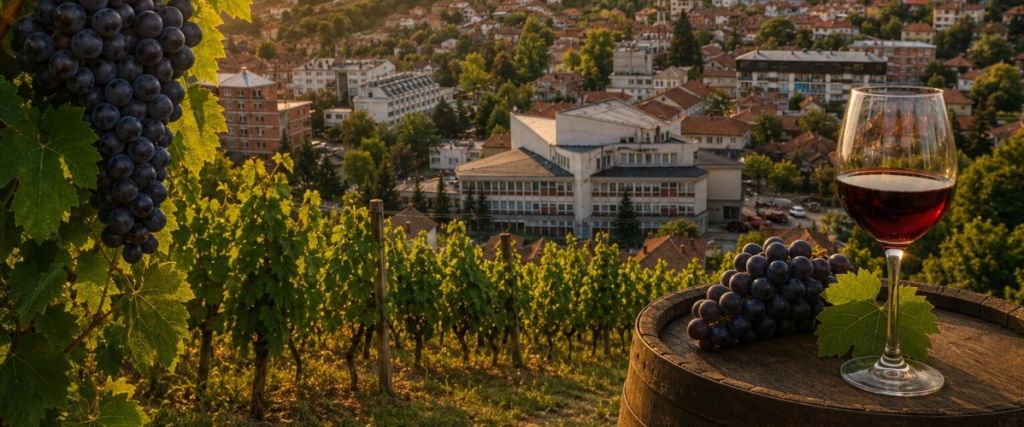
Old cellar spaces used by established local producers
The classic Vršac cellar idea: older spaces linked to known wine names.
Suitable for travelers interested in heritage and production history rather than only a quick tasting stop.
Vršac area; exact cellar location depends on producer
Central Vršac is the usual orientation point
Historic cellars and producer-led wine tastings
Varies by producer
Late morning to early evening; spring and autumn are practical
Often recommended
The available source confirms Vršac as the home of renowned wine producers in old cellars. It does not provide a complete current list of public tasting rooms, fixed daily hours, or standard entry prices, so travelers should verify details directly before visiting.
Best as a half-day addition to central Vršac, or as part of a full day that combines town time, a confirmed cellar appointment, and views from the Vršac area.
Bring a light extra layer for cooler interiors, a charged phone for navigation, and a taxi app or local taxi number if your tasting is outside the compact center. If you plan to buy bottles, carrying space matters.
No. The term refers more to Vršac’s cellar tradition and producer-linked cellar visits than to one single ticketed site.
Sometimes, but advance contact is the safer plan because published source material does not list uniform public opening schedules.
Allow 1 to 3 hours for a tasting-focused stop. Add more time if you are combining it with a walk around Vršac or an outing toward the Vršac slopes.
Yes, if your interest is cultural and architectural, but the experience is still primarily wine-centered.
Central Vršac is the most practical base because it keeps you close to town services, onward transport, and short taxi connections to producer locations.
Use Vršac as your base, confirm the cellar visit first, and then shape the rest of the day around town streets, viewpoints, or a short mountain outing.
Stay connected in Serbia