Fruška Gora and the Danube edge
Known for white wines, aromatic varieties, and cellar visits close to Novi Sad. Expect Smederevka, Chardonnay, Rhine Riesling, and Tamjanika, plus increasingly polished sparkling wines.

Serbia grows a mix of native and international grapes across Vojvodina, Šumadija, Župa, Negotin, and the southern valleys. Look for Prokupac, Vranac, Smederevka, Tamjanika, Morava, and Cabernet Sauvignon in different combinations. The most useful way to read Serbian wine is by region: sparkling and whites near the Danube, fuller reds in the south, and aromatic whites and balanced blends in central Serbia.
Serbia’s vineyards are built on a mix of local identity and practical planting choices. The most recognisable native grape is Prokupac, a red variety associated with fresh acidity, red fruit, and a firmer structure than many visitors expect. It appears in both single-varietal wines and blends, especially in central and southern Serbia.
Vranac is another important red, especially where winemakers want deeper color, darker fruit, and a more rounded finish. On the white side, Tamjanika is one of the most expressive grapes, offering floral and aromatic notes that work well with lighter dishes. Smederevka remains a practical, widely planted white grape, often used for fresh table wines and regional blends.
International grapes also have a visible place. Chardonnay, Sauvignon Blanc, Cabernet Sauvignon, Merlot, and Pinot Noir appear across the country, usually where wineries want a familiar reference point alongside local varieties. A useful tasting approach is to compare a Serbian native grape with a familiar international one from the same cellar.
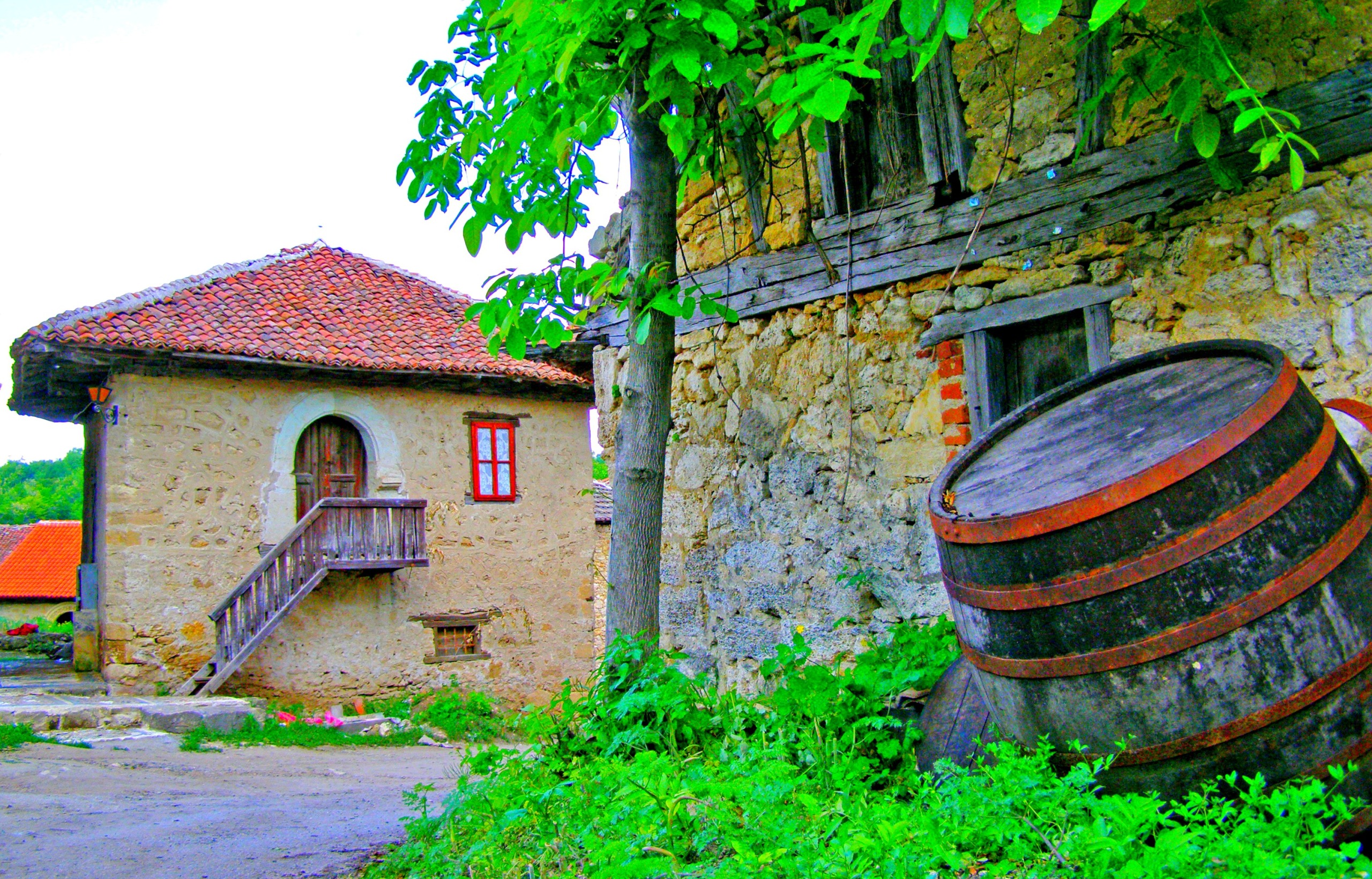
Rustic Wine Cellar Courtyard
Old stone buildings and a wooden barrel appear in the Wine Regions location, framed by greenery and tiled roofs
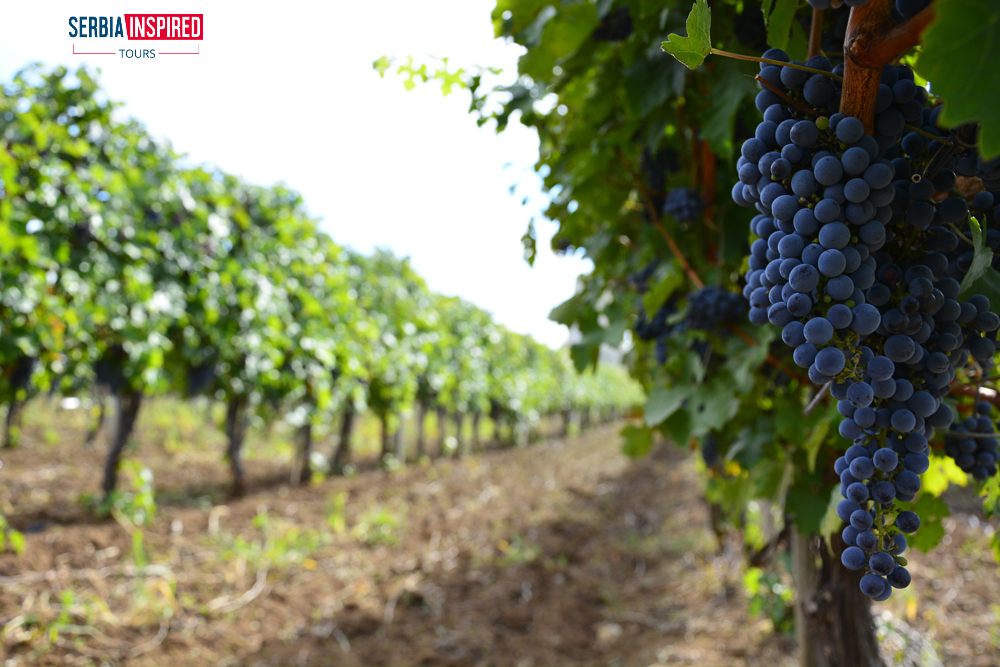
Grapes in Vineyard Rows
Ripening grape clusters hang in the foreground of a vineyard in the Wine Regions location
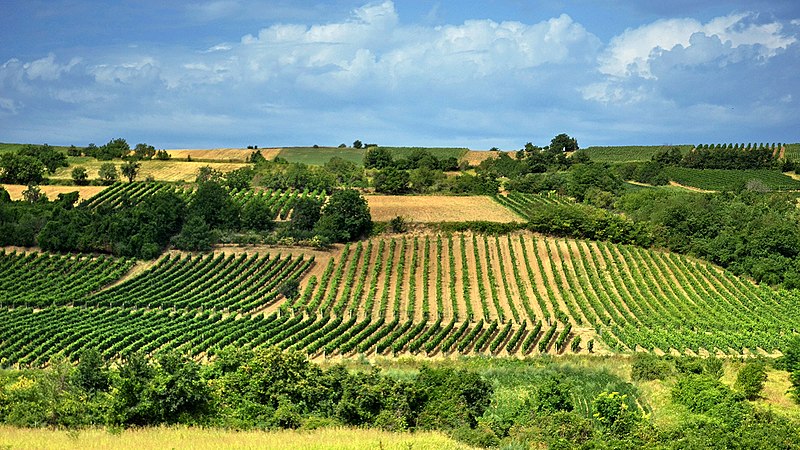
Rolling Vineyard Hills
Terraced vineyard rows stretch across rolling hills in the Serbian Wine Regions, beneath a wide cloudy sky
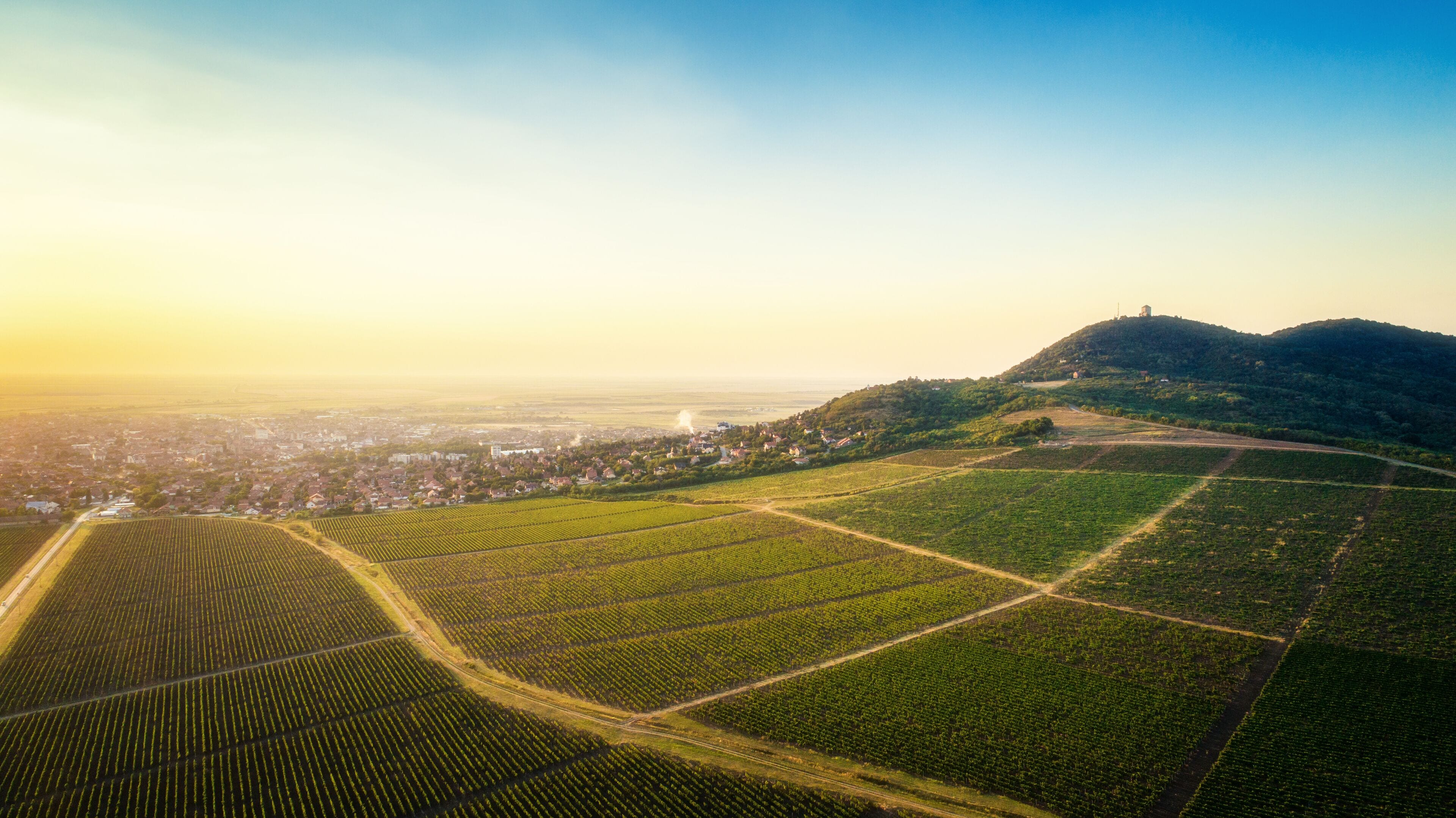
Vineyards and Hills
Vineyards spread across rolling hills above a town in the Wine Regions area at sunset
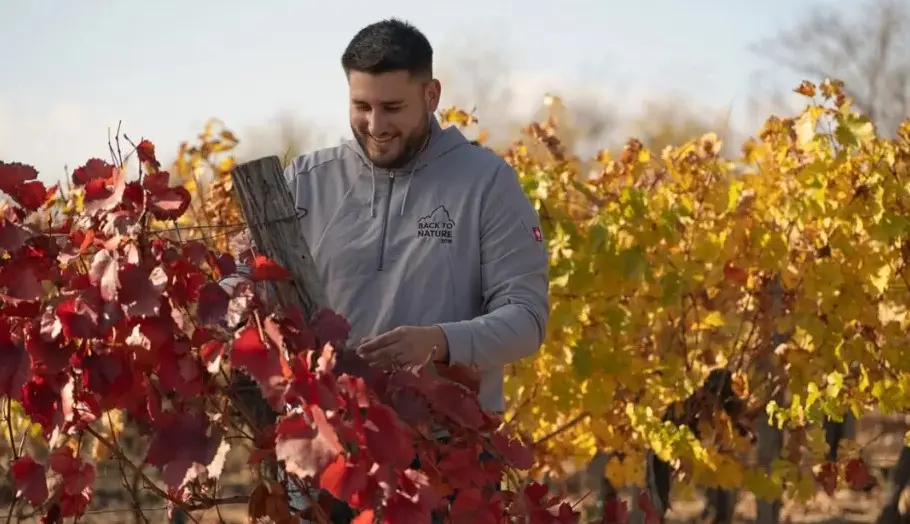
Man in Vineyard Rows
A man inspects grapevines among autumn leaves in the Wine Regions section of Serbian Travel
Across the country, wineries lean toward wines that suit the local climate and food culture. Whites are often crisp, dry, and food-friendly, with aromatic Tamjanika bottlings sitting beside cleaner, mineral styles from the northern plains and Danube slopes. Reds can be lighter and fresher in some regions, but south of Belgrade you will also find structured, oak-aged wines with more grip.
Serbia is also building a stronger reputation for sparkling wine and for carefully made blends that combine native grapes with international structure. Dessert wines and late-harvest styles exist too, though they are usually better understood as regional specialties rather than the main story.
For travellers, the useful question is not only what grape is in the bottle, but how the winery balances fruit, freshness, and cellar technique. That is where regional character becomes easy to notice.
This route keeps transfers realistic and gives you a mix of urban base, hillside tastings, and a southern cellar day.
Use this map to orient yourself between Fruška Gora, Šumadija, Župa, Negotin, and the wider Danube corridor.
Known for white wines, aromatic varieties, and cellar visits close to Novi Sad. Expect Smederevka, Chardonnay, Rhine Riesling, and Tamjanika, plus increasingly polished sparkling wines.
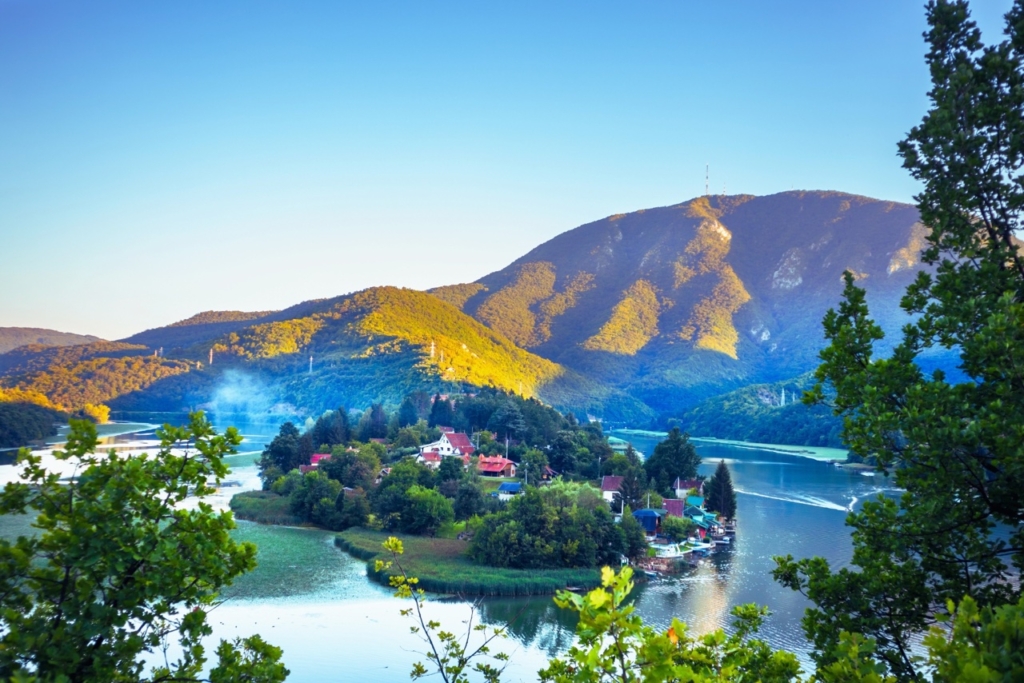
A balanced region for Prokupac, Cabernet-based blends, and modern cellar interpretations. This is a useful area for understanding how Serbian red wine is evolving.
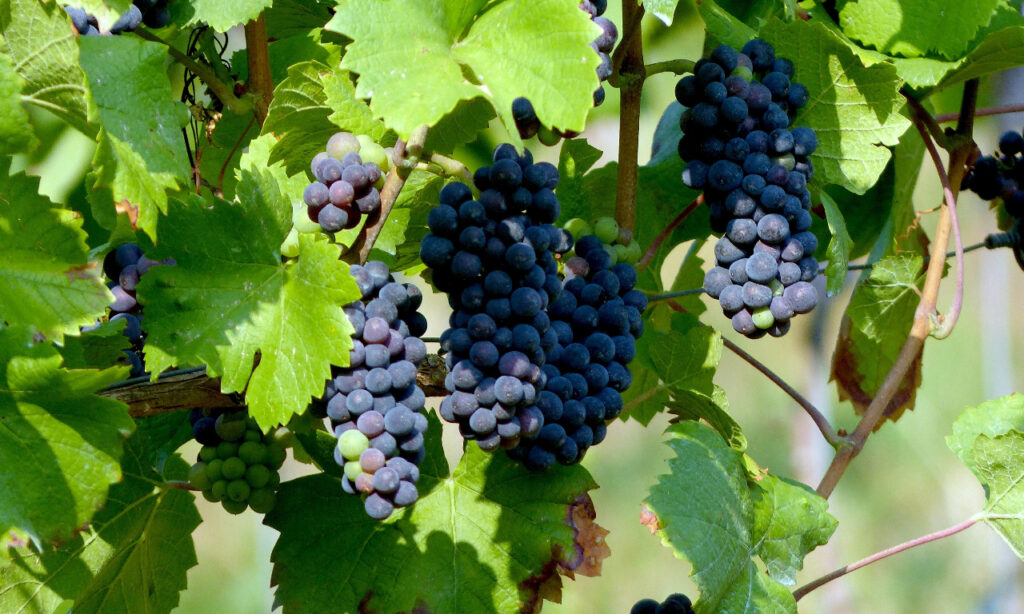
These areas are closely tied to native reds and fuller-bodied styles. Prokupac often appears here, alongside Vranac, Merlot, and local blends with a warmer profile.
These nearby guides help you place Serbian wine regions into a broader trip.
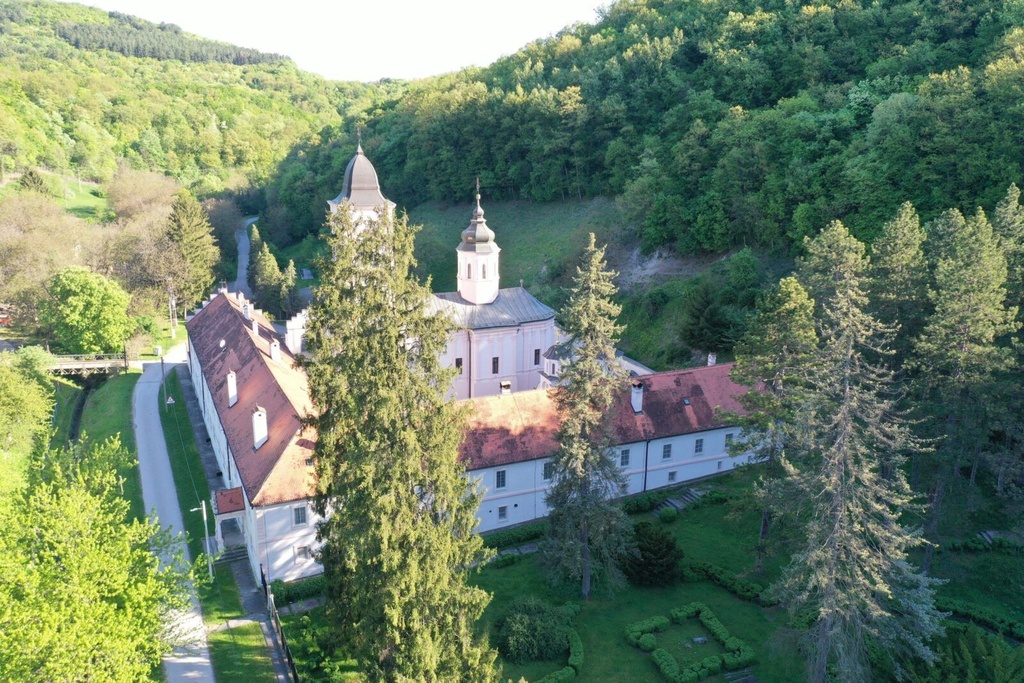
Fruška Gora wine country
The closest major wine landscape to Novi Sad, with monasteries, cellar visits, and easy day-trip logic.
A practical base for tasting aromatic whites and local cellar bottlings while staying near the city.
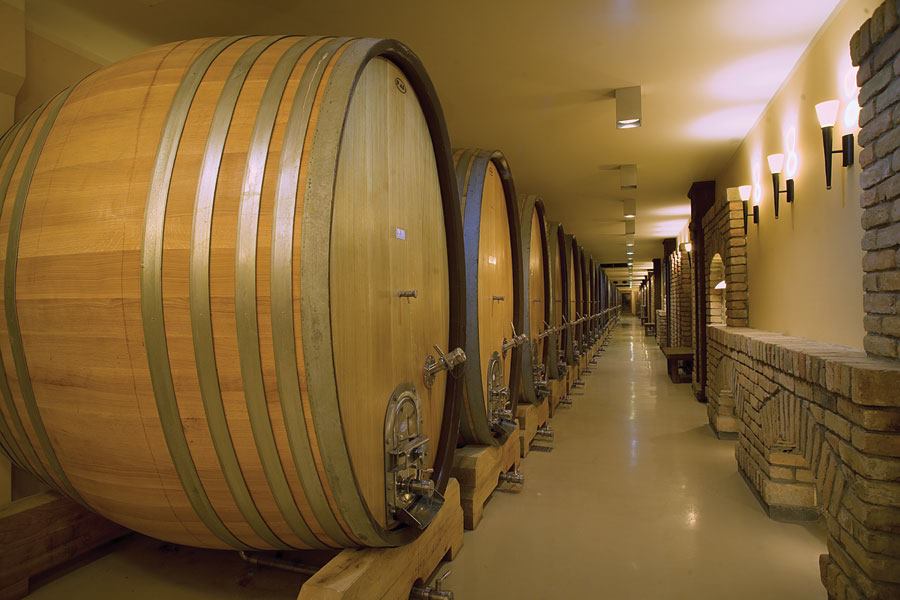
Šumadija wine stops
A central region for Prokupac and modern red blends.
Good for travellers who want to connect wine with history, monasteries, and inland Serbia.
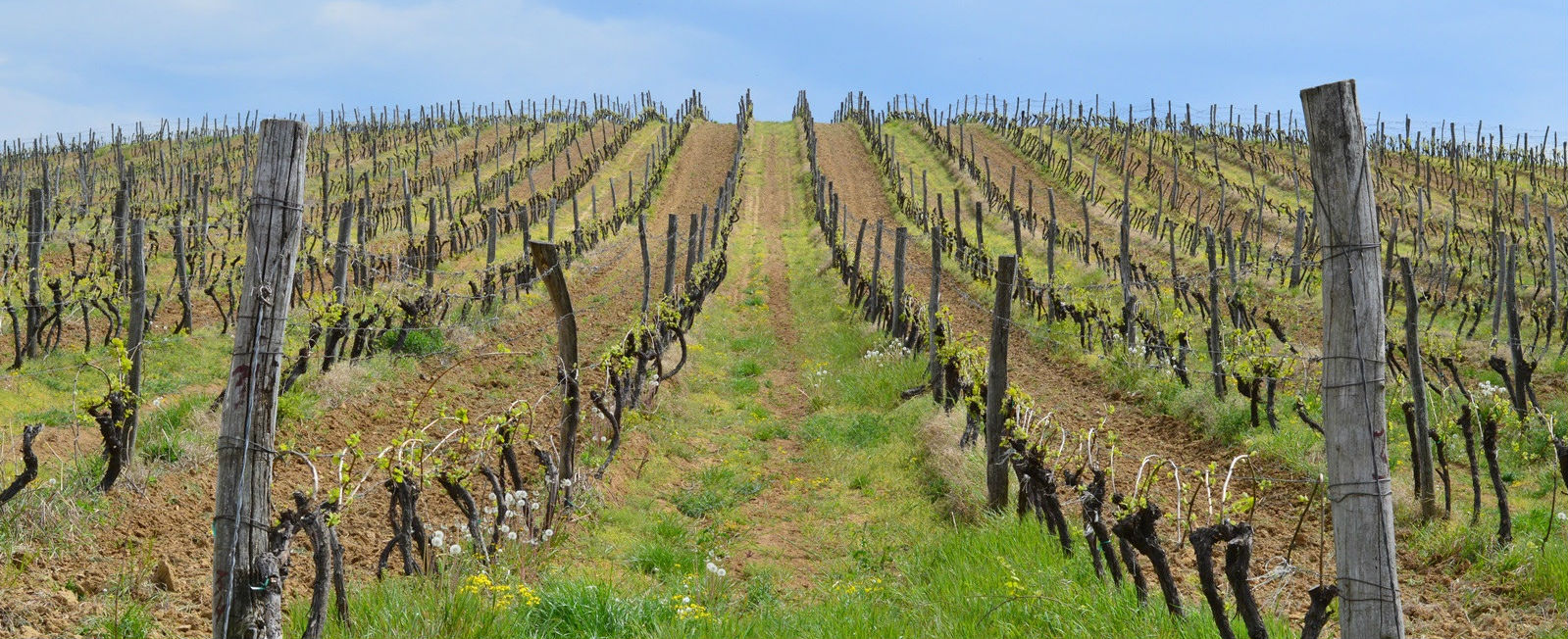
Eastern Serbia cellar routes
A warmer region with fuller reds and strong local identity.
Useful if you want to compare the style of the Danube corridor with the country’s southern vineyards.
Prokupac, Vranac, Tamjanika, Smederevka, Morava, Chardonnay, Cabernet Sauvignon
Fruška Gora, Šumadija, Župa, Negotin, Nišava and the south
Fresh whites, aromatic wines, structured reds, local blends, sparkling wines
Start with one native white and one native red at the same winery. If possible, ask for the region’s classic grape rather than the cellar’s export blend. Pair the tasting with local cheese, cured meats, or oven-baked dishes so the wines show how they work at the table.
Start with Prokupac for reds and Tamjanika for whites. They are useful markers of local style and appear in many wineries across the country.
Fruška Gora is one of the easiest because it sits close to Novi Sad and offers a compact tasting area with many day-trip options.
Most everyday wines are dry, especially the whites and reds you will see in cellar tastings. Dessert and late-harvest wines exist, but they are not the main style.
Yes. Wine routes work well with monasteries, spa stops, fortress towns, and river landscapes. Fruška Gora and Šumadija are especially easy to combine with broader sightseeing.
Start with the country overview, then add a region guide that matches your route. That makes it easier to choose cellars, transport, and overnight bases without rushing.
Stay connected in Serbia