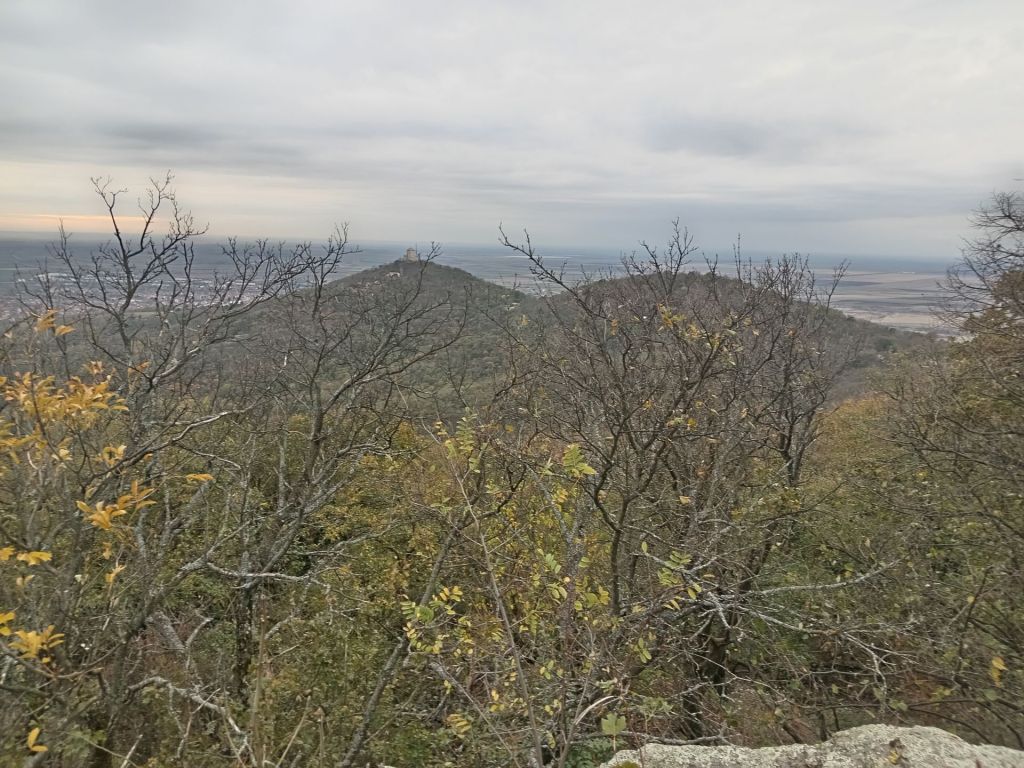
Above Vršac, in northeastern Vojvodina

The Vršac Mountains are a compact hiking area above Vršac and the only mountain range in Vojvodina. Travelers come for short outdoor escapes, hill walks, wooded slopes, and viewpoints over the Banat plain. They work best as a half-day or full-day nature outing combined with time in Vršac rather than as a standalone ticketed attraction.
The Vršac Mountains rise immediately above Vršac, Vojvodina | Wine Town and Medieval Fortress and form the only mountain range in Vojvodina. They are a compact landscape of wooded ridges, walking paths, and open viewpoints looking across the Banat plain. For most visitors, the main reason to come is simple: you get a real hiking outing without leaving northern Serbia. The atmosphere is quieter and more local than in Serbia’s larger mountain regions, with short ascents, mixed forest, and broad horizon views rather than alpine terrain.
What makes the Vršac Mountains distinctive is not high altitude but contrast. The slopes lift out of the flatlands of Banat, so even modest ridge walks feel exposed and panoramic. Hikers come for wooded paths, changing viewpoints, and the sense of stepping from a wine town into a compact mountain landscape within a short distance. If you are also planning wider nature stops in the province, the terrain here feels very different from the open sands of Deliblato Sands Travel Guide | Europe’s Sahara in Vojvodina. In Vršac Mountains, the focus is on walking, climbing gently to lookouts, and combining nature with town-based day planning.
The mountains begin above Vršac, so most visitors first reach town and continue on foot, by local taxi, or by private car toward a trailhead or hillside access point. From central Vršac, the slopes are close enough that short transfers make sense, especially if you are heading toward the tower area or a signed walking route. A taxi from the center is usually the simplest option for travelers who do not want to start from the lower streets. If you are building a longer regional route, use Serbia Transit Search: Buses, Trains & Practical Route Planning to get to Vršac first, then switch to local transport on arrival. Parking conditions vary by access point, so do not assume a large formal lot at every start.
Expect an outdoor area rather than a single managed attraction. Some parts feel like a local hiking landscape, with changing trail surfaces, forest cover, and wind exposure on open points. Wear practical shoes. Bring water, especially outside cooler months. Families with older children can enjoy shorter walks, but not every route will suit strollers or travelers with limited mobility. The mood is calm and local, with the main reward being views and a sense of relief from the flat plain below. Travelers interested in a broader province route can pair the stop with the wider Vojvodina Travel Guide | Novi Sad, Fruška Gora, Subotica for additional nature and town bases.
Morning and late afternoon usually give the clearest light for views over Vršac and the plain. Midday can feel exposed on open sections in warm weather.
Spring and autumn are the most comfortable periods for walking. Summer is workable for shorter outings with water and sun protection, while winter conditions depend on wind and trail surface.
Use the map to orient yourself above Vršac and plan an approach toward the mountain area.
These are the main places travelers usually focus on when exploring the Vršac Mountains area. They work best as stops on a walking or hiking outing rather than as separate ticketed sights.
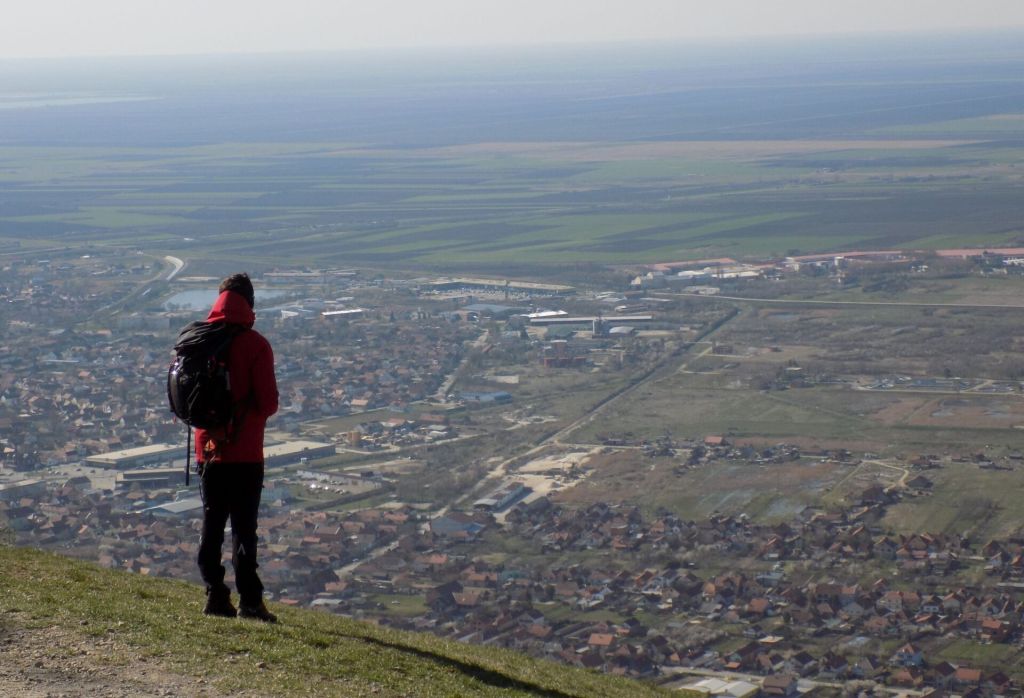
Gudurički vrh
The highest point of the Vršac Mountains and the best-known summit area.
Gudurički vrh is the peak most often associated with the range. Travelers come for the sense of elevation above Banat and for longer hiking outings in the hills around Vršac.
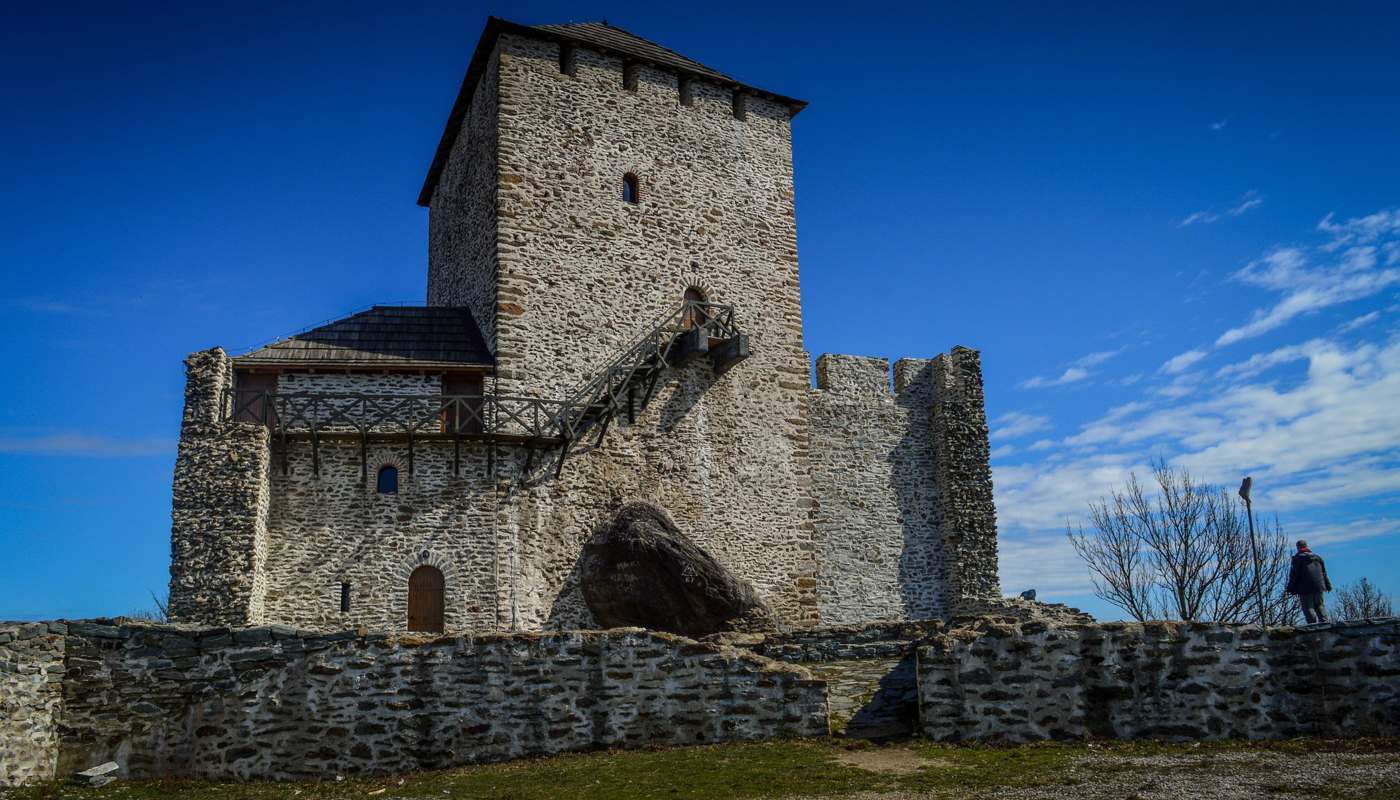
Vršac Tower
Historic hilltop landmark above town and a common mountain-walk objective.
The tower is one of the best-known visual markers on the slopes above Vršac. It is often combined with short walks and viewpoint stops in the mountains.
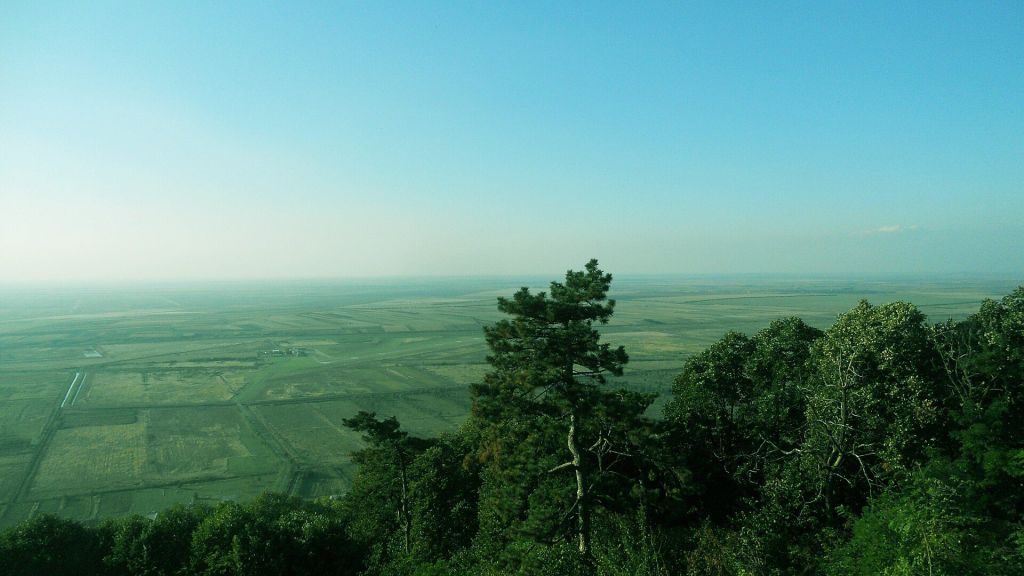
Forest walking routes above Vršac
Marked and informal walking paths across wooded slopes.
The mountain experience here is largely about moving through forest and ridge terrain rather than visiting enclosed attractions. Route length and difficulty vary.
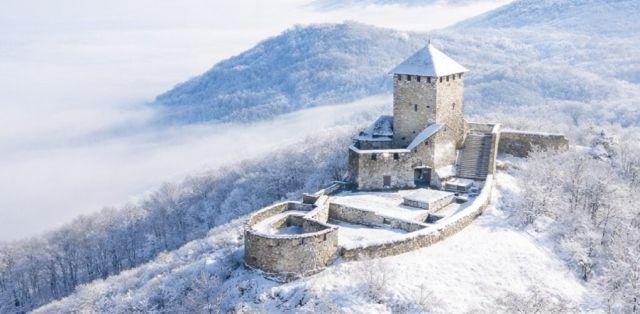
Viewpoints over the Banat plain
Open lookout points where the change from mountain to flatland is most obvious.
These lookouts are the defining feature of the area. They give broad views over Vršac and the surrounding plain, especially in clear weather.
Above Vršac, in northeastern Vojvodina
Vršac
Hiking and scenic viewpoints
Low mountain ridges and forested slopes
Half day to full day
Spring and autumn, or clear mornings and late afternoons
Open outdoor area with multiple walking approaches
No
Open-access nature area; budget mainly for transport and supplies
Use Vršac Mountains as the outdoor part of your stay, then continue with town sights, wine country, or a longer provincial circuit.
Stay connected in Serbia