Near Zrenjanin, Banat, Vojvodina

Carska Bara is a wetland nature reserve in Banat near Zrenjanin, in Vojvodina. It is defined by marsh water, reedbeds, channels, and low, flat terrain rather than by a dense built-up visitor area. The reserve is known above all as a nesting area for rare waterbirds, which is the main reason travelers make the detour here. The atmosphere is quiet and observational: people come for binoculars, open views, and patient time in nature rather than for an urban sightseeing circuit.
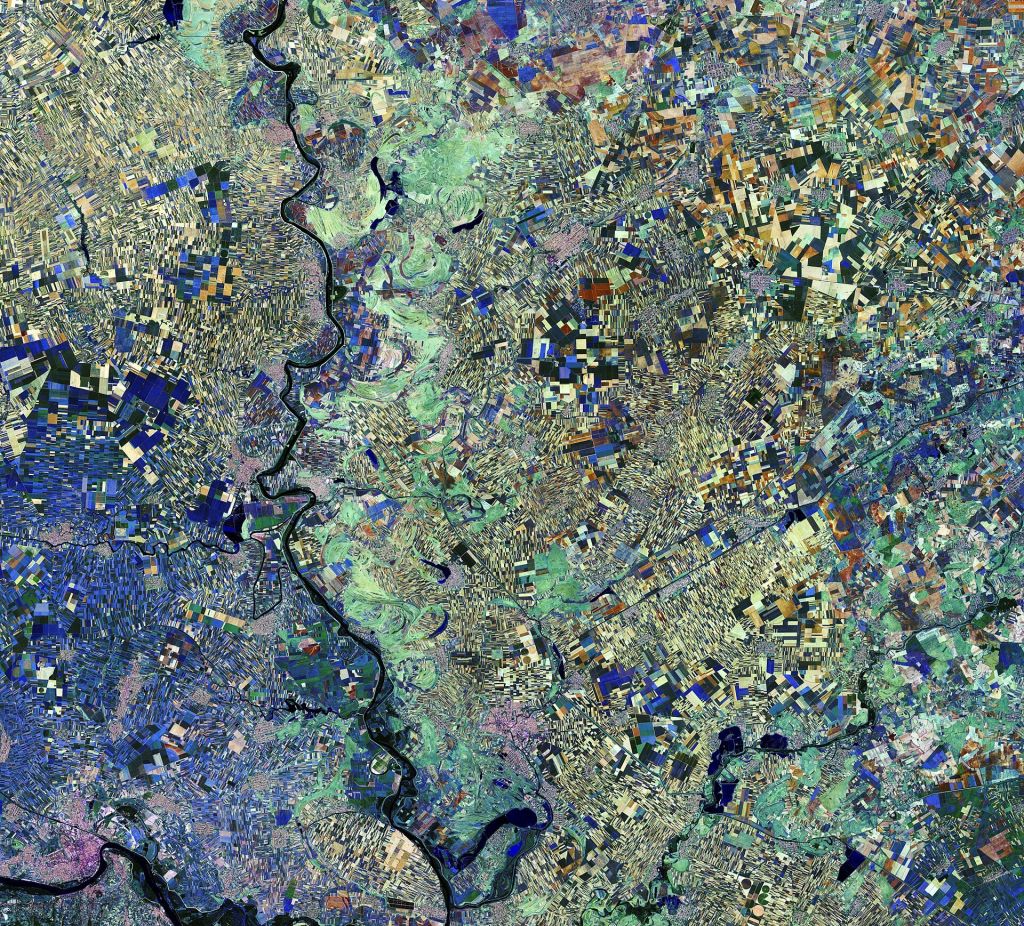
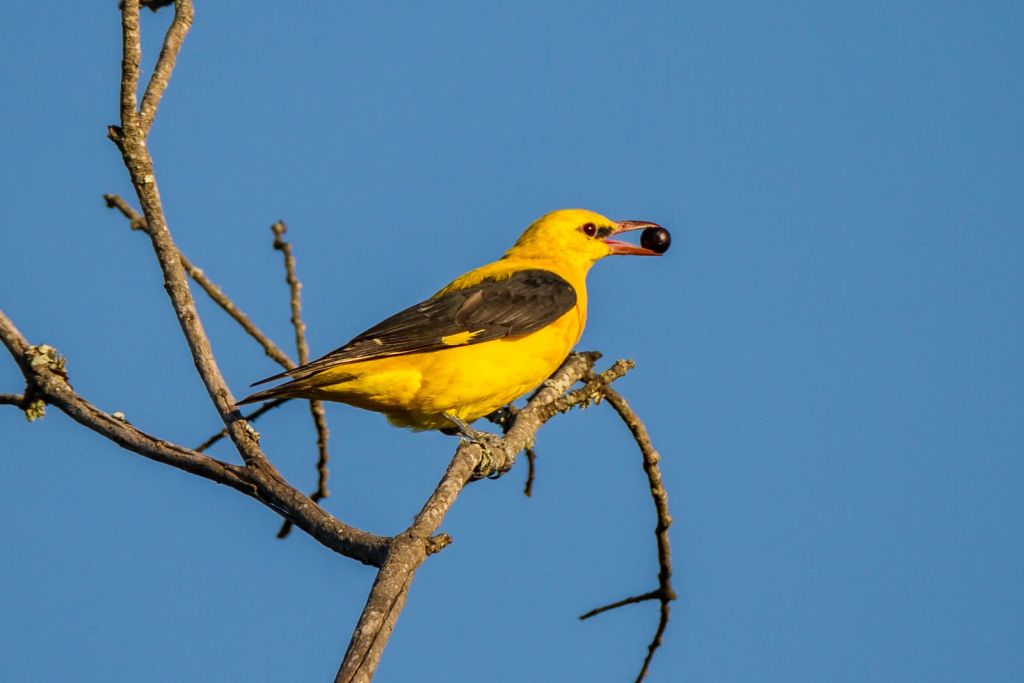
The defining speciality of Carska Bara is wetland birdlife. What makes it distinct is not a single monument or lookout, but the combination of marsh habitat and its role as a nesting area for rare waterbirds. For travelers, that means the experience is based on silence, scanning the waterline, watching movement over reeds, and accepting that the reward is often subtle rather than immediate. If you are building a wider Banat itinerary, Carska Bara fits naturally with a stay in Zrenjanin because the reserve is approached as a short nature excursion rather than as a stand-alone city destination.
Birdwatchers, photographers, and travelers interested in protected landscapes usually get the most from it. The reserve is better suited to slow observation than to activity-heavy planning, and expectations should stay focused on habitat and birdlife.
These are the elements travelers notice most when visiting a lowland wetland reserve.
Open water
Still or slow water surfaces shape the reserve's viewing experience and attract birdlife.
Reedbeds
Tall reeds are central to the reserve's character and to the sense of enclosure in parts of the marsh.
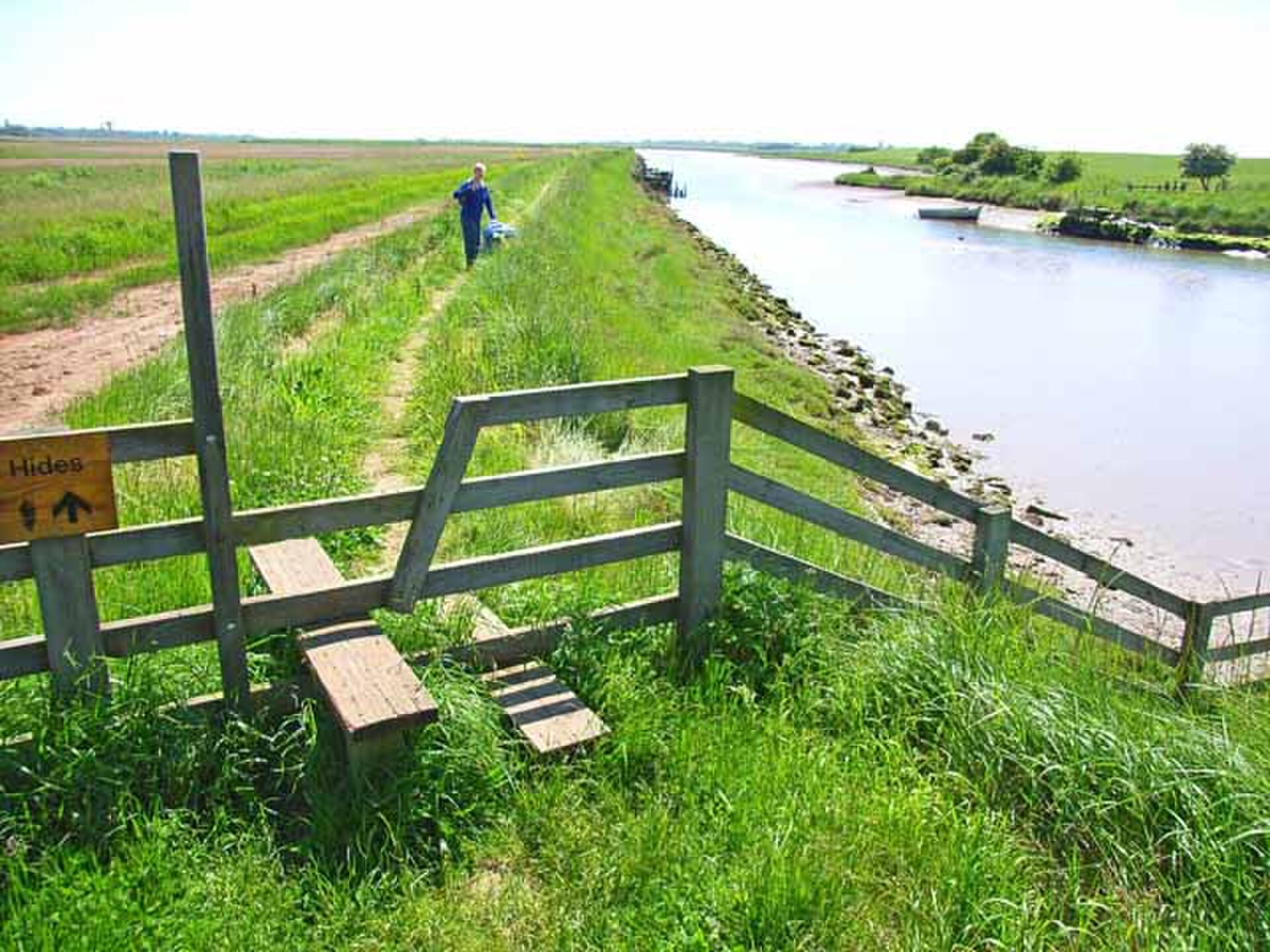
Channels and marsh edges
Transitions between water and land create the habitats that make the area important for nesting birds.
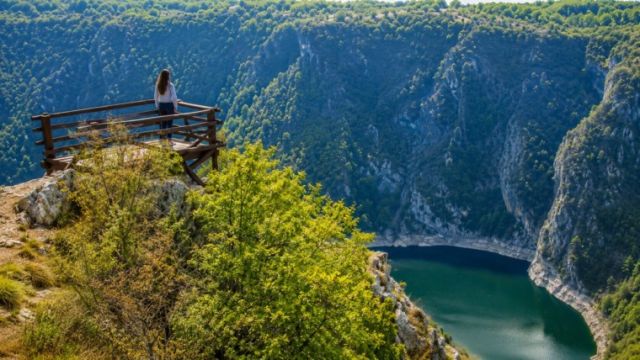
Carska Bara is described in the source as being near Zrenjanin, which makes that city your main orientation point. If you are already staying in town, start with current routing from Zrenjanin and verify the final approach locally. The source available for this guide does not list walking directions from a landmark, public transport line numbers, taxi fares, or parking arrangements, so those details should be checked before travel.
For broader planning, Serbian Travel's Serbia Transit Search and the main Novi Sad travel guide can help frame a wider Vojvodina route before you continue east into Banat.
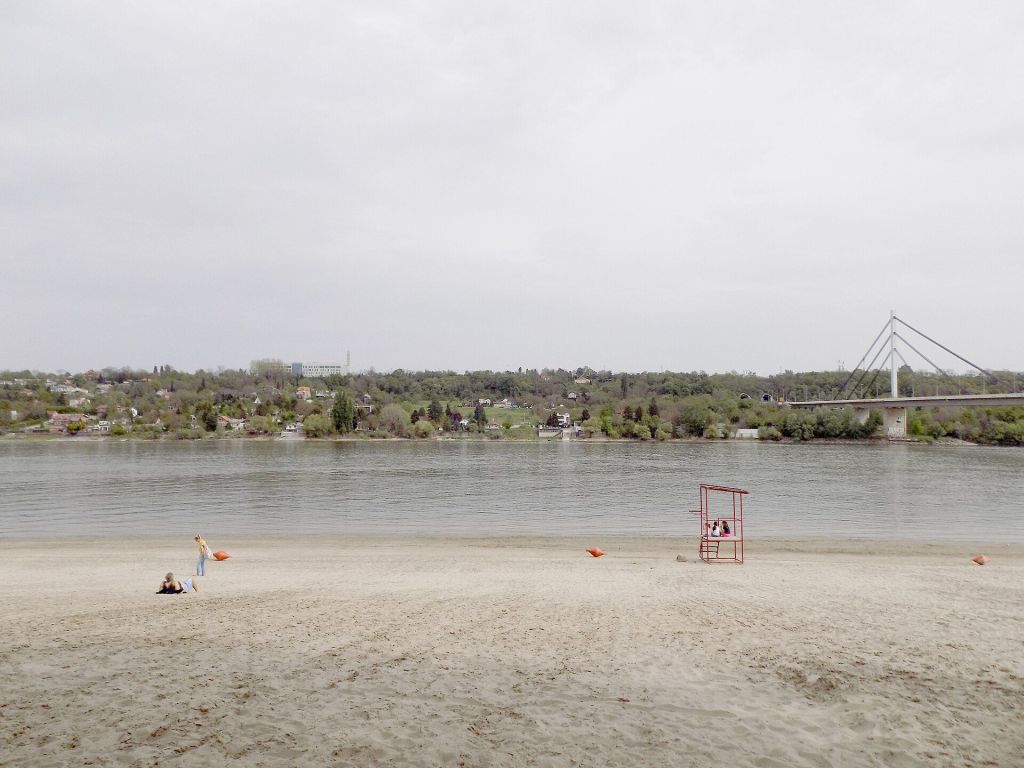
The reserve is most rewarding when you can spend unhurried time looking and listening. Early and late parts of the day often feel more suitable for wetland observation than the flat middle of the day, especially in open terrain. A calm-weather visit is usually easier for scanning the water and reeds than a windy one. If birdlife is your main reason for going, give yourself flexibility rather than a rigid timetable.
Because the source highlights nesting rare waterbirds, visitors should keep a respectful distance, avoid unnecessary noise, and assume that low-impact behavior matters more here than at a standard sightseeing stop.
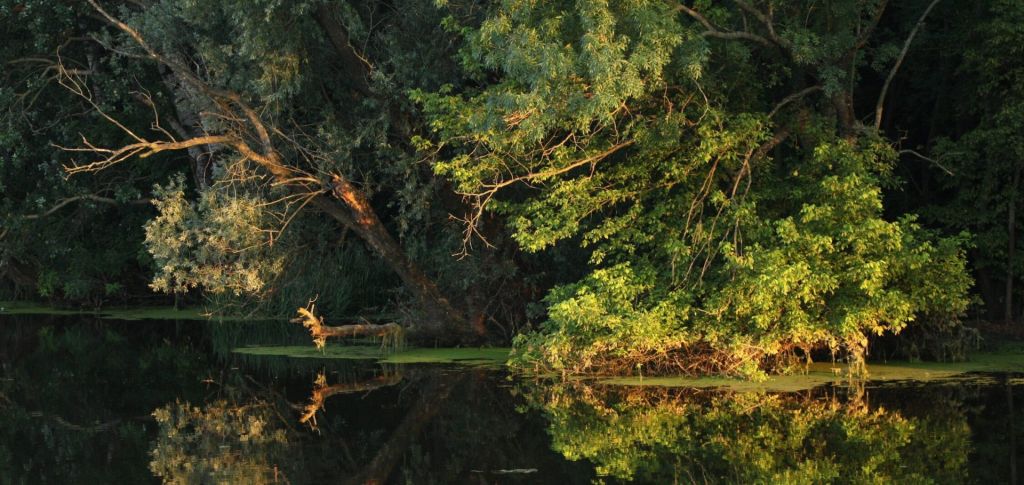
Expect a quiet, nature-first setting rather than a polished attraction with constant activity. The mood is slow and observational. Clothing should be practical for outdoor conditions, with footwear you do not mind using near damp ground. Binoculars are more useful here than a detailed city guidebook.
Families who enjoy calm outdoor stops may appreciate it, but younger children expecting playground-style entertainment may lose interest quickly. Accessibility can vary in wetland environments, so travelers with mobility concerns should verify current conditions before going. Bring water, weather protection, and patience; the value of Carska Bara is in paying attention to a living habitat.
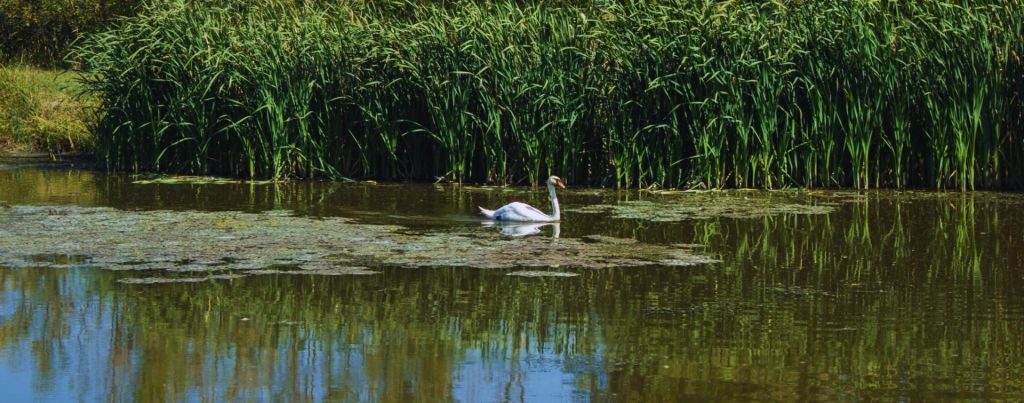
Most visitors come to observe a protected wetland and its birdlife, especially if they want a quieter contrast to city stops in Vojvodina.
Independent travelers, birdwatchers, nature photographers, and anyone building a route through Banat with time for a slower stop.
Carska Bara is in Banat near Zrenjanin in Vojvodina.
The available source does not provide a formal venue list, ticket desk, or commercial stop sequence. These practical orientation points reflect the reserve landscape travelers focus on when visiting Carska Bara.
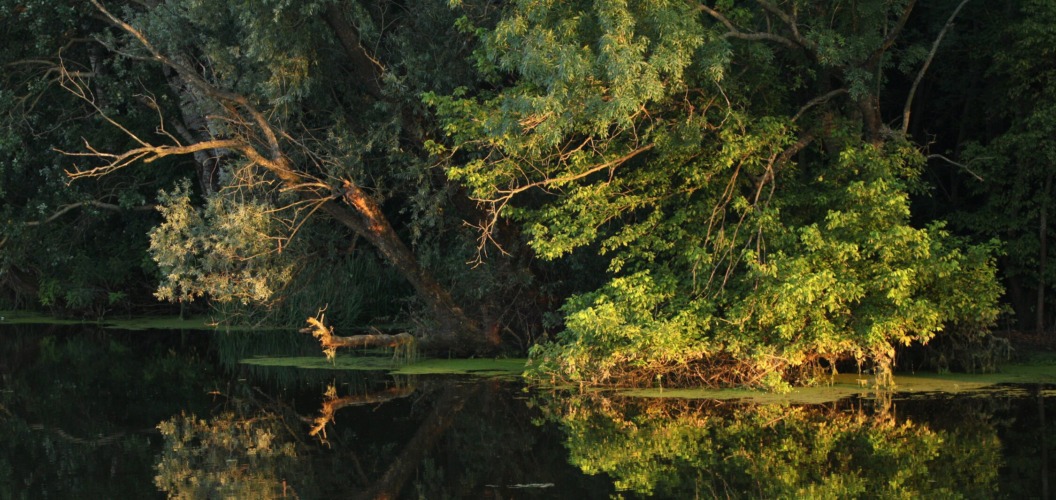
Carska Bara core wetland
The main reason to come: protected marsh habitat with rare waterbird nesting importance.
Use this as your mental center of the visit. The experience here is about water, reeds, silence, and patient observation rather than a built attraction.
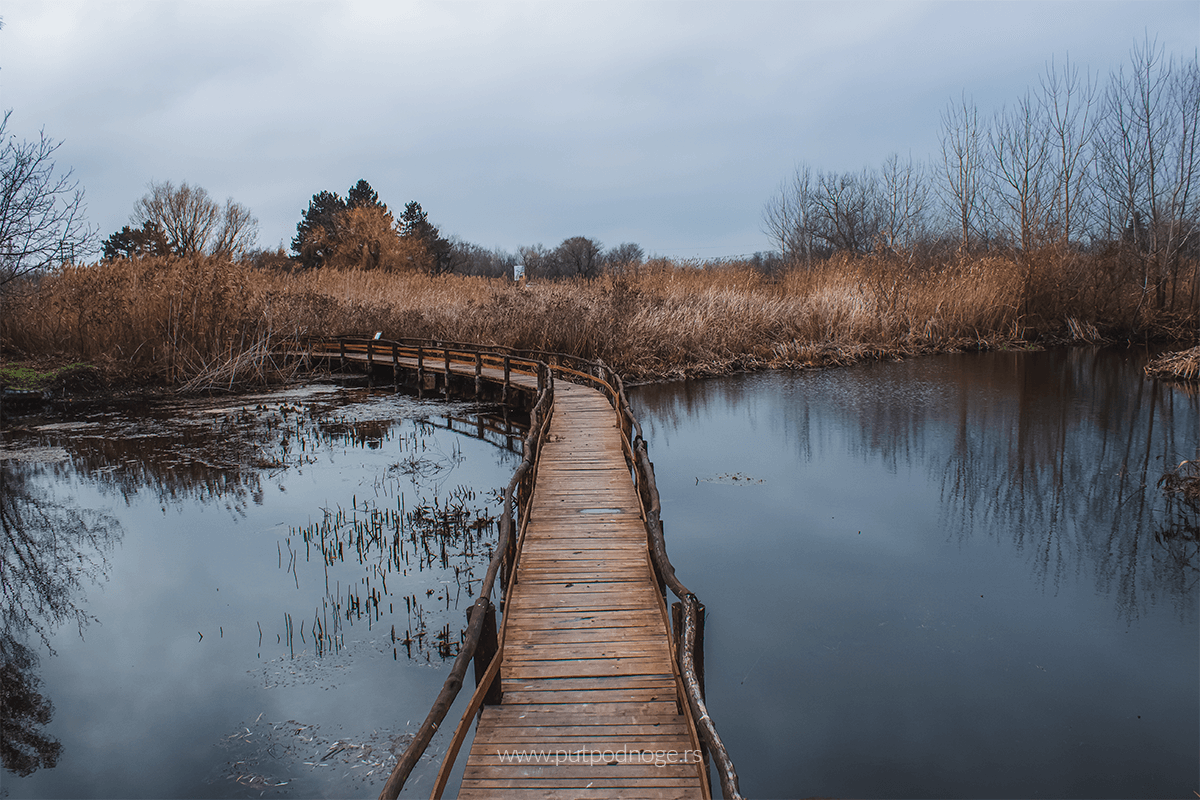
Reedbed margins of Carska Bara
Edges between water and dense reeds are where the reserve feels most clearly like a living habitat.
These transitional areas matter because the reserve is known for birdlife tied to wetland nesting and cover. They suit slow viewing rather than quick stop-and-go sightseeing.
Channels and backwaters of Carska Bara
Water channels give shape to the landscape and help explain why the reserve is ecologically important.
Watching how water, vegetation, and open space meet is part of understanding the reserve. This is the place to slow down and scan rather than hurry.
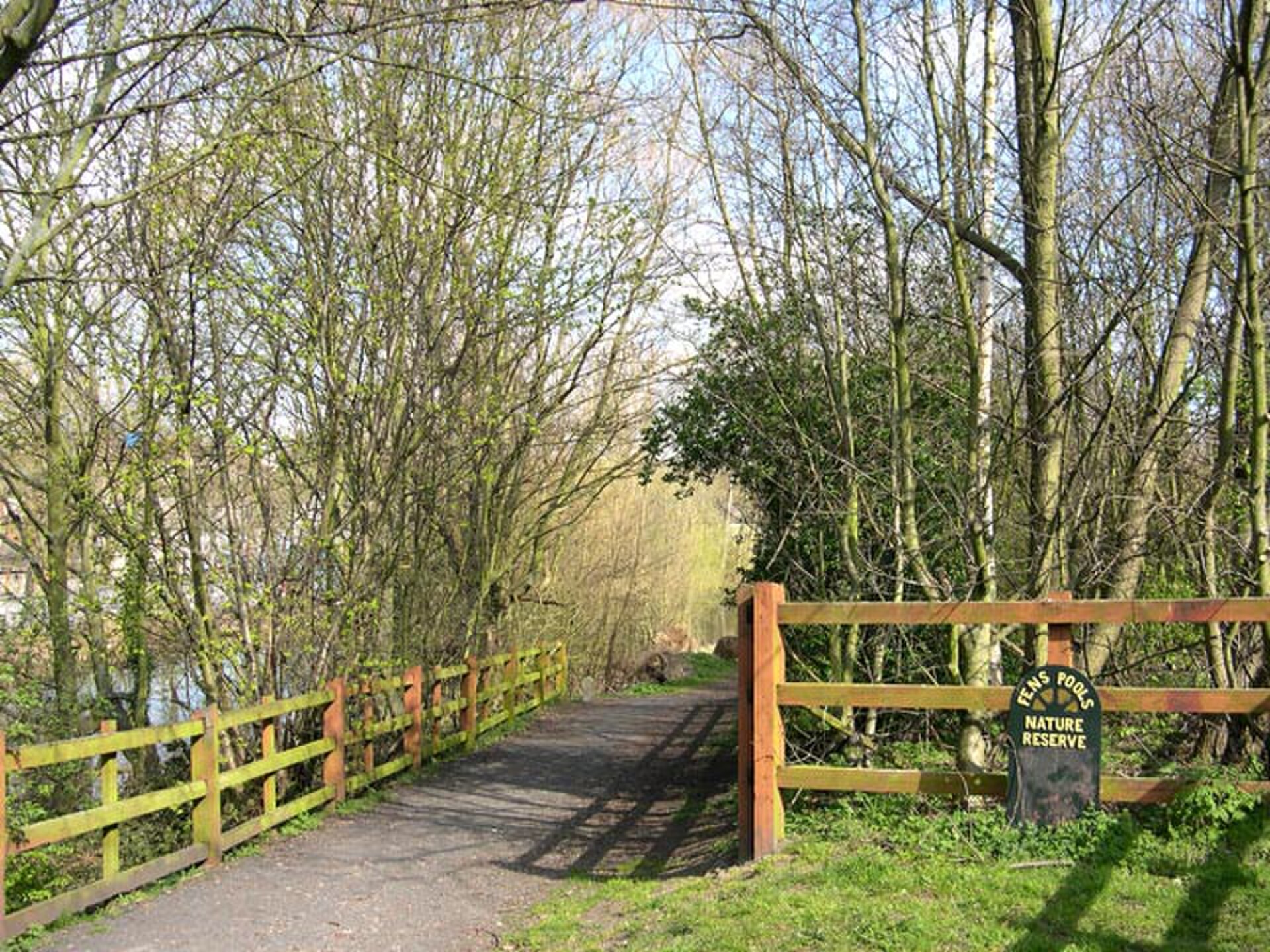
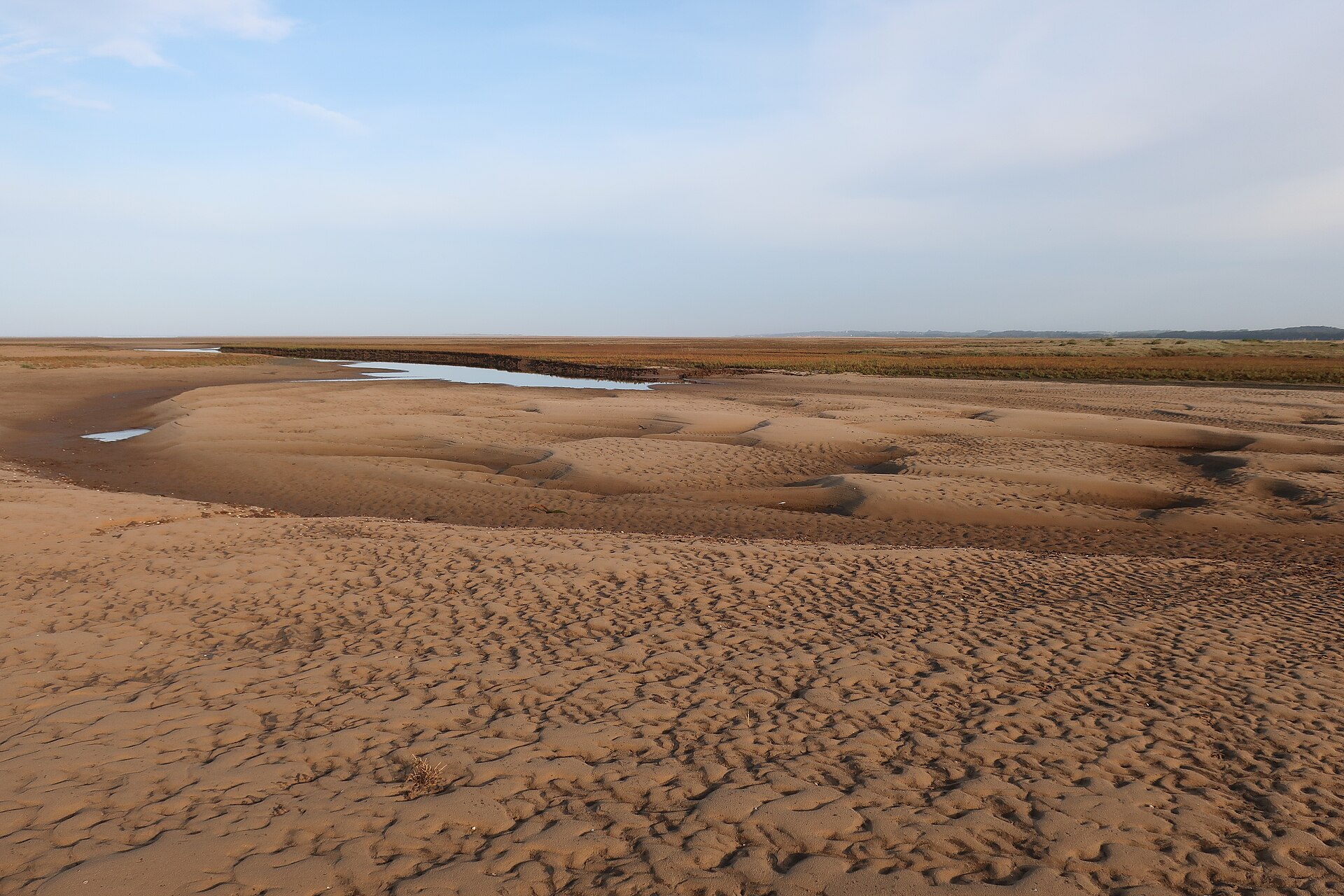
Open viewing stretches near the reserve
The most accessible impressions often come from broader, open stretches where the wetland can be read as a whole landscape.
For first-time visitors, wide views help make sense of the reserve before focusing on detail. They are useful for orienting yourself to water, reedbeds, and movement across the marsh.
Near Zrenjanin, Banat, Vojvodina
Wetland nature reserve
Nesting area for rare waterbirds
Birdwatching, quiet nature observation, photography
Marsh, reeds, channels, open water
Half-day nature stop
Not stated in source
Not stated in source
Not stated in source
Carska Bara works best as a nature stop rather than a full urban day out. Plan around weather, daylight, and the time you want for observation.
The visit is about habitat and wildlife behavior. Come for reeds, water, and bird observation, not for a dense list of built attractions.
The available source identifies Carska Bara as a wetland reserve near Zrenjanin and a nesting area for rare waterbirds. Detailed on-site logistics should be checked locally before travel.
Treat Carska Bara as a destination where current local information matters. Access conditions, paths, and visitor services can change more than at a museum or city square.
If you want help combining Carska Bara with Zrenjanin, Novi Sad, or other stops in northern Serbia, request a custom route.
Stay connected in Serbia