
Vojvodina, Serbia

Zrenjanin is a practical cultural stop in Vojvodina for travelers who want something quieter than the region’s best-known city breaks. Its strongest hook is theatre heritage, supported by a central walk that works well for a half day, with the option to stay overnight if you want to catch a performance.
Zrenjanin is the second-largest city in Vojvodina and one of the region’s most useful cultural stops for travelers who want a city break outside Novi Sad and Subotica. It is particularly associated with theatre history, since it is home to Serbia’s oldest theatre. For visitors, that gives the city a clear identity: a walkable central area, civic buildings, and a cultural story that feels different from wine-focused Sremski Karlovci or the larger urban rhythm of Novi Sad. In the broader context of the Vojvodina travel guide, Zrenjanin works best as a half-day or overnight stop built around slow walking, local institutions, and the old theatre tradition.
Zrenjanin’s defining speciality is its theatre heritage. Many Serbian cities have museums, central squares, and Austro-Hungarian layers, but Zrenjanin’s identity is anchored more specifically in performance culture because it is home to Serbia’s oldest theatre. That gives the center a different logic for visitors: you are not only looking at façades, but reading the city through its civic institutions, performance spaces, and the cultural memory attached to them. For travelers, this means the most rewarding visit is not rushed. Give yourself time to walk the core streets, pause around the main institutions, and, if timing allows, check whether there is a live program or seasonal event during your stay. Travelers building a longer regional plan can place Zrenjanin between classic Vojvodina cities and nature-focused stops such as Deliblato Sands.

Zrenjanin is usually reached by road from other Vojvodina cities or from Belgrade. For international travelers without a car, the simplest approach is to check current intercity bus options in advance and then use the city center as your main walking base once you arrive. If you are building a larger regional route, the practical planning tools on Serbia Transit Search and the broader advice in Getting Around Serbia are the best starting points.
Within the city itself, plan on walking between the main central sights. Taxis are useful for station-to-center transfers or for reaching accommodation outside the core. If you are driving, Zrenjanin is easiest as a stop on a wider Vojvodina road trip; read the basics in Driving in Serbia before setting out.
The best time to visit Zrenjanin is when you can comfortably walk the center and, ideally, combine the visit with a cultural program. For most travelers that means spring or autumn, when city walking is easier and the pace of the day feels less weather-dependent. Summer still works, especially if you keep the visit simple and use indoor museum time in the warmest hours. Winter visits are most worthwhile if you already have a specific cultural reason to go.
Time of day matters more than season. Morning through late afternoon is best for first-time visitors because it lets you combine the center, a museum, and a theatre check in one continuous route. If you hope to see a performance, plan ahead rather than arriving on spec.
Expect a calmer city experience than in Serbia’s major tourism hubs. The appeal is not concentration of headline attractions but the way theatre history, civic space, and a slower pace fit together in one center. Dress is casual for daytime walking. For theatre attendance, smart casual is a sensible default unless the venue or program states otherwise.
Families can manage the city center easily on foot, and independent travelers will find it straightforward if they keep their plan simple. Accessibility and venue access vary by building, so check directly if step-free entry is important. Bring water in warm weather, keep some dinars for small purchases, and do not over-schedule: Zrenjanin works best when you leave time to wander between the main institutions.
Focus on the city center, the theatre context, and one museum or civic building. This keeps the visit compact and avoids turning Zrenjanin into a checklist stop.
Add an evening walk, check for a theatre performance or cultural program, and use the extra time to connect Zrenjanin with the rest of the Banat side of Vojvodina.
Guided routes, walking tours, and experiences that help you make the most of a visit to Zrenjanin.
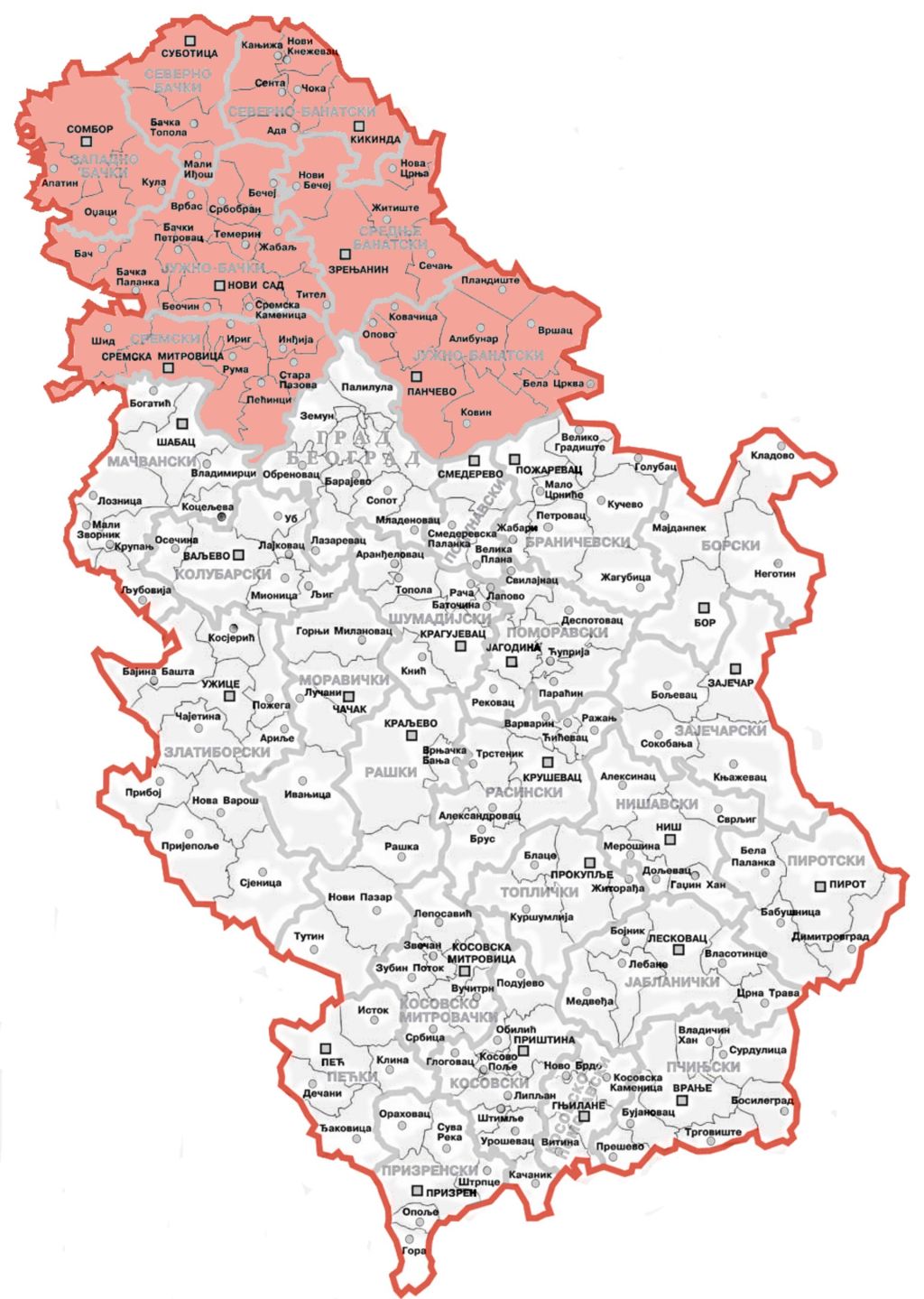
Use the map to place Zrenjanin within Vojvodina and plan your approach by road or onward regional travel.
These are the places most travelers will look for first when building a short city-center walk around Zrenjanin’s theatre and civic identity.
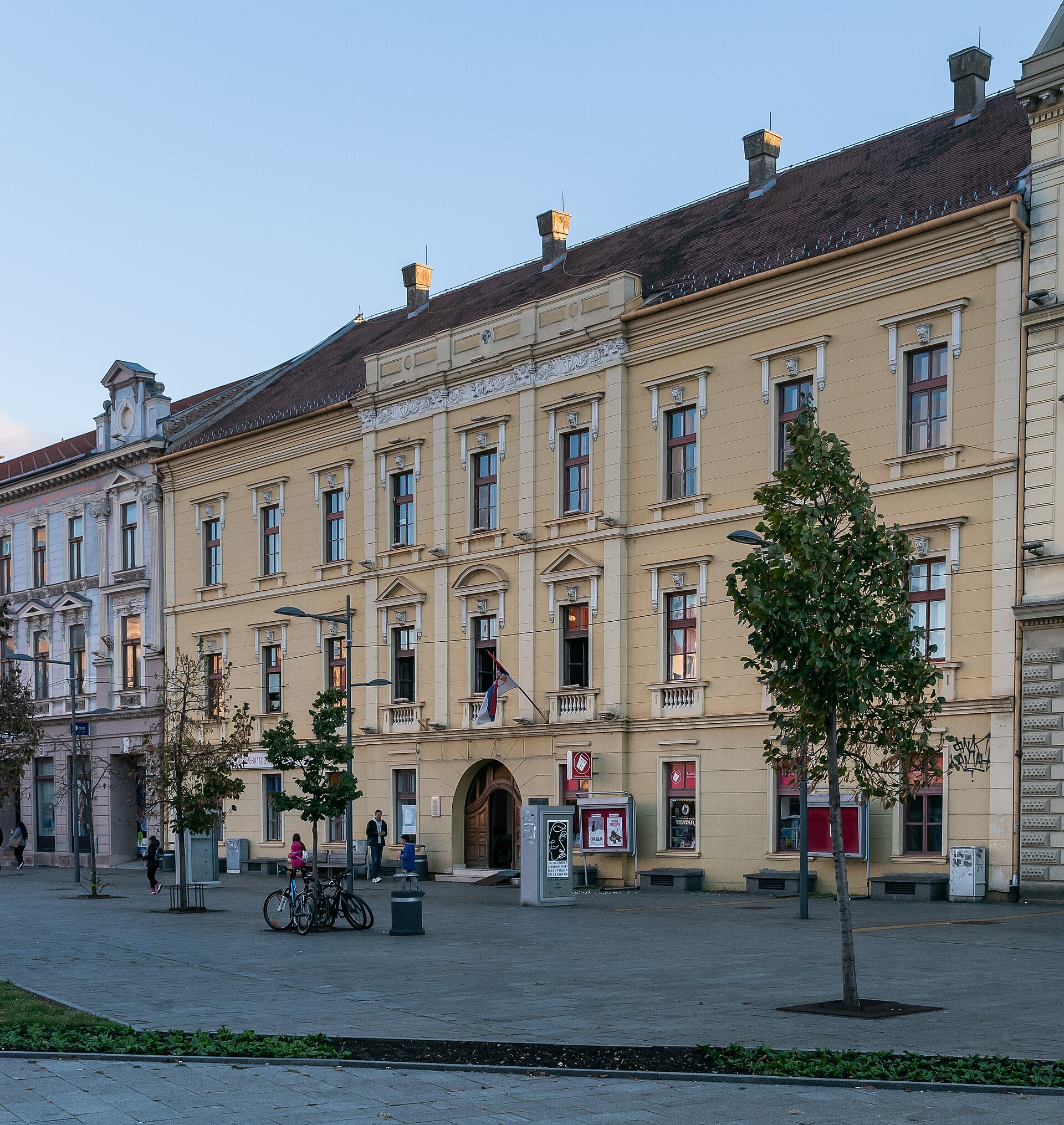
National Theatre Toša Jovanović
The key stop for understanding why Zrenjanin is associated with Serbia’s oldest theatre tradition.
Start here if the city’s main appeal for you is performance history. Even when you are not attending a show, the theatre gives context to the rest of the central walk.
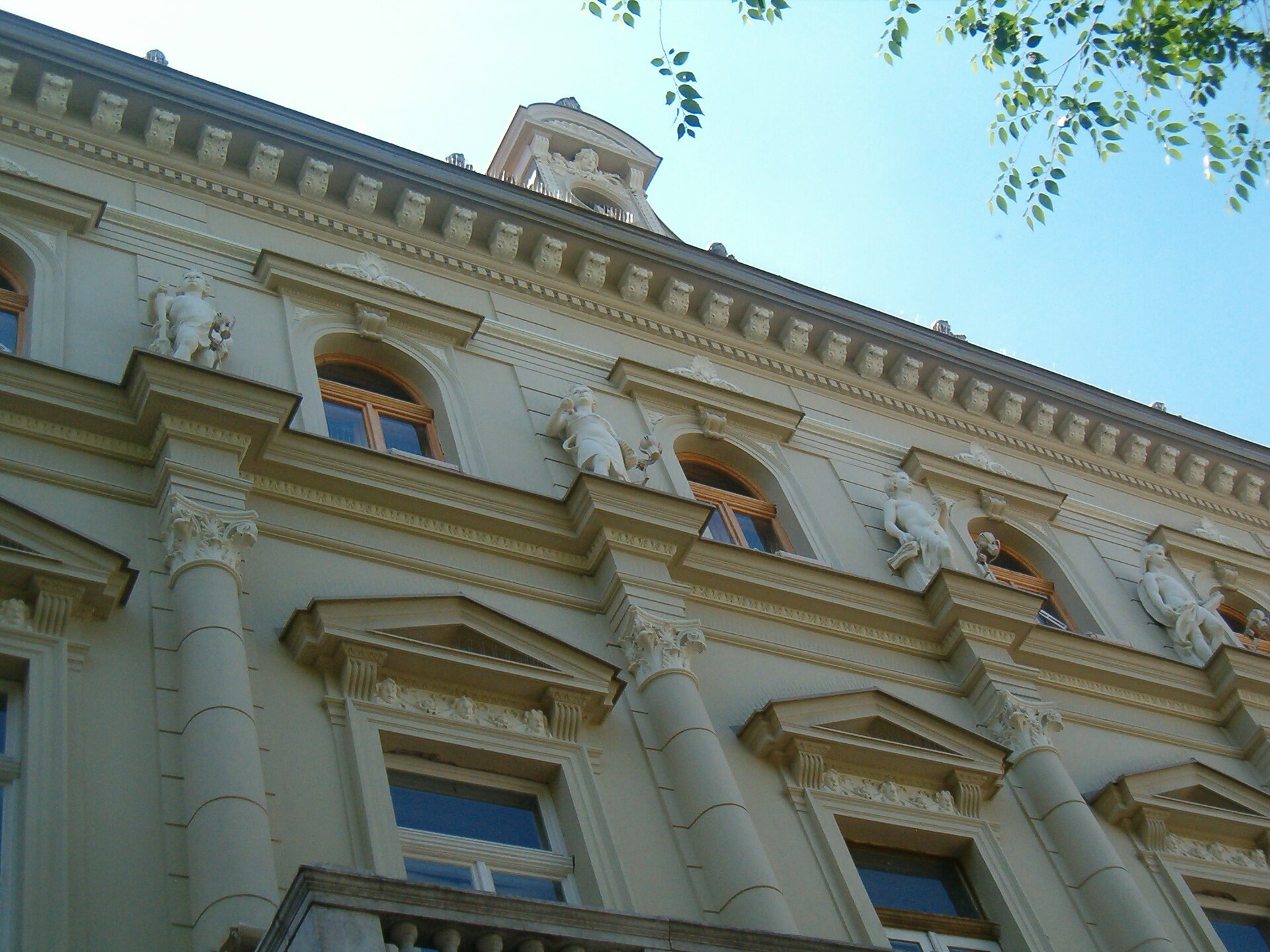
National Museum Zrenjanin
A useful complementary stop after the theatre if you want broader historical context.
The museum adds depth to a short walk by placing the city’s civic and cultural identity in a wider frame. It is the most logical indoor stop after the theatre itself.
City Hall area
The civic core that helps explain the city’s formal urban character.
Even travelers who do not plan museum interiors should spend time in the central administrative quarter. It is part of what makes Zrenjanin feel like a lived-in regional city rather than a single-sight stop.
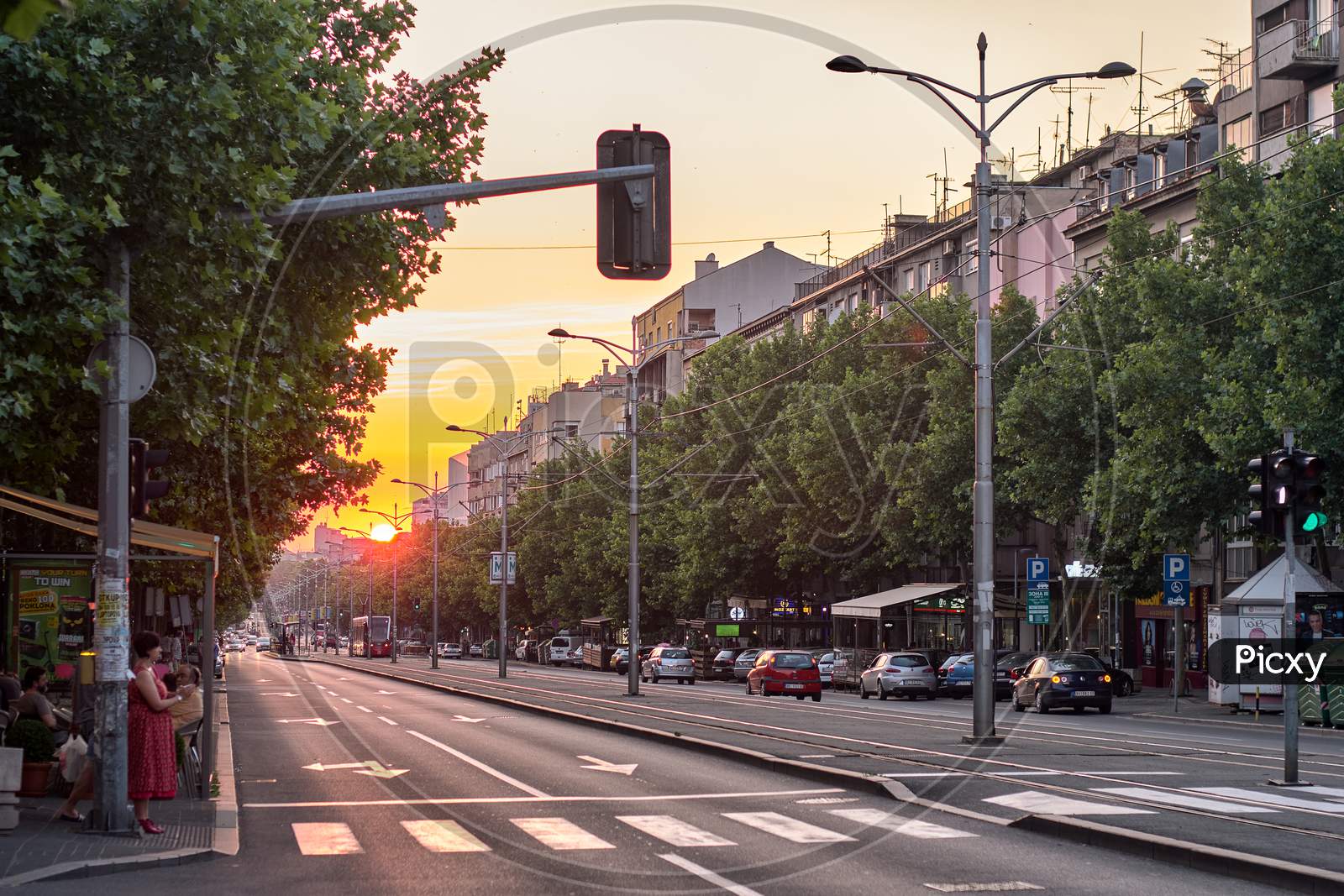
King Aleksandar I Street and the central walk
A practical pedestrian route for connecting the city’s cultural and civic landmarks.
Use the central streets to link the theatre, museum, and square-based sights. This is the easiest way to understand Zrenjanin on a first visit.
Vojvodina, Serbia
Serbia’s oldest theatre
Regional city break
Culture-focused half-day or overnight visit
Slow central walk with one indoor stop
Best added to a wider Vojvodina itinerary
Zrenjanin suits travelers who prefer civic squares, museums, and theatre history over wine cellars or mountain scenery. It is most useful when paired with a wider regional route through Vojvodina rather than as a standalone multi-day base.
The city works well for a slow morning or afternoon walk with one museum or theatre-focused stop. International visitors usually get more from Zrenjanin as part of a loop through Vojvodina than from treating it as a nightlife or shopping destination.
Opening hours, ticket prices, and local transport patterns can change. If a museum visit or theatre program is central to your day, confirm the latest timetable locally before you go.
If you are coming from Belgrade or Novi Sad, aim to arrive early enough for a daylight walk through the center. Zrenjanin is more rewarding when approached as a city to read slowly rather than as a quick photo stop.
For most travelers, Zrenjanin is best known as the second-largest city in Vojvodina and for being home to Serbia’s oldest theatre.
Yes, especially if you are already traveling through Vojvodina and want a slower cultural stop focused on the city center, museums, and theatre heritage.
A half day covers the center at a relaxed pace. An overnight stay makes more sense if you want to add a theatre performance or avoid rushing your arrival and departure.
Usually no. Novi Sad is the easier first base for most international travelers, while Zrenjanin works better as a secondary city stop within a wider Vojvodina route.
We can help you place Zrenjanin within a wider Vojvodina or Serbia itinerary based on your pace, transport style, and interests.
Stay connected in Serbia