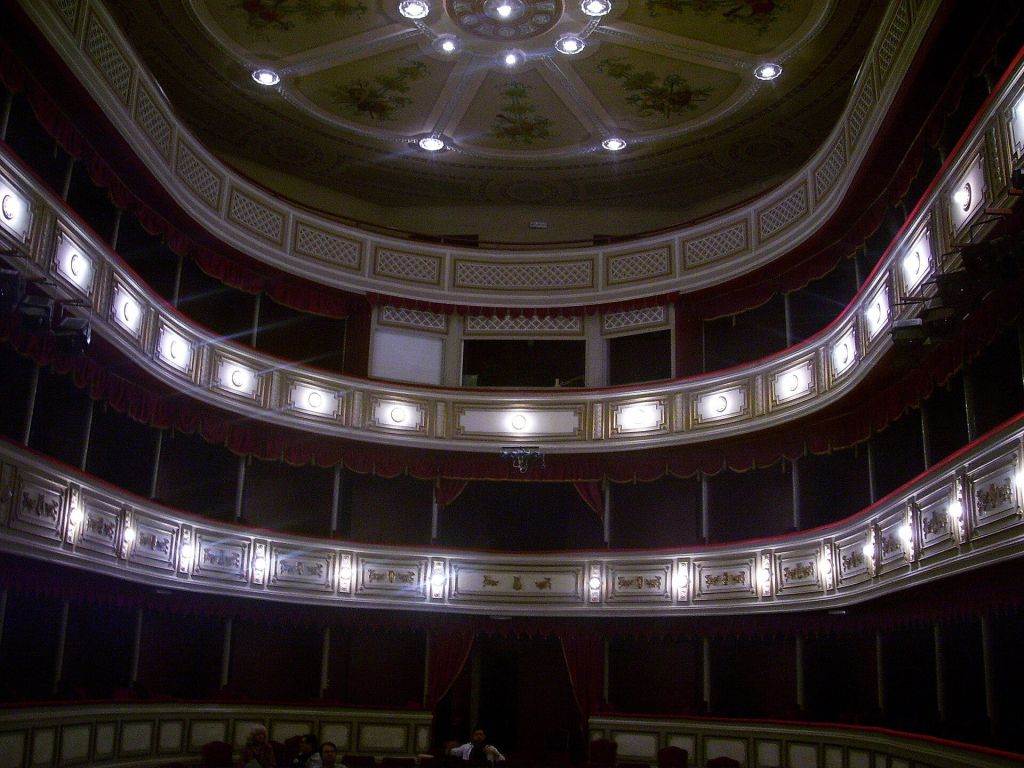
Central Zrenjanin, Vojvodina

The Oldest Theatre in Serbia is in central Zrenjanin and works best for travelers who want a short cultural stop woven into a broader walk around the city center. The value of the visit is not only the building itself, but its role in Zrenjanin’s identity as a regional cultural center. If you are already exploring the streets, squares, and civic architecture of the town, the theatre gives that walk a clear historical focus. Plan it as part of a compact half-day in town rather than as a stand-alone excursion.
The Oldest Theatre in Serbia stands in the center of Zrenjanin, the Banat city whose urban core still feels shaped by civic institutions, promenading streets, and cultural buildings. It is known for its long theatrical tradition and for the fact that the theatre itself is treated as a historic marker of Serbian stage culture. For visitors, that means less of a museum-style stop and more of a place that helps explain the town’s character. The mood around it is urban, calm, and local, especially when you approach it as part of a walk through Zrenjanin’s city center and theatre heritage.
What makes the Oldest Theatre in Serbia meaningful is context. In larger cities, theatres can disappear into a crowded list of cultural venues. In Zrenjanin, the theatre reads more clearly as a civic anchor. It helps explain why the city is often framed as a cultural center of the region, and why a traveler should pay attention to the streets immediately around it. The experience is architectural and urban as much as performative: you notice the scale of the town center, the formality of public space, and the way culture sits close to everyday life. That makes it a good stop for travelers interested in Serbian urban history, not only for regular theatregoers.
If your trip is built around Vojvodina’s smaller cities rather than only Novi Sad, this stop adds a different rhythm from the riverfront and fortress narratives found elsewhere in the province.
The theatre is in central Zrenjanin, so most visitors reach it on foot once they are in the town center. If you arrive by intercity bus, allow time for a short walk or a quick local taxi ride into the core streets. Drivers should treat it as a center-of-town stop and look for legal public parking in surrounding streets rather than expecting door-to-door convenience. If you are building a wider regional route, use Serbia Transit Search: buses, trains and practical route planning for intercity connections before you set out.
Because the attraction works best as part of a city walk, the most practical approach is simple: get into Zrenjanin first, then continue on foot through the central area instead of planning a separate transport leg just for the theatre.
Daylight hours are best if your main goal is to appreciate the building and place it within Zrenjanin’s urban fabric. Late morning and early evening usually suit a city-center walk well because you can see the surrounding streets clearly and still have time for other stops. If you are hoping to experience the theatre as a live cultural venue, check local scheduling in advance and keep your timing flexible.
Spring and autumn work especially well for combining the theatre with a longer Banat outing. In warmer months, you can continue after town with nature-oriented stops such as Carska Bara; in cooler months, the theatre fits better into a compact cultural half-day focused on central Zrenjanin.
Expect a cultural landmark rather than a large, multi-part visitor complex. The experience is quiet, urban, and best understood through the surrounding center as much as through the theatre itself. Travelers interested in architecture, civic history, and the cultural life of smaller Serbian cities usually get more from the stop than travelers looking only for a major blockbuster attraction.
Wear normal city clothing and comfortable walking shoes. Families can include it easily because the stop is short and sits within a wider pedestrian-friendly visit. Accessibility and interior access may depend on current operations, so it is wise not to build a tight schedule around an assumed full interior visit. Bring water in warm months and a flexible attitude: the reward here is context and atmosphere, not high-volume sightseeing.
The theatre is important because it represents continuity of stage culture in Serbia, not just one isolated architectural detail. It gives a concrete focus to Zrenjanin’s cultural identity.
Its city-center setting makes it easy to understand the relationship between culture, administration, and everyday urban life in Banat. You are visiting part of a living town center, not a detached monument.
Central Zrenjanin location for planning your walk through the town center.
Use the theatre as the center of a wider Zrenjanin and Banat route. These related destinations fit naturally before or after a city-center walk.

Zrenjanin, Vojvodina | Theatre Heritage and City Center Walks
The broader city guide for understanding where the theatre fits in Zrenjanin.
Best if you want to place the theatre within a half-day or full-day walk through the center, with practical context on the town’s layout and atmosphere.
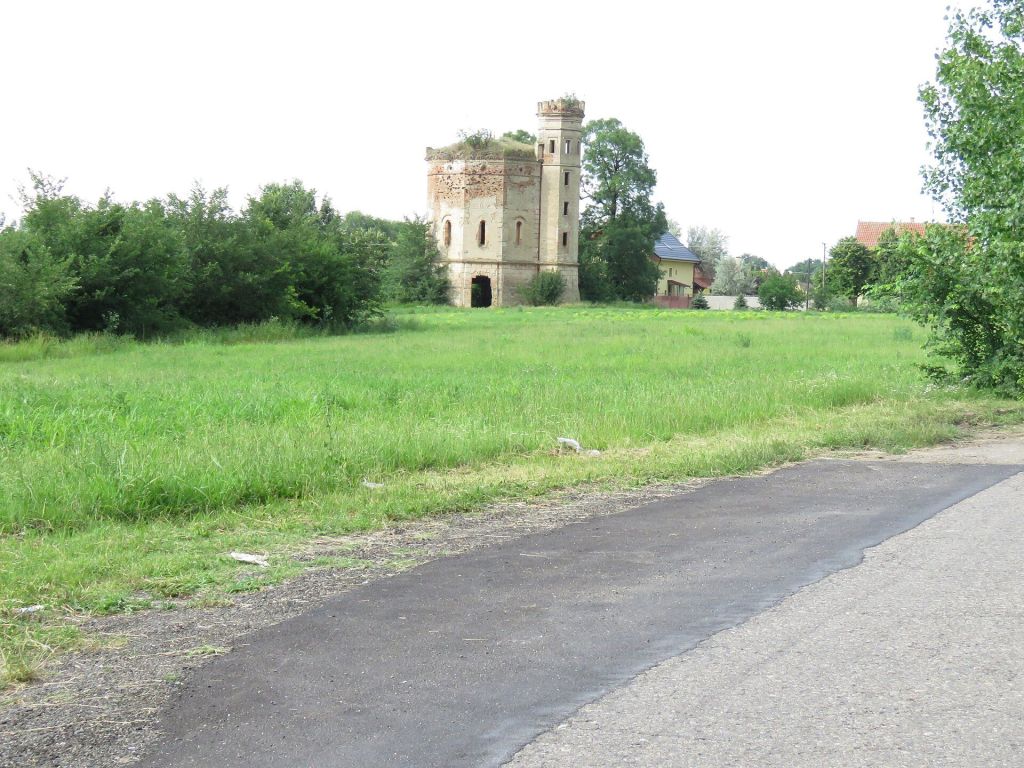
Ečka, Zrenjanin | Nature Reserve and Historic Estate
A historic estate area outside central Zrenjanin.
Useful if you want to balance town architecture and cultural heritage with a quieter rural-historic setting on the same trip.
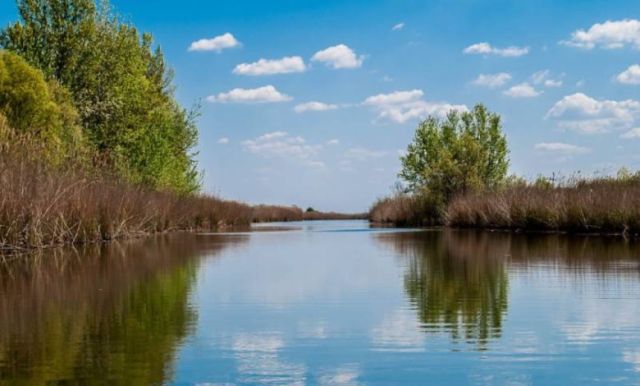
Carska Bara, Vojvodina | Wetland Bird Reserve near Zrenjanin
A wetland reserve for travelers mixing culture and nature.
A practical add-on if your Zrenjanin stop is part of a slower Banat itinerary and you want open landscapes after time in the city center.
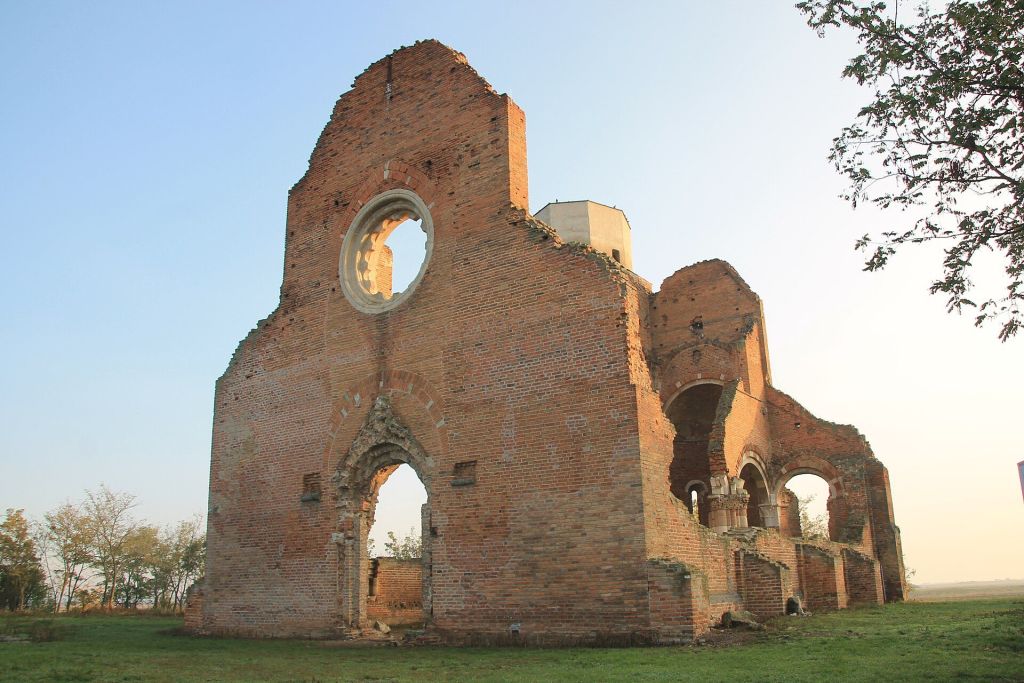
Arača, Vojvodina | Romanesque monastery ruins
A historic ruin in Banat for travelers interested in older layers of the region.
Pairs well with the theatre if your route is focused on heritage rather than only urban stops, especially on a longer drive through Vojvodina.
Central Zrenjanin, Vojvodina
Zrenjanin city center
Theatre heritage and historic cultural identity
Around 15 to 30 minutes as part of a walk
A city-center stroll, Ečka, or Carska Bara
Culture-focused travelers and urban history interest
Come here as part of a broader walk through central Zrenjanin rather than as a single-purpose stop. The theatre makes most sense when paired with the town’s squares, facades, and everyday street life.
If you do not have confirmed performance information in advance, treat the theatre as a heritage landmark first. Any live program you catch is a bonus rather than the only reason to come.
Arrive a little early, keep clothing neat rather than formal, and expect a mostly local audience. Basic theatre etiquette applies even if the production is not in English.
Start in central Zrenjanin with the theatre and the surrounding streets, then continue toward Ečka’s historic estate or Carska Bara’s wetland reserve if you have a car.
Ask Serbian Travel for a practical route that links Zrenjanin’s center with nearby heritage and nature stops without overloading your day.
Stay connected in Serbia