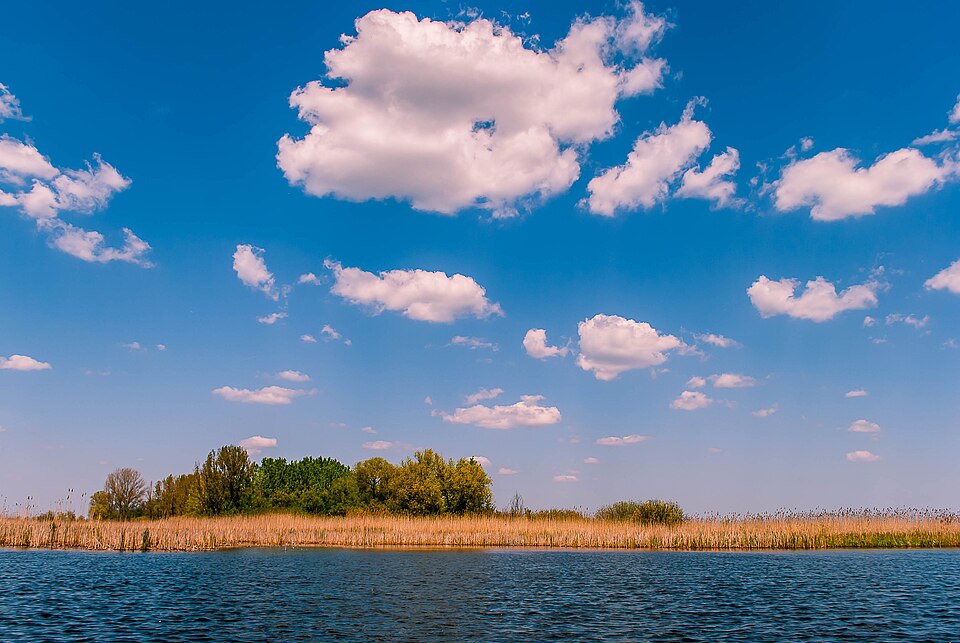
Village near Zrenjanin, Banat, Vojvodina

Ečka is a short, practical stop near Zrenjanin for travelers interested in the meeting point of village heritage and wetland landscape. The key draw is the historic estate identity of the settlement, best experienced slowly and combined with Carska Bara or a wider Banat route.
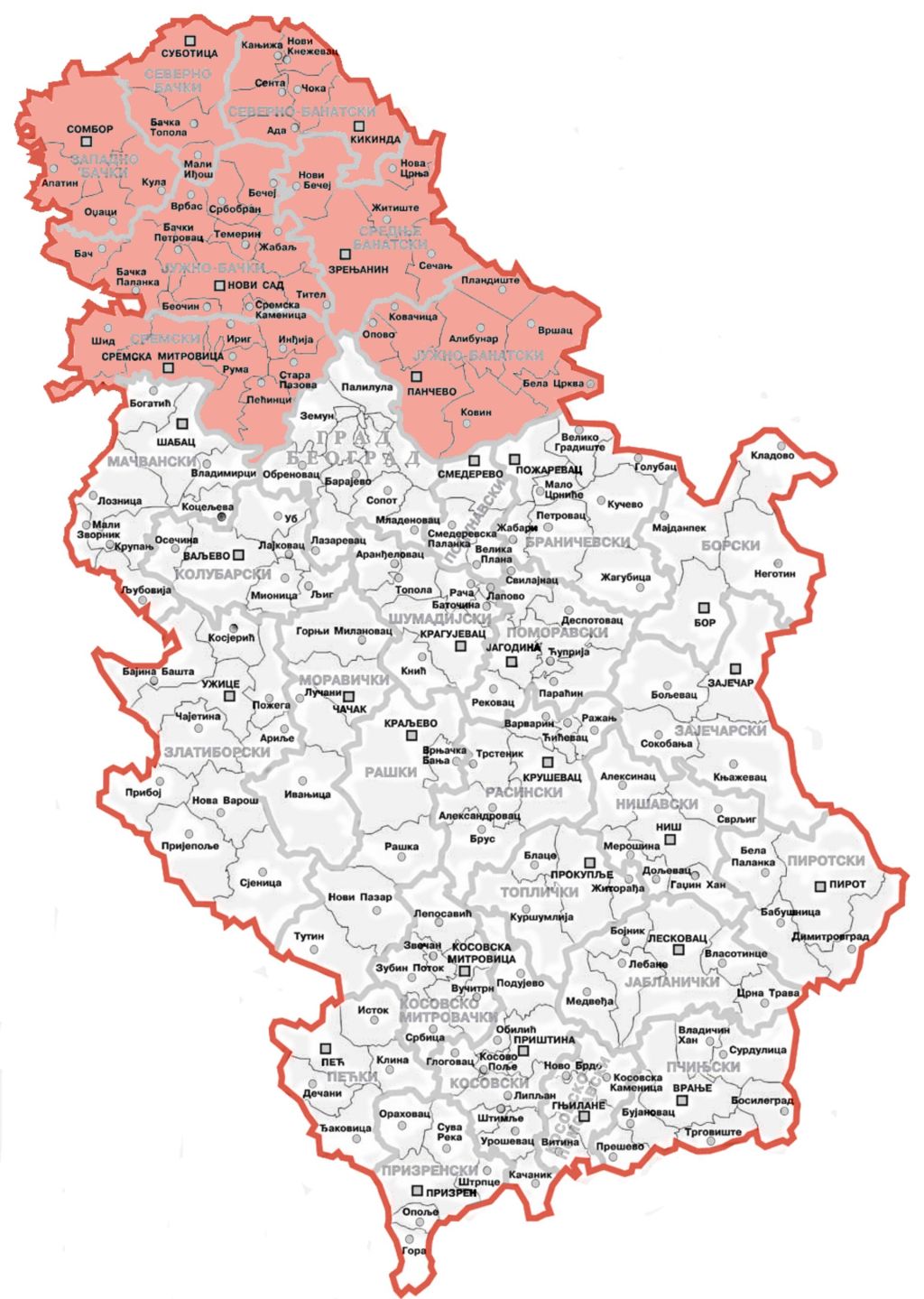
Ečka is a lowland settlement near Zrenjanin in Banat, set in the open agricultural plain of Vojvodina and associated with an old estate landscape rather than an urban center. It is best known for the historic manor and the broader environment shaped by water, fields, and managed wetland habitat. The feeling is quiet and rural, with long straight approaches, flat horizons, and a slower rhythm than travelers find in larger Vojvodina bases. For wider context, Ečka fits naturally into a route through the Vojvodina travel guide or a day based in Zrenjanin.
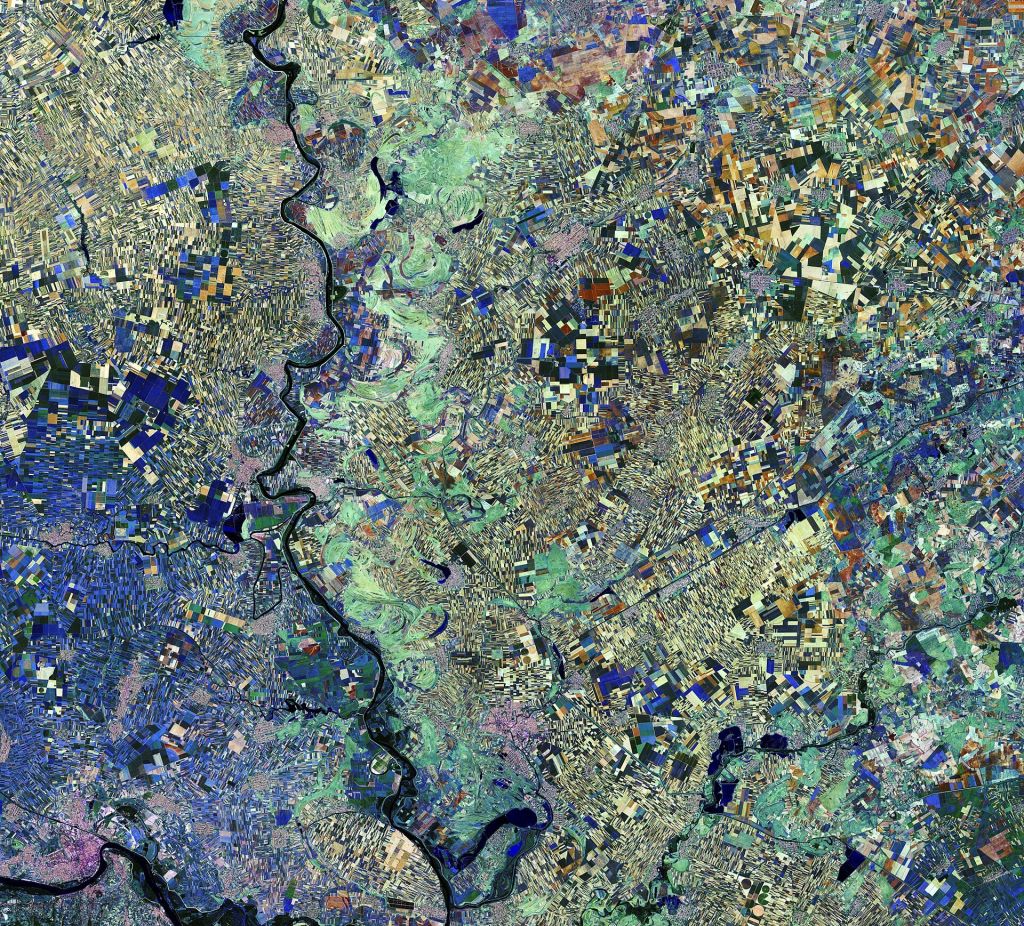
The main reason to visit Ečka is the combination of aristocratic estate heritage and the surrounding plain landscape. In many Vojvodina villages you get either a rural stop or a nature stop; in Ečka, the identity comes from both at once. The historic estate gives the place a clear focal point, while the nearby marsh and fishpond environment explains why this part of Banat has long been tied to hunting grounds, water management, and birdlife. That mix makes Ečka different from a town square visit or a simple roadside village break. If you want a broader wetland excursion, the reserve context continues at Carska Bara near Zrenjanin.
For most visitors, Ečka works best as a measured stop: walk the village core, view the estate architecture, and then continue into the surrounding plain rather than expecting a dense list of ticketed attractions.
Ečka is most practical by car or taxi from Zrenjanin. From central Zrenjanin, the drive is short and straightforward on local roads across the plain; taxi is the simplest option if you do not want to depend on village timetables. If you are arriving into the region first, use Serbia Transit Search or the wider Getting Around Serbia guide to reach Zrenjanin, then continue locally.
Walking inside Ečka is easy because the village core is compact and flat. Parking is generally easier than in larger cities, but visitors should still leave the car without blocking local access roads or farm traffic. Because local transport schedules can change and are less convenient for international visitors, Ečka is best treated as a short side trip rather than a public-transport-first destination.
Ečka is most rewarding in stable weather when the village and surrounding plain can be seen on foot without rush. Spring and autumn usually make the most sense because the wetland environment nearby is active and the flat landscape reads clearly in softer light. Early morning and late afternoon are better than midday for photography. If you plan to combine Ečka with wetland birdwatching, give priority to daylight and calmer conditions over fixed meal times or a rigid schedule.
Because Ečka is a short-stop destination, reservation planning matters less here than in city attractions. What matters more is confirming whether any interior spaces you hope to enter are actually accessible on the day you go.
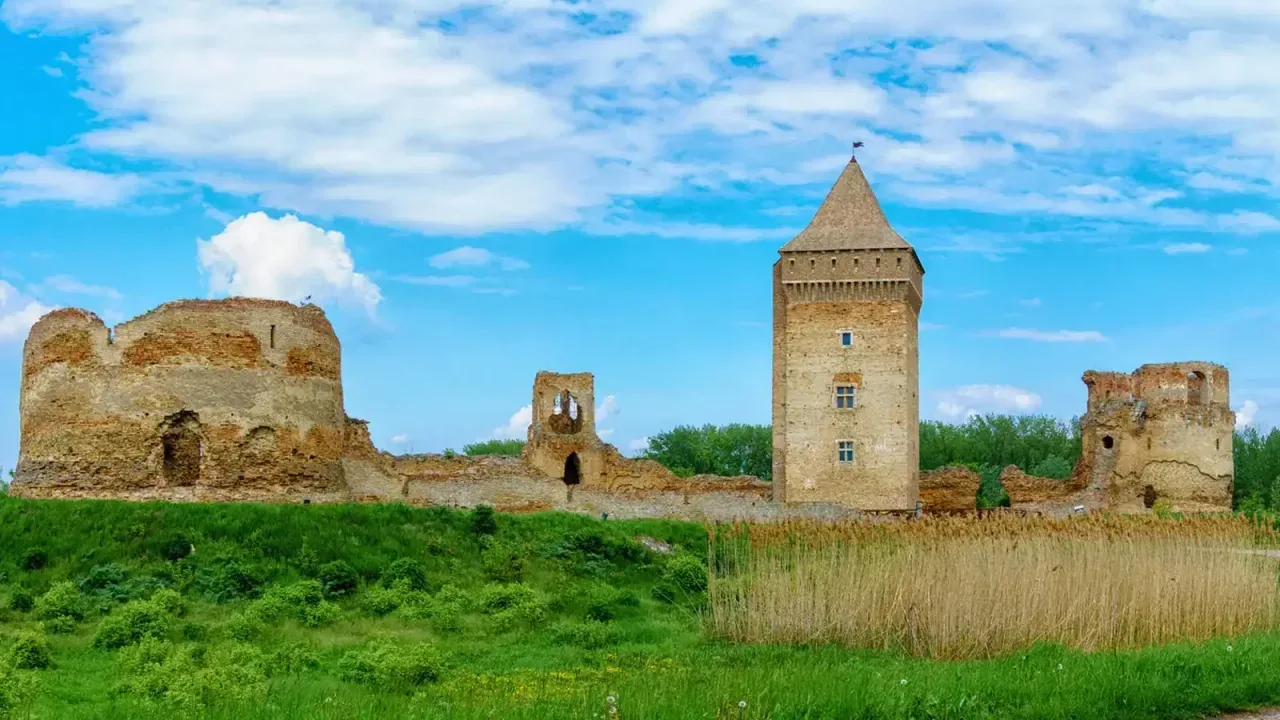
Expect a quiet settlement, not a museum district. The atmosphere is local and low-key, with modest visitor infrastructure and long pauses between points of interest. Dress is casual. Accessibility is easier than in hilly destinations because the terrain is flat, but individual building access may vary. Families with children can manage a short stop easily, especially if they are already heading toward the reserve area. Travelers looking for cafés, dense signage, or a long checklist of formal attractions may find Ečka too brief on its own.
The reward is different: Ečka helps you understand how heritage in Vojvodina often sits inside working landscapes rather than apart from them. It is a place to read the setting, not just tick off monuments.
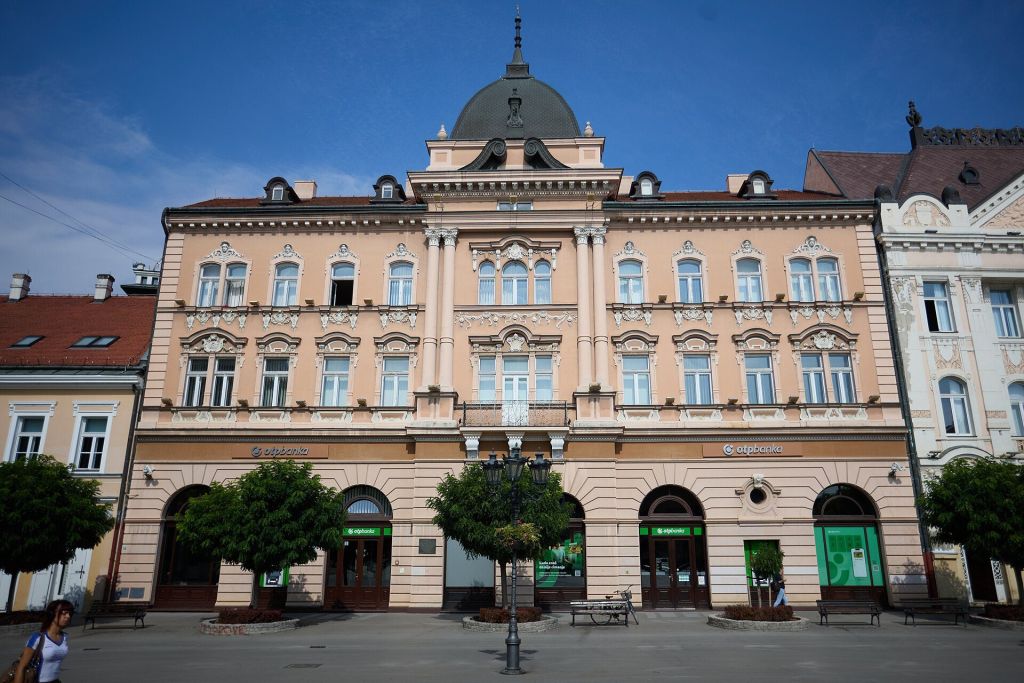
For most travelers, 45 to 90 minutes in Ečka is enough for the estate setting, village atmosphere, and a short walk.
The most logical pairings are Zrenjanin for an urban stop and Carska Bara for wetland scenery and birdlife.
Ečka is near Zrenjanin in the Banat plain of Vojvodina.
These are the practical places most travelers look for when they stop in Ečka and its immediate setting.
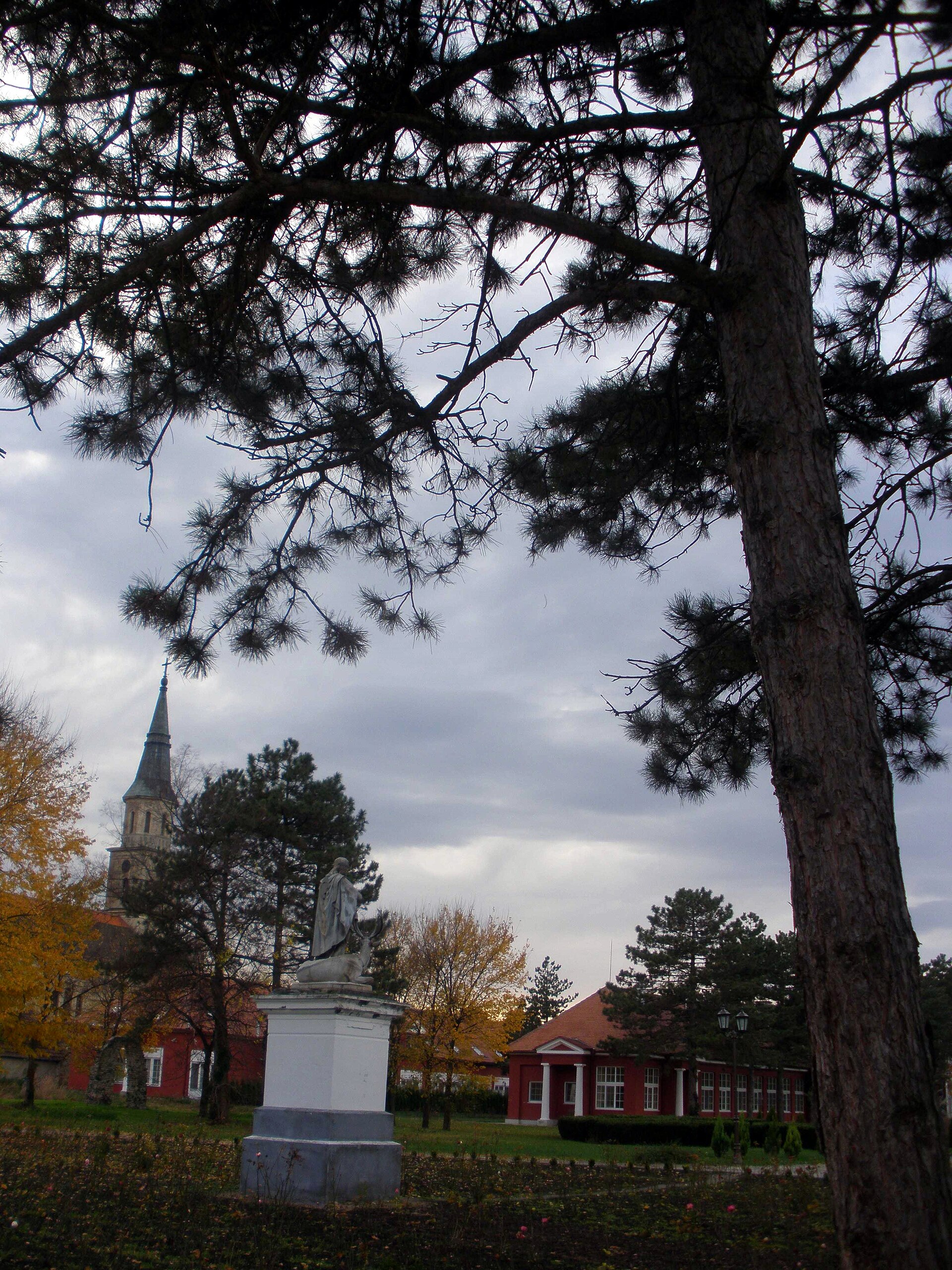
Kaštel Ečka
The best-known historic estate building in Ečka.
The manor is the clearest expression of Ečka’s historic identity and the main architectural reason to stop in the village.
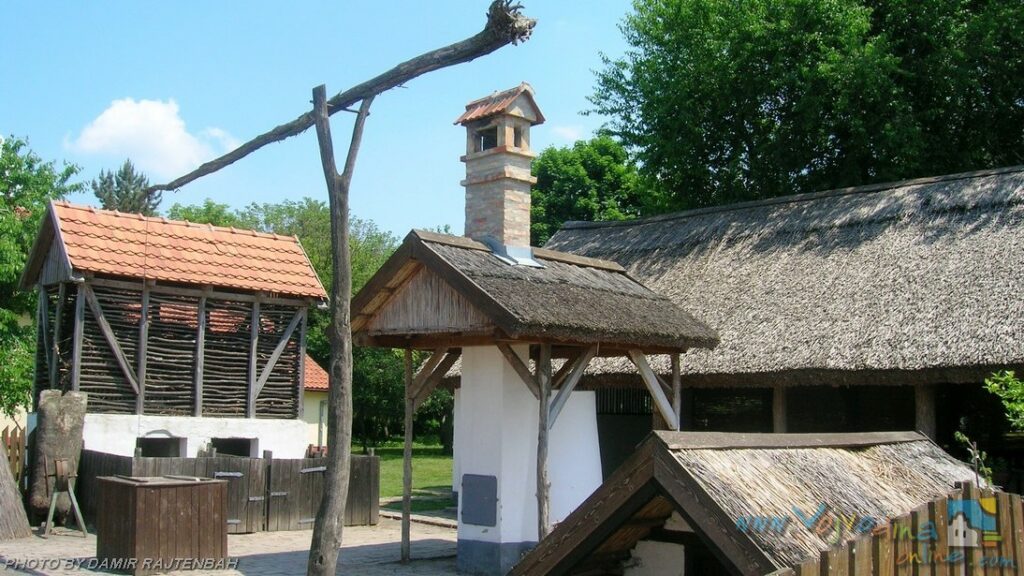
St. Nicholas Church in Ečka
Orthodox church adding historical texture to the village stop.
A useful second stop if you want more than a single exterior photo of the estate and want to read Ečka as a lived settlement rather than only a former manor domain.

Carska Bara wetland approach
Wetland edge and reserve access near Ečka.
Many travelers use Ečka as the cultural side of a wetland outing, with reedbeds, water channels, and bird habitat shaping the wider landscape.
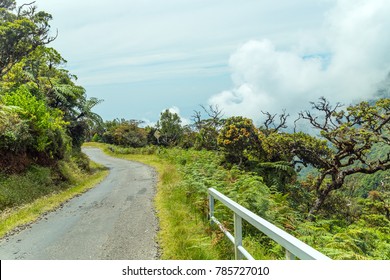
Fishpond and plain landscape roads
The open Banat setting that explains why Ečka feels different from a town stop.
The surrounding roads, embankments, and water-managed flatland are part of the experience, especially for photographers and travelers interested in Vojvodina’s agricultural geography.
Village near Zrenjanin, Banat, Vojvodina
Zrenjanin
Historic estate setting and wetland-edge landscape
45–90 minutes
Carska Bara and Zrenjanin
Spring or autumn daylight; morning or late afternoon for photos
Flat village streets and plain landscape
Not usually for the village stop itself; confirm any interior access locally
Travelers interested in rural heritage, birdlife context, and quieter Vojvodina stops
Ečka is not a full-day city destination. It suits travelers who want estate history, a village atmosphere, and easy access to the wetland zone around Carska Bara.
Allow 45 to 90 minutes for Ečka itself, then combine it with Carska Bara or central Zrenjanin for a fuller half-day or day trip.
If you are relying entirely on public transport, plan Ečka together with Zrenjanin rather than as a stand-alone excursion.
Bring water, sun protection in warm months, and footwear suitable for village streets and short uneven patches near rural edges.
Usually as a short stop rather than a stand-alone full day. It works best when paired with Zrenjanin or Carska Bara.
Ečka is known for its historic estate setting and its position near an important wetland landscape in the Vojvodina plain.
Most travelers need under two hours unless they are using it as part of a longer nature outing in the surrounding area.
Yes, but it is less convenient. The easiest approach for most international visitors is to reach Zrenjanin first and continue by taxi or local arrangement.
If Ečka fits your style of travel, build it into a route with Zrenjanin, Carska Bara, Novi Sad, or Fruška Gora.
Stay connected in Serbia