Plan my Serbia route

Festivals

Serbia’s Art Festivals

A cultural journey through Serbia’s boldest theatre, dance and contemporary art events.

Serbia’s Art Festivals at a glance A festival scene where provocative theatre, cutting-edge visual art and international dance turn Serbian cities into open cultural stages.
Art Festivals
Belgrade
Novi Sad
Contemporary Art
Dance & Theatre

Overview

Serbia’s art festivals are one of the best reasons to plan a culture-focused trip, especially if you enjoy contemporary theatre, visual arts and dance. Centered mainly in Belgrade and Novi Sad, these events combine serious artistic ambition with a relaxed, accessible city atmosphere that makes festival-going feel exciting rather than intimidating.

Whether you want experimental performances, major exhibitions or a deeper introduction to modern Serbian creativity, these festivals offer a vivid way to experience the country beyond its landmarks and nightlife.

Quick facts

Region

Primarily Belgrade and Novi Sad, with national cultural significance
Best time

March–May and September–October

Known for

Experimental theatre, contemporary visual art and international dance

Main cities

Belgrade and Novi Sad

Currency

Serbian dinar (RSD)

Language

Serbian; English is widely understood at major festivals

Ticketing

Popular performances can sell out, so booking ahead is wise

Travel style

Best for culture lovers, city-break travelers and festival enthusiasts

Why visit Serbia for art festivals?

Serbia may be better known internationally for its nightlife, river cities and historic monasteries, but its festival calendar reveals another side of the country: curious, intellectually lively and artistically adventurous. The strongest art festivals here are not just entertainment—they are places where new ideas are tested, difficult subjects are debated, and local audiences engage seriously with global trends.

For travelers, this creates a rewarding mix. You can spend the afternoon in a gallery, the evening at a daring theatre production, and later end up discussing the performance over wine or rakija in a café full of students, artists and regular festivalgoers. Prices are often more accessible than at major Western European festivals, while the quality of programming can be impressively high.

Another advantage is practicality. Belgrade and Novi Sad are easy to combine in one trip, both are walkable in their central districts, and both have a strong café culture that makes downtime part of the experience. Even if you are not a specialist in theatre or visual arts, these festivals are welcoming entry points into contemporary culture in Southeast Europe.

The main festival season

Petar Milošević

Serbia’s strongest art-festival period falls into two parts of the year. Spring brings major stage events, especially in Belgrade and Novi Sad, while early autumn is particularly strong for theatre and visual arts. If you want to build a trip around multiple events, the most useful windows are late March to May and September to October.

Spring is ideal for travelers who want milder weather, outdoor café life and a mix of performances with city sightseeing. Autumn, especially in Belgrade, has a more intense cultural mood: galleries reopen after summer, theatre schedules become busy, and audiences return in full force. Summer can still be enjoyable in Serbian cities, but it is less central for the specific festivals covered here.

A practical note: festival dates vary slightly each year, and venues may be spread across several theatres, cultural centers or exhibition spaces. Before arriving, check official schedules, venue addresses and whether performances have surtitles or English-friendly program notes.

Festival highlights in Belgrade and Novi Sad

The best-known art festivals in Serbia each have a distinct personality. Some are internationally oriented and experimental, while others are more rooted in Serbian drama and the national cultural scene. Together, they offer a broad picture of the country’s artistic life—from radical stage work to major contemporary exhibitions.

If you are choosing only one event, think about your interests. Theatre lovers should look first at BITEF or Sterija’s Theatre Festival. Contemporary art travelers should prioritize the October Salon. Dance enthusiasts will find the Belgrade Dance Festival the clearest match. Many visitors, however, enjoy combining one or two headline events with museums, architecture, riverside walks and local food, which makes for a balanced city break rather than a tightly scheduled cultural marathon.

[1]

What to expect as an international visitor

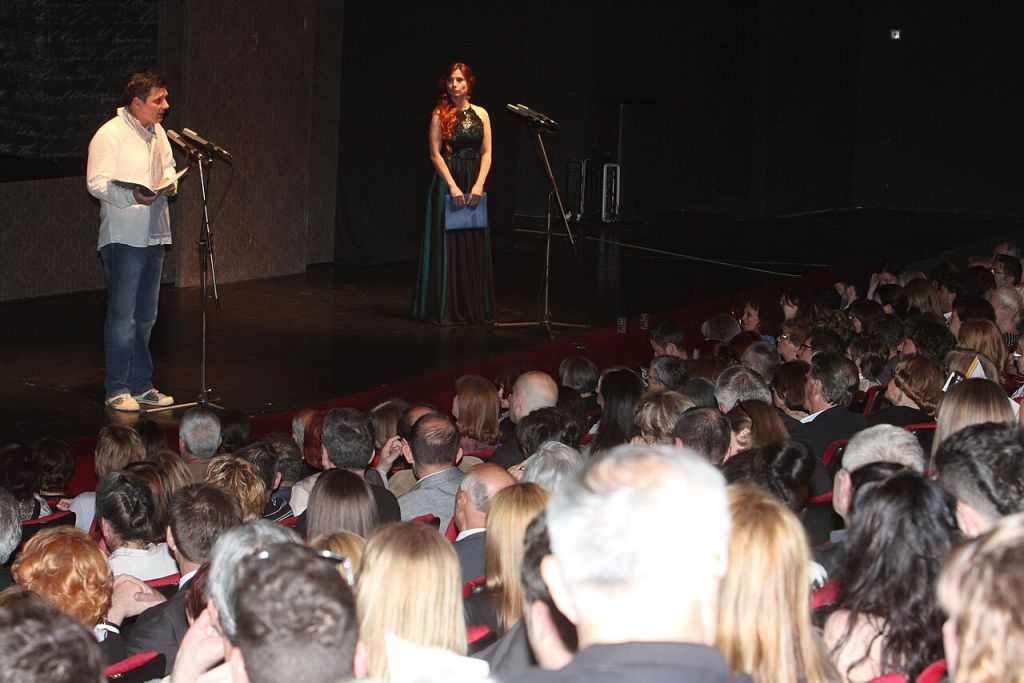
Festival audiences in Serbia are engaged and often knowledgeable, but the atmosphere is usually less formal than in some larger European cultural capitals. You do not need to dress up heavily unless you want to. Smart casual works for most performances and exhibitions. Arrive on time for theatre productions, as late entry may be restricted.

English is commonly used in festival communication, especially online and at ticket desks in Belgrade. Some performances will have English surtitles, though not all. For visual arts events, bilingual exhibition texts are common at major venues. If language access matters to you, check before booking.

One honest observation: Serbian festivals can be brilliantly curated, but practical organization may occasionally feel flexible. Venue changes, delayed starts or last-minute updates are not unheard of. Build a little slack into your schedule and treat it as part of the local rhythm rather than a problem.

Planning your trip around the festivals

Belgrade is the natural base for most art-focused travelers. It hosts several of the country’s leading festivals and has the widest choice of hotels, apartments, restaurants and late-night options. Stay in or near the city center, Dorćol, Vračar or around Republic Square for easier access to venues and public transport. Taxis and ride-hailing apps are affordable by European standards, but traffic can be heavy, so leave extra time before a performance.

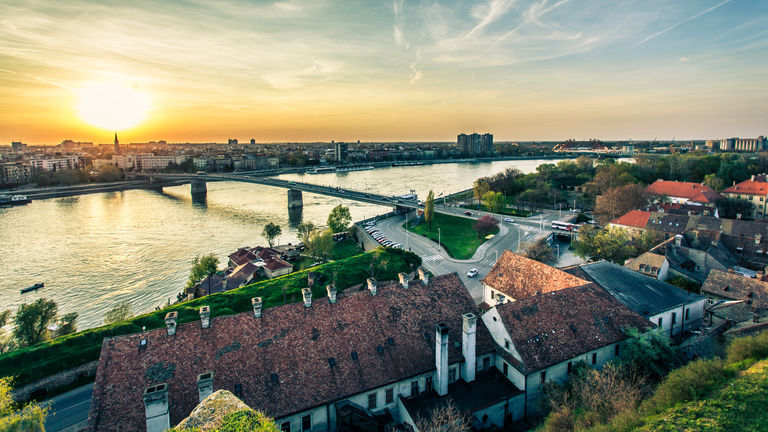
Novi Sad is smaller, calmer and very comfortable for a festival stay. During Sterija’s Theatre Festival, the compact center makes it easy to move between theatre venues, cafés and evening strolls through pedestrian streets. It also combines well with a day trip to Petrovaradin Fortress or nearby Fruška Gora if you want a break from indoor events.

If your schedule allows, spend at least two full days in Belgrade and two in Novi Sad. That gives you enough time to see a performance or exhibition without feeling rushed, while still experiencing the cities themselves.

Planning shortcut

Planning shortcut

  • Ideal stay: 3–5 days for one city, 5–7 days to combine Belgrade and Novi Sad
  • Best base: Central Belgrade for BITEF, Dance Festival and October Salon; central Novi Sad for Sterija’s Theatre Festival
  • When to book: Reserve accommodation several weeks ahead during festival dates
  • Best strategy: Choose one headline event per day and leave time for galleries, cafés and evening walks
Getting there & around

Getting there & around

Getting there: Belgrade is the main gateway for international visitors, with direct flights to many European cities through Belgrade Nikola Tesla Airport. From the airport, central Belgrade is roughly 20–30 minutes away by car, depending on traffic. Novi Sad is about 95 km from Belgrade and can be reached in around 1 hour 15 minutes by car or by frequent train and bus connections.

Getting around: In Belgrade, festival venues may be spread out, so combine walking with taxis or ride-hailing apps for convenience, especially in the evening. Public transport is useful but can be less intuitive for first-time visitors. In Novi Sad, the center is compact enough to explore mostly on foot.

Best time to visit: Choose March to May for dance and theatre in pleasant spring weather, or September to October for a denser cultural calendar in Belgrade. Book early if your trip overlaps with major festival weekends.

Money and tickets: Serbia uses the dinar, though cards are widely accepted in cities. Some smaller ticket desks may prefer cash, so keep a modest amount on hand. Buy tickets through official festival websites or recognized box offices whenever possible.

Helpful tip: If you are planning around a single performance, avoid arriving the same day from another Serbian city if possible. Traffic, schedule changes and venue logistics are easier to manage when you already have a full day in the city.

Serbia’s Art Festivals map

Use this map to orient yourself around the main sights and surrounding area.

Top places to visit

Explore the must-see attractions and hidden gems.

BITEF, Belgrade

BITEF, Belgrade

One of Serbia’s most respected international theatre events, BITEF is known for bold, experimental and often provocative productions. It is the right choice for travelers who enjoy contemporary performance that challenges conventions rather than simply retelling classics.

October Salon, Belgrade

October Salon, Belgrade

The country’s leading contemporary visual arts event, the October Salon brings together Serbian and international artists through exhibitions, installations, talks and related programs. It is especially appealing if you want to understand the current artistic conversation in the region.

Belgrade Dance Festival

Belgrade Dance Festival

Held in early spring, this festival presents companies and choreographers from around the world, from established names to emerging talents. It is one of the easiest Serbian art events for international visitors to enjoy, even without language knowledge.

Sterija’s Theatre Festival, Novi Sad

Sterija’s Theatre Festival, Novi Sad

A major event dedicated to drama and theatre based on Serbian authors, this long-running festival offers insight into the country’s stage tradition and contemporary interpretation of national texts. It is especially rewarding for travelers interested in local culture, not just international programming.

Belgrade’s Cultural Venues

Belgrade’s Cultural Venues

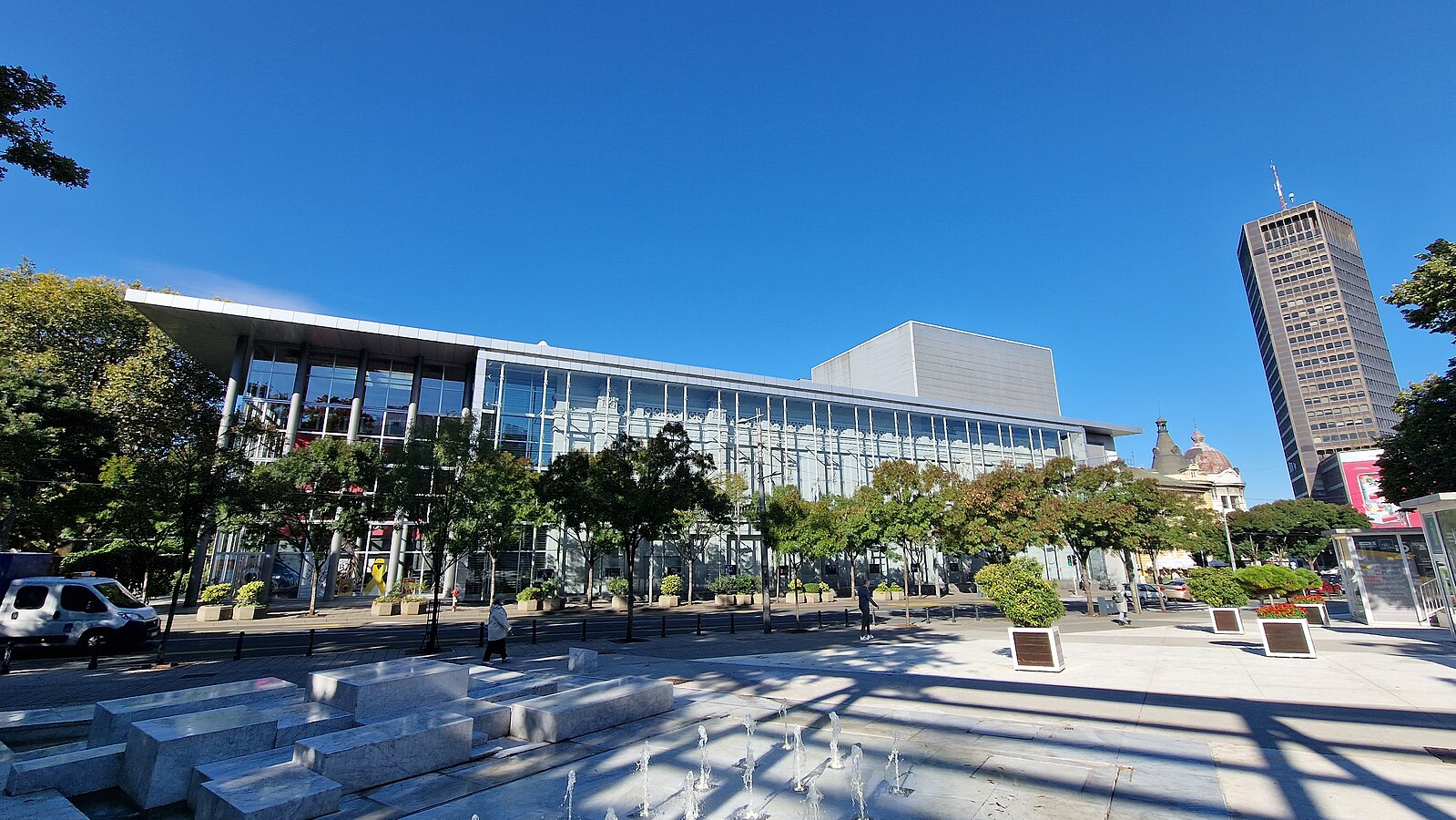
Many festival events take place across theatres, galleries and cultural centers throughout the capital. Part of the experience is moving between different parts of the city and discovering Belgrade’s layered architecture, from grand historic facades to modern cultural spaces.

Novi Sad City Center

Novi Sad City Center

Even beyond the festival itself, Novi Sad’s elegant center adds to the experience with relaxed cafés, pedestrian streets and a more intimate urban scale than Belgrade. It is an easy city to enjoy between performances.

Contact us for Serbia’s Art Festivals trip planning

Let Serbian Travel help you plan the perfect Serbia itinerary. We handle accommodation, transport, guided tours and local experiences.

Send us a message Explore Serbia travel guide
Distances from

Distances from

  • 📍 Belgrade — 0 km (local base)
  • 📍 Novi Sad — 95 km (~1h 15min to Belgrade / local base for Sterija festival)
  • 📍 Niš — 240 km (~2h 45min to Belgrade)

Frequently asked questions

Which Serbian city is best for art festivals?

Belgrade is the main hub, especially for international theatre, dance and contemporary art. Novi Sad is essential if you want to experience Sterija’s Theatre Festival and a slightly calmer cultural atmosphere.

Do I need to speak Serbian to enjoy these festivals?

Not necessarily. Dance and visual arts events are the easiest to enjoy without language barriers, and many major festivals provide English information. For theatre, check in advance whether surtitles are available.

When should I plan a festival trip to Serbia?

Late March to May is excellent for spring events, while September and October are strong for theatre and visual arts in Belgrade.

Are festival tickets expensive?

Prices are generally moderate compared with major Western European festivals, though headline performances can sell out quickly. Booking early gives you the best choice.

Can I combine Belgrade and Novi Sad in one trip?

Yes. The two cities are close enough to combine easily, and many travelers split their stay between them or use Belgrade as a base with a Novi Sad excursion.

Sources

Authoritative references for the facts on this page. Last reviewed 31 May 2026.

  1. Arts & Entertainment ras.gov.rs Official
  2. February 1, 2026 › Cultural events › – Novi Sad Tourism Organisation novisad.travel Official
  3. Days of Serbian Culture - Wikipedia en.wikipedia.org Official
  4. History of Serbia - Wikipedia en.wikipedia.org Official
  5. Serbian art - Wikipedia en.wikipedia.org Official
  6. Arsenal Fest - Wikipedia en.wikipedia.org Official
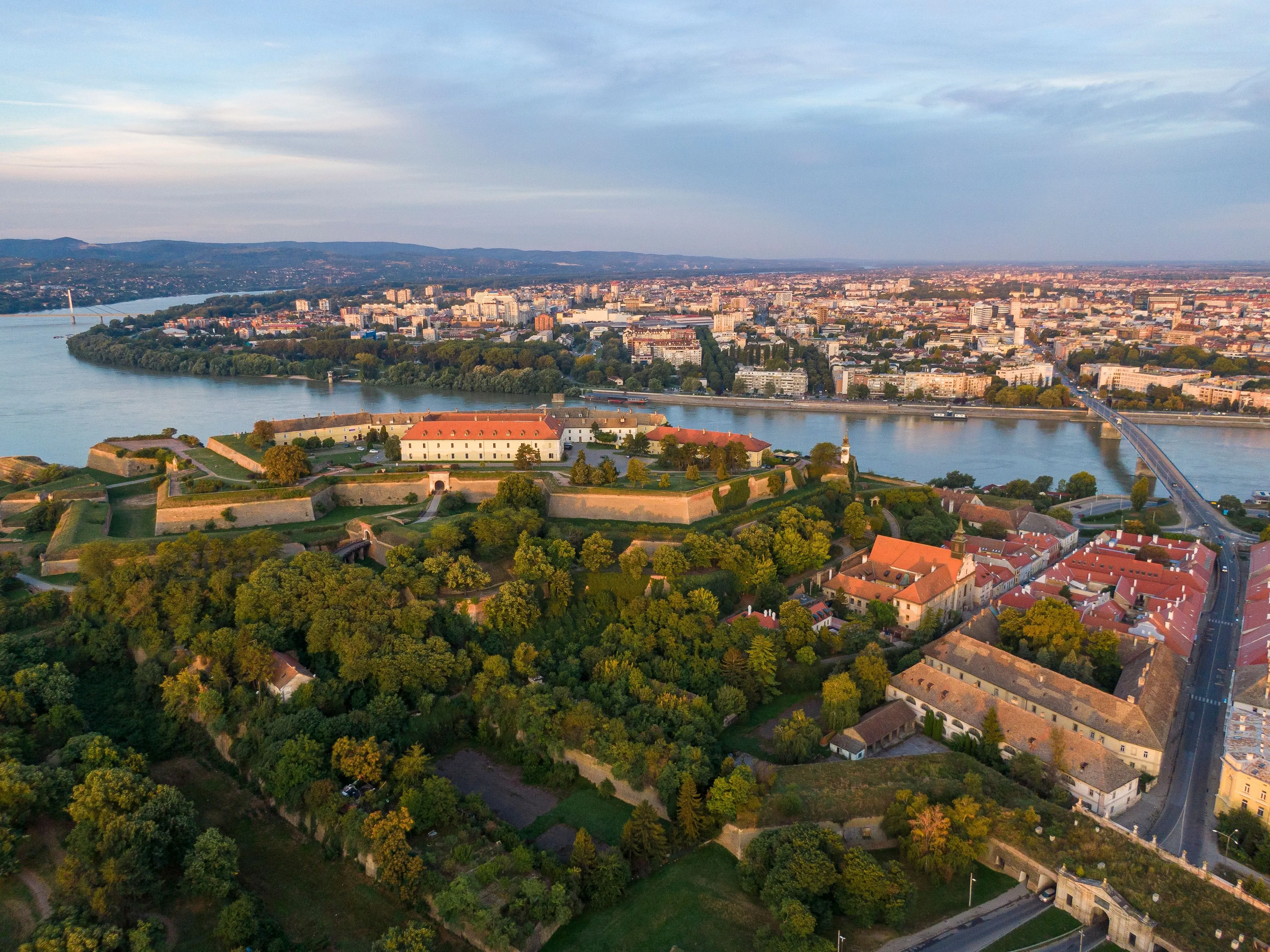
Aerial view of Petrovaradin Fortress above the Danube and Novi Sad skyline

Petrovaradin Fortress Aerial View

Aerial view of Petrovaradin Fortress overlooking the Danube and Novi Sad, in the Art Festivals area of Serbia

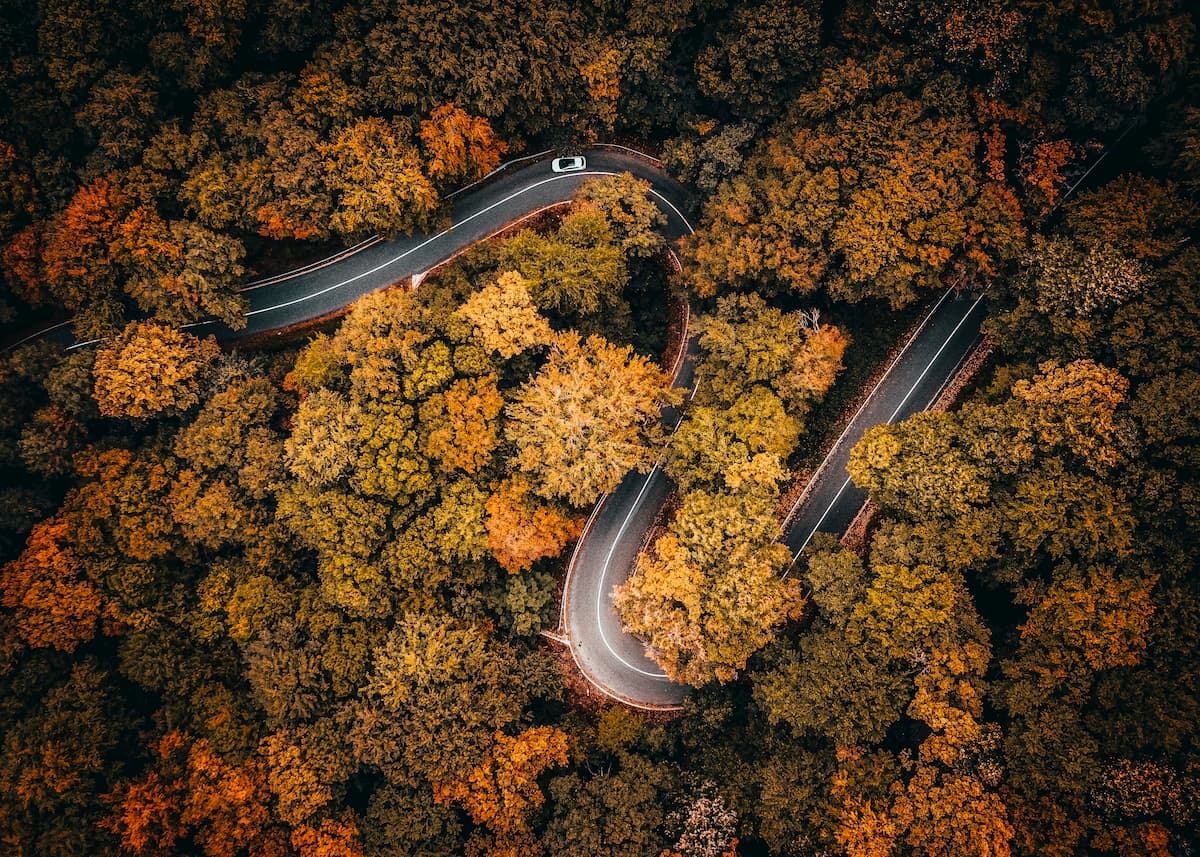
Aerial winding road through autumn forest canopy

Winding Forest Road

An aerial view of a winding road cutting through autumn forest in the Art Festivals location

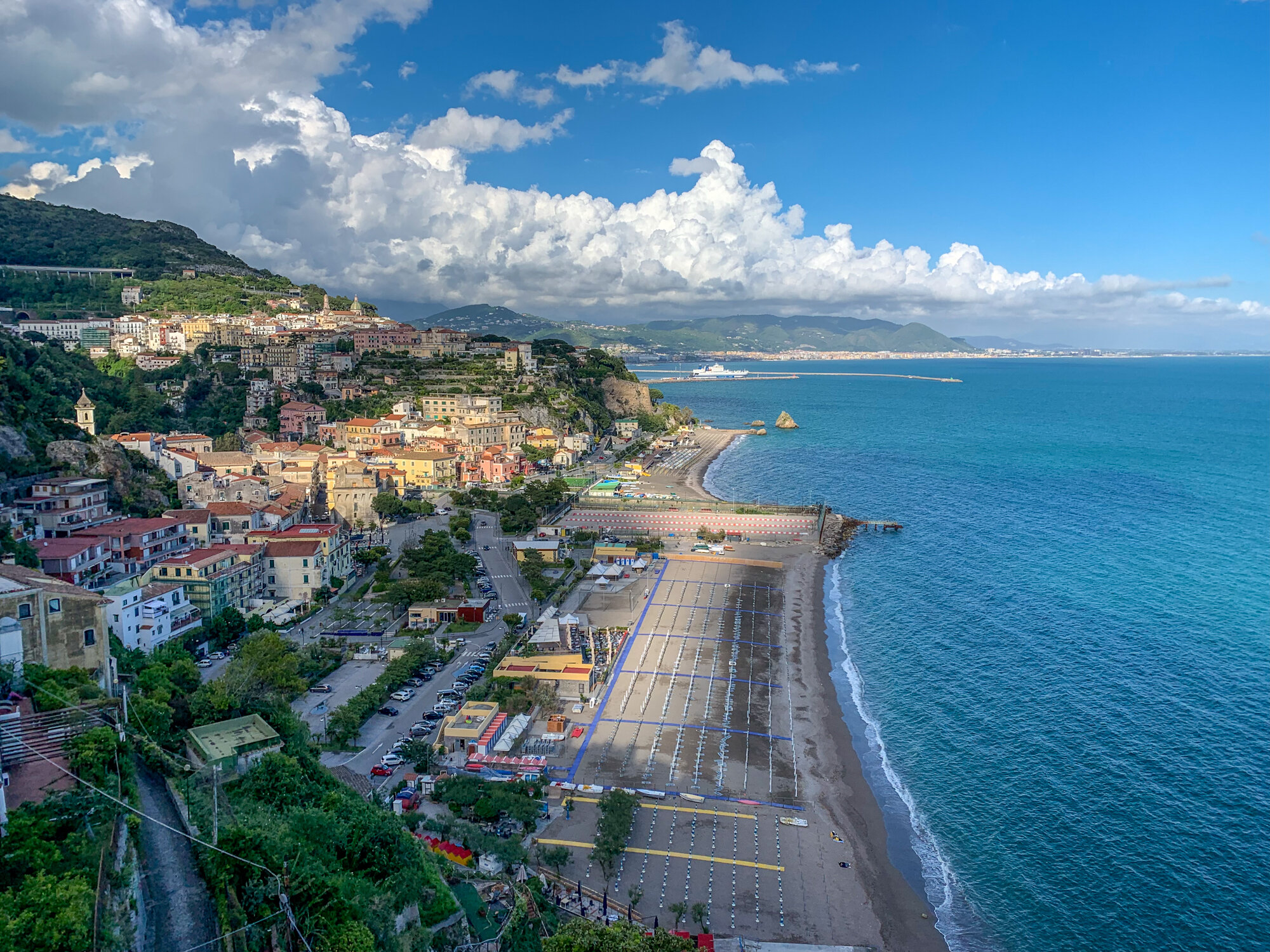
Hillside town above a long beach and blue coastline with scattered clouds overhead

Coastal Town and Beach

A hillside town overlooks a long sandy beach and blue sea in the Art Festivals area

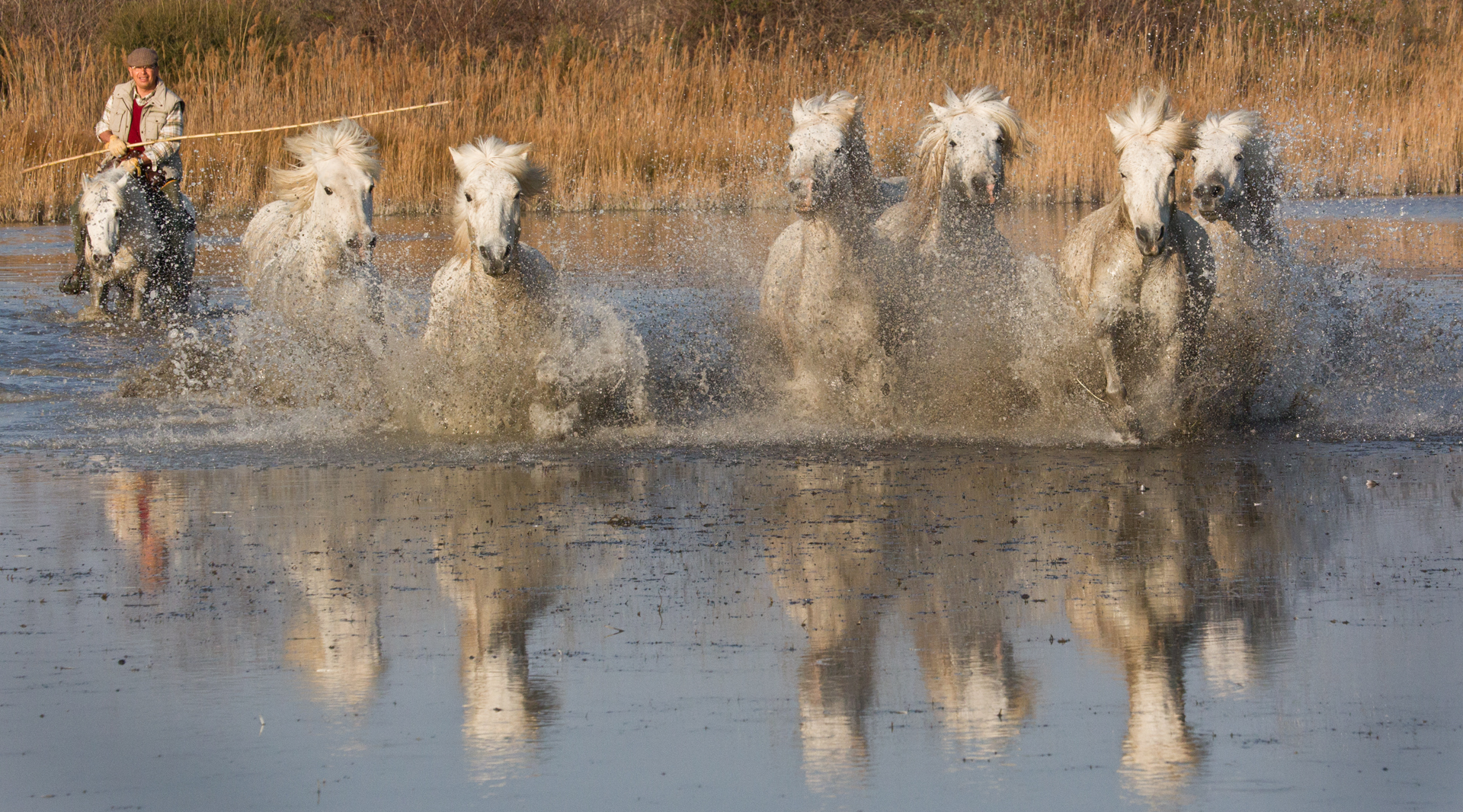
Rider leading white horses through shallow water with splashing reflections

White Horses Splashing

A rider guides white horses through shallow water in the Art Festivals location, sending spray across the marsh

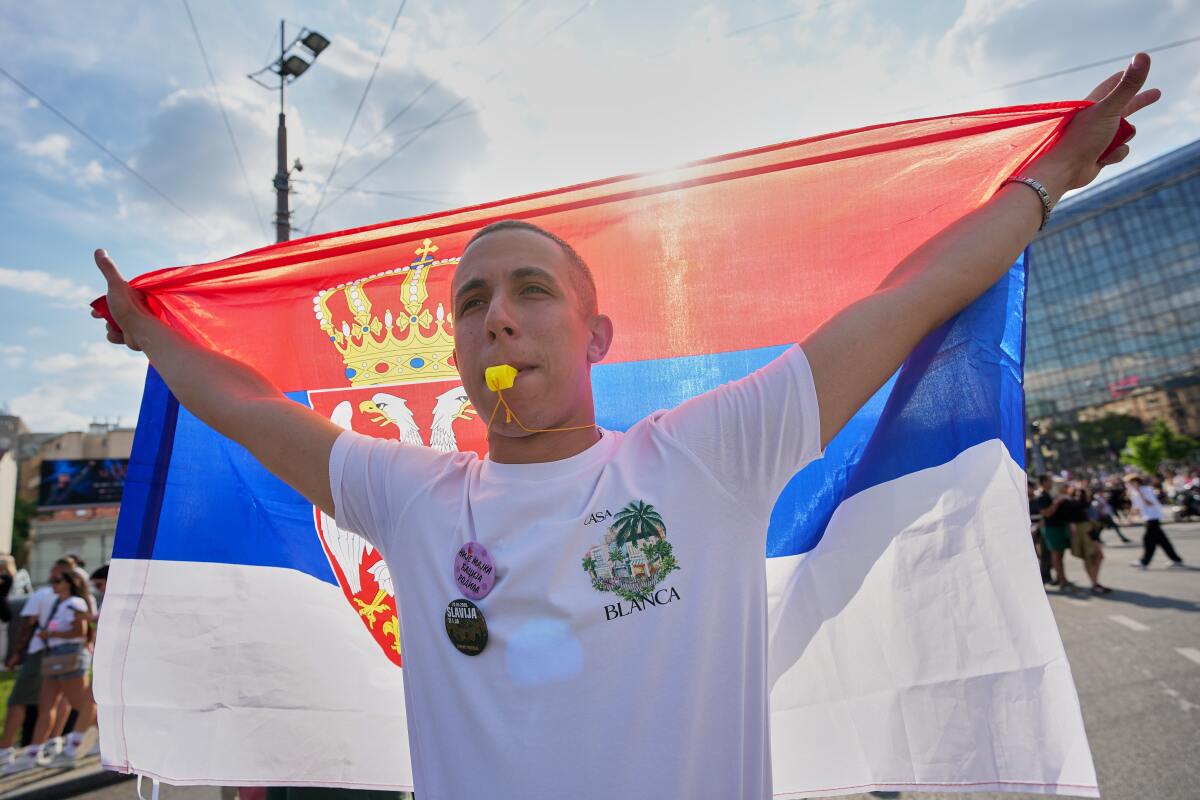
Man holding a Serbian flag wide open in a crowded street during Art Festivals

Man Holding Serbian Flag

At Art Festivals, a man stretches a Serbian flag behind him while standing in a crowded city street

Travel essentials

Stay connected in Serbia