
Overview
Leskovac sits in the South Morava basin, where a long tradition of cattle farming, pepper cultivation, and open-fire cooking converged into one of Serbia's most recognizable regional cuisines. The city is most commonly associated with the Leskovački roštilj — a grilling style in which lean beef is salted, cooked over open flame with minimal oil, and seasoned with herbs — a method that has spread across Serbia under the city's name as a quality marker.
Beyond the grill, Leskovac holds a Byzantine archaeological site of the first order at Caričin Grad, a hydroelectric monument from 1903, a textile industry museum, and monastery country within comfortable range. It functions well as a base for exploring southern Serbia, pairing an active town center with half-day excursions into landscape and history.
The Reise-Taschenbuch Serbien by Matthias Pasler treats Leskovac in the context of Serbian meat culture and places it alongside Novi Pazar as one of the country's two defining centers of grilled food — a useful framing for understanding the city's identity before you arrive.
Quick facts
Jablanica District, southern Serbia
May–June and September–October
Barbecue, peppers, ajvar, and Roštiljijada
The Serbian Manchester
Food trips, culture, and day excursions
Caričin Grad / Justiniana Prima
South Morava plain with nearby hills and canyons
Why visit Leskovac?
Leskovac offers a combination that is unusual in southern Serbia: a well-known culinary identity, a major early Byzantine site, and natural excursions within easy reach of the center. The three elements rarely overlap cleanly in a single city, which makes Leskovac more varied than its reputation as a grill destination alone would suggest.
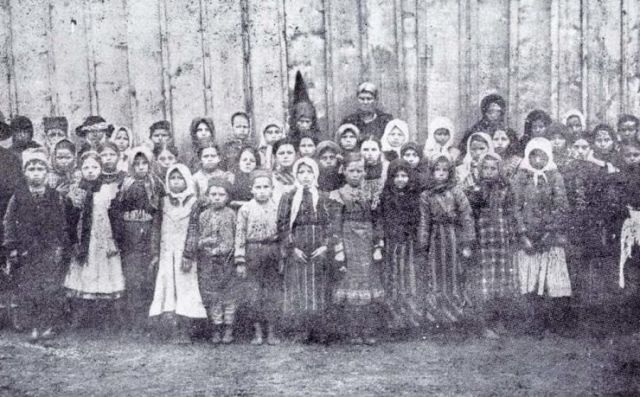
The city grew as a textile center in the 19th and early 20th centuries — long before the grill festival made it nationally famous — and those earlier layers of industrial and civic development are still readable in the architecture and in the Museum of Textile Industry at Strojkovac. That mix of industrial history, monastic heritage, Byzantine archaeology, and food culture gives Leskovac more depth than a day trip to its restaurants alone would reveal.
It also functions as a practical base. The road and rail corridor connecting it to Niš (roughly 45 km) and Belgrade (roughly 280 km) means that day trips and onward travel are both uncomplicated.
A city shaped by food and trade
The Leskovački roštilj method is distinct from generic grilled meat: exclusively lean beef, well salted, prepared over open fire with a sparing amount of oil, cooked on turmeric — kurkuma — and seasoned with herbs rather than heavy marinades. Spice can be added at the table. This restraint in preparation is part of what the city's reputation rests on, and it is reproduced in what is now a nationwide chain of restaurants bearing the Leskovac name as a quality signal.
The annual Roštiljijada festival in late summer concentrates that identity into a public event: open-air grilling, music, and a large temporary food market that draws visitors from across the region. It is lively and unapologetically meat-centered. Outside the festival, the same dishes are available year-round in the city's kafanas and grill restaurants at a slower, more local pace.
Vegetarians will find grilled peppers, salads, cheeses, urnebes (a spiced fresh cheese), and seasonal sides, though the menu orientation is predominantly toward meat. Serbia's Orthodox fasting calendar — 40 days before Christmas and 40 before Easter, during which no animal products except fish are consumed — produces a predictable but genuine seasonal shift in available dishes.
History from hilltops to Byzantine ruins
Hisar Hill above the town functions as both park and viewpoint, providing orientation over the South Morava basin and preserving traces of a medieval fortification. The National Museum in the center covers the region from prehistory through the Ottoman and more recent periods, including material related to Nikola Skobaljić, a medieval nobleman whose story blends documented history with local legend.
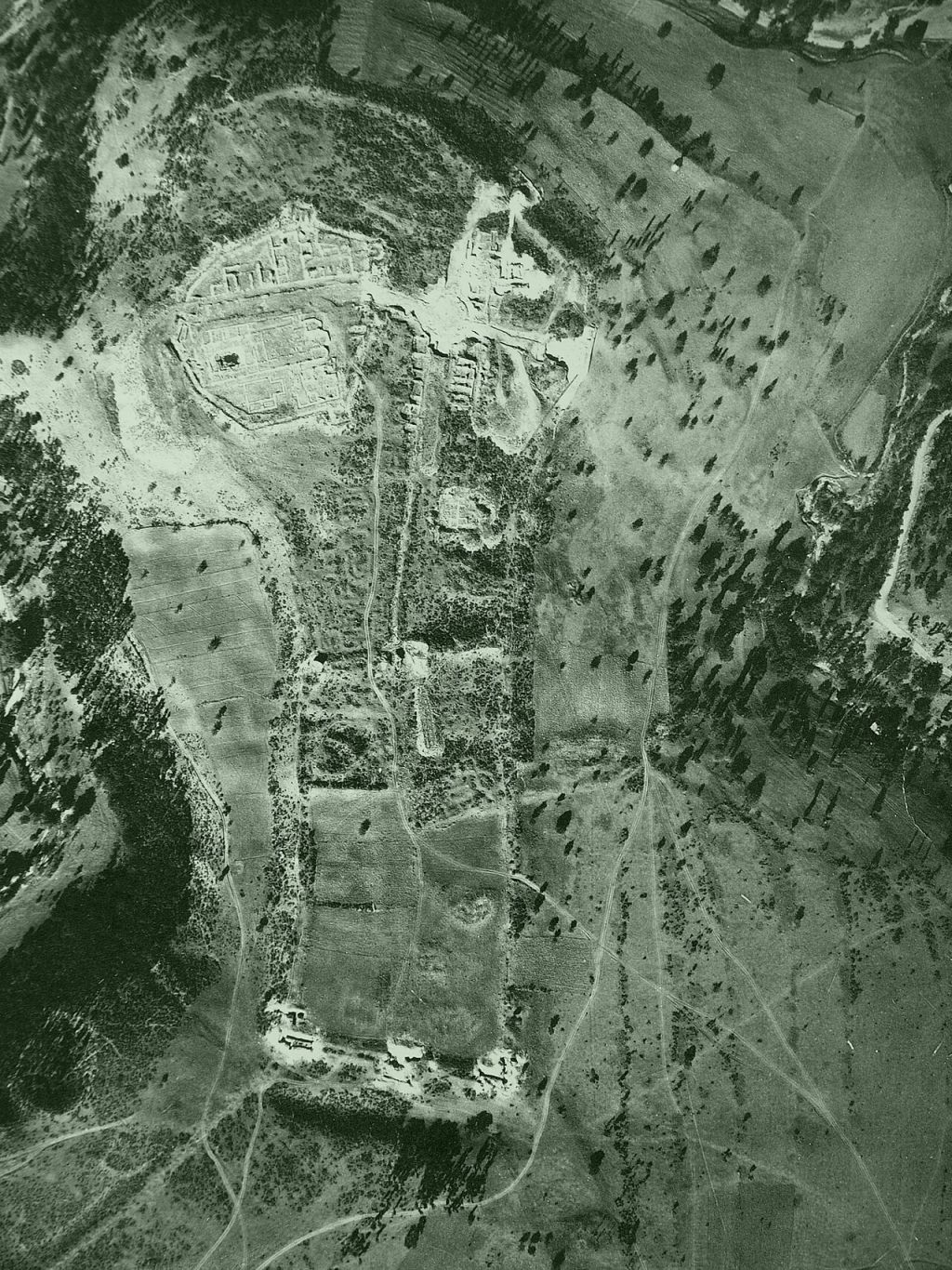
The major historical site, however, is outside town: Caričin Grad, the early Byzantine city also recorded as Justiniana Prima, believed to have been founded by Emperor Justinian I in the 6th century as an imperial seat in the Balkans. Its streets, basilica foundations, defensive walls, and water-supply infrastructure are preserved in open landscape, without the commercialization typical of more visited archaeological sites. The contrast between the modest presentation and the scale of the original city is part of what makes the visit effective.
Architecture, churches, and the spirit of the town
The city center rewards a slow walk. Civic buildings from the late 19th and early 20th centuries reflect the period when Leskovac's textile industry gave it economic weight, and some residential streets preserve the smaller-scale domestic architecture typical of a prosperous provincial town before industrialization reshaped the center.
Among the city's religious buildings, the Church of the Nativity of the Most Holy Mother of God — called Odžaklija — is historically significant, while the Cathedral Church of the Holy Trinity represents the continuity of Orthodox life in the city. For travelers interested in how Serbian urban identity is expressed through architecture, churches, trade buildings, and civic institutions rather than royal monuments alone, Leskovac is a more legible example than many larger Serbian cities.
Best day trips from Leskovac
The Museum of Textile Industry at Strojkovac is housed within and around an old mill complex. It provides direct context for the manufacturing history that shaped Leskovac's growth in the 19th century and made it one of the most industrialized cities in late-Ottoman and early-20th-century Serbia.
The Vučjanka River canyon near Vučje offers a natural contrast: rocky slopes, flowing water, and more demanding terrain. The Vučje Hydroelectric Power Plant, built in 1903, is connected with Professor Đorđe Stanojević, one of the principal figures in introducing modern electrical power to Serbia. The combination of canyon scenery and industrial history in a single excursion is unusual enough to make this one of the more interesting day trips in the region.
Jašunja Monastery and Rudare Monastery offer quieter stops: wooded settings, monastic buildings, and a pace well suited to travelers who want a half-day away from the city without a strenuous itinerary. The fortress of Skobaljić Grad above Vučje is less accessible but appeals to those interested in rough medieval sites and unmediated landscape.
When to go and what to expect
Spring and early autumn give the best conditions for walking, archaeological sites, and day excursions. Summer is hot in the basin but brings lively terraces and the best of the seasonal produce that underpins the local cuisine. The Roštiljijada festival falls in late August; accommodation fills early during that period, so advance booking is necessary.
Winter is quieter and more domestic in character. Museums, churches, and restaurants remain accessible, but day-trip sites become less rewarding in cold weather and shorter daylight. For first-time visitors to southern Serbia, spring is the most practical choice.
English is reliably spoken in hotels and tourist-facing restaurants, less so in smaller villages and on day-trip routes. A translation app is useful for excursions away from the center. Portions at grill restaurants are typically generous; sharing is both acceptable and practical if you are ordering extensively from the grill section of the menu.
Top places to visit
Start with the grill district and Hisar Hill, then use these pages to plan day trips to Caričin Grad, canyon country, and the monasteries south of Leskovac.
Hisar Hill
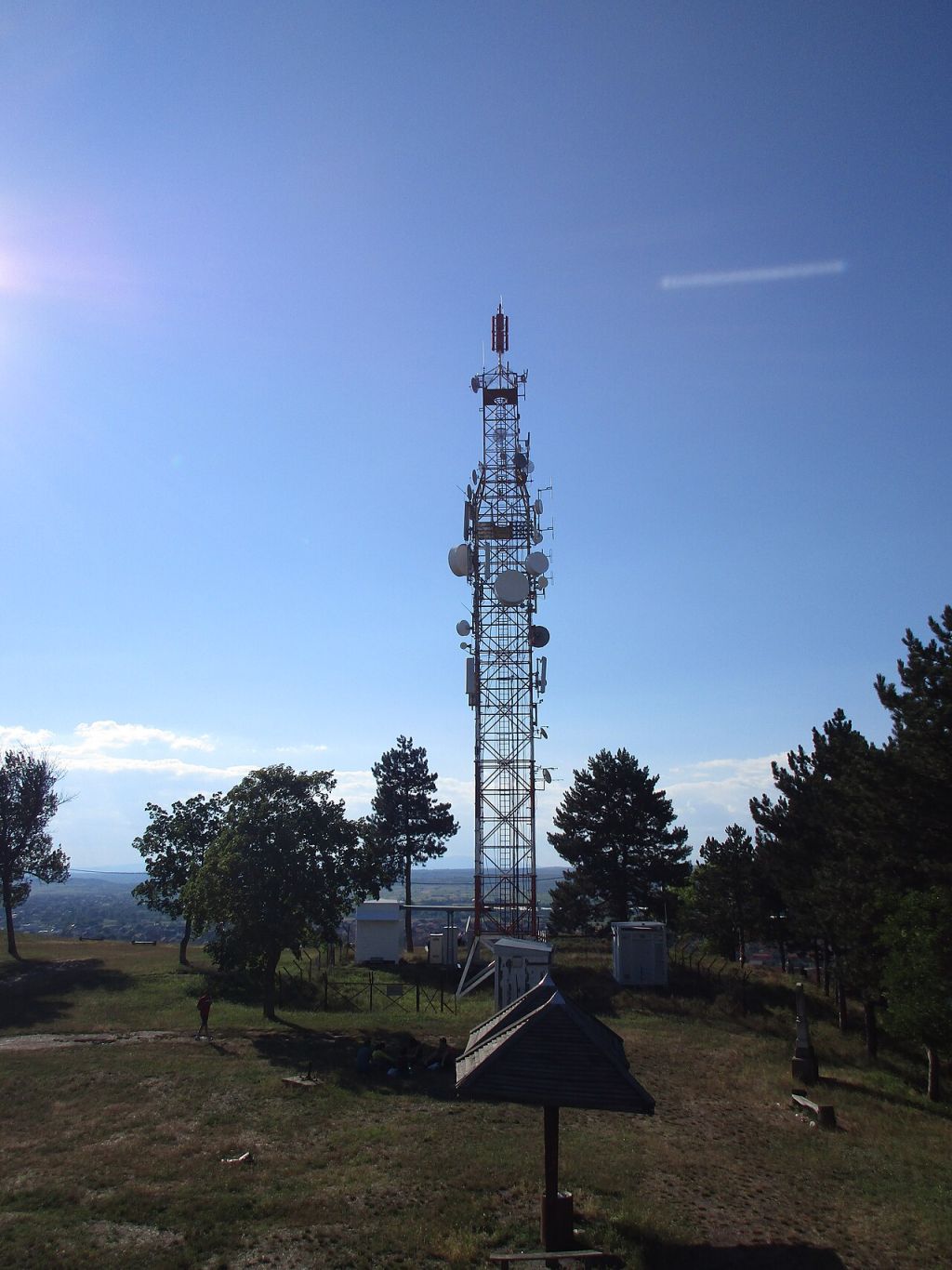
The green hill above Leskovac is both a local park and a historical site. Come for a relaxed walk, city views, and a sense of how geography shapes the town.
National Museum of Leskovac
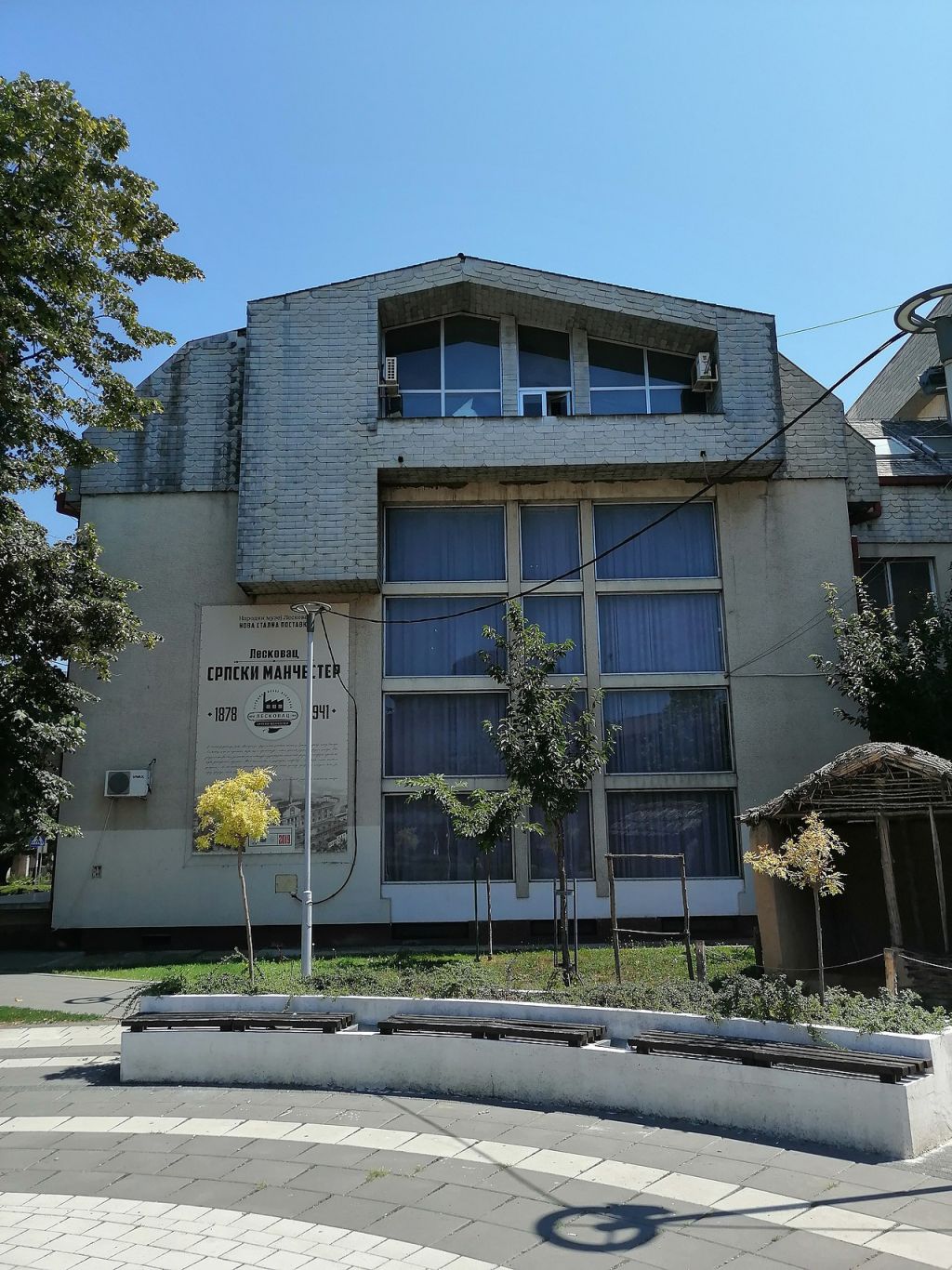
A smart first stop for understanding the region’s long history, from archaeology to urban life. Its exhibitions help connect Leskovac’s legends, industry, and cultural identity.
Caričin Grad (Justiniana Prima)
One of Serbia’s most important early Byzantine archaeological sites, located within reach of the city. The ruins of this 6th-century settlement are impressive, spacious, and atmospheric.
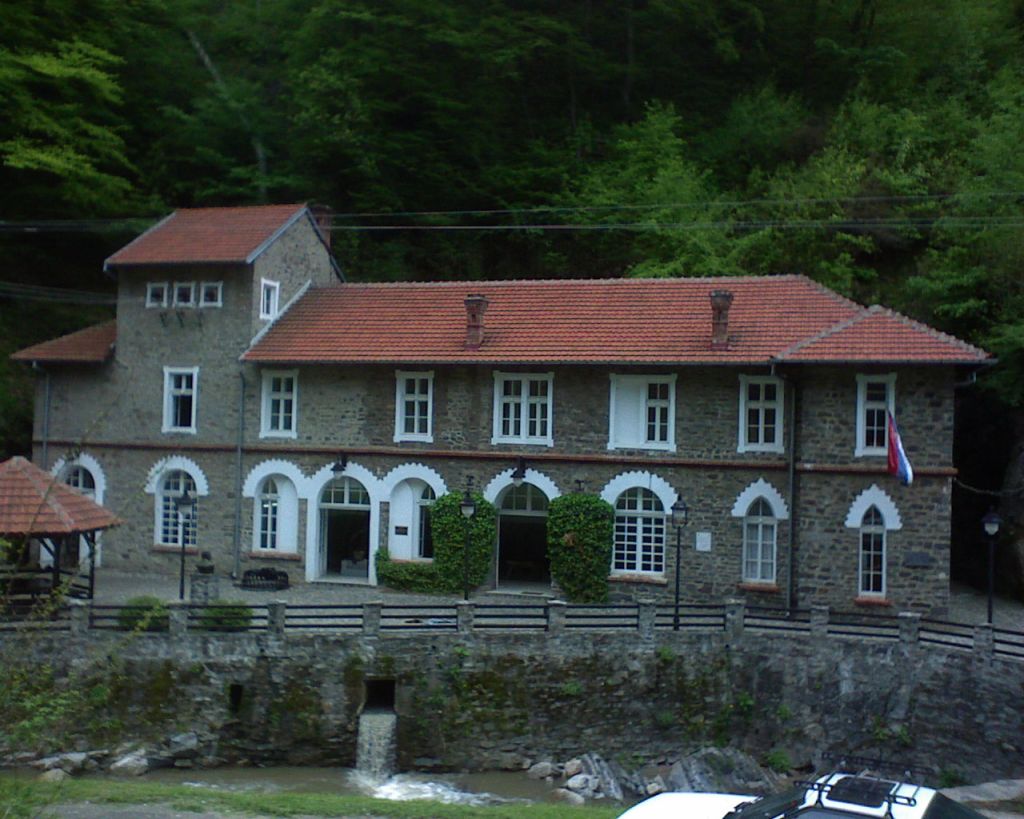
Vučje Hydroelectric Power Plant
A pioneering hydroelectric plant from 1903, significant in the history of electrification in Serbia. Visit together with the Vučjanka canyon for a mix of engineering heritage and nature.
Museum of Textile Industry in Strojkovac
Set in the ambience of an old mill, this museum recalls the era when Leskovac was a powerhouse of textile production. It is especially interesting for industrial heritage enthusiasts.
Jašunja Monastery Complex
A peaceful monastic site in a natural setting, ideal for travelers looking for a quieter cultural excursion. The atmosphere is reflective and distinctly southern Serbian.
Getting there: Leskovac lies on Serbia's main north-south road and rail corridor. It is around 45 km from Niš and roughly 280 km from Belgrade. The nearest significant airport is Niš Constantine the Great Airport; from there, a rental car or bus connection is the most practical option. Buses link Leskovac with Belgrade, Niš, and other Serbian cities on a frequent schedule.
Getting around: The town center, main churches, and the National Museum are all walkable. For Caričin Grad, Vučje, Strojkovac, and the monasteries, a car or taxi is the most flexible option. Taxis are reasonable by European standards; agree on the approximate fare before departing for longer routes.
Best time to visit: May, June, and September offer the most comfortable conditions. Visit in late August specifically for Roštiljijada — but book accommodation well in advance.
Practical notes: Cash is useful at village sites and smaller establishments, though cards are accepted in most city venues. Comfortable shoes and sun protection are essential for Caričin Grad and canyon excursions. Portions at grill restaurants are large; consider sharing if ordering from the full grill menu.
Leskovac map
Use this map to orient yourself around the main sights and surrounding area.
Frequently asked questions
Is Leskovac worth visiting if I am not coming for the food?
Yes. While cuisine is a major draw, Leskovac also offers historical museums, churches, industrial heritage, nearby monasteries, river landscapes, and one of Serbia’s most important Byzantine archaeological sites.
How many days do I need in Leskovac?
One full day covers the city center and a good meal, but two to three days is better if you want to include day trips such as Caričin Grad, Vučje, or Strojkovac.
When is the best time to visit Leskovac for Roštiljijada?
The grill festival is usually held in late August or early September. Dates can vary, so check locally before planning your trip.
Can I visit Caričin Grad without a car?
It is possible with local transport and taxis, but a car or organized excursion is far more convenient and gives you flexibility to combine it with other nearby sites.
Is Leskovac family-friendly?
Yes. Families will find parks, easy walks, casual dining, and day trips into nature, though some archaeological and fortress sites are better suited to older children due to uneven terrain.
Contact us for Leskovac trip planning
Let Serbian Travel help you plan the perfect Serbia itinerary. We handle accommodation, transport, guided tours and local experiences.