Best for history lovers
If you enjoy Roman history, this is an easy recommendation.

Mediana was a Roman imperial estate situated on the main road east of the ancient city of Naissus — modern Niš. The estate is associated with the late Roman imperial court, including the reign of Constantine the Great, who was born in Naissus. Archaeological work at the site has uncovered the remains of a villa with a peristyle courtyard, mosaic floors, and bath facilities, providing direct material evidence of how the Roman imperial elite used the area around the city.
Drawing on Matthias Pasler's Serbia Travel Pocketbook: the connection between Niš and Roman history runs through the city's entire ancient identity. Naissus was one of the most significant settlements in the Balkans under the Roman Empire, and its hinterland — including Mediana — functioned as an administrative and residential extension of the city itself. Constantine the Great, born here around 272 AD, shaped European history with his 313 AD Edict of Milan.
Last checked: 2026-05-27. For corrections, contact us.
Mediana gives visitors something that is difficult to find at the main Niš sites: direct physical contact with the material culture of the Roman imperial period rather than an account of it. The mosaic floors, the villa foundations, and the bath complex visible at the site are original Roman fabric, not reconstruction. The quality and scale of the surviving mosaics suggest this was a residence connected to the highest levels of the imperial administration.
The site works well as a complement to the main Niš fortress and Skull Tower visits, adding a chronological dimension that anchors the city in antiquity before moving forward through Byzantine, Ottoman, and modern Serbian history. Together they make a fuller picture of the layers beneath modern Niš.
Naissus, the Roman city underlying modern Niš, was one of the most strategically positioned settlements in the Balkans — on the main route connecting the Danube frontier to the Aegean. By the 3rd century AD it was a significant administrative and military centre. It was here, around 272 AD, that the future emperor Constantine was born. He would go on to issue the Edict of Milan in 313, granting religious tolerance across the Roman Empire, and to found Constantinople in 330.
Mediana served as an estate linked to imperial activity in and around Naissus. The road connection to the city was direct, and the estate's scale — suggested by the extent of the archaeological remains — indicates it was more than a private villa. Written sources from the late Roman period refer to the area as a place where emperors and their courts stayed when passing through or residing at Naissus.
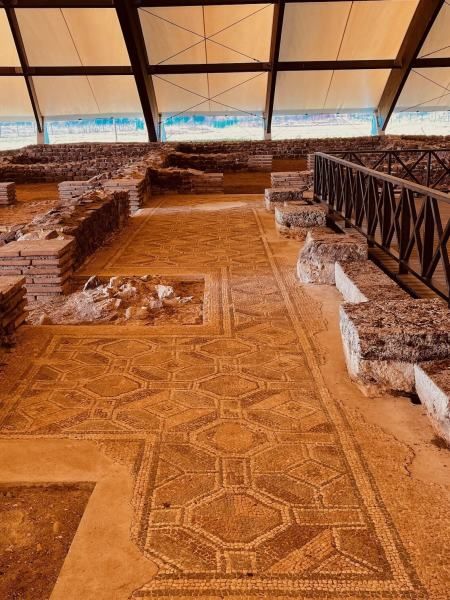
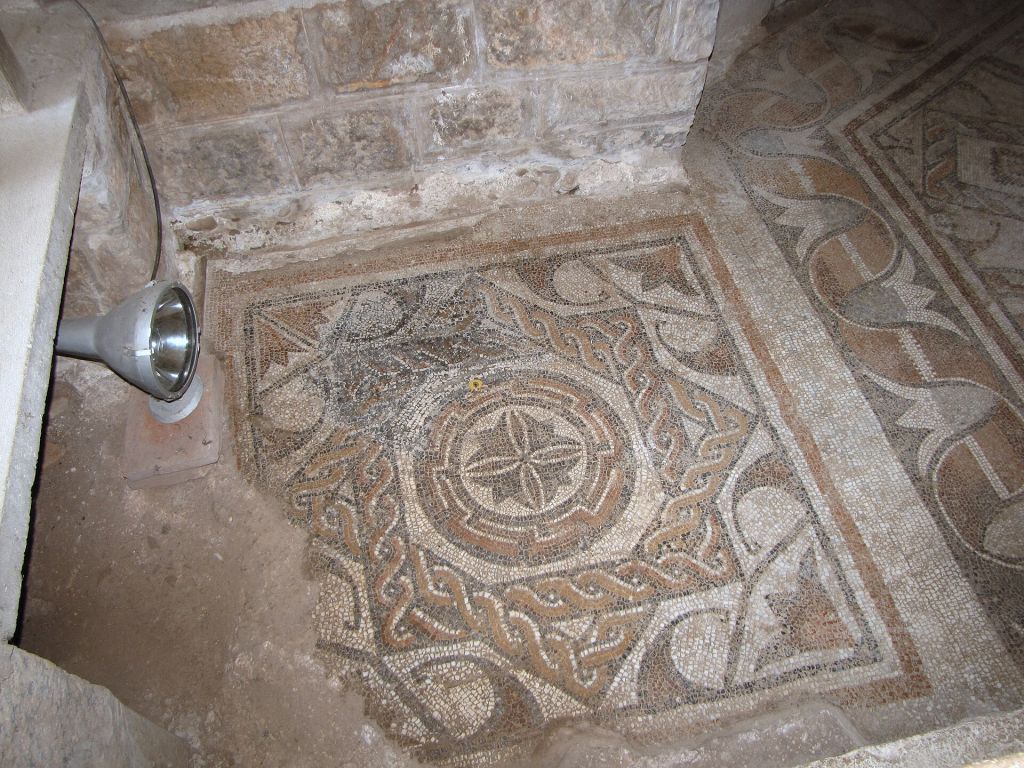
The most significant finds at Mediana are the mosaic floors from the villa complex, which represent some of the highest-quality Roman mosaic work recovered in the central Balkans. The peristyle villa — a building type characteristic of upper-class Roman domestic architecture, organised around a central colonnaded courtyard — is the main surviving structural element. Its plan can be read on the ground from the remaining foundations.
The bath complex (thermae) adjacent to the villa illustrates the standard of facilities expected at a residence of this level. Heating infrastructure, changing rooms, and bathing chambers are all attested in the structural remains. Portable finds from the excavations — ceramics, metalwork, glass — are held in the Niš museum collections.
The peristyle villa at Mediana follows an architectural type well documented across the Roman world: a rectangular plan with rooms organised around a central open courtyard lined with columns. Reconstructed, the building would have included a reception hall, private apartments, service spaces, and the colonnaded garden at its centre. The mosaic floors that survive give an indication of the decorative programme — geometric and figurative patterns in the repertoire standard to high-status Roman interiors of the 3rd–4th century.
The thermae would have stood as a separate but connected complex, accessible from the villa's service areas. In a residence of this level, the bath suite would have included a cold room (frigidarium), warm room (tepidarium), and hot room (caldarium), with the hypocaust underfloor heating system supplying the necessary temperatures.
Mediana is located on the eastern edge of Niš, on the road leading toward Niška Banja. It is most easily reached by taxi from the city centre, and can be combined in a single itinerary with Niška Banja — the spa town 10 km further along the same road. The archaeological site has a visitor area with explanatory materials; the scale of the mosaics and foundations is best appreciated on a clear day when the detail in the floor patterns is visible.
The site is open to visitors; current hours should be confirmed before visiting, as seasonal schedules apply. Allow at least 45 minutes on-site for a thorough walk through the main villa and bath areas. Photography of the mosaics is generally permitted.
From the city centre, Mediana is a short drive east. Niška Banja, the spa town with thermal springs used since antiquity, is a further 10 km along the same road and makes a natural extension of the same day. The small spa town also has its own historical associations with Roman-era water use, giving it a thematic continuity with the Mediana visit.
Returning through the city, the Skull Tower (Ćele kula) on the Sofia road and the Bubanj Memorial Park to the west of centre complete a circuit of Niš's most significant historical sites across different periods — Roman, Ottoman, and 20th century. The Niš Fortress park, on the Nišava river, is a quieter option for an evening walk between or after these visits.
Start from the broader layout so the ruins make sense as a compound, not isolated fragments.
Focus on the mosaics, then move to the baths and outer structures to understand the estate plan.
The city’s most famous landmark and a natural first or last stop in the center.
Two powerful sites that add historical range and emotional contrast to the Mediana visit.
Use the map to place Mediana on the eastern side of Niš and plan the easiest taxi or car transfer from the center.
Key highlights of this Roman archaeological site on the outskirts of Niš.
Covered Archaeological Ruins
Stone foundations and walkways are displayed beneath a large protective roof at Mediana in Niš
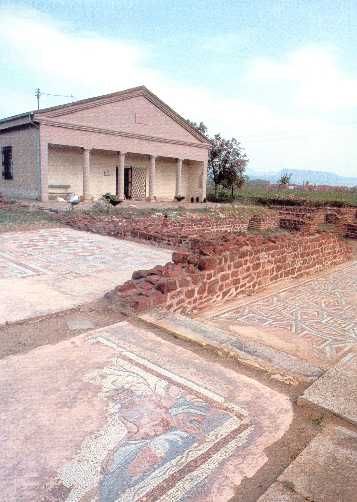
Ancient villa remains
Mosaic floors and stone foundations appear at Mediana in Niš, beside a reconstructed building and open excavation areas
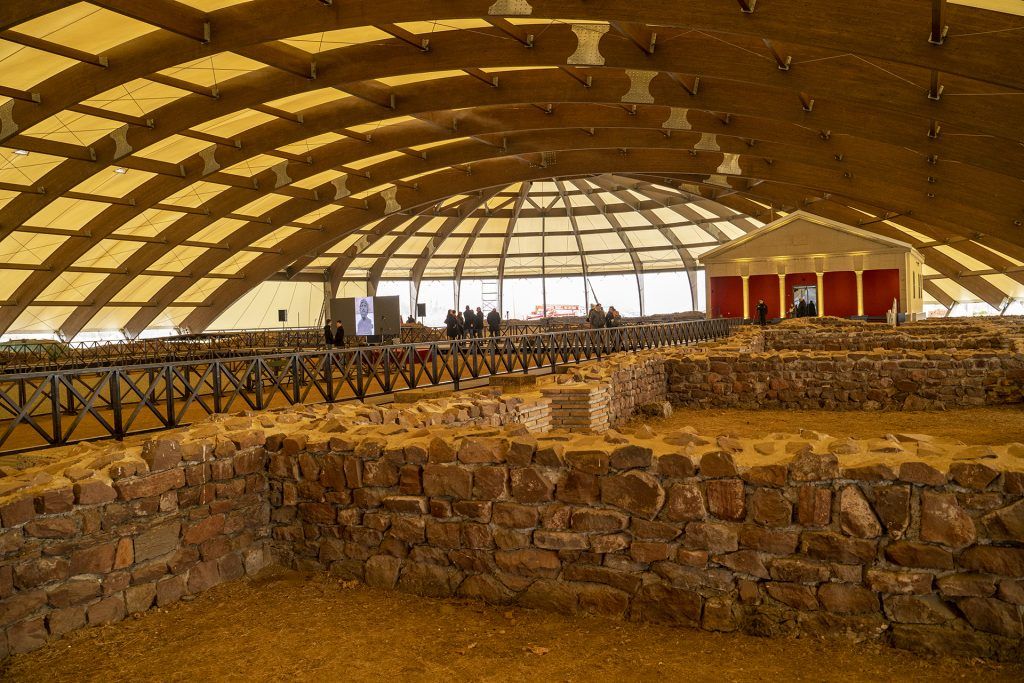
Covered Roman Ruins
Stone ruins at Mediana in Niš sit beneath a large protective canopy with walkways for visitors
Three areas to focus on during your visit to the archaeological park.
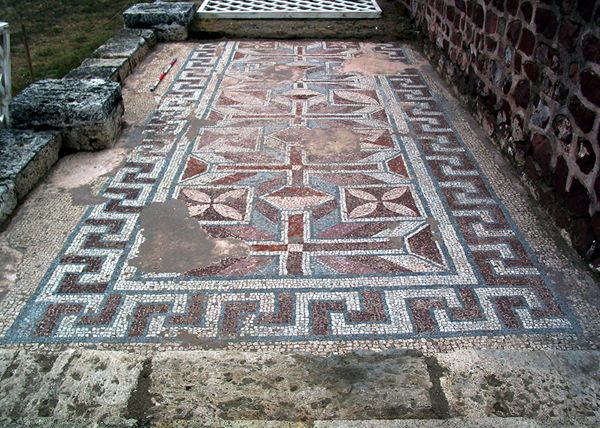
Geometric floor mosaic
A geometric Roman mosaic floor is shown at Mediana in Niš, bordered by stone walls and restoration surfaces
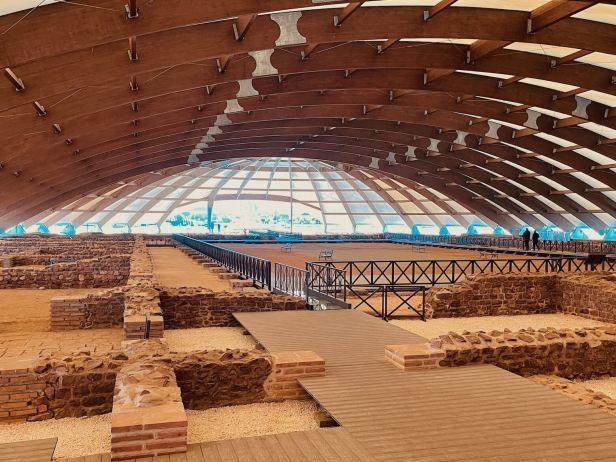
Archaeological Ruins Under Canopy
Stone foundations and walkways are sheltered by a curved wooden canopy at Mediana in Niš
Ancient Mosaic Floor
Covered mosaic ruins and stone foundations are displayed at Mediana in Niš under a protective shelter
Mediana is a ruins-based archaeological site, not a reconstructed monument. The value is in reading foundations, surfaces, and spatial outlines.
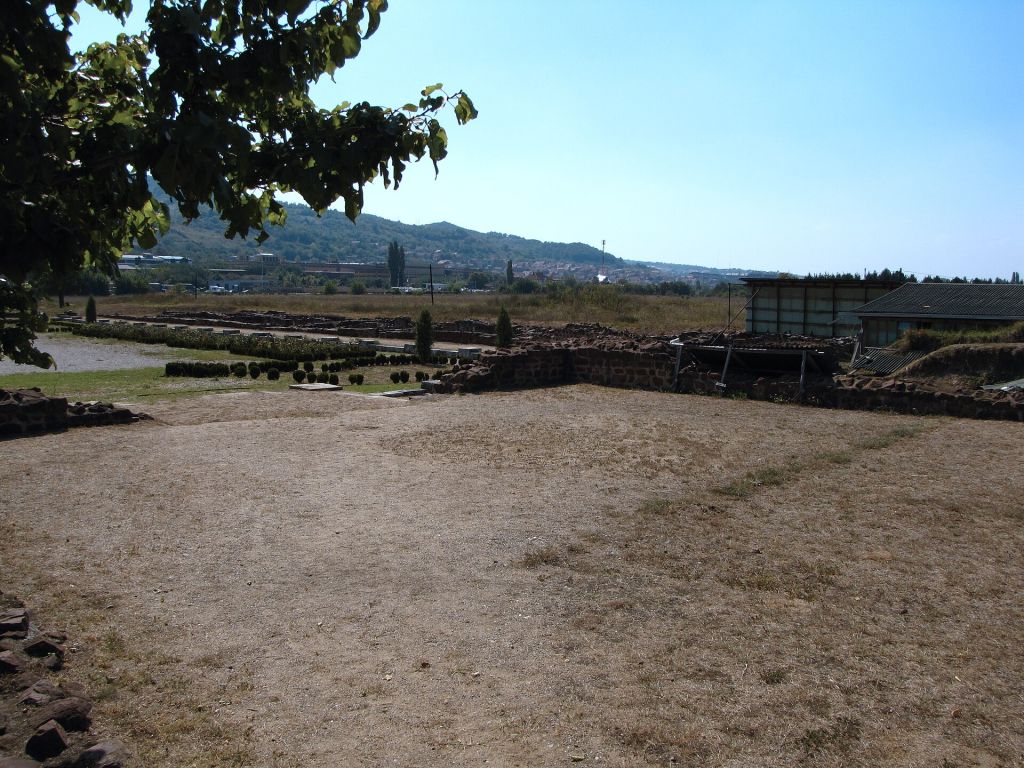
Archaeological ruins at Mediana
Stone foundations and grassy ruins spread across the Mediana site near Niš, with hills rising in the distance
Ancient Mosaic Floor
Decorative mosaic floor remains are visible at Mediana in Niš, framed by stone walls and excavation lighting
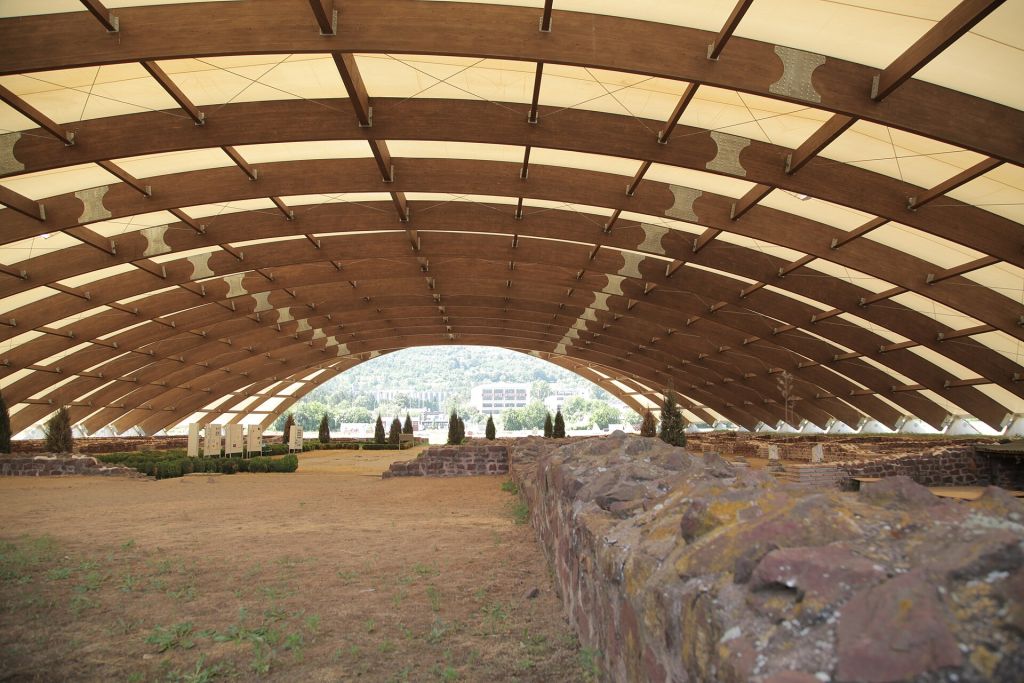
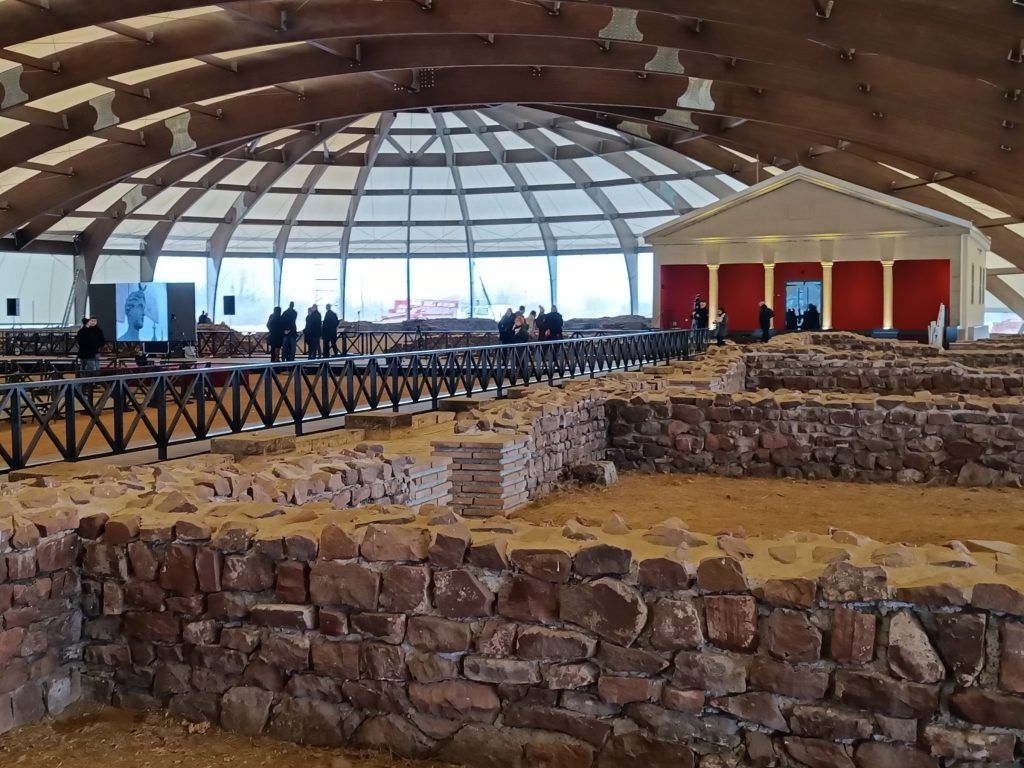
Covered archaeological ruins
A large protective canopy shelters the excavated ruins at Mediana in Niš, with stone walls and display panels below
If you enjoy Roman history, this is an easy recommendation.
The site rewards people who like interpretation, not spectacle.
Kids expecting dramatic visuals may find it too quiet and abstract.
Sites within Niš and its eastern corridor worth combining with a Mediana visit, spanning Roman, Ottoman, and modern Serbian historical layers.
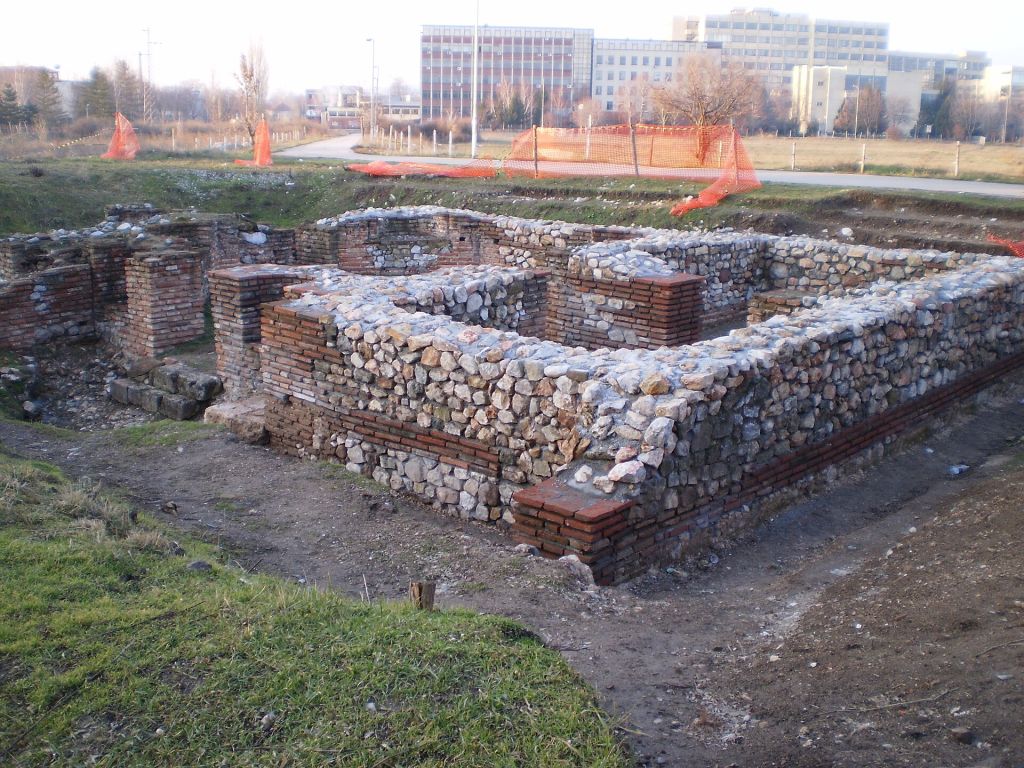
Niš Fortress
The city’s main landmark, best for central sightseeing and a wider historical frame.
A logical companion to Mediana if you want both Roman depth and urban context.
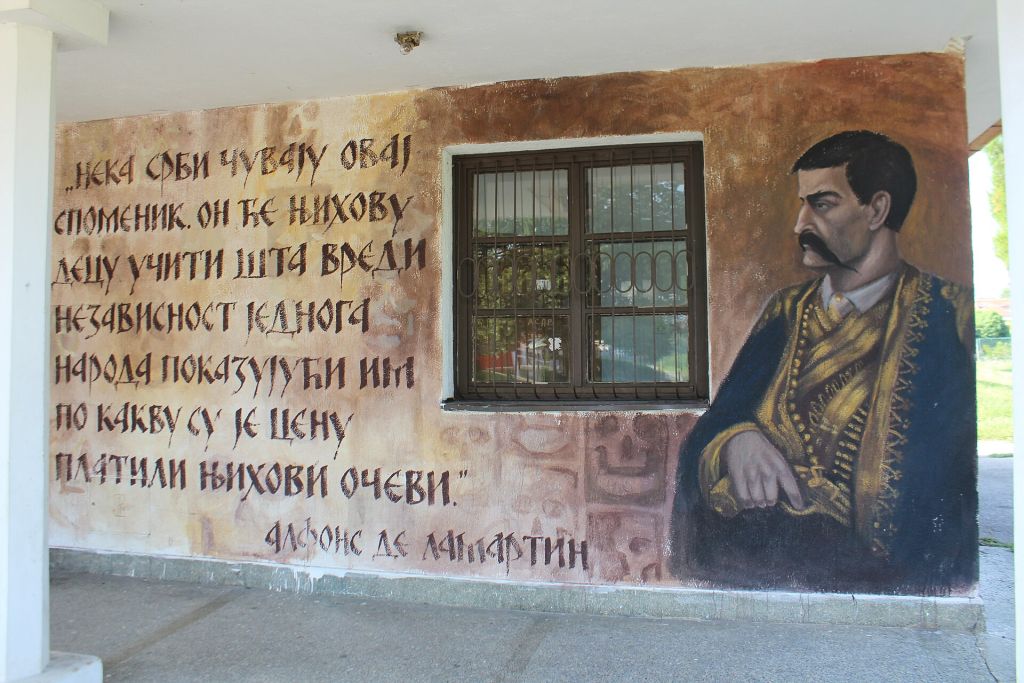
Skull Tower
A stark memorial that adds an important 19th-century layer to your Niš visit.
Best paired with Mediana for contrast between Roman antiquity and later Ottoman-era history.
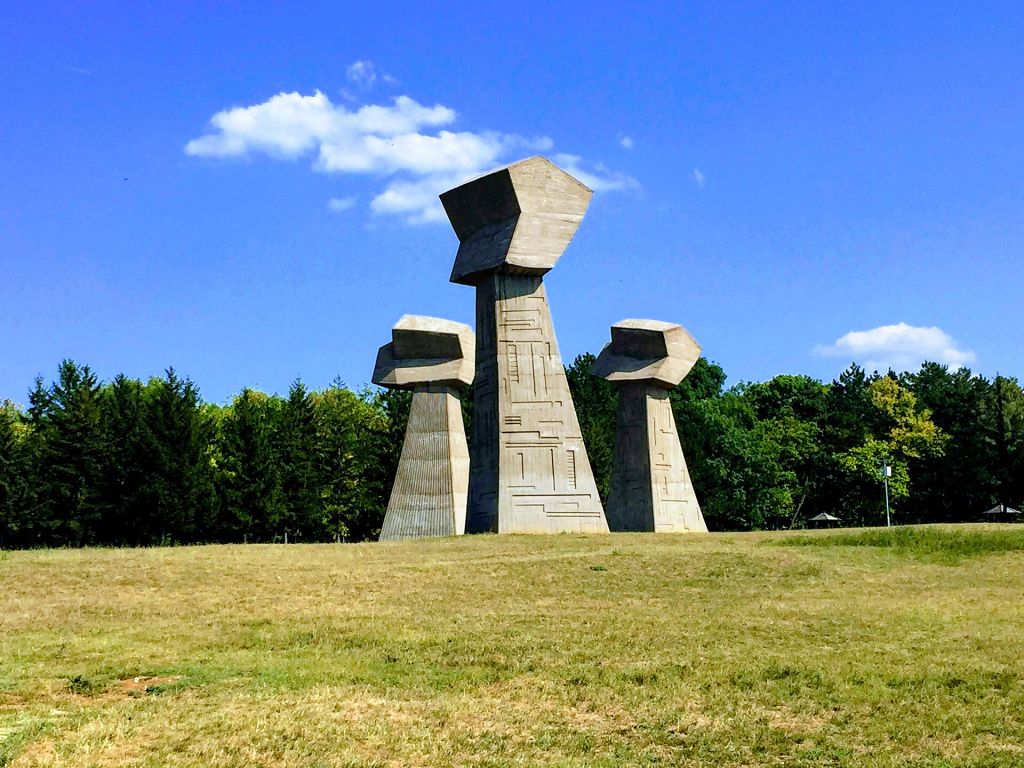
Bubanj Memorial Park
A reflective open-air memorial space with strong symbolic weight.
Works well as a final stop after Mediana and the fortress if you want a wider historical route.
Eastern edge of Niš
3rd–4th century AD
Roman imperial residence
Constantine the Great
Mosaics, villa remains, baths
45–90 minutes
Drawing on Matthias Pasler's Serbia Travel Pocketbook: the archaeologist Dragoslav Srejović — also responsible for the discovery of Lepenski Vir on the Danube — was among those who worked on major Roman-era sites in Serbia. The country's Roman heritage, from Naissus and Mediana through to Gamzigrad (Felix Romuliana), represents one of its most substantial but least internationally recognised archaeological resources.
The Niš Fortress, Skull Tower (Ćele kula), Mediana, and Niška Banja can be combined into a full-day Niš itinerary. A taxi is the most practical way to move between these sites, as they are distributed across different parts of the city and its eastern approaches. The Red Cross Concentration Camp museum, within the city proper, adds a significant 20th-century layer to the same itinerary.
Yes, especially if you value Roman heritage, archaeology, and quieter sites with real historical depth.
Most travelers need about 45–90 minutes; one hour is the sweet spot.
Guided visits may be available seasonally or by arrangement, and they help a lot because the site is ruins-based.
Usually yes, though viewing conditions depend on light, weather, and site access at the time of visit.
Older kids interested in history may enjoy it, but it is not an entertainment-focused attraction.
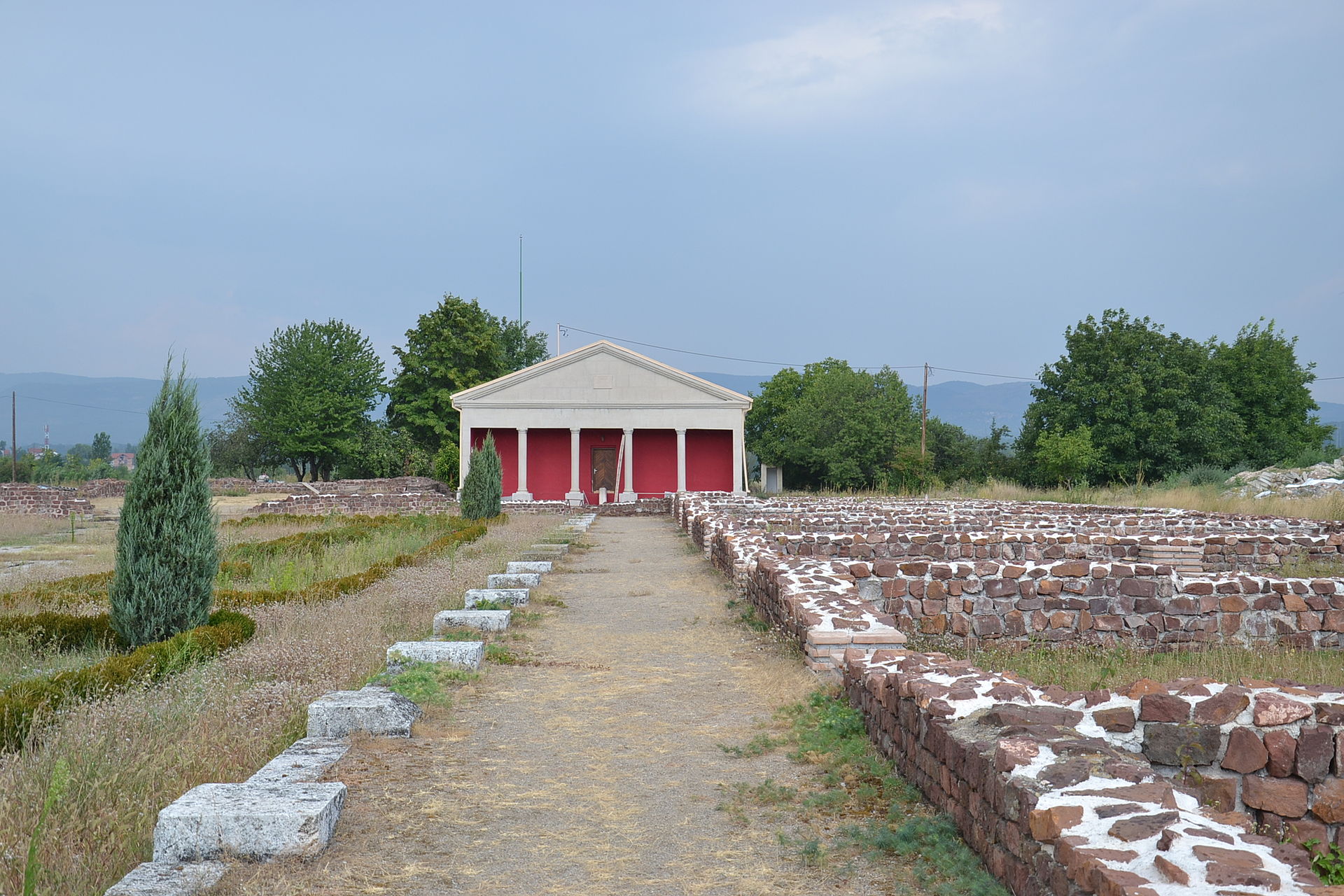
Classical Building at Ruins
A red classical structure stands among low stone foundations at Mediana in Niš, reached by a narrow central path
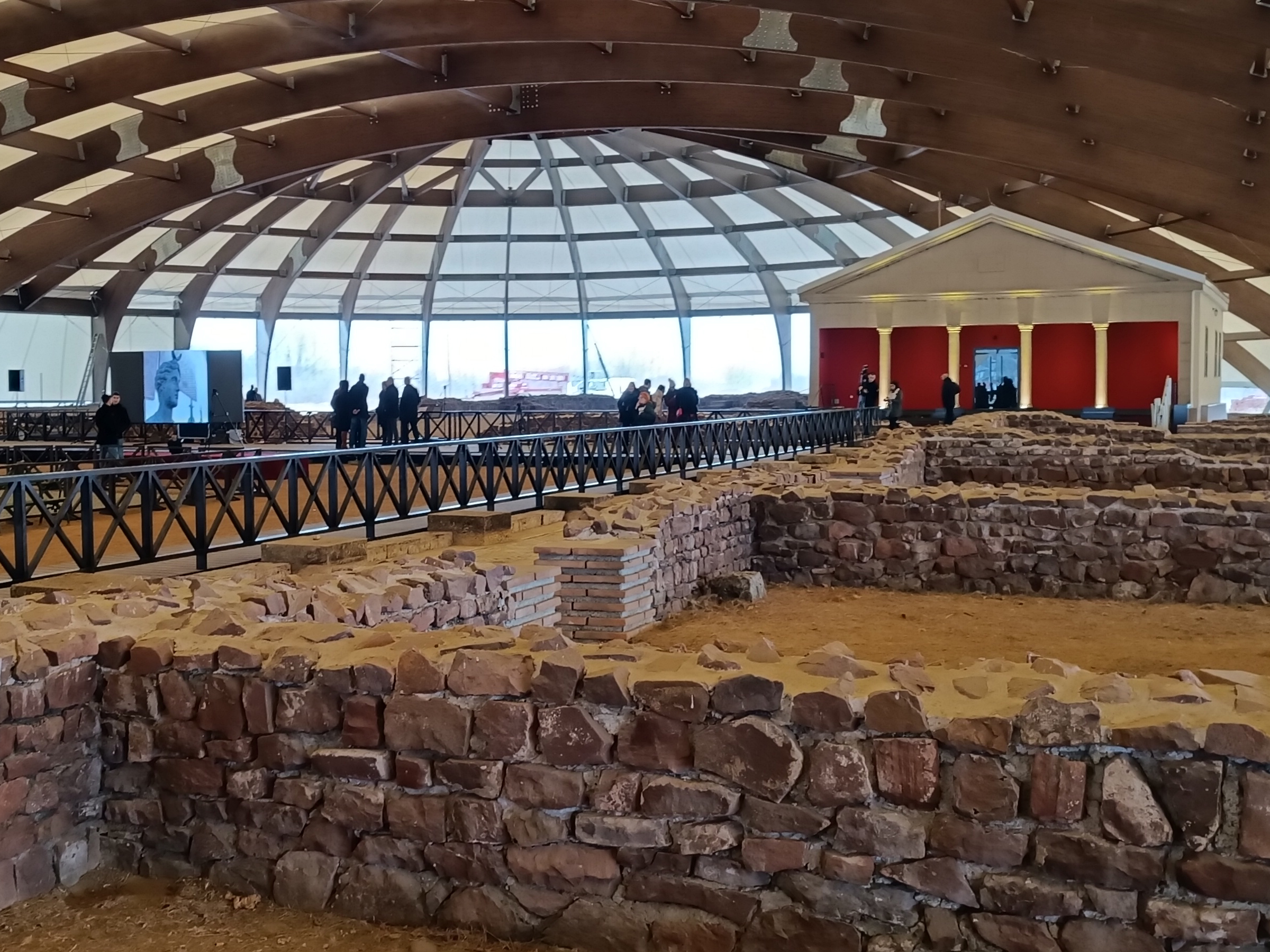
Archaeological ruins under dome
Stone foundations and a sheltered exhibit hall are shown at Mediana in Niš, with visitors walking along raised paths
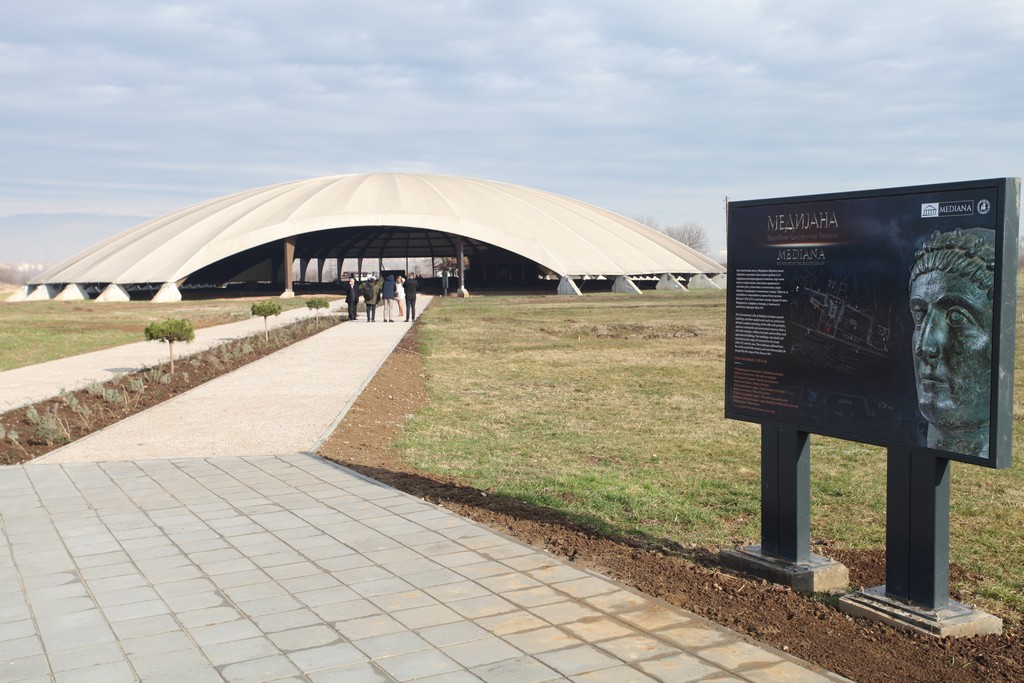
Mediana Entrance Pavilion
A domed shelter and walkway lead into the Mediana site in Niš, with an information board beside the path
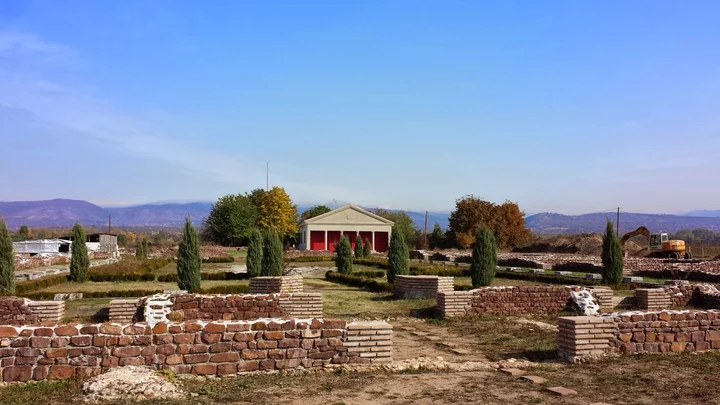
Archaeological Ruins at Mediana
Stone foundations and pathways spread across Mediana in Niš, with a small shelter and distant hills behind them
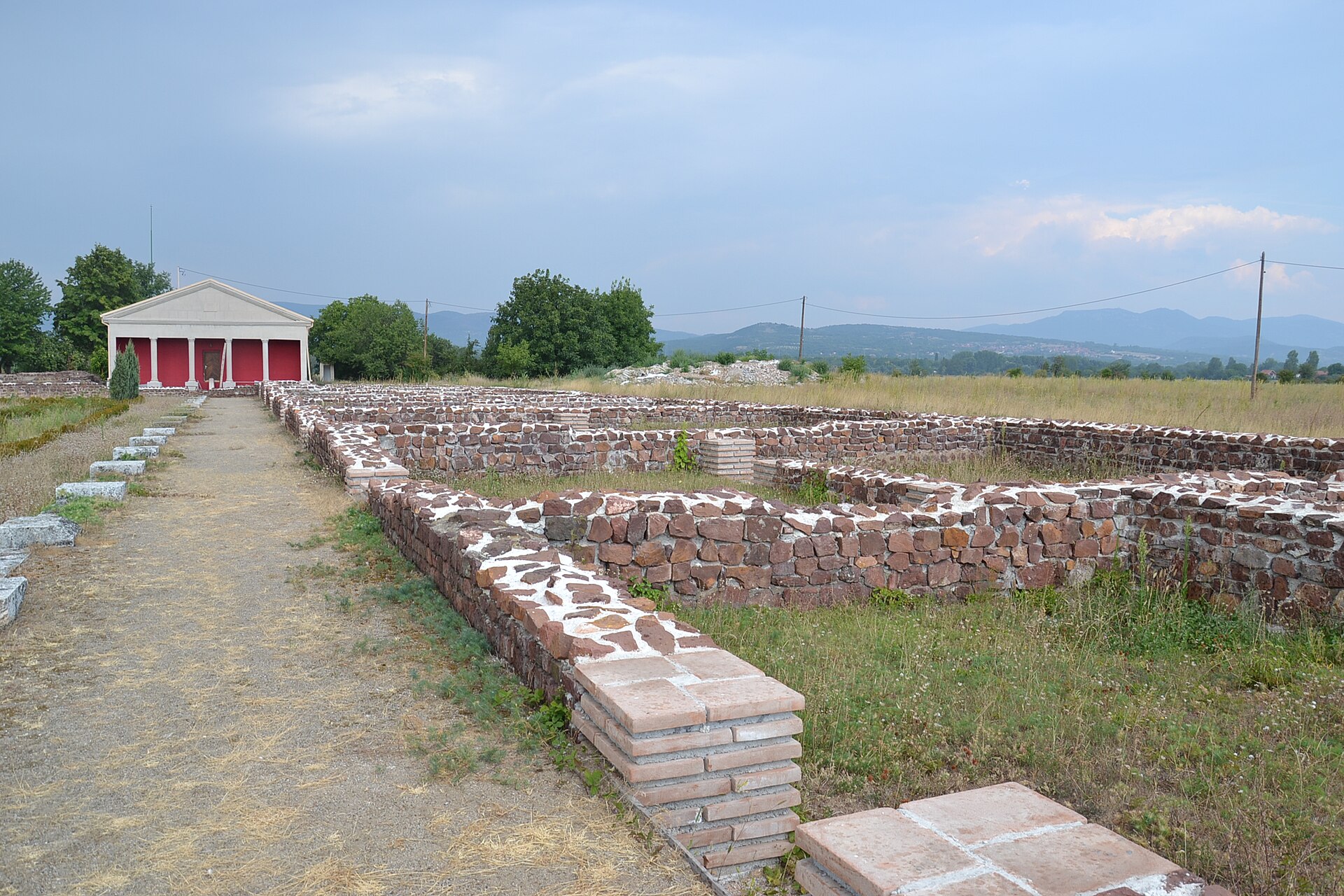
Archaeological Ruins and Pavilion
Stone foundation walls and a small reconstructed pavilion stand at Mediana in Niš with hills in the distance
Stay connected in Serbia