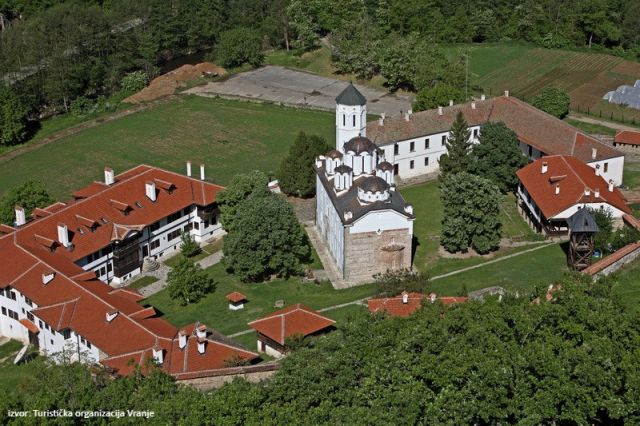
Manastir Sv. Prohora Pčinjskog, 17524 Klenike, Serbia

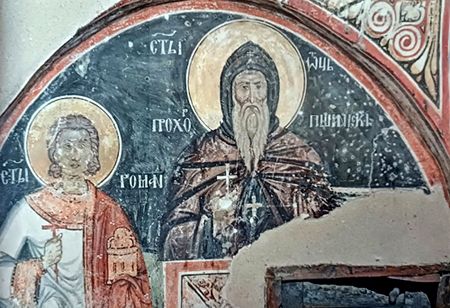
For travelers who deliberately use the Saint Prohor Pčinjski border crossing instead of waiting at heavier crossings, this monastery is the cultural reward on the route. It stands in quiet countryside where the Pčinja runs through dense forest, and local tradition links its foundation to the moment when the hermit Prohor told Roman Diogenes that he would become emperor.
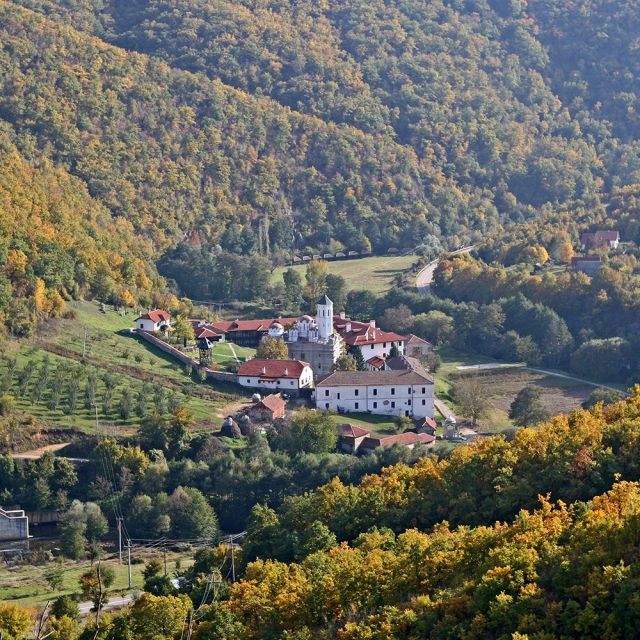
Set on the wooded slopes of Kozjak above the left bank of the Pčinja, the monastery complex feels part pilgrimage court and part self-contained monastic settlement. The present church dates to 1898, while the grounds still preserve remains of earlier foundations and a chapel kept in older form. The site is best known for safeguarding the cult of Saint Prohor through continuous worship and revered relics. The overall mood is quiet and enclosed, shaped by lodgings, courtyards and river landscape rather than by a museum-style visitor circuit.
The core of a visit here is the shrine tradition around Saint Prohor. Sources say the preserved chapel keeps the saint's relics, an opening from which holy myrrh is said to flow, and the oldest icons associated with the monastery. That is why the place draws pilgrims from Serbia and neighboring countries, especially on 19 May, the saint's feast by the Gregorian calendar. The monastery is also linked in the sources to a healing tradition associated with Saint Sava, which helps explain why it was known not only as a religious house but also as a place where people came for relief and prayer. What distinguishes Saint Prohor Pčinjski is this mix of relic-veneration, living worship and borderland seclusion.
The verified approach in the supplied sources is by road from Vranje. The monastery stands about 30 km south of the city in Klenike, and the published driving route runs through Ristovac, Žbevac and Opančevac; allow roughly 45 minutes by car. If you are already using the Saint Prohor Pčinjski border crossing, the monastery is the natural cultural stop in that same border zone for travelers avoiding heavier queues elsewhere. A published walking route from a nearest stop or landmark was not found in the sources. No verified local bus, tram or trolley line number is published in the supplied material either, so public transport should be confirmed locally before travel. For longer bus and train combinations, the Serbia Transit Search is the practical planning tool. If you are self-driving, Driving in Serbia covers tolls, road rules and fuel basics. Published taxi fares and parking details were not found.
Because general visitor opening hours are not published, it is better to plan around the monastery's worship calendar than to assume all-day museum-style access. The official site publishes separate summer and winter service times, including a midday akathist and earlier evening services in winter. Ordinary weekdays are the safer choice if your focus is quiet courtyards and architecture, while 19 May, the feast of Saint Prohor by the Gregorian calendar, is the date to choose if you want to experience the monastery as a pilgrimage place. No reservation rule for ordinary visits is published. If this stop sits inside a wider southern Serbia route, the Niš City Guide is a practical city base before continuing south.
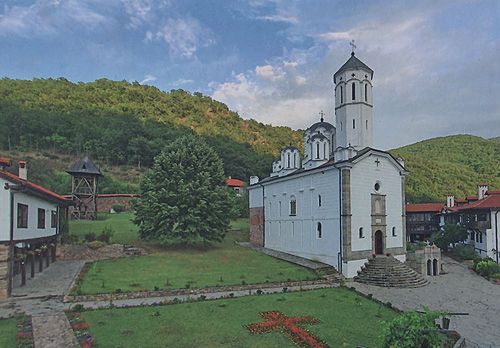
Expect an active Serbian Orthodox monastery, not a ticketed heritage site with visitor infrastructure at every point. The setting is quiet, wooded and devotional, with pilgrims venerating relics as well as travelers stopping for history and landscape. Modest clothing and low voices are appropriate. The supplied sources do not publish step-free access details, so travelers with mobility needs should contact the monastery before setting out. Families can visit, but the experience centers on worship spaces, courtyard walking and short pauses by the river rather than on children's programming. Bring water, allow extra travel time if roads are wet, and do not rely on a published café or shop inside the complex. For broader day-to-day planning beyond this stop, Serbia Travel Tips is the useful starting point.

Saint Prohor Pčinjski rewards slow looking because several layers of church life survive in one compound. The old part of the church, especially its north-west section with an oriental apse, is singled out in the main sources as the place where the saint's relics are kept. Local descriptions also point visitors to 14th-century frescoes, while the grounds preserve the remains of an earlier church. A brick in the wall is described in the source tradition as bearing the name Sava and linking the monastery to renewal under King Milutin. Beyond worship, the monastery functioned as a cultural and educational center, with a theological school, a manuscript-copying and illumination workshop, and organized icon painting. That living institutional role helps explain why the complex feels inhabited rather than frozen in one period.

Saint Prohor Pčinjski Monastery also matters outside church history. In 1944 it hosted the first session of ASNOM, the Anti-Fascist Assembly for the National Liberation of Macedonia. That meeting is remembered as a key political step in the creation of modern North Macedonia within Yugoslavia. For visitors, this adds a second historical layer to the monastery: it is both a medieval pilgrimage site and a place tied to twentieth-century state formation.
According to tradition, the future emperor Roman IV Diogenes met the hermit Prohor while hunting and heard the prophecy that he would become emperor. After that prophecy came true, he founded the monastery in the 11th century in gratitude. During the wars of 1180-1190, the area passed from Byzantine to Serbian control under Stefan Prvovenčani, and the monastery later developed as a spiritual and educational center.
The monastery was repeatedly ruined and rebuilt. Sources note Ottoman-era destruction, a full devastation in 1371, later damage by Albanians and looting by Bulgarians during the First World War. Even after those breaks, rulers and church authorities kept returning to the site. That long cycle of loss and repair explains why the complex carries visible layers from different periods rather than a single medieval form.
Official worship times published by the monastery are: weekdays liturgy 06:30; Saturdays, Sundays and holidays liturgy 08:00; akathist 12:00; evening service 18:00. The source does not publish separate general visitor opening hours.
Official worship times published by the monastery are: weekdays liturgy 05:00; vigil before Sundays and holidays 15:00; Sundays and holidays liturgy 08:00; akathist 12:00; evening service 16:00. The source does not publish separate general visitor opening hours.
Saint Prohor Pčinjski Monastery is in Klenike, near the Serbia-North Macedonia border, about 30 km south of Vranje.
These are the parts of the complex most visitors focus on. Published visitor hours for individual points are not available, so use the monastery's worship schedule as your practical time reference.
Main Monastery Church
The central worship space and visual anchor of the complex.
The present church structure dates to 1898. It is the first point most visitors enter when they pass through the monastery courtyard.
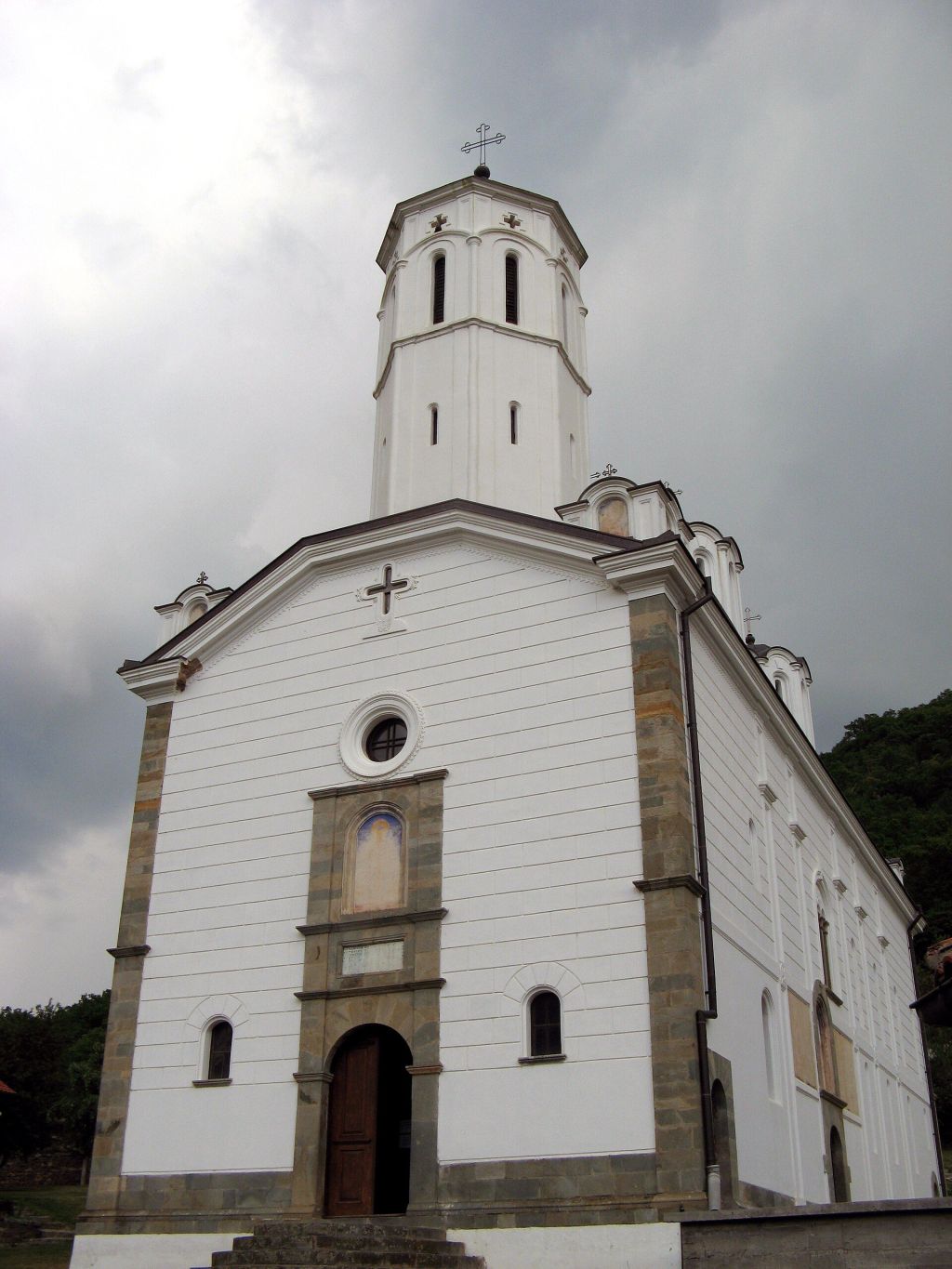
Chapel of Saint Prohor
The spiritual center of the pilgrimage tradition.
Sources identify this preserved older chapel as the place where the relics of Saint Prohor are kept, together with the opening from which holy myrrh is said to flow and the oldest icons connected with the monastery.
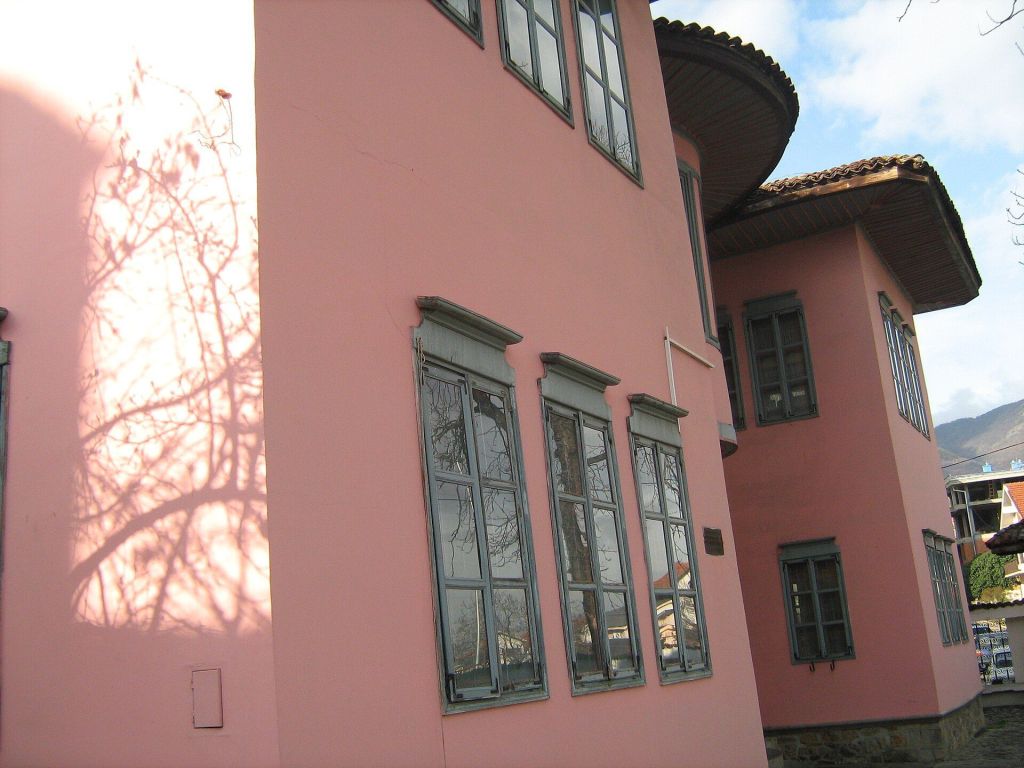
Vranje Konak
One of the monastery's residential buildings and the key point for overnight enquiries.
The Vranje konak is described as one of the notable buildings in the complex, and the official website uses the same contact line for overnight-stay information here.
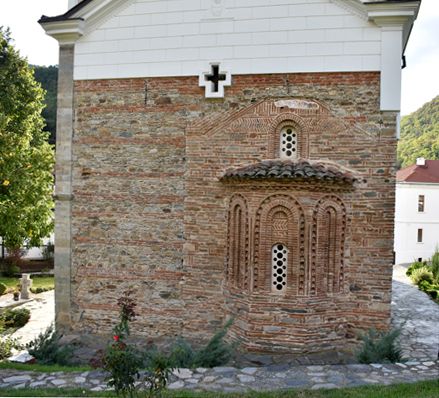
Foundations of the Original Church
Visible remains that show the monastery's earlier building phases.
In the monastery grounds you can see remains of the earlier church foundations, which help place the current ensemble within a much longer architectural history.
19th-Century Watermill and Pčinja River Edge
A practical way to understand the monastery's natural setting.
The watermill and the river edge show why the site feels separate from the road network: water, woods, meadow land and the Pčinja valley are part of the visit rather than a backdrop only.
Manastir Sv. Prohora Pčinjskog, 17524 Klenike, Serbia
Vranje
Pčinja River valley near the Saint Prohor Pčinjski border crossing
Relics of Saint Prohor, preserved chapel and pilgrimage tradition
https://www.svprohor.org/
+381 66 888 7160
info@svprohor.org
No official visit price published
Ordinary weekdays for a quieter stop; 19 May for the feast of Saint Prohor
Not published for ordinary visits; contact the monastery for overnight enquiries
The official website publishes summer and winter worship times, but a separate set of general visitor opening hours was not found. If timing matters, use the service schedule or contact the monastery directly before departure.
Travelers who choose the Saint Prohor Pčinjski border crossing instead of waiting at busier crossings pass within easy reach of the monastery. That makes it a route stop with real historical depth rather than a separate detour day.
The official website lists overnight-stay information through the Vranje konak on +381 66 888 7160 and info@svprohor.org. An online booking link and published room rates were not found, so contact the monastery directly to confirm availability.
The supplied sources do not publish step-free access details, parking layout or on-site visitor services. If mobility access, overnight arrangements or feast-day crowd levels matter for your visit, confirm those points directly with the monastery before departure.
No official visit price was found in the published sources or on the monastery's official website. Treat the visit as a religious site rather than a ticketed attraction.
General visitor opening hours were not found. The official website publishes worship times only, with separate summer and winter schedules.
The official website lists overnight-stay enquiries through the Vranje konak on +381 66 888 7160 and info@svprohor.org. No online booking link or published room prices were found.
The monastery is about 30 km south of Vranje. The supplied route guidance says to allow about 45 minutes by car via Ristovac, Žbevac and Opančevac.
The supplied sources do not publish a verified local bus, tram or trolley line number to the monastery. If you are not driving, confirm local transport options before travel.
Stay connected in Serbia