Trg Oslobođenja 2, 18230 Sokobanja

Sokobanja is a practical spa-town stop in southeastern Serbia for travelers who want sulfur-spring heritage, a compact walkable centre and easy access to short nature outings. Base yourself in the centre if you want to reach the tourist office, bath zone, cafes and evening promenade on foot. Use it as a slower break on a wider route rather than as a city-style checklist destination.
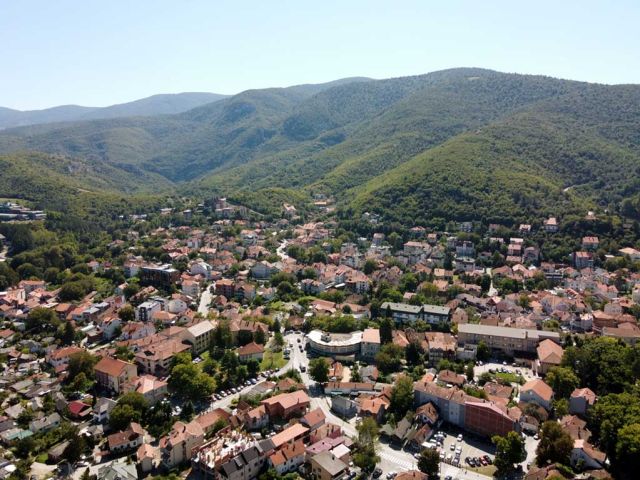
Sokobanja lies at about 400 metres above sea level in a valley in southeastern Serbia, with the Moravica River running through town and a ring of nearby mountains around it: Ozren, Rtanj, Devica, Slemen, Krstatac, Bukovik and Rožanj. It appears in the biography of Despot Stefan Lazarević, so it is firmly present in Serbia’s medieval record. For visitors, the place is defined less by long urban sightseeing and more by how easily the day shifts from central parks and spa routines to picnic stops, short walks and low-mountain viewpoints. The overall feel is calm, outdoors-led and generally comfortable for families.
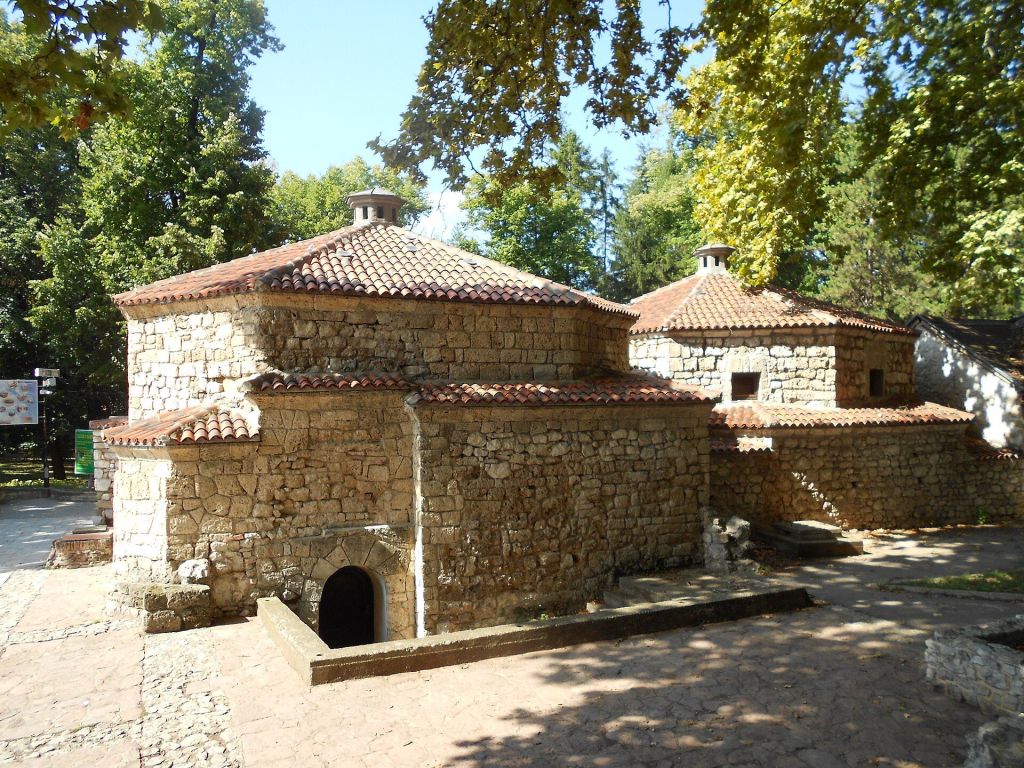
Sokobanja’s spa-town rhythm begins with mineral and sulfur water. The town developed around its springs, and that bath tradition is still one of the clearest reasons to come. Its best-known historic symbol is the Turkish Bath Amam in Sokobanja, an Ottoman-era bath closely tied to the town’s identity as a health resort.
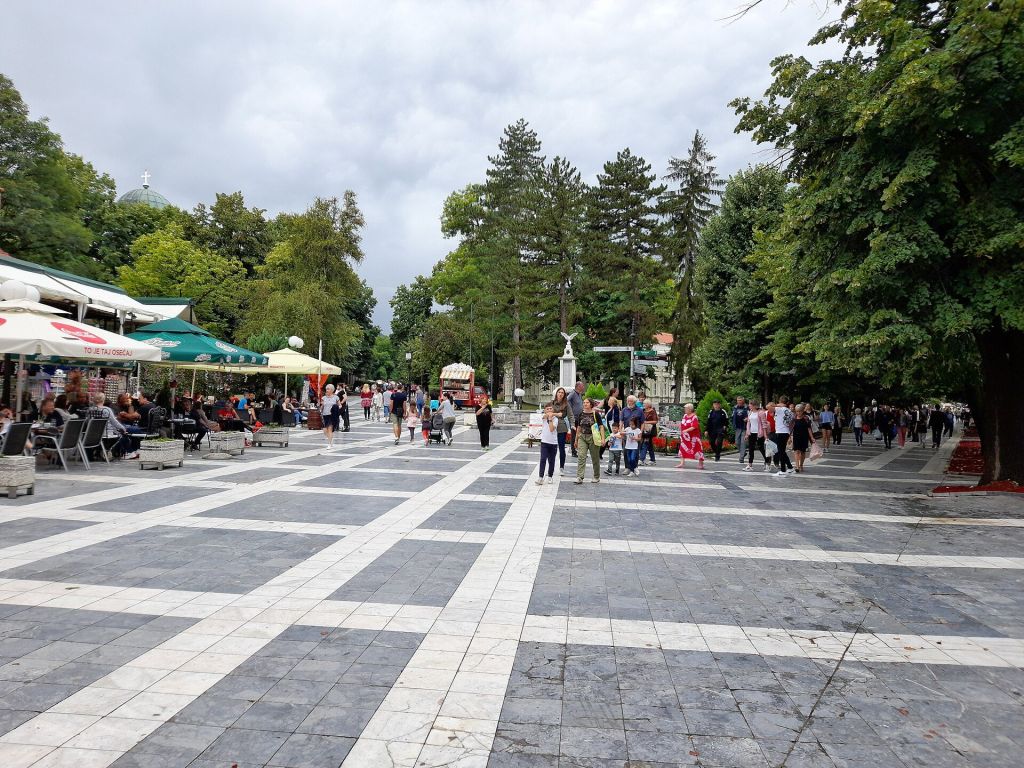
What feels specific here is not only the spa story itself but the way it sits inside a compact, walkable centre in a valley where most practical stops are close together. Even visitors who do not plan treatments still tend to follow the same rhythm shaped by the springs: promenade walks, time in the park, cleaner hill air and short outings instead of an overloaded itinerary. For many first-time visitors, Sokobanja makes the most sense as a one- or two-night stop that slows down a broader Serbia route.
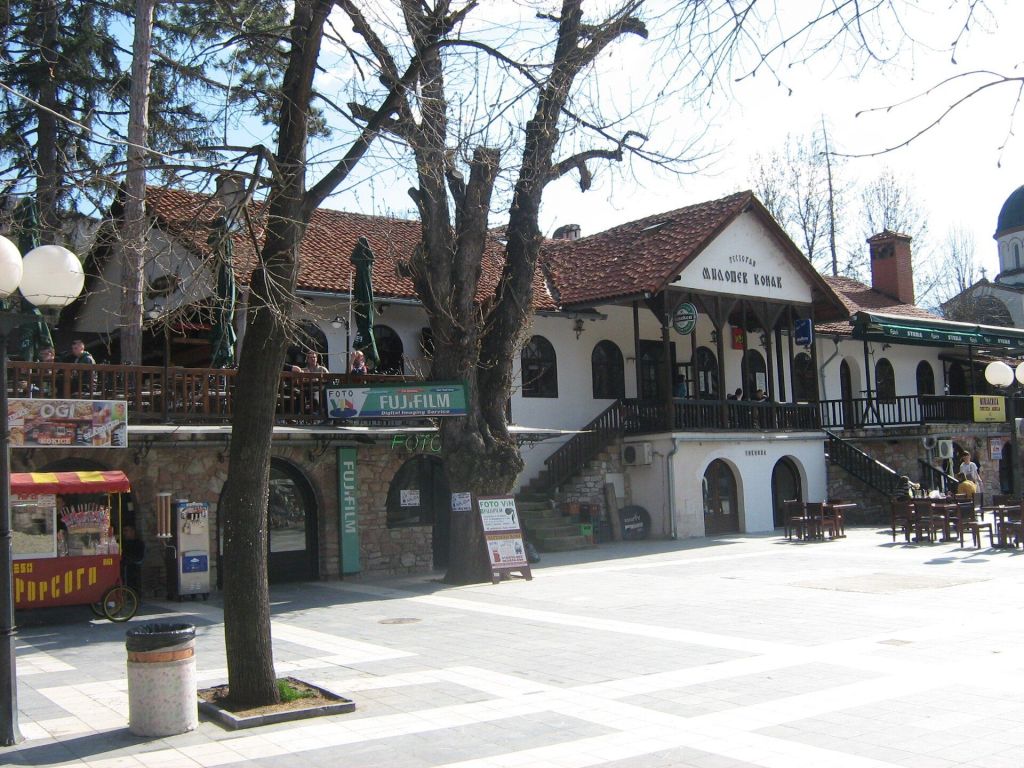
For a first visit, the easiest base is the town centre or the central-park area because many of Sokobanja’s main practical stops are close together. Staying here lets you walk to the tourist office, the bath zone, cafes and the evening promenade without needing a car for every short move.
If you want a quieter setting, look toward greener edges in the direction of Ozren or wider parts of the municipality where rural tourism and villa-style stays are more common. Official visitor information lists both hotels and a broad private-accommodation offer, so the real choice is usually convenience in the centre versus a lower-key nature setting outside it. Because category, facilities and seasonal rates vary, confirm parking, wellness access, meal options and check-in details directly with the host before you book.
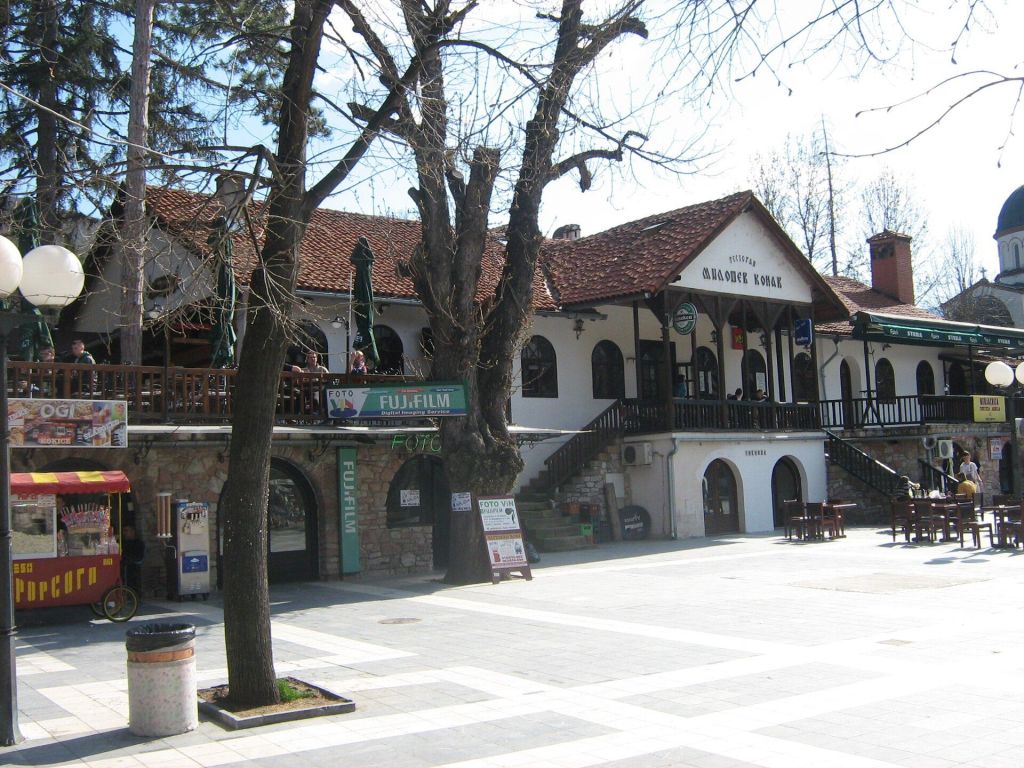
Once you are in town, start with the Tourist Information Center at Trg Oslobođenja 2 for current local advice. Published destination material points travelers to local listings for the health center, pharmacies, banks, ATMs, taxi operators and public services, which is useful if you want one place to orient yourself quickly.
If Sokobanja is only one stop on a wider route, use Serbia Transit Search before departure to check current public-transport options. The official tourism organization also notes that its work covers the Tourist Information Center, the Ethno Corner “Grudonjske vodenice,” and the “Vrelo” summer stage, which helps explain why the visitor office is the best first practical contact for on-the-ground updates.
For arrival planning, Sokobanja is about 230 km from Belgrade and about 60 km from Niš. Official visitor information also notes that the town is roughly 30 km from the E-75 motorway and the main train line, so most trips end by road rather than rail alone. If you want the nearest larger urban base for a wider itinerary, the Niš City Guide is the most practical starting point.
Bus arrivals use Sokobanja bus station, Naselje Čair bb, phone 018 830 946. Current line numbers and timetables are not published in the supplied destination material, so confirm departures before travel. On foot, most central-park sights are close together from the town centre; Lepterija is about 2 km away, and Sokograd lies about 500 m farther by forest path. Parking guidance for the centre is not published, so ask your hotel or host directly.
Spring is the most logical season if Ripaljka Waterfall near Sokobanja matters to your plan, because official destination material says the waterfall usually has the most water after snow and ice melt. Summer suits visitors who want river time, parks, Water Park Podina and easy evenings in town. Autumn works well for walkers who prefer cooler air on Ozren, Devica or around the picnic areas, while winter is quieter and better for a slower spa-town stay than for a packed outdoor program.
If you want central accommodation or hotel wellness in summer, book ahead for weekends and holiday periods. For outdoor sights, check conditions before leaving because weather, water levels and seasonal services can change.
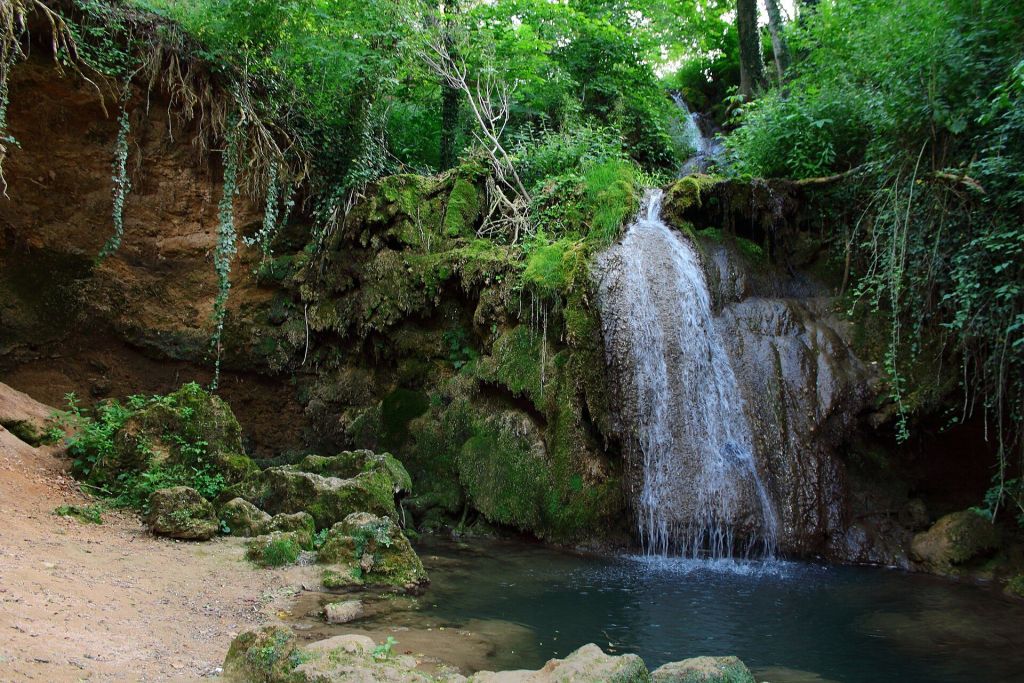
Expect a spa-town pace rather than a city pace. Days here are usually built around walks, cafes, riverside time, parks and short excursions, with mountains and picnic areas close enough for active visitors but not obligatory for everyone. Dress is casual in most situations.
For natural sites, wear proper walking shoes, especially if you are heading toward Sokograd, waterfall paths or uneven forest trails. Families and older visitors generally find the town core easier than rougher nature approaches. Accessibility is best in the central park areas and less predictable on fortress, canyon and waterfall routes. Bring water, summer sun protection, a light layer for cooler evening air from the surrounding hills, and swimwear if you plan to use hotel wellness or river and water-park facilities.
Sources cross-checked for this guide:
Last checked: 2 August 2026. Fact-checked by the editorial team led by Patrick against the official sources above, and reviewed before publishing.
Operational facts and visitor contacts were checked against official destination and tourism-organization material used for this rebuilt guide.
Sokobanja lies in southeastern Serbia in the Moravica valley, around 60 km from Niš and about 230 km from Belgrade.
These are the practical places and easy excursions most closely tied to Sokobanja’s sulfur-spring rhythm, walkable centre and short nature outings. Where hours, prices or reservations were not published in the supplied sources, they are marked accordingly.
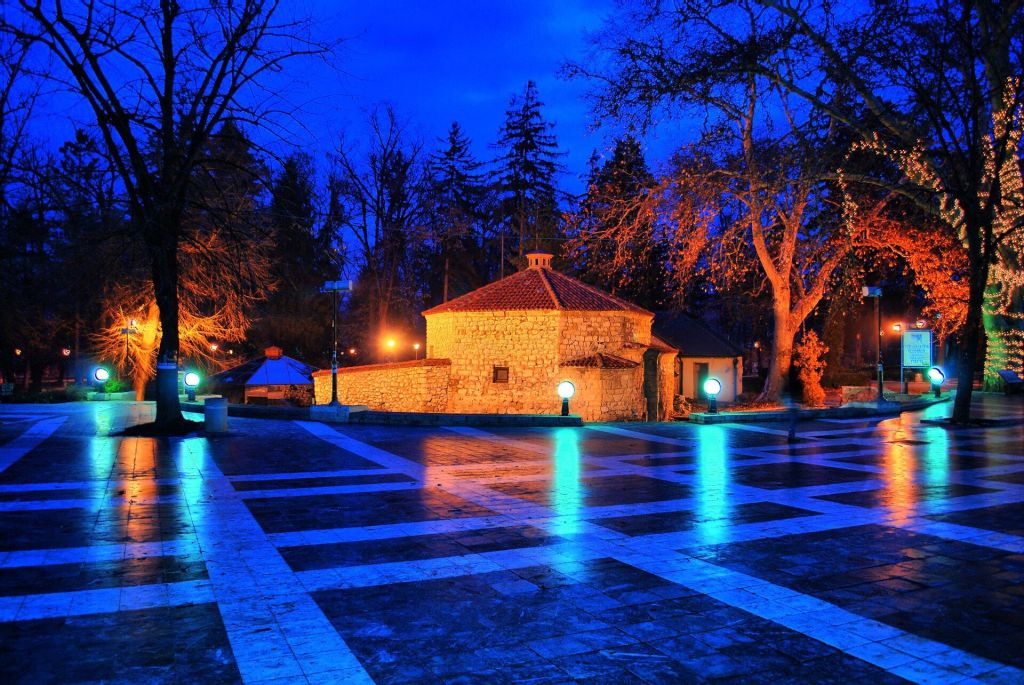
Turkish Bath Amam in Sokobanja
Ottoman-era bath and the clearest historic symbol of Sokobanja’s spa identity.
Best for understanding why mineral and sulfur water are central to the town’s history as a health resort.
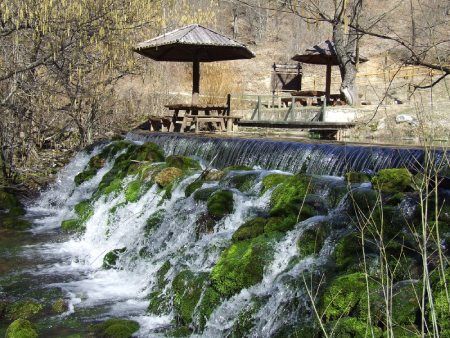
Lepterija
Short outing from the centre for riverside time, greenery and picnic stops.
Official orientation material places Lepterija about 2 km from the town centre, making it a straightforward half-day walk for many visitors.
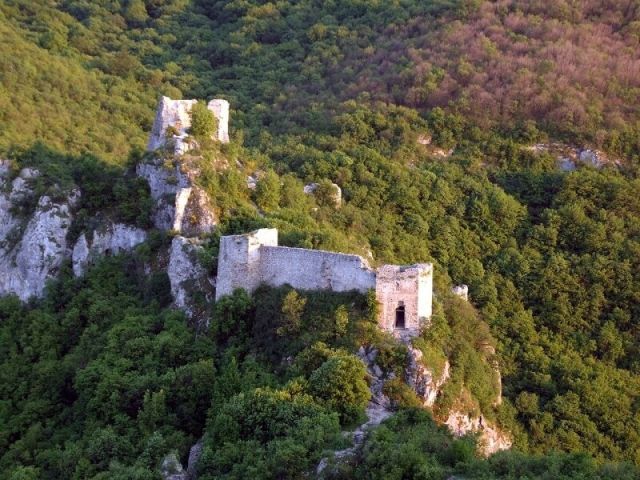
Sokograd
Forest-path extension beyond Lepterija for visitors who want a rougher nature approach.
Sokograd is about 500 m farther on from Lepterija by forest path, so it works best as part of the same outing rather than a separate central stop.
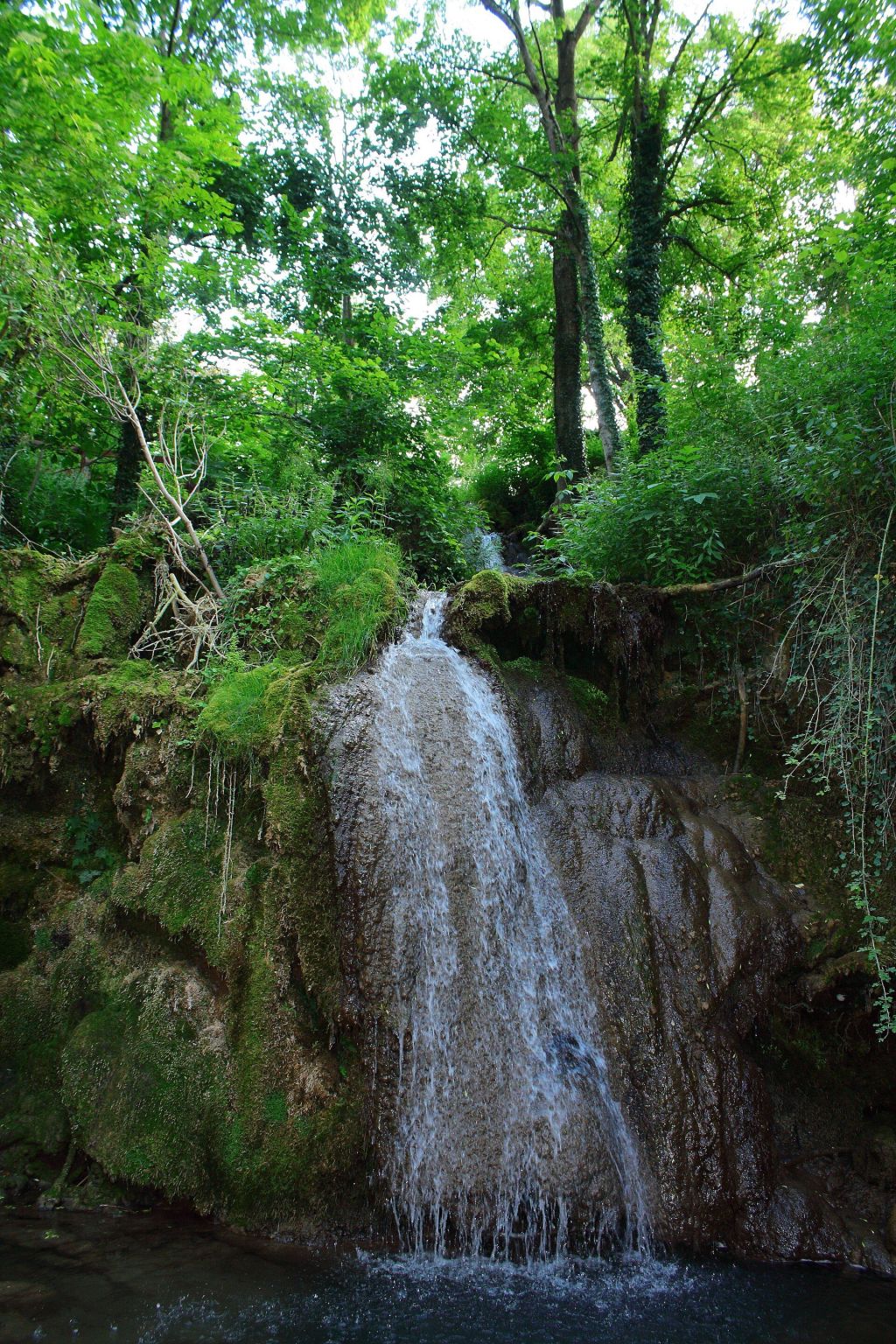
Ripaljka Waterfall
Seasonal waterfall outing that is strongest in spring after snow and ice melt.
Official destination material notes that Ripaljka usually carries the most water in spring, which makes timing important if this is one of your priorities.
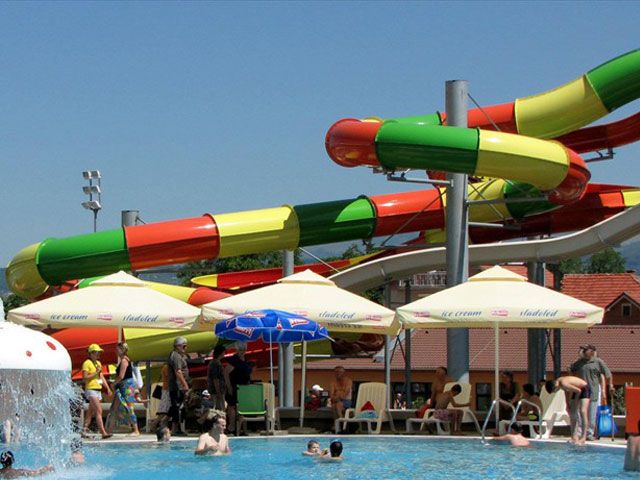
Water Park Podina
Warm-season option for travelers building a summer day around parks, water time and easy evenings.
Source material specifically associates summer in Sokobanja with Water Park Podina, along with river time and relaxed evenings in town.
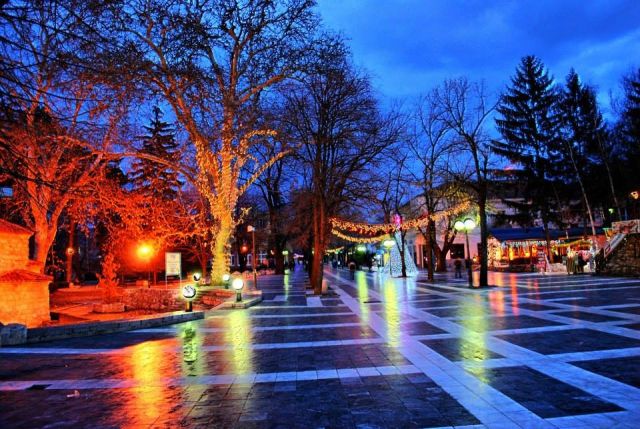
Tourist Information Center Sokobanja
Most useful practical stop for current local advice, services and accommodation orientation.
If you want on-the-ground help, begin here before deciding on walks, local services or where to base yourself in town.
Trg Oslobođenja 2, 18230 Sokobanja
Town centre and central-park area
Sulfur springs and Ottoman bath tradition
Not published in the supplied destination material
Spring to autumn, depending on spa, walks and water levels
Accommodation is worth booking ahead for summer weekends and holidays
Tourist Information Center: Trg Oslobođenja 2, 18230 Sokobanja. Published office hours: Monday-Friday 07:00-15:00. Phone: +381 18 833 988. Email: tic@tosokobanja.rs and office@tosokobanja.rs.
Emergency numbers: Police 192, Fire department 193, Ambulance 194.
Health facilities listed in the official directory include Specialized Hospital "Sokobanja", Vojvode Mišića 48; the Health Center, Mitropolita Mihajla 23; and Specialized Hospital "Banjica", Milutina Pejovića 40. Pharmacies named in the official material include several Adonis branches and Medic pharm.
Official visitor information lists these operators: Cool taxi 069/636 215, Maxi 062/765 580, Fića 063/426 506, and Daki 063/455 076. Typical fares are not published in the supplied destination material.
For many first-time visitors, one or two nights is the most practical fit. That gives enough time for the centre, bath heritage and one or two short outings without forcing a packed schedule.
The town centre and central-park area are the easiest parts to manage on foot, and many practical stops are close together. More nature-focused outings are less predictable and may require longer walks or local transport arrangements.
Not in the supplied destination material. The official guidance gives the bus-station contact and advises confirming departures before travel.
The easiest first base is the centre or central-park area, where you can walk to the tourist office, bath zone, cafes and evening promenade. Quieter stays are more common toward Ozren or in the wider municipality.
Bring water, sun protection in summer, a light layer for evening mountain air and proper walking shoes for Sokograd, waterfall paths or uneven forest trails. Swimwear is useful if you plan hotel wellness, river time or the water park.
Ask Serbian Travel for a custom trip plan if you want to combine Sokobanja with Niš, Eastern Serbia nature stops or a longer cross-country itinerary.
Stay connected in Serbia