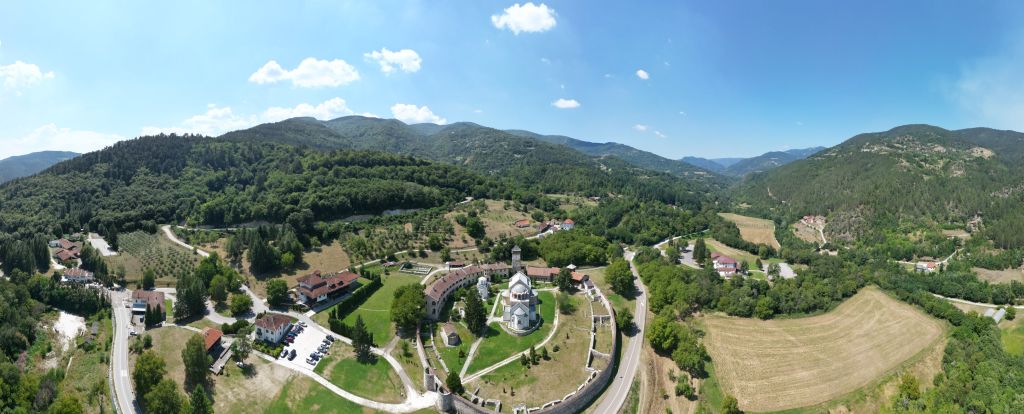
Studenica Monastery, about 60 km south of Kraljevo

Studenica Monastery stands about 60 km south of Kraljevo and is treated in the source material as one of the defining monuments of medieval Serbia. It was founded in the late 12th century by Stefan Nemanja and is described as part of the Raška architectural school, where Byzantine and Romanesque art were joined in a distinctly Serbian form. For travelers, the value of visiting is not only architectural. The monastery belongs to a wider monastic landscape often called the Valley of the Kings, and it represents the role monasteries played for centuries as places of spirituality, prayer, learning, and cultural development. If you are planning a heritage-focused trip through western and central Serbia, Studenica is one of the key stops for understanding medieval fresco painting in its original religious setting.
Studenica Monastery is one of the central monuments of medieval Serbia and stands in central Serbia roughly 60 km south of Kraljevo. The knowledge source describes it as a late-12th-century foundation of Stefan Nemanja and as a monastery with the status of a lavra. In the main source, Studenica is presented as a major example of the Raška architectural school, a tradition that merged Byzantine and Romanesque art in the landscape known as the Valley of the Kings. The atmosphere today is shaped by that long continuity: this is not only an art-historical stop, but a monastic place understood for centuries as a centre of spirituality, prayer, learning, and culture. Travelers combining the area with Kraljevo usually come for medieval heritage rather than urban sightseeing.
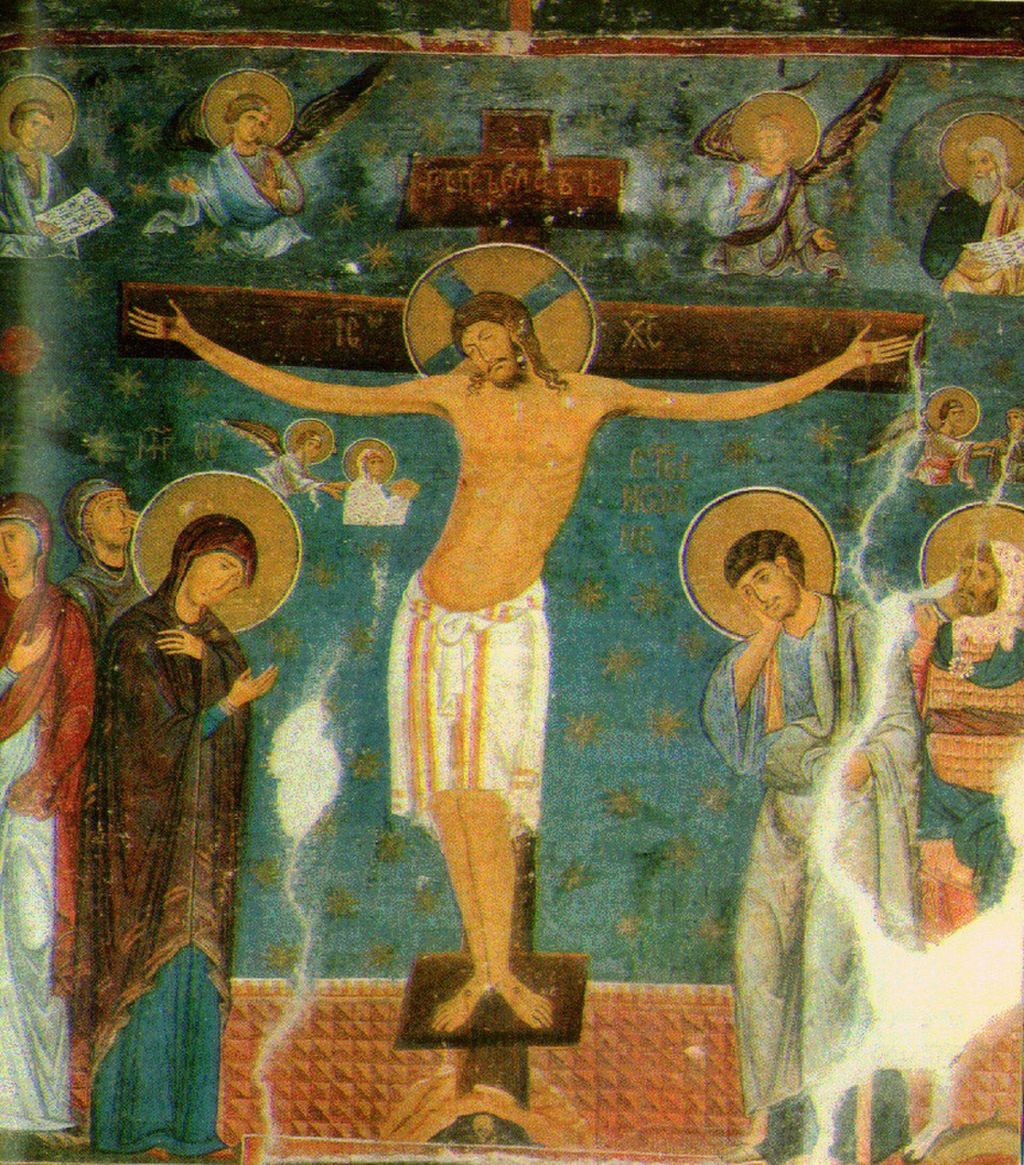
What makes the frescoes at Studenica significant is their place within a broader cultural shift in medieval Serbia. The source material frames Serbian monasteries as places where prayer, knowledge, and culture were carried forward across centuries. In that context, fresco painting was not decoration alone. It was part of how theology, dynastic memory, and artistic language were expressed inside an active monastery.
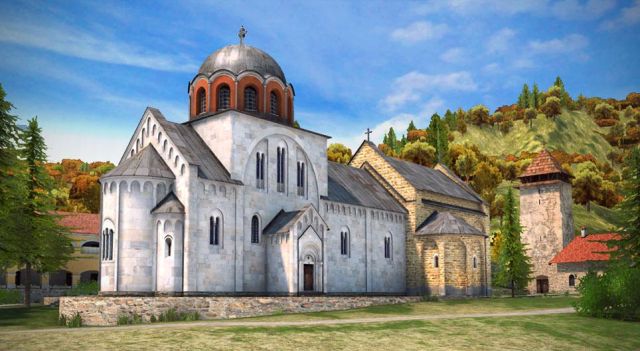
Studenica is especially useful for travelers trying to understand medieval Serbian art because the sources place it at the intersection of traditions. The monastery is explicitly described as merging Byzantine and Romanesque art. That means a visit works best when you look at the frescoes as part of a whole: wall painting, architecture, and royal-monastic patronage belong to the same story. If your Serbia route already includes other medieval or historical stops, the broader context in the Western Serbia guide and the practical planning notes in the Serbia Travel Brief help place Studenica within a longer trip.
A practical approach route to Studenica Monastery is Kraljevo - Ušće - Studenica Monastery. The supplied source material places Studenica Monastery about 60 km south of Kraljevo, so most travelers approach it as a road trip or taxi transfer from Kraljevo rather than as an urban walk-up sight. Walking directions from a major city landmark are therefore not practical in the corpus-backed sense. If you are arriving in Serbia from elsewhere, build your route first through a larger base and then continue toward Studenica by road.
The provided sources do not list a confirmed public bus line number, a local stop name, or a standard taxi fare for the final approach to the monastery. For current public transport options, use Serbia Transit Search and verify the last segment locally. Parking information is also not stated in the supplied material.
The source material does not specify exact visiting windows by season, day of week, or liturgical calendar. In practical terms, travelers interested in frescoes usually benefit from planning enough time for slow looking rather than a fast stop between long road transfers. Because Studenica is a monastery rather than a city museum, it makes sense to choose a calmer part of the day if possible and to allow for religious use of the space.
If you are building a broader central or western Serbia route, combine Studenica with nearby heritage stops over a full day or as part of a two-day loop rather than treating it as a brief roadside pause.
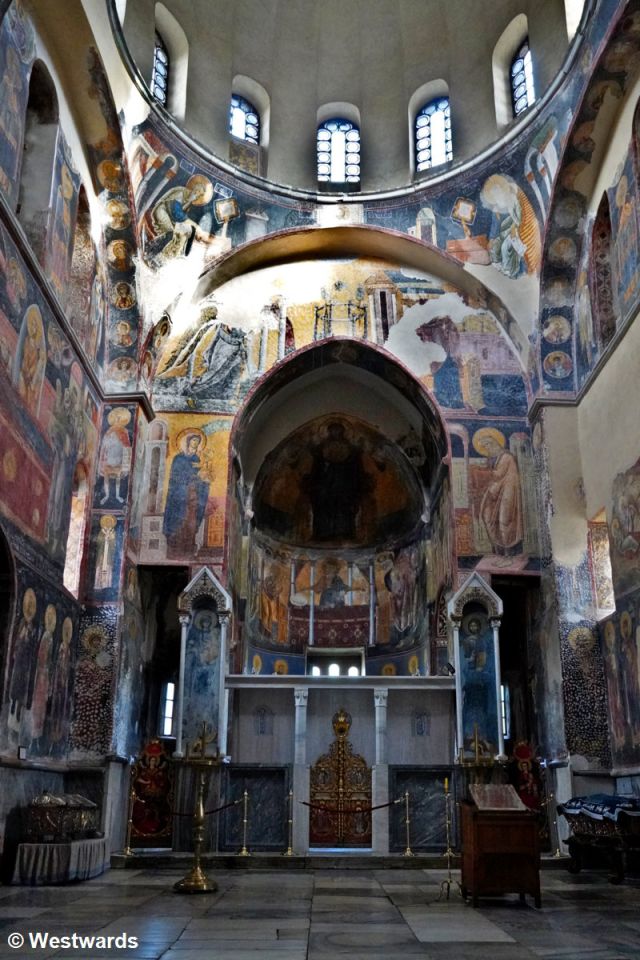
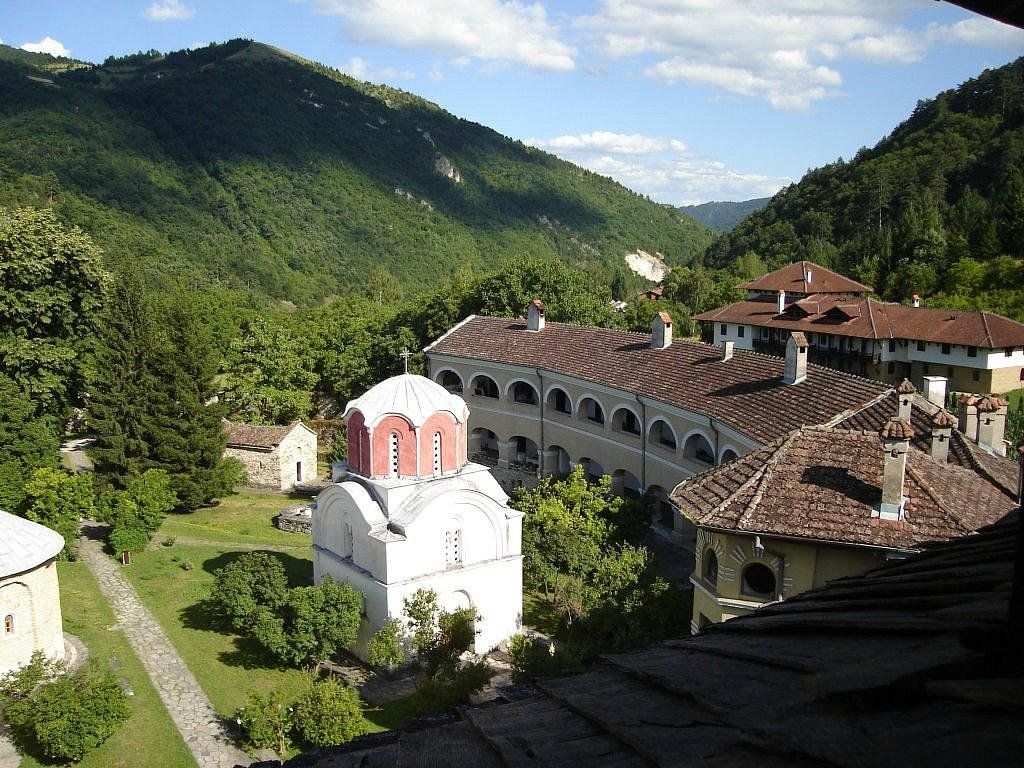
Expect a religious heritage site rather than a conventional stand-alone art venue. The mood is shaped by monastic continuity, and the sources emphasize the monastery's long role in spirituality, prayer, learning, and culture. That makes the visit quieter and more reflective than a city-center attraction.
Dress respectfully and keep behavior consistent with an active monastery setting. The supplied corpus does not give confirmed accessibility details, family facilities, or rules for photography, so those points should be checked on arrival. Bring water, allow extra road time, and keep your expectations focused on historical atmosphere and medieval art in context.
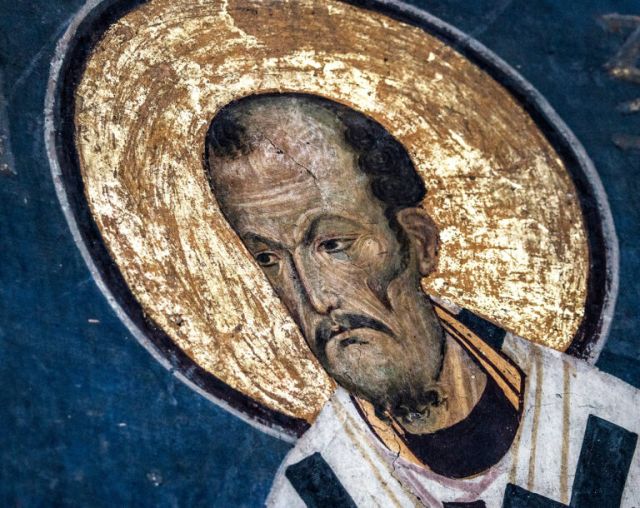
The key idea from the sources is the joining of Byzantine and Romanesque art. Notice how the frescoes are part of a larger architectural and cultural program rather than an isolated gallery display.
The sources describe Serbian monasteries as places of spirituality, prayer, knowledge, and culture. That perspective helps explain why the frescoes carry religious and historical meaning at the same time.
Studenica Monastery is in central Serbia, around 60 km south of Kraljevo.
These are the clearest source-grounded places to combine with a Studenica-focused heritage trip. Where the corpus does not give opening hours or prices, those details are left unstated.
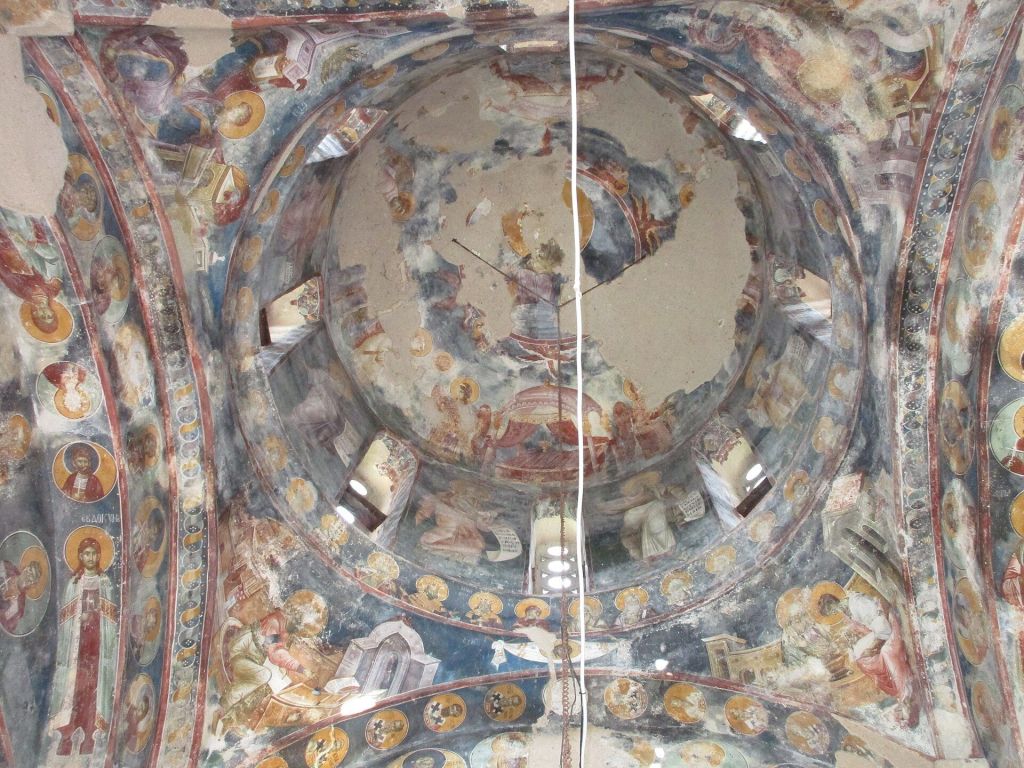
Studenica Monastery
Late-12th-century monastery founded by Stefan Nemanja and one of the key monuments of medieval Serbia.
The core stop for travelers interested in Serbian medieval frescoes, monastic history, and the Raška school's blend of Byzantine and Romanesque art.
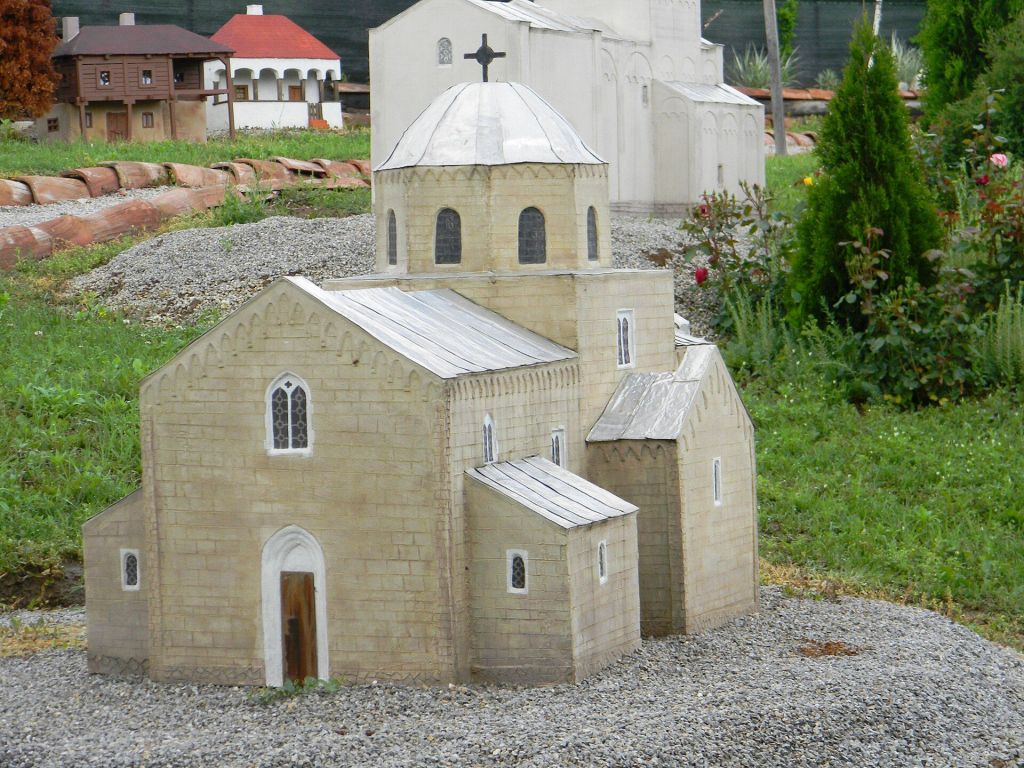
Gradac Monastery
Another exceptional 12th-century monastery named in the supplied material.
Useful as a comparison stop for travelers building a monastery route in this part of Serbia, especially if you want to understand the broader medieval monastic landscape beyond Studenica.
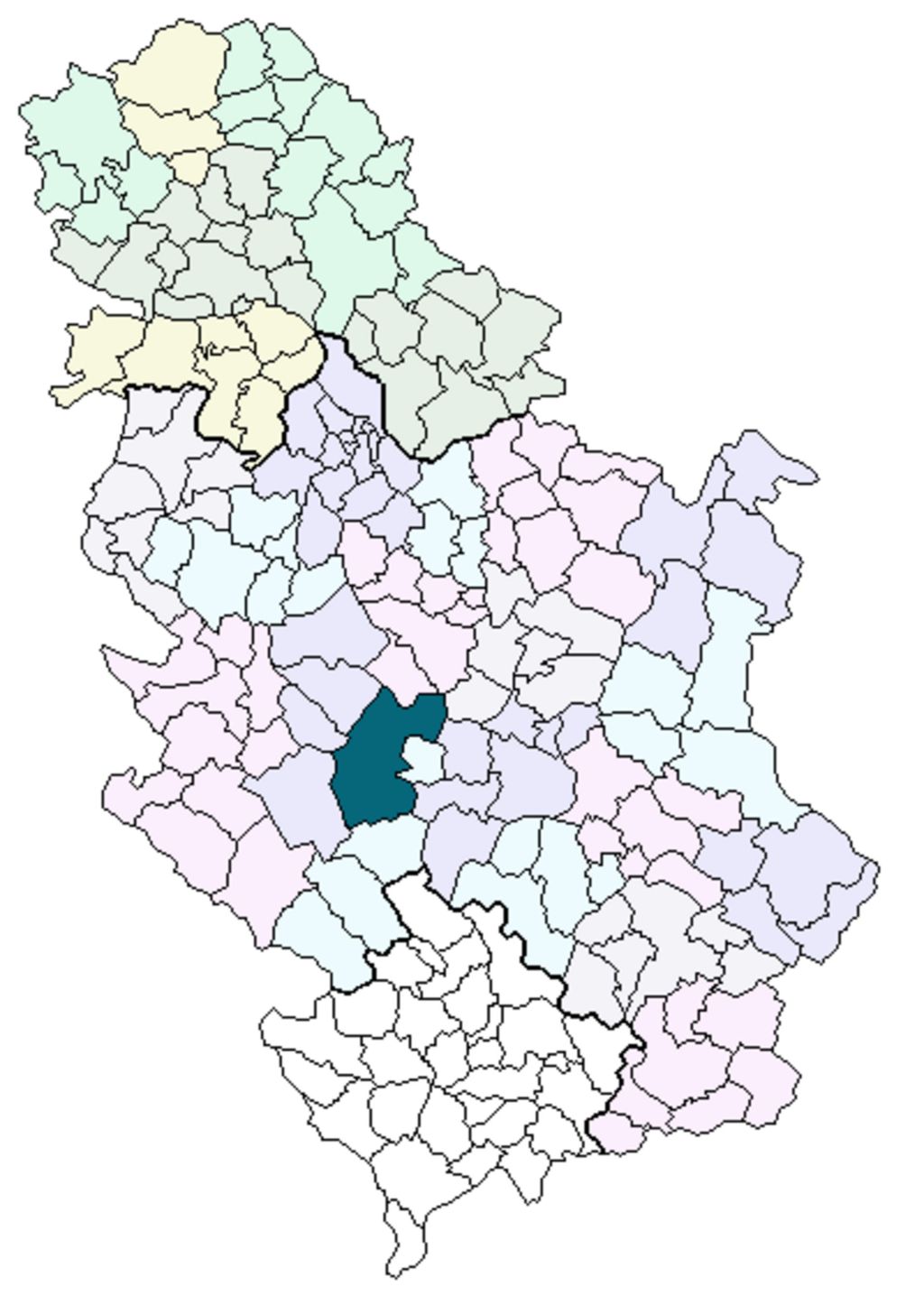
Kraljevo
The nearest named city context in the knowledge source and the usual practical base for reaching Studenica.
Kraljevo is relevant less for frescoes themselves than for trip logistics. It gives the clearest geographic reference in the source corpus for orienting a visit to Studenica.
The Valley of the Kings
The historical landscape term used in the main source for this concentration of Serbian medieval monuments.
Not a single monument but a way to frame a trip. If you are visiting Studenica for its frescoes, this label helps you see the monastery within a dynastic, sacred, and artistic network rather than as a standalone stop.
Studenica Monastery, about 60 km south of Kraljevo
Late 12th century
Stefan Nemanja
Raška school
Byzantine and Romanesque synthesis
UNESCO World Heritage
Valley of the Kings
Travelers interested in medieval Serbian art and monastic history
Not stated in the supplied source material
The main source places Studenica among the monumental buildings of the Raška school. For a visitor, that matters because the frescoes are best understood together with the architecture: the site reflects a meeting of Byzantine visual tradition and Romanesque form rather than a single isolated style.
The supplied source material establishes Studenica's historical and artistic importance, but it does not provide confirmed daily opening hours, ticket prices, or an official reservation system. Travelers should verify current entry arrangements locally before setting out.
The supplied sources place Studenica among the key monuments of medieval Serbia and describe it as part of the Raška school, where Byzantine and Romanesque art were brought together.
The knowledge source states that the monastery was founded in the late 12th century by Stefan Nemanja.
Yes. The knowledge source explicitly identifies Studenica Monastery as UNESCO World Heritage.
The supplied knowledge source says the monastery stands roughly 60 km south of Kraljevo.
No. The corpus provided for this page does not give confirmed daily opening hours or admission prices, so those details should be checked locally before visiting.
If Studenica is on your list, it usually makes sense to plan the trip with a regional base and current transport checks rather than as an isolated stop.
Stay connected in Serbia