Belgrade and Novi Sad

Serbia works well for travelers who want a mix of city time, food, history, river landscapes, and straightforward overland travel. Most first trips start with Belgrade and Novi Sad, then branch into wine towns, monasteries, mountain regions, or Roman and Ottoman heritage depending on interests. Rail has improved on some major routes, buses still matter for many regional connections, and taxi and app-based rides are common inside cities. Cash is still useful even where cards are accepted. For season planning, the broadest overview is in Best Time to Visit Serbia, while transport, money, and connectivity each have dedicated practical guides.
Serbia is a practical destination for travelers who prefer a trip built around a few strong bases rather than constant hotel changes. The country combines large-city energy, smaller historic towns, riverfront walking areas, monasteries, archaeological sites, and mountain regions within manageable travel distances. For many visitors, the first decision is whether the trip should be city-led, nature-led, or a mix of both.
Belgrade is usually the main arrival point and makes sense if you want museums, nightlife, older quarters, riverfront districts, and day-trip options. Novi Sad gives a slower urban pace, access to Petrovaradin, and easy extensions toward Fruška Gora and Sremski Karlovci. Outside the two main cities, travelers often add one region with a clearer theme: Roman and Danube landscapes in Eastern Serbia, monasteries and hills in Šumadija, or mountain scenery in Western Serbia.
The travel rhythm is generally easy to understand. English is common in tourist-facing businesses in the main cities, card payment is widespread but not universal, and independent travel is realistic if you plan your intercity moves in advance. A short trip of 4 to 6 days can cover one or two urban bases; 7 to 10 days gives room for day trips or a second region.
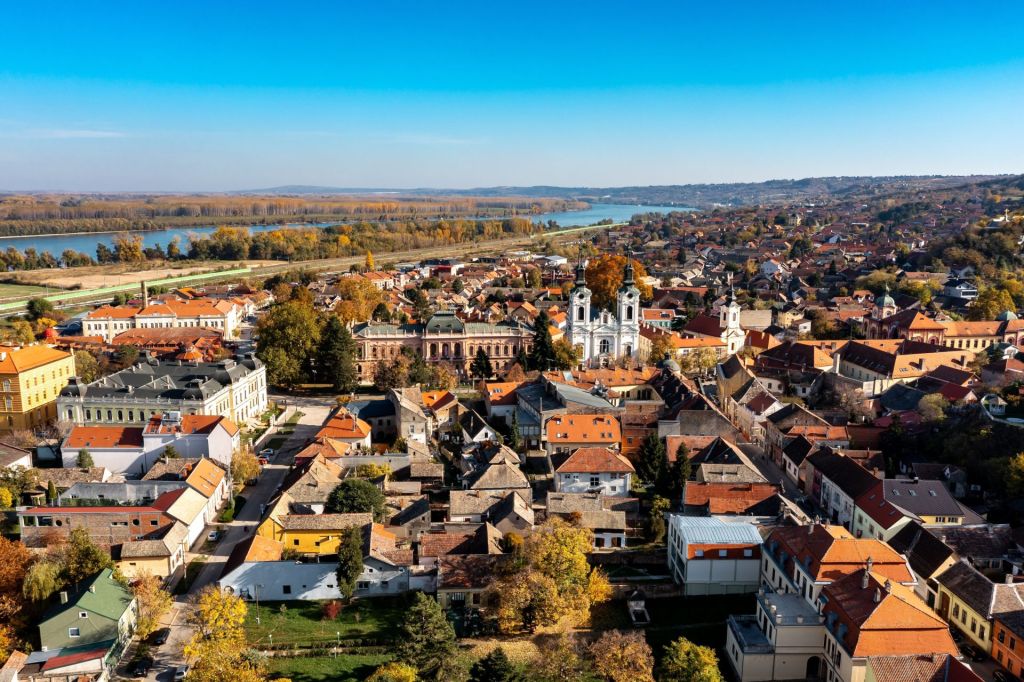
Belgrade suits travelers who want the widest range of urban experiences in one place: historic core areas, riverfront walks, museums, nightlife, and strong onward connections. It is also the easiest base if you are arriving by air and want to avoid immediate onward travel after landing.
Novi Sad is often the best second choice for visitors who want a compact city with a clear center, Petrovaradin Fortress, and a calmer pace. It also pairs naturally with Fruška Gora National Park and Sremski Karlovci. Travelers interested in history beyond the main cities may prefer Niš, while those prioritizing nature can build around Zlatibor, Tara, or Kopaonik depending on season and style.
If you are unsure, use the simplest rule: choose one major city for arrival and orientation, then add one contrasting place. That contrast might be fortress-and-river Novi Sad after Belgrade, mountain scenery after urban sightseeing, or Roman archaeology after food-focused city time. The most common planning mistake is adding too many one-night stops.
These are useful starting points if you are building a first Serbia itinerary and want a mix of city, culture, and day-trip potential.
Belgrade
Main gateway city for most international visitors, with old-town districts, museums, riverfront areas, and strong onward connections.
Novi Sad
Compact Danube city paired easily with Petrovaradin, city-center walks, and short trips into Vojvodina wine and monastery country.
Niš
A southern city that suits travelers interested in layered history, including Roman and Ottoman-era sites.
Fruška Gora
An easy extension from Novi Sad for monasteries, forested landscapes, and wine-country day trips.
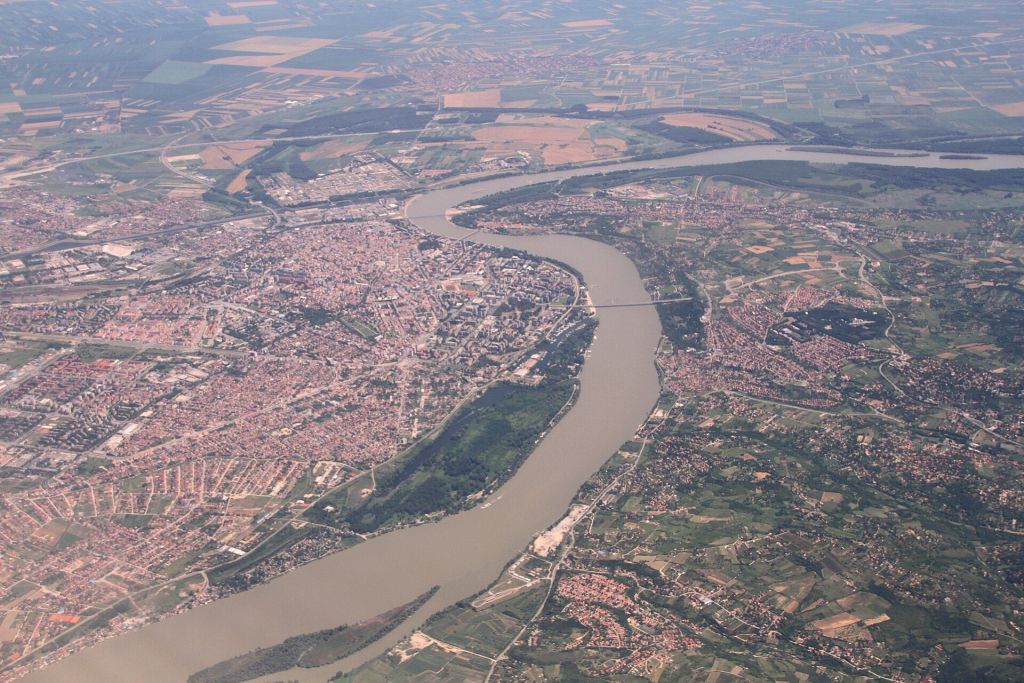
Transport planning matters more in Serbia than distance alone might suggest. Some headline routes are straightforward, but many regional journeys still depend on buses or a car. If you are moving between cities, check schedules before committing to tight same-day sightseeing plans. The broad reference point is Getting Around Serbia, while route-specific pages such as Belgrade to Novi Sad help when you already know your direction of travel.
Entry rules depend on nationality, so confirm them before booking flights. If you are driving, check tolls, speed limits, and practical requirements in advance rather than assuming regional rules are identical across the Balkans. Safety concerns for most visitors are usually ordinary city-travel issues such as taxi choice, nightlife judgment, and handling cash, not destination-wide risk.
Budgeting is also easier if you separate trip costs into three buckets: accommodation, intercity transport, and daily food and incidentals. Serbia can be affordable relative to many European capitals, but trip cost varies sharply between a city-break pattern, a rental-car circuit, and a mountain stay in high season. Keep a small cash reserve, allow time for transport changes, and avoid overloading the itinerary on arrival day.
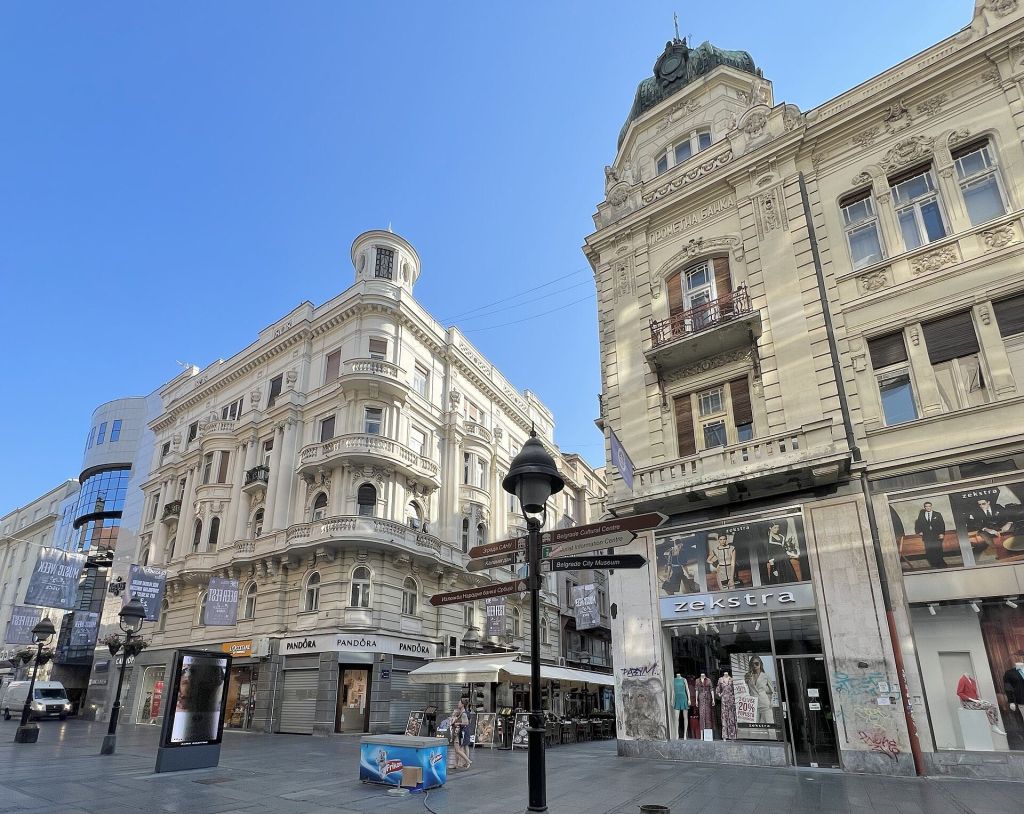
For a first visit, keep the plan readable on one screen: arrival city, number of nights, one backup weather option, and confirmed transport between major stops. If your time is short, depth is better than range. Belgrade and Novi Sad already cover a large part of what many travelers want from a first Serbia trip. If your interests are more specific, build the route around them early: Roman archaeology, monasteries, food, wine, mountain landscapes, or festival travel.
Once you know your route shape, the next useful tools are itinerary examples and destination-specific guides. If you want a pre-structured multi-day route, the itinerary hub and the 3-day Serbia tour outline are the most direct planning references in the current corpus. If you would rather tailor the trip around your dates and pace, keep notes on transfer days, not just the places themselves.
Tell us where you want to go and how you travel. We reply within two working days with a tailored plan.
For 3 to 5 days, keep the plan simple: Belgrade only, or Belgrade plus Novi Sad. This reduces transfers and gives time for neighborhoods, museums, food, and one or two easy excursions.
For 7 days or more, add a region with a clear identity such as Eastern Serbia for Roman sites and the Danube, or Western Serbia for mountain landscapes and traditional village settings.
Use these destination guides to decide what kind of trip you want rather than trying to cover everything at once.
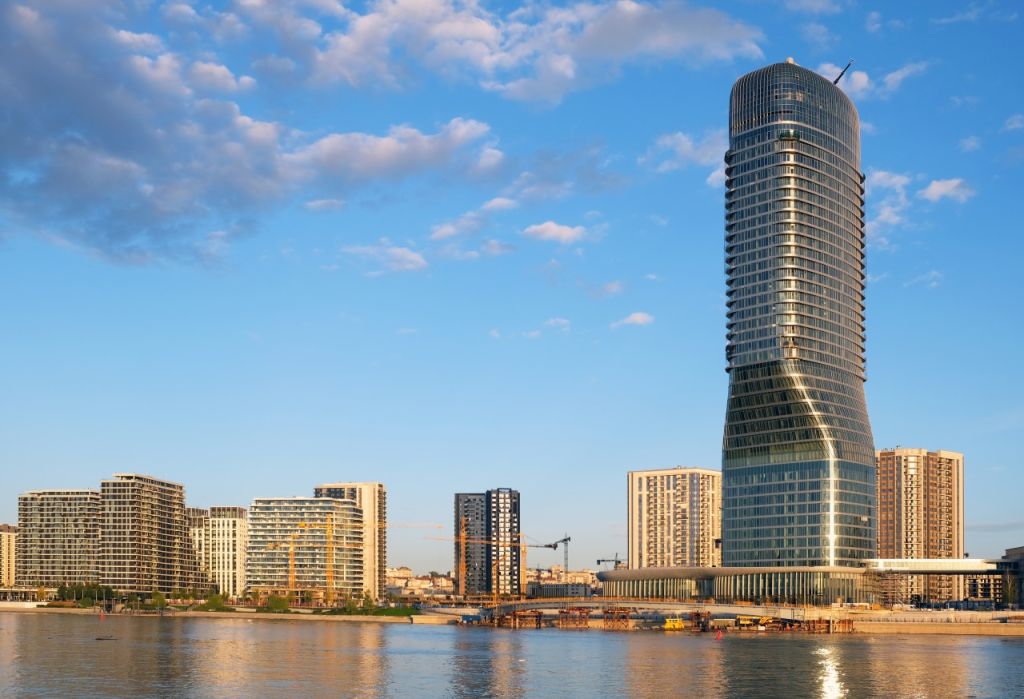
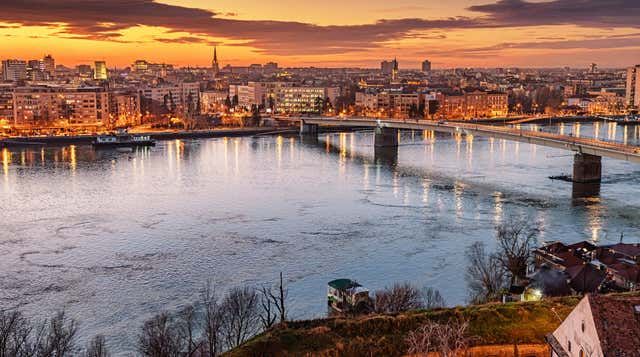
Belgrade Travel Guide | Belgrade & Top Attractions
Capital-city base
Useful if your trip centers on neighborhoods, museums, old-town walks, nightlife, and day-trip options.
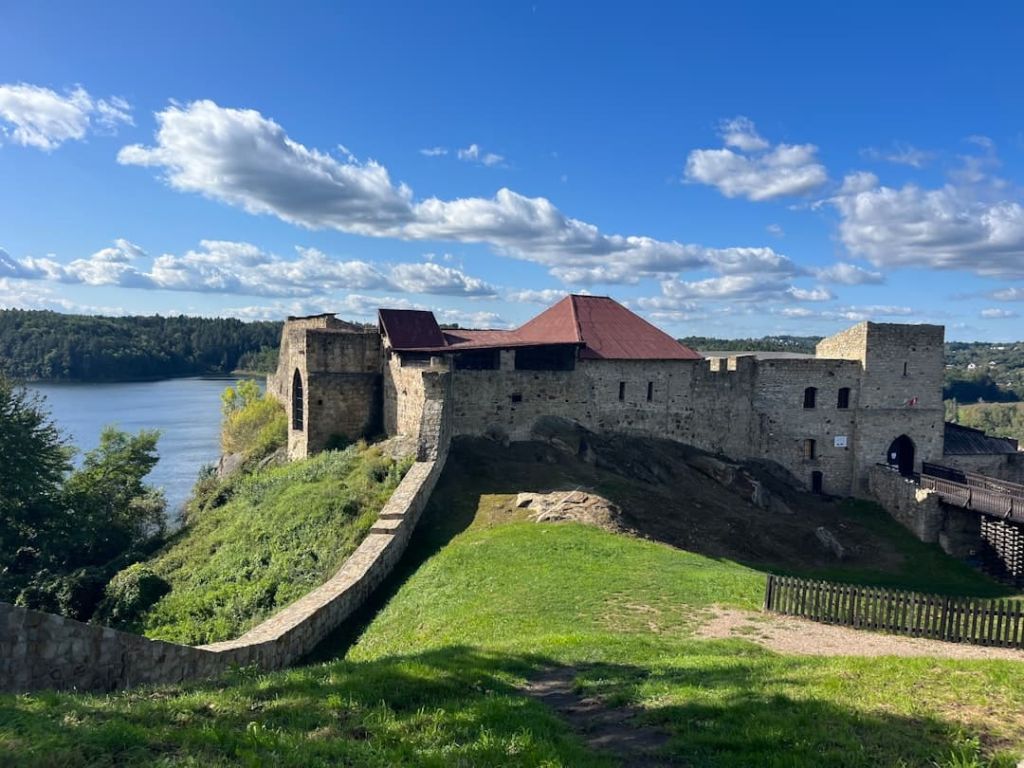
Novi Sad Travel Guide | Old Town, Petrovaradin & Danube
Second-city classic
A practical add-on or standalone short break with a compact center and easy access to Petrovaradin and Vojvodina day trips.
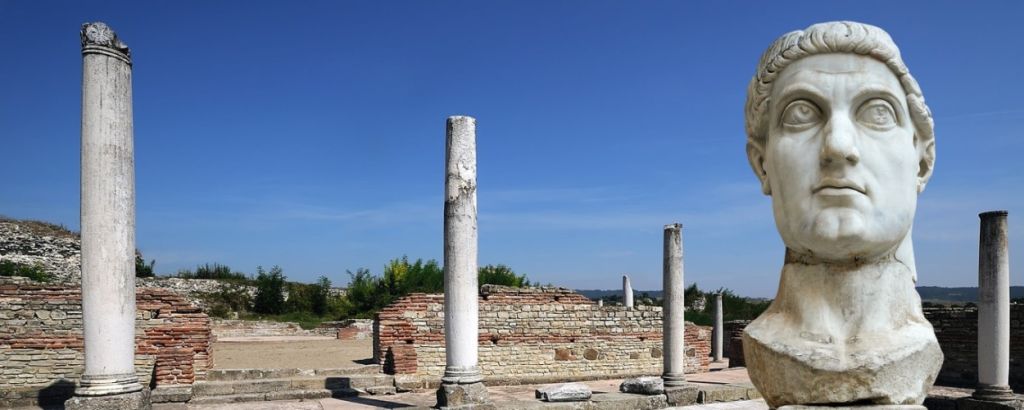
Eastern Serbia Guide | Đerdap Gorge, Roman Sites & Caves
History and landscapes
Best for travelers who want archaeological sites, Danube scenery, and cave visits beyond the main cities.
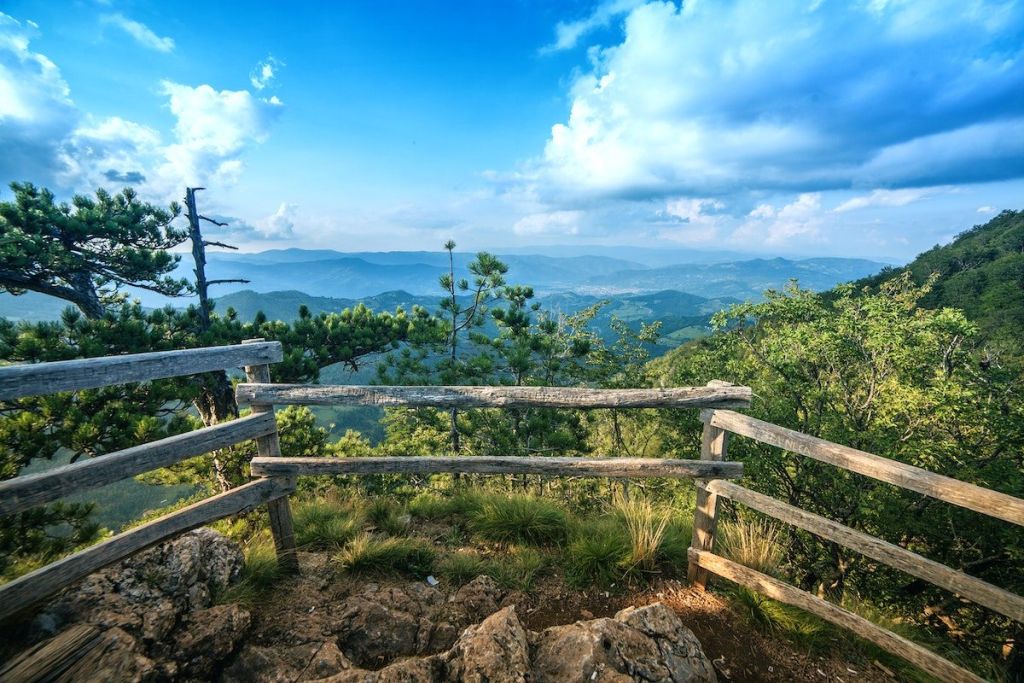
Western Serbia Guide | Mountains, Spas, Gorges & Monasteries
Nature-led travel
A strong choice if you want mountain scenery, longer drives, outdoor time, and slower regional travel.
Belgrade and Novi Sad
4 to 6 days for two bases; 7 to 10 days for a broader route
Serbian dinar (RSD)
Mix of rail, bus, taxi, and self-drive depending on route
Transport, money, timing, and visa requirements
One major city plus one contrasting region or second city
Serbia uses the dinar. For a practical read on ATMs, cards, and how much cash to keep, use Money in Serbia. If you are estimating daily spend before booking, Serbia Travel Costs is the better next step.
If you want data working as soon as you land, start with eSIM for Serbia. Travelers comparing airport Wi-Fi, SIM cards, and coverage can also use the broader internet and SIM guides already on the site.
Spring and early autumn are often easiest for mixed city-and-day-trip travel. Summer works well for festivals and riverfront time, while winter is more useful if your trip is built around seasonal city breaks or mountain destinations. For a fuller month-by-month view, read Best Time to Visit Serbia.
For most travelers, Serbia is planned much like any other European city-and-region trip: use licensed transport, watch belongings in busy hubs, and confirm intercity timings. The dedicated guide Is Serbia Safe to Visit? is the best short reference.
Start with the itinerary hub if you want sample trip structures before picking hotels and transport days.
Yes, especially if you want a manageable mix of cities, history, food, and regional travel without needing a very complex route.
A short first trip can work in 4 to 6 days with Belgrade and Novi Sad. A fuller trip usually needs 7 to 10 days if you want to add one more region.
Not always. Major city-to-city travel can be done by rail or bus, but some regional routes and nature-focused trips are easier by car.
Yes. Cards are common in many places, but cash remains useful for smaller purchases, transport situations, and businesses where card acceptance is inconsistent.
Spring and early autumn are often the simplest seasons for combining city sightseeing with day trips and intercity travel.
Stay connected in Serbia