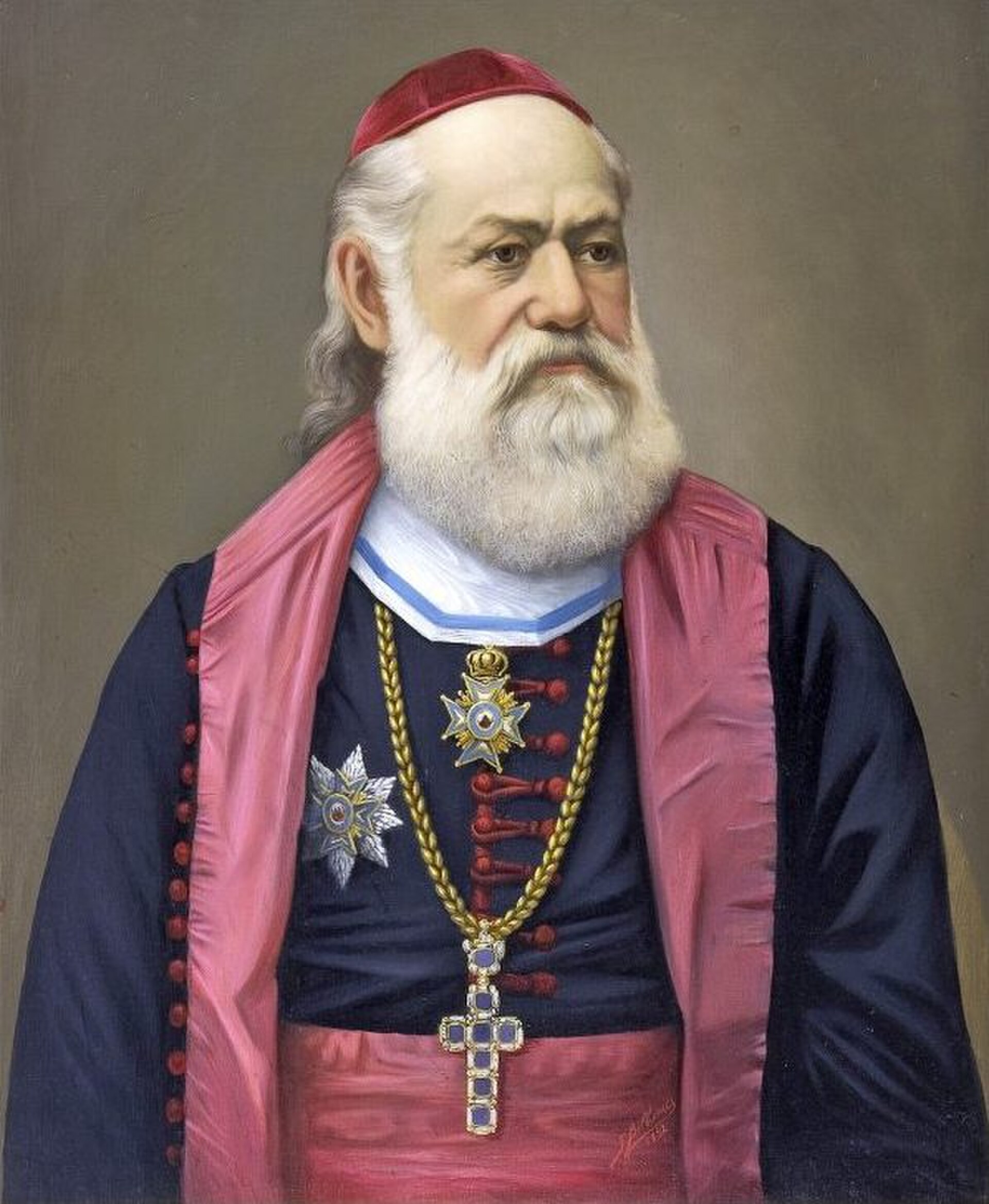
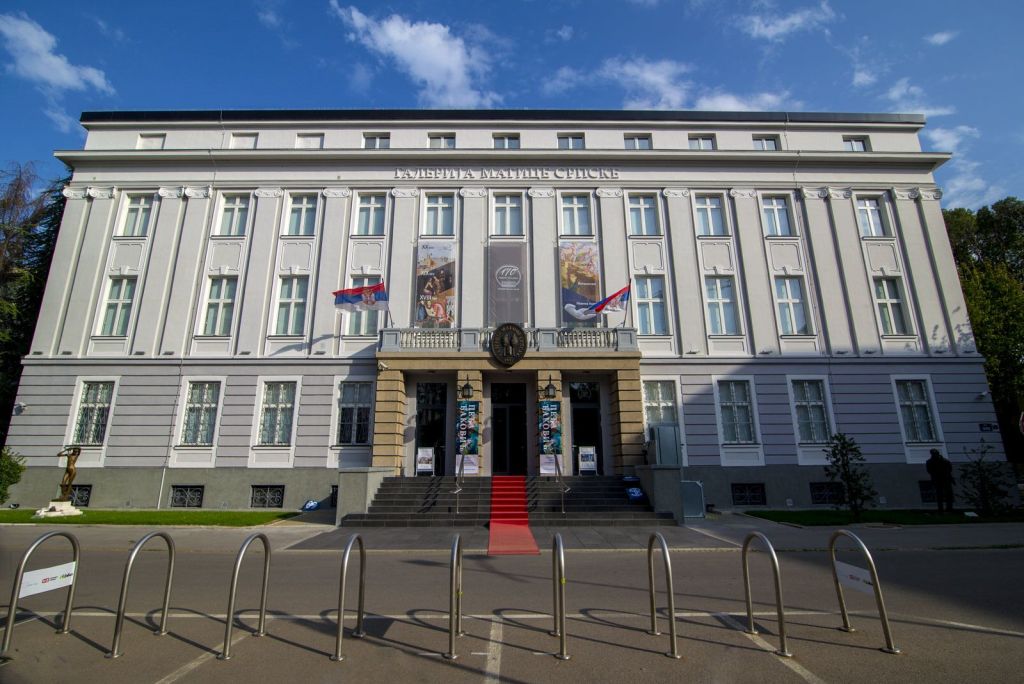
Art museum in central Novi Sad

Matica Srpska Gallery is one of the key museum stops in central Novi Sad for travelers interested in Serbian art rather than a broad city-history display. The institution belongs to Matica srpska, founded in 1826, which gives the museum a deeper cultural role than a standard local gallery. In practical terms, it works well as a calm indoor visit between the center, Liberty Square in Novi Sad, and the pedestrian streets around the old core.
Matica Srpska Gallery is a museum space in central Novi Sad associated with the country’s oldest cultural institution, Matica srpska, founded in 1826. For visitors, that matters because the gallery is not just a room of paintings but part of a longer Serbian literary and cultural tradition. The museum is best known for presenting Serbian art in a way that feels historical and civic rather than purely decorative. The atmosphere is quiet, reflective, and suited to travelers who want a slower cultural stop within walking distance of the city center and the broader Novi Sad Travel Guide area.
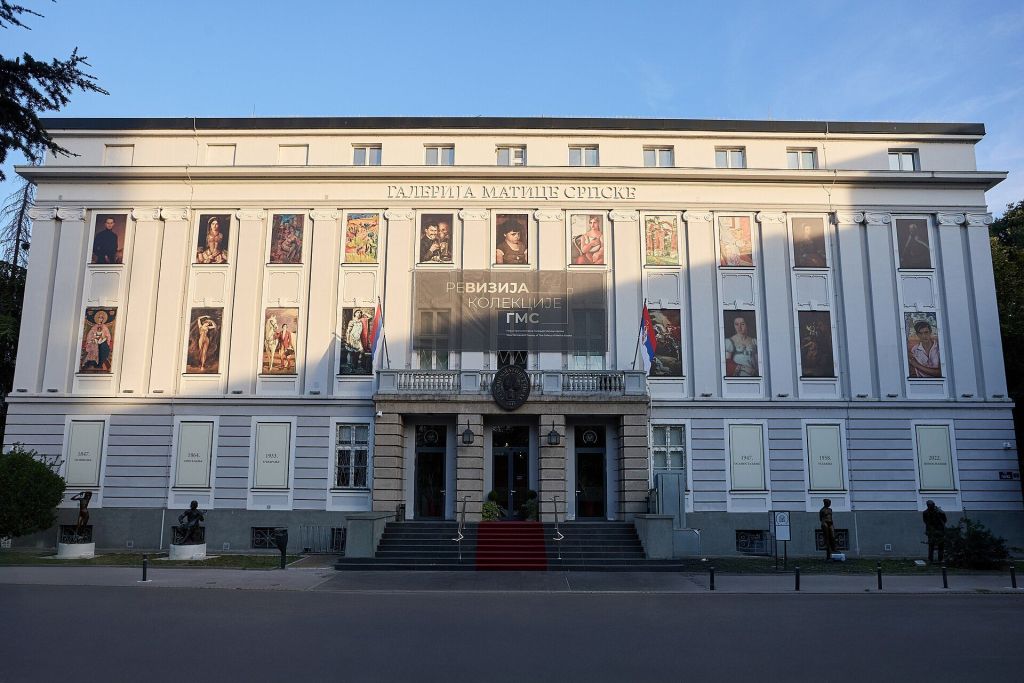
The real specialty of Matica Srpska Gallery is the way it frames Serbian art as part of a long cultural story rather than as an isolated set of masterpieces. Travelers who have visited larger European museums often find this useful because the collection is easier to read: you can follow shifts in style, subjects, and national self-image without covering an overwhelming amount of ground. Instead of rushing, the better approach is to pay attention to portraits, religious imagery, historical painting, and how 19th-century and later Serbian society chose to represent itself. That focus makes the gallery especially valuable for first-time visitors to Novi Sad who want one museum with clear cultural payoff.
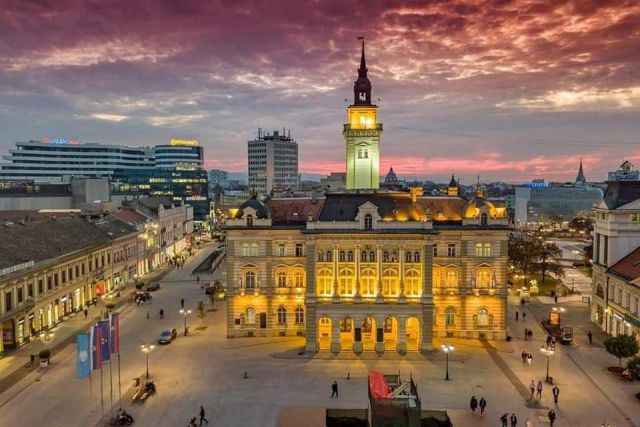
For most travelers, the simplest approach is on foot from central Novi Sad. From Liberty Square, allow roughly 10 to 15 minutes depending on your route and pace through the center. If you are already around the pedestrian core near Zmaj Jovina, the walk is straightforward and better than using a taxi for such a short distance.
If you are arriving from farther out in the city, use Novi Sad’s urban buses toward the central zone and get off at the nearest center stop, then continue on foot. Taxi fares within the center are usually short-distance fares, but they make more sense from the station, the riverside, or a farther neighborhood than from the old core itself. If you are planning intercity travel the same day, the practical planning tool is Serbia Transit Search: Buses, Trains & Practical Route Planning.
Expect a quieter, more focused museum visit than at a general city-history institution. The atmosphere is usually calm and suited to solo travelers, couples, and anyone interested in painting, identity, and cultural history. Standard casual city clothing is fine. Families can visit, but younger children may engage less unless they already enjoy museums.
Accessibility and visitor services should be checked directly with the museum if they matter for your trip. Bring enough time to read, look closely, and avoid turning the stop into a box-ticking visit. The gallery pairs naturally with a walk through the center and, for visitors interested in architecture as well as culture, the surrounding central Novi Sad area offers enough on-foot material for a half day.
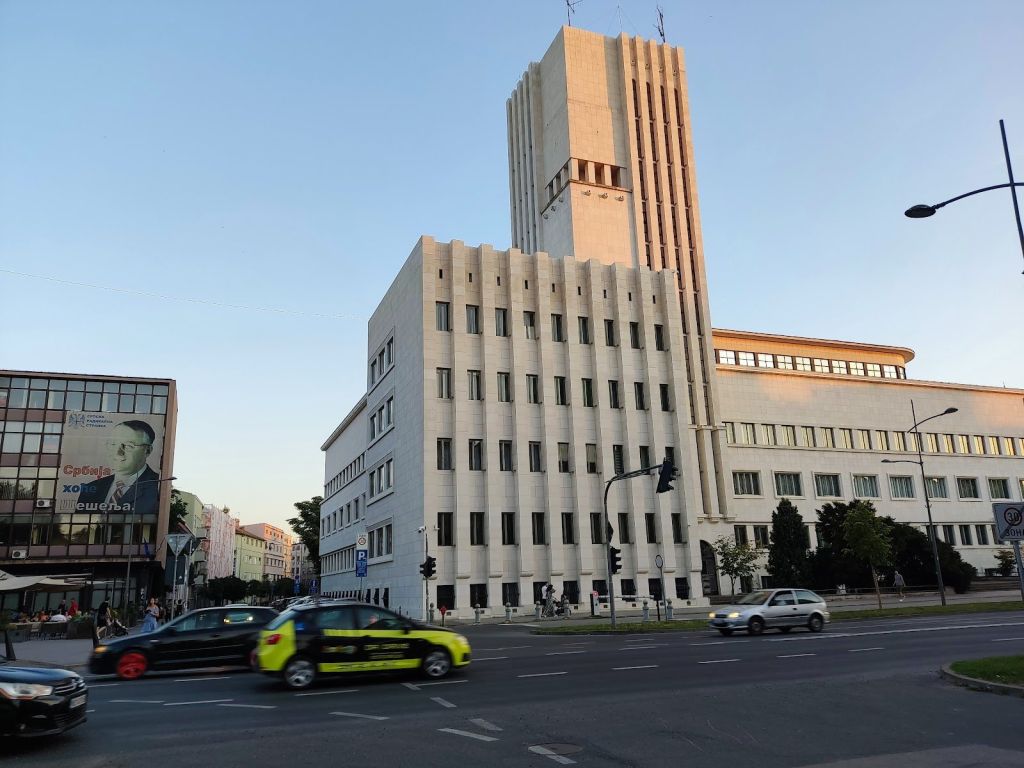
The gallery works best as part of a cultural morning or early-afternoon route rather than a late add-on after a long day. A practical sequence is to start in the center, orient yourself around Liberty Square, walk through the old core, visit the museum, and then continue toward another indoor cultural stop or a cafe break. If your Novi Sad plan already includes the fortress, river views, and food, Matica Srpska Gallery adds the art-historical layer that balances the itinerary.
Travelers spending one night in the city can usually fit it in without difficulty. Those staying longer can use it as a slower counterpoint to busier outdoor areas such as Petrovaradin or the riverfront.
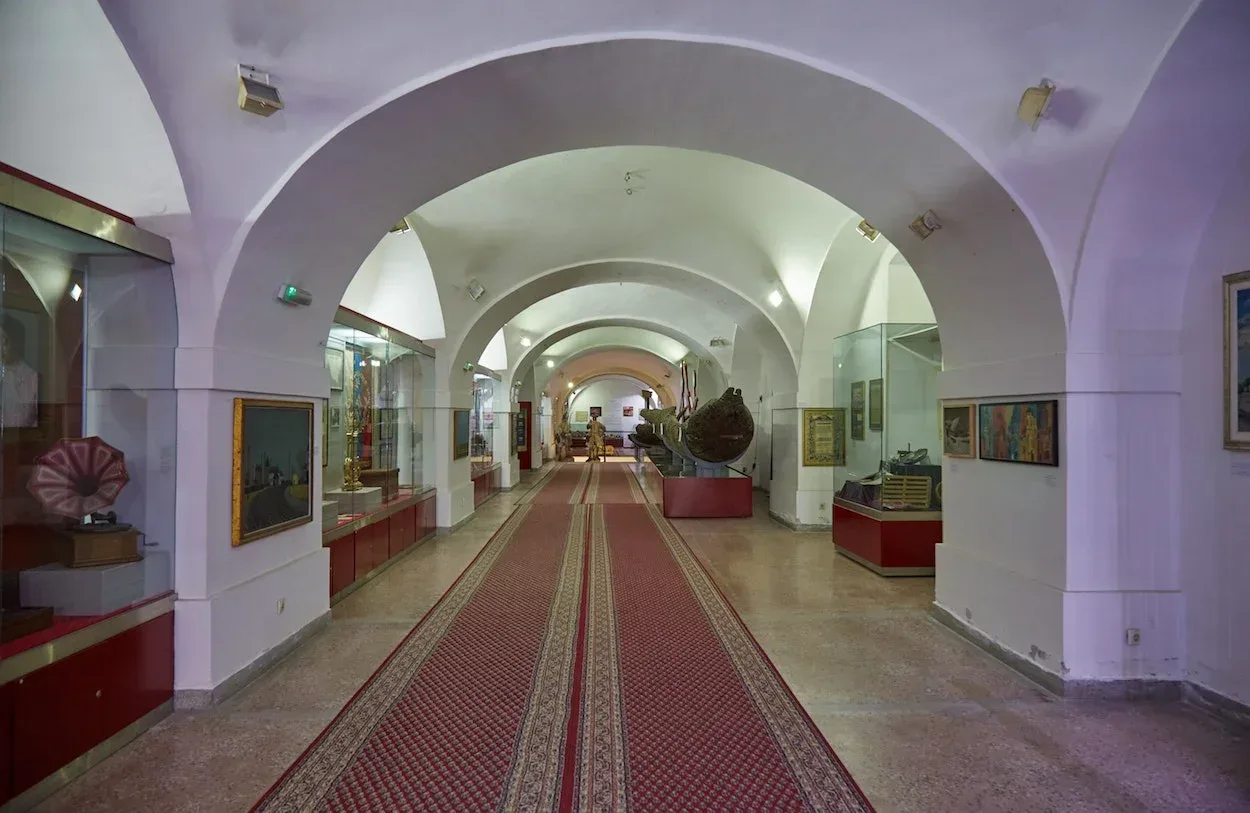
Facts on this page are based on the provided topic source and Serbian Travel editorial context.
Museums like this are usually easiest to enjoy earlier in the day or in the quieter middle part of the afternoon, when you can move slowly and read labels without feeling rushed.
Matica Srpska Gallery is a strong all-season stop because it is indoors and central. It works particularly well in winter, on hot summer afternoons, or on mixed-weather days when you want a cultural visit between outdoor walks.
Use the map to place the gallery within central Novi Sad and plan the walk from the old core.
If you are building a short museum-and-center walk, these nearby Novi Sad stops combine naturally with the gallery.
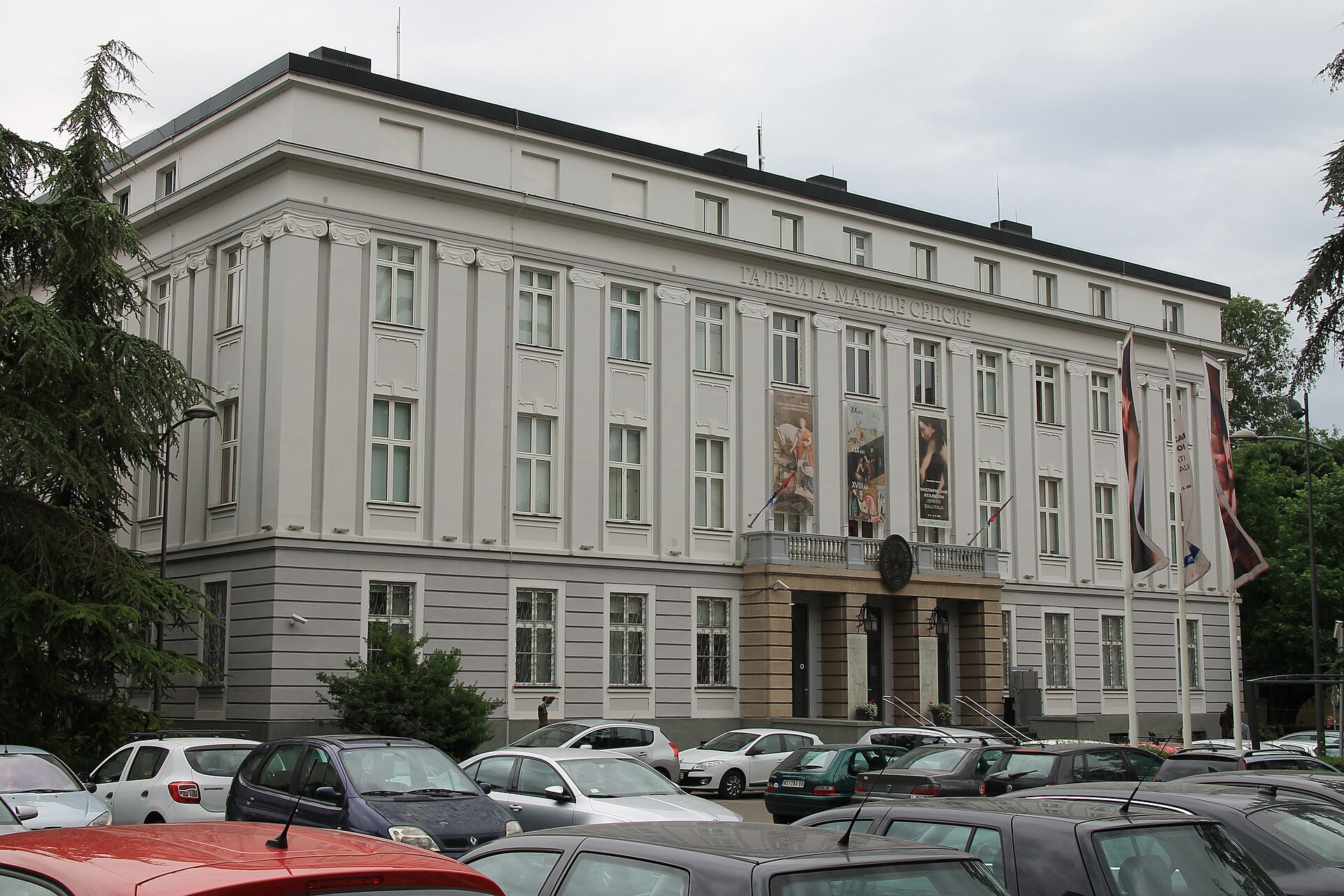
Matica Srpska Gallery
Serbian art museum linked to Matica srpska, founded in 1826.
The core stop for travelers interested in Serbian painting and cultural history in museum form.
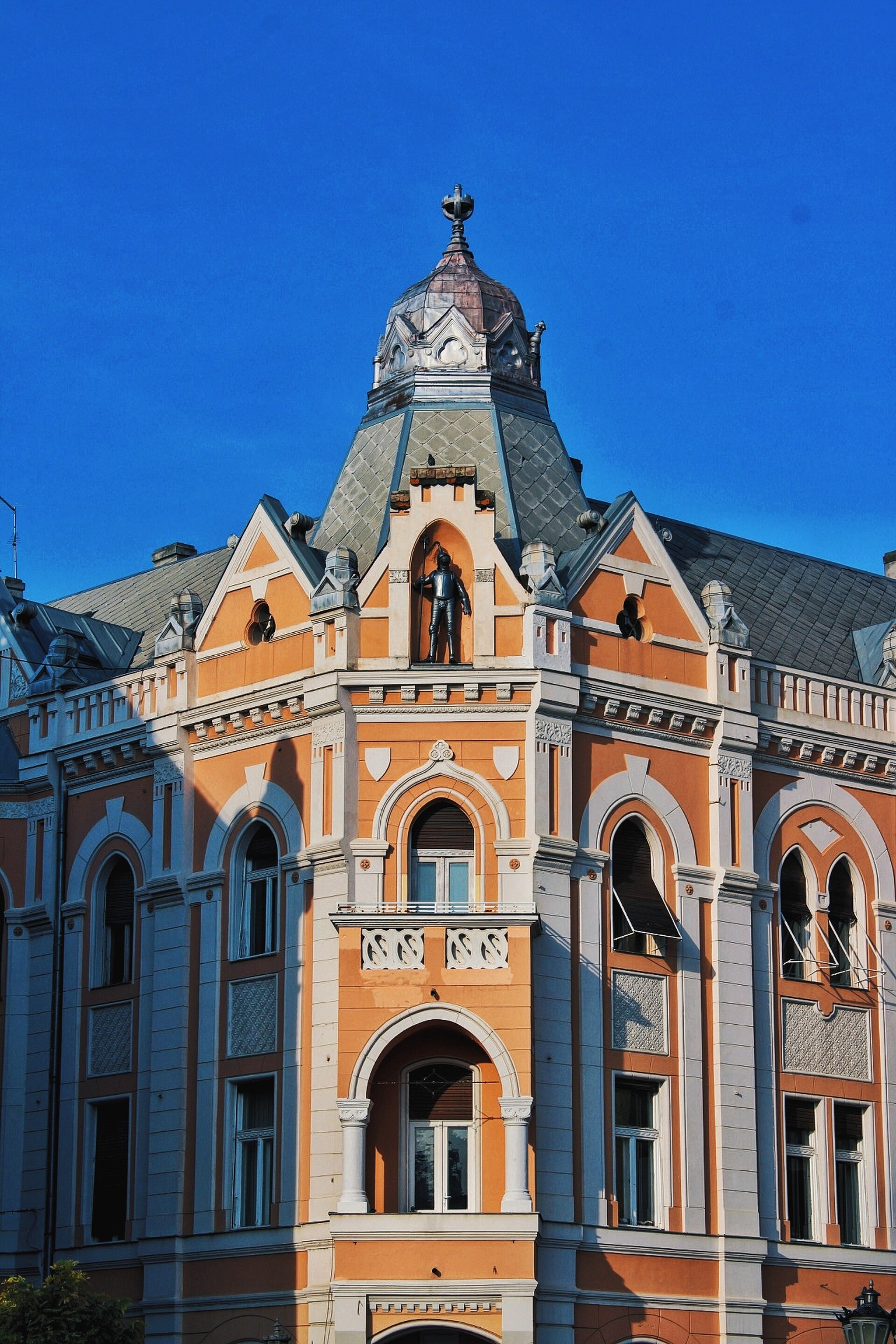
Liberty Square
Novi Sad’s central square and a practical starting point for a walk to the gallery.
Useful for orientation, meeting points, and combining a museum visit with the main civic core of the city.
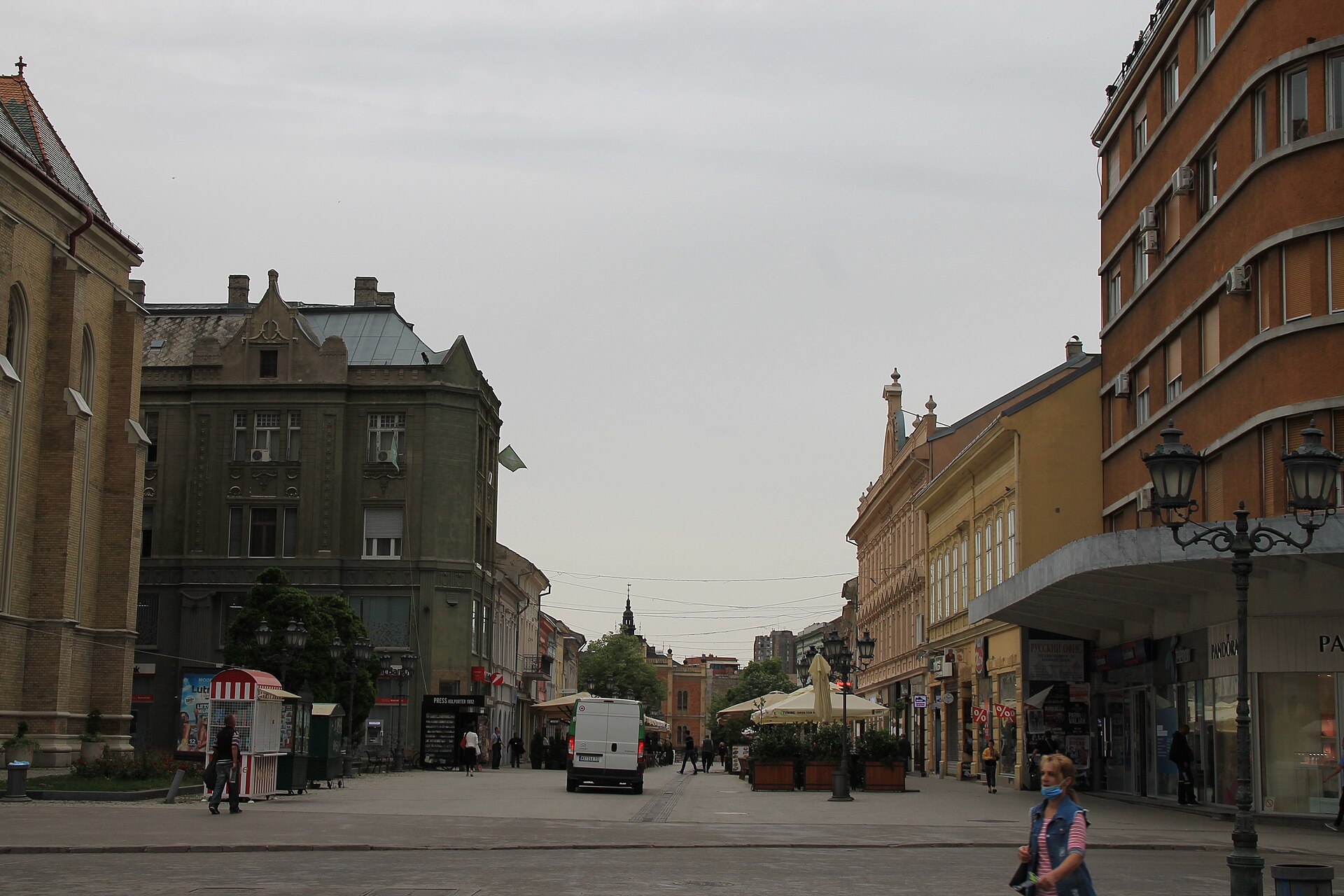
Zmaj Jovina
Pedestrian street that links central Novi Sad sights on foot.
A natural route if you want to connect the gallery with the old center without using transport.
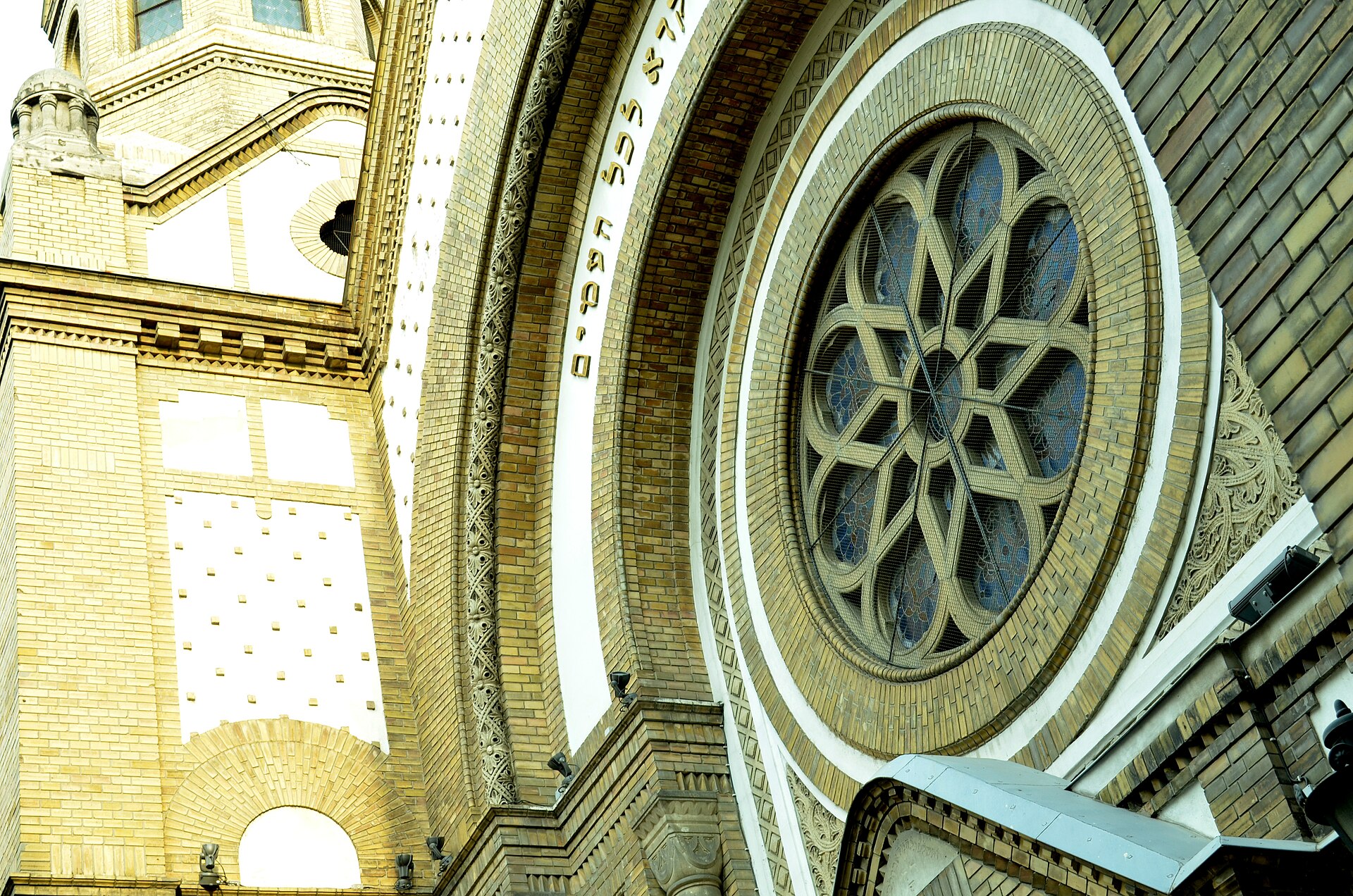
Novi Sad Synagogue
A major architectural and concert landmark in the city center.
Works well with the gallery for visitors interested in architecture, culture, and indoor stops in the same part of town.
Art museum in central Novi Sad
Part of Matica srpska, founded in 1826
Serbian art and cultural-historical context
Travelers interested in painting, portraiture, and national culture
Usually works as a focused museum stop within a half-day city walk
Year-round; especially useful in winter or mixed weather
Usually not for a standard independent visit; confirm current rules for groups or special programs
Central Novi Sad, within walking range of the old core
Liberty Square, Zmaj Jovina, Novi Sad Synagogue
The key reason to visit Matica Srpska Gallery is context. If you have already walked the center and want to understand how Serbian identity, portraiture, religion, and civic culture were visually represented, this is one of the clearest museum stops in Novi Sad.
Give yourself enough time to move slowly through the permanent collection. This is usually a better museum for reading labels and looking carefully than for trying to fit in during a rushed city-center sprint.
City-center museum visits in Novi Sad usually work best on foot. Save taxis and buses for longer transfers, especially if you are combining the gallery with Liberty Square, the synagogue, or the old pedestrian streets.
Opening times, ticketing, and temporary exhibitions can change. Confirm the current museum schedule before setting out, especially on Mondays, public holidays, or if you are planning a tight half-day route.
It is an art museum in Novi Sad connected to Matica srpska, the country’s oldest cultural institution, founded in 1826.
Yes, if you want one focused museum that adds cultural depth to a city-center walk. It is most useful for travelers interested in Serbian art and history rather than only outdoor sightseeing.
Many visitors will find that a focused visit fits comfortably into a half-day central Novi Sad plan. Give yourself enough time to read labels rather than rushing through.
Yes. From the main central area around Liberty Square, the gallery is typically a manageable walk and fits well into an on-foot itinerary.
For a normal independent visit, advance booking is not usually the main issue, but current opening times, ticketing rules, and special exhibitions should be checked before you go.
Use the wider city guide to connect Matica Srpska Gallery with the old center, Petrovaradin, the Danube, and other museum and architecture stops.
Stay connected in Serbia