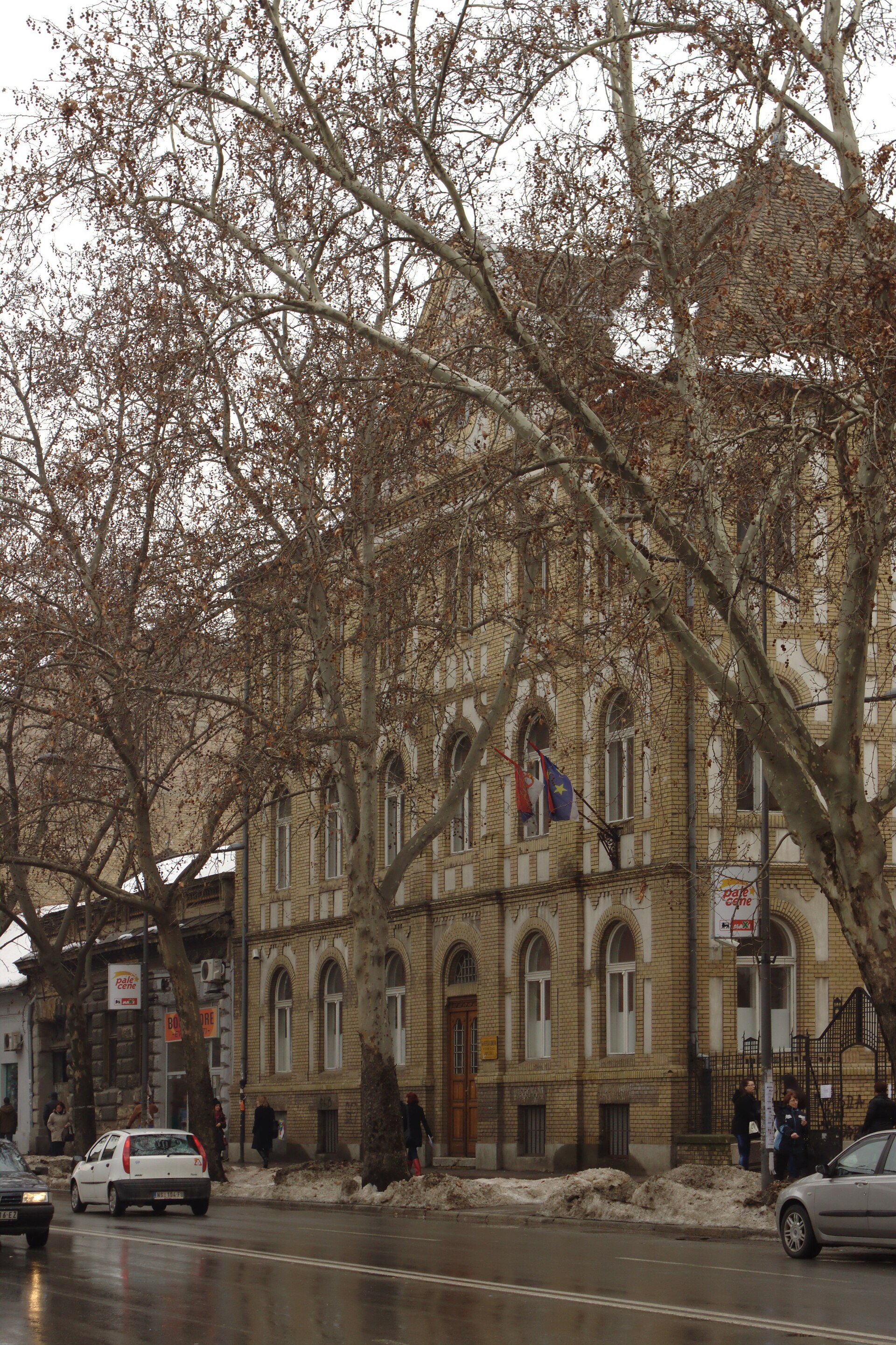
Jevrejska Street area, central Novi Sad

Novi Sad Synagogue is one of the largest synagogues in Southeast Europe. It was built between 1905 and 1909 in the Secession style and stands in the city center as both a religious heritage site and a cultural venue. For most travelers, it works best as part of a walking route with central Novi Sad, especially Liberty Square, Zmaj Jovina, and nearby parks and civic buildings.
Novi Sad Synagogue stands in the center of Novi Sad as a large Secession-era building from 1905–1909. It is widely noted as one of the biggest synagogues in Southeast Europe, and its dome, curves, and façade details make it one of the city’s clearest examples of early-20th-century architecture. The building feels formal and calm from the street, with a civic rather than crowded atmosphere. If you are planning a first walk through Novi Sad, it fits naturally between the main square, pedestrian streets, and other central landmarks.
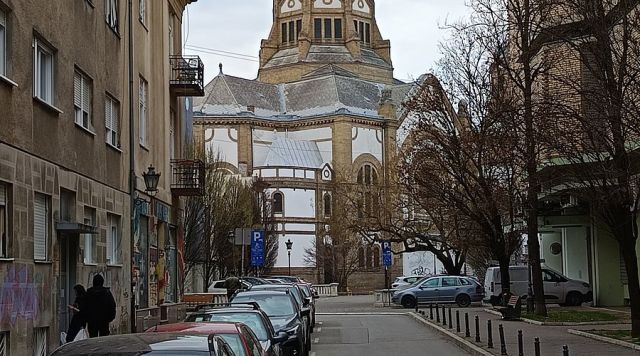
The main reason to seek out Novi Sad Synagogue is its Secession design and scale. The building is not just historically important; it also reads clearly even to non-specialists because the style is visible in its flowing lines, rounded massing, decorative surfaces, and balanced monumentality. In a city where many visitors focus first on the fortress or the central square, the synagogue adds a different layer: urban architecture from the early 20th century, tied to Novi Sad’s multicultural history. It pairs well with a city-center walk that also includes Liberty Square and the pedestrian rhythm of Zmaj Jovina.
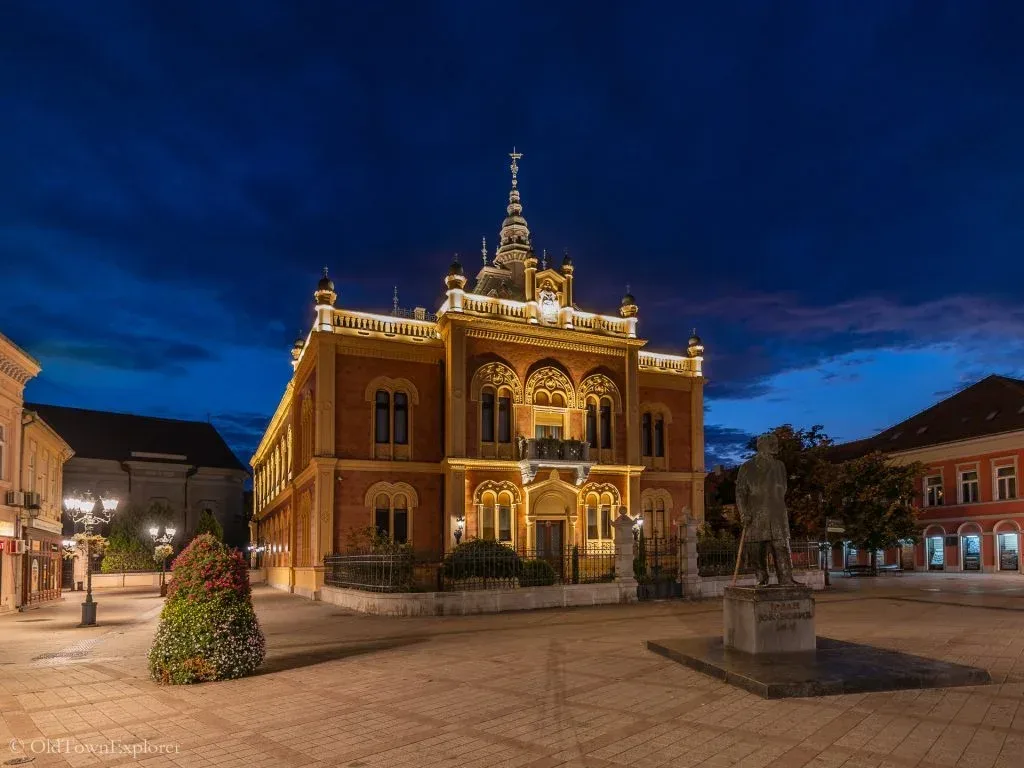
From Liberty Square, walk about 7 to 10 minutes through the center toward Jevrejska Street. From Zmaj Jovina, the walk is similarly short once you cut back toward the boulevard side of the center. If you are arriving by city bus, use central stops around the Trg slobode and city-center corridor; commonly used city routes through central Novi Sad include lines 4, 7, 11A, 11B, and 12, though the best stop depends on your direction of approach. A taxi from the railway or bus station to the synagogue area is usually a short city ride. If you are driving, central parking can be limited and paid street parking rules apply in the wider center.
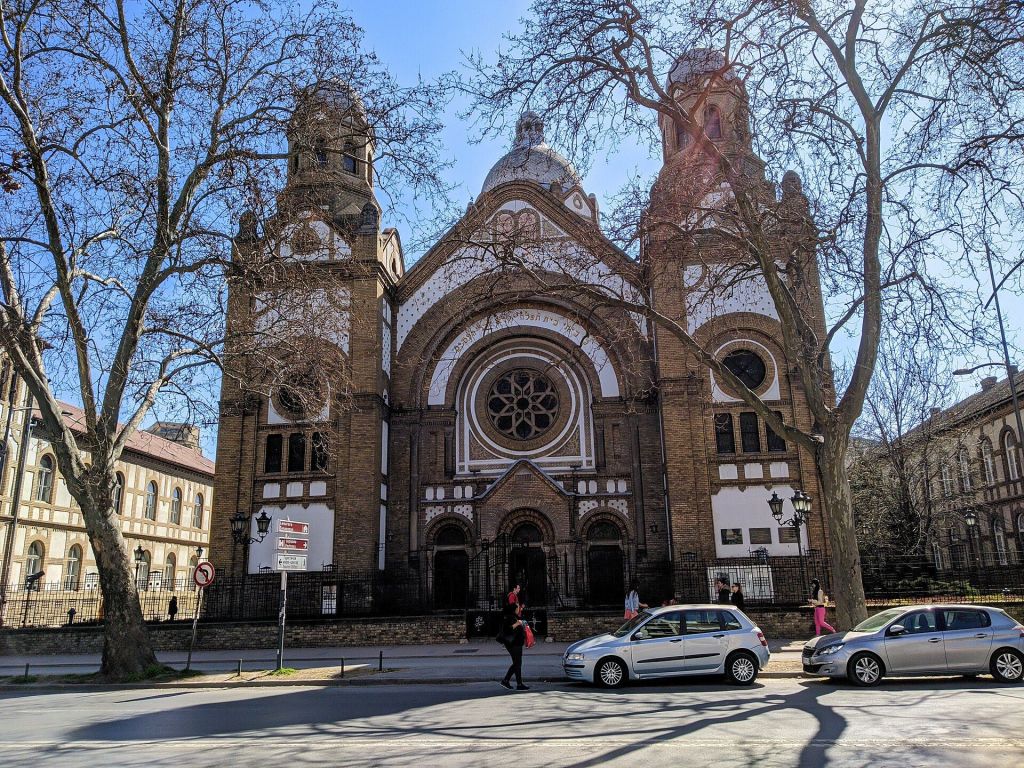
For most travelers, the best time is during a daytime walk around central Novi Sad, when the exterior is easiest to appreciate and nearby streets are active. Weekday mornings and late afternoons usually make sense if you want a quieter stop between other city-center sights. If your goal is to go inside rather than only see the building from outside, plan around confirmed cultural programming or locally announced access. There is no need to build a whole day around the synagogue alone; it works best as a focused stop within a half-day central route.
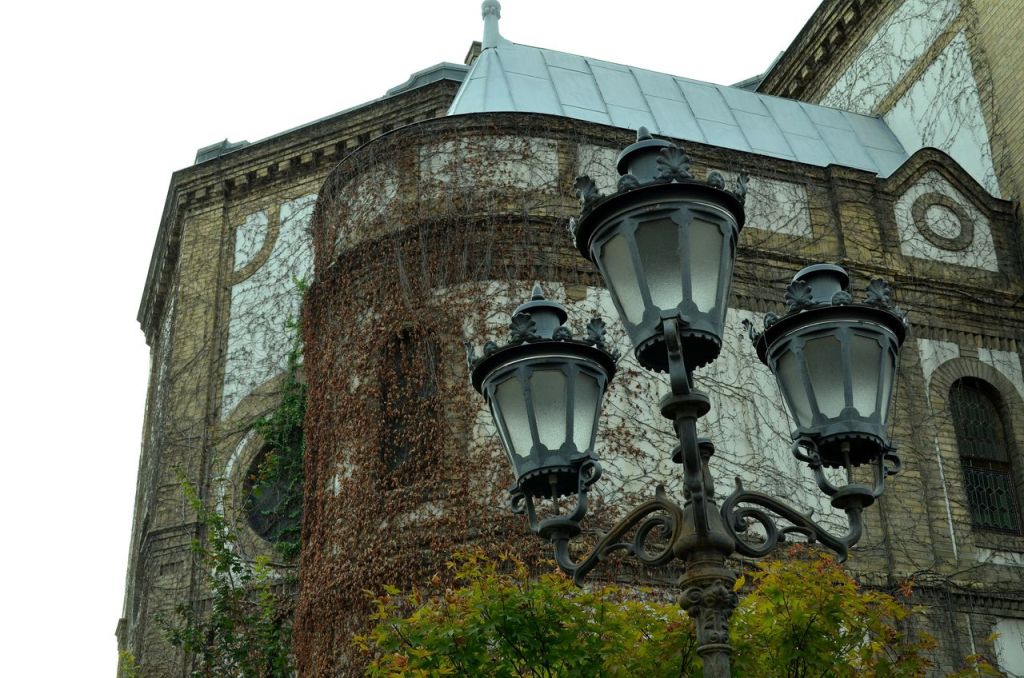
Expect a substantial city-center landmark rather than a long, multi-part attraction. The main experience for many visitors is visual: the size of the building, the dome, and the Secession detailing seen from the street. Dress respectfully if you have arranged to enter. Accessibility conditions can vary depending on which part of the building is open and for what purpose, so it is best to confirm locally if step-free access is important for your visit. Families can include it easily because the stop is short and central. Bring water in summer, and combine the visit with nearby pedestrian streets or a park stop rather than treating it as a standalone outing.
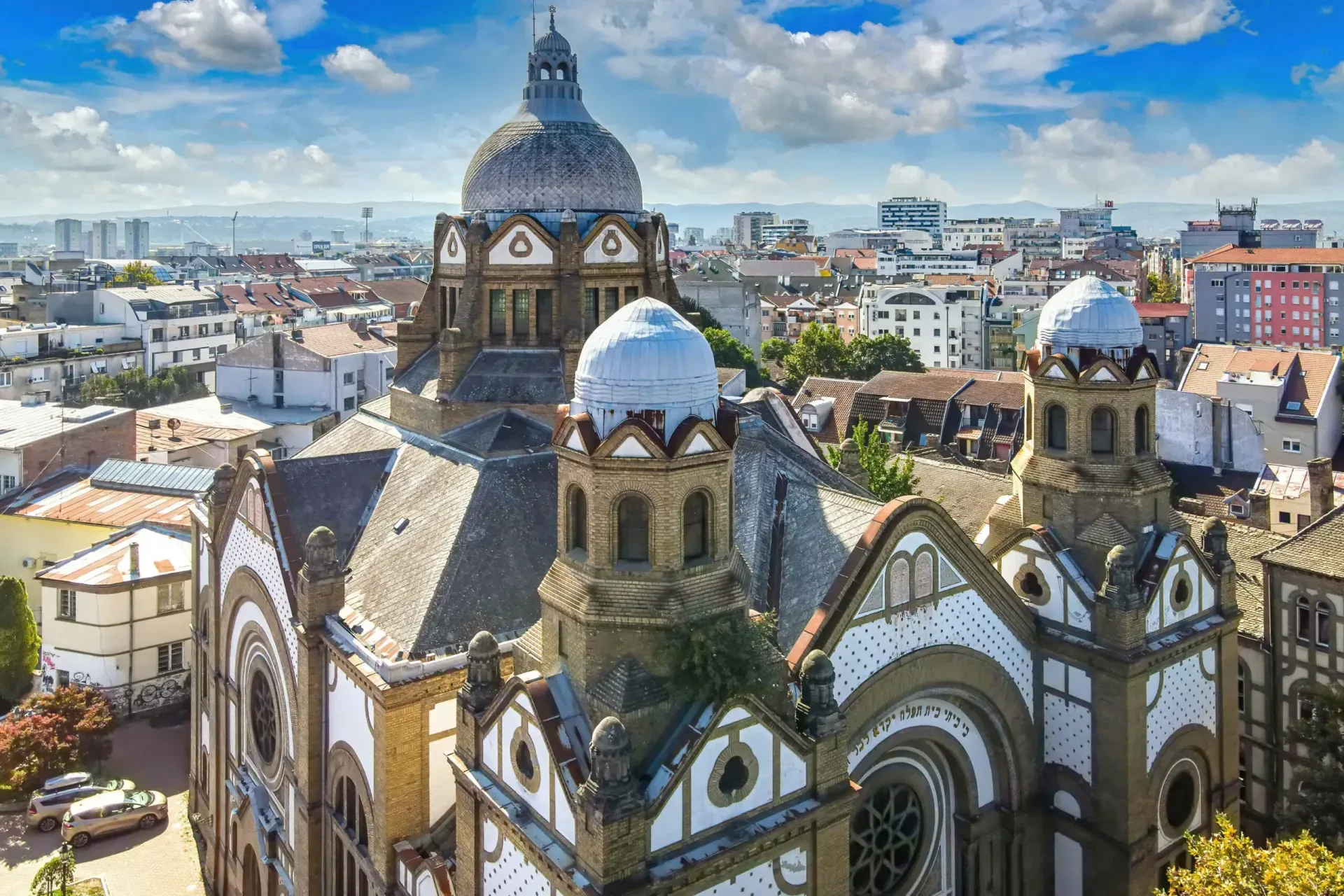
Exterior visit: 15 to 30 minutes. Add more time only if you have confirmed an event or interior visit.
Pair it with central Novi Sad walking stops such as Liberty Square, Zmaj Jovina, Dunavski Park, and other nearby civic architecture.
Use the map to place the synagogue within the central Novi Sad walking area.
These nearby stops make the most sense on the same central Novi Sad walk.
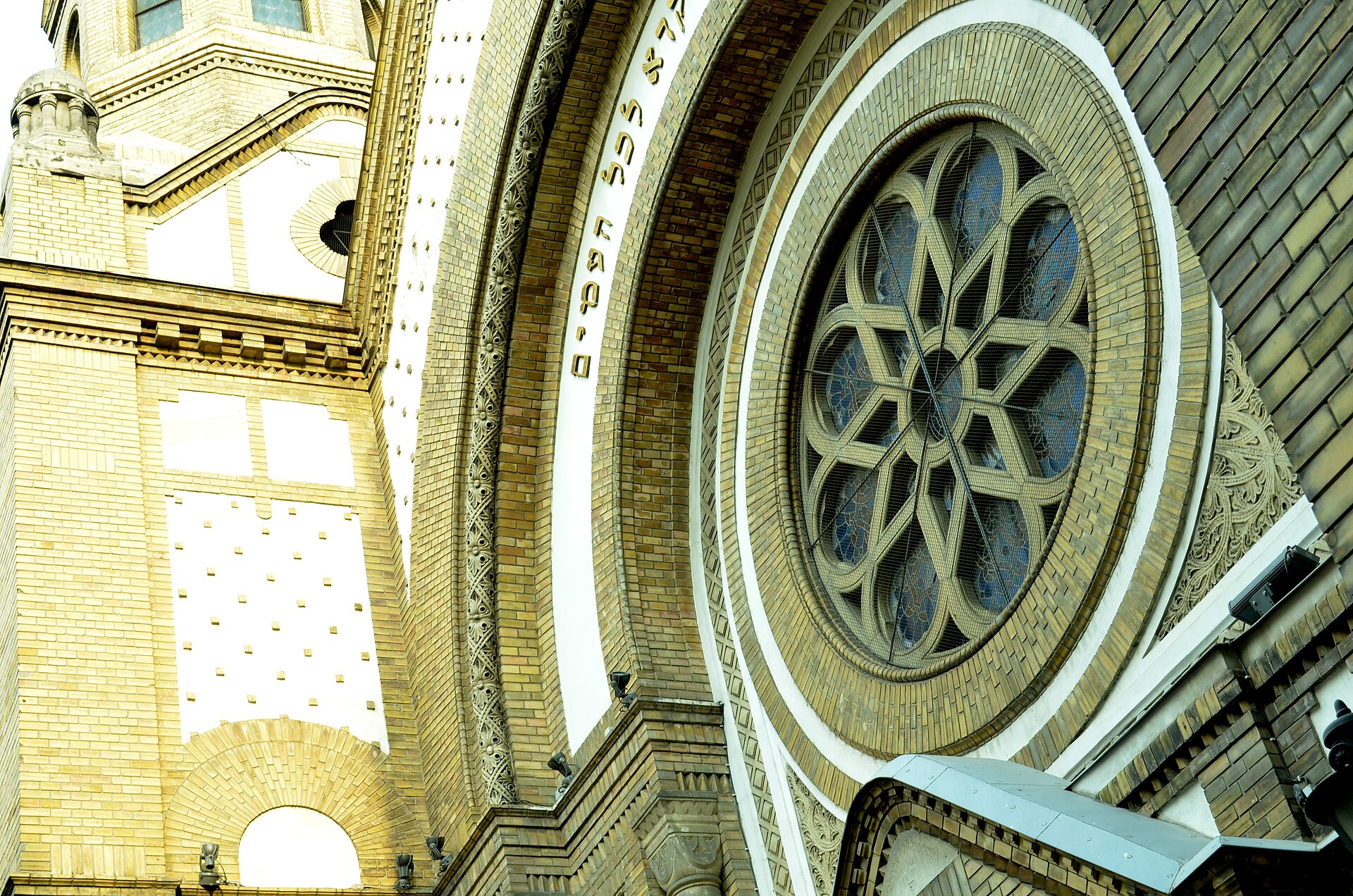
Novi Sad Synagogue
Large Secession-style synagogue and cultural venue.
Built 1905–1909, it is known for its scale and early-20th-century architectural character.
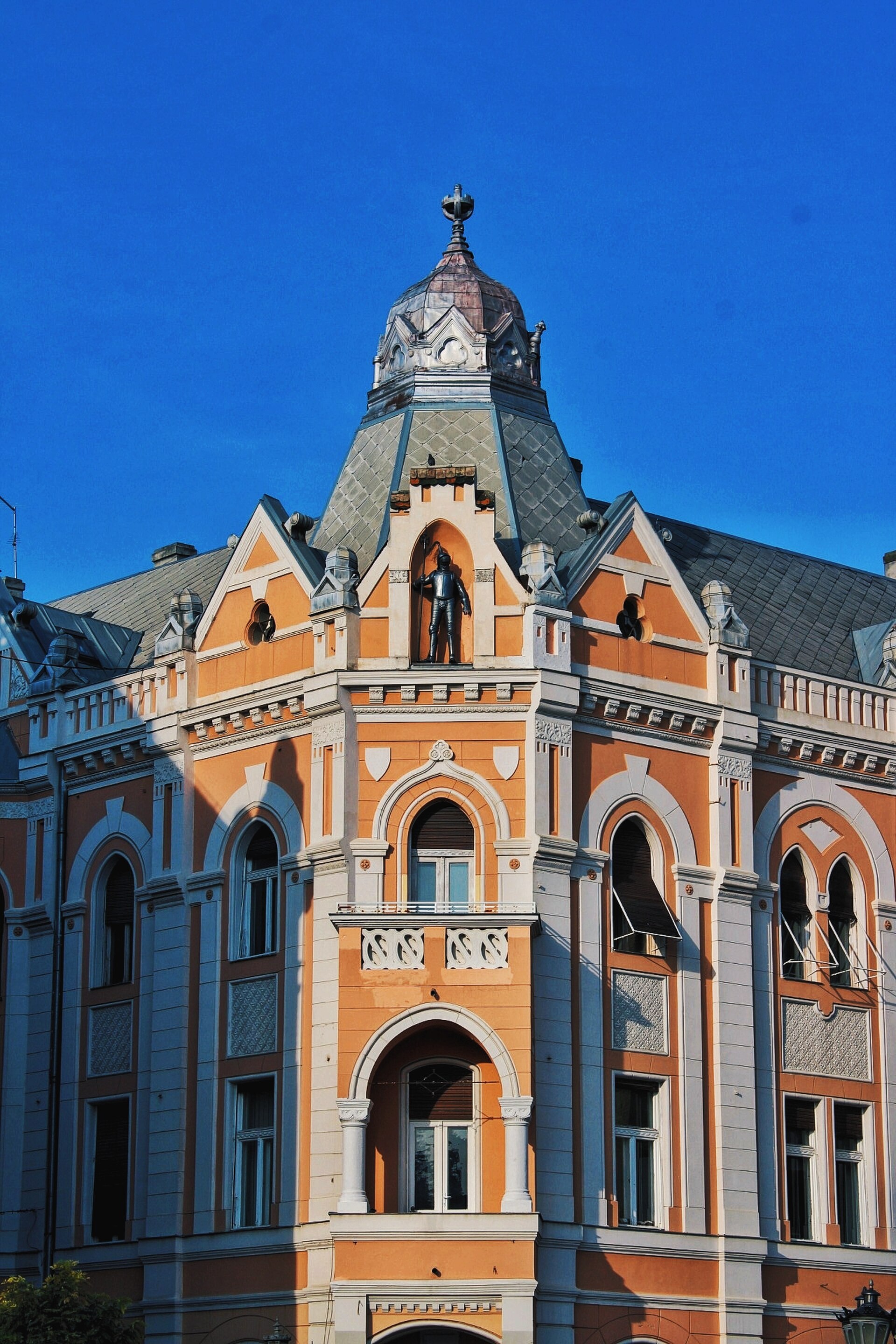
Liberty Square
Novi Sad’s main central square for orientation and city walks.
Useful as the nearest major landmark before walking to the synagogue through the center.
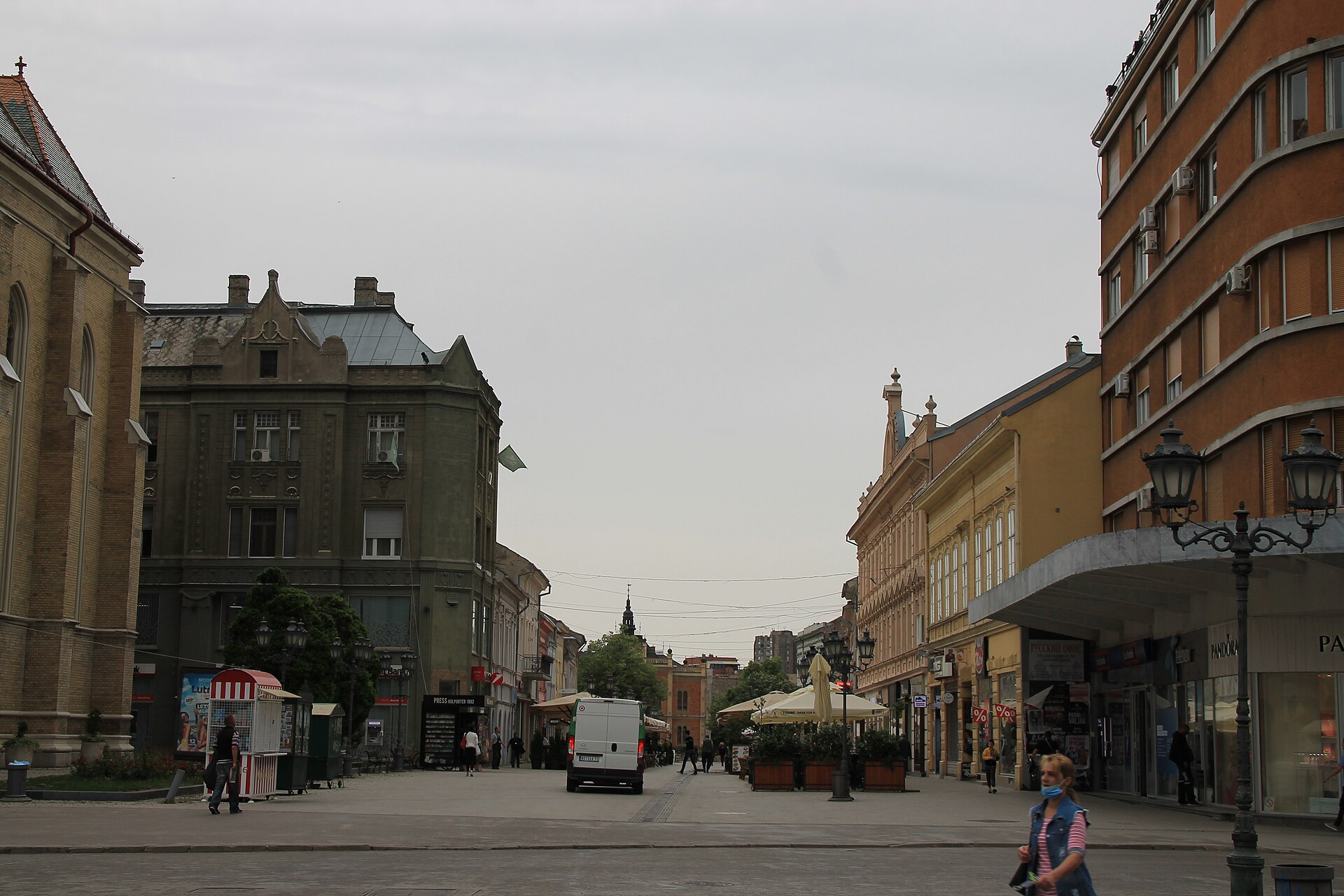
Zmaj Jovina
Pedestrian street linking major central sights.
A practical route for continuing from the square toward cafés, shops, and the older urban core.
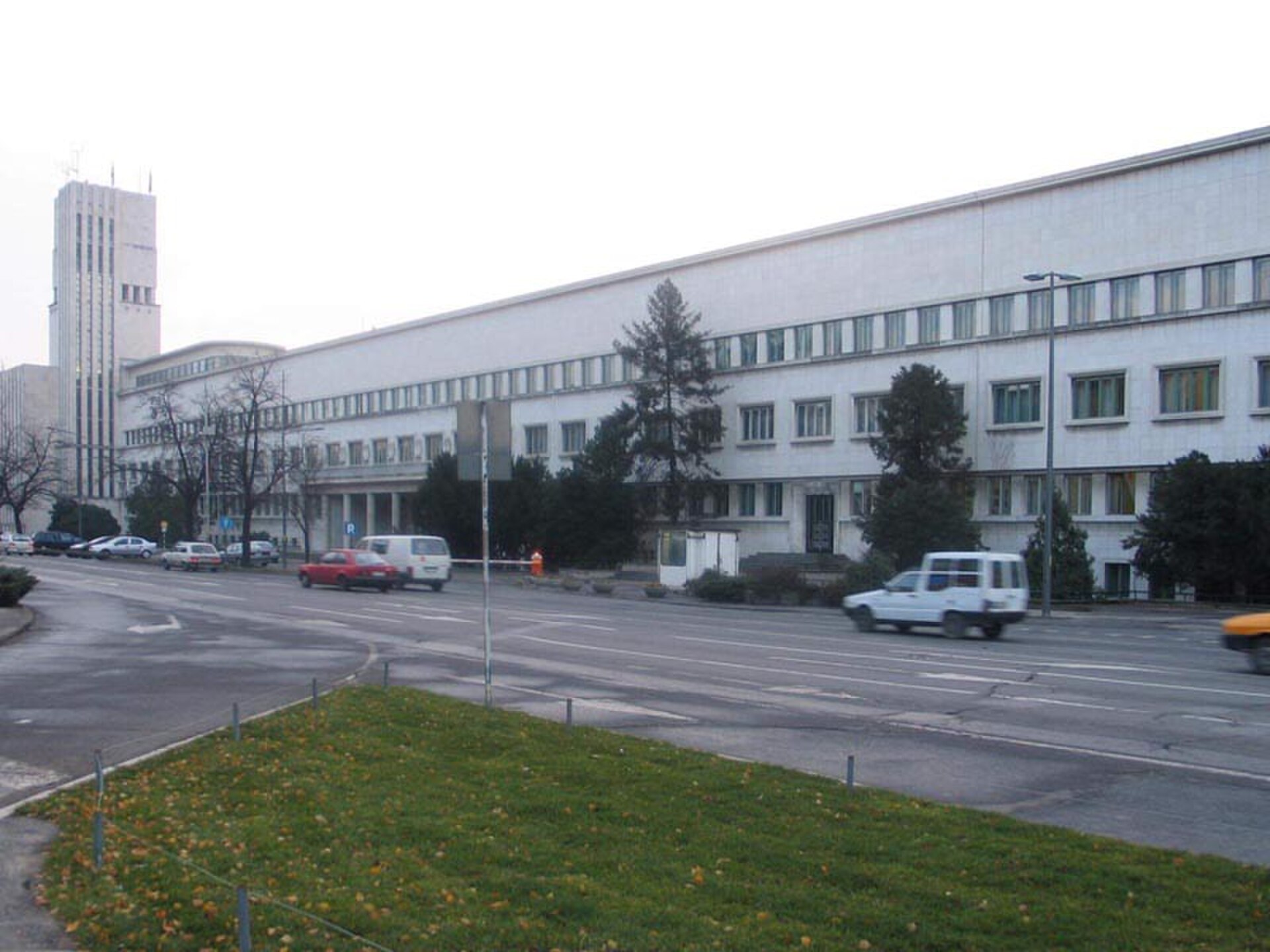
Banovina Building
Major interwar civic landmark in central Novi Sad.
A useful contrast if you want to look at another important city building after the synagogue.
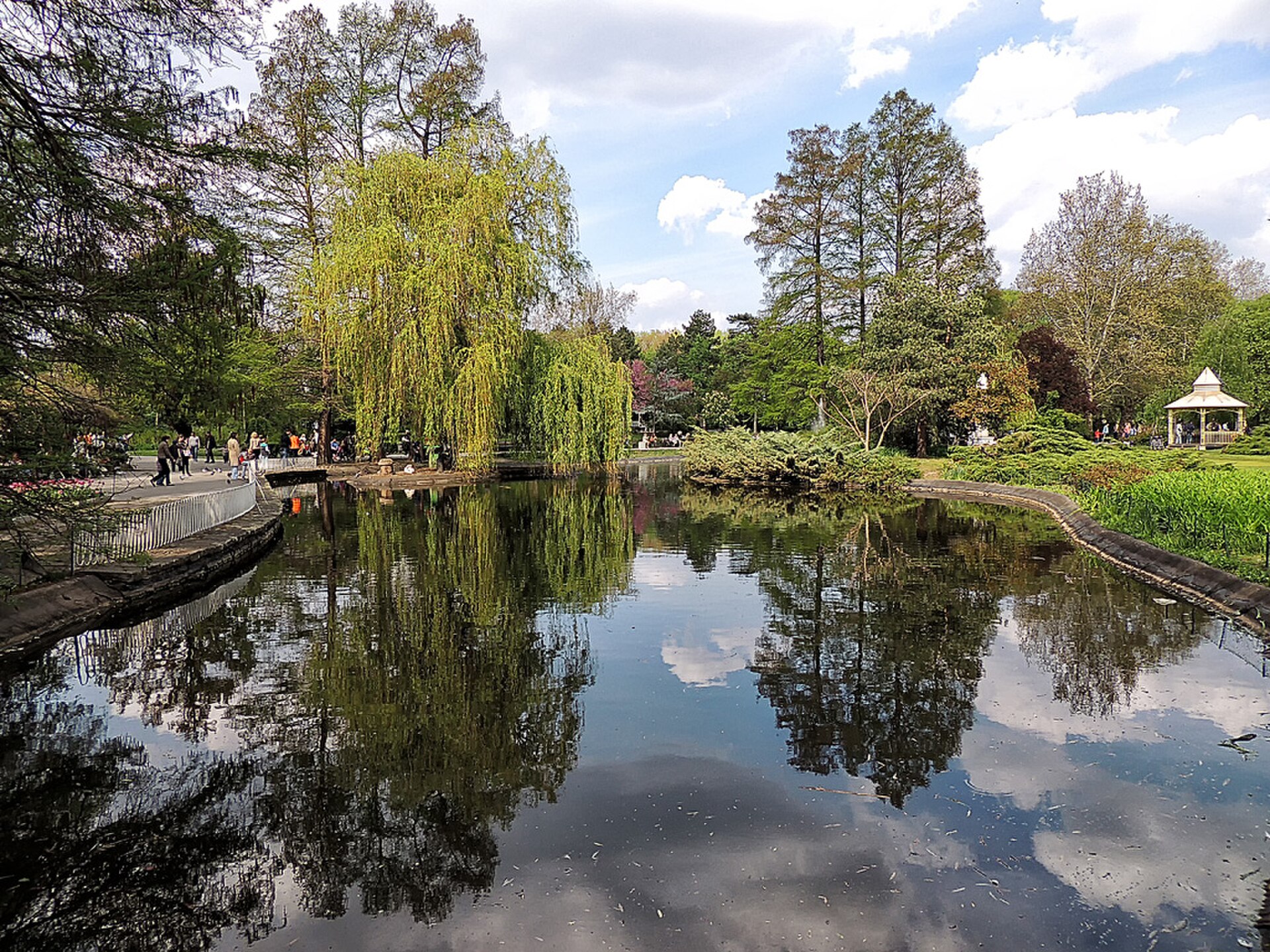
Dunavski Park
Green break close to the historic core.
Good for slowing the pace after a city-center architecture walk.
Jevrejska Street area, central Novi Sad
Liberty Square
Secession architecture and cultural use
1905–1909
One of the largest synagogues in Southeast Europe
Daytime city-center walk
RSD 0 for exterior viewing
Only if attending a scheduled event or arranged visit
15–30 minutes for most travelers
It is known for its large scale, its 1905–1909 construction period, and its Secession architecture. It is also recognized as one of the largest synagogues in Southeast Europe.
Yes. It works well as a short central stop, especially if you are already walking between Liberty Square, pedestrian streets, and other city-center landmarks.
Interior access is not something travelers should assume. Because the building also functions as a cultural venue, entry arrangements can depend on scheduled use and local conditions.
Most travelers need 15 to 30 minutes for an exterior stop. Allow more only if you have confirmed a concert or another interior visit.
Yes. It is in central Novi Sad and is easy to include in a walk from Liberty Square or Zmaj Jovina.
Use the synagogue as one stop in a central route with squares, pedestrian streets, parks, and the Danube-side fortress area.
Stay connected in Serbia