
Novi Sad city center

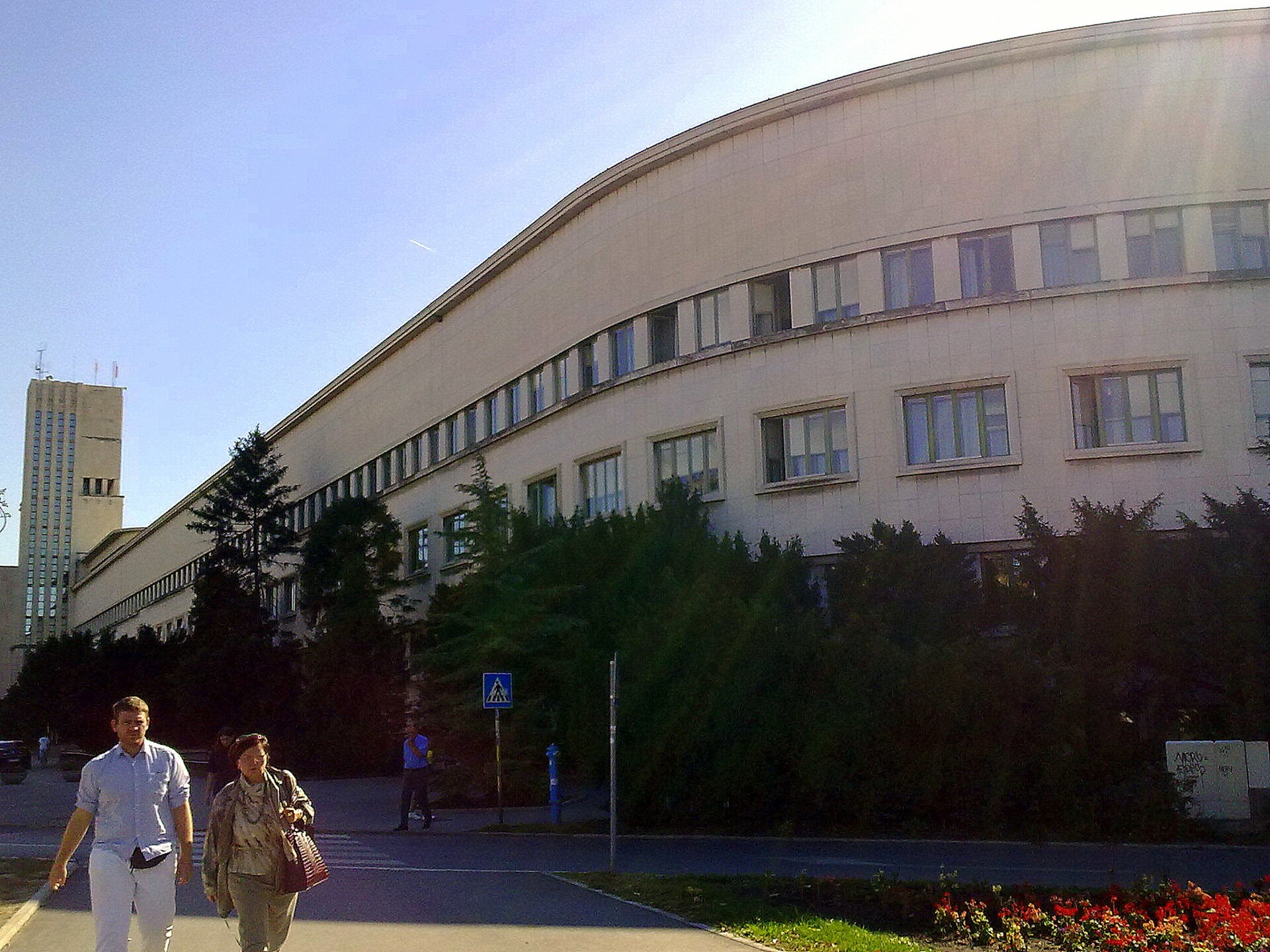
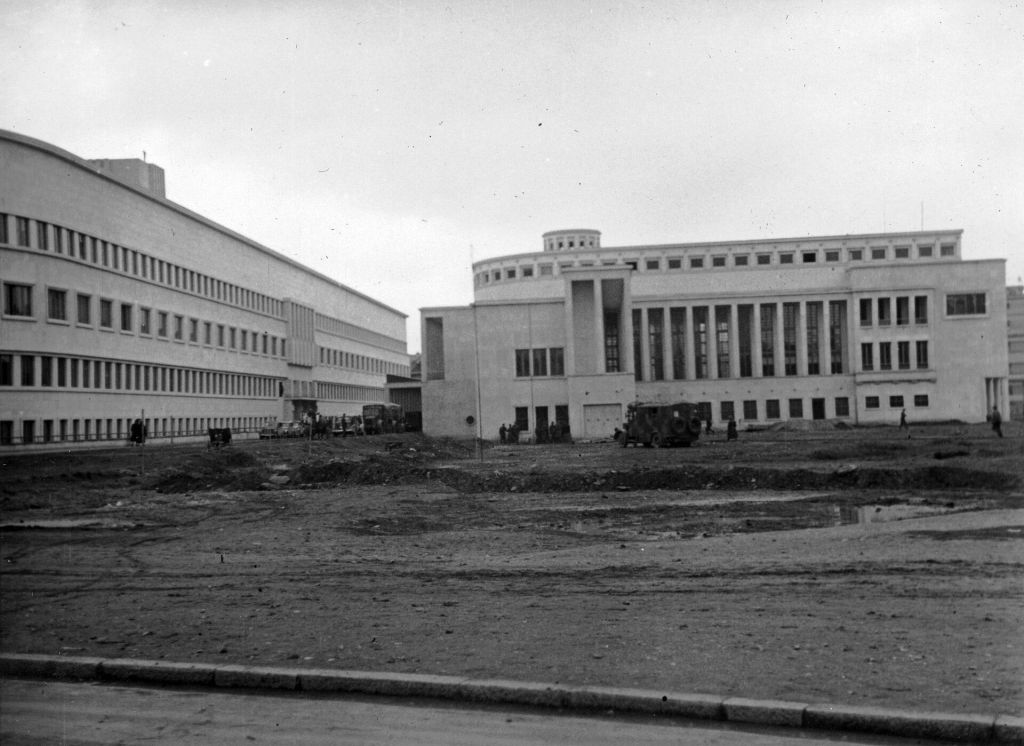
Banovina Building is one of the key civic landmarks in central Novi Sad. It was built between 1935 and 1939 as the seat of provincial administration and is still associated with government use. Travelers usually experience it from the outside: the long white facade, restrained ornament, and horizontal lines make it stand apart from the older Austro-Hungarian streetscape nearby. If you are already walking between Liberty Square, Zmaj Jovina, and the broader center covered in the Novi Sad Travel Guide, Banovina Building fits naturally into that route.
Banovina Building is a government building in Novi Sad and one of the clearest expressions of interwar modern civic architecture in the city. Built from 1935 to 1939, it is widely described as Bauhaus-inspired. The detail most people remember is its shape: long, pale, and streamlined, which led to its local nickname, the white cruiser. In practical terms, it is best understood as an exterior architecture stop rather than a museum-style attraction. The atmosphere around it is administrative and urban, with broad streets, formal facades, and a quieter tone than the pedestrian core.
The building’s importance lies in its architectural language. Banovina Building is associated with Bauhaus-era thinking in the broad sense travelers recognize on sight: clean geometry, long horizontal emphasis, limited decoration, and a public facade shaped more by function and volume than by historical revival detail. That is why the nickname white cruiser fits so well. The comparison suggests a ship-like profile, a sense of motion, and a smooth, pale surface. In a city where many visitors focus on the older center or on Petrovaradin Fortress, Banovina Building adds a different chapter: interwar state architecture, formal but not monumental in the traditional sense.
For architecture-minded visitors, the value is in stepping back and reading the massing. Notice how the building’s length and visual rhythm do the work that ornament would do on an earlier civic building. It is a useful stop if you want to understand how Novi Sad expanded beyond its best-known pedestrian streets.
These are the details and urban qualities most visitors notice when they add Banovina Building to a center-city walk.
Long horizontal facade
The building reads as one extended civic composition rather than a vertical landmark.
White exterior surfaces
Its pale finish is part of the reason the white cruiser nickname stayed in local memory.
Institutional setting
The streetscape feels more formal and administrative than the pedestrian cafe zone around the main square.
Interwar contrast
Banovina Building helps travelers see that Novi Sad is not only baroque, Austro-Hungarian, and fortress heritage.
Banovina Building works best as a short architecture stop during a central Novi Sad walk. Give it 10 to 20 minutes if you mainly want to view and photograph the exterior, or longer if you like studying urban form and civic buildings. It pairs well with a route that starts in the historic center, continues through the city core, and then moves toward green space such as Dunavski Park. Because the building remains tied to administration, travelers should approach it as an active institutional site rather than as an always-open visitor attraction. That means the most reliable expectation is exterior access and street-level viewing.
If you are short on time, use Banovina Building as a contrast stop: old-center streets first, then this interwar modern landmark, then the Danube-facing side of Novi Sad or the fortress area.
Expect an architectural landmark rather than a hands-on attraction. The main experience is visual: scale, facade, proportion, and how the building sits within Novi Sad’s administrative quarter. Dress code is simply normal city clothing for outdoor walking. Accessibility depends largely on the surrounding streets and pavement rather than on visitor infrastructure, since most travelers will only view the exterior. Families with children can include it easily, but children are unlikely to spend long here unless they are already engaged by buildings or city walks.
Bring a camera or phone with a wide lens if architecture photography matters to you. There is no need for special gear, tickets, or a long time slot. The most honest way to plan Banovina Building is as a brief but meaningful stop that broadens your picture of Novi Sad.
Banovina Building is not the place most first-time visitors build their entire Novi Sad day around, but it is one of the places that makes the city easier to understand. Many travelers come for the square, the pedestrian core, the Danube, and the fortress. Banovina Building adds the administrative and interwar chapter. That makes it especially useful for repeat visitors, architecture travelers, photographers, and anyone who prefers reading a city through its built forms rather than only through its main landmarks.
If your time in Novi Sad is limited, keep it simple: include Banovina Building as part of a central walk rather than as a separate excursion. That approach gives the building the right scale and expectations.
The nickname white cruiser points to the building’s long, streamlined appearance. Even if you know nothing about its history, that image helps you read the facade quickly.
Banovina Building was built as a provincial administrative seat between 1935 and 1939. Its civic function explains the formal setting and its continued institutional character.
Use the map to place Banovina Building within central Novi Sad and connect it with nearby city-center stops.
These nearby or contextually linked stops help turn a short architecture stop into a fuller city walk.
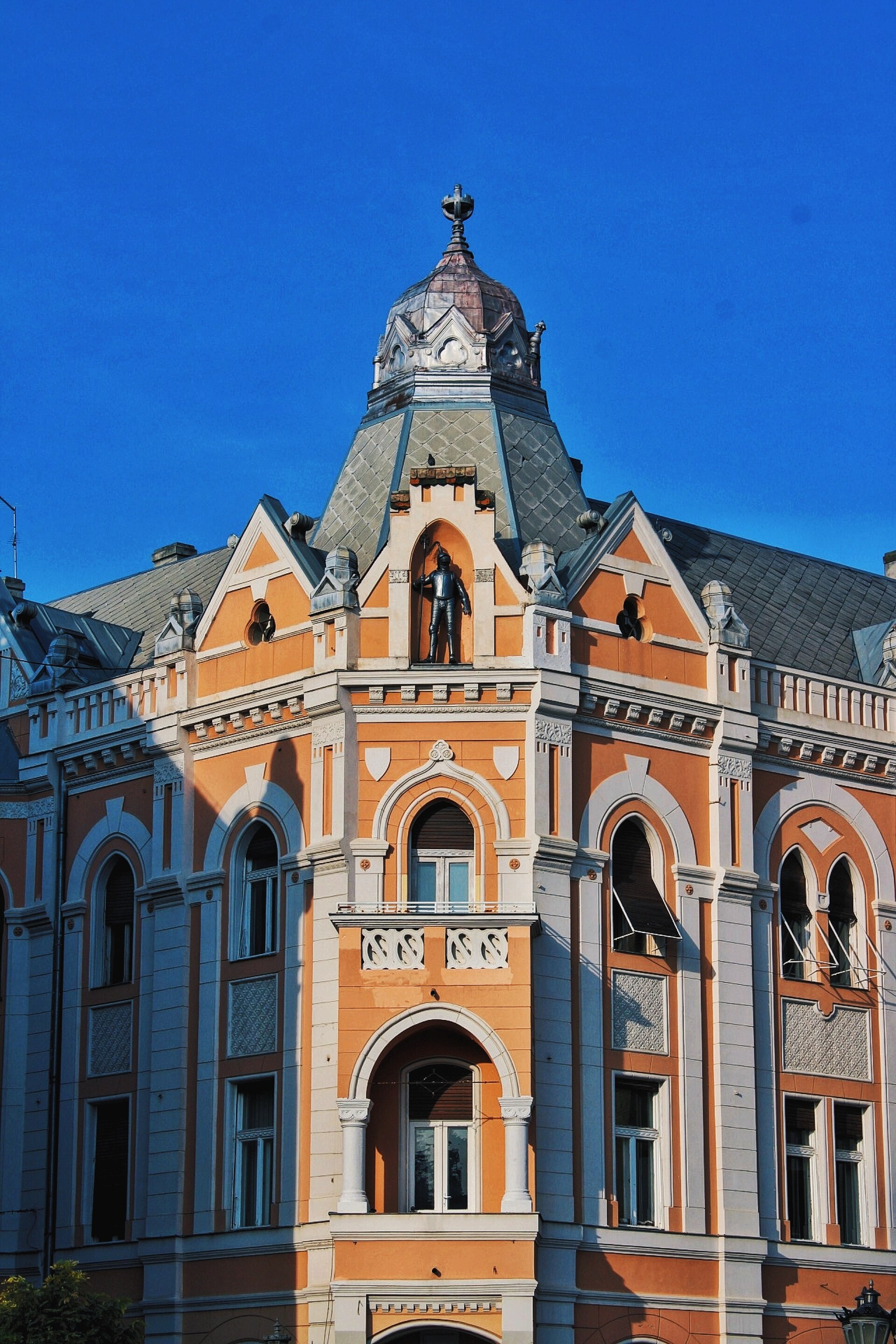
Liberty Square
Novi Sad’s main square and the easiest civic contrast to Banovina Building.
Start here if you want to move from the historic core toward later 20th-century public architecture.
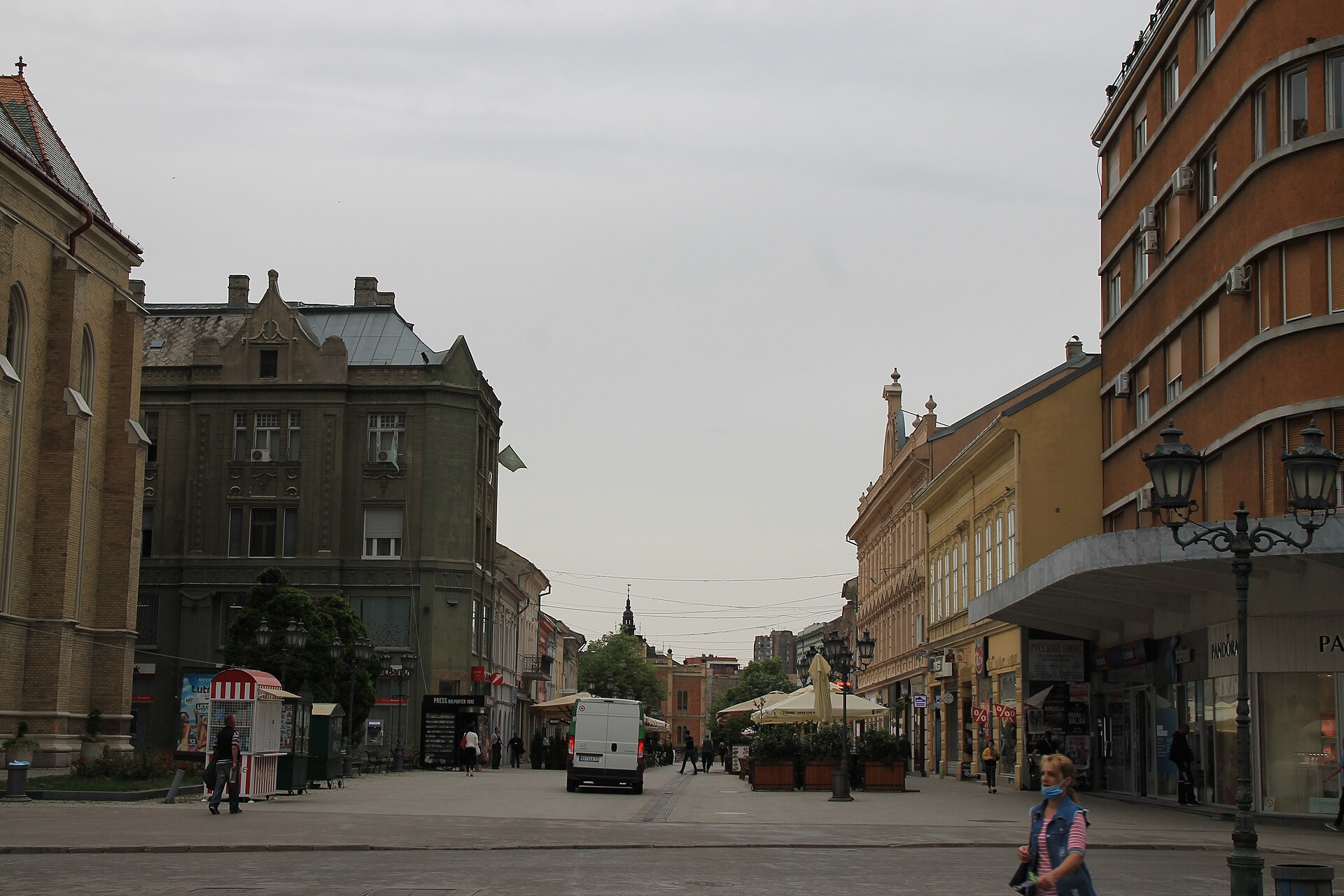
Zmaj Jovina
Pedestrian street linking the center’s urban life with the wider historic core.
Useful before or after Banovina Building if you want the human-scale street experience that contrasts with formal civic architecture.
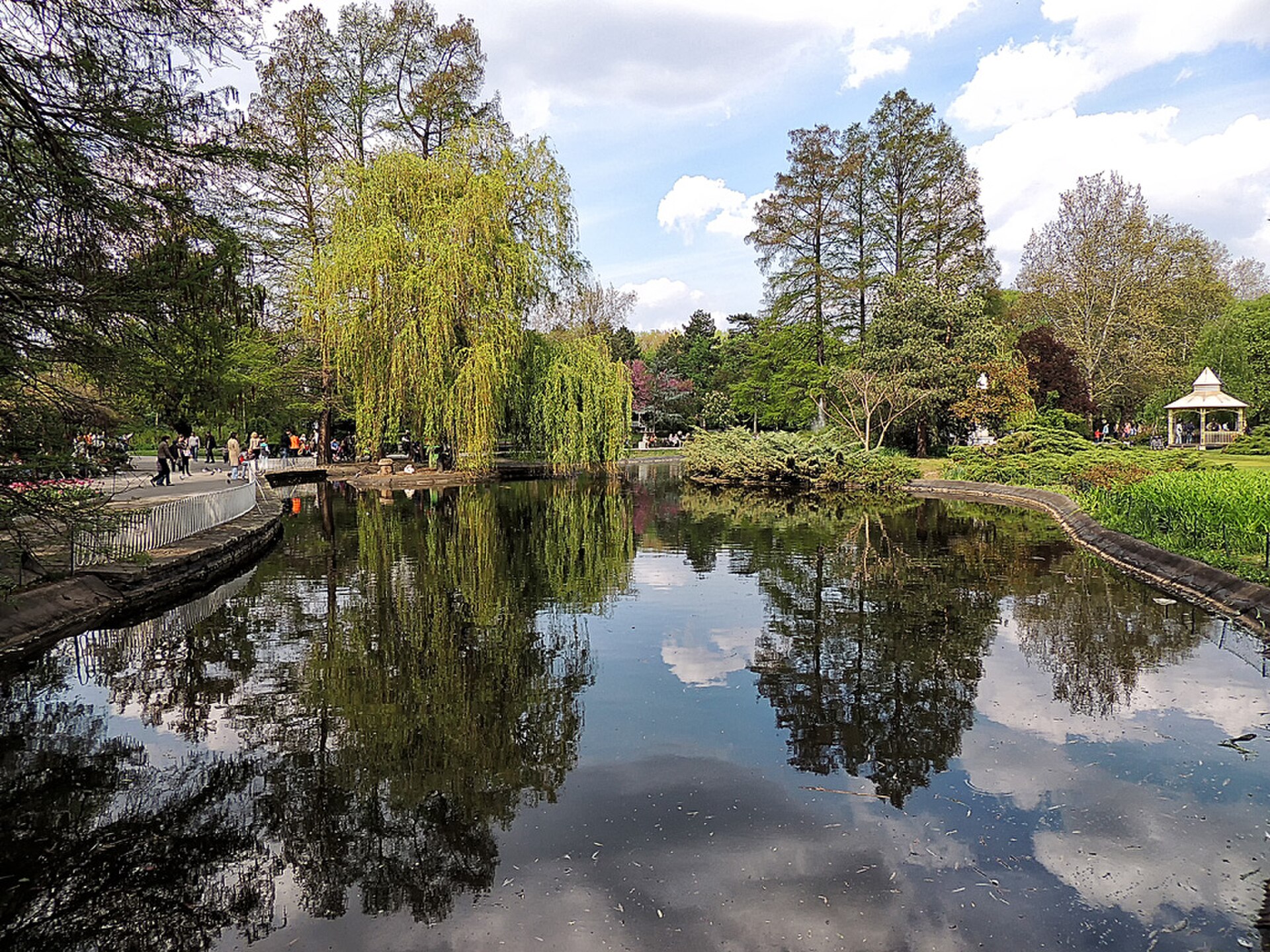
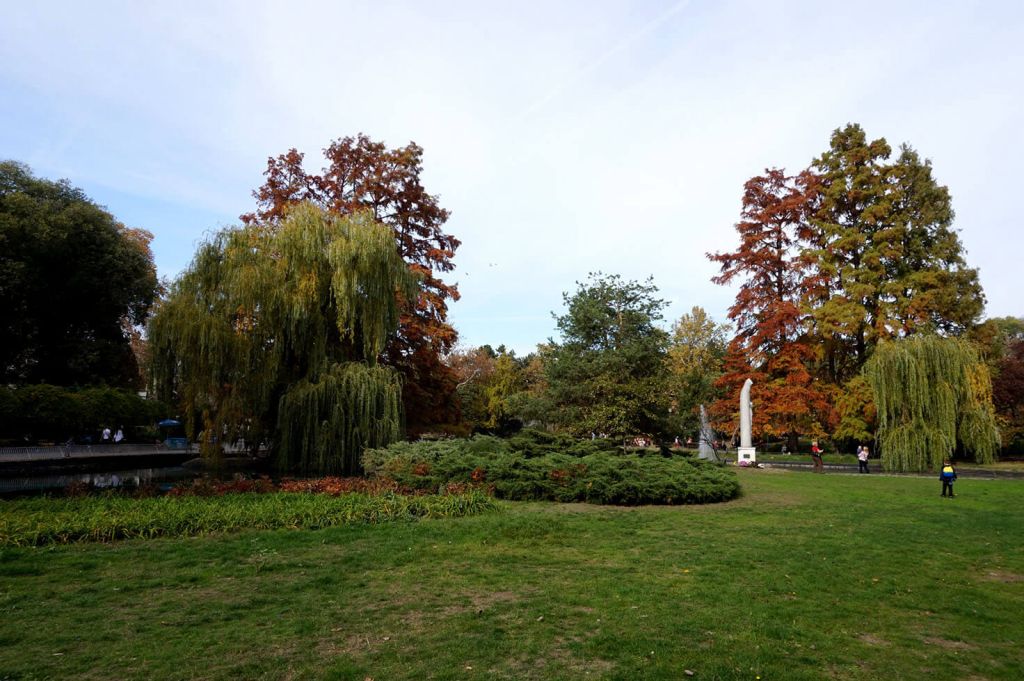
Dunavski Park
A quiet green stop after the formal city streets around Banovina Building.
Good for a break if you are building a relaxed central Novi Sad itinerary on foot.
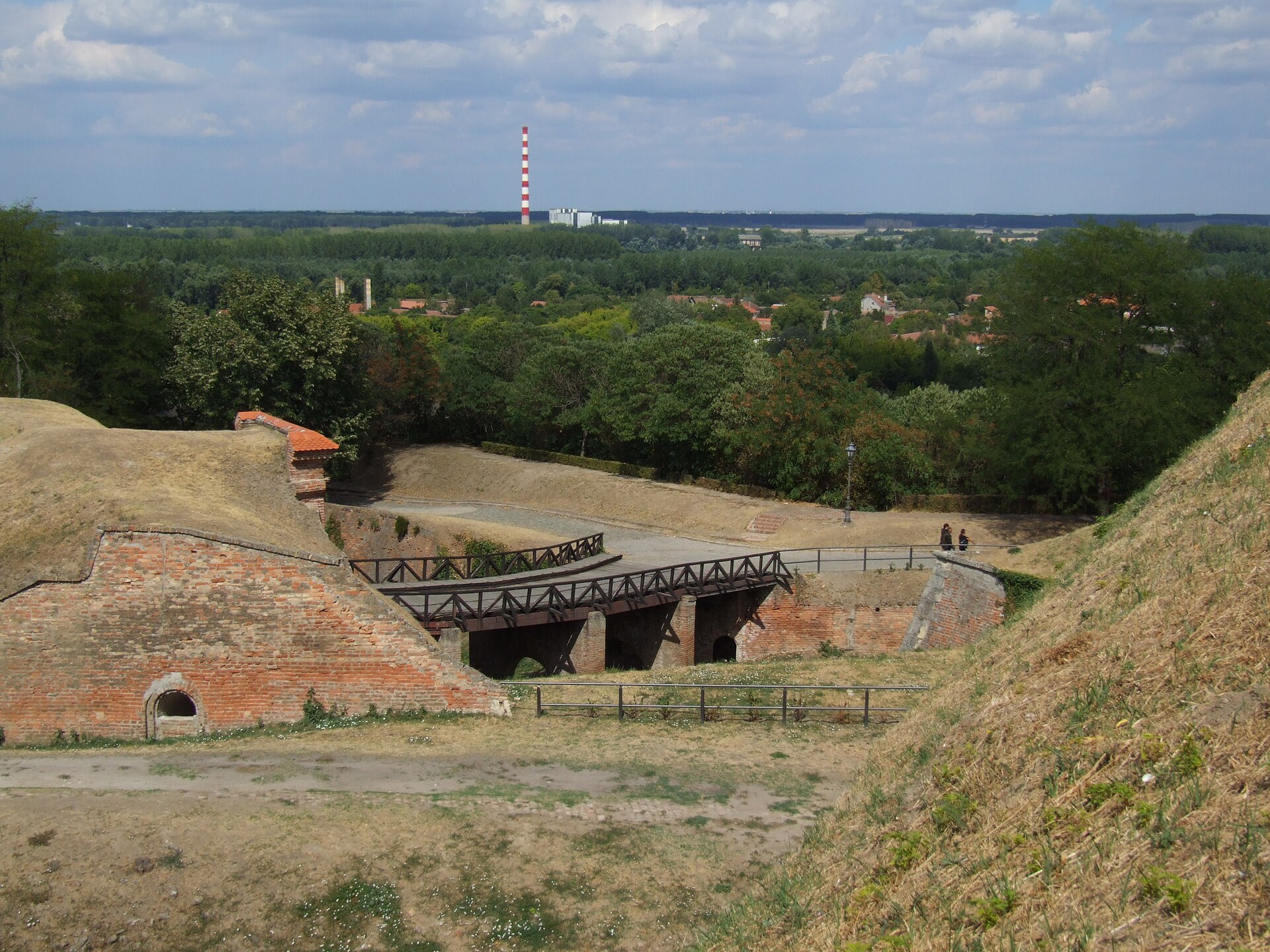
Petrovaradin Fortress
The major landmark across the Danube and a very different architectural chapter of Novi Sad.
After Banovina Building’s interwar modernism, the fortress shows the military and riverfront scale that defines the city’s wider identity.
Novi Sad city center
Provincial government building
1935–1939
Bauhaus-inspired civic architecture
The nickname "the white cruiser"
Exterior architecture viewing and photography
Short stop on a city walk
Do not assume regular tourist entry
Liberty Square, Zmaj Jovina, Dunavski Park, Petrovaradin Fortress
It is a major civic building in Novi Sad and the seat of the provincial government, built between 1935 and 1939.
The nickname refers to its long, streamlined white appearance, which gives it a ship-like profile.
Yes, if you are already exploring central Novi Sad. It works well as a short exterior stop that adds a different architectural layer to the city.
Travelers should not assume regular tourist access. The most reliable plan is to view it from the outside unless public access has been confirmed separately.
Most visitors need 10 to 20 minutes for an exterior look and photos, longer only if they want to study the architecture in more detail.
Stay connected in Serbia