Serbian Wine Regions
Understand Serbia’s wider drinking culture and grape-growing traditions.

In Serbian homes, rakija is often offered before coffee, alongside meze, or poured to mark a visit, a wedding, a baptism, a harvest, or a winter gathering. The ritual matters as much as the pour. A small glass can signal welcome, continuity, and respect for the host’s fruit, time, and craft.
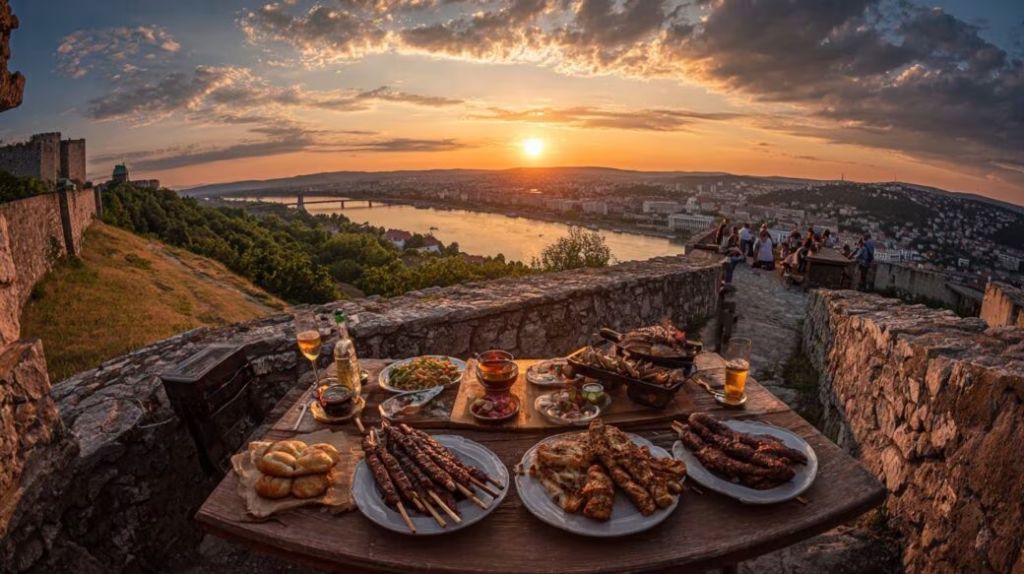
Rakija is tied to Serbian hospitality. Guests may be greeted with a glass and a plate of cheese, cured meat, ajvar, or fresh bread. In many homes, refusing outright can feel less like a preference and more like turning away the host’s welcome, so a polite sip or a clear, friendly explanation is often the better approach.
It is also a seasonal marker. In autumn, families prepare fruit for distillation. In winter, rakija appears in conversation, celebrations, and quiet evenings. Regional habits differ, but the pattern is familiar: fruit gathered with care, distilled with patience, and shared with restraint.
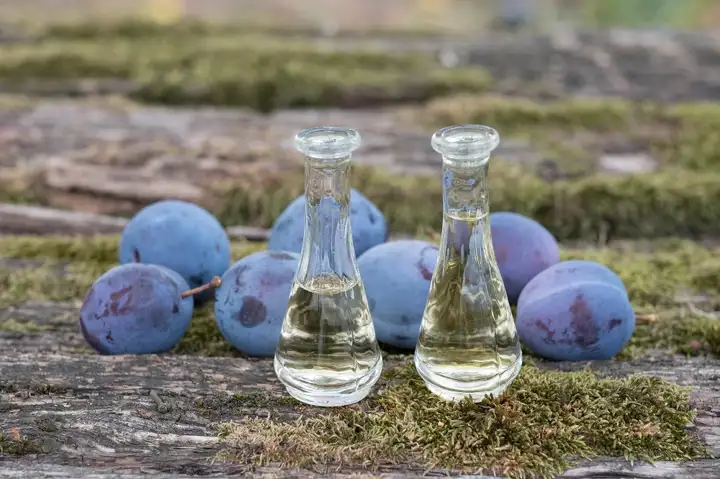
Plums and Glass Bottles
Plums and small glass bottles of rakija rest on mossy wood in Rakija
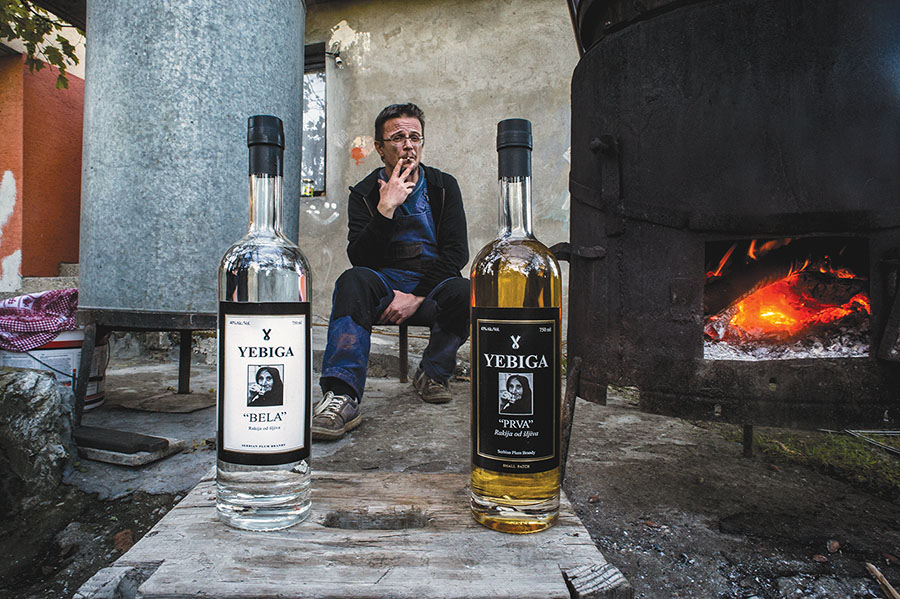
Rakija Bottles by Furnace
Two Yebiga rakija bottles stand before a seated man and wood-fired still in Rakija
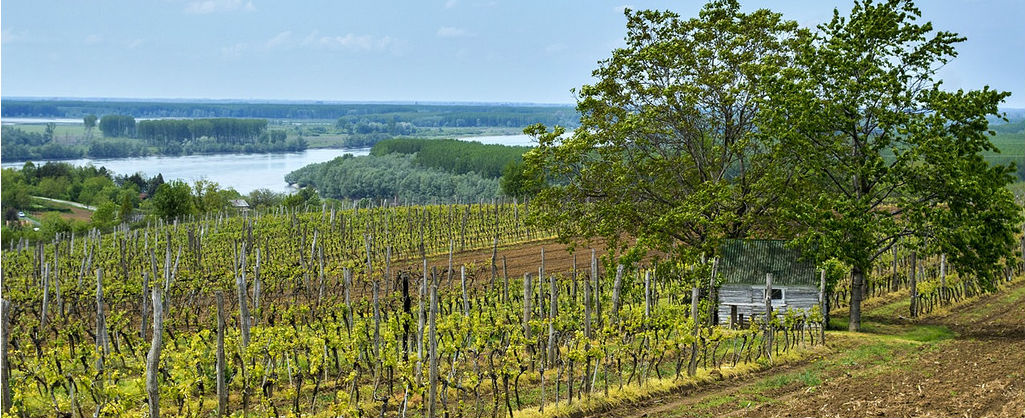
Vineyard Overlooking River
Vine rows on a hillside overlook the river landscape in Rakija, with a small shed beneath the trees
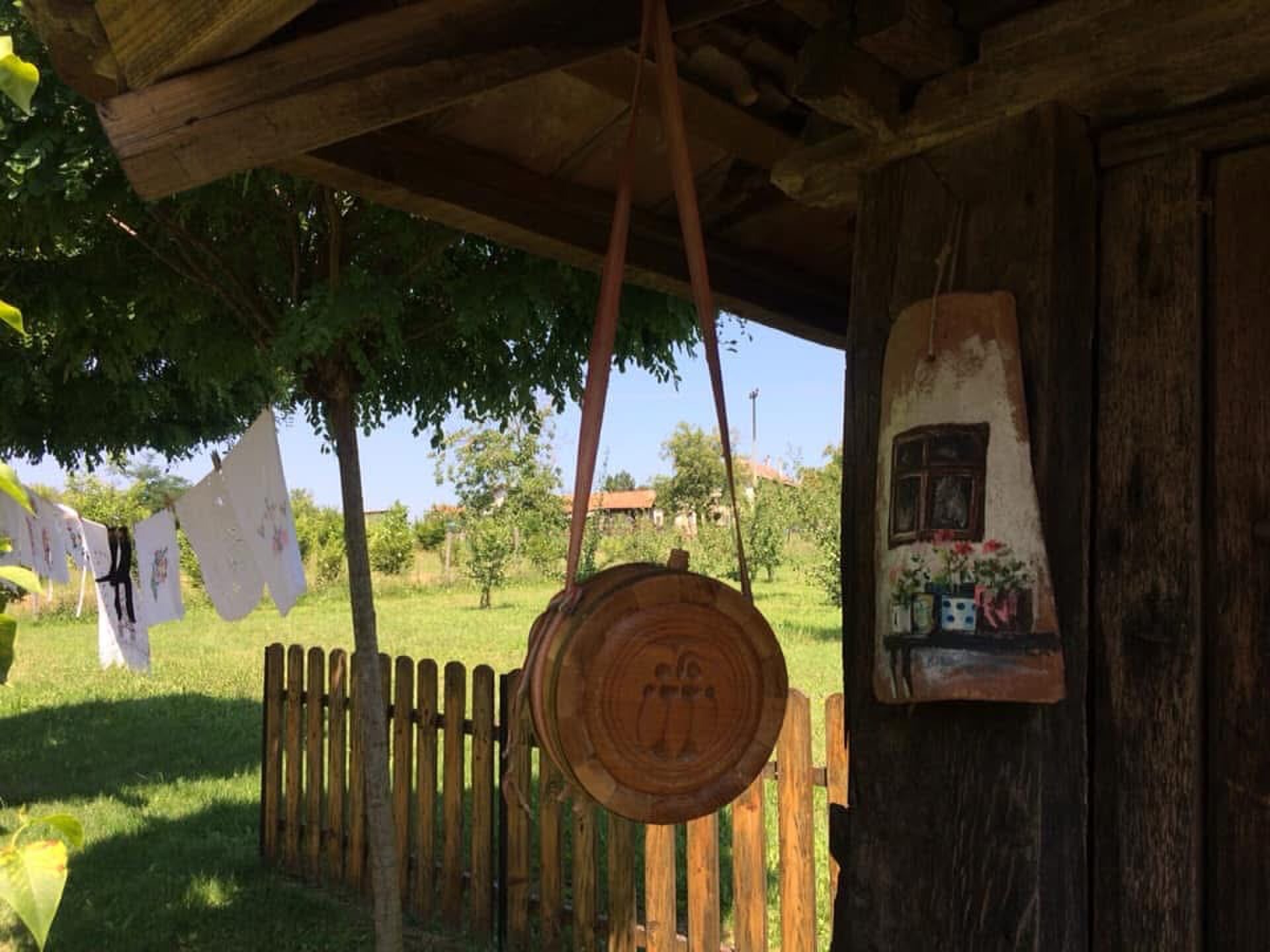
Hanging Wooden Barrel
A hanging wooden barrel and laundry line sit beside a rustic porch in Rakija, Serbia
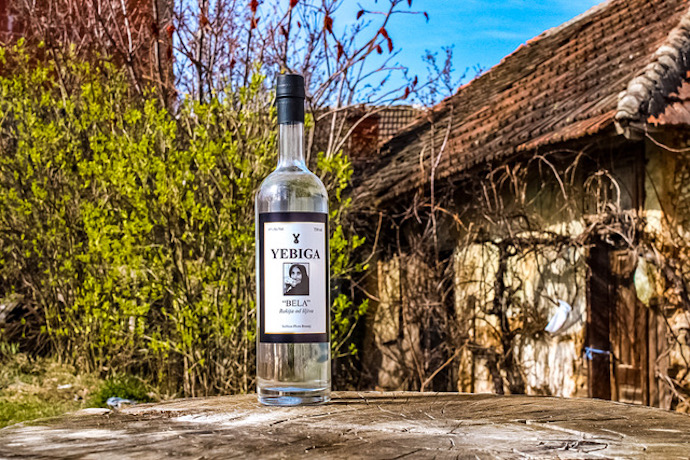
Rakija Bottle Outdoors
A Yebiga rakija bottle stands on a wooden surface beside a rustic house in Rakija, Serbia
Šljivovica is the most recognized Serbian rakija and is usually plum-based. Kajsija comes from apricots and tends to be softer and more fragrant. Dunja is made from quince and often has a dry, floral nose. You may also see pear, apple, grape, or mixed-fruit versions.
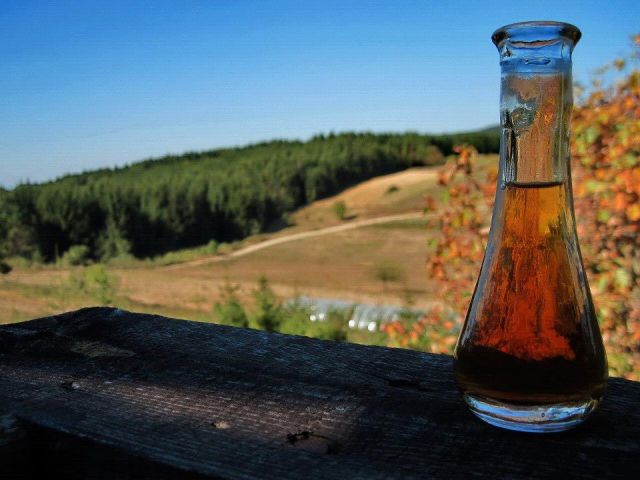
Some bottles are clear and unaged; others spend time in oak and take on a golden color. Because homemade batches vary, flavor can range from bright and aromatic to dry and earthy. A good question to ask is not only what fruit was used, but also whether the spirit was aged and how long it rested before bottling.
Good rakija starts with ripe fruit. Families often use surplus plums, apricots, quinces, pears, or grapes from their own orchards. Fruit is sorted carefully so that bruised or moldy pieces do not affect the mash.
The fruit is crushed and left to ferment naturally or with selected yeast. This stage turns sugar into alcohol and develops the base aroma. Clean vessels and steady temperatures matter more than speed.
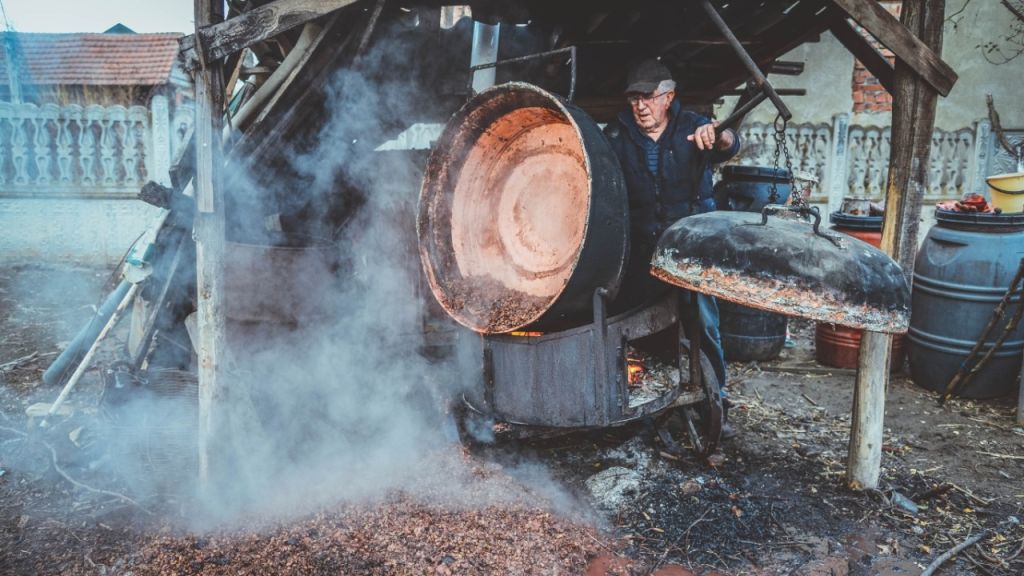
The fermented mash is distilled, often in small copper stills. Many makers distill more than once, then let the spirit rest so the flavors soften. Some rakija is aged in oak, while others are bottled young to keep a fresher fruit profile.
Use this map as a starting point for fruit-growing regions, village stays, and tasting stops across Serbia.
Understand Serbia’s wider drinking culture and grape-growing traditions.
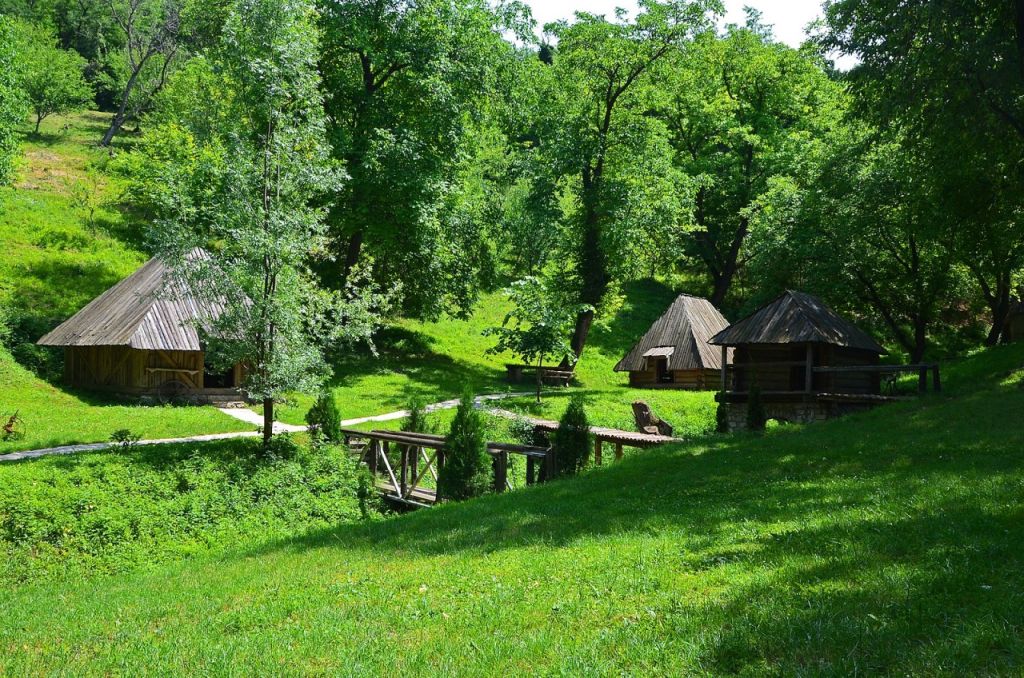
Pair tasting culture with monastery routes and wine country in Vojvodina.
Use this broader region guide to connect rakija traditions with mountain villages and orchards.
Seasonal fruit, most often plums
Usually around 40% or higher
Welcome drink, toast, and home tradition
When tasting rakija, start with small pours and ask what fruit was used. In rural settings, the bottle may be a family product, and the answer often leads to a story about the orchard, the harvest, or a relative who still supervises the still.
If you are invited to taste more than once, pace yourself and treat the occasion as social time, not a checklist.
No. Plum rakija is the best known, but Serbian rakija can also be made from apricot, quince, pear, apple, grape, and other fruits.
Yes, but check customs rules for your destination and pack bottles carefully. Small, sealed bottles are usually the easiest option.
Neat, in a small glass, often with food. It is usually sipped slowly rather than used as a mixer.
Family distilling exists across the region, but rules vary. Visitors should buy from licensed producers unless they are tasting within a private household context.
Rakija is easiest to understand when it is part of a wider route through Serbia’s cities, villages, orchards, and table culture.
Stay connected in Serbia