Plan my Serbia route

Art and culture in Serbia

Galleries in Serbia | Traditional and Experimental Art

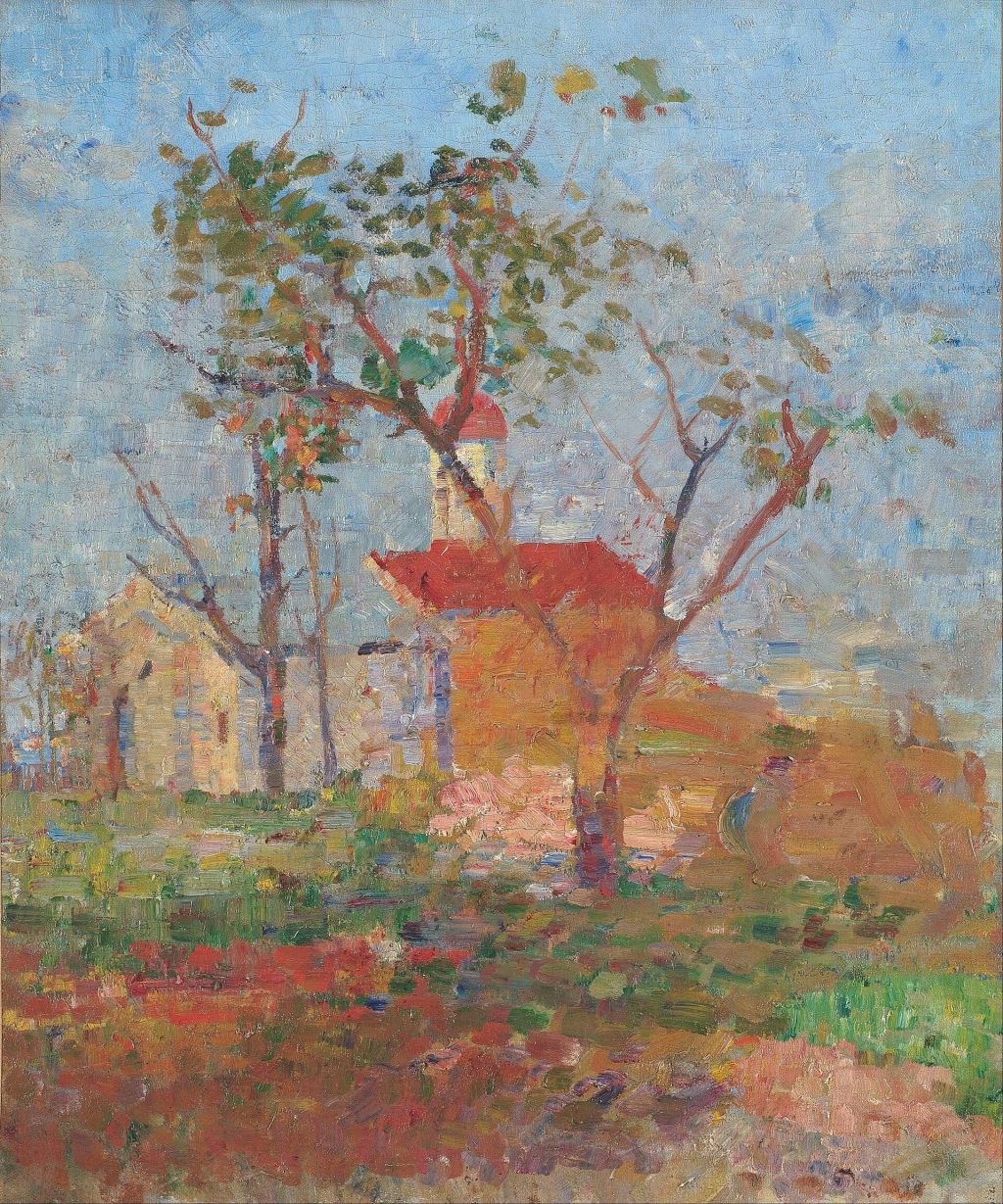
Serbia’s galleries connect the work of Serbian and international artists with the cultural identity of their cities, presenting both traditional and experimental art.

Practical visitor guide Venue details checked International-traveller focus About Serbian Travel
Serbian gallery culture Artist-centred collections, city institutions and experimental spaces provide different ways to encounter art in Serbia.
Serbian art
Contemporary work
City culture

Galleries in one minute

Serbia’s gallery scene is a network rather than a single attraction. It includes institutions associated with prominent artists, collections of Serbian art, artists’ communities and spaces that accommodate both established traditions and experimental work. Belgrade and Novi Sad place galleries within wider cultural routes of pedestrian streets, museums and historic districts, while Petrovaradin Fortress adds studios and artist organisations to the mix.

There is no reliable countrywide timetable, admission price or reservation rule for physical gallery visits. Choose a city first, identify the current exhibition and confirm the individual venue’s visitor arrangements before setting out. An online portal also provides interactive access to current and past exhibitions.

Galleries

Serbia’s galleries reveal how artists become part of a city’s public identity. Some institutions preserve a sustained body of work or a named collection; others act as active settings for new exhibitions, artistic exchange and experimentation. The common thread is not a single period or style, but the position given to art within urban cultural life.

A gallery visit can therefore move between traditional and contemporary work without treating them as separate worlds. The experience is usually most coherent when approached through a particular artist, collection or current exhibition rather than as a checklist of buildings. That choice gives the visit a clear focus while leaving room to notice how each institution relates to its neighbourhood.

Galleries, Galleries in Serbia
Serbia’s galleries reveal how artists become part of a city’s public identity.

What defines galleries in Serbia

Walk through a central Serbian city and art rarely sits in complete isolation. Galleries appear among civic institutions, cafés, pedestrian streets, museums and historic architecture. That urban setting matters because the national tourism material presents artists as participants in the cultural identity of entire cities, not simply as makers of individual objects. A gallery carrying an artist’s name can function as a sustained encounter with that person’s work, while a changing exhibition space can show how newer practices respond to an inherited visual culture.

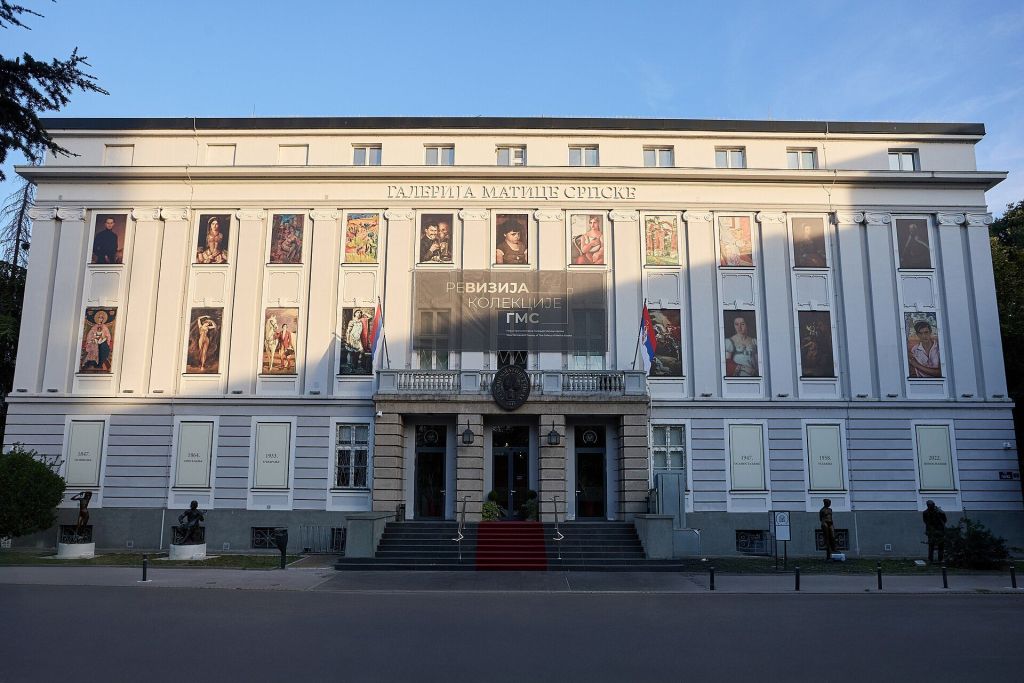
The range extends from traditional work to experimental formats and includes both Serbian and international artists. In Novi Sad, the Gallery of Matica Srpska provides a collection-led starting point. The broader route through Novi Sad's Old Town, Petrovaradin and Danube then places that art encounter beside museums, public architecture and the fortress across the river.

Belgrade offers a different scale. Its central pedestrian area is associated with galleries, boutiques, cafés and cultural institutions, allowing an exhibition to become one stage of a city walk. The Serbian Academy of Sciences and Arts on Knez Mihailova illustrates the institutional setting in which art, scholarship and public cultural life meet. The defining experience is therefore one of context: the artist, the collection, the current programme and the surrounding city all shape what a traveller takes from the visit.

Defines Galleries Serbia, Galleries in Serbia
Walk through a central Serbian city and art rarely sits in complete isolation.

How to experience galleries in Serbia

Begin with the exhibition rather than the building. A named gallery may reward attention to one artist or collection, while a changing programme may make sense through its current theme. Reading the exhibition description before arrival helps distinguish a permanent collection from a temporary presentation and prevents a route from becoming a sequence of unrelated rooms.

The Galleries and Museums exhibition portal offers interactive virtual tours of current and past exhibitions. It does not publish a standard duration or guided format, so treat the online experience as an exploratory tool rather than a timed substitute for every physical visit. It can help identify artists, subjects and institutions worth prioritising, particularly when travel dates do not align with a temporary exhibition.

For an in-person day, choose one principal institution and add another space only when it is geographically coherent. Novi Sad allows a city-centre collection to be treated separately from the art spaces at Petrovaradin Fortress. In Belgrade, a gallery can fit into a central cultural walk or a dedicated museum route. This structure leaves enough flexibility for an exhibition whose size is not known in advance.

Inside, slow the pace at the first group of works and establish the exhibition’s logic before moving through the rest. Where interpretation is limited, titles, dates, materials and the sequence of rooms still provide useful orientation. Current policies for photography, guided visits and public access are controlled by the individual institution, so ask staff rather than assume that one gallery’s rule applies elsewhere.

How Experience Galleries Serbia, Galleries in Serbia
Begin with the exhibition rather than the building.

Practical planning for galleries in Serbia

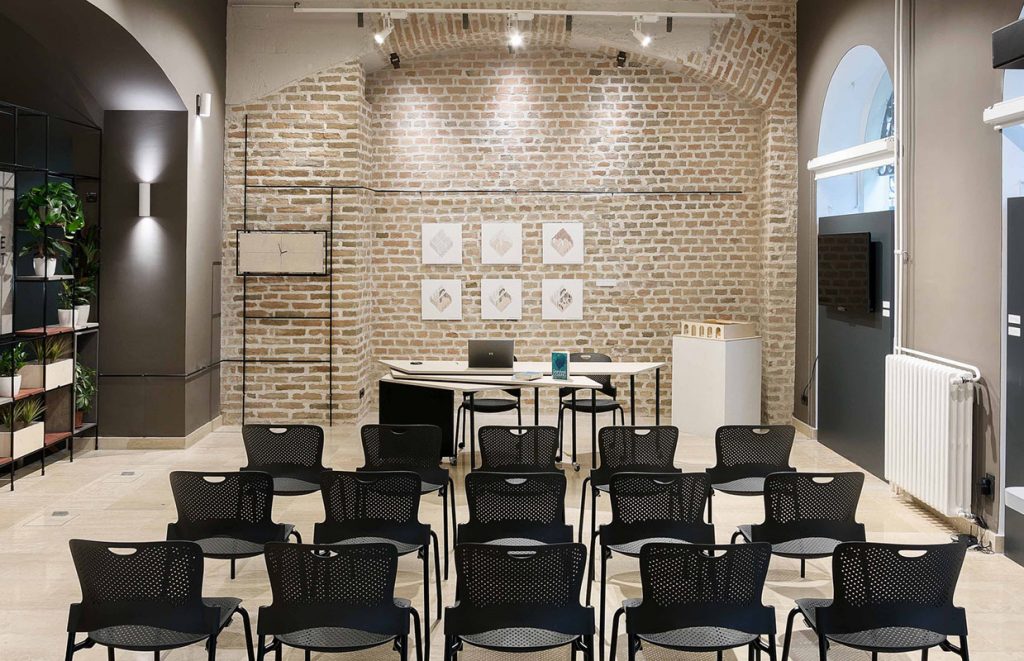
A national gallery itinerary becomes manageable once it is divided by city and district. Serbia’s galleries do not share one entrance, transport stop or booking system, so route planning begins with the exact institution. Save its current location and visitor information, then add only places that form a sensible walking or local-transport sequence.

In central Belgrade, galleries can be combined with Belgrade's museums and art institutions without treating every venue as interchangeable. Novi Sad calls for a clearer spatial choice: stay in the central cultural area or cross to Petrovaradin for fortress-based art spaces. Because Galleries is a nationwide theme rather than a single site, no universal bus or tram line number applies. Local line numbers, taxi fares and parking conditions must be checked for the chosen address.

Do not assume that a venue is open simply because its exhibition appears online. Physical opening hours, admission prices and reservation requirements are not published as one central set of rules. Confirm the date shortly before visiting, especially if a specific temporary exhibition is the purpose of the journey. If no current information is available, contact the institution rather than relying on an older listing.

Accessibility also varies by building. The national gallery material does not provide a common standard for step-free entrances, lifts, accessible toilets, seating or assistance. Travellers who need a particular arrangement should ask the venue to describe the route from the entrance to the exhibition rooms. The same direct approach is appropriate for school groups, family visits, guided interpretation and large bags.

Practical Planning For Galleries Serbia, Galleries in Serbia
A national gallery itinerary becomes manageable once it is divided by city and district.

What to expect at galleries in Serbia

The experience changes with the institution. A collection gallery may organise the visit around an established body of Serbian art, while an experimental programme may depend more heavily on the logic of a temporary installation. Artist communities and tapestry-focused spaces introduce still other formats. Read the venue name and exhibition description carefully so that expectations match the kind of institution you are entering.

No shared dress code is published. Ordinary city clothing is appropriate for a cultural visit, with footwear chosen for the surrounding route as well as the exhibition rooms. Petrovaradin, for example, is part of a wider fortress visit, while central galleries may sit within a longer pedestrian itinerary.

Photography permission should be requested before taking pictures. Rules can differ by exhibition, lender and artwork, and permission in an entrance area does not necessarily establish a rule for every room. Keep phone audio off, avoid blocking labels or doorways and give other visitors space to view works from a useful distance.

Families should check whether the current exhibition, building and interpretation suit their children. A nationwide age recommendation is not published. Likewise, visitors who require seating, step-free access or a quieter entry arrangement should confirm those needs directly. Carry only what is practical to manage in a gallery; cloakroom and bag policies are not centrally stated.

Galleries Serbia, Galleries in Serbia
The experience changes with the institution.

Sources and last checked

Operational details should be reconfirmed with the individual institution before a physical visit.

  1. Experience Serbia cultural overview (opens in a new tab)
  2. Galleries and Museums exhibition portal (opens in a new tab)

Gallery and art spaces to know in Serbia

These named institutions provide concrete starting points for an art-focused route. The available material does not publish their current admission prices, opening hours or reservation rules, so confirm those details with each venue.

Gallery of Matica Srpska

Gallery of Matica Srpska

A Novi Sad institution centred on a collection of Serbian art.

Use the gallery as a collection-focused stop within the city centre rather than assuming that it follows the same timetable as nearby museums.

  • Array, Array, Array, Array
Atelier 61

Atelier 61

A Petrovaradin Fortress art space associated with Serbian tapestry art.

Its fortress setting makes it suitable for a route focused on working art spaces and Petrovaradin’s cultural institutions.

  • Array, Array, Array, Array
Likovni Krug

Likovni Krug

An artists’ colony located at Petrovaradin Fortress.

This is an artist-community context rather than a conventional national collection, adding a different layer to a fortress art route.

  • Array, Array, Array, Array
Museum of Contemporary Art

Museum of Contemporary Art

A contemporary art institution at Ušće in Novi Beograd.

Although it is a museum rather than a gallery by name, it provides a useful institutional setting for contemporary art within a broader Belgrade itinerary.

  • Array, Array, Array, Array

Quick facts about galleries in Serbia

Geographic scope

Gallery planning across Serbia

Art range

Traditional and experimental work

Artists represented

Serbian and international

Useful starting cities

Belgrade and Novi Sad

Online material

Current and past exhibitions

Planning unit

Confirm each institution separately

Keep the gallery route compact

Keep the gallery route compact

Group institutions by city and district rather than trying to build one countrywide gallery circuit. A central Belgrade route, a Novi Sad centre route and a Petrovaradin route each have a clearer spatial logic than a list based only on artistic period.

Ask about interpretation

Ask about interpretation

A shared policy for English-language labels, catalogues or guided interpretation is not published. If interpretation is important, ask what is available for the specific exhibition rather than assuming that the institution’s general information applies in every room.

Contact the gallery portal

Contact the gallery portal

For questions about the Galleries and Museums portal, call the portal contact team or email the portal contact team. A central reservation service is not published, so physical-visit questions may still need to be directed to the relevant institution.

Confirm photography and physical access

Confirm photography and physical access

Photography, bags, step-free routes and assistance are governed by individual venues. Request the details that affect your visit before arrival, particularly when access to a temporary exhibition is the main reason for travelling.

Common questions about galleries in Serbia

Are Serbia’s galleries concentrated only in Belgrade?

No. Belgrade is an important cultural base, but Novi Sad also has gallery and museum routes, while Petrovaradin Fortress contains art organisations such as Atelier 61 and Likovni Krug.

Are all Serbian galleries named after artists?

No. The national cultural description highlights the importance of galleries associated with leading artists, but Serbia also has collection galleries, contemporary art institutions and artist communities with other naming traditions.

Can I visit a Serbian gallery without a reservation?

There is no countrywide reservation rule. The requirement is not published for the individual venues listed here, so confirm directly when a specific exhibition or guided visit matters to your plans.

How long should I allow for a gallery visit?

A standard duration is not published. Allow the exhibition’s scale and format to determine the visit, and avoid placing two timed commitments too close together when current room counts are unknown.

Will exhibition information be available in English?

A nationwide English-language interpretation standard is not published. Contact the venue if English labels, a catalogue or a guided explanation are essential to the visit.

Does the portal’s Belgrade address serve as the entrance to all galleries?

No. It is the published contact address for the Galleries and Museums portal. Each physical institution has its own location and access arrangements.

Travel essentials

Stay connected in Serbia

WhatsApp