Southeastern Serbia

Pirot

A borderland town of medieval walls, handwoven carpets, mountain flavors and easy escapes into wild eastern Serbia.

📍
Pirot at a glance Pirot, on the edge of the Balkan mountain range, has kept its identity through centuries of changing rulers — along with its cheese, its pressed sausage, and its carpets.
🏰 Heritage
🧀 Gastronomy
⛰️ Mountains
🧶 Crafts
🚗 Road Trips

Overview

Pirot is a 35,000-person city on the Nišava River, close to the Bulgarian border. Its name derives from the Greek pyrgos (tower) and from the Roman settlement Turres that preceded it. When Serbia gained autonomy from Ottoman rule in 1817, Pirot developed as a centre of trade and craft; the city's connection to the Paris-Istanbul Orient Express route in 1887 brought further growth.

Three products define the city's identity: Pirot kačkavalj (a hard cheese made from cow and sheep milk, aged at least eight weeks); peglana kobasica (a pressed, air-dried sausage flattened to reduce moisture content and extend shelf life); and the Pirot kelim, a double-sided handwoven wool carpet placed on UNESCO's Intangible Cultural Heritage list in 2012. The fortress, the Regional Museum in an 1848 merchant house, and the 3-km Nišava promenade round out the central attractions.

Why visit Pirot?

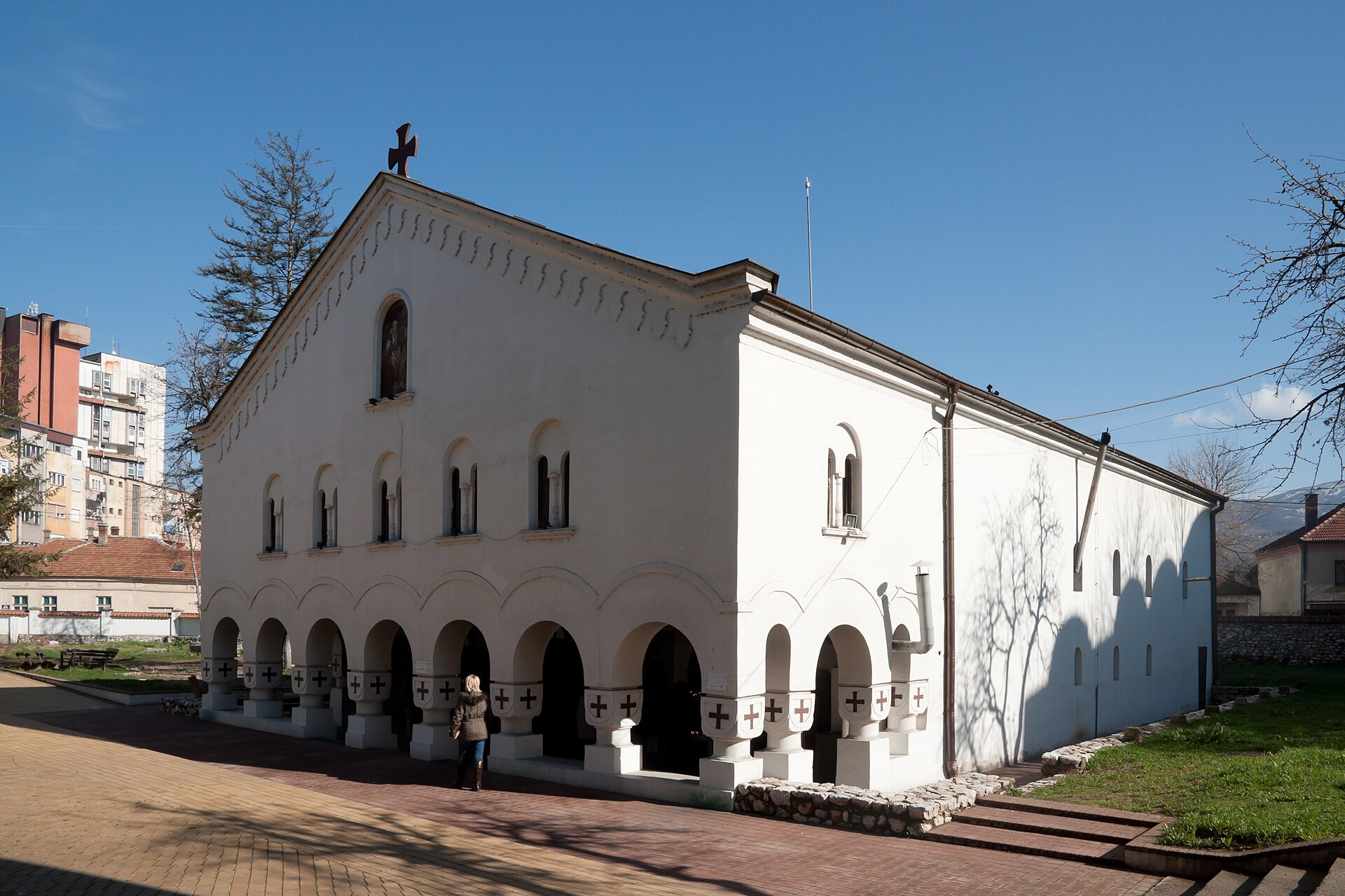
Спасимир

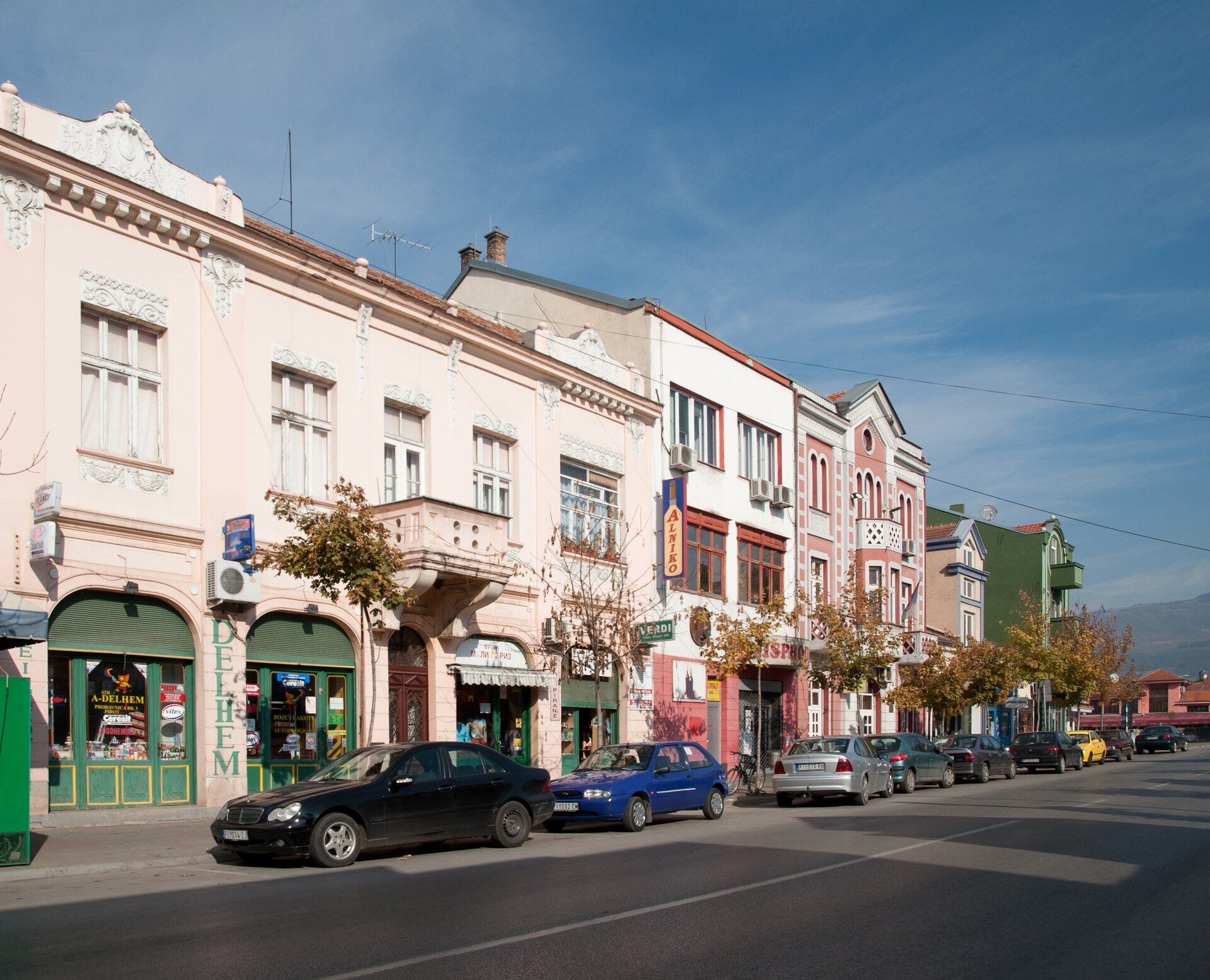
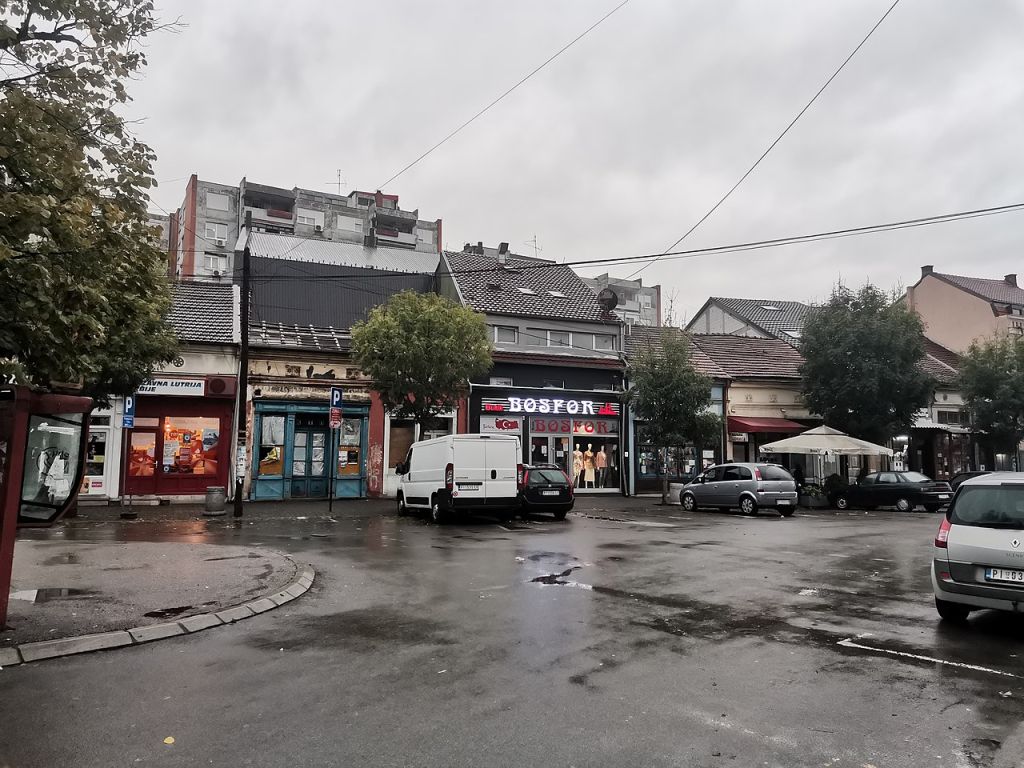
Pirot sits at the eastern edge of the Balkan mountain range where the Nišava River cuts through a valley that has served as a transit corridor since Roman times. The city maintained its character through Ottoman administration, Austro-Hungarian influence, Yugoslav industrial policy, and the post-socialist contraction that reduced many Serbian towns. Matthias Pasler's Reise-Taschenbuch Serbien describes the town as feeling as if time stopped sometime in the 1980s or 1990s — not as a criticism, but as an observation about the particular quality of life that remains there.

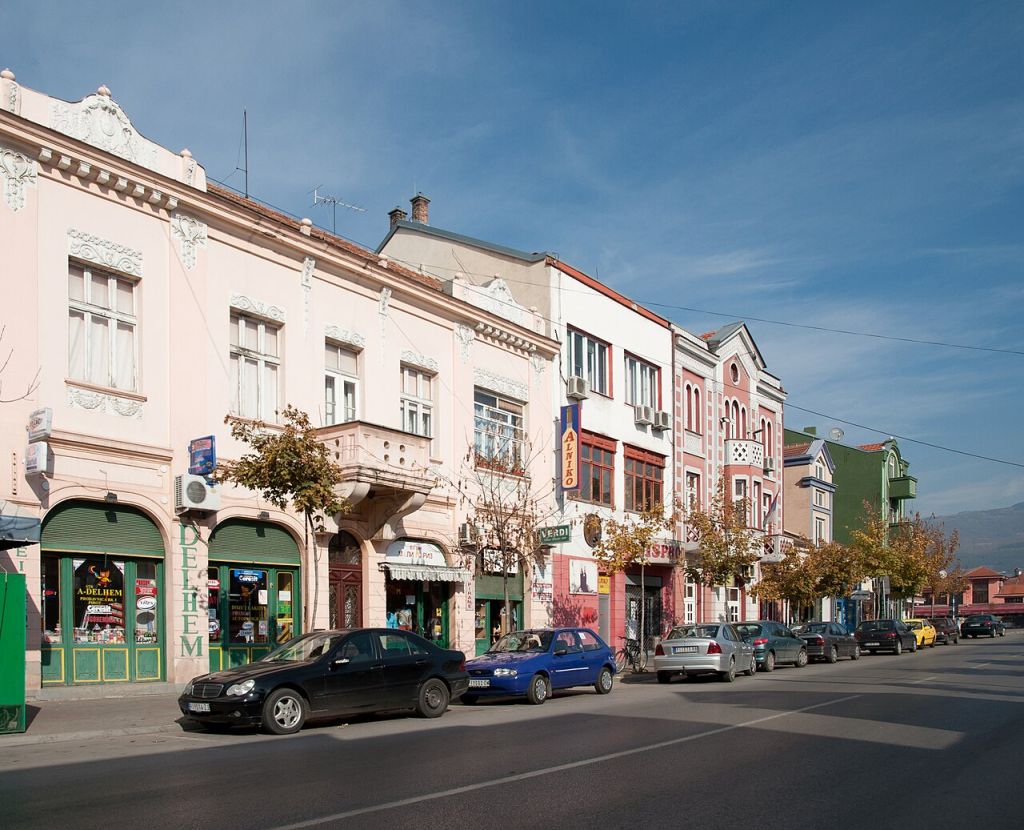
That quality is grounded in local specifics rather than tourist infrastructure. The covered bazaar tradition of the Tijabara quarter, the Nišava riverbank walk dividing the old and new town, and the compact fortress above the river all reward visitors who approach the city without predefined expectations.

History, heritage and the old town atmosphere

MrPanyGoff

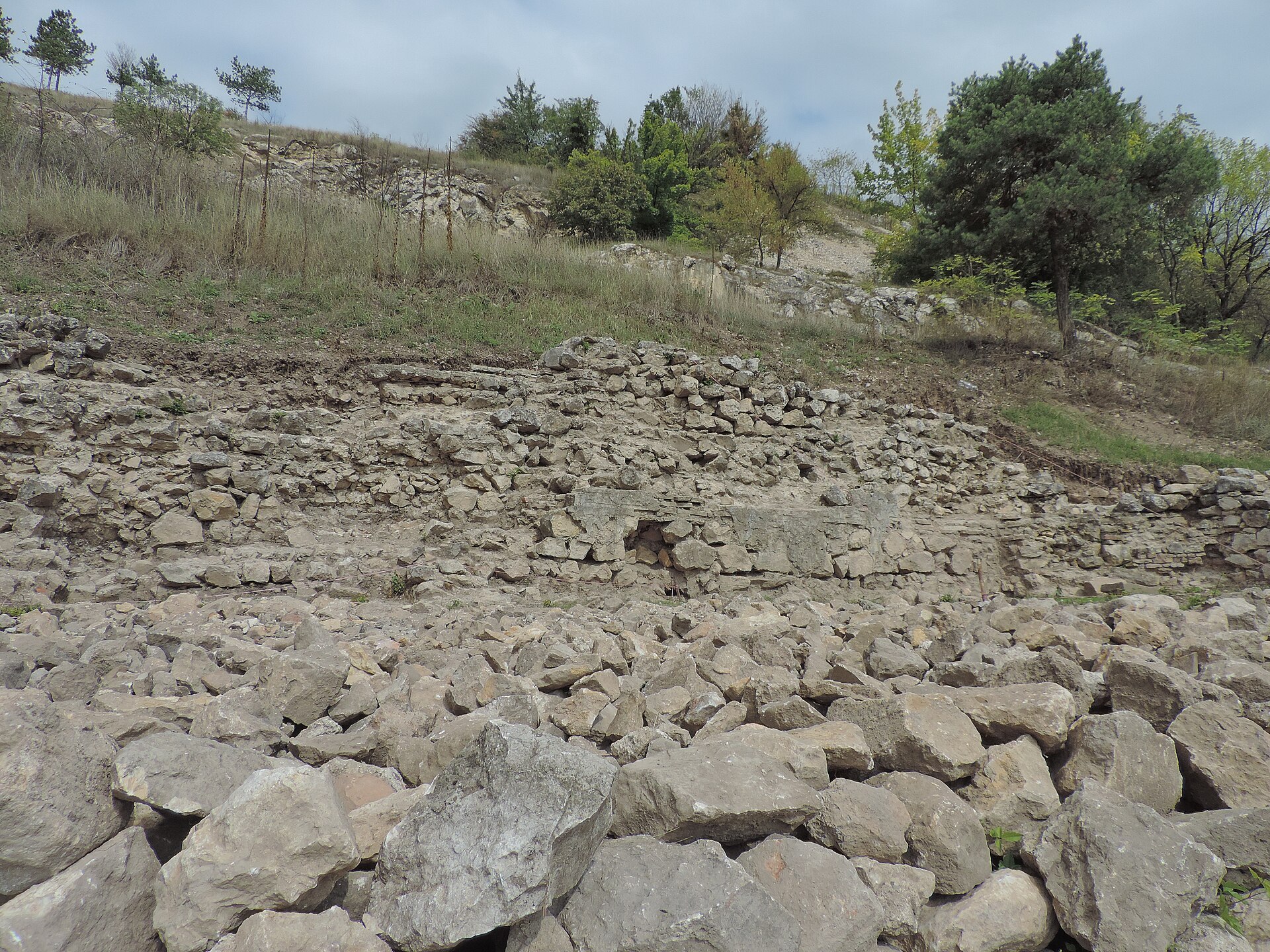
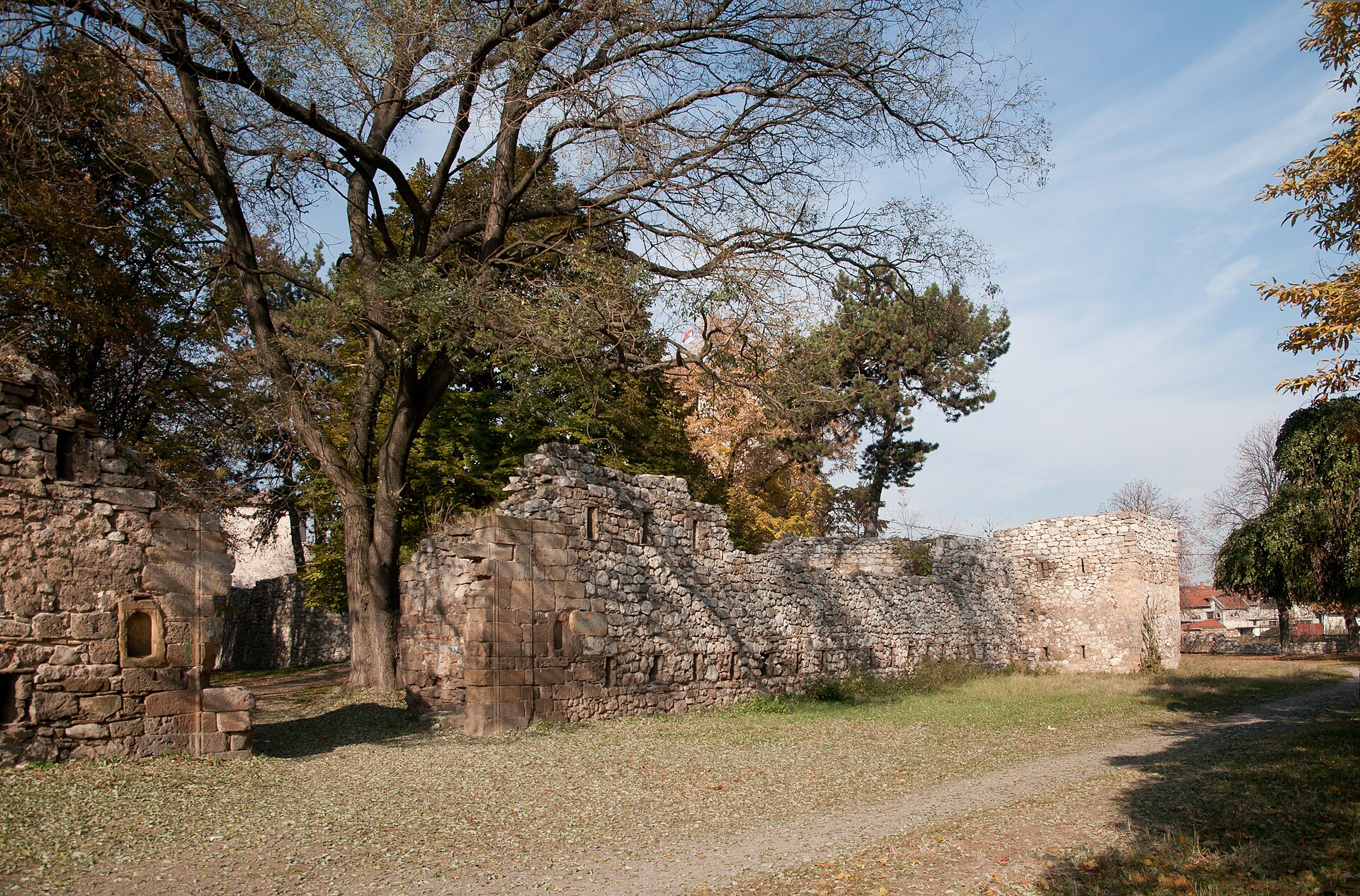
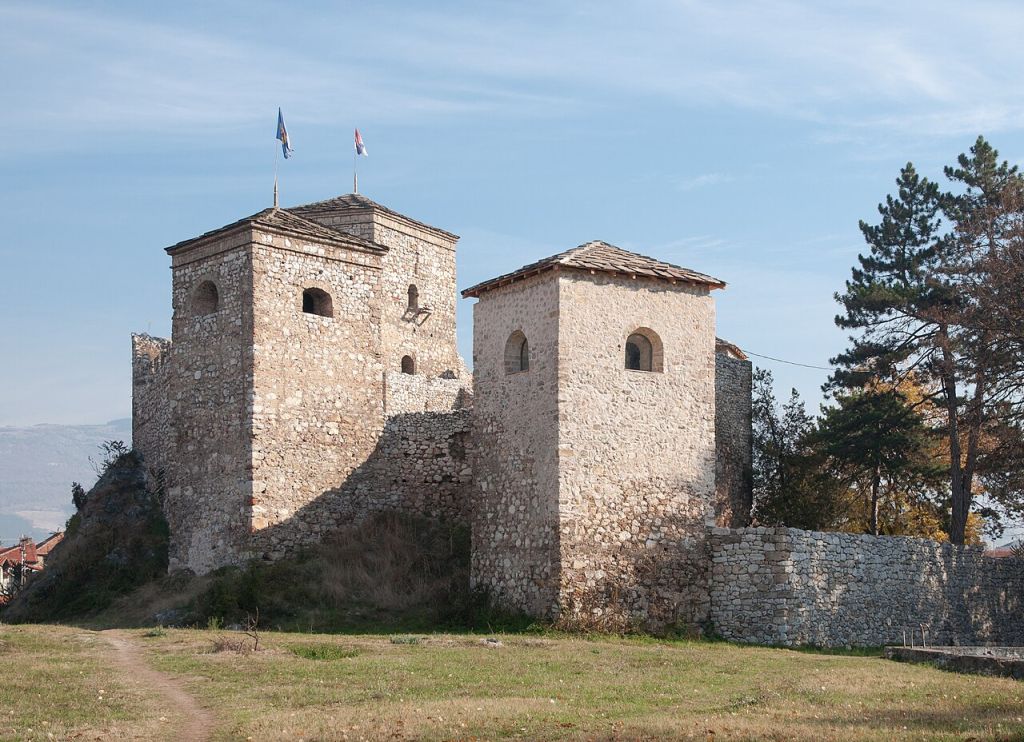
The Pirot Fortress (also known as Kale or Gradić — the diminutive meaning 'small town') was built in three stages under three different authorities: Prince Lazar Hrebeljanović designed the five towers of the upper section in the second half of the 14th century as a defence against Ottoman expansion; the inner walls of the middle section followed under Stefan Lazarević; and the lower section was added by the Ottomans around the turn of the 18th to 19th centuries. The entire complex was reconstructed and restored in 2019.

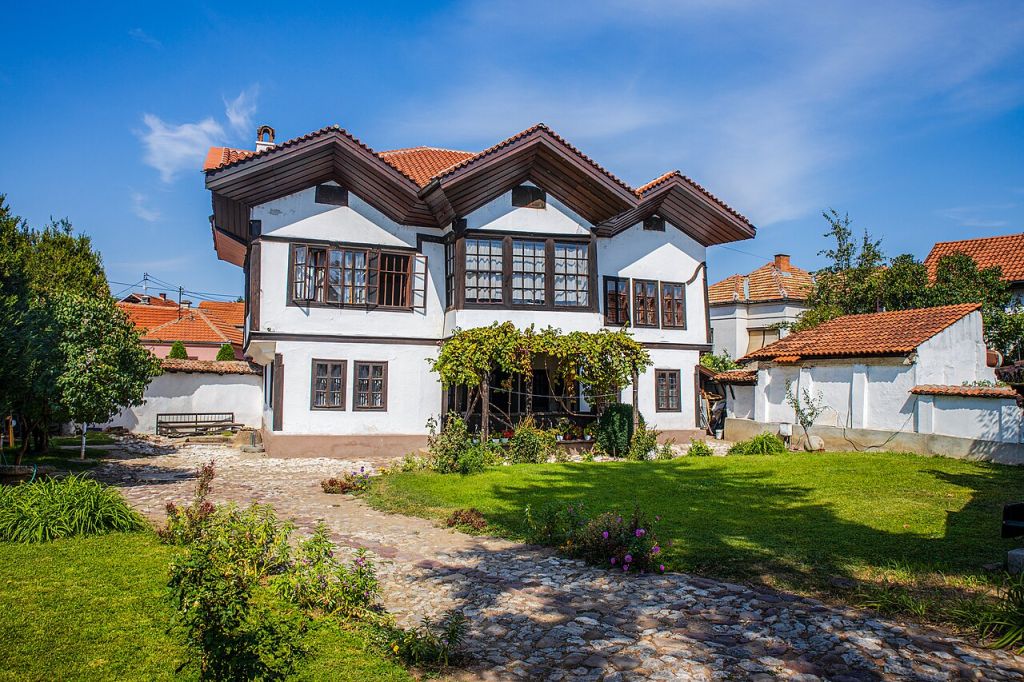
The Regional Museum (Muzej Ponišavlja) occupies the 1848 residence of the merchant Hrista Jovanović, one of the oldest surviving buildings in the Ottoman-Balkan style. The original furnishings of the owner and his descendants remain in place; ceilings and floors have warped over the centuries, contributing to the atmosphere. Pasler notes that Jovanović built some ceilings deliberately low to make tall Ottoman guests bow their heads on entry — a small act of resistance embedded in the architecture.

The craft Pirot is famous for

The Pirot kelim is a double-sided wool carpet woven on a purpose-built Pirot loom, originally made from the late 16th century for domestic use only. As technical developments allowed artificial dyeing and more consistent production, the carpets became valuable trade goods, diplomatic gifts, dowry items and official awards. The ornamental motifs — drawn first from household objects, later from international trade goods — always carried symbolic weight: each pattern was intended to bring luck, health and protection to the family.

Today, the only workshop still producing authentic kelims by traditional methods is Damsko Srce (Srpskih Vladara 106). One square metre of carpet takes the weavers about six weeks to complete. Visits require advance booking, preferably through the tourist office, and English-language tours depend on the availability of an interpreter. In 2012, UNESCO added the regulated kelim-weaving process to its Intangible Cultural Heritage list.

Younger generations have reintroduced kelim motifs on furniture, clothing and domestic items, keeping the visual language active outside the weaving tradition itself.

Food worth the detour

Pirot kačkavalj is a hard cheese produced from cow milk, sheep milk or a combination of both. After the initial salting, it must age for at least eight weeks. The specific flavour comes from the production method and the local livestock conditions; Pirot is the only city in Serbia to have a specialist school dedicated to kačkavalj production. The cheese is typically served simply, as a table cheese or a component of local dishes.

Peglana kobasica — the pressed Pirot sausage — is made exclusively from locally raised animals and seasoned with garlic-inflected spices. It is flattened with an iron during the curing process to remove moisture and extend shelf life. Colloquially known as 'Pirot Viagra' for its purported restorative properties, it is served at the Kafana Boem and available vacuum-packed. Forty producers from Serbia, Bulgaria and North Macedonia gather for the annual Sajam Pirotske Peglane Kobacice festival each January.

Drawing on Matthias Pasler's Reise-Taschenbuch Serbien: the city's food identity is built from these two anchors rather than from a broad restaurant scene. The Nišava promenade (Pirotski Kej), 3 km of linden-lined riverbank with fitness equipment and a natural swimming area, is where locals tend to spend warm evenings.

Best day trips from Pirot

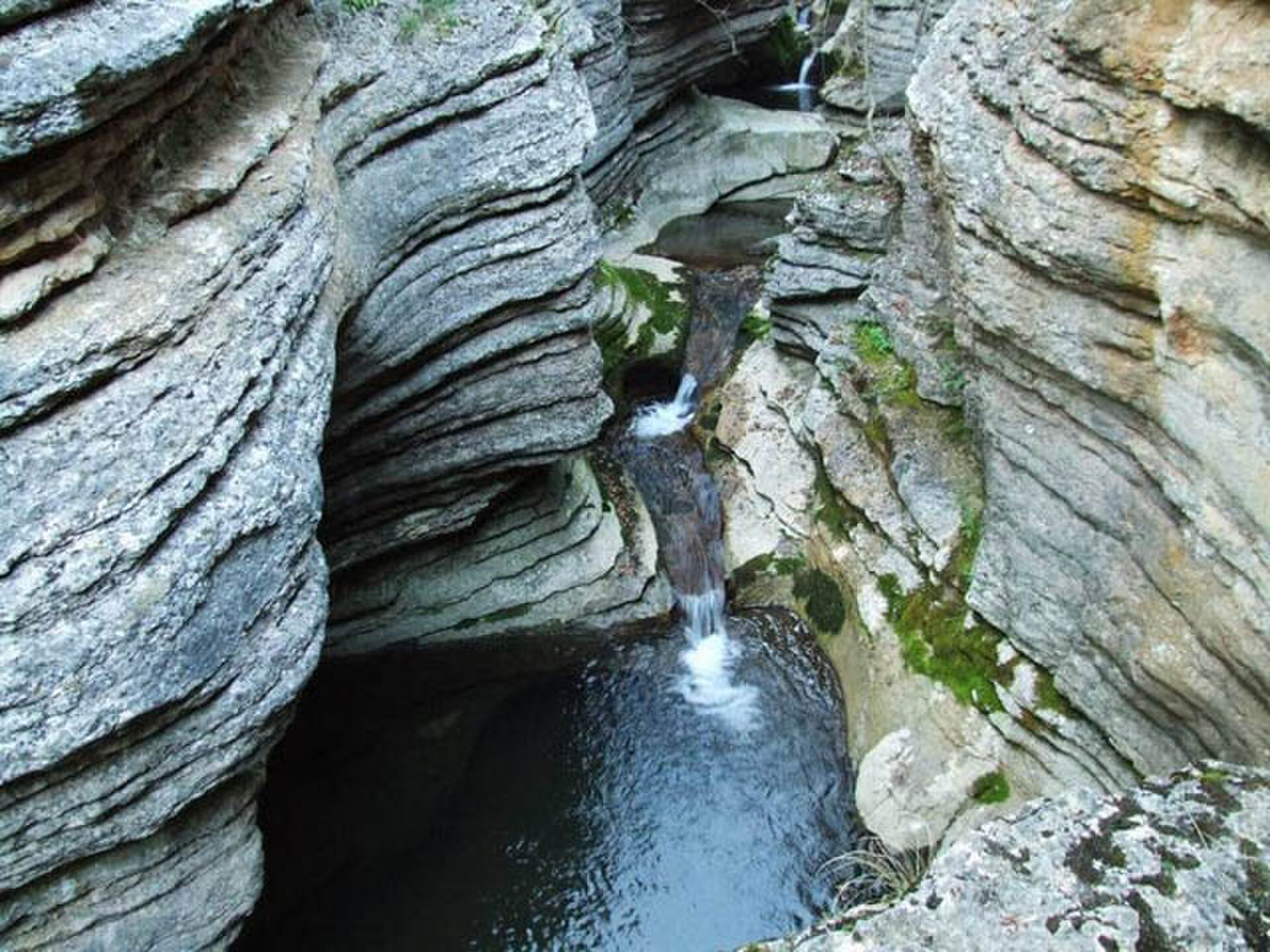
The Rosomački Kanjon, roughly one hour from Pirot by car, is a narrow gorge in the hills near Slavinja village. The canyon walls display layered sediment formations, and the Rosomačka stream has carved a series of natural rock pools — called lonci (pots) or grlo (throats) — suitable for cooling off in summer. The trail from Slavinja takes two to three hours and passes a ruined watermill and wild strawberry patches at the canyon rim. Access requires a short detour through the village and is unmarked by signs at the main road.

The wider Stara Planina mountain range offers skiing at Babin Zub, hiking routes catalogued at www.jpstaraplanina.rs, and accommodation at mountain huts. The stone village of Gostuša and the cave church at Rsovci are frequently combined with Pirot town visits; the Rsovci key must be collected from a village resident before entering the church.

Practical travel advice

Pirot is 70 km from Niš on the main A4 motorway toward Bulgaria. Intercity buses connect it with Niš, Belgrade, Subotica and Knjaževac; the bus station is on Trg Republike. The town centre is compact and walkable. For excursions to Stara Planina, Gostuša or the canyon, a rental car is the most practical option, as public transport to smaller villages is limited.

The best overall seasons are late spring and early autumn. The January sausage festival draws visitors specifically in winter, and the September cheese festival (Festival Sira i Kačkavalj) in early autumn. Summer evenings on the Nišava promenade are lively. Dragan, a former journalist who speaks English and knows both Pirot and Stara Planina thoroughly, operates a local taxi service (T 064 346 27 31).

Top places to visit

Pirot's main sites are walkable from the centre; mountain and canyon excursions require a car and roughly one hour of driving.

Pirot Fortress (Momčilov Grad)

Pirot Fortress (Momčilov Grad)

The town’s landmark medieval stronghold overlooks the Nišava valley and recalls Pirot’s strategic role on the route east. Visit for history, views and one of the most recognizable photo spots in town.

Museum of Ponišavlje

Museum of Ponišavlje

Set in the former Hristić family house, this museum offers insight into local urban life, traditional interiors, carpets, pottery and the wider heritage of the Ponišavlje region.

Tijabara Quarter

Tijabara Quarter

The historic bazaar area reflects Pirot’s Ottoman-era trading past. It is a good place to feel the older texture of the town and look for workshops, crafts and local atmosphere.

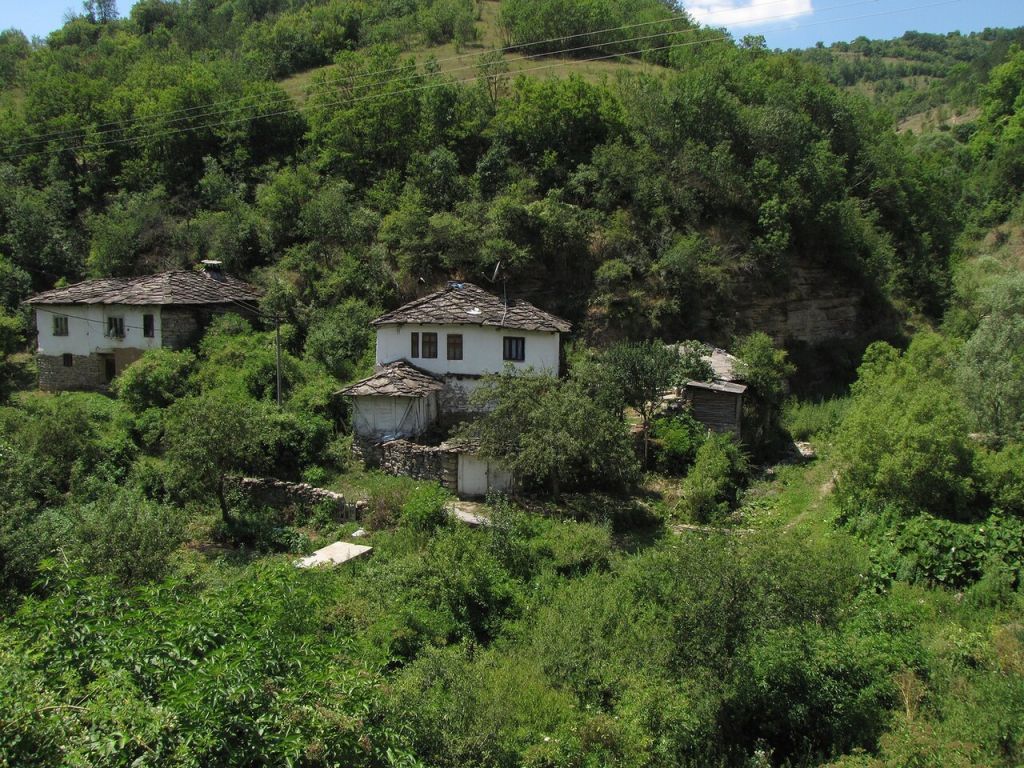
Gostuša Stone Village

Gostuša Stone Village

At the foot of Stara Planina, this remarkable village is built almost entirely of stone, from walls to roofs. It is one of Serbia’s most distinctive examples of traditional rural architecture.

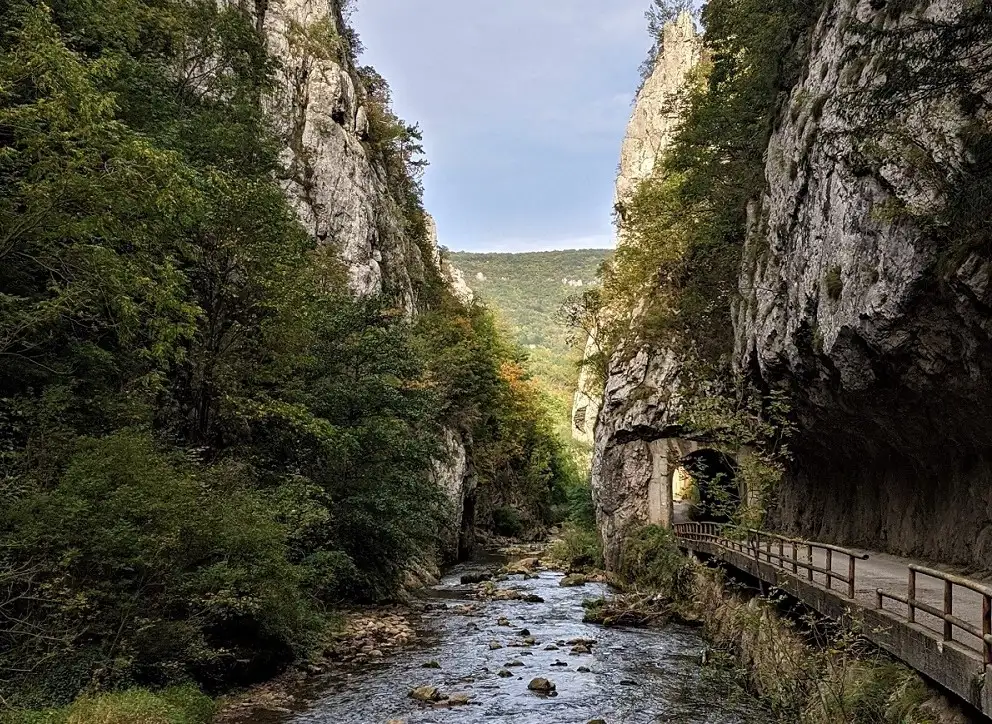
Jerma Canyon

A favorite excursion from Pirot, this canyon combines steep rock scenery, river landscapes and a sense of wild southeastern Serbia. It is especially appealing to photographers and road-trippers.

Rosomački Lonci

These water-sculpted rock formations are a natural curiosity in the Stara Planina area. They are compact in scale but visually striking and work well as part of a full-day nature outing.

Getting there & around

By road: 70 km from Niš via the A4 motorway; 300 km from Belgrade. The A4 continues to the Bulgarian border crossing at Gradina.

By bus: Regular intercity services from Niš, Belgrade, Subotica and Knjaževac use the bus station on Trg Republike.

Getting around: The town centre is walkable. For Stara Planina, Gostuša, the Rosomački Kanjon and monastery routes, a rental car provides the most flexibility, as local bus services to outlying villages are infrequent. The tourist office can assist with route planning and English-language guided visits to specific sites.

Pirot map

Use this map to orient yourself around the main sights and surrounding area.

Quick facts

Region

Southeastern Serbia, near the Bulgarian border

Best time

May–October for sightseeing; winter for food festivals and mountain snow

Known for

Pirot carpets, kačkavalj cheese, pressed sausage and Stara Planina

Currency

Serbian dinar (RSD)

Language

Serbian; English is understood in many hotels and cafés

Border access

Close to Bulgaria via the Gradina border crossing

Good for

Culture, food, road trips, hiking and slow travel

Planning shortcut

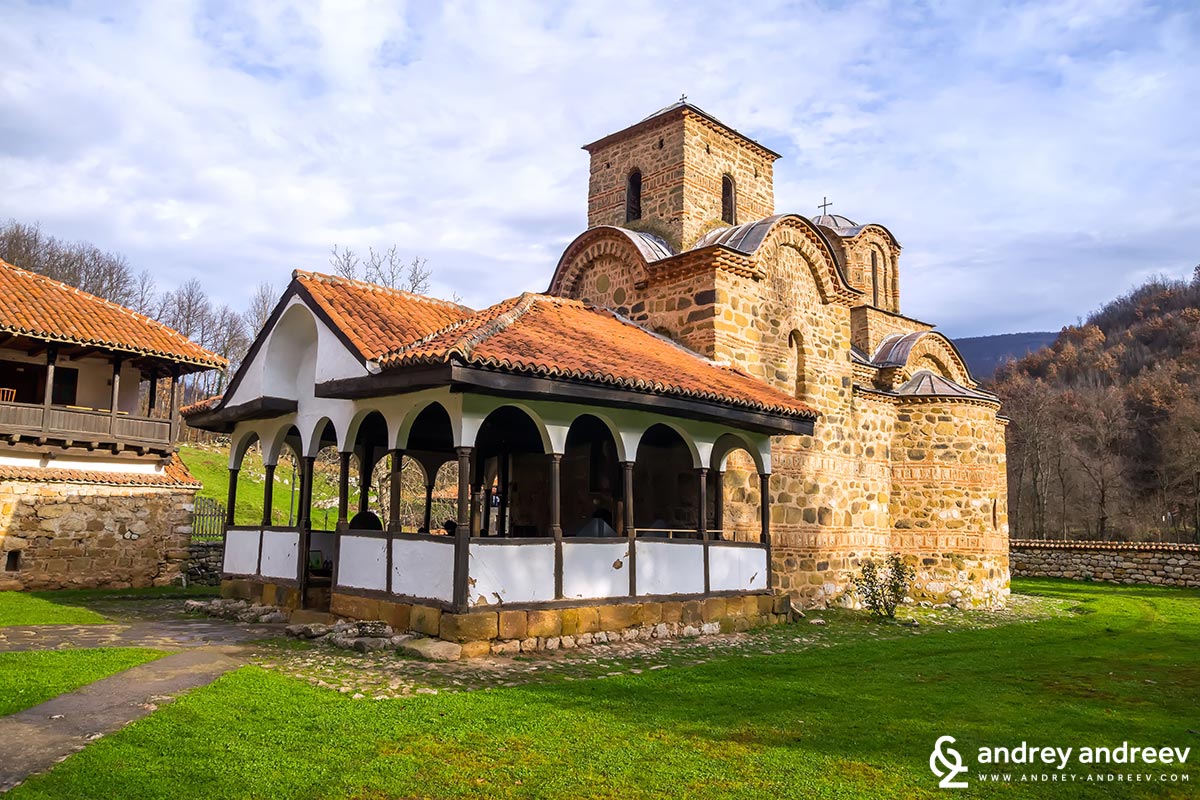
The district of Pirot was nicknamed 'Little Jerusalem' after the liberation from Ottoman rule, when 13 monasteries and 72 churches operated in the area. Today 45 remain. The most visited is the St. George Monastery (Manasija). The tourist office (Srpskih vladara 77, www.topirot.com) coordinates monastery visits, Damsko Srce carpet workshop tours, and information on Stara Planina outdoor activities.

Distances from
  • 📍 Belgrade — 300 km (~3h 15min)
  • 📍 Novi Sad — 390 km (~4h)
  • 📍 Niš — 70 km (~1h)

Frequently asked questions

Is Pirot worth visiting?

Yes, especially if you enjoy smaller towns with strong local identity. Pirot combines history, traditional crafts, excellent regional food and easy access to some of southeastern Serbia’s best landscapes.

How many days do you need in Pirot?

One full day is enough for the fortress, museum, old quarter and local food. Stay two to four days if you want to explore Stara Planina, Gostuša, Jerma Canyon and nearby villages.

What food should I try in Pirot?

Start with Pirot kačkavalj cheese and peglana kobasica, the town’s famous pressed sausage. Also look for hearty mountain-style dishes, local dairy products and simple grilled specialties.

Can you visit Pirot without a car?

Yes for the town itself, which is easy to explore on foot. However, a car is strongly recommended for the best nearby nature spots and traditional villages.

Is Pirot a good base for Stara Planina?

Yes. It is one of the most practical urban bases for exploring the lower approaches and cultural sites connected with Stara Planina, while offering more services than a mountain village.

Contact us for Pirot trip planning

Let Serbian Travel help you plan the perfect Serbia itinerary. We handle accommodation, transport, guided tours and local experiences.

Send us a message Explore Serbia travel guide