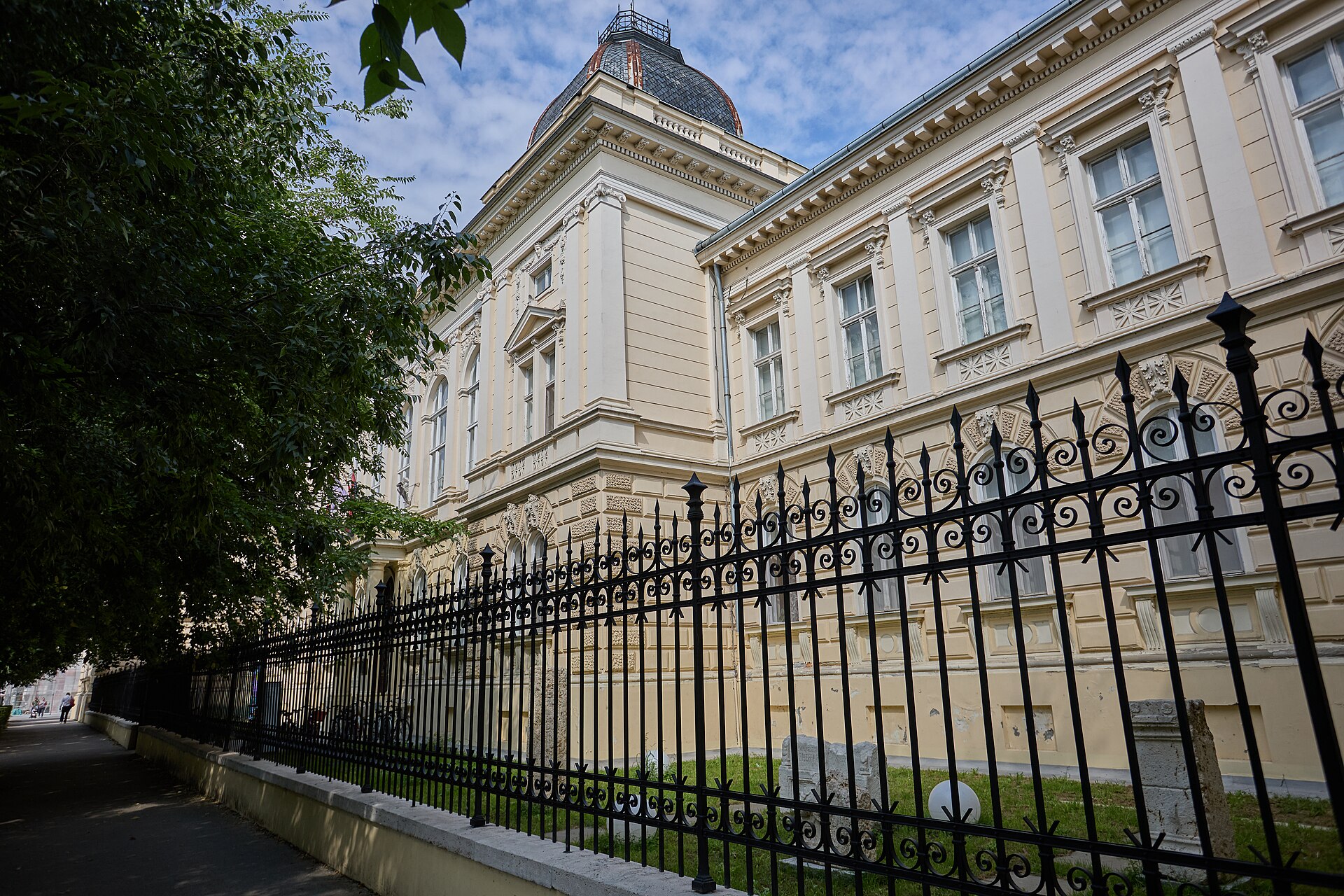
Central Novi Sad museum area; confirm exact entrance details before visiting

The Museum of Vojvodina is one of the key museum stops in Novi Sad for travelers who want context, not only landmarks. Its importance lies in scale: it holds one of the country’s larger collections related to the history of Vojvodina. That makes it useful early in a trip, especially if you want to understand the region’s layers of settlement, trade, daily life, and cultural change before heading onward through the city or wider Vojvodina.
The Museum of Vojvodina is a major regional museum in the historic center of Novi Sad. Its subject is the history of Vojvodina, and that broad scope is what sets it apart: instead of focusing on one dynasty, one artistic school, or one archaeological site, it brings together material that helps explain the region over a long period. For visitors already exploring the wider Novi Sad Travel Guide, it works as a grounding stop before churches, squares, and river views. The atmosphere is usually more study-focused than theatrical, with galleries that reward slow reading and careful browsing.
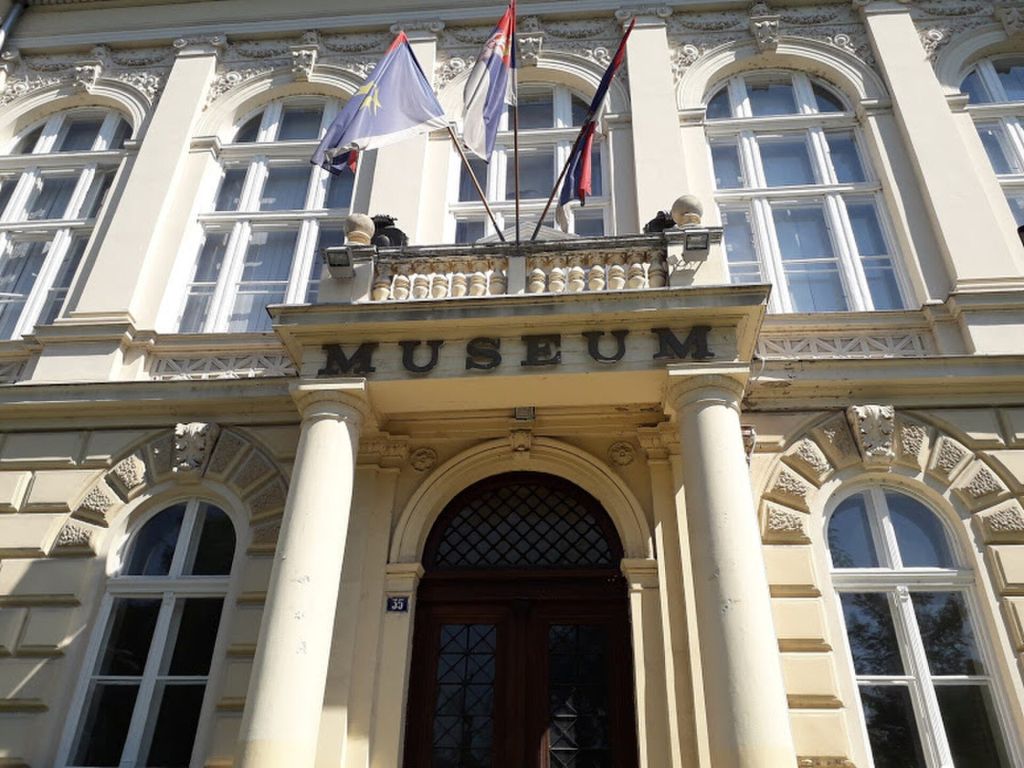
The main reason to visit the Museum of Vojvodina is not a single famous object but the range of material used to tell the story of the region. Vojvodina has long been shaped by border shifts, river trade, agriculture, urban growth, and different religious and linguistic communities. A museum devoted to that history can show how those layers fit together in a way that a quick walk through central Novi Sad cannot. For international travelers, that matters because many city sights become easier to read after the museum: street names, church architecture, civic buildings, and the wider Danube setting all gain context. Expect the museum’s strength to be interpretation through collections rather than spectacle-driven display.
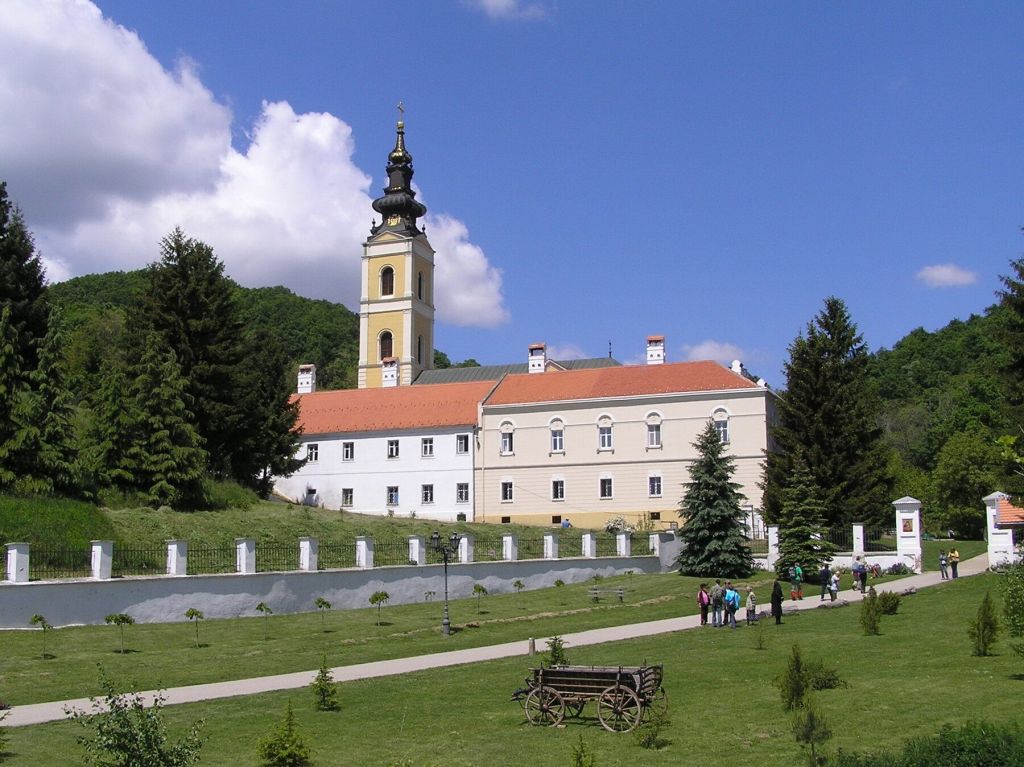
The museum is in central Novi Sad and is easiest to reach on foot if you are already in the old center. From Liberty Square, walk toward Zmaj Jovina and Dunavska Street; the route is straightforward and usually takes around 8 to 10 minutes at an easy pace. If you are arriving by city bus, use central stops around the core and finish the last part on foot; lines serving the wider center include 4, 11A and 11B, though the exact stop you need depends on direction of travel. A taxi from the railway or bus station is usually a short city ride. Parking in the old center is limited and can be slower than simply arriving by taxi or walking from a central hotel.
This museum works best when you want a quieter indoor stop during a day of walking. Late morning or early afternoon usually fits well, especially if you want to continue into the center afterward for coffee or another museum. Weekdays tend to suit travelers who prefer a calmer pace and more time with labels. In very hot, cold, or rainy weather, it becomes an especially practical stop because you can spend real time indoors without losing the thread of your Novi Sad itinerary. If a temporary exhibition matters to you, check current scheduling before deciding on the exact day.
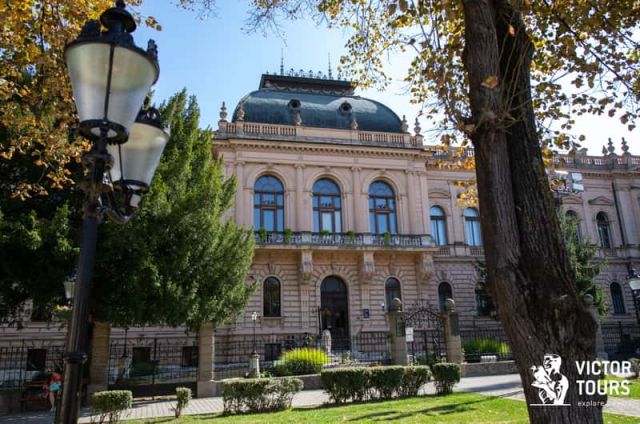
Expect a museum visit centered on reading, interpretation, and regional context rather than an entertainment-style format. Dress is casual. Families can visit, but travelers with children should note that the experience is likely to suit older kids more than very young ones unless they already enjoy museums. Wear normal city-walking shoes because most visitors combine the museum with the surrounding center. Accessibility details can vary by entrance and exhibition arrangement, so confirm directly if step-free access is essential for your trip. If you want to continue with a more open-air stop afterward, the walk toward the Danube or onward to Petrovaradin Fortress gives a useful contrast after indoor gallery time.
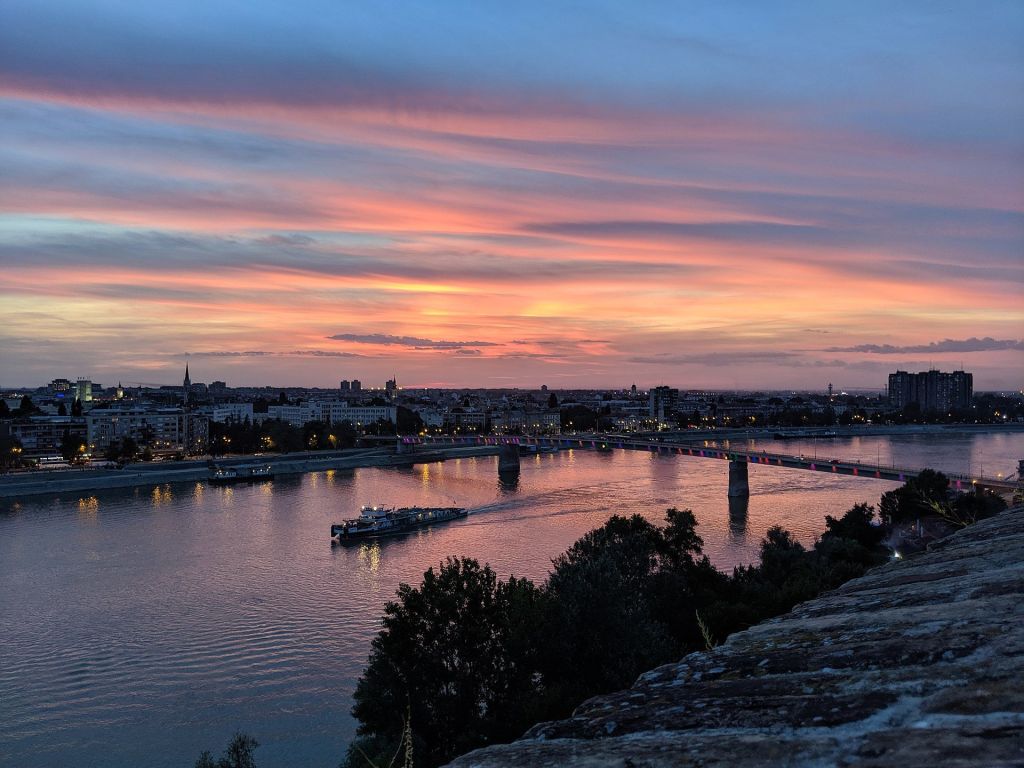
Focus on the sections that explain Vojvodina as a region: historical interpretation first, then a shorter pass through archaeology or ethnographic material depending on your interests.
Move more slowly, read labels, and use the museum as background for the rest of central Novi Sad. It becomes much easier to connect later street-level sights with what you saw inside.
Use the map to place the museum within central Novi Sad and plan your walking route from the old town.
These are the broad collection areas most travelers should look for when planning a visit. Exact display emphasis can vary with exhibition rotation.
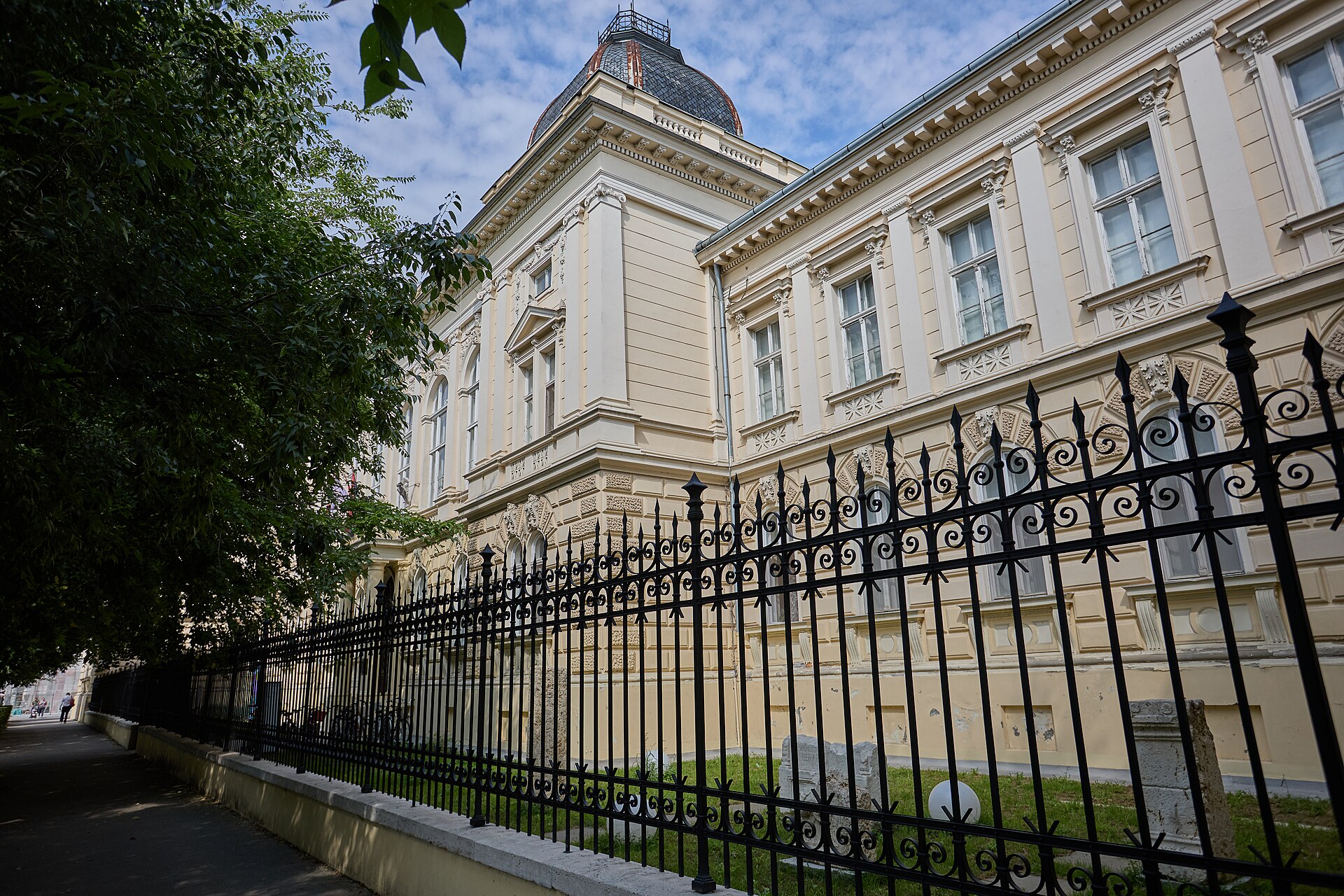
Archaeology displays
Older material that helps place Vojvodina within deeper settlement history.
A strong first stop if you want chronological context before moving into later periods. Look for how objects are used to explain continuity and change across the region.
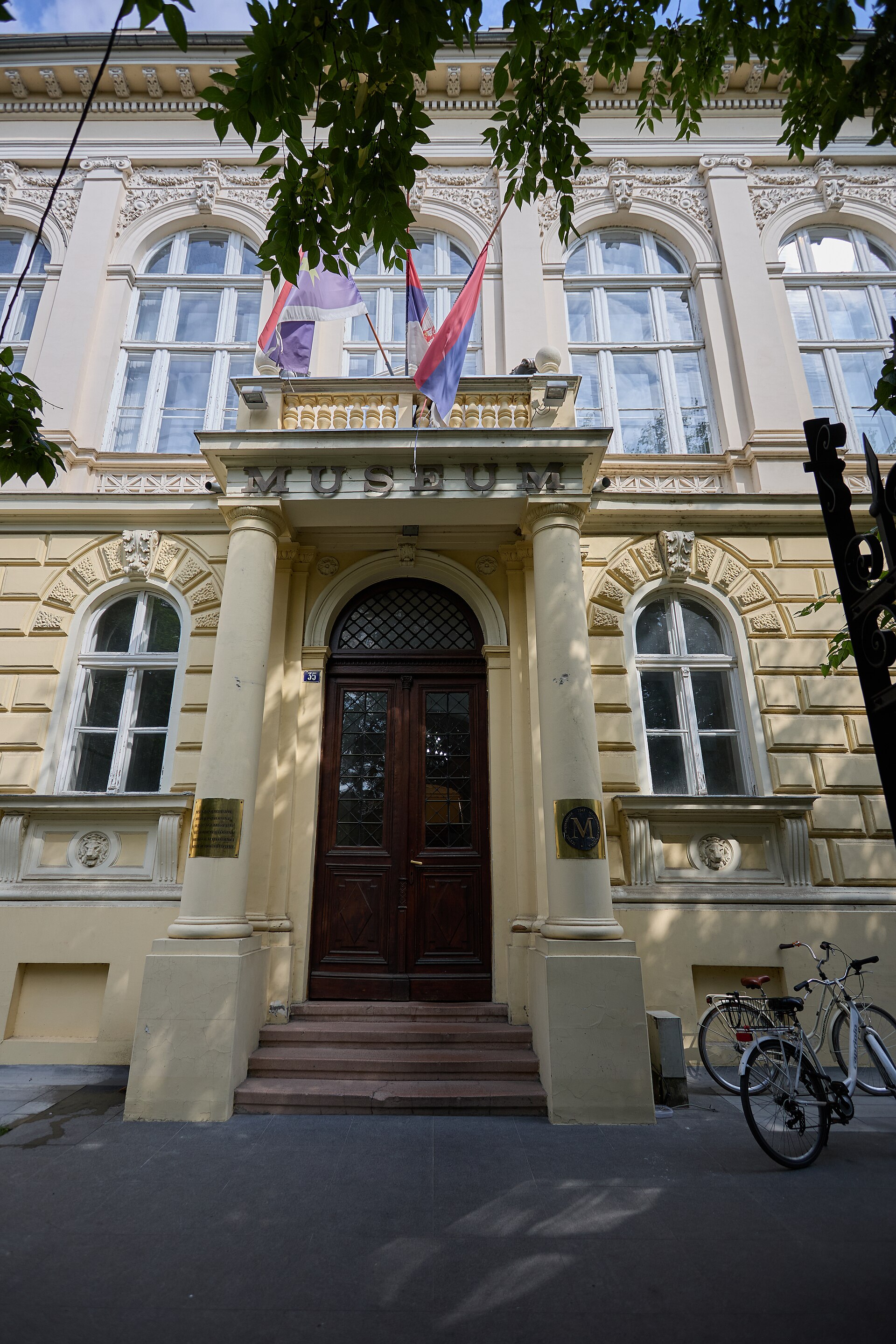
Historical collections on Vojvodina
The core reason many visitors come: material tied directly to the region’s political and social history.
This area is the most direct route into understanding Vojvodina as a historical region, not just a present-day province. It suits travelers who want context for Novi Sad and surrounding towns.
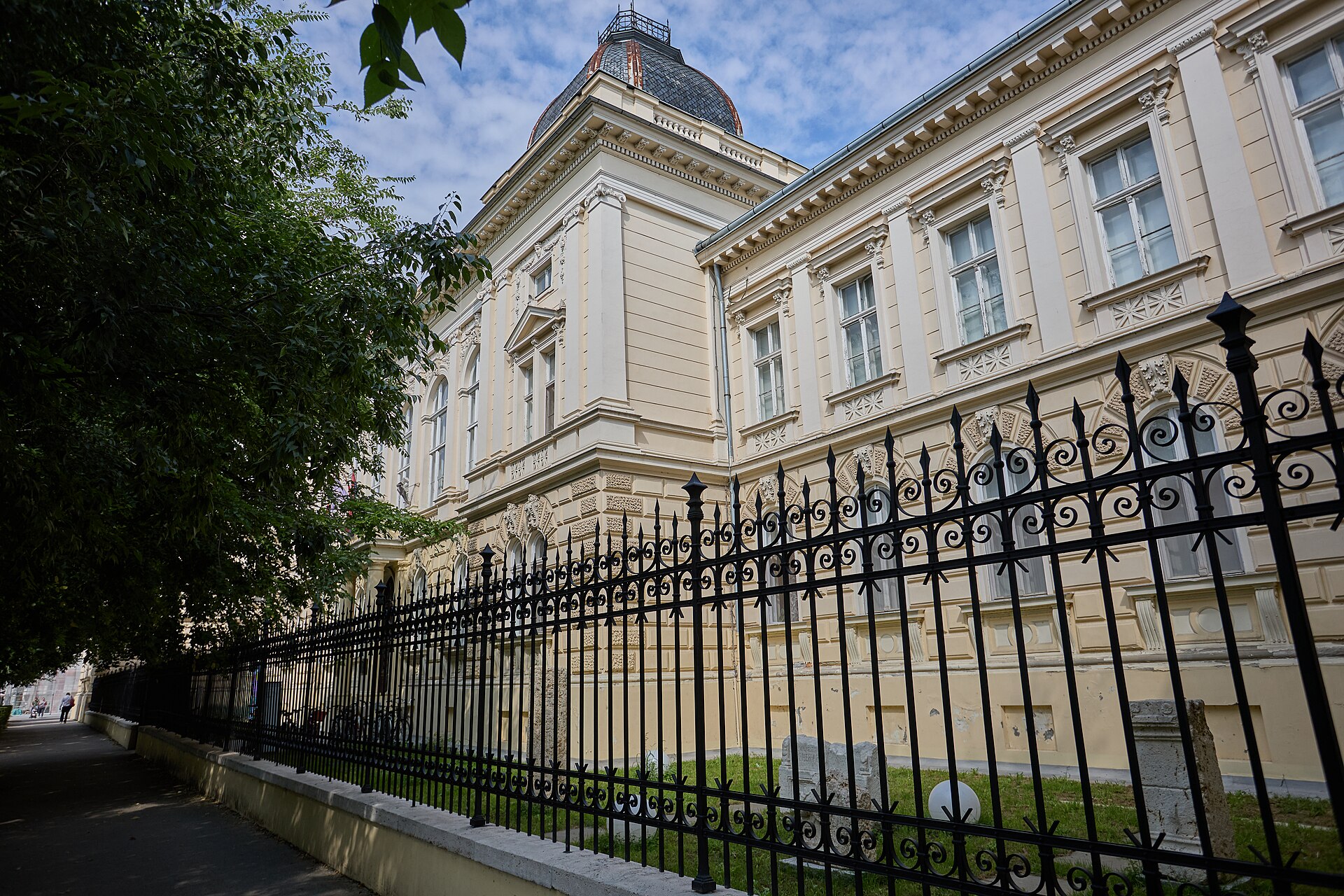
Ethnographic material
Objects linked to everyday life, customs, and household culture across Vojvodina.
Useful for visitors interested in how people lived rather than only how states changed. This often gives the clearest sense of the region’s mixed traditions and local identities.
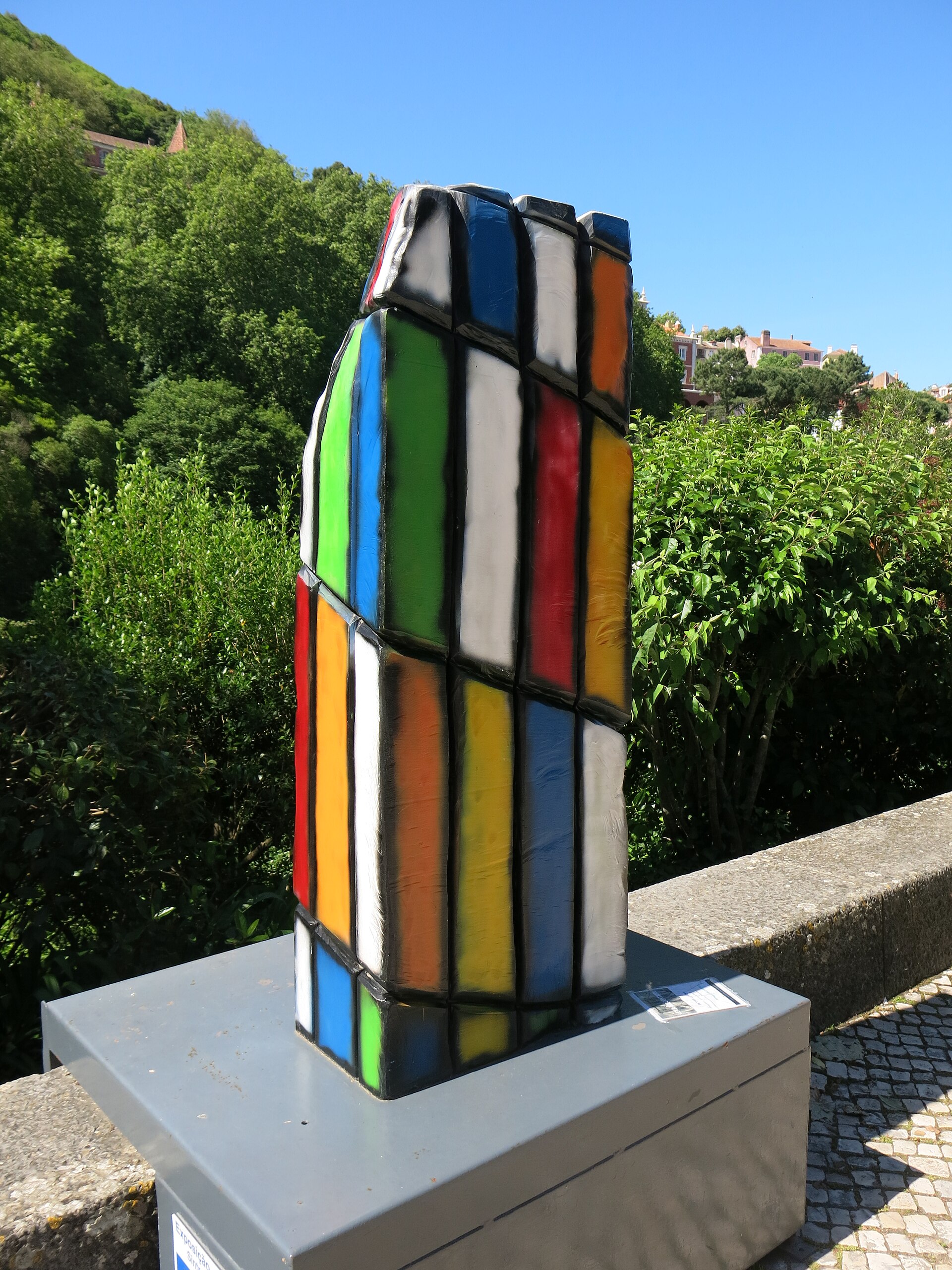
Changing temporary exhibitions
Shorter-run displays that can add a more focused topic or a fresh reason to return.
Temporary programming may narrow in on a theme, period, or collection subset. Check current notices before visiting if you want to align your museum stop with a specific interest.
Central Novi Sad museum area; confirm exact entrance details before visiting
Dunavska Street and the old center
History of Vojvodina collections
Ticketed museum entry
Late morning or early afternoon
Usually not for a standard visit; check for groups or special exhibitions
Because museum schedules, temporary exhibitions, and ticket policies can change, treat this guide as orientation and confirm current opening hours and admission directly before setting out.
If you visit the museum first, later stops in the old center usually feel clearer. It is especially useful for travelers interested in regional identity, borderland history, and how Vojvodina differs from other parts of Serbia.
If you want art after history, the Matica Srpska Gallery makes a logical second stop on the same day.
If you are planning the wider journey first, use Serbia Transit Search: Buses, Trains and Practical Route Planning to get into Novi Sad, then continue locally on foot or by taxi.
It is known for one of the country’s larger collections related to the history of Vojvodina, making it a useful place to understand the region beyond a simple city walk.
Most travelers should allow around 60 to 120 minutes, depending on how closely they read labels and whether a temporary exhibition is on.
Yes, if you want historical context for the city and region. If your day is focused only on outdoor landmarks, you may prefer a shorter visit.
Yes. It fits naturally with the old center, Liberty Square, Dunavska Street, and another cultural stop such as Matica Srpska Gallery.
Stay connected in Serbia