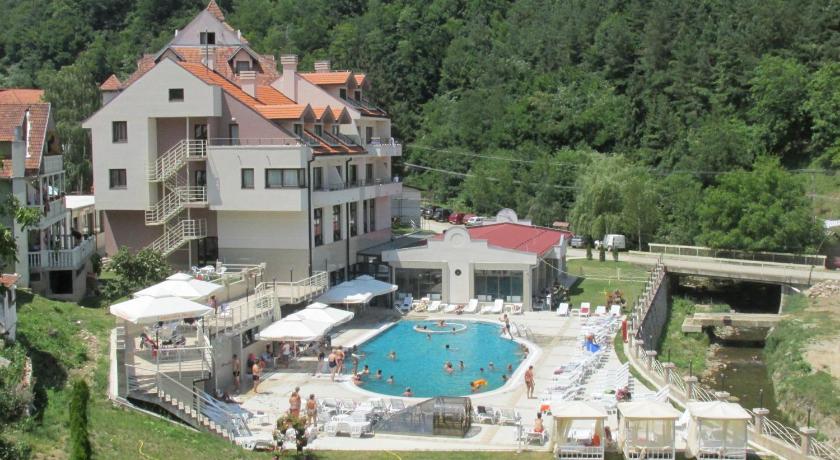
Park 4, 15316 Banja Koviljača, Serbia

Banja Koviljača sits at 128 meters above sea level, between the Drina corridor and the wooded slopes of Gučevo, where the flat Mačva side starts to lift toward Western Serbia’s mountain country. Written records from 1533 already describe people coming to its springs, while 1858 marks the first 10-room guesthouse and the formal start of supervised spa treatment. In the early 20th century, when King Peter I also took treatment here and commissioned a modern sulfur bath, the spa took on its present form of villas, baths and promenades. The pace today is calm, with more walkers and therapy guests than nightlife seekers.
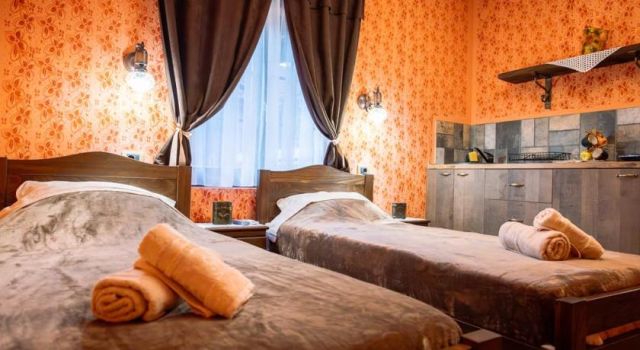
What makes Banja Koviljača different from a simple roadside spa stop is the way treatment, wellness and old resort architecture sit inside one walkable park. The official institution still uses natural therapeutic factors — sulfur thermomineral water and therapeutic mud — alongside physical medicine and rehabilitation, while the Kovilje Wellness Center adds individual facilities, mini packages, anti-age treatments, wellness programs, sulfur baths, mud applications, massages and saunas. A local legend says traders once left an exhausted, injured horse in the roadside mud and found it healed when they returned a month later. Published hours are daily 08:00–22:00 for Kovilje and 07:00–21:00 for reception. No online booking link or public price list is published in the provided sources, so current availability is best confirmed by phone at +381 15 818 270 or by email at info@banjakoviljaca.rs.
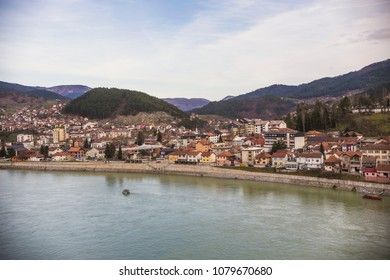
From Beograd, most drivers take the A3/E70 toward Ruma and continue by road through Šabac and Loznica; the official spa material gives the route as 145 km. That also makes Banja Koviljača a practical pause if you are driving between Beograd and Sarajevo, especially because the Bosnia and Herzegovina border crossing is about 5 km away.
If you arrive by rail, the local Beograd–Mali Zvornik line stops at Banja Koviljača station. From the station to the Special Hospital at Park 4 and the spa park is roughly a 20-minute walk. Once in the park, the central fountain, Kur-salon and King Peter I Bath are all within an easy 5 to 10 minute walk of each other.
The provided sources do not publish local bus line numbers, taxi fares or parking tariffs, so confirm those on arrival. For current departures from Beograd, Loznica or Šabac, use Serbia Transit Search.
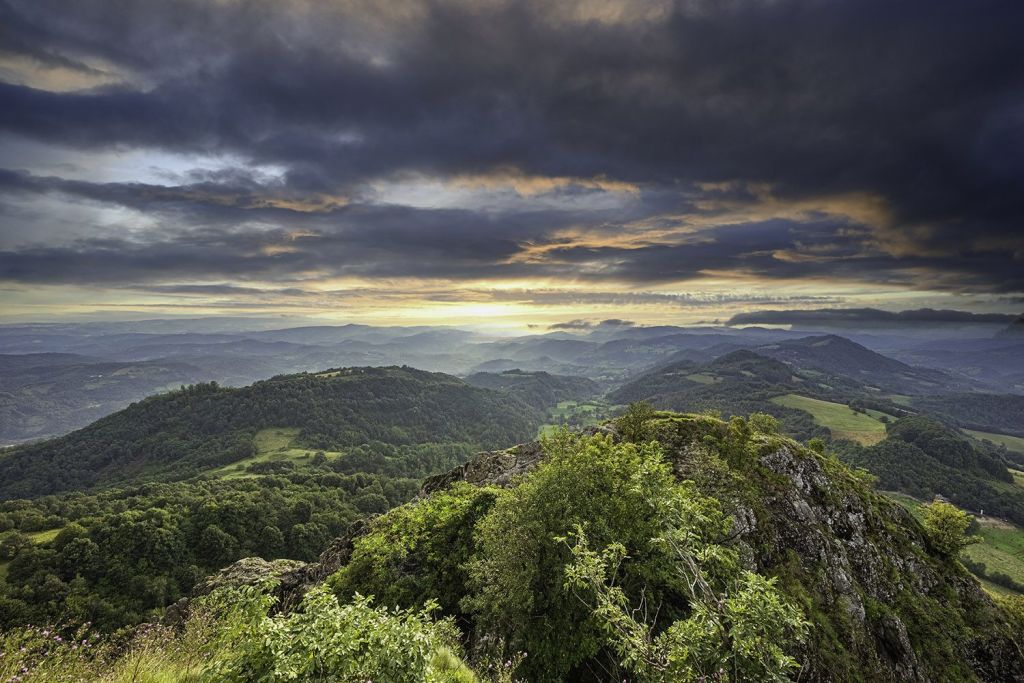
For park walks and short excursions, late spring and early autumn are the easiest seasons: mild temperatures suit both the spa grounds and Gučevo. Summer works well if you treat the spa as a slow base, with indoor wellness during the hotter part of the day and the Drina side in the morning or evening. September is useful if you want to combine the spa with Tršić during the Vukov sabor period.
Within the week, weekdays generally suit treatment-focused stays better than Saturdays. Because the official site does not publish an online booking tool, a public price list or a clear reservation rule for treatments, it is sensible to call ahead for wellness availability. For a broader weather pattern, use the best time to visit Serbia guide.
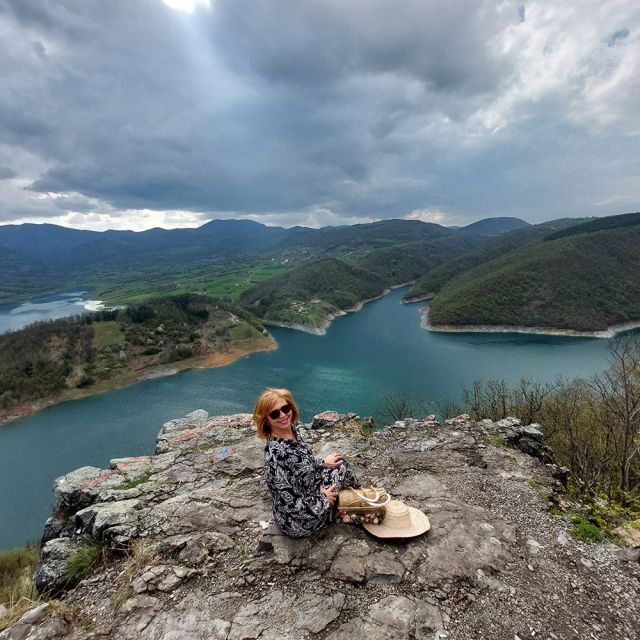
Expect a spa town rather than a resort strip. The core experience is slow: park walking, scheduled treatments, coffee, lunch and a short outing. Dress is casual in the park and in most leisure spaces, though you should carry swimwear, sandals and anything you need for spa use. If you plan to go up to Gučevo, bring proper walking shoes and a light layer because the hill feels different from the flat spa grounds.
The park itself is easy for families and gentle walkers, while medical areas run on institutional schedules rather than holiday rhythms. Travelers looking for late-night entertainment should not build the trip around that. Travelers wanting rest, light culture and a short rural-urban change of pace usually fit better.
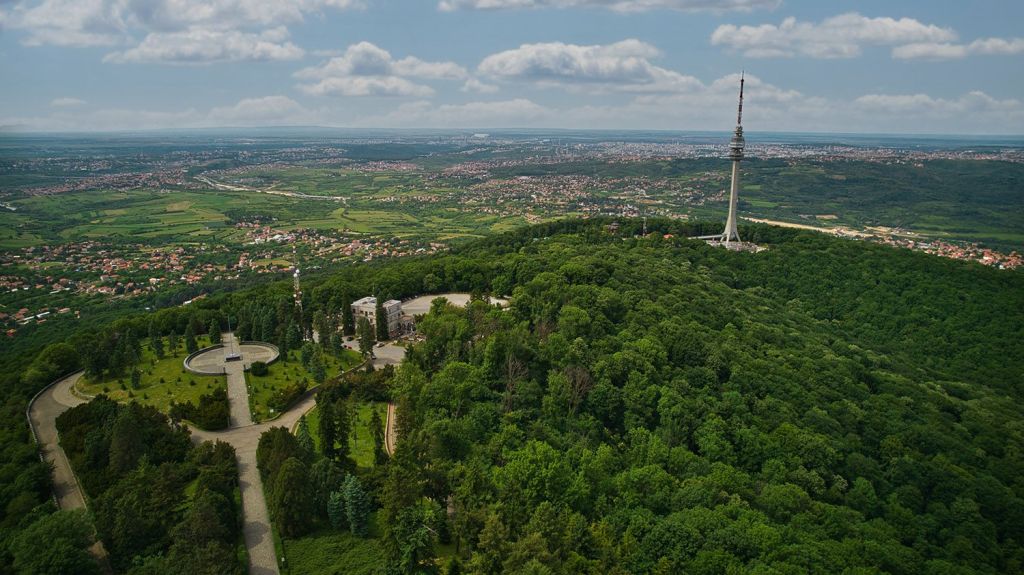
Banja Koviljača is easy to combine with four very different outings. Gučevo rises immediately above the spa, and the memorial area near Crni Vrh is the place for the broadest view: west toward Bosnia and Herzegovina, east over Serbian lowlands, and across the wider plain toward both Croatia and Serbia. It is also used as a paragliding takeoff area. Tršić shifts the tone from scenery to culture: Vuk Karadžić’s birthplace is preserved as an open-air museum with 35 wooden buildings, Vuk’s house, old craft buildings and museum spaces. Adult admission is 200 RSD, and the memorial house generally opens 09:00–17:00 in spring and early autumn, 09:00–19:00 in summer, and 09:00–15:00 in winter.
Tronoša Monastery adds medieval depth to the same outing. Tradition links it to King Dragutin, while the commonly cited foundation date is 1317; Vuk Karadžić also began his schooling there. Within the monastery area is the well-known spring associated locally with Devet Jugovića, whose water is also sold commercially. For a lighter river stop, Sunčana reka brings together restaurants, sports grounds, wellness facilities and ethno-style houses by the Drina. If you are timing the trip around events rather than weather, the Serbia Art Festivals Guide is a useful national starting point, though local confirmation is still important.
Sources cross-checked for this guide:
Last checked: 31 July 2026. Written and reviewed by the editorial team led by Nenad, and fact-checked against the official sources listed above.
The spa combines well with different outings through the year.
Operational details were taken from official spa materials where available. When a price, reservation rule or hour was not published, it was left unfilled rather than guessed.
Leave Beograd in the morning and you can reach the spa by late morning. A practical day uses the park as the anchor: short walk, lunch, then either a wellness slot at Kovilje if pre-arranged or a scenic detour to Gučevo or Tršić before returning.
This works best if you are driving and want a low-pressure outing rather than a dense sightseeing schedule.
Banja Koviljača also works as a road break between the two capitals. With one night you can keep the spa itself for the first afternoon, then use the next day for Tronoša Monastery, Tršić, or Sunčana reka on the Drina side.
A two-night stay makes more sense if you want both treatment time and one hill outing on Gučevo.
The main spa complex uses the address Park 4 in Banja Koviljača.
These places shape a stay here. Where prices, hours or reservation rules are not published in the sources, Serbian Travel says so plainly.
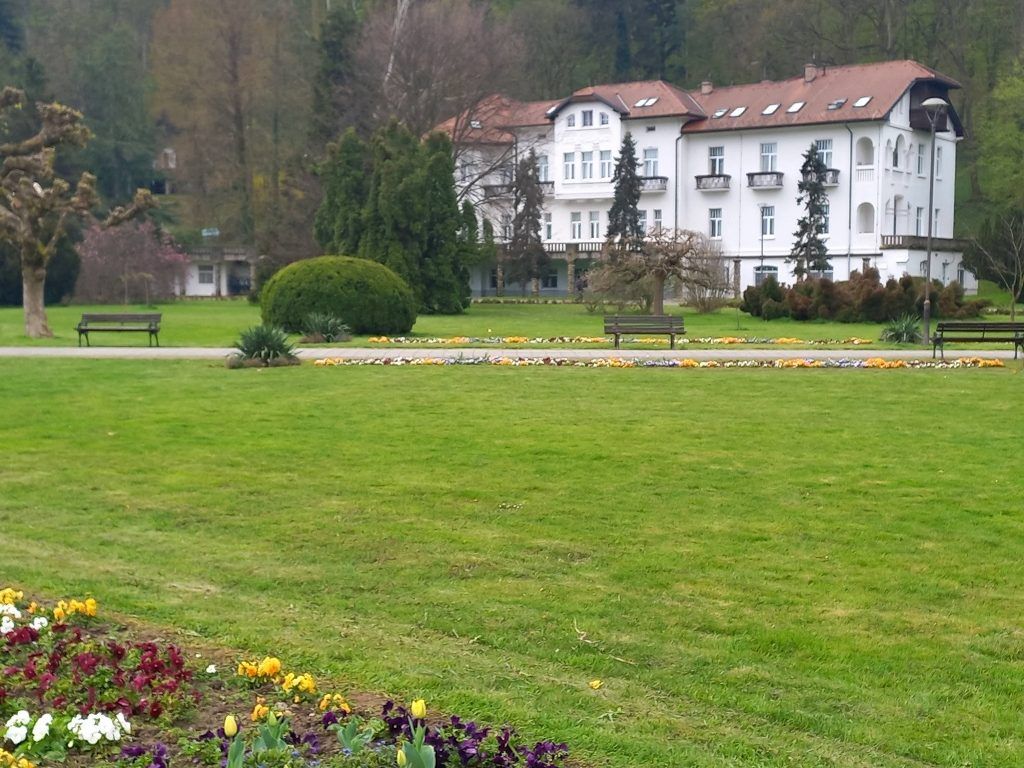
Special Hospital for Rehabilitation Banja Koviljača
Main medical and spa base for consultations, rehabilitation and therapeutic stays.
The institution combines natural sulfur thermomineral water and therapeutic mud with modern physical medicine and rehabilitation.
Kovilje Wellness Center
The spa’s modern wellness branch for non-medical relaxation and shorter leisure visits.
Operating since 2007, Kovilje lists individual facilities, mini packages, anti-age treatments, wellness programs, sulfur baths, therapeutic mud treatments, massages and saunas.
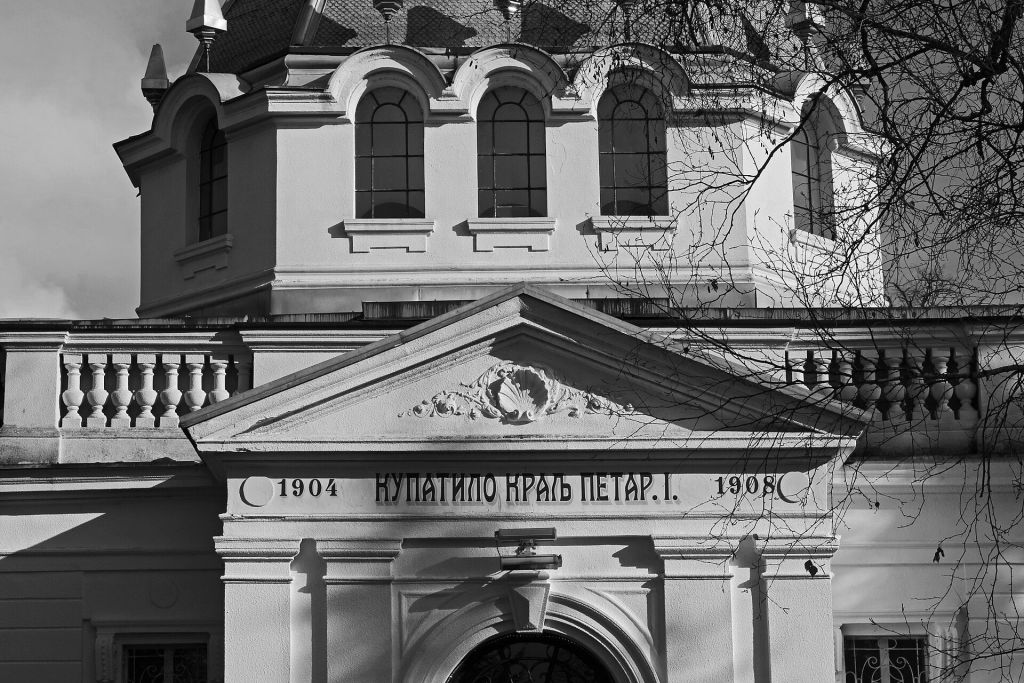
King Peter I Bath
Historic bath building linked to the spa’s royal-era modernization.
King Peter I had the first modern building for spa therapies built here in 1908, making it a key marker in Banja Koviljača’s medical and architectural history.
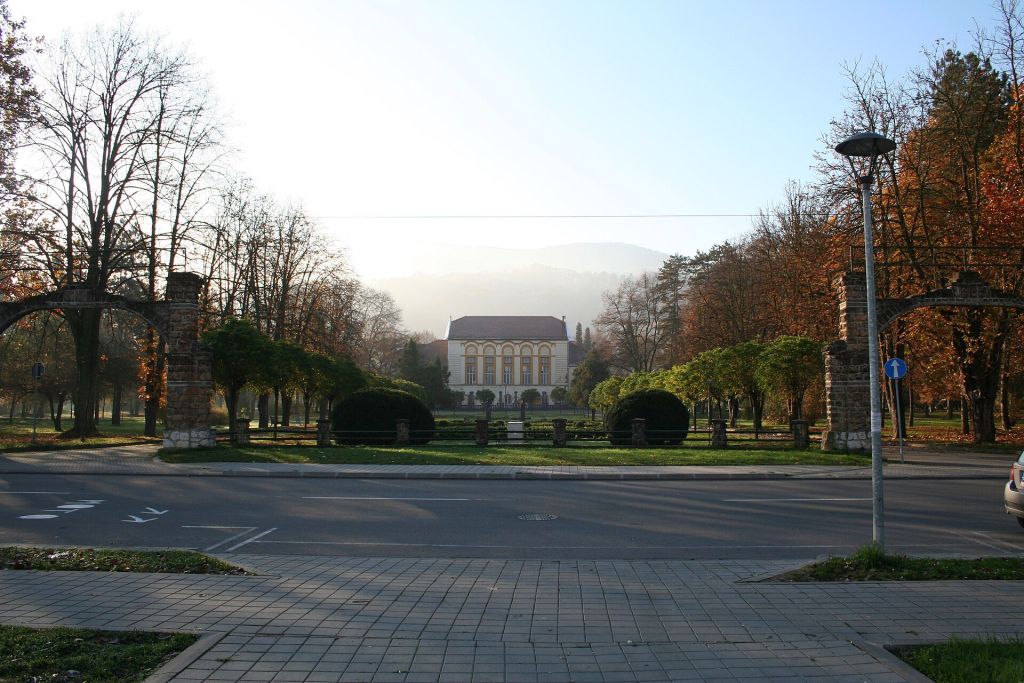
Kur-salon
The restored 1932 social hall, now used as a restaurant and event venue.
Built under the patronage of King Alexander I Karađorđević and modeled on Vienna’s Kur-salon, it became the resort’s main social venue before WWII. Sources also note that the first casino in the Balkans opened here. The restored building reopened on 30 December 2018.
Spa Park of Banja Koviljača
A 40-hectare park that ties the whole resort together on foot.
This is the second-largest park in Serbia, with a central fountain, more than 80 tree species, lawns, flowerbeds and preserved prewar villas such as Dalmacija and Hercegovina.
Pod Kulom Restaurant
A practical dining stop inside the wider spa complex with published daily hours.
Useful for travelers who want to stay within the resort area rather than drive out for a meal between treatments or excursions.
Park 4, 15316 Banja Koviljača, Serbia
Central spa park fountain
Sulfur water, therapeutic mud, spa-park walks
Treatment and wellness prices not published
Spring and autumn; summer mornings and evenings
Not published; call ahead for wellness availability
+381 15 818 270 | info@banjakoviljaca.rs
http://www.banjakoviljaca.rs
Kovilje daily 08:00–22:00; reception daily 07:00–21:00
Official contact: +381 15 818 270
Email: info@banjakoviljaca.rs
Website: http://www.banjakoviljaca.rs
The provided sources do not publish an online booking link, a public treatment price list, or a firm reservation rule. For the current offer, contact the spa directly.
The spa sits close to the road corridor that joins Beograd with Loznica and the Bosnia and Herzegovina border. That makes it useful not only as a destination in itself, but also as a rest stop on a longer overland trip toward Sarajevo or Banjaluka.
Published distances: 145 km from Beograd by road, 135 km to the nearest airport in Beograd, and about 5 km to the border crossing.
See our guide for details.
See our guide for details.
See our guide for details.
See our guide for details.
See our guide for details.
If you want to join Banja Koviljača with Gučevo, Tršić or a wider western Serbia route, Serbian Travel can help build the timing around your dates.
Stay connected in Serbia