
At a glance
Đerdap National Park sits along the Danube in eastern Serbia, where the river narrows into the Iron Gates and the landscape turns into cliffs, forested slopes, and long water views. It is a place for measured travel rather than rushed sightseeing. The main draw is the feeling of scale: the river, the rock, the weathered shoreline, and the stories layered into the gorge.
Visitors come for hiking, viewpoints, and the geological shape of the canyon, but the area also works well as part of a wider Danube trip with Golubac, Lepenski Vir, and the road toward Kladovo. The park fits naturally into a longer route through Eastern Serbia and the wider Danube corridor.
Why Đerdap feels different from other national parks
Đerdap National Park is one of those places that changes the scale of a road trip. The Danube, which can feel broad and calm elsewhere in Serbia, tightens here into the Iron Gates. The cliffs rise close to the water. The bends feel older than the map. On a clear morning the light hits the rock walls in a way that makes the whole gorge look drawn rather than built by nature.
What makes the park memorable is not one single viewpoint. It is the sequence. River, rock, forest, then river again. The geology is visible without trying hard: layers, faults, steep slopes, and the carved edges of the canyon all sit in plain sight. This is why the park works so well for visitors who enjoy more than a checklist. You can stand still and read the landscape. You can also keep moving, especially if you are combining the park with Golubac Fortress, the Danube route, or a broader eastern Serbia loop.
The park also has a quiet human layer. Roman and prehistoric heritage sit nearby, and that history gives the river corridor a deeper rhythm. When people ask where to begin, I usually say start with the road, then the viewpoints, then the trails. Let the water and the stone set the pace. The area rewards that kind of travel.
For first-time visitors to Serbia, Đerdap also shows a side of the country that is less urban and less polished, but far more expansive. It feels close to the border with Romania and to the long Danube story that links Serbia with the rest of Central and Southeast Europe. If you are already using Serbia’s country guide to shape your route, this park belongs near the top of an eastern loop.
Hiking trails and walking routes worth your time
The hiking in Đerdap is shaped by the terrain. This is not a park of flat, easy loops with endless signage. It is a place where the land asks for attention. Trails often climb toward ridges or viewpoints, then return you to the river with your legs reminding you that the gorge is deeper than it looked from the car. That unevenness is part of the appeal.
Short walks suit visitors who are mixing scenery with driving. A viewpoint stop can still give you the feeling of being inside the gorge rather than just above it. For more committed walkers, longer hikes reward patience with broad Danube panoramas, forest shade, and the kind of quiet that lets you hear wind moving through the trees. In dry weather the paths are manageable, but good shoes matter because the ground can be stony, uneven, and exposed on the steeper sections.
I would not plan Đerdap as a place to race through. Trails here work best in the morning or later in the afternoon, when the heat is softer and the river light is better. If you are making a multi-stop day, combine a hike with a visit to the park overview page and nearby Danube sites such as the Danube route guide. That gives you context for the river corridor before you arrive on foot.
Experienced hikers will notice that the terrain changes quickly. Forested slopes can give way to exposed rock and then to open river views in a matter of minutes. That is typical for the park. Bring water, start earlier than you think you need to, and leave room in your schedule for stops that were not planned. This landscape tends to interrupt fixed timetables in a pleasant way.
Geology, river power, and the shape of the Iron Gates
Đerdap’s geology is one of the main reasons the park feels so specific. The Danube has forced its way through a long gorge here, leaving behind steep limestone walls, cut ridges, and a dramatic compression of water and stone. Even without a geology background, you can see how the landscape was formed. The river does not just run through the park. It defines it.
The Iron Gates section is especially strong in this respect. The river narrows, the banks rise, and the whole corridor feels carved rather than opened. That contrast between broad water and hard rock is what gives the area its visual character. On some stretches the cliffs sit close enough to make the river seem even more active, while on others the open views let you understand just how large the valley system is.
What I like most here is that the geology is not hidden behind interpretation panels. It is visible in the profile of the hills, in the exposed rock faces, and in the way the road follows the land. You can stop at a lookout and read the whole story from left to right. First the river. Then the cliff. Then the bend. Then another wall of stone. For visitors interested in natural history, this is one of the easiest places in Serbia to connect scenery with process.
If you are already exploring the wider Danube belt, it is worth pairing the park with Golubac and Đerdap route planning, because the full river sequence makes the geology easier to understand. The park also fits naturally into an eastern Serbia journey that includes Roman sites and other river features. That broader context helps the gorge feel less like a single postcard and more like part of a long moving landscape.
Useful stops around Đerdap
These are the places I would keep in the same travel window, especially if you want the park to make sense as part of a wider Danube route.
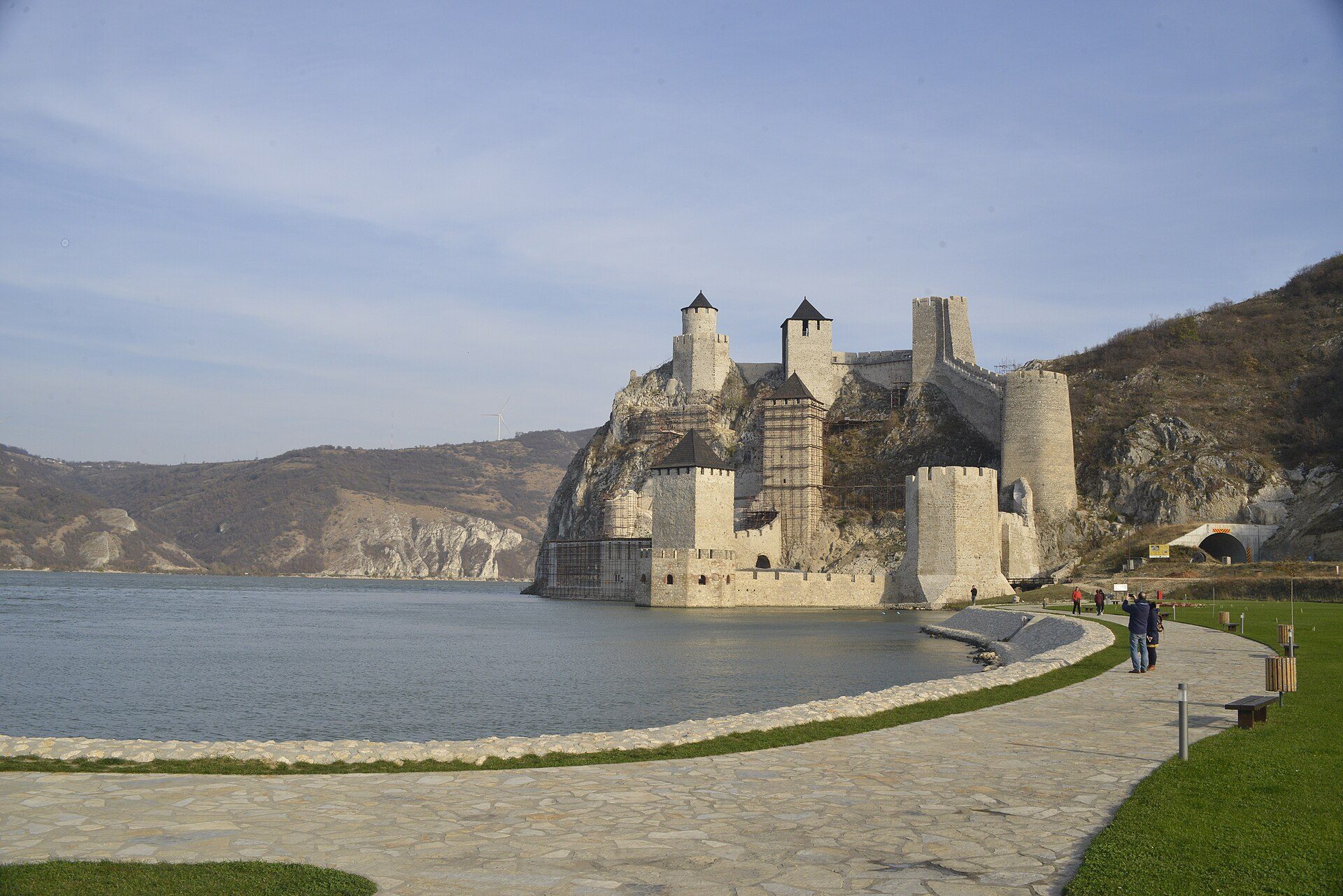
Golubac Fortress
A strong entry point to the Danube corridor before the road turns fully into gorge country.
Good for combining medieval history with river views. It pairs naturally with the park on a western approach.
- Link the fortress visit with a Danube drive, Useful first stop if you come from Belgrade, Works well with a half-day or full-day eastern Serbia plan
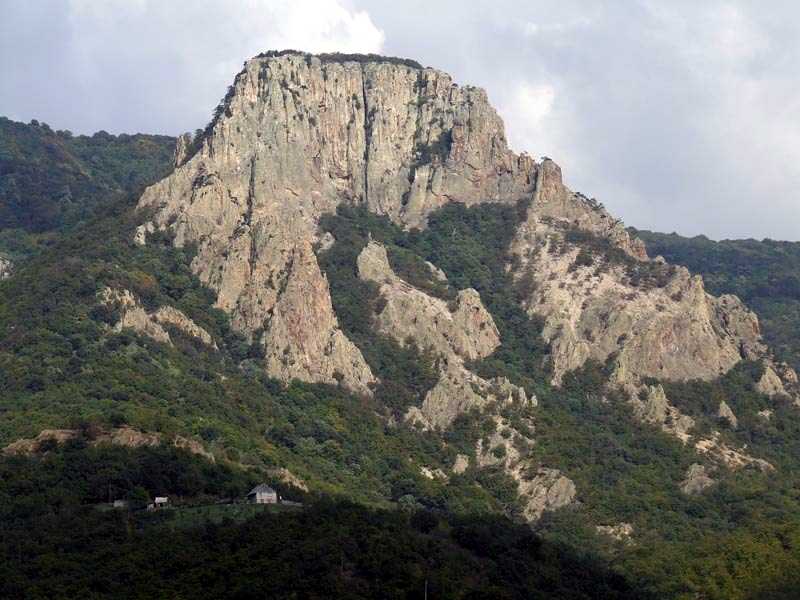
Lepenski Vir
One of the most important archaeological sites in the gorge corridor.
It gives the river a human timeline and helps explain why the Danube has mattered here for so long.
- Best paired with a park day, Adds prehistoric context to the river landscape, Useful for travelers who like museums and open-air sites
Kladovo
A practical base on the eastern side of the park.
Handy for overnight stays, slower mornings, and access to the river section near the border with Romania.
- Good for a two-day visit, Simple base for viewpoints and trail starts, Useful if you are continuing along the Danube
How to shape the visit
Focus on one side of the gorge, two or three viewpoints, and one short trail. Keep the pace steady. The road between stops is part of the enjoyment, and the river views change enough to keep the day moving without feeling rushed.
Use Kladovo, Donji Milanovac, or a nearby Danube base, then spread the visit across morning and late afternoon light. That gives you time for hiking, geology stops, and the kind of pause that makes the park feel larger.
Practical tips for visitors
Serious planning matters in Đerdap because the park is long, linear, and shaped by road access. Check your route before you leave. Fuel up in advance. Carry water and a snack, especially if you want to spend time on trails instead of only at roadside viewpoints. This is also a good park for travelers who are happy to pause often, since the scenery changes every few kilometres.
The weather can feel sharper along the river than it does inland, especially when wind moves through the gorge. A light layer is useful even in warmer months. For walking, shoes with grip are a better choice than casual city footwear because many trail sections are uneven and rocky. If you are traveling with people who prefer gentler days, build in rest stops and keep the trail ambitions modest. The landscape remains rewarding even with a light schedule.
Visitors who want to connect the park to Serbia’s wider travel story should also look beyond the gorge itself. The Danube route continues through places such as Smederevo, other river sections, and the eastern heritage belt. The value of Đerdap is partly in how it fits into that river chain. You can move from fortresses to archaeology to cliffs without losing the sense of a single corridor.
My strongest advice is simple. Do not treat the park as a background for a quick photo. Give it time, because the best moments here are often quiet ones: standing above the river with no traffic beside you, or watching the light move across the rock face while the Danube keeps its own pace below.
Landscape details to notice
These are the views and textures I would keep an eye on when you are in the park.
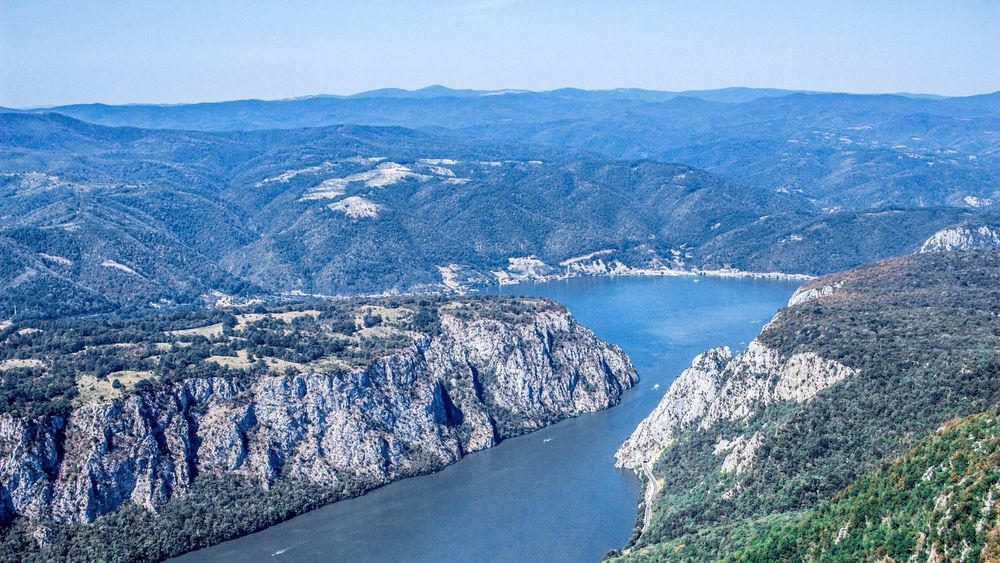
River pinch points
Places where the Danube narrows and the gorge feels most compressed.
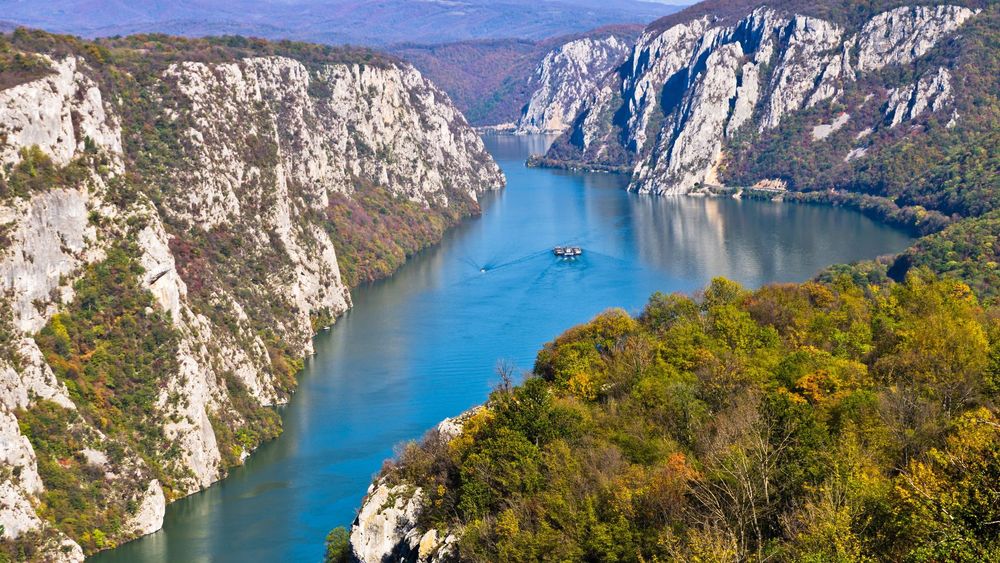
Rock faces and strata
Exposed stone layers that make the geology easy to read from the road or a lookout.
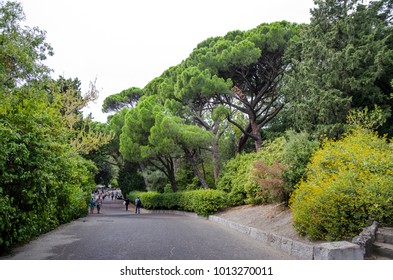
Forest slopes above the water
Shaded hillsides that soften the severe edges of the canyon.
Where Đerdap sits on the Danube
Use the map to orient yourself along the Iron Gates corridor before you choose a base, a trailhead, or a river stop.
Quick facts for planning
Eastern Serbia, on the Danube
Kladovo for the eastern side, Golubac or Donji Milanovac for western approaches
Good for hiking, scenic drives, river viewpoints, and geology-focused stops
<a href="/serbia/the-majestic-djerdap">Đerdap overview</a>, <a href="/serbia/eastern-serbia">Eastern Serbia guide</a>, <a href="/serbia/navigating-the-danube-serbia-s-lifeline-2">Danube in Serbia</a>
Plan a full day at minimum, or two days if you want trail time and the river coast
Quiet, wide, and shaped by water, limestone, and wind
Đerdap is easiest to enjoy when you treat it as a slow river landscape rather than a single stop. Pick one side of the gorge, spend time at a viewpoint, then leave space for a short walk or a longer trail. The road is part of the experience. So is the silence between stops.
Frequently asked questions
How much time should I set aside for Đerdap National Park?
Plan at least a full day if you want viewpoints and a short walk. Two days works better if hiking is important to you or if you want to pair the park with Golubac, Lepenski Vir, or a Danube overnight in Kladovo.
Is Đerdap better for hiking or for scenic driving?
Both. The road defines the visit, but the trails give you a stronger sense of the gorge. Many travelers do a scenic drive first, then choose one walk or viewpoint that fits their energy level.
What kind of traveler enjoys the park most?
People who like landscapes with scale, geology, river history, and slower movement between stops tend to enjoy it most. It is also a strong choice for travelers building a Danube itinerary through eastern Serbia.
Should I link Đerdap with other Serbian destinations?
Yes. It connects naturally with Golubac Fortress, Smederevo, the broader Danube route, and the wider Eastern Serbia guide. That makes the trip feel more complete and much easier to plan.
If you are building a wider route, return to the main Serbia guide and then branch east toward the Danube corridor, fortresses, and river landscapes.
Build your eastern Serbia route around the Danube
Combine Đerdap with Golubac, Lepenski Vir, and a base in Kladovo or Donji Milanovac, then let the river decide the pace of the day.