Danube city in Serbia
Why Smederevo works for a short trip
Smederevo sits on the Danube and makes an easy stop for travelers who want fortress history, river views, and a slower pace than Belgrade. The city fits naturally into a wider Danube route that also reaches Ram, Golubac, and Viminacium, so you can build a day or two around history and water without rushing.
The main draw is the old fortress landscape, but the atmosphere matters too. The river is wide, the light is soft in the evening, and the town feels connected to the long corridor of the Danube that shapes eastern Serbia. If you are already traveling through Belgrade or heading farther east, Smederevo is an efficient place to pause, walk, and eat well.
Smederevo at a glance
Smederevo is one of those Danube towns that reveals itself gradually. At first it feels like a practical river city, then the fortress walls pull your attention, and finally the broader setting becomes clear: this is a place where the river route, military history, and everyday life have always shared the same shoreline. That combination gives the city a steady, lived-in character. You do not come here for noise or spectacle. You come to walk, look, and connect a few historical layers that sit close together.
The city makes sense as part of a wider Serbia itinerary. If you start in Belgrade, it is an easy extension along the Danube. If you continue east, Smederevo becomes a useful pause before farther river destinations such as Golubac and the Iron Gate corridor. The same road network also connects you to archaeological and heritage stops like Viminacium, so a visit can stay focused on history without feeling repetitive.
What I like about Smederevo is the balance. There is enough here for a meaningful half-day or full-day visit, but not so much that you spend your time ticking boxes. You can explore the core sights, sit by the water, and still leave room for a coffee or a simple meal. That pace suits the town well.
For travelers building a Serbia route, this is a good place to remember. It connects naturally with /serbia, and it also pairs nicely with longer Danube journeys that continue toward /serbia/navigating-the-danube-serbia-s-lifeline-2 and /western-serbia/golubac-fortress.
Historical sites that shape a visit
The fortress is the anchor for most first-time visitors, but it works best when you treat it as the starting point rather than the whole story. Smederevo’s historic center reads as a Danube stronghold with civic life layered around it. That is the appeal. The walls, the river access, and the surrounding streets tell you how the settlement has long stood between movement and defense. Even a short walk makes the relationship visible.
From there, I would widen the frame to nearby heritage stops. Ram sits further along the Danube and carries a different kind of river-fortress atmosphere, with the kind of setting that makes the old defensive logic easier to picture. Golubac reaches farther still and changes the scale again, especially if you are planning to follow the river east. Viminacium adds the Roman layer, which is important because it reminds you that this corridor was significant long before modern towns took shape.
On a longer day, these sites work well together because they show different eras without requiring a complicated transfer plan. You can start in Smederevo, build outward toward Ram or Viminacium, and keep the day anchored in the Danube landscape. The route feels coherent. You are not hopping randomly between attractions. You are following one river story through several chapters.
If you want a broader national context before arriving, the /serbia/serbian-wine-regions-a-taste-of-tradition page and the main /serbia pillar help frame this part of the country well, since the same corridor also supports food, wine, and heritage travel.
Places to pair with Smederevo
These are the stops that fit naturally into a Smederevo visit or a longer Danube itinerary. Keep the day unhurried and link the sites by river distance rather than trying to do too much in one stretch.
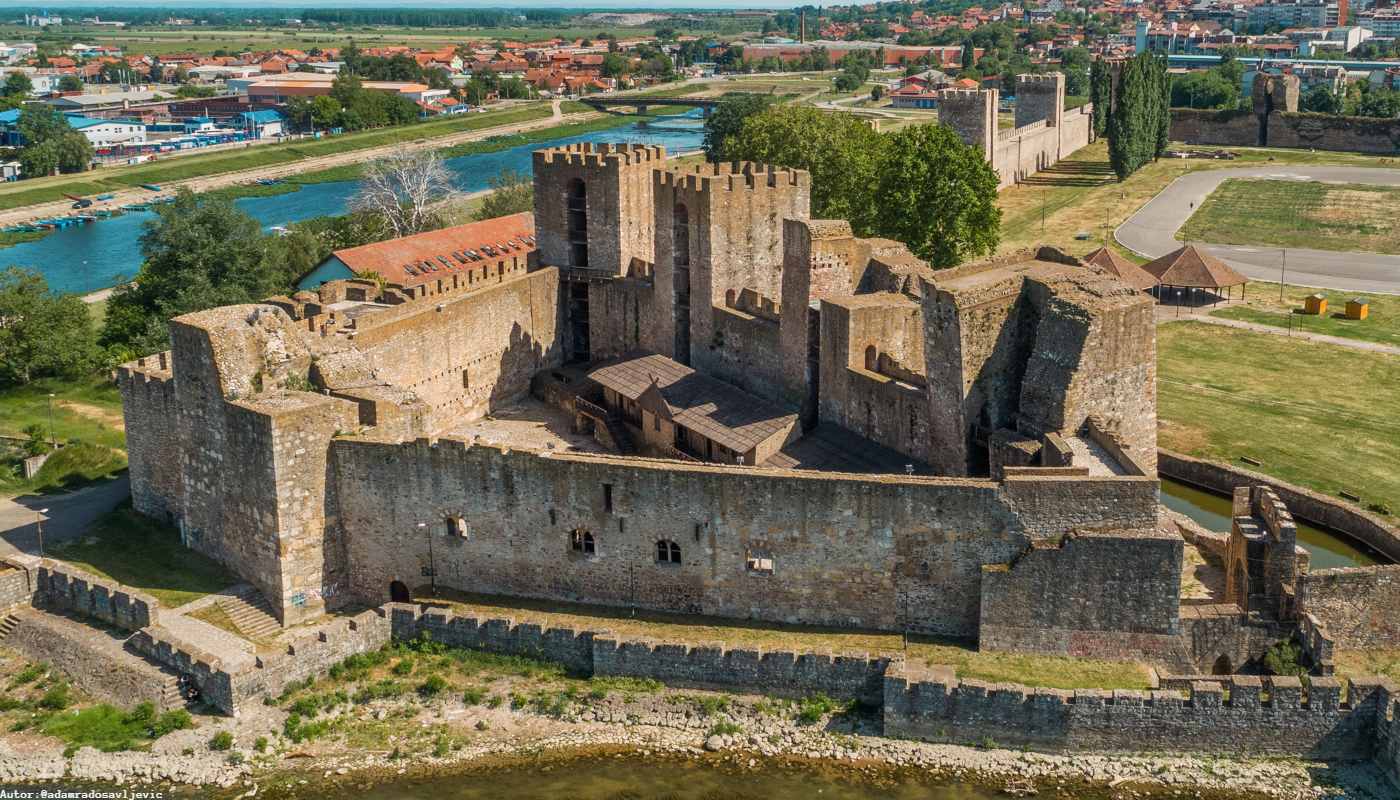
Smederevo Fortress
The city’s historical anchor and the clearest place to read the old defensive role of the town.
Start here for the city’s main historic character. The fortress gives context to the streets, the river, and the way Smederevo grew along the Danube.
- Fortification history, River setting, Easy first stop
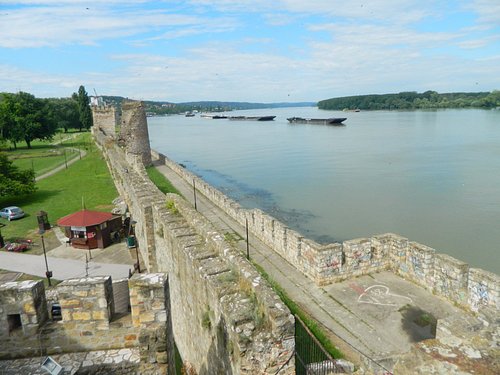
Šalinac
A useful local stop for travelers who want to expand beyond the main fortress area.
Šalinac belongs on a Smederevo day when you want a quieter contrast to the city center. It helps you see how the wider area around the Danube supports shorter outings.
- Local side trip, Low-key pace, Good for half-day planning
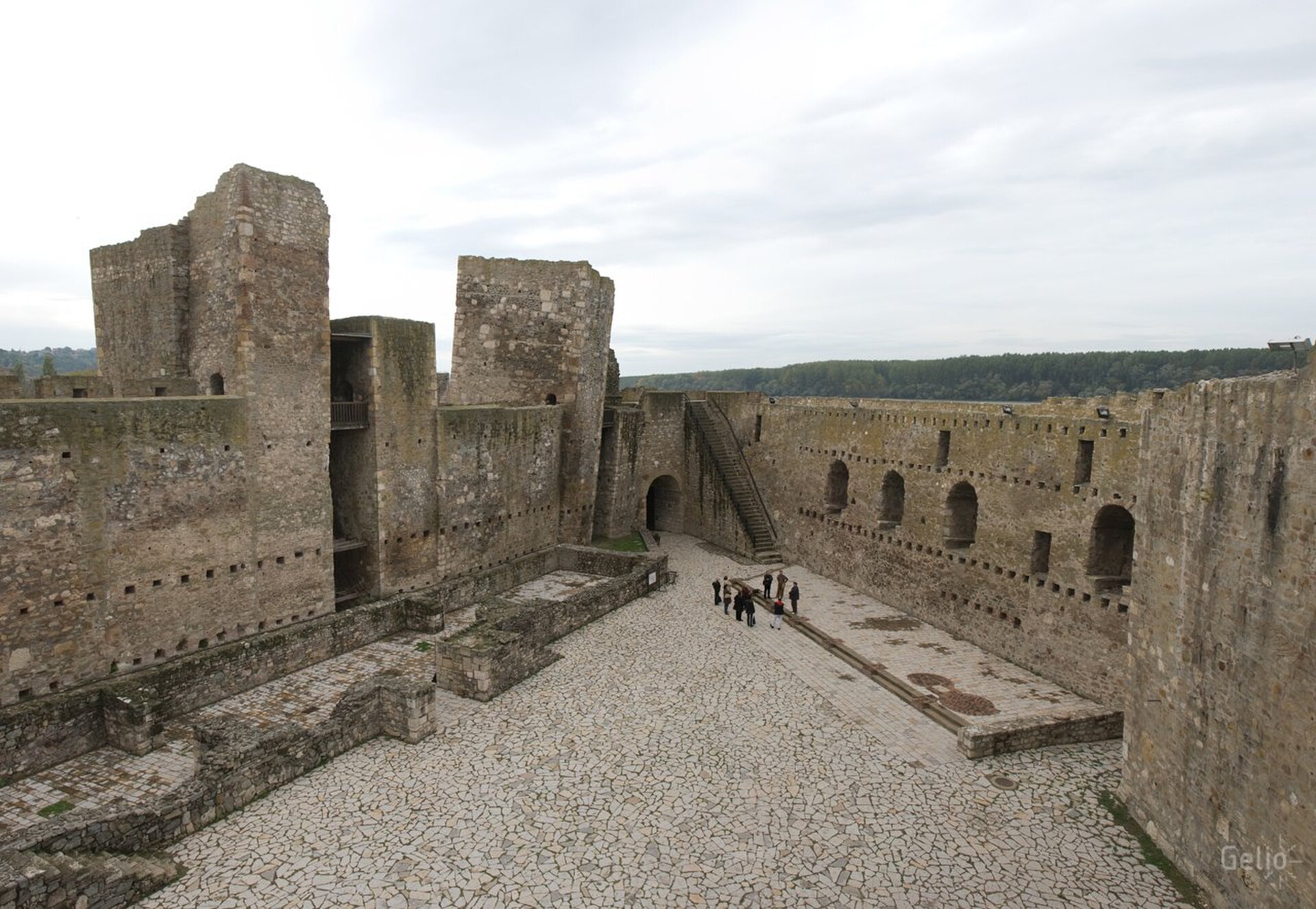
Viminacium
A Roman-era heritage stop that pairs well with Smederevo’s medieval story.
Viminacium adds depth to a Danube route because it brings the Roman period into the same itinerary. It works especially well for travelers who want one day to show several historical layers.
- Roman archaeology, Danube corridor, Pairs with fortress towns
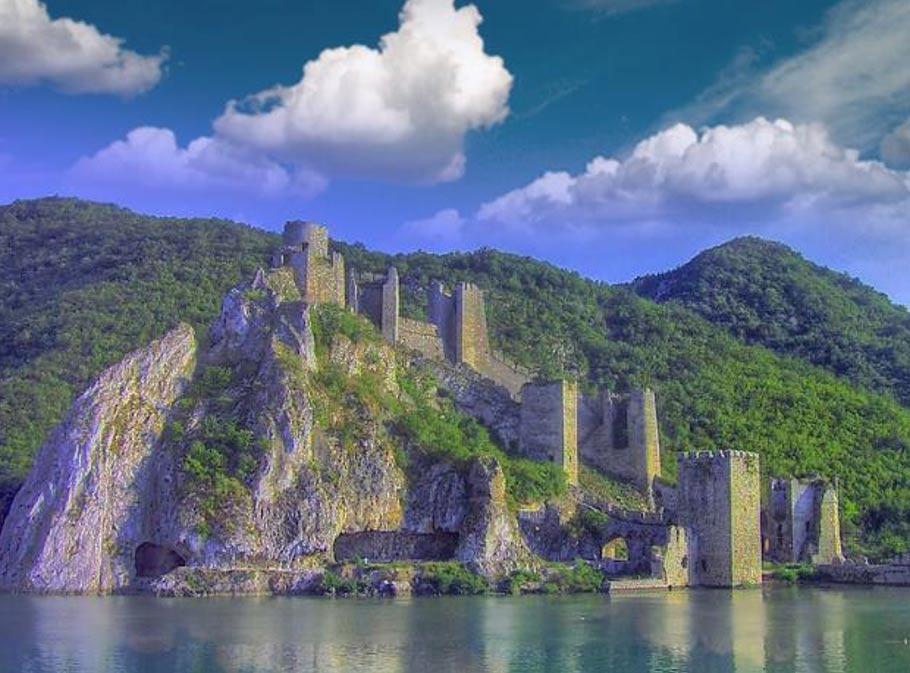
Ram and Golubac
Two Danube strongholds that extend the trip east and give the river journey more structure.
Ram and Golubac sit naturally in the same travel conversation as Smederevo. They are the places to add when you want the Danube to stay central in your itinerary.
- Danube forts, Scenic road trip, Easy heritage pairing
The Danube gives the city its rhythm
The most satisfying part of Smederevo is how the river changes the day. The Danube widens the horizon, softens the edges of the city, and gives even simple walks a sense of direction. I like coming here in the late afternoon, when the light turns gentle and the waterfront feels calmer. That is when the town’s practical character and its historical setting seem to meet.
For travelers interested in Serbia’s river landscapes, Smederevo belongs in the same mental map as the broader Danube route, the national parks and river features around the corridor, and the stone-and-water drama that defines eastern Serbia. You can link the city with /serbia/navigating-the-danube-serbia-s-lifeline-2 and keep building the journey eastward. The experience is not about racing to the next photo stop. It is about understanding how the river organizes travel here.
Food and drink fit this rhythm too. Serbia’s wine regions are part of the wider Danube story, and that makes Smederevo a sensible place to pause for a glass or a local meal after sightseeing. If your route also includes /serbia/serbian-wine-regions-a-taste-of-tradition, you will notice how naturally river, vineyard, and town sit together in this part of the country. Nearby wine country and heritage towns feel connected rather than separate.
When people ask where to feel the city, I usually answer with the river first. Walk the waterfront, look back toward the fortress, then let the rest of the afternoon unfold from there.
How to spend a day around Smederevo
Half-day inside the city
Start with the fortress area, then keep walking toward the river. Leave time for coffee and a slow lunch so the visit feels like a proper stop rather than a transit break.
Full day on the Danube
Combine Smederevo with Šalinac or Viminacium, depending on whether you want a quieter local detour or a stronger archaeological focus. If you have more time, add Ram or Golubac and let the river set the pace.
Where Smederevo fits in a broader Serbia trip
Smederevo is easiest to understand when you place it inside a larger Serbia circuit. Belgrade is the obvious arrival point for many visitors, and the city then works as a straightforward extension on the Danube. From there, the route can continue toward Golubac and the dramatic eastern sections of the river, or branch to Viminacium for Roman history. The links are practical and the geography makes sense. That is one reason the area is so easy to recommend to travelers who want a clear, connected itinerary.
If your trip also includes Western Serbia, the contrast is useful. A stay in /western-serbia or a side visit to /western-serbia/golubac-fortress gives you a sense of how diverse the country is, from river strongholds to mountain scenery. Smederevo does not compete with those places. It complements them by offering a different pace and a different kind of historical weight. You feel that especially if your route has already passed through places like /belgrade/exploring-belgrade-knez-mihailova-and-beyond or /belgrade/kalemegdan.
This is also a good city for travelers who enjoy building routes around themes rather than just geography. The Danube theme can take you from fortress towns to archaeological sites, then on to wine stops and river viewpoints. That pattern gives the trip structure without making it rigid. Smederevo sits comfortably inside it.
For a clean trip plan, I would keep one eye on the main /serbia pillar and another on the Danube corridor. That is enough to make the city feel connected without overcomplicating the schedule.
Quick facts for Smederevo
Smederevo for the city, Belgrade for a wider arrival point
Šalinac, Viminacium, Ram, Golubac
Part of the Danube corridor in eastern Serbia
Fortress walks, riverside time, slower afternoons
/serbia and /vojvodina for wider Serbia planning
A practical way to plan the trip
Smederevo works especially well when you treat it as a Danube stop, not an isolated city break. If you are coming from Belgrade, the city is easy to fold into a wider route. If you are moving east, it becomes a clean starting point for Ram, Golubac, and the Iron Gate side of the river. That makes transport decisions simpler and keeps your sightseeing focused.
For travelers who like a bit of structure, I would think in layers: fortress first, river second, nearby heritage third. That order keeps the day grounded and helps you avoid backtracking. It also leaves room for the slower parts of travel that often become the most memorable: the promenade, an unplanned coffee stop, or a quiet look across the water.
Frequently asked questions about Smederevo
Is Smederevo easy to combine with Belgrade?
Yes. It works well as a day trip or overnight extension from Belgrade, especially if you want a Danube-focused change of pace without a long transfer.
What should I prioritize on a first visit?
Begin with the fortress area, then spend time by the river. If you have more time, add Šalinac or plan a heritage loop with Viminacium, Ram, or Golubac.
How does Smederevo fit into a Serbia itinerary?
It belongs on the Danube corridor and pairs naturally with river and heritage travel. That makes it a useful stop between Belgrade and the eastern Danube sites.
Can I build a history-focused trip from here?
Yes. The city connects well with Roman sites, fortress towns, and the broader Danube landscape, so you can keep the whole trip tied to one historical theme.
Continue planning your Serbia route
Use Smederevo as a calm Danube stop, then continue east or return to Belgrade depending on the shape of your trip.