Nikola Tesle 40, Kovačica; confirm the public entrance before travel

The Nemček name belongs to a Kovačica family tradition of building and restoring string instruments. Jan Nemček learned the craft from an uncle while working as a teacher, made an early instrument for his teaching work and later developed a more sustained violin-making practice. Cultural records connect the family with violins, violas and cellos as well as teaching links involving Zvolen in Slovakia.
This is primarily a craft-heritage story. A Kovačica address and tourism contacts are listed, but current public hours, direct admission prices, online reservations, demonstrations and lessons are not published. Cultural travellers should secure a direct confirmation before treating the workshop as a visitable attraction.
Kovačica’s cultural identity is often approached through naïve painting, yet its creative history also runs through music and the people who make instruments for it. The Nemček tradition belongs to that second thread. It concerns a family practice of shaping, maintaining and teaching string-instrument craft rather than a conventional museum display.
That distinction matters when travelling through the wider Vojvodina travel guide. The story adds a workshop-scale form of heritage to the region’s galleries, architecture and agricultural towns, but it should not be mistaken for a staffed attraction with fixed admission. The atmosphere associated with the craft is personal and educational, while access remains dependent on current confirmation.
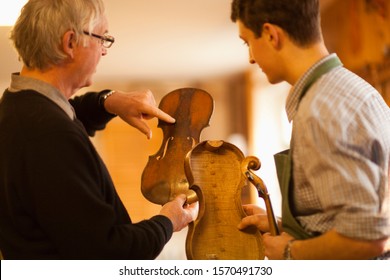
The Nemček craft begins with learning passed between relatives. Jan Nemček learned violin making from his uncle while he was still working as a teacher. His first instrument was tied to that teaching role, placing the craft inside everyday musical education rather than presenting it as an isolated artistic experiment.
This origin helps explain what is distinctive about Nemček violin making in Kovačica. Instrument building grew beside the practical work of teaching people to play. The builder therefore had to consider the instrument as something used by a musician, not simply an object to be displayed. No surviving workshop transcript or direct quotation is needed to make the connection: teaching, playing and making formed separate skills, but each informed the family’s musical work.

What began alongside classroom work developed into a dedicated craft practice. The transition was not a move toward factory production. It was a shift in attention: instrument making became a sustained field of work, with knowledge carried through the family and connected to musical instruction.
That development should be read at the scale supported by the historical record. There is no reliable current production total, commission schedule or waiting period, and none should be inferred from the longevity of the tradition. For a traveller, the meaningful point is the professional link between pedagogy and making. The craft was built around practical musical use, then continued through people able to explain and pass on the discipline.
The name is most closely associated with violins, but the documented work is broader. Kovačica’s cultural record places Ján Nemček in the construction of violins, violas and cellos. These instruments belong to the same bowed-string family, yet their different sizes, ranges and roles prevent the tradition from being reduced to one repeated model.
Restoration adds another distinction. Building an instrument begins with a new object; restoration starts with an existing one and the responsibility to retain what can still function. The surviving accounts do not publish technical measurements, wood inventories or a step-by-step workshop manual, so those details should not be filled in speculatively. The secure conclusion is simpler: the Nemček practice extended across several related instruments and included care for instruments already in use.
A hand-built string instrument is the result of accumulated judgement rather than a rapid production line. The Nemček story supports that broad distinction, but it does not provide permission to invent a theatrical workshop sequence for visitors. Specific wood species, tools, acoustic tests and construction timings are not established in the available institutional accounts.
Some tour listings have described watching workshop activity and hearing an explanation of the making process. Those descriptions do not prove that the same experience remains available independently, on demand or every day. Treat them as historical descriptions of a possible hosted encounter, not as a standing programme. A patient craft can be understood through its continuity and teaching relationships even when no live demonstration is available during a particular trip.

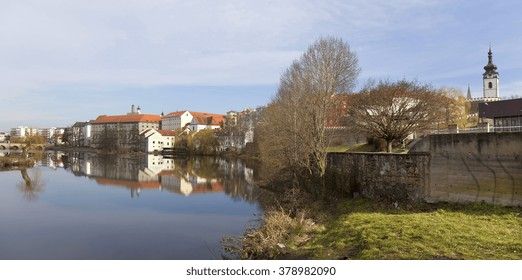
The Nemček tradition did not end with one maker working alone. The family account describes continuation through relatives and a teaching connection with Zvolen in Slovakia. That link expands the geography of the story while keeping Kovačica at its centre: practical knowledge moved through family relationships and through instruction, not only through finished instruments.
The reference to a violin-making school should be understood historically. It does not establish a current course, an application process or open enrolment for travellers. Nor does it guarantee a meeting with a particular family member. What it establishes is a method of continuity. The craft was treated as knowledge that could be taught, discussed and carried forward, giving the Nemček name a place in both instrument making and craft education.

Kovačica’s Slovak cultural life provides the setting in which the instrument-making tradition makes sense. Music requires different kinds of work: composing, teaching, performing, building and repairing. The Nemček family belongs chiefly to the making and teaching parts of that chain. It should not be used as a label for every local musician or performance tradition.
The town’s cultural map places Ján Nemček and his string-instrument work within a wider field of Slovak music. That recognition is important because it keeps the craft connected to community use. Violins, violas and cellos were not merely decorative products; they belonged to a musical environment in which instruments had to be played, maintained and understood. The workshop story therefore adds material craft to Kovačica’s better-known visual culture.
A gallery visit normally begins with a public entrance, displayed works and stated visitor arrangements. Nemček violin making is documented differently: as a family craft practice whose current public access has not been established. Sharing Kovačica’s geography does not make the workshop part of a painting gallery, and there is no verified combined ticket.
Approach the subjects separately. Naïve art concerns a visual movement and the institutions that present it; the Nemček story concerns musical instruments, restoration and teaching. Travellers building a broader cultural itinerary can place Kovačica beside Novi Sad’s museums and galleries, but they should leave enough flexibility for the workshop enquiry to receive a negative or unavailable response. The craft remains culturally meaningful even when a private visit cannot be arranged.
No current public timetable, direct booking form or reservation policy is published for the Nemček violin workshop. Do not assume walk-in entry, a personal meeting, a performance, a hands-on lesson, a purchase opportunity or a same-day demonstration. The listed Nikola Tesle 40 address is a useful enquiry lead, but it has not been independently confirmed as a public entrance with regular admission.
Before making a special journey, use the contacts carried by the regional tourism listing. Travellers can call the listed Kovačica landline contact or call the listed mobile contact. Ask for an exact date and arrival time, the entrance to use, who will receive the visit, the expected duration, the current contribution or fee, the language available and whether photography is permitted. The stored email address is masked and should not be treated as a working contact.
Third-party transfer-tour descriptions have referred to an approximately one-hour workshop stop and a €4 per-person contribution outside a base tour price. Those terms do not establish direct public admission or a current independent visit. Obtain an exact response from the local contact before relying on either the duration or amount.
The available institutional information identifies Nikola Tesle 40 in Kovačica as the address lead, but it does not publish a verified walking route, nearest stop, bus line number, taxi fare or parking arrangement for workshop visitors. Confirm the exact entrance before setting out and ask whether the address is suitable for navigation.
Travellers beginning in the capital can use the Belgrade travel guide to organise the city portion of a Serbia trip, but should not treat Kovačica workshop access as confirmed transport merely because the town can be reached. If the contact approves a visit, request written or clearly repeated directions from the Kovačica centre and allow for the possibility that no public appointment is available.
There is no verified best weekday, season or time of day for a workshop visit. Go only after receiving a current confirmation for a specific date and hour. A general reply that mentions the address is not the same as an appointment.
Build flexibility into the day and keep other Kovačica cultural stops independent of the workshop enquiry. If no response arrives, do not travel expecting entry. Seasonal availability, family commitments and active craft work may affect access, but no recurring calendar is published.
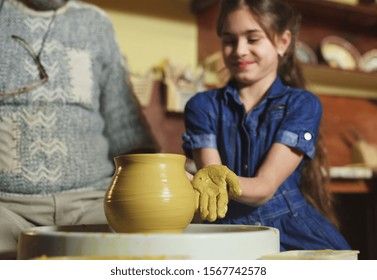
A confirmed encounter should be approached as access to a working craft setting, not as a museum with a standard sequence of exhibits. Earlier descriptions have mentioned seeing workshop activity, hearing an explanation of instrument-making stages and viewing family ceramic decorations or small souvenirs. None of those elements is guaranteed for a future independent visitor.
Dress code, step-free access, toilets, seating, noise conditions and facilities for children are not published. Ask about them when arranging access, particularly if anyone in the group has limited mobility or sensory needs. Bring only what the host has approved, avoid touching instruments without permission and confirm photography before taking a camera from its case. Families should ask whether the proposed visit is suitable for the children’s ages and whether close supervision is required.
Sources cross-checked for this guide:
Last checked: 17 November 2026. Reviewed and fact-checked by the editorial team led by Patrick, using the official sources listed above.
The institutional references establish the craft history and cultural context. They do not establish current public opening, direct booking or guaranteed workshop access. Operational details were last checked on 17 November 2026.
The map searches for the published address lead at Nikola Tesle 40, Kovačica. Confirm the entrance and public access directly before travelling.
These four documented strands explain the scope of the family craft. They are not separate bookable stations or guaranteed demonstrations.
Violin construction
The central craft associated with the Nemček name.
Violin building connects the family account of learning from an uncle with Jan Nemček’s work as a music teacher and maker.
Viola construction
A related but distinct part of the documented practice.
The viola confirms that the craft was not confined to a single instrument format within the bowed-string family.
Cello construction
Larger bowed-string work within the Nemček tradition.
Cellos extend the documented range of the practice beyond violin and viola making without establishing any current production quantity.
Instrument restoration
Care for existing instruments rather than construction alone.
Restoration belongs beside making in the family craft story, but no public restoration demonstration or commission process is currently published.
Nikola Tesle 40, Kovačica; confirm the public entrance before travel
Not published
Family making and restoration of violins, violas and cellos
Direct public price not published
Only after a specific appointment is confirmed
No policy published; advance confirmation is essential
Listed Kovačica landline
Listed Kovačica mobile
Not published
The Nemček tradition is documented through family making, restoration and teaching. No current evidence establishes a staffed museum entrance, permanent exhibition route or daily visitor programme.
A tour operator’s past description may reflect a privately arranged stop. It does not establish that independent travellers can arrive without confirmation or receive the same duration, content or price.
English searches may use Jan Nemček, Ján Nemček, Jan Nemcek or the Cyrillic form Јан Немчек. The labels Nemček violin workshop, Nemcek violin makers workshop and Kuća umetnosti Nemček may also appear, but they should not be assumed to identify separate public attractions.
Step-free access, seating, toilets and child suitability are not published. Ask about the needs of every group member before accepting an appointment, and do not assume that a working craft area is arranged like a visitor centre.
Walk-in access is not established. Contact the listed Kovačica numbers and obtain confirmation for an exact date, time and entrance before travelling.
No current public timetable is published. Historical or third-party tour descriptions should not be treated as regular opening hours.
No current lesson, course or public demonstration can be verified. Ask directly, but do not assume that a private meeting or hands-on activity will be offered.
The documented practice includes violins, violas and cellos, together with instrument restoration. Current production and commission availability are not published.
No institutional link or combined ticket is established. The painting tradition and the string-instrument craft share a town but represent different cultural subjects.
Age guidance and step-free access are not published. Explain the group’s requirements when making the enquiry and proceed only after receiving a clear answer.
Stay connected in Serbia