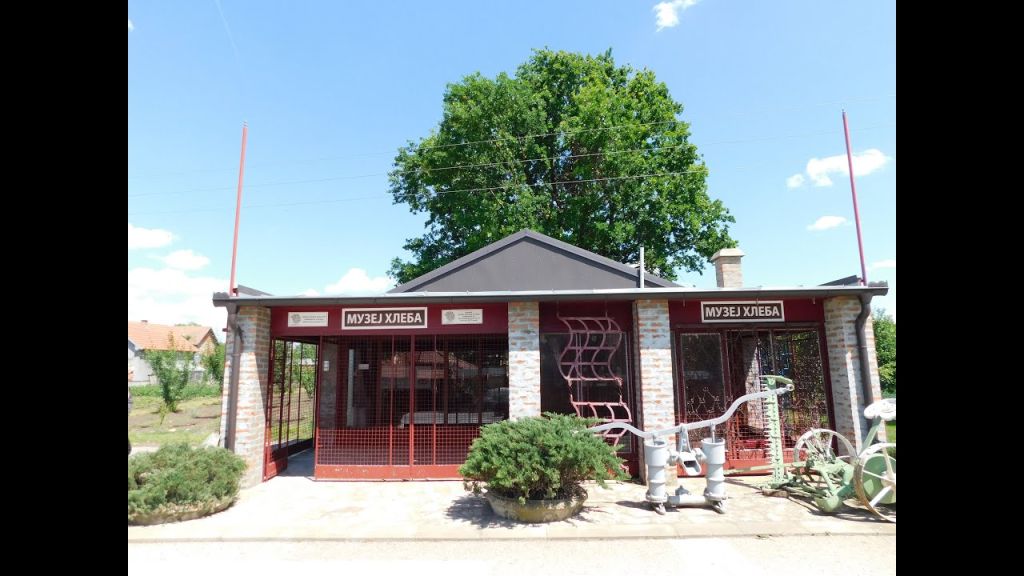
Braće Vidakovića 83, 22410 Pećinci, Serbia

This Pećinci museum suits travellers interested in food history, rural technology, ceremonial customs and artist-led collecting. The visit follows permanent ethnographic, archaeological and fine-art collections with a guide. It should not be planned as a bread shop, meal, tasting or guaranteed workshop. The clearest independent visiting window is the published Saturday and Sunday schedule; groups can ask for a separately arranged visit.
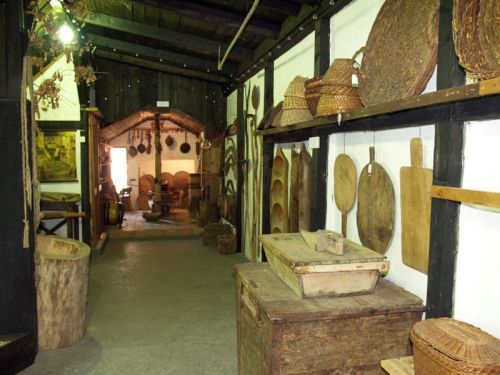
The museum occupies an artist-shaped complex of about 1,200 square metres in Pećinci, in the Srem part of Vojvodina’s cultural landscape. Its approximately 2,000 objects are arranged across ethnographic, archaeological and fine-art collections rather than a conventional chronological gallery. Agricultural implements, ovens, household utensils and artworks share the same setting, making the buildings part of the interpretation. The atmosphere is that of a personal collecting project developed into a cultural institution, with the guide connecting objects that might otherwise look like separate pieces of rural equipment.
The museum’s speciality is the complete production story behind bread, not bread as a finished product in a display case. Implements for working soil lead into the transport and storage of grain, then into milling, kneading, shaping and baking. Domestic equipment shows how that work entered the household, while 96 types in the ritual-bread collection add social and religious meaning. This sequence distinguishes the Pećinci bread museum from a general ethnographic collection: tools are interpreted as connected stages in one recurring task. Visitors can therefore read bread as agriculture, labour, household practice and ceremonial symbol within a single guided visit.

Painter Slobodan Jeremić Jeremija founded the museum in 1995 after researching and collecting objects connected with bread production and use. His role went beyond assembling artefacts: paintings, drawings and the designed presentation of the complex place an artist’s viewpoint alongside the ethnographic material. That combination explains why Muzej hleba Jeremija does not read like a municipal storehouse transferred into display cases. It is a sustained personal project organised around one subject. The founder’s historical role should not be interpreted as a promise that visitors will meet him during a current visit; no such visitor arrangement is published.
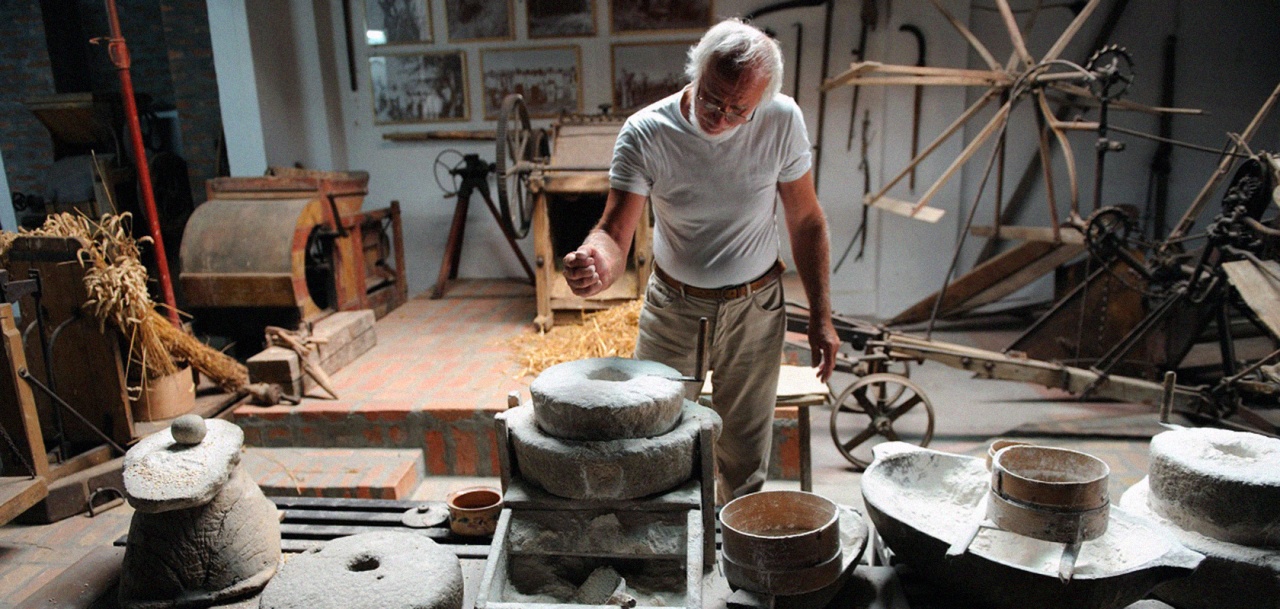
The production story begins before flour exists. Agricultural tools establish the work of preparing and cultivating land, while transport-related objects explain how harvested crops moved from the field. Equipment associated with wheat and corn processing then marks the transition from crop to an ingredient suitable for the household. This progression matters because it makes visible the number of tasks concealed by an ordinary loaf. During a Jeremija guided museum visit, the guide supplies the link between implements of different shapes and scales, helping visitors follow labour and material through successive stages rather than treating the collection as a room of unfamiliar tools.
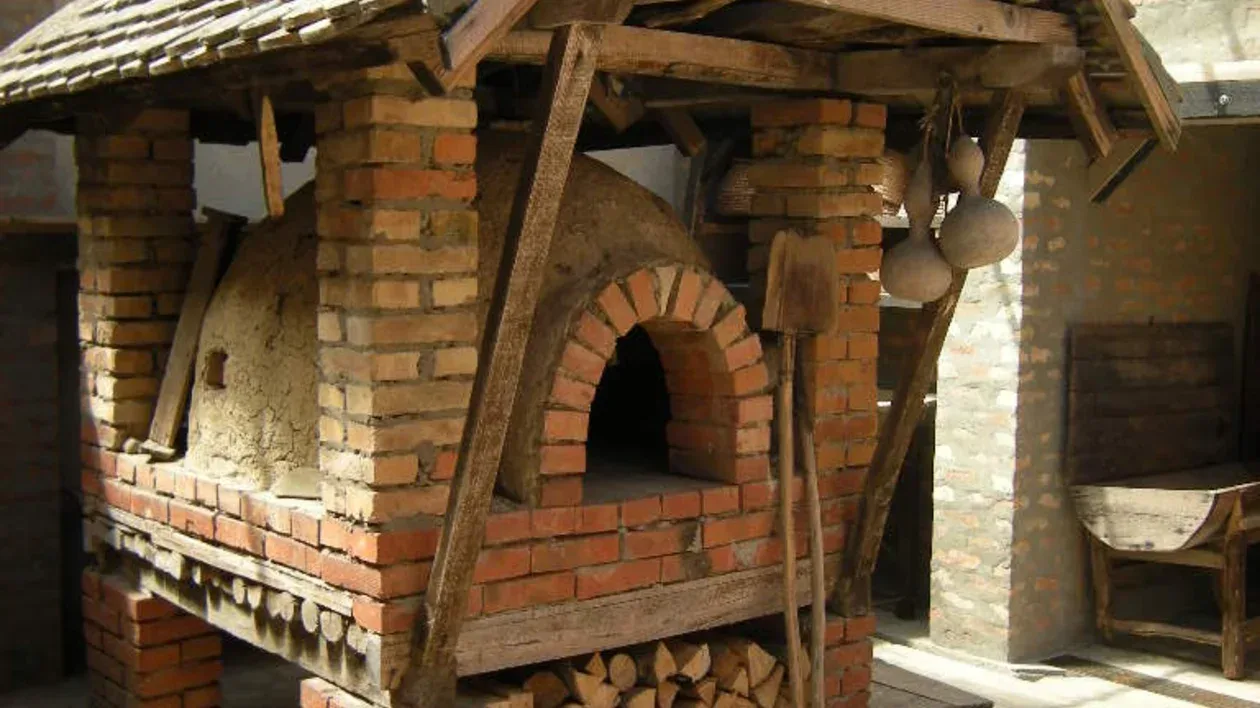
After grain processing, the collection moves into the domestic sphere. Vessels and utensils associated with kneading and shaping sit within a wider group of household objects, while ovens complete the physical path toward baked bread. The museum can demonstrate the operation of some selected objects, and some pieces can be touched under supervision. That possibility makes scale and movement easier to understand, particularly for families, but it is controlled by the guide. Visitors should not assume open handling throughout the collection or expect a specific oven or implement to operate during every tour.
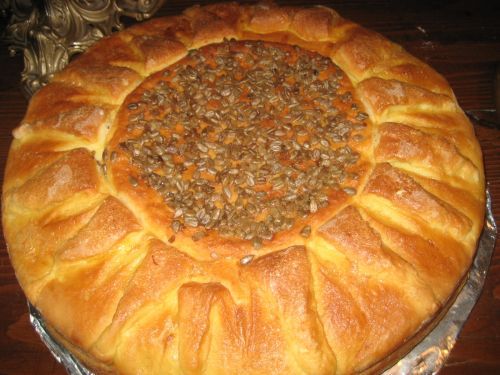
The ritual-bread collection shifts attention from production technology to the occasions for which bread was formed and used. Its 96 types present variation in shape and ceremonial purpose, giving material form to traditions connected with household and religious life, including Slava. This is where Srem food heritage becomes more than a history of tools: bread functions as a made object carrying social meaning. The display should not be read as a universal account of every Serbian household or as a set of recipes. Its value lies in showing documented forms together, allowing the guide to explain why appearance and context mattered.
The archaeological collection extends the subject beyond recent rural life through prehistoric and Roman-period objects associated with farming and milling. These pieces provide an older material record of how communities cultivated and processed grain. The fine-art collection serves a different purpose. Jeremija’s paintings and drawings interpret bread, labour and the surrounding cultural world through the founder’s own practice. Keeping those strands distinct helps visitors understand the museum’s structure: archaeology supplies historical depth, ethnography follows work and domestic use, and art reveals the perspective that shaped the institution and its physical presentation.
Visits are conducted with a guide, who connects the permanent ethnographic, archaeological and art collections into a coherent bread-production narrative. Practical demonstrations of how bread was made in Serbia are documented, but neither a fixed demonstration programme nor a guaranteed hands-on activity is published. Some selected objects may be handled under supervision. A standard duration, maximum group size and available guide languages are also not stated.
Groups visiting outside the regular schedule must arrange their arrival in advance. Booking is handled directly rather than through an online checkout: telephone the museum team or request arrangements by email. The official Serbian Bread Museum information should be checked again before setting out.
Navigate to Braće Vidakovića 83 in Pećinci and use the full postcode, 22410, when entering the address. A verified walking route from a named local landmark, walking time, public bus line number, stop name, taxi fare and visitor-parking arrangement are not published in the reviewed visitor information. Pećinci should therefore not be approached on the assumption that a numbered city service stops at the entrance. Travellers relying on public transport can consult the Serbia transit search and route-planning guide, then confirm the final local connection before departure.
Pećinci places the museum within Srem, west of Belgrade and south of the main Novi Sad corridor. Its focus is deliberately narrow, so the visit works as a self-contained encounter with agriculture, food customs and one artist’s collecting practice. Travellers continuing through the region can treat Sremska Mitrovica’s Roman and Sava heritage as a separate cultural stop rather than assuming a timed combined itinerary. No transfer duration between the two has been verified here. Build the connection around current road or public-transport information and the museum’s confirmed admission time.
Saturday and Sunday provide the clearest option for independent travellers because both days have a published 10:00–17:00 window. Arrive with enough time for a guide-led experience rather than treating 17:00 as a last-entry promise; no final admission time is stated. Groups can request another day or time with advance notice, but should regard the visit as confirmed only after direct agreement with the museum. Seasonal and public-holiday schedules are not published. If the museum is the main reason for the journey, contact it shortly before travel rather than relying on an undated directory listing.
The visit is interpretive and object-focused, with the guide controlling movement, explanations and any handling of selected pieces. Ordinary casual clothing is appropriate, but a formal dress policy is not published. Families can find the progression from large agricultural tools to recognisable household tasks accessible, although no dedicated children’s programme is guaranteed. Accessibility information for entrances, paths and exhibition spaces has not been published, so visitors with mobility or sensory requirements should ask before travelling. Noise conditions are not specified. Bring a way to note unfamiliar Serbian terms, and leave food and drink outside the museum rooms.
Sources cross-checked for this guide:
Last checked: 11 October 2026. Reviewed and fact-checked by the editorial team led by Mascha, using the official sources listed above.
The regular public schedule is concentrated on the weekend. Other group visits depend on advance arrangement.
The museum carried a dated notice covering closure for work in January and February 2026 with planned resumption on 1 March 2026. That notice is not evidence of a current closure or independently observed reopening. Confirm the current schedule before travel.
The operator publishes separate individual and group rates for children and adults. No additional workshop, tasting or demonstration fee is established.
Recheck rates directly before travel. The reviewed information does not establish extra discounts, bundled food, card acceptance or an online ticket checkout.
Collection, visitor and operational details were checked against the museum, municipality and national tourism documents listed below on 9 October 2026. Time-sensitive information should be reconfirmed with the museum.
The museum’s published postal address is Braće Vidakovića 83, 22410 Pećinci, Serbia. Confirm the entrance directly if precise access instructions are important.
These five documented parts of the permanent presentation explain the museum’s central theme. All are at the same Pećinci address and are covered by the museum admission structure rather than separate tickets.
Cultivation and transport tools
Implements connect soil preparation and harvesting with the movement of grain toward storage and processing.
This part establishes bread as the result of seasonal agricultural work before the guide reaches milling or baking equipment.
Grain-processing equipment
Objects for processing wheat and corn show the mechanical stages between harvested grain and usable flour or meal.
The equipment is interpreted as part of a production chain rather than as isolated rural machinery.
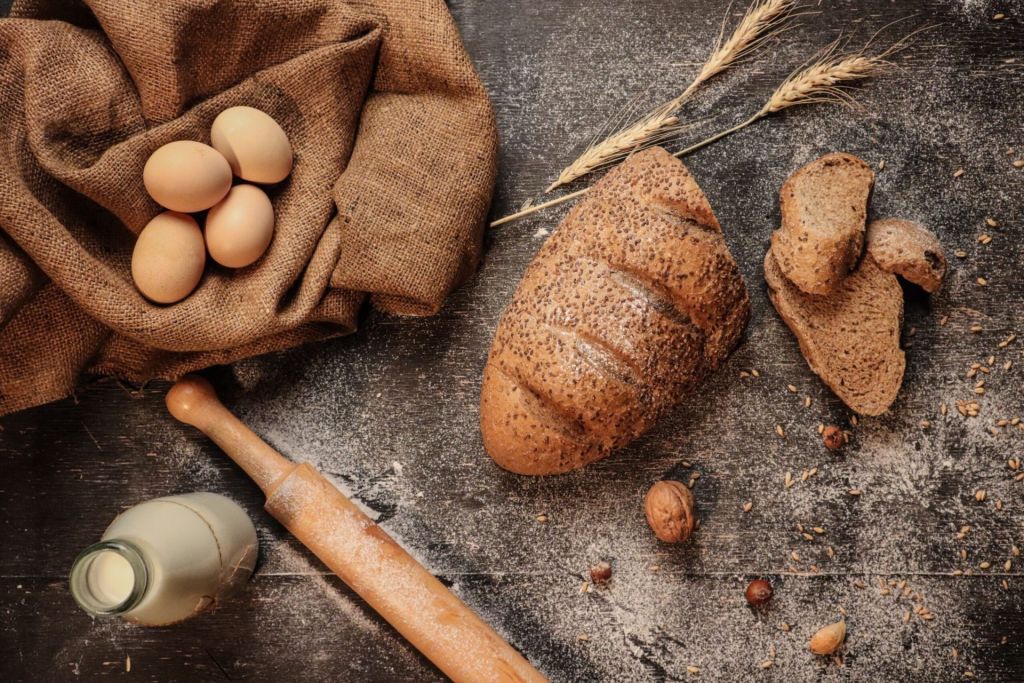
Bread preparation and baking objects
Kneading vessels, household utensils and ovens move the story from processed grain into domestic bread making.
Selected objects may be handled or demonstrated under museum guidance, but a particular demonstration is not guaranteed.
Ritual bread collection
A documented collection of 96 types presents ceremonial bread as material culture with social and religious roles.
The display focuses on forms and meanings rather than promising a tasting, recipe class or freshly baked sample.
Archaeology and Jeremija’s art
Prehistoric and Roman-period farming objects are kept distinct from paintings and drawings by Slobodan Jeremić Jeremija.
Together, the two collections extend the subject backward through archaeology and outward through an artist’s interpretation.
Braće Vidakovića 83, 22410 Pećinci, Serbia
No official reference landmark is published; navigate by the street address
Serbian bread heritage interpreted through objects, ritual breads and art
400–500 RSD at the published individual and group rates
Saturday or Sunday during the published 10:00–17:00 window
Required for groups outside regular hours; weekend individual policy is not published
Arrange group visits by museum phone or email
Guide-led; independent entry is not described
Not published; ask the museum before travelling
Groups seeking a weekday or other visit outside the regular weekend schedule must give advance notice. No online checkout or reservation form is published, so use the museum’s direct contact channels and ask for written confirmation of the date, arrival time and group size.
Plan for museum interpretation, not a bakery tasting stop. A tasting, meal, workshop, free bread sample or opportunity to bake is not part of the published standard visit. Food and drink may not be brought into the museum rooms.
For an arranged group visit, call the museum’s published visitor number or send an email to the museum team. Individual weekend reservation requirements are not published, so travellers making a special journey can use the same channels to confirm admission before departure.
Hours, admission rates and arranged-visit procedures can change. Recheck directly before travelling, especially around public holidays or when bringing a school, family or organised group. A single year-round holiday timetable is not published.
A standard duration is not published. Ask when arranging a group visit or when confirming a weekend arrival if the day has a fixed onward schedule.
Available guide languages are not published. International visitors should request an English-language visit directly rather than assuming one will be available on arrival.
No current meeting arrangement with the founder is published. The museum presents his collecting work, paintings, drawings and role in creating the complex.
A visitor photography policy is not published in the reviewed practical information. Ask the guide before photographing collections or demonstrations.
Detailed step-free access and adapted-facility information is not published. Contact the museum with specific requirements before making the journey.
Stay connected in Serbia