Železnička bb, 31210 Požega

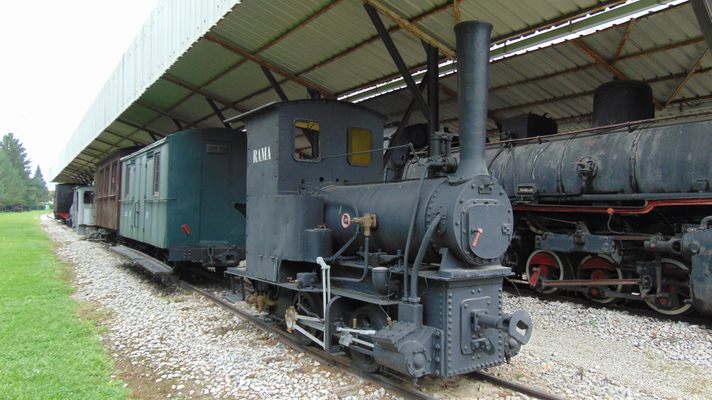
Opened in 1990, the museum yard arranges large technical objects around four station tracks with 645 metres of rail in total. A station building and goods warehouse frame the display, allowing the relationship between vehicles, freight handling and railway operations to remain legible. A turntable and wagon scale make the geometry of a working railway yard visible even though the collection is static. The calm, technical character suits travellers interested in infrastructure as history. Within Western Serbia, it adds an industrial layer to a route more often shaped by mountains, monasteries and river valleys.
Begin with the collection’s identity rather than with an expectation of boarding a train. Odeljenje uzanih pruga Požega is the narrow-gauge branch of Serbia’s Railway Museum, positioned near Požega station as an open-air technical collection. The Serbian names Železnički muzej Požega, Muzej uzanog koloseka and Одељење узаних пруга Пожега may appear in local references and search results.
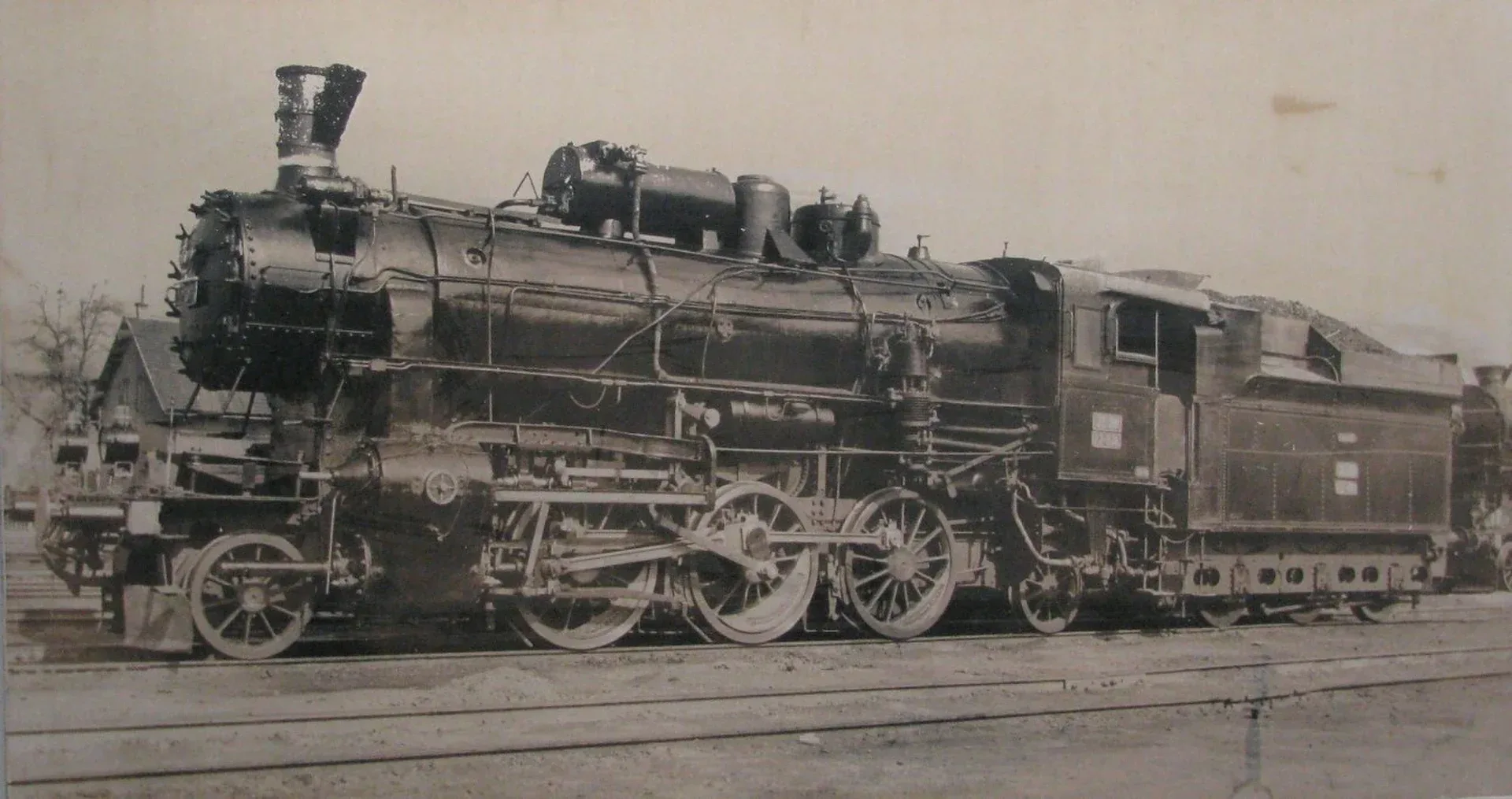
The historical inventory describes eight steam locomotives, 17 railcars and wagons, and more than 500 original exhibits across the wider display. Those totals explain the collection’s scale, but they are not a promise that every listed vehicle will be present on a particular day. The operator records that some vehicles were transferred to the Šargan Eight complex.
The central experience is therefore interpretive. Wheel arrangements, couplings, track spacing, signalling devices and station tools show how narrow-gauge transport worked as a connected system. No regular museum train ride, operating locomotive, cab entry or machinery demonstration is established for Požega. Confirm access before making the collection the fixed point of a day’s itinerary.

A steam locomotive is difficult to preserve as an isolated museum object. Its weight, dimensions and dependence on rails make the surrounding infrastructure part of the story. The Požega branch answered that practical problem by giving large railway objects a dedicated outdoor setting and by retaining the forms of a station and warehouse around them.
This approach changes how the collection reads. A locomotive can be studied beside the rolling stock it once moved, while the turntable, weighing equipment, signals and service tools explain what happened before and after a journey. The branch consequently preserves industrial relationships, not only individual machines.
Track gauge is the distance between the rails, and narrow-gauge systems use a smaller spacing than standard main-line railways. Displaying different gauges in one museum area makes changing engineering standards easier to understand. Look at how the proportions of locomotives, wheelsets and wagons correspond to the track beneath them. That observation is more useful than searching for a single headline exhibit, especially because the vehicle lineup can change as objects are transferred or conserved.
The smaller objects explain the railway yard’s logic. Signals controlled whether a movement could proceed. Station clocks coordinated work against a shared timetable, while telephones connected staff who could not rely on sight alone. Tools and office furniture bring human routines into a collection otherwise dominated by iron and steel.
The goods warehouse adds another stage. Freight did not simply arrive on a wagon; it had to be received, recorded, stored and transferred. The wagon scale measured loads, and the turntable allowed a locomotive or vehicle to be repositioned where the track arrangement required it. Together, these elements let the visitor reconstruct a sequence: communication, authorization, movement, weighing, handling and storage.
Nothing in the current visitor information establishes that these objects operate during a museum visit. Their value lies in reading the dependencies between them. Move conceptually from signal to track, from vehicle to scale and from warehouse back to the station office. That route turns a lineup of historic equipment into a practical explanation of railway work.
Požega and Mokra Gora answer different traveller questions. The Požega branch is a static museum collection focused on vehicles, track gauges and station infrastructure. The Šargan Eight heritage railway is a separate excursion experience built around a narrow-gauge train journey and its mountain route.
Do not transfer the railway’s timetable, ticket price or boarding arrangements to the museum. No combined ticket, coordinated schedule or through transport between the two attractions is published. Some museum vehicles were transferred to the Šargan Eight complex, which is another reason to check the location of a particular locomotive before travelling.
The practical choice is straightforward. Use Požega when the priority is railway engineering and the structure of a station yard. Choose the Šargan Eight when the priority is taking a heritage train ride. Travellers interested in both can place them in the same broader Western Serbia itinerary, but each visit needs independent confirmation.

The museum area is on Železnička in Požega, beside the railway station. Use Požega station as the nearest verified landmark rather than relying on the corporate address printed in the railway operator’s Belgrade footer. Business directories render the museum address as Železnička bb, 31210 Požega, but the exact public entrance and approach through the station area are not published.
Travellers using the Užice travel guide as the basis for a regional stay can treat Požega as a separate transport-planning step. A verified local bus line number, station-to-entrance walking time and typical taxi fare are not available in the current visitor information. Parking arrangements are also not described.
Confirm the entrance before departure, especially if arriving with limited mobility or on a tight connection. When asking locally, use the name Odeljenje uzanih pruga or Železnički muzej Požega. Do not enter railway operating areas or cross tracks unless museum staff explicitly direct you to do so.

A weekday is the clearest planning choice because it has a regular published window. Leave enough time to identify the correct entrance and establish where visitors may move before committing to onward transport. Weekend visits should be treated as group arrangements, not as casual drop-in access.
No separate seasonal timetable is published. Because much of the collection is outdoors, weather will affect comfort and the amount of time spent examining vehicles, track and service equipment. A dry period is more practical for reading details at ground level, but it does not establish that access is available.
If one specific locomotive or wagon is the reason for travelling, confirm it directly before fixing the date. Transfers between Požega and the Šargan Eight complex mean a historical inventory cannot substitute for a current display list.
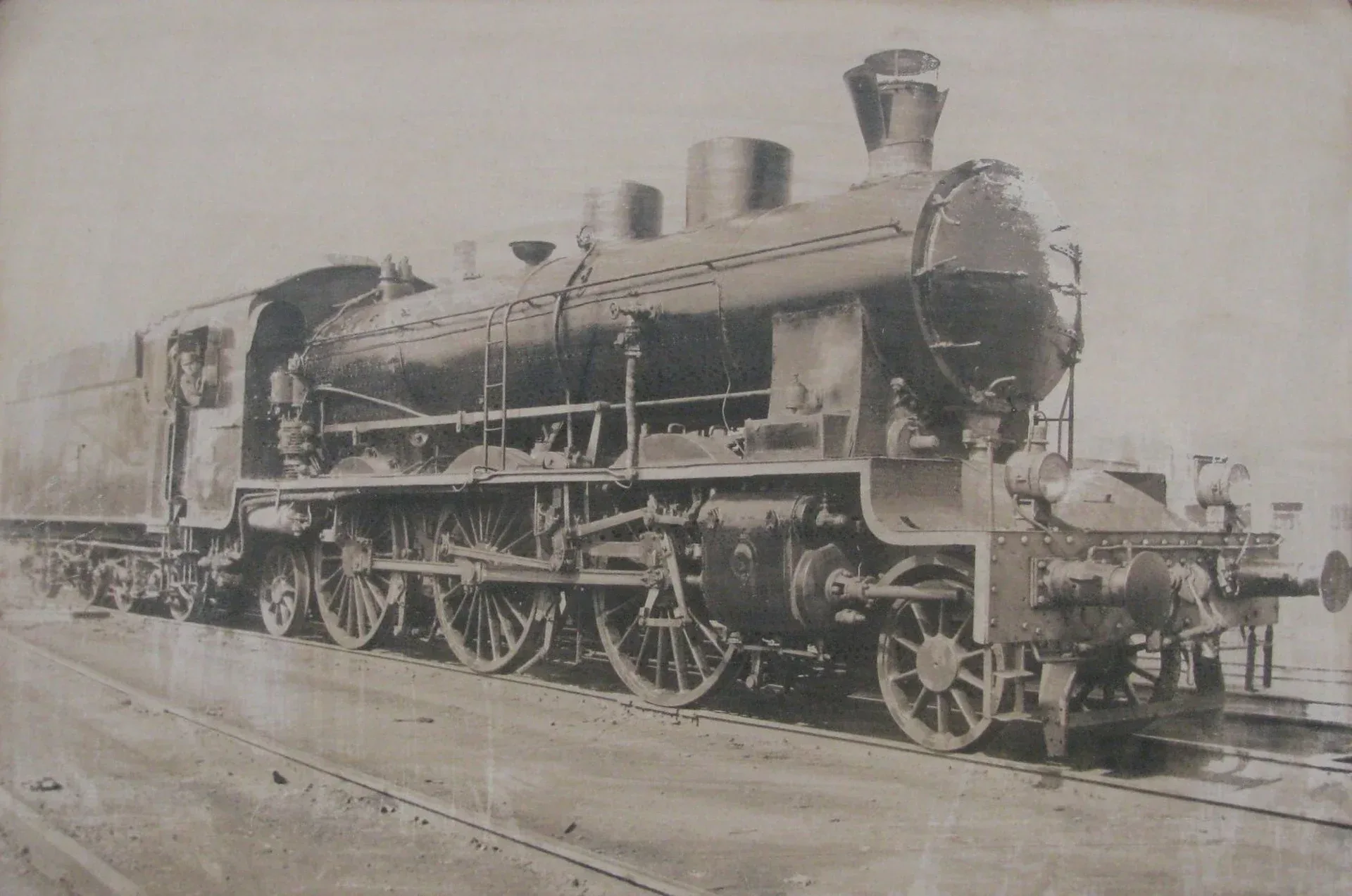
Expect an outdoor technical setting where the useful details sit at several scales: the profile of a steam locomotive, the spacing between rails, the position of a signal and the smaller tools inside the station story. There is no published dress code. Closed, stable footwear is a sensible choice around railway surfaces, and weather-appropriate protection is useful for the open-air sections.
A current physical-access assessment is not available. Step-free routes, surface quality, seating and accessible toilets have not been documented, so travellers with mobility requirements should ask for a precise route before arrival. The collection’s proximity to station infrastructure also means visitors should distinguish the museum display area from operational railway space.
No age policy for children is published. Families should confirm admission arrangements and supervise children closely around rails and heavy equipment. Noise conditions, café service, toilets and luggage storage are not described. Cab entry, unrestricted track access and working demonstrations should not be assumed.
The published weekday hours are 08:00–16:00, while group visits can be organized on weekends. An individual reservation rule is not stated, and no online booking page has been identified. The admission price, visit duration, guided format and languages offered are also not published.
Požega Tourist Information is the available local contact rather than a venue-specific booking desk. Travellers can call Požega Tourist Information or email Požega Tourist Information to ask about current access. A venue-specific email address has not been published. The Railway Museum’s Požega branch information provides the institutional description of the collection.
Ask for five points in one message: the date and arrival time, the public entrance, the current fee, whether a guide is required, and the areas visitors may enter. Add any mobility or photography question that affects the trip. Permission to enter locomotive cabs, cross tracks, handle equipment or watch a demonstration is not established. Treat those activities as unavailable unless staff explicitly confirm otherwise.
Sources cross-checked for this guide:
Last checked: 18 November 2026. Reviewed and fact-checked by the editorial team led by Patrick, using the official sources listed above.
Use the weekday period as the only published regular visiting window. Weekend access is described for organized groups rather than as general drop-in admission.
Seasonal differences and admission prices are not published. Confirm the entrance, current access and any guide requirement before travelling.
Institutional descriptions establish the collection’s history, infrastructure and recorded inventory. Visitor arrangements can change and should be reconfirmed before travel.
The museum is listed on Železnička beside Požega railway station. Confirm the public entrance before travelling because the precise visitor approach is not published.
The museum’s primary speciality is the relationship between narrow-gauge vehicles and the infrastructure that supported them. Historical inventory figures can change, so confirm any vehicle that is essential to your visit.
Steam locomotive collection
Eight steam locomotives are listed in the branch inventory as representative narrow-gauge motive power.
Read the locomotives through their wheel arrangements, proportions and mechanical components rather than expecting an operating demonstration. The collection is presented as a static industrial display.
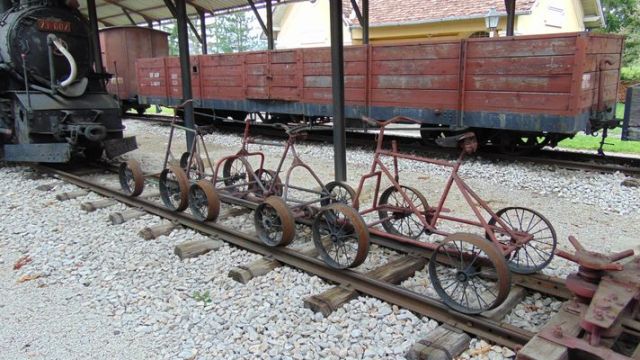
Passenger and freight rolling stock
Seventeen railcars and wagons are listed across the historical collection inventory.
The mixed rolling stock helps distinguish the movement of people from the handling of goods. Some vehicles have been transferred, so the historical total should not be read as a guaranteed same-day lineup.
Narrow-gauge track group
Parallel museum tracks place vehicles within the railway geometry for which they were built.
The rails make gauge differences visible at ground level and give the larger exhibits an operational context. Permitted visitor movement around or across the tracks is not published.
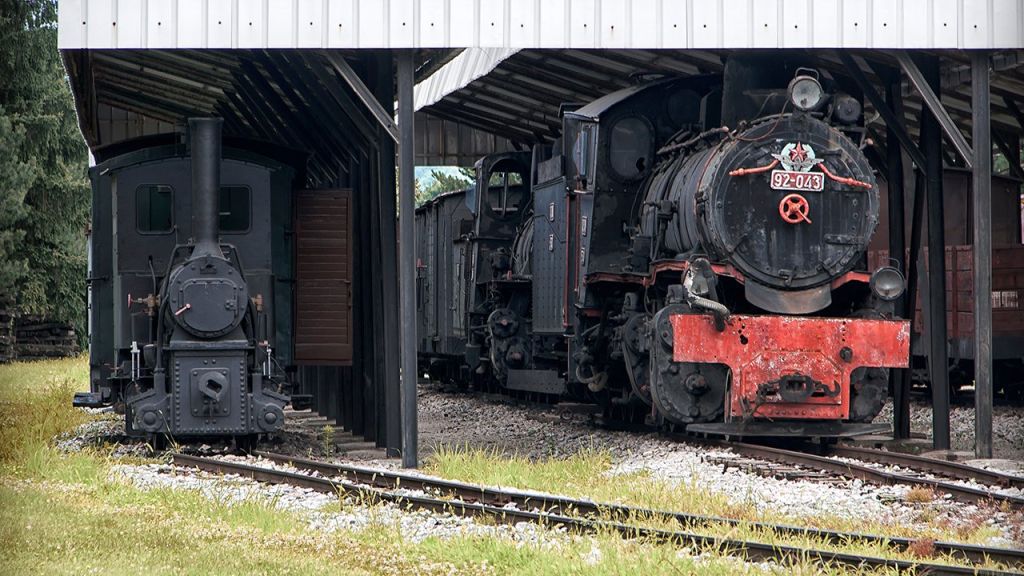
Turntable, wagon scale and service equipment
Infrastructure displays explain how locomotives were positioned and how loaded wagons were handled.
The turntable and wagon scale move attention away from the journey itself and toward the work needed to organize railway traffic. No live demonstration is currently established.
Železnička bb, 31210 Požega
Požega railway station
Narrow-gauge locomotives, rolling stock and station infrastructure
Not published
A weekday within the published visiting window
Weekdays 08:00–16:00; weekend groups by arrangement
Not stated for weekday visits
No online booking page; confirm through Požega Tourist Information
Static open-air technical collection; guided format not published
No operating museum service, locomotive ride or regular demonstration is established at Požega. Plan to study static vehicles and railway infrastructure. The heritage train excursion operates as a separate experience at the Šargan Eight.
The historical inventory is useful for understanding the collection’s range, but some vehicles were transferred to the Šargan Eight complex. Ask about the current location before travelling for one named engine or wagon.
Permitted movement through the railway yard is not documented. Follow staff directions, use only the confirmed visitor route and do not cross tracks or enter vehicles without explicit permission.
No standard tour duration, guide schedule or foreign-language service is listed. Ask whether the visit is independent or accompanied and whether interpretation is available in English.
No museum train ride or operating locomotive service is established. The documented experience is a static collection of narrow-gauge vehicles, tracks and station equipment.
No. Požega is a museum branch beside the railway station, while the Šargan Eight is a separate heritage train excursion at Mokra Gora. Their access arrangements, timetables and tickets should not be combined.
A reservation requirement for regular weekday attendance is not published. Organized weekend groups must arrange their visit in advance, and all travellers benefit from confirming the entrance and access conditions.
A current admission price is not published. Ask Požega Tourist Information to confirm whether a fee applies and how it is paid.
A current step-free route and physical-access assessment are not available. Confirm surfaces, gradients, thresholds, seating and accessible facilities before travelling.
Cab access and photography rules are not published. Do not enter vehicles, cross tracks or handle equipment unless museum staff explicitly permit it.
Stay connected in Serbia