
museum
A compact museum with scheduled demonstrations Set aside 60 to 90 minutes if you want to watch the guided experiments, browse the shop, and read the bilingual panels without rushing. Photography is allowed without flash.
Vračar
Krunska 51
Open Mon–Sun
Families

Belgrade museum guide

Nikola Tesla Museum, Belgrade | Tesla’s papers, devices & guided demonstrations

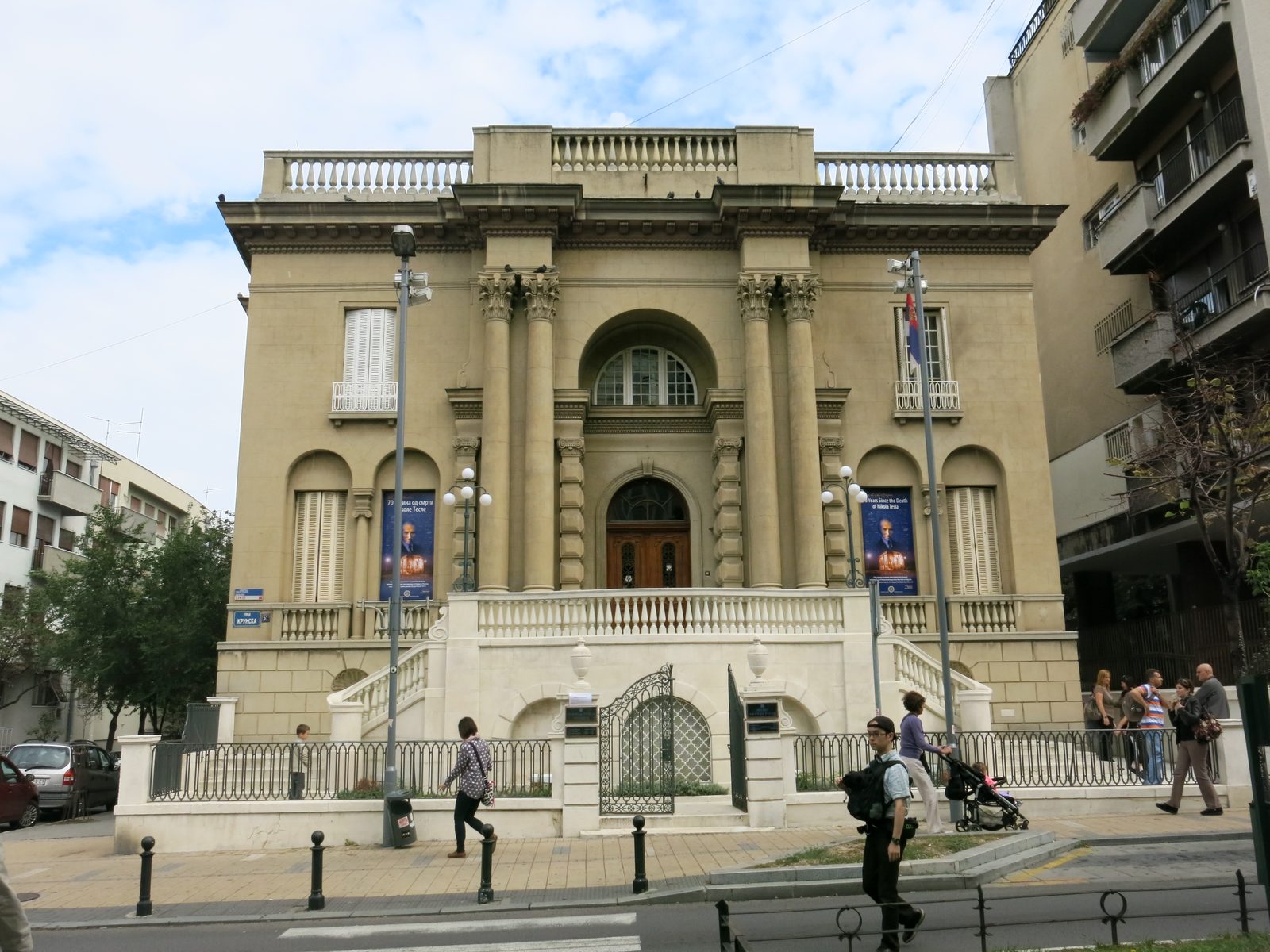
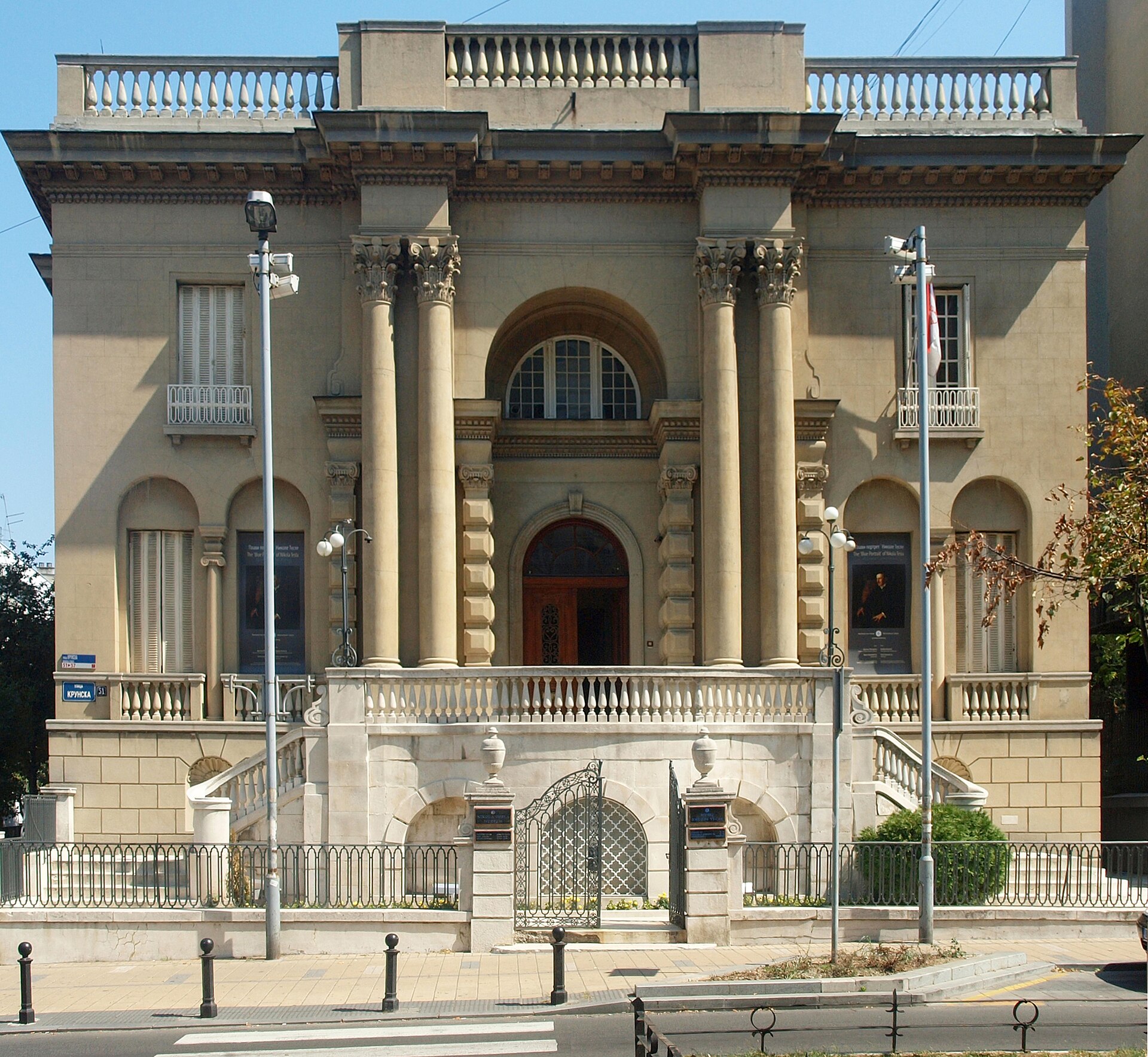
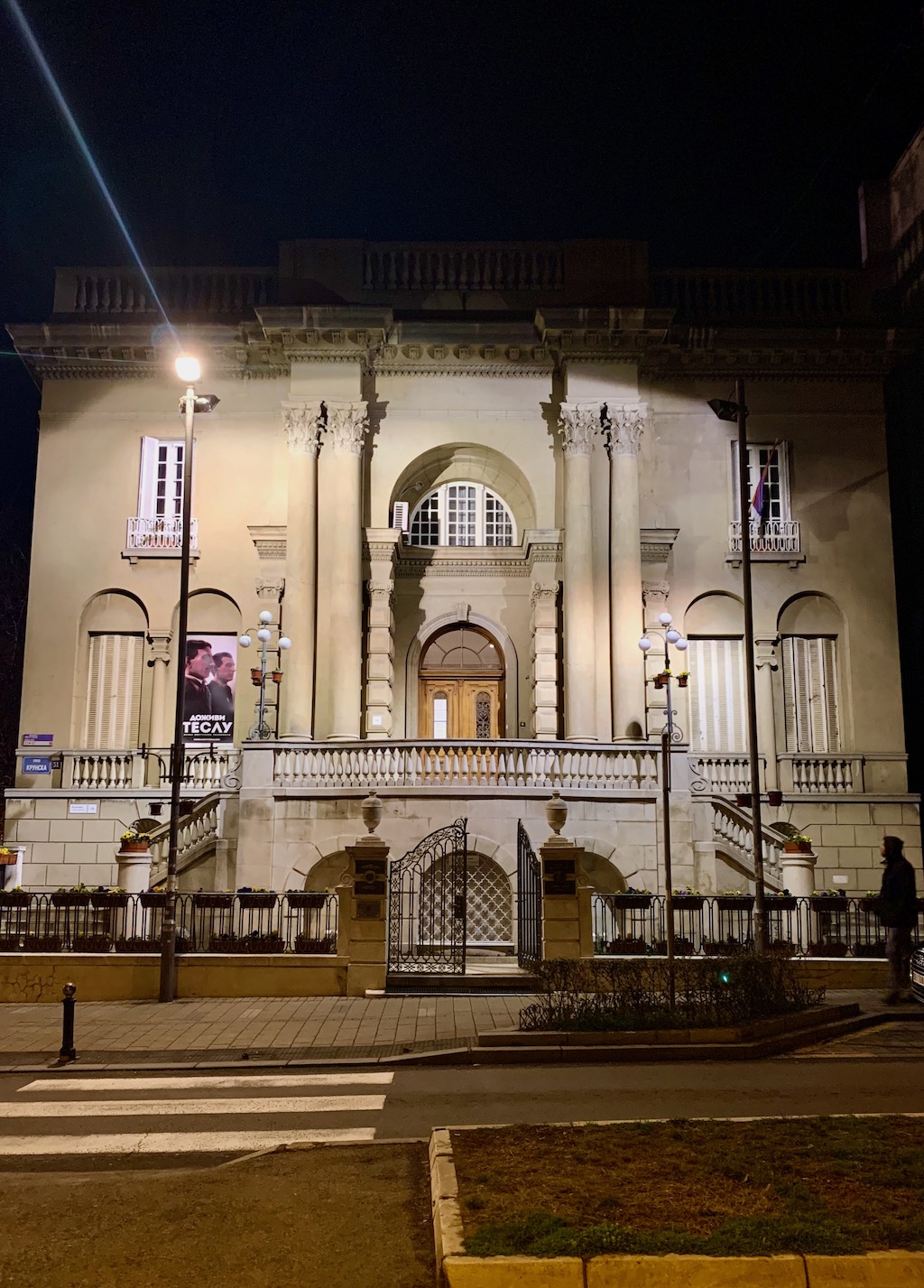
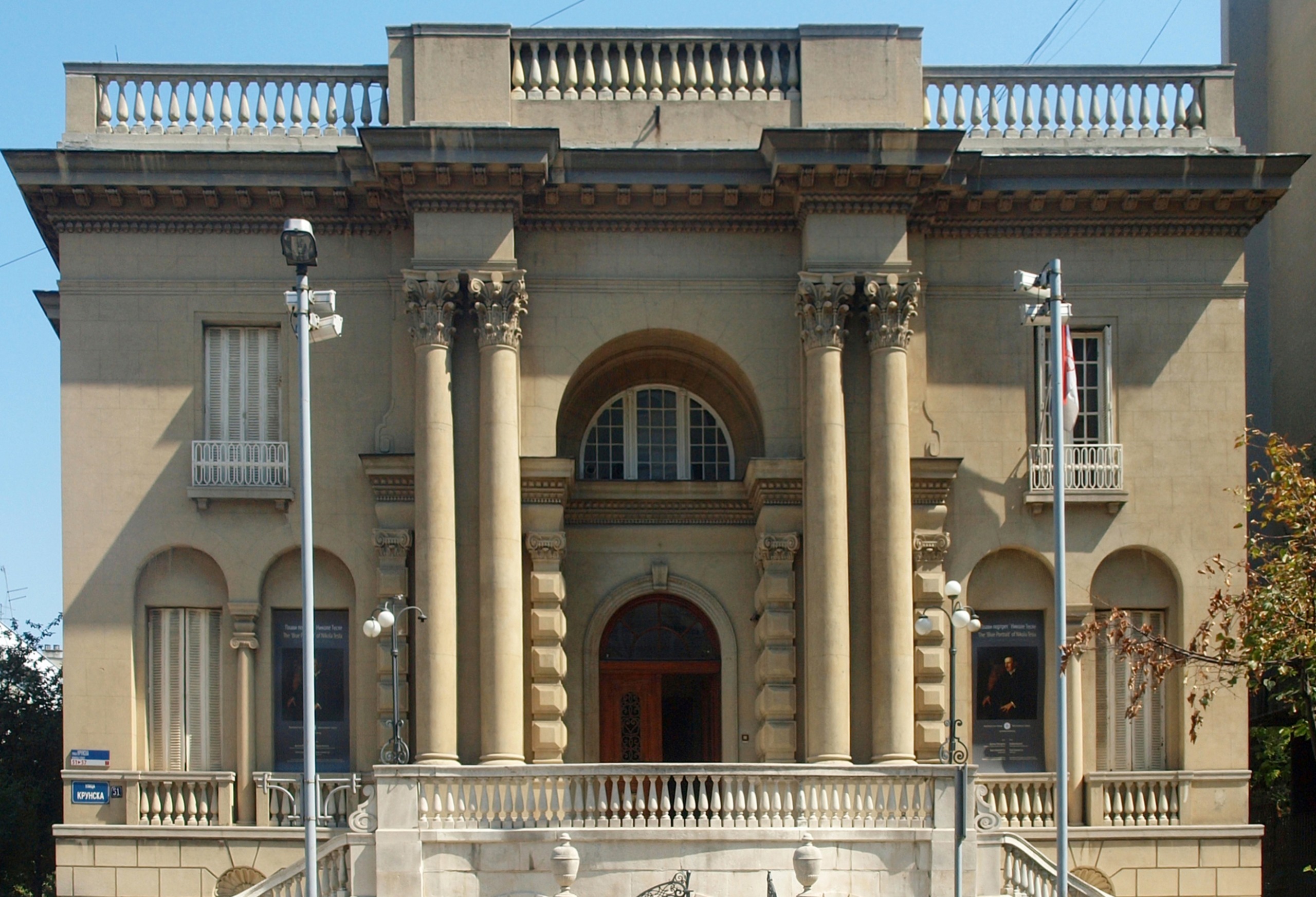
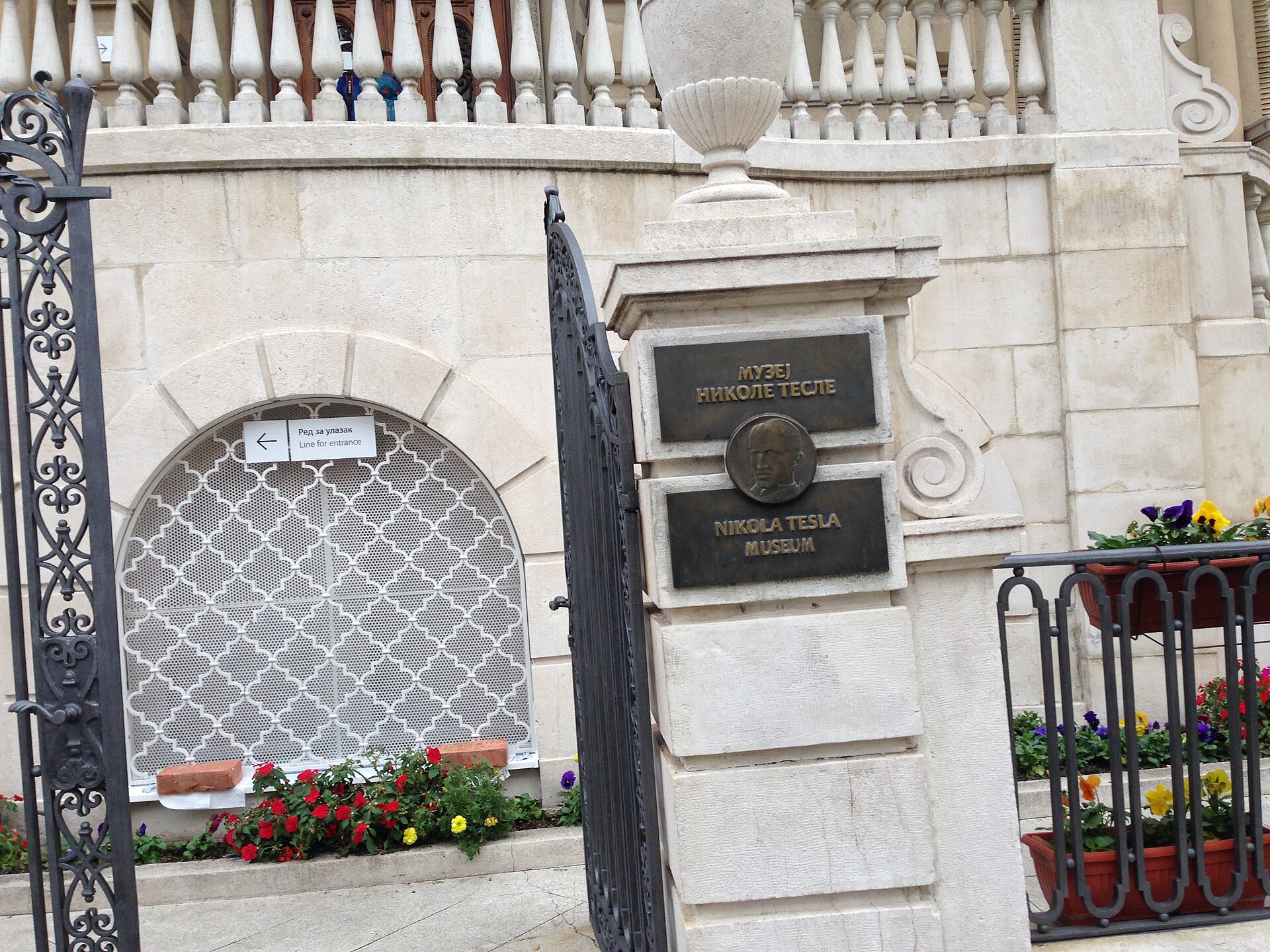
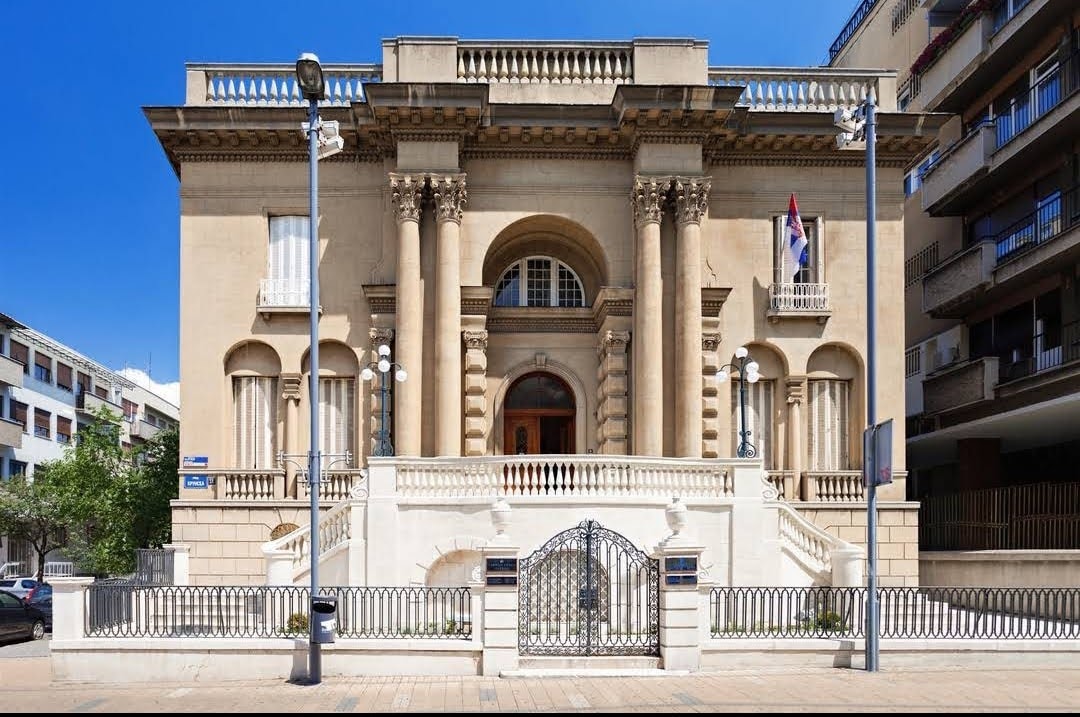
The Nikola Tesla Museum is the world’s only museum devoted entirely to Nikola Tesla’s personal legacy, with original documents, working models, and his urn in a 1929 villa on Krunska.

Guided tour English available 800 RSD admission Belgrade museums guide

Nikola Tesla Museum in one glance

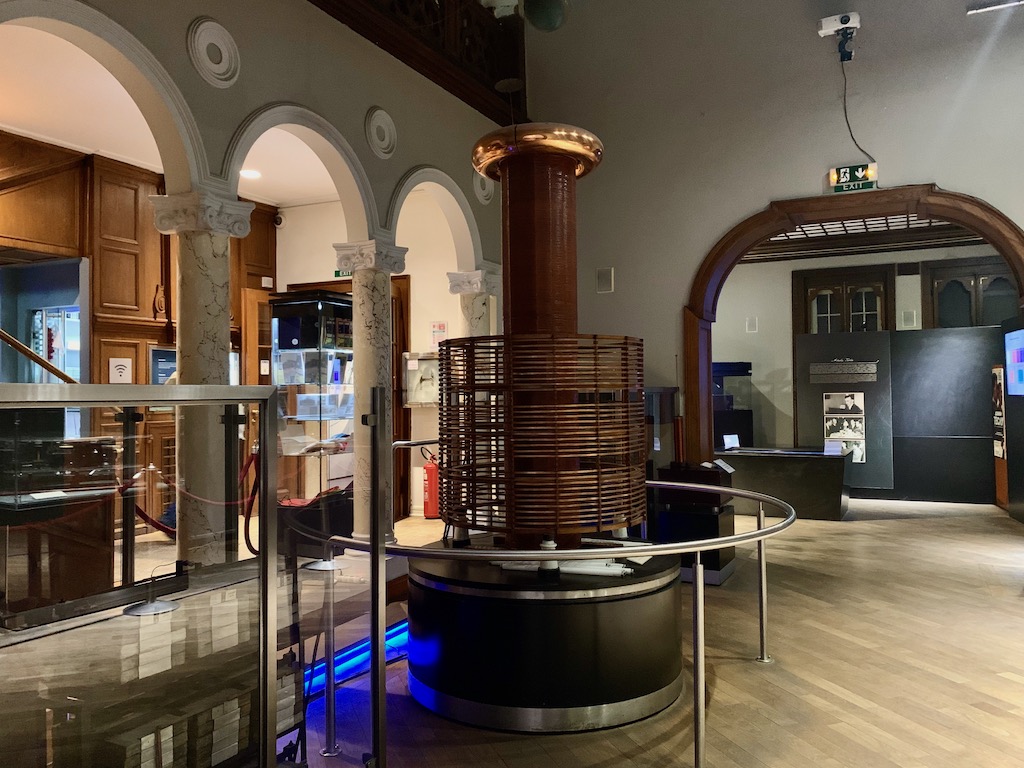
Krunska 51 is a small residential villa museum with a serious collection: more than 160,000 original documents, over 2,000 books and journals, several thousand photographs and technical drawings, and about 1,200 historical-technical artifacts. The guided tour is the main reason to come, because the demonstrations of the Tesla coil, wireless electricity transmission, and the rotating magnetic field make the visit feel alive rather than static.

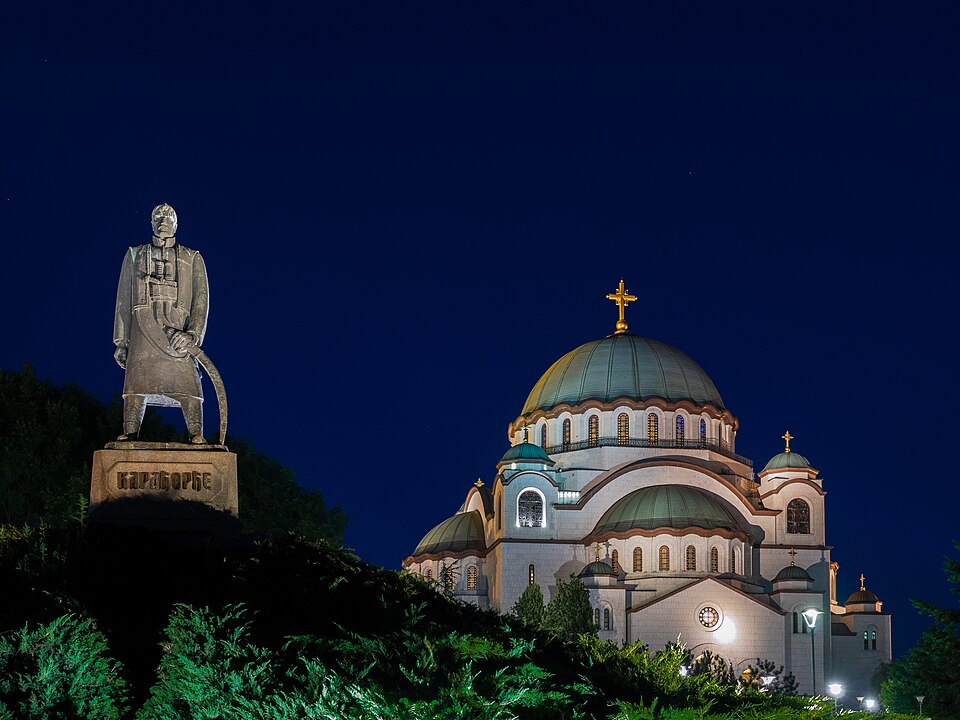
The museum opened in 1952, nine years after Tesla’s death in 1943, after his entire estate was brought to Belgrade. It is a straightforward walk from the Temple of Saint Sava, and it pairs well with Krunska street and with the Museum of Yugoslavia if you want a longer museum day in Vračar.

Tesla’s legacy in Belgrade

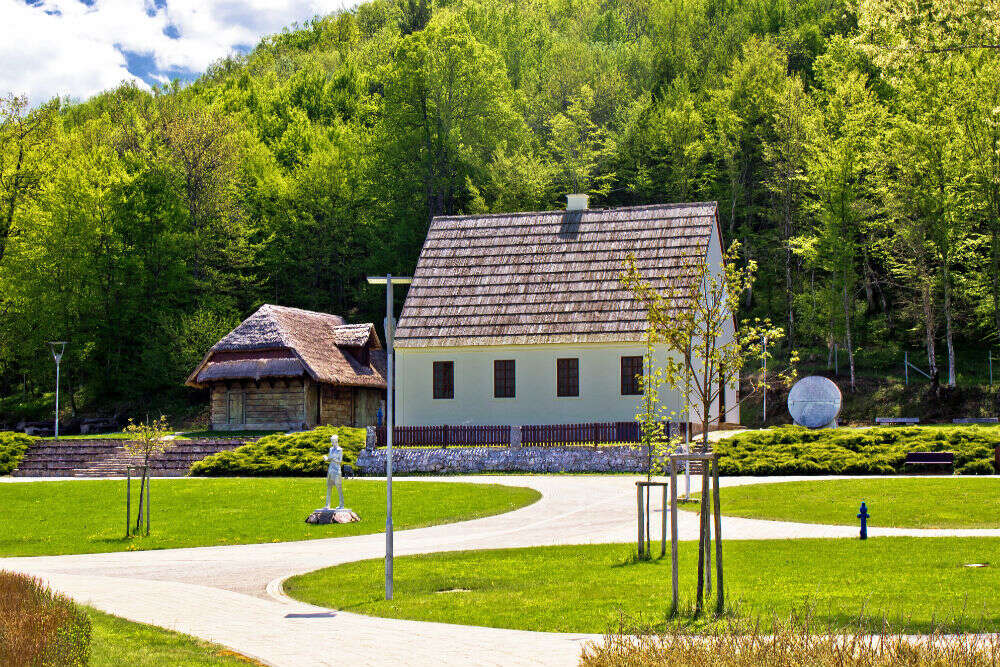
Tesla was born in 1856 in Smiljan, then part of the Austrian Empire and now in Croatia. He spent most of his working life in the United States, where he died in 1943 in the Hotel New Yorker. His will requested that his estate be sent to Belgrade, a city he never visited but considered closest to his heritage. That detail matters when you stand in the museum. You are not looking at a random inventor exhibition; you are looking at a place created around the person who shaped the modern electricity grid.

The museum explains why Tesla is central to electrical history. He developed the alternating current system that became the basis of the global power grid, invented the AC induction motor, and advanced radio communication, fluorescent lighting, remote control, and other technologies that still frame daily life. The guided tour gives those ideas a physical form through working models, which makes the science easier to grasp than a textbook ever would.

The demonstrations are usually led in English by young guides who know the material well and take questions seriously. That bilingual access is one reason non-Serbian visitors find the museum easy to follow. The panels, the guide talk, and the explanation of the urn are all presented in both Serbian and English.

How to get to Nikola Tesla Museum

From the Temple of Saint Sava, the walk to Nikola Tesla Museum usually takes about 8 to 10 minutes. From the center of Belgrade, expect roughly 15 minutes on foot if you are already near the main pedestrian core and moving at a normal pace. Krunska is one of the streets that makes sense to walk, because the approach feels more precise than rushing straight from a major artery.

For public transport, the nearest stop is Pravni fakultet, served by buses and trams. The museum sits close enough to this stop that you do not need a complicated transfer plan once you are in the right part of Vračar. Taxi fares from the central city are usually modest, but exact pricing depends on traffic and the meter. If you are coming by car, parking in the immediate area can be limited, so it is easier to arrive by taxi or public transport unless you already know the neighborhood well.

Once you step off the bus or tram, the final approach is short and straightforward. The museum does not require an elaborate arrival ritual. The practical challenge is not finding the building, but timing your arrival so you are ready for the next scheduled guided tour instead of waiting through a full cycle.

Best time to visit Nikola Tesla Museum

The museum is easiest to enjoy when you can arrive without stress and wait for the next guided tour if needed. Midweek visits tend to feel calmer than weekends, especially if you want time to read the bilingual panels and stay alert for the demonstrations. Summer can be busy, so build in patience rather than trying to rush the visit between other appointments.

Opening hours are Monday from 10:00 to 18:00, and Tuesday through Sunday from 10:00 to 20:00. Those extended evening hours later in the week are useful if you are combining the museum with a city walk in Vračar or with dinner elsewhere in Belgrade. A guided visit lasts about 45 minutes, but you should allow 60 to 90 minutes in total if you want to browse the shop and the small library area.

Book a place in your head around the hourly rhythm of the demonstrations. The museum is more satisfying when you treat it as a timed visit, not a quick drop-in. That is especially true for families with curious children, because the live demonstrations are what hold their attention.

What to expect at Nikola Tesla Museum

The atmosphere is quiet, careful, and more intimate than many visitors expect. The museum is housed in a residential villa, so the rooms feel contained, and that suits the collection. Dress code is casual. There is no need for special clothing, but comfortable shoes help because the visit often starts with a walk through Vračar and ends with another neighborhood stroll.

Accessibility is better than it would be in a grand old palace, yet the building’s original scale still shapes the experience. Noise levels stay low except during the demonstrations, when everyone naturally focuses on the model being explained. Families with older children tend to get the most out of the visit, especially children who already understand basic electricity and can follow the idea behind the coil or the rotating magnetic field.

Bring a bit of patience. The museum can get crowded, and the demonstrations are scheduled rather than continuous. Bring curiosity as well, because the guides are usually strong at answering questions. The shop is small but useful, with books about Tesla and souvenirs such as replicas of patents and small Tesla coils. Photography is allowed, but keep flash off so you do not interrupt the room or the objects.

The visit feels most complete when you let it stay unhurried. That is where the museum’s scale becomes a strength instead of a limitation.

Where Nikola Tesla Museum is

Krunska 51 in Vračar, a short walk from the Temple of Saint Sava and close to the Pravni fakultet stop.

Best Tesla-related stops in and around Nikola Tesla Museum

These are the practical places to combine with the museum itself when you are building a short Belgrade museum walk around Vračar and the city center.

Nikola Tesla Museum — Nikola Tesla Museum, Belgrade

Nikola Tesla Museum

The main stop for Tesla’s documents, working models, and guided demonstrations in a 1929 villa.

Temple of Saint Sava — Nikola Tesla Museum, Belgrade

Temple of Saint Sava

The closest major landmark and the easiest way to orient yourself before or after the visit.

Krunska street — Nikola Tesla Museum, Belgrade

Krunska street

An elegant walk before or after the museum, with a quieter residential rhythm than the central boulevards.

Museum of Yugoslavia — Nikola Tesla Museum, Belgrade

Museum of Yugoslavia

A useful second museum if you want to extend the day into a broader look at Serbian history.

National Museum — Nikola Tesla Museum, Belgrade

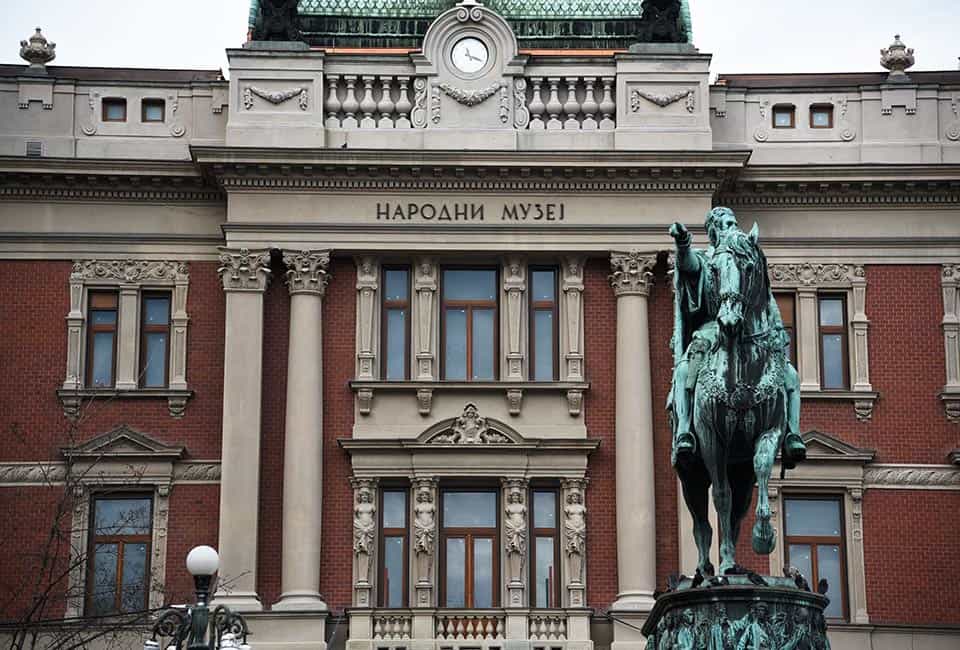
National Museum

A strong contrast to Tesla, with older art and heritage collections on Trg Republike.

Kalemegdan Fortress — Nikola Tesla Museum, Belgrade

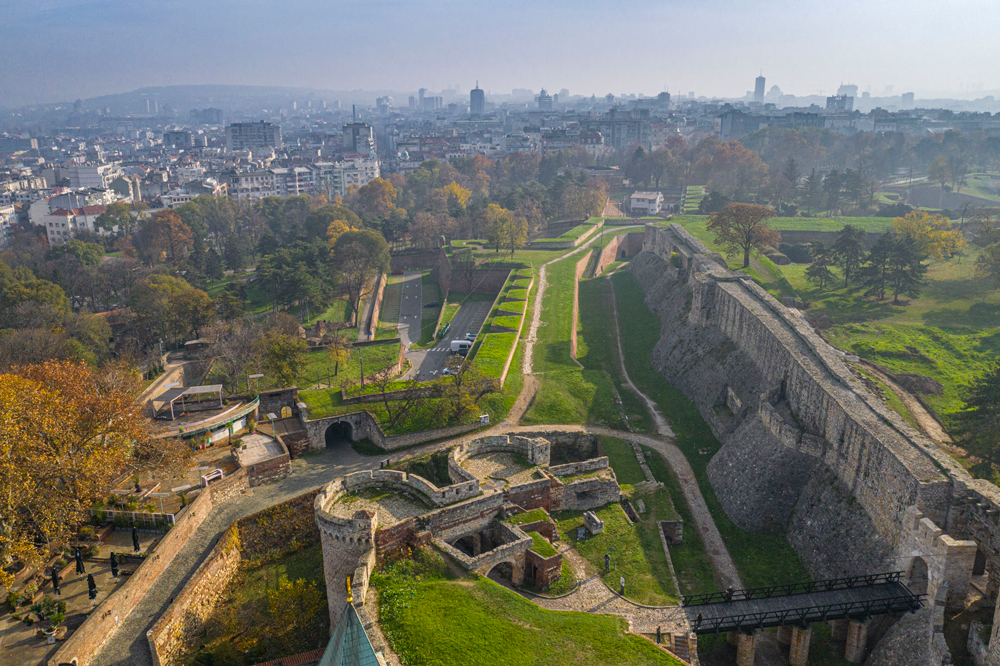
Kalemegdan Fortress

A different kind of Belgrade visit when you want open space, river views, and a historic outdoor counterpoint.

Quick facts about Nikola Tesla Museum

Address

Krunska 51, Vračar, Belgrade

Closest landmark

Temple of Saint Sava

Speciality

Tesla’s archive and guided demonstrations

Price band

800 RSD, about 7 EUR

Best time

Midweek or later in the day Tuesday to Sunday

Reservation required

Not usually, but tours are scheduled

Arrival tip for Nikola Tesla Museum

Tickets are paid in Serbian dinars at the entrance, and most cards are accepted. If you arrive during a busy summer period, keep a little extra time in hand because the tours run roughly every hour rather than continuously.

Practical details worth keeping in mind

Check tesla-museum.org before you go for any changes to hours, ticket prices, or temporary exhibitions. The site is available in Serbian and English, and it is the safest place to confirm the current schedule.

Common questions about Nikola Tesla Museum

How long does a visit to Nikola Tesla Museum take?

The guided tour lasts about 45 minutes, but a realistic visit is 60 to 90 minutes if you want time for the shop and the small library area.

Is Nikola Tesla Museum easy to understand in English?

Yes. The panels, the guided tour, and the explanation of Tesla’s urn are bilingual, and the demonstrations are usually presented in English.

Can I take photos inside Nikola Tesla Museum?

Photography is permitted without flash, so you can document the visit without disturbing the room or the objects.

Is Nikola Tesla Museum suitable for children?

Yes, especially for older children who already understand basic electricity. The working models are the most engaging part of the visit for families.

Should I book ahead for Nikola Tesla Museum?

It is not usually necessary, but you should arrive with the museum’s hourly guided-tour rhythm in mind, especially in summer when it gets busy.

What is the current schedule at Nikola Tesla Museum?

The museum is open Monday from 10:00 to 18:00, and Tuesday through Sunday from 10:00 to 20:00. Check the official website before you go in case of changes.