Use it as a context builder
Discover Use it as a context builder.

The National Museum in Belgrade is one of the city’s most important cultural institutions and a practical stop for travelers exploring Stari Grad. It sits on Trg Republike, so it is easy to combine with Knez Mihailova, nearby squares, and other central landmarks. The museum is especially useful if you want context for Serbia’s long historical timeline before moving on to the rest of Belgrade.
If you are planning a short stay in Belgrade, the National Museum is useful because it gives structure to the rest of your city walk. Many nearby sights are best understood as parts of a larger Old Town story: royal-era city planning, changing political centers, and the museum’s role in preserving national memory.
The building’s position on Trg Republike makes it easy to pair with other central attractions rather than treating it as a standalone stop. That matters for international travelers who want to avoid wasted transit time. You can visit the museum, step back into the square, and continue on foot toward Knez Mihailova, Stari Grad side streets, or additional heritage sites nearby.
this is the oldest museum in former Yugoslavia, and after a long renovation it reopened in 2018. That timeline is important because it explains why the museum remains central in local cultural conversations, not just tourist itineraries.
The National Museum is notable not only for what it contains, but also for its place in Serbian cultural continuity. The source notes that it is the oldest museum in former Yugoslavia, which places it among the foundational public institutions of the region.
Its 2018 reopening after 15 years of renovation is equally important for visitors. A long closure can make a museum feel distant or hard to plan around, but a reopening changes that. It becomes relevant again for both locals and travelers, and it often re-enters urban itineraries as a core attraction rather than a secondary stop.
For travelers, that history suggests two things. First, this is not a quick novelty stop. Second, visiting here is a good way to understand why central Belgrade remains the city’s most concentrated heritage district. The museum belongs to a wider network of streets, squares, and institutions that define Stari Grad.
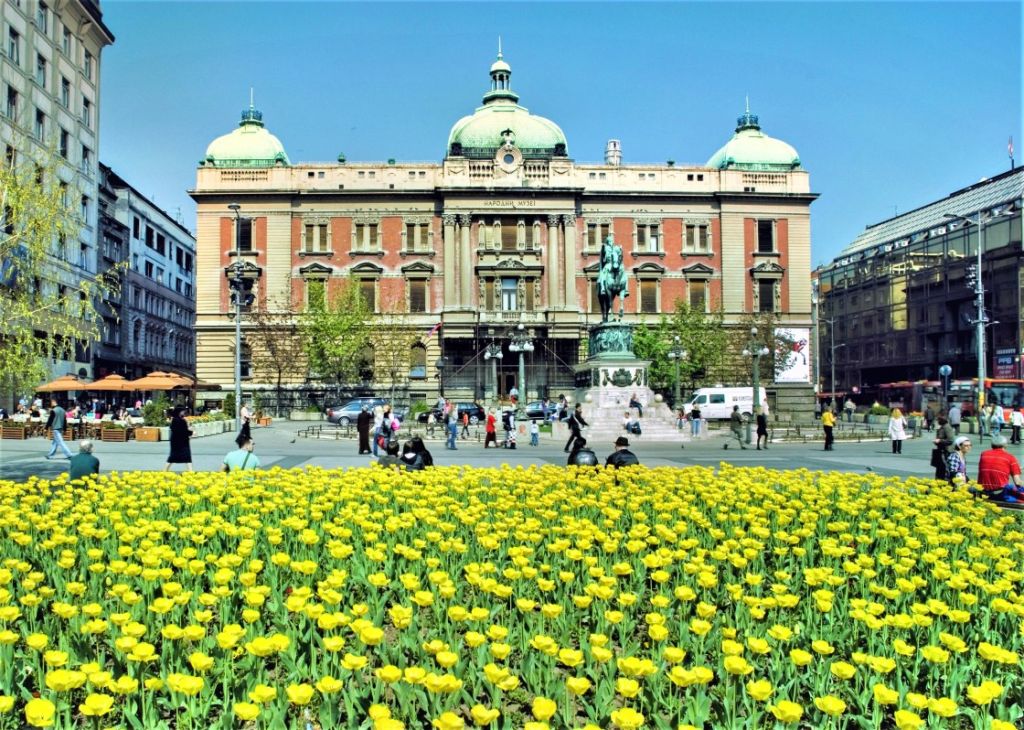
National Museum facade
The National Museum in Belgrade stands in Nationalmuseum with a neoclassical facade, columns, and a central dome
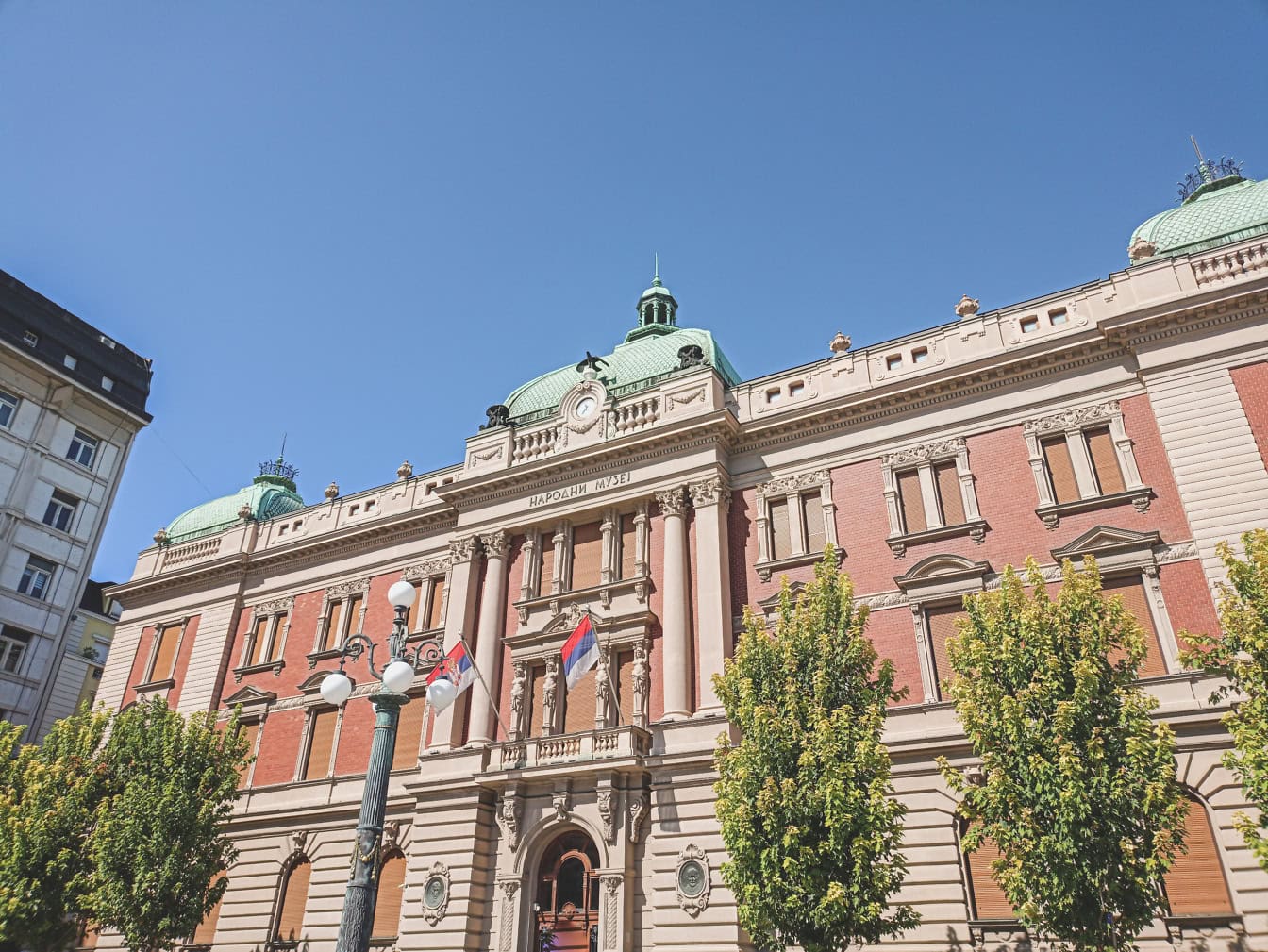
National Museum Facade
The National Museum in Belgrade shows a neoclassical facade with green domes, columns, and flags at Nationalmuseum
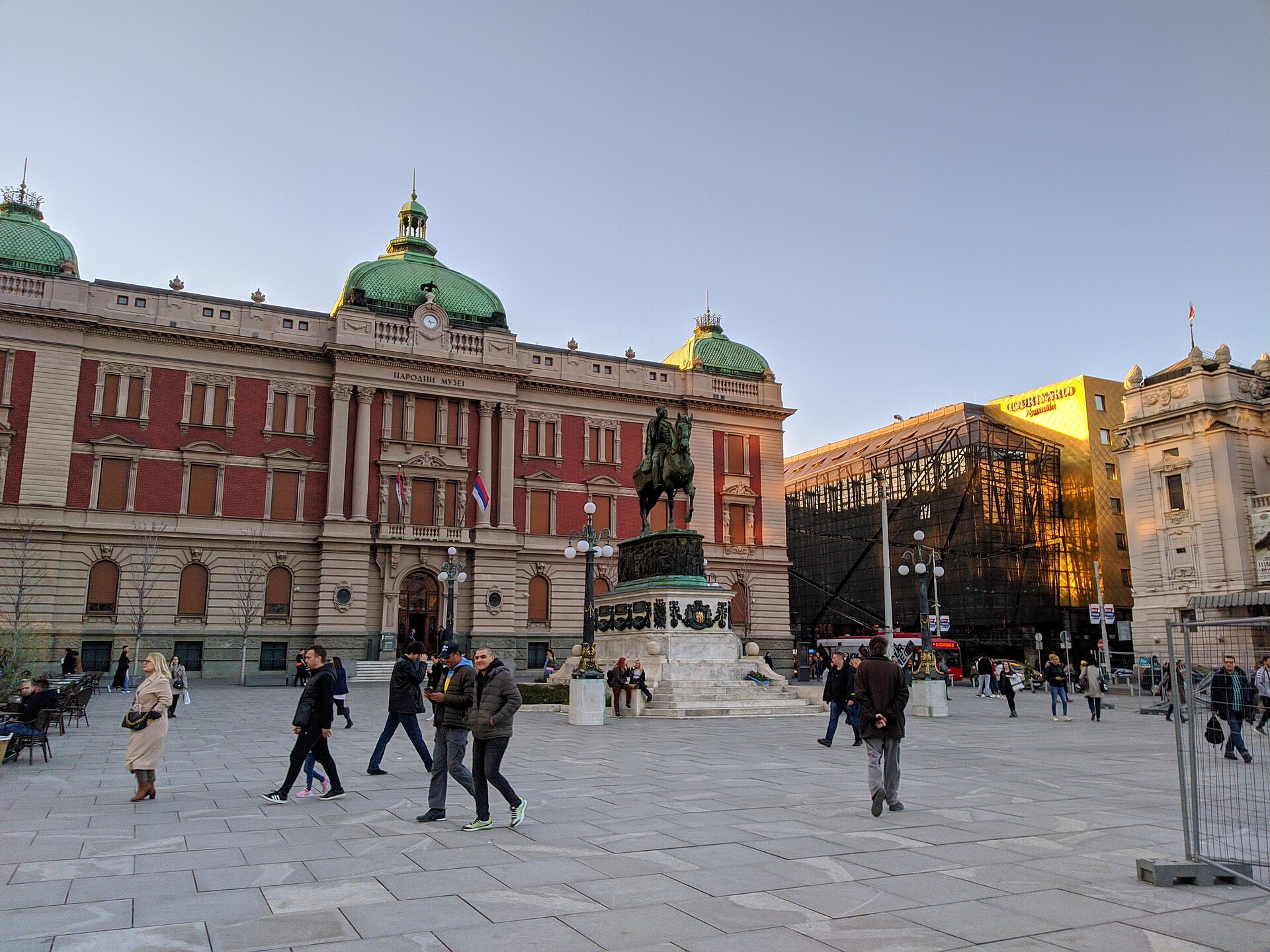
National Museum Plaza
People walk across the plaza in front of the National Museum in Belgrade, beside the equestrian monument at Nationalmuseum
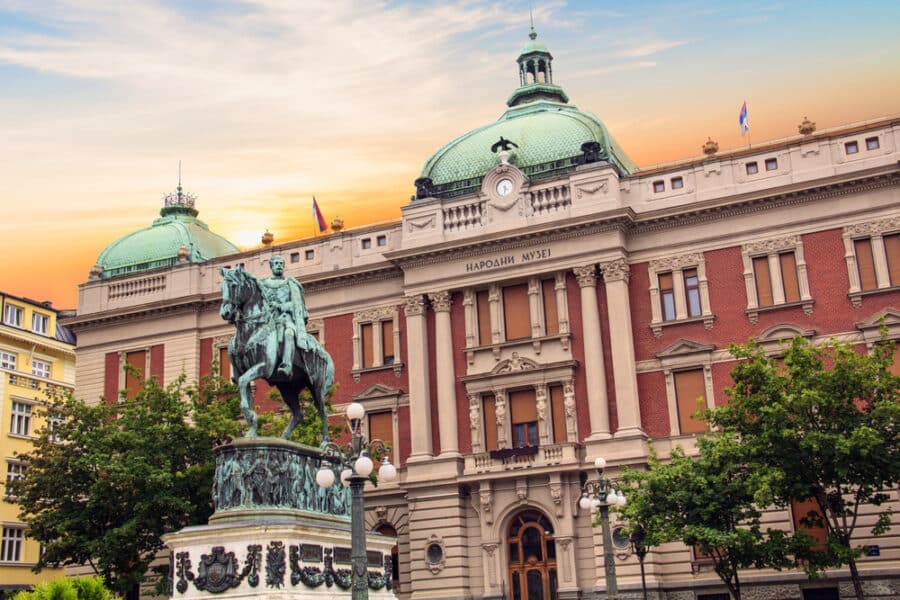
National Museum Facade
The National Museum in Belgrade rises behind an equestrian statue, with green domes and classical columns at Nationalmuseum
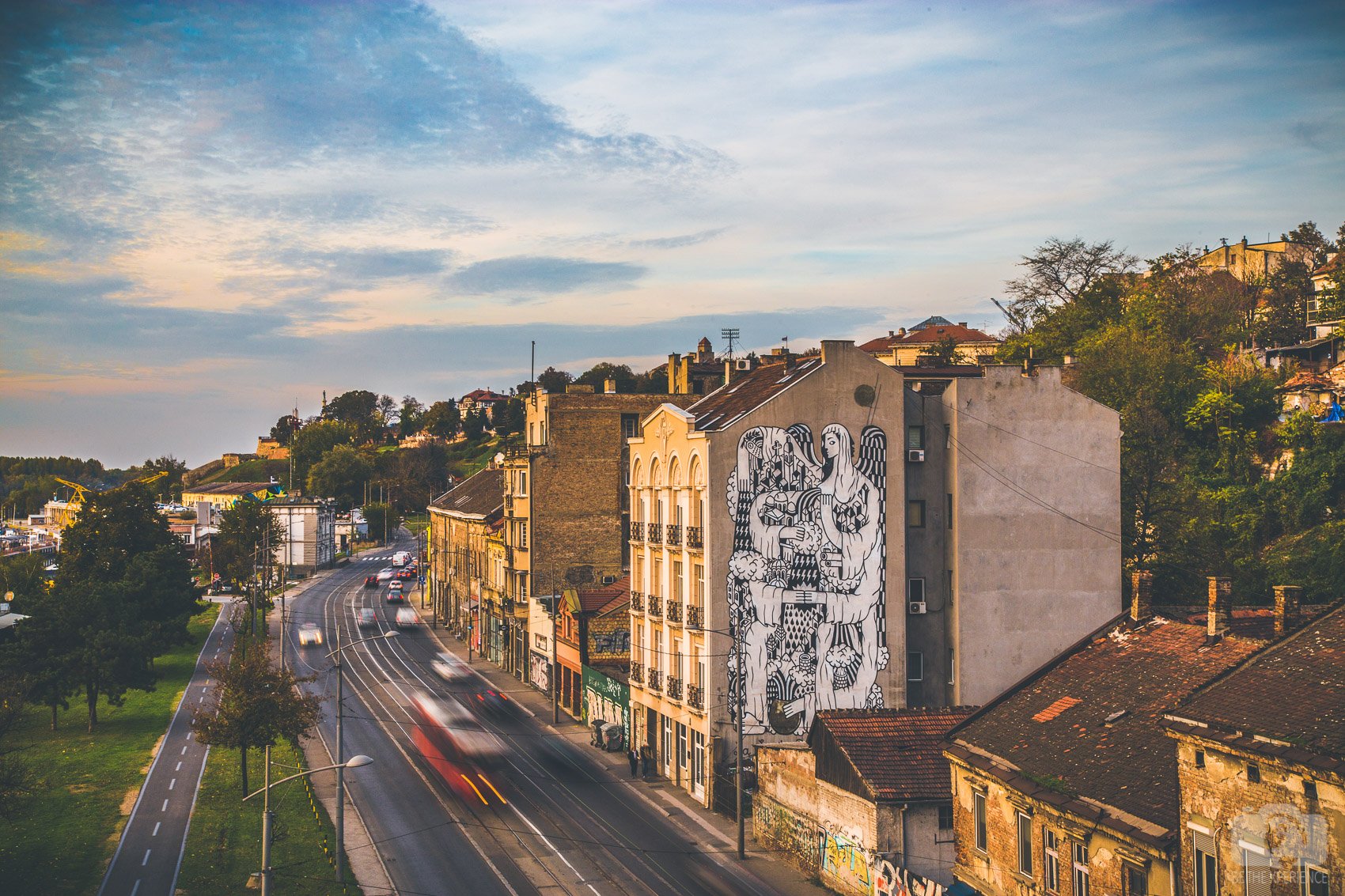
Street mural and roadway
A large black-and-white mural faces a curving road near the National Museum in Belgrade, with hillside buildings beyond
The easiest way to visit the National Museum is as part of a walking loop in the center. Because the museum is on Trg Republike, you can build a low-friction route around the square and nearby pedestrian streets. This reduces backtracking and makes the day feel cohesive.
If you are staying in central Belgrade, this is also one of the most convenient cultural stops for a half-day plan. You can start with the museum, continue toward nearby architecture and public spaces, then break for coffee or lunch before moving on to another district such as Dorćol, Savamala, or Kalemegdan.
International travelers often benefit from adding one indoor stop to an otherwise outdoor-heavy Belgrade day. The museum works well for that role because it is central, historically meaningful, and easy to reach while exploring the old town on foot.
For first-time visitors to Serbia, the National Museum is a sensible early stop because it helps explain the country before you move on to other regions. Serbia has layered histories, and Belgrade is the best place to begin seeing how those layers overlap in daily city life.
If your itinerary later includes places such as Novi Sad, Fruška Gora, Niš, or eastern Serbia, a museum visit in Belgrade gives you a reference point. Even a single cultural stop can make later monasteries, fortresses, archaeological sites, and regional museums easier to place in context.
That is one reason the museum belongs on a practical travel page rather than only on a culture page. It functions as both a sightseeing stop and a planning tool.
Use the square as your reference point for walking routes through central Belgrade.
Discover Use it as a context builder.
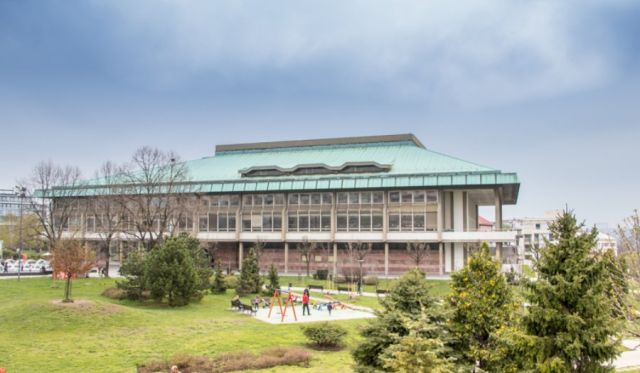
Discover Pair it with nearby walking routes.
Discover Treat it as a flexible indoor stop.
These pages help you turn a museum visit into a useful central Belgrade route.
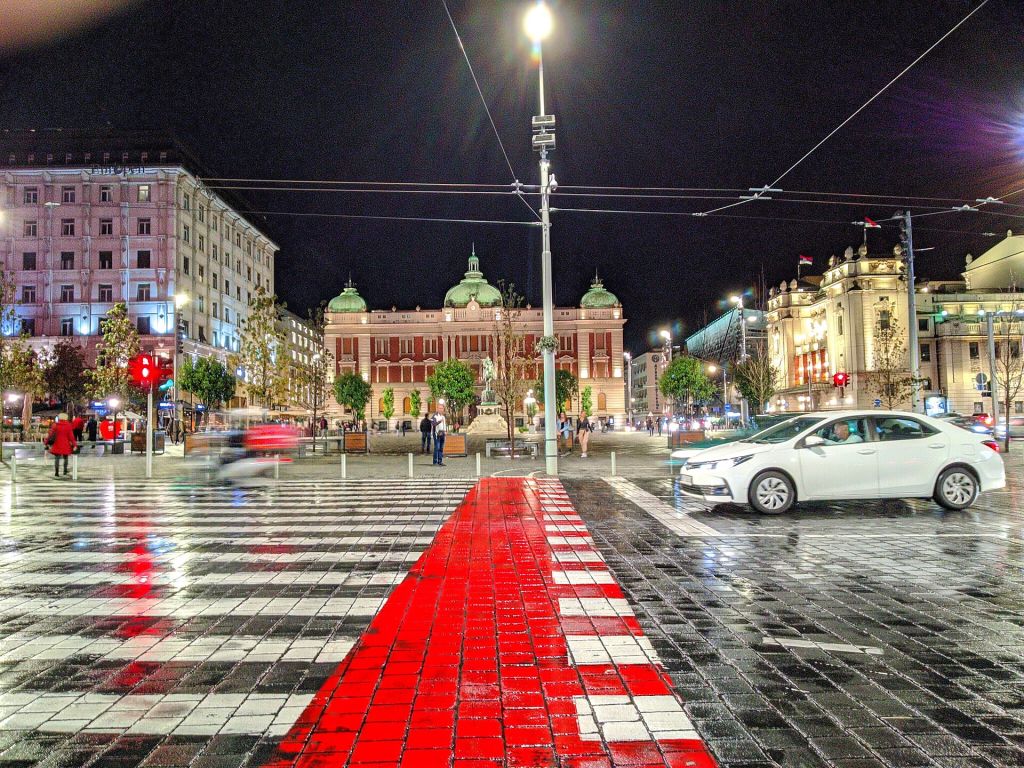
Trg Republike
The square where the National Museum stands, making it the natural starting point for a Stari Grad walking route.
Use this page first if you want orientation for the wider square and its role in the city center.
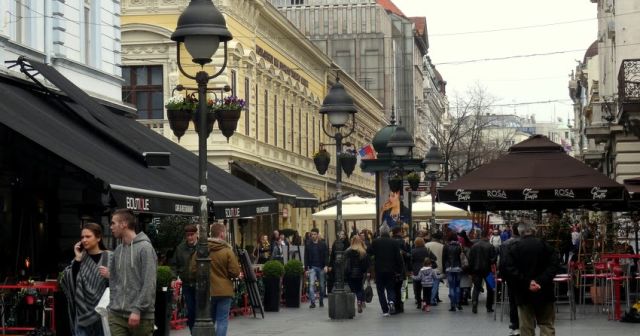
Exploring Knez Mihailova Street in Belgrade
The main pedestrian street beside the square, useful for shopping, strolling, and people-watching.
A straightforward follow-on after the museum, especially if you want a walkable city-center route.
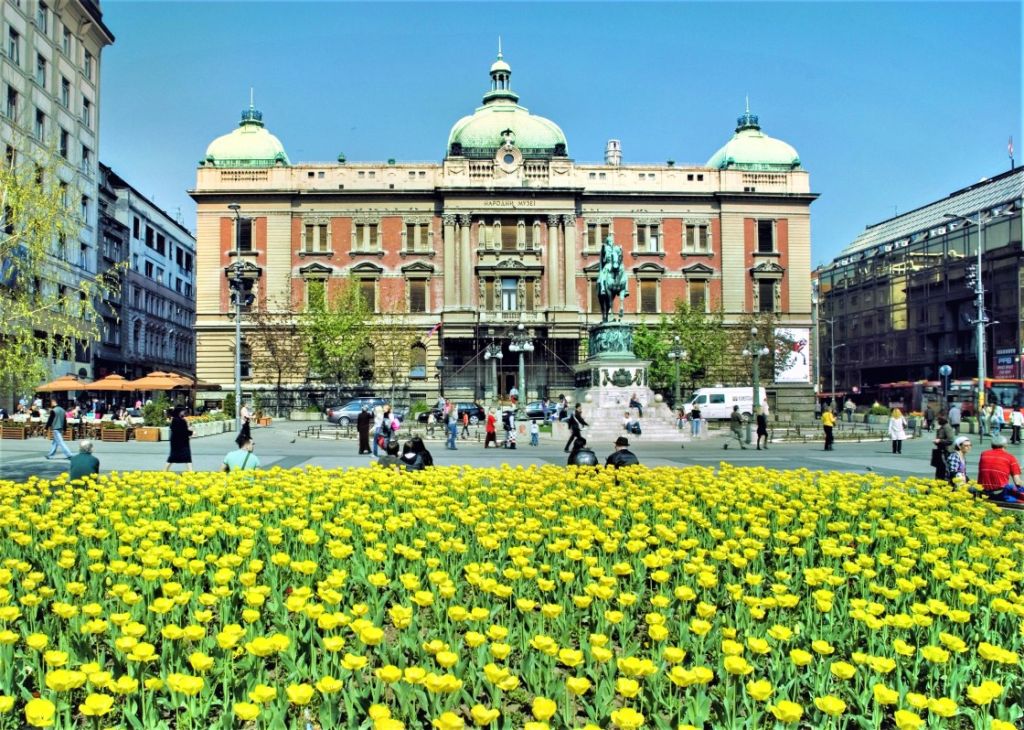
Stari Grad Belgrade Travel Guide
A broader overview of Old Town Belgrade, Kalemegdan, and Skadarlija.
Best if you want to understand how the museum fits into the full historic core of the city.
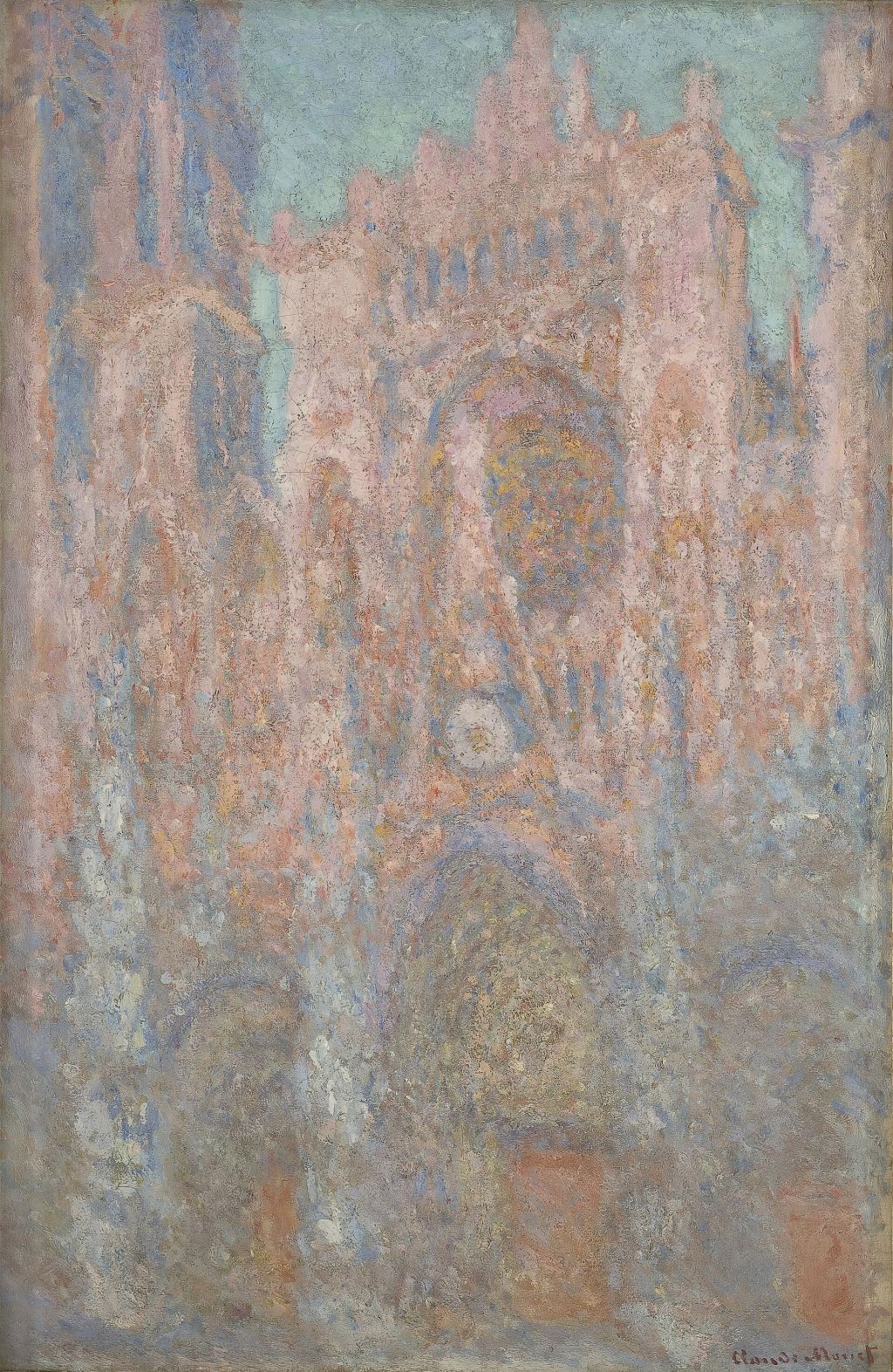
Cathedral of St. Michael, Belgrade
An important Orthodox landmark that helps round out a central heritage itinerary.
Useful for travelers who want to combine the museum with religious and historical architecture.
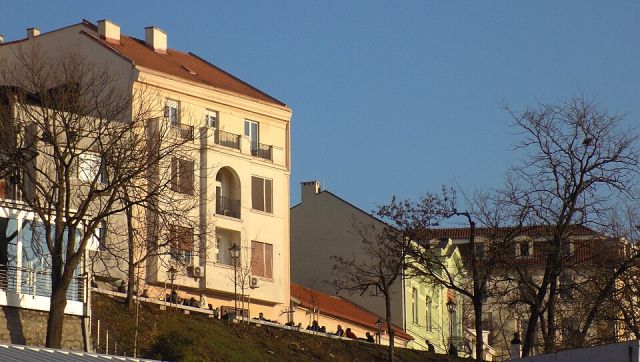
Kosančićev Venac, Belgrade
An older residential quarter with river views and atmospheric streets.
A natural extension if you want to continue beyond the square into a quieter historic area.
Trg Republike, Stari Grad, Belgrade
Oldest museum in former Yugoslavia
Reopened in 2018 after a 15-year renovation
Yes. Its location on Trg Republike makes it one of the easiest cultural stops to combine with nearby streets and squares in central Belgrade.
According to the source material, it is the oldest museum in former Yugoslavia and reopened in 2018 after a 15-year renovation, which makes it a major institution in Serbian cultural life.
Either works, but many travelers will find it efficient to start at the museum and then continue into Knez Mihailova and the rest of Stari Grad on foot.
No. The museum is in the city center, so it fits naturally into a compact Old Town itinerary rather than requiring a dedicated cross-town journey.
Start with Trg Republike, add the National Museum, and then build out the rest of your Stari Grad itinerary from there.
Stay connected in Serbia