What Trg Republike is
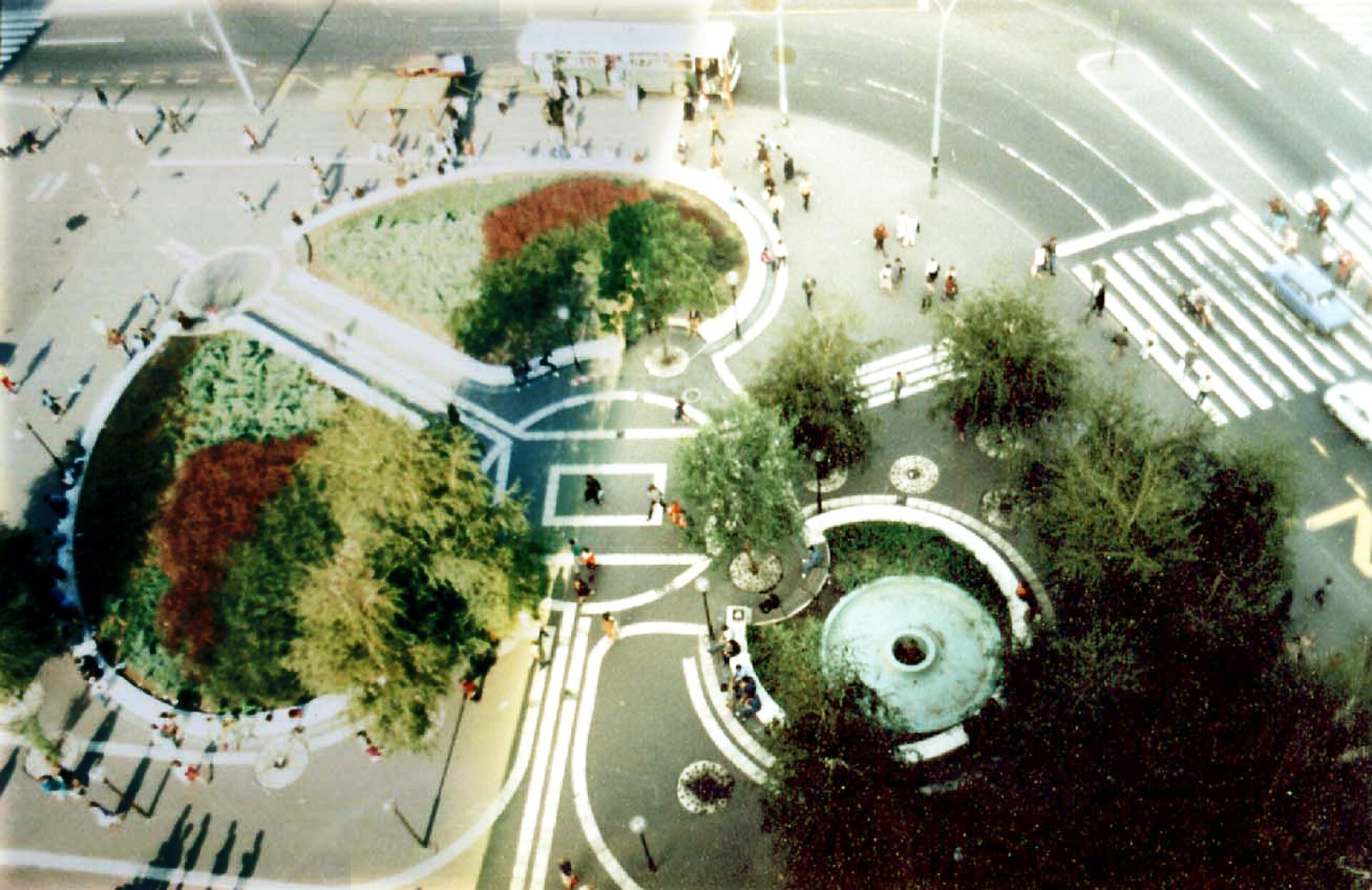
Trg Republike is the central square in the historic core of Belgrade. For travelers, it works less like a park or a sightseeing enclosure and more like a living crossroads: people pass through on the way to shopping streets, museums, restaurants, the fortress, and the old bohemian quarter. Because of that, it is one of the most useful places in the city for understanding how Stari Grad fits together.
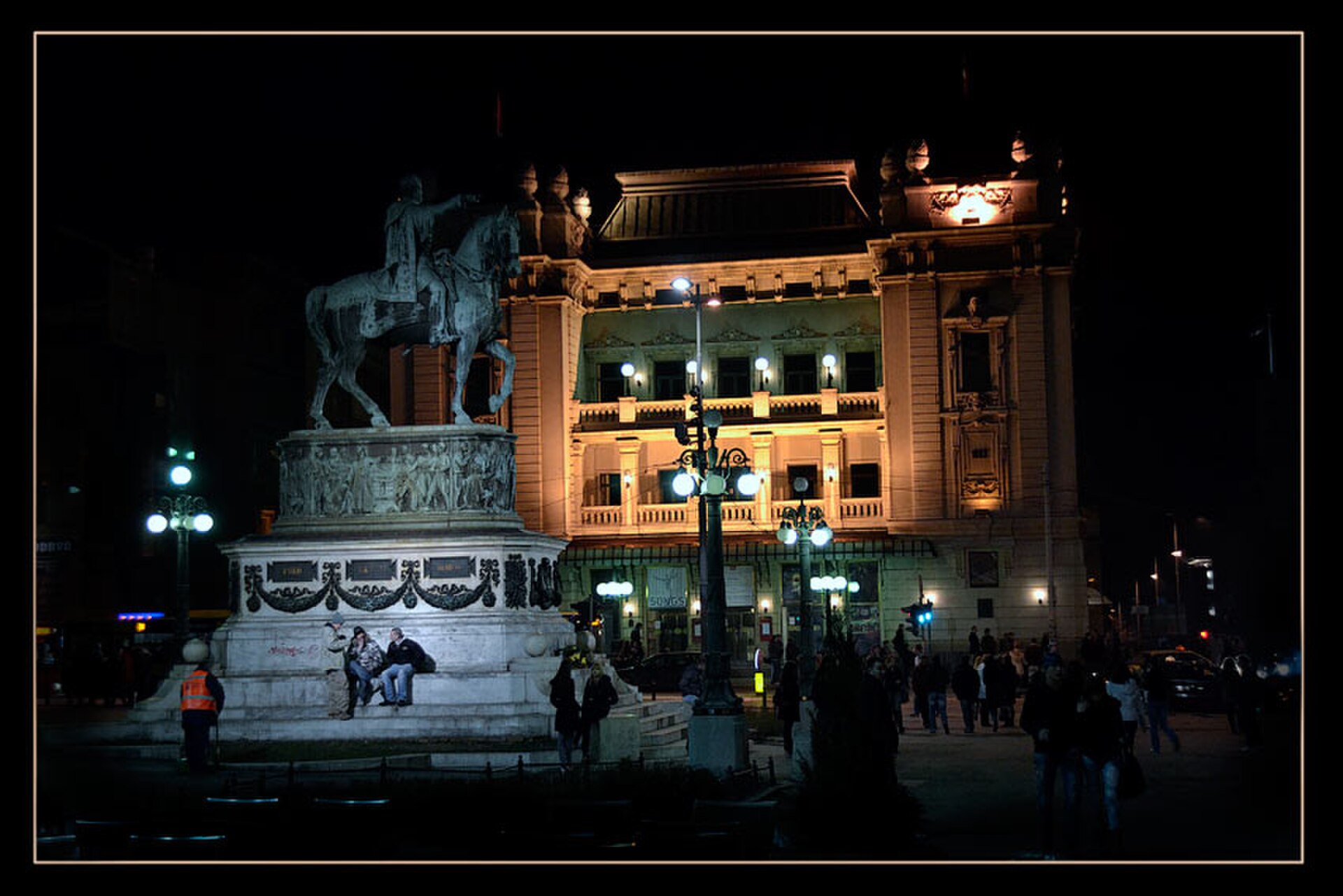
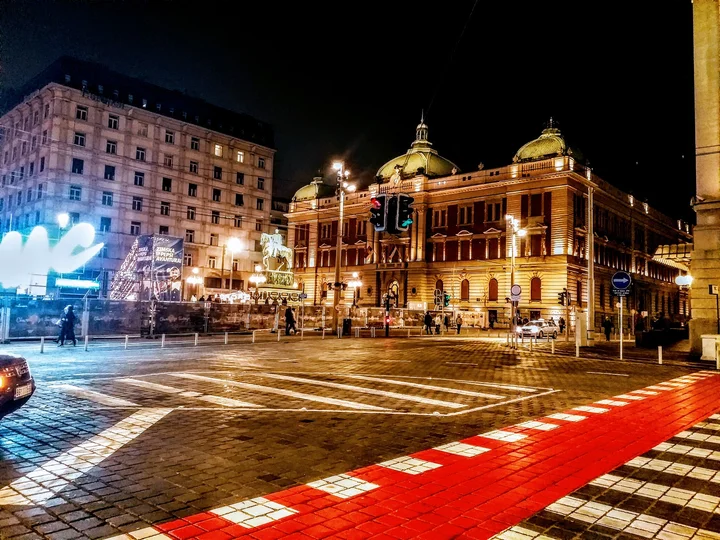
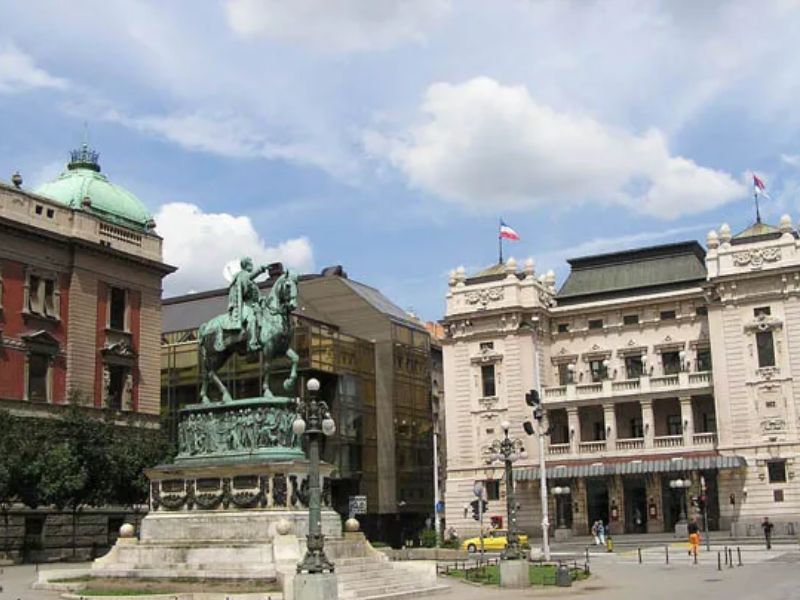
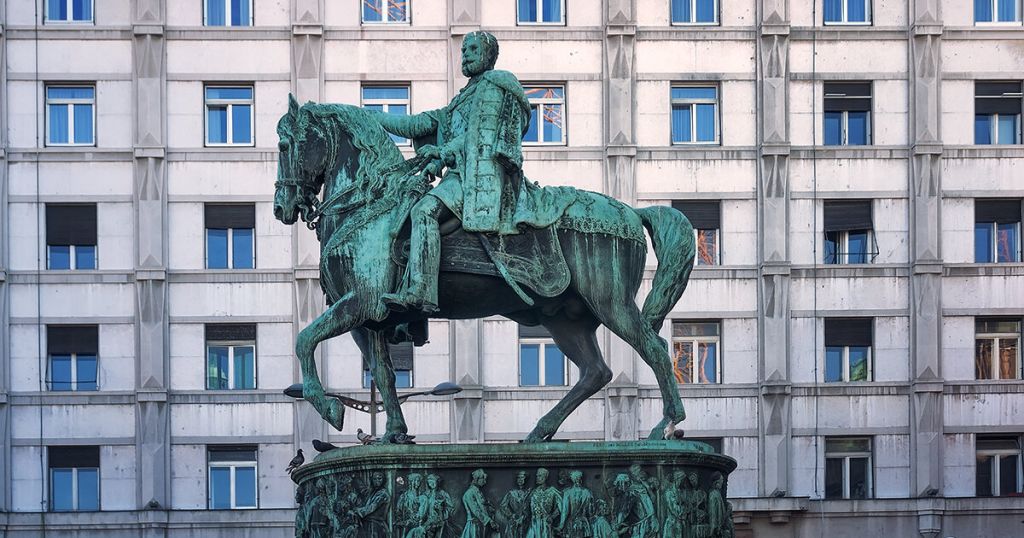
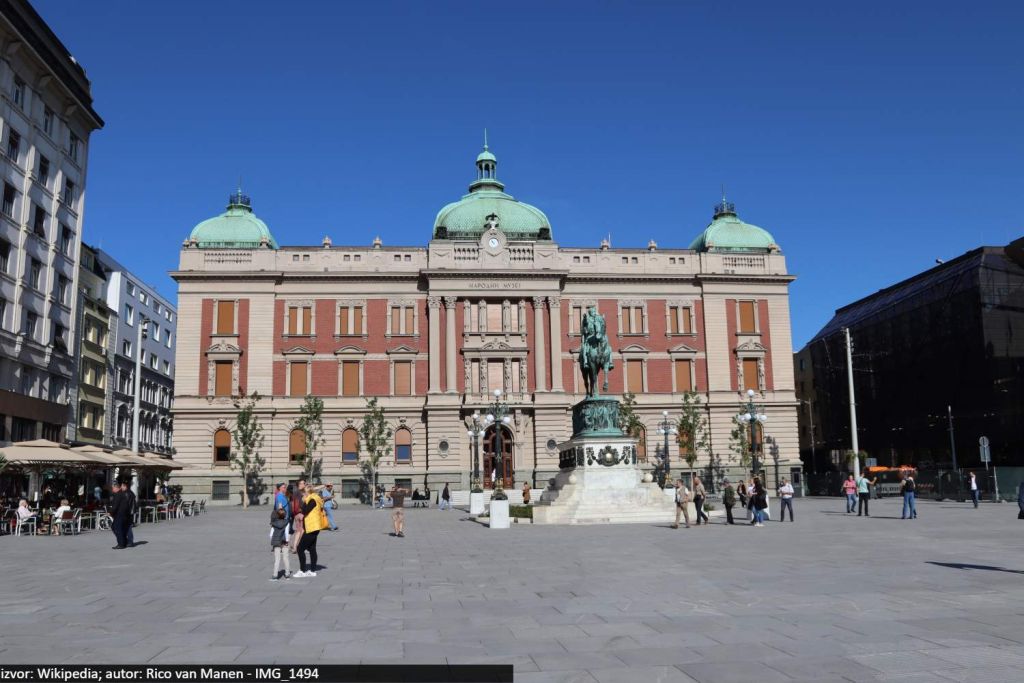
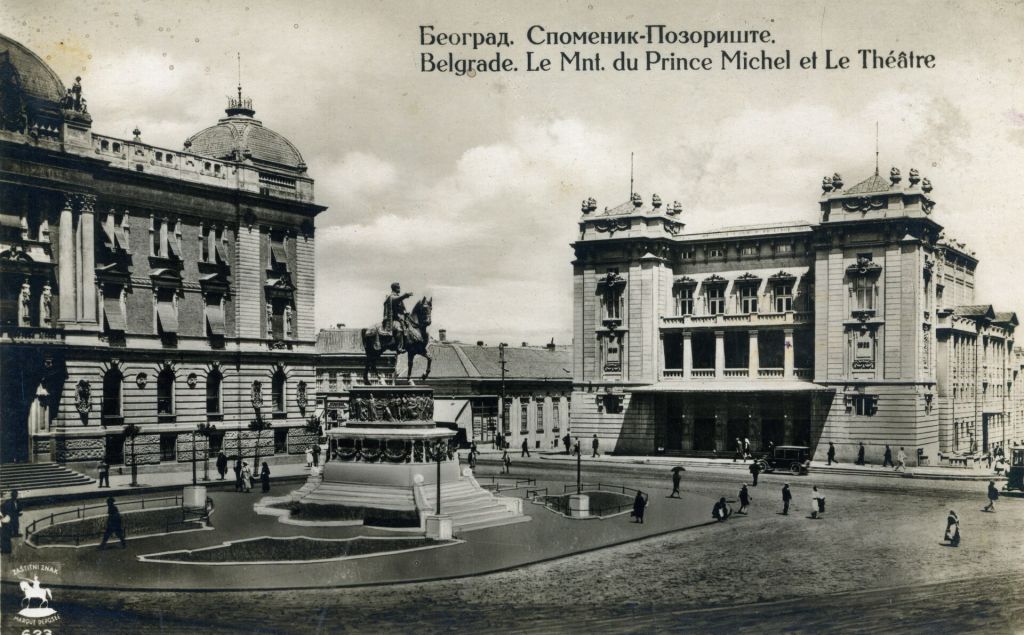
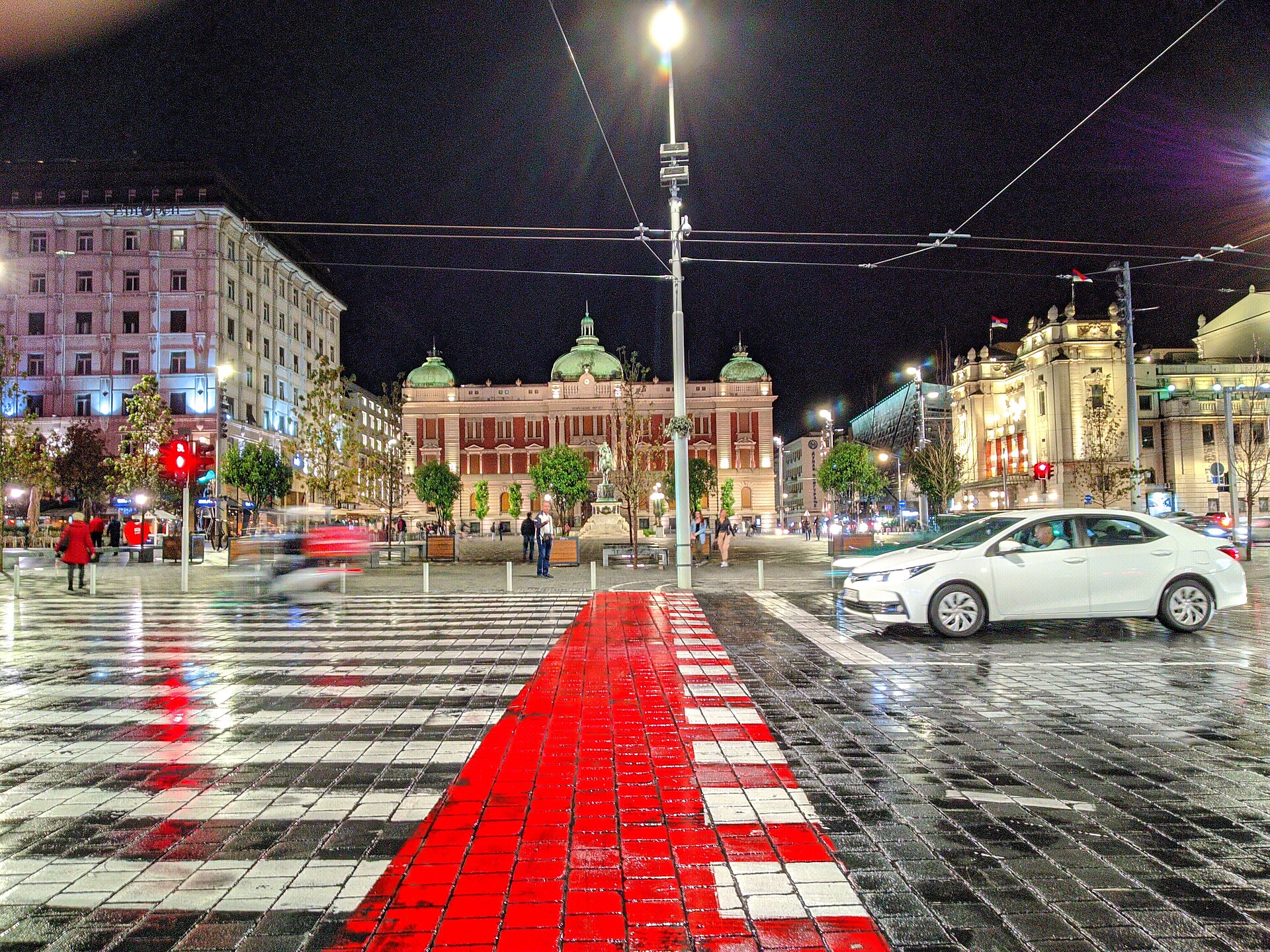
The square’s most recognizable point is the monument to Prince Mihailo Obrenović on horseback. Around it, you will find the National Museum and the National Theatre, which make the square a natural stop for visitors interested in culture, architecture, or simply getting their bearings before a walk. If you are planning a first day in Belgrade, this is a practical place to start your route.
A short history of the square
Trg Republike, Republic Square, took its present role in the second half of the 19th century, after the demolition of the Stambol Gate that had stood at the edge of Ottoman-era Belgrade. The gate's removal in 1866 opened up a ceremonial space at the meeting point of three of the city's most important streets, and the square was developed steadily from that moment as the civic centre of the new Serbian capital.
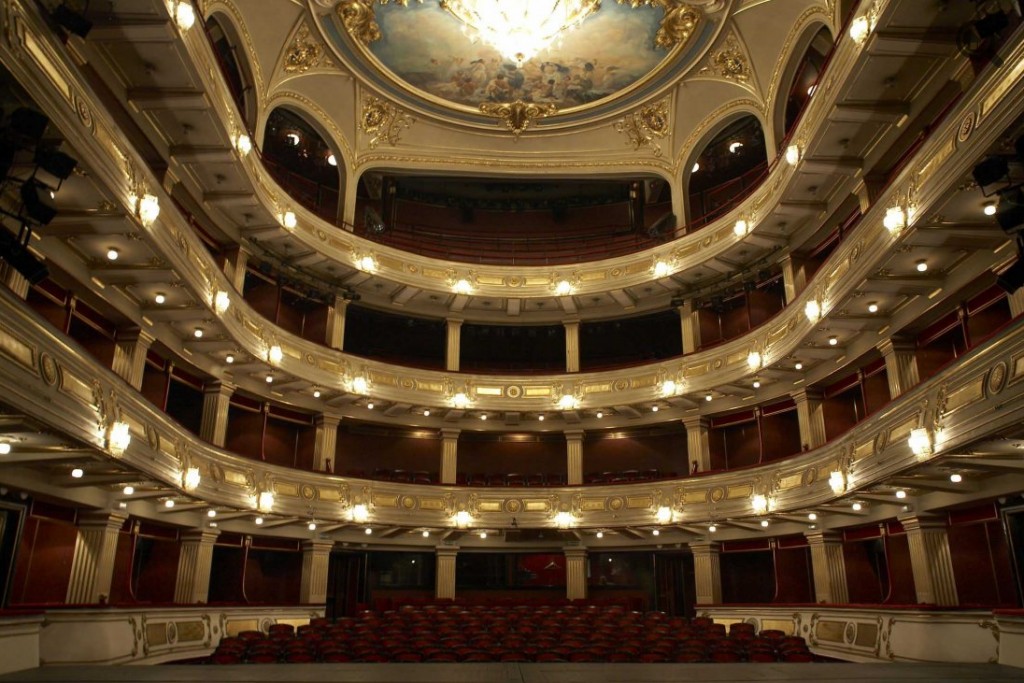
The National Theatre on the eastern side was completed in 1869, only a few years after the gate was cleared, and remains in continuous use today. The National Museum, which forms the northern edge of the square, opened in its current building in 1903 and reopened in 2018 after a long restoration. The monument to Prince Mihailo Obrenović, unveiled in 1882, is the square's central marker and one of the most common meeting points in central Belgrade — locals say kod konja, "at the horse," when arranging to meet in front of it.
The square's role has remained consistent through changes of regime: it has always been the civic stage of Belgrade. Public gatherings, demonstrations, concerts, and ceremonies still happen here, and the National Museum and National Theatre still anchor it.
How to visit
Trg Republike does not need a planned visit on its own. It is a passing point that becomes useful when you string sights together, and most first-time visitors meet it within a few minutes of starting any walk through central Belgrade.
Best time to come. Late morning and early evening are the most rewarding moments. The light is good for photography against the museum and theatre facades, and the square is busiest with locals at the start and end of the working day. Saturdays often have small public events or open programs at the National Museum.
How long to stop. Plan ten to fifteen minutes to look at the monument and the two main buildings, plus an hour or more if you go inside the National Museum.
How to chain it together. A natural Belgrade introduction uses Trg Republike as a hinge. Start at Kalemegdan, walk down Knez Mihailova, stop at the square, then continue to Skadarlija for an early dinner. Two of the city's main pedestrian streets, Knez Mihailova and Vasina, run directly off the square, so navigation from here is straightforward.
Practical notes. The square itself is free to walk on at any hour and is well lit at night. The National Museum charges a modest entry fee and is closed on Mondays; check the current hours on the museum's official site before planning a visit.
What is nearby
The square is surrounded by some of the most visited addresses in central Belgrade. The National Museum is useful for travelers who want an indoor cultural stop, while the National Theatre adds a historic civic backdrop to the square. From the plaza, the city’s pedestrian spine begins almost immediately, which means you can move from one landmark to another without needing transport.
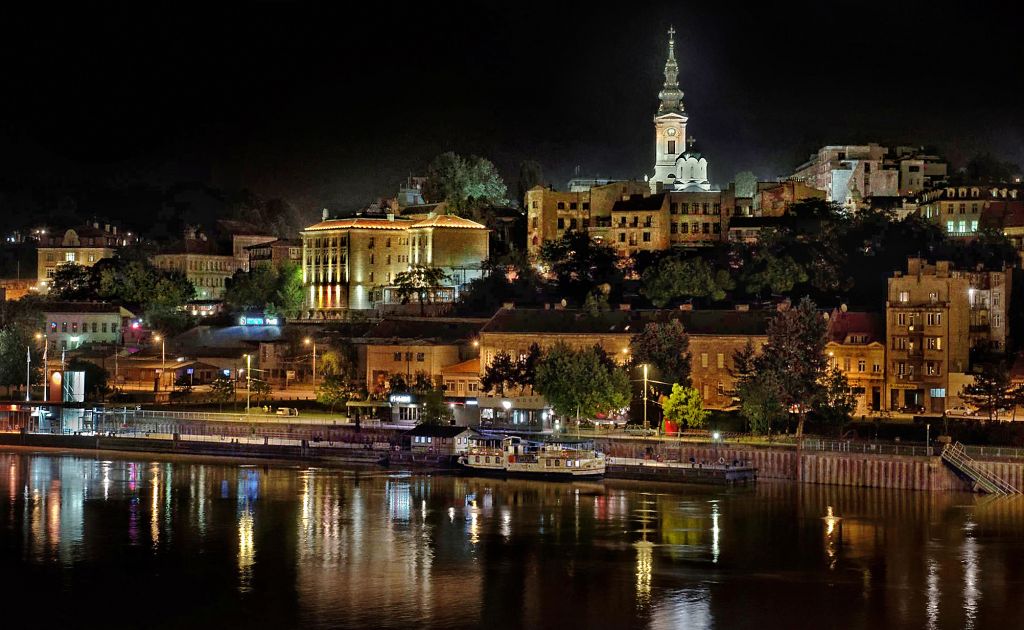
Because Trg Republike sits in the middle of the old town, it also connects naturally to the district’s other pages and themes: cafés and old streets in Dorćol, riverside walks in Kosančićev Venac, and the broader Stari Grad heritage zone. If you are mapping a Belgrade stay by neighborhood, this square helps you stitch those pieces together in one walkable area.