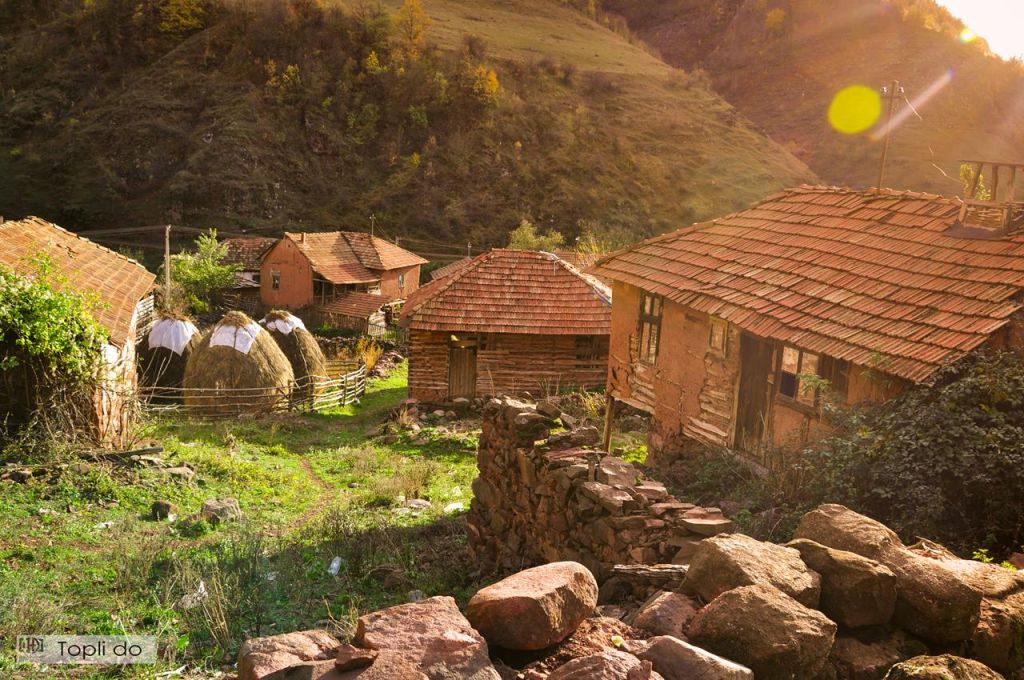
Rural destinations across Serbia

Serbian countryside holidays combine village accommodation and agritourism farms with slow-food traditions, homemade produce and quiet rural surroundings. The experience is spread across the country rather than concentrated at one attraction. Its documented forms include mountain houses, village properties, log cabins, chalets, old wine cellars and farms where horses are part of the setting.
The individual host determines what a stay actually contains. Choose the rural setting first, then confirm the room, meals, wine, activities and arrival arrangements before committing. This host-by-host approach is more useful than expecting one national package or a common service standard.
Rural Serbia changes the scale of a trip from a sequence of attractions to the setting of a household, farm or village. At Mećavnik, also known as Drvengrad, the village form frames the visit rather than functioning as a conventional resort block. Elsewhere, a farmstead, mountain home or cellar can become the point around which the day is organized.
The defining relationship is between accommodation and the surrounding rural life. Food is connected with local ingredients, wine with older cellars, and farm settings with the presence of horses. These elements do not create a uniform product. One property may concentrate on lodging and meals, while another may foreground a cellar, agricultural setting or mountain location.
The atmosphere is quieter and more dispersed than a city break, but it also requires more direct communication. The useful question is not simply whether a property is rural. It is which parts of the countryside experience the host actually provides and which need to be arranged separately.
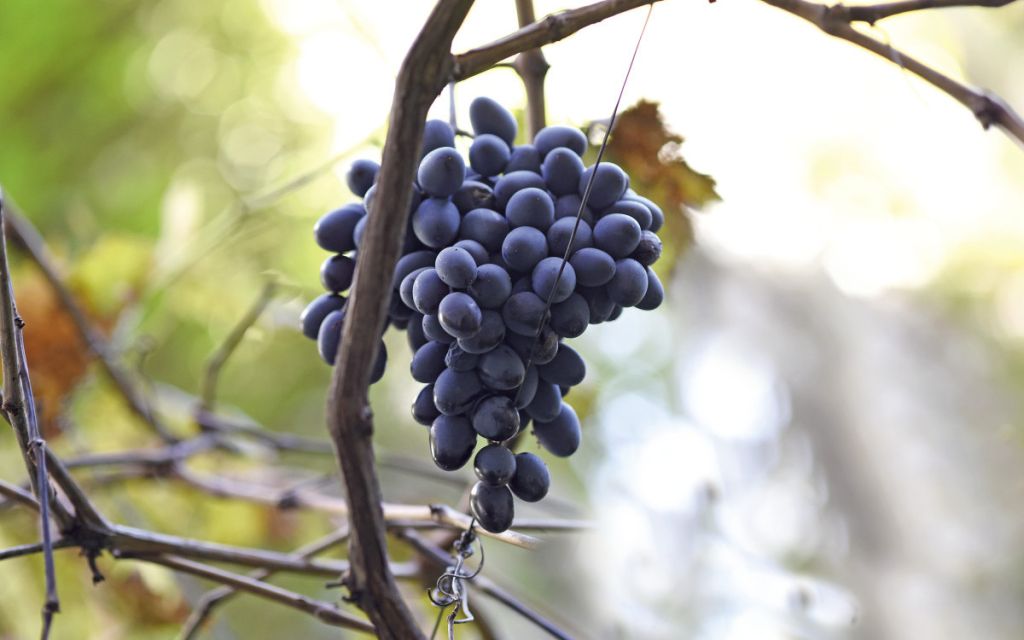
Food gives a Serbian countryside stay much of its structure. Homemade traditional dishes, healthy local ingredients and wine from old cellars appear together in the rural offer, placing the meal within the same landscape as the accommodation. The emphasis is on produce and preparation connected to the host or locality rather than a single national tasting menu.
Vojvodina’s traditional salaši provide a useful model: farmsteads where lodging and slow-food traditions belong to the same rural context. Mountain houses and cellar areas express the idea differently, so do not assume that every stay serves the same dishes or includes wine.
No common number of courses, wines, food pairings or tasting duration is published. Ask whether meals are included in the room rate, whether wine is served as part of a meal or a separate visit, and whether dietary requirements can be handled before arrival.
Begin with the part of rural life that should anchor the trip. For some travelers that is a household meal made with local ingredients. For others it is a mountain house, a farm environment with horses, a cellar visit or a village built around timber accommodation. Choosing that anchor first prevents a broad search for “the countryside” from producing a stay that lacks the feature you expected.
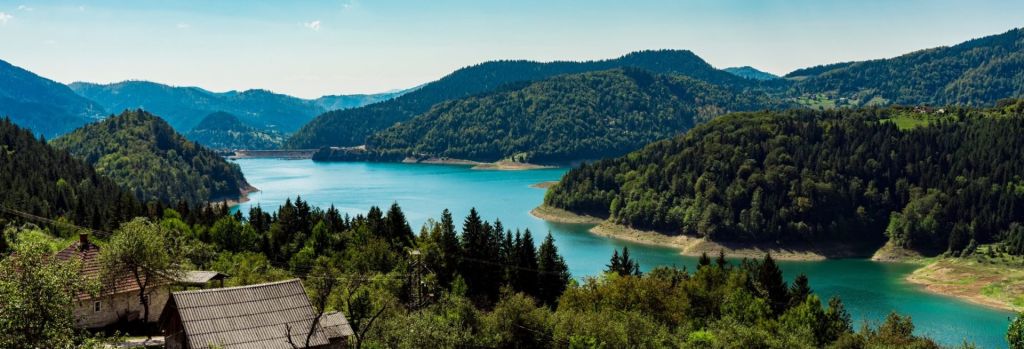
Geography then gives the experience a clearer shape. Mokra Gora provides the wider setting for Mećavnik and a western Serbia route. Stara Planina shifts the emphasis to mountain villages and traditional houses. For a wine-led rural journey, the Rajac wine cellar villages place old cellars at the center of the itinerary.
No standard visit length is published. A countryside holiday may be accommodation-led, while a cellar or meal may be one part of a longer regional trip. Decide how much unstructured time is wanted, then ask the host when meals occur and how any activity fits around arrival and departure.
There is no common guiding format. If interpretation matters, establish whether someone will explain the farm, cellar or village setting, in which language, and for how long. If the stay is mainly self-directed, request enough location detail to understand what can be reached independently from the accommodation.
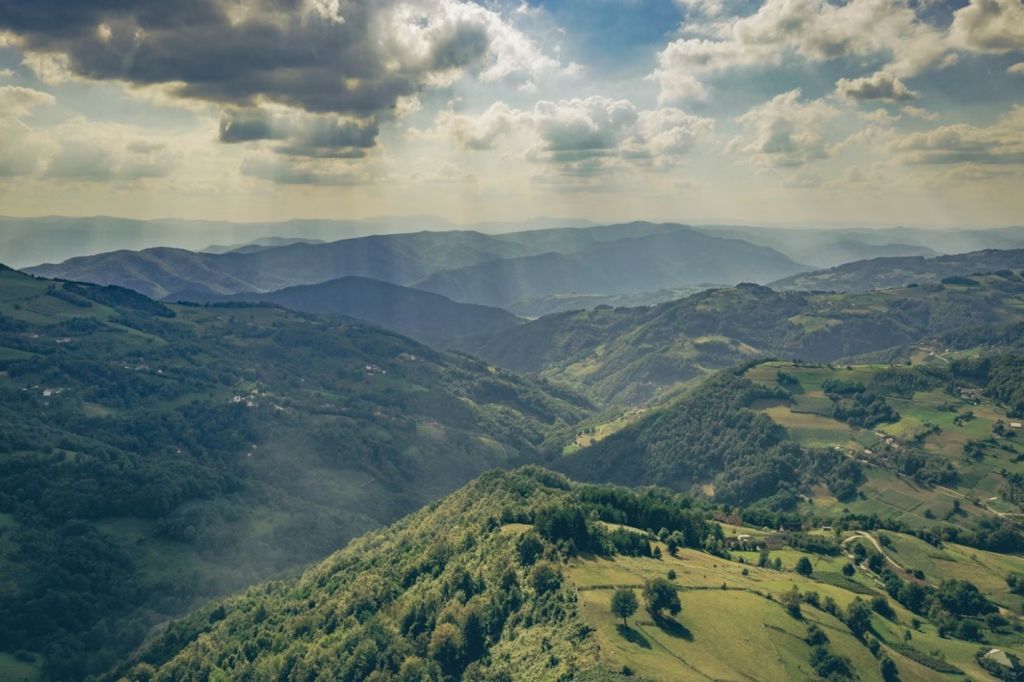
A nationwide countryside holiday has no single station, street address or transport line. Plan the intercity journey to the chosen region first, then treat the final approach as a separate local segment. Obtain the host’s directions, nearest recognizable landmark and arrival procedure before setting out. A tram, bus or rail line number cannot describe access to rural properties across Serbia, and none should be assumed from a regional destination name alone.
Keep the booking record specific. It should identify the accommodation type, number of guests, meals, any wine or farm activity, arrival time and payment terms. If a host uses broad language such as traditional experience or local food, ask what that means for the dates being considered.
Timing is equally property-specific. Build the day around confirmed meal and check-in arrangements rather than treating the accommodation like an attraction with continuous entry. When combining a stay with a park, village or cellar, verify each part independently so that one unconfirmed activity does not determine the entire route.
The practical checks below separate the information that is published for the countryside theme from the details that remain the responsibility of the individual host. Travelers with mobility, dietary or communication requirements should raise them before booking rather than relying on a countrywide standard.
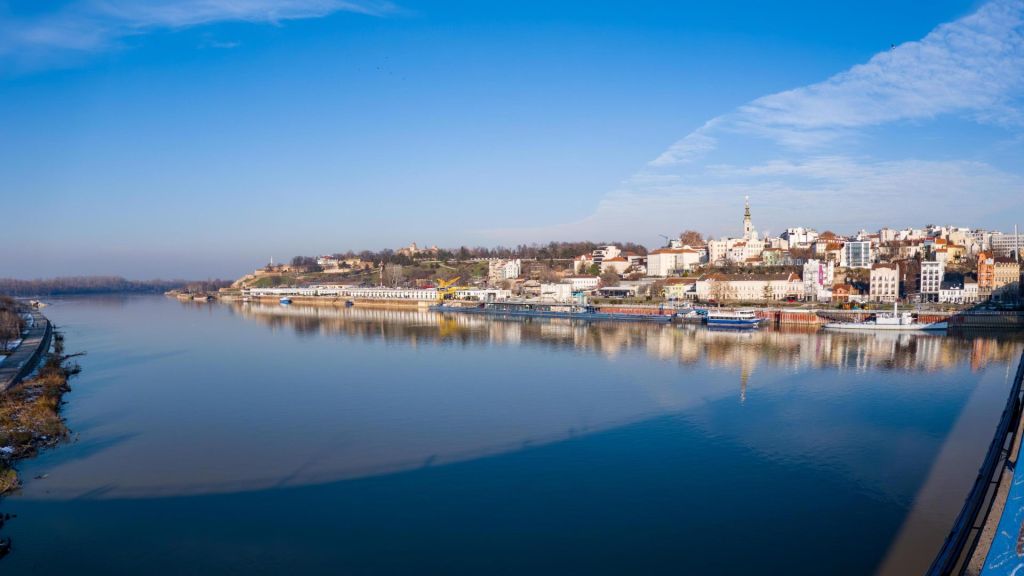
Use these checks when contacting a village house, farmstead, chalet or cellar host.
Operational arrangements vary by property and should be reconfirmed before travel.
Use the rural experience as the starting point, then add the operational details supplied by the host.
Countryside themes and operational availability were checked on 1 May 2026. Individual hosts may change rates, schedules and services.
Choose this approach when homemade dishes, local ingredients or old-cellar wine are the main reason for leaving the city. Ask what is produced locally, which meals can be arranged and whether cellar time is hosted or independent. A reference to wine or food does not establish a fixed tasting menu.
Choose this approach when the house, farmstead or mountain location carries the experience. Confirm the exact lodging type, the distance from the nearest settlement and which rural features are available at the property rather than elsewhere in the region.
These named settings illustrate different versions of rural travel. They are not presented as one bookable collection, and the general countryside material does not publish shared rates or schedules.
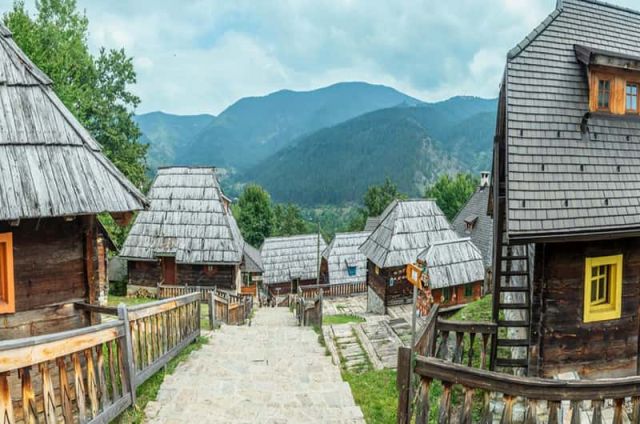
Mećavnik, Drvengrad
A named village-style setting in Mokra Gora associated with Serbia’s countryside-holiday experience.
Choose Mećavnik when the built village environment and a log-cabin atmosphere matter as much as the wider mountain setting. Confirm the exact accommodation and meal arrangement with the property.
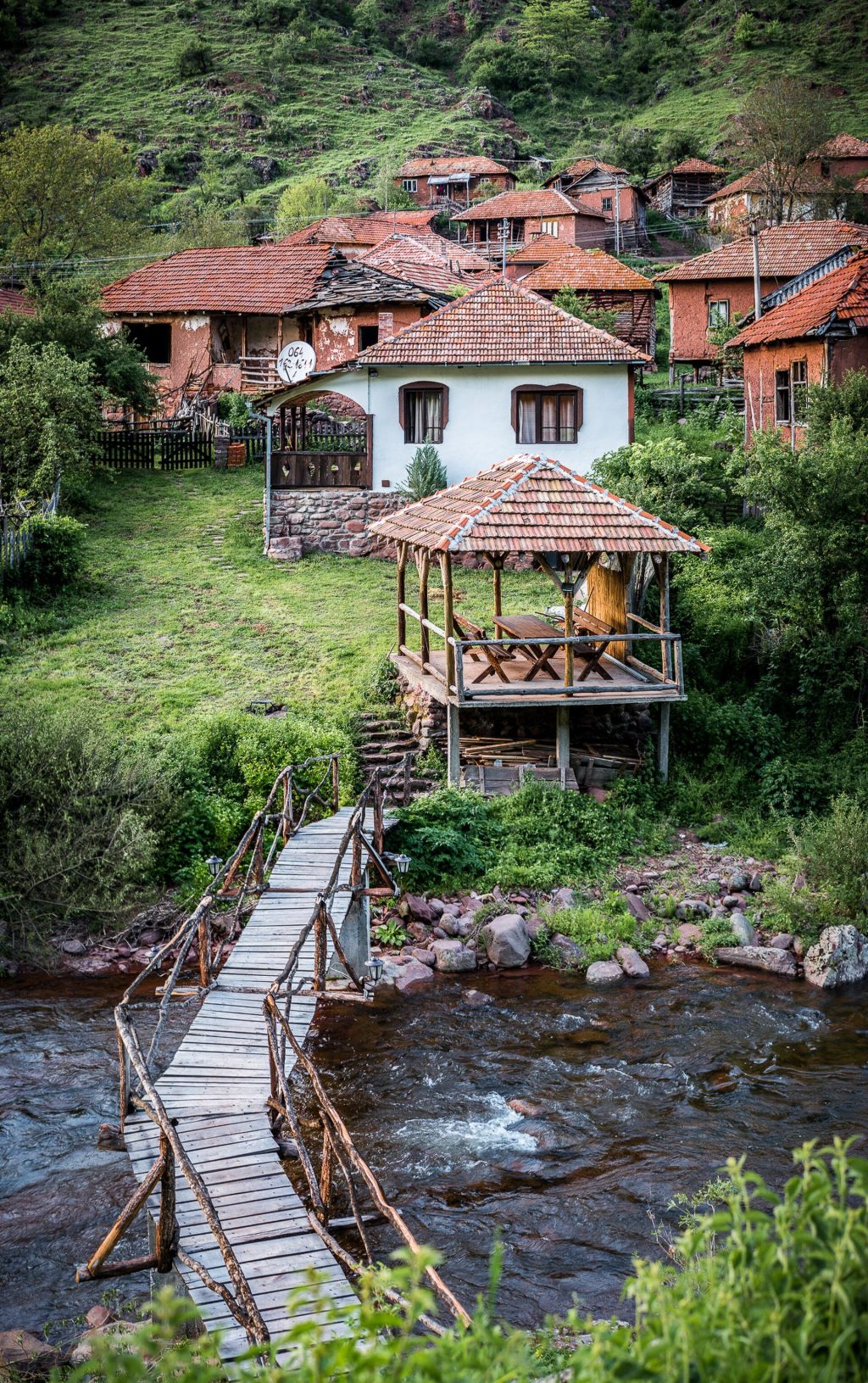
Stara Planina villages
A mountain context where traditional houses form part of the rural-stay range.
This setting suits travelers who want the accommodation to sit within a mountain-village itinerary. The countryside material identifies Stara Planina houses but does not specify individual properties or packaged services.
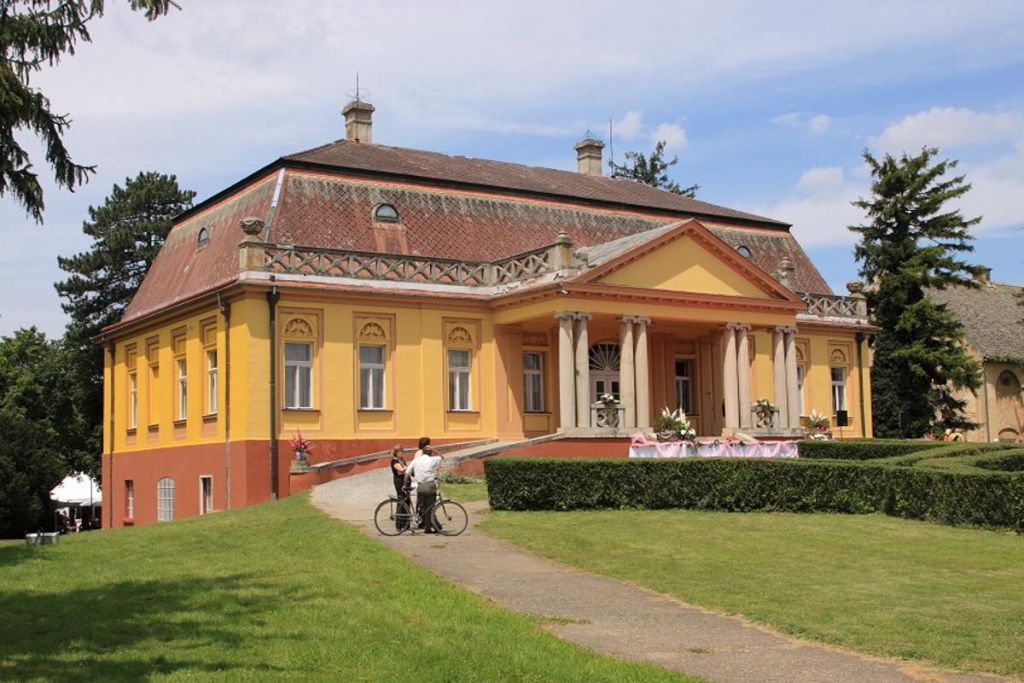
Vojvodina salaši
Traditional lowland farmsteads associated with stays, produce and slow-food customs.
A salaš places the farmstead at the center of the experience. Ask whether the selected property provides accommodation, meals, farm access or only some of these elements.
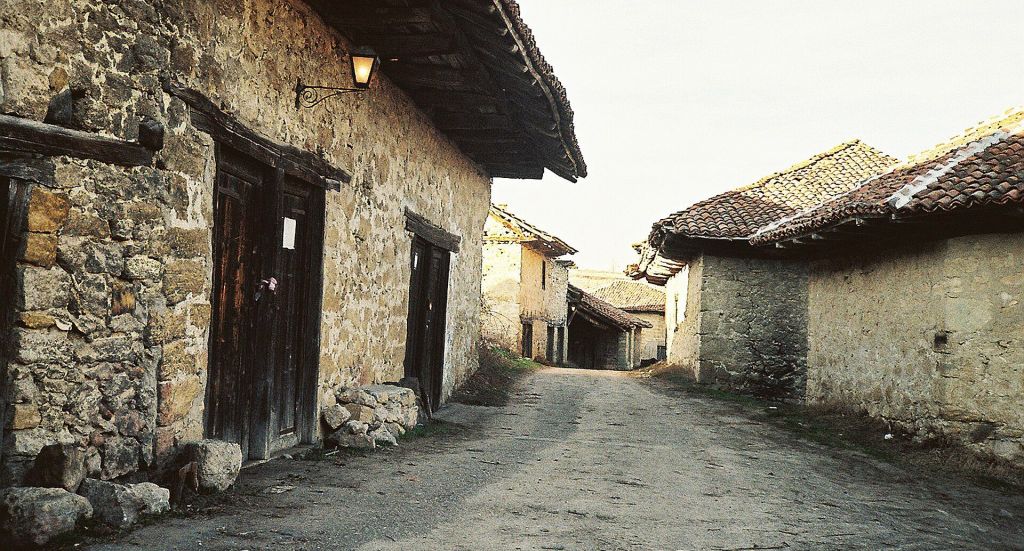
Rajac wine cellar village
A rural wine setting shaped by old stone cellars in the Negotin region.
Rajac fits a countryside itinerary focused on cellar culture and regional wine. No common tasting count, tour duration, food pairing or general admission schedule is stated for countryside holidays.
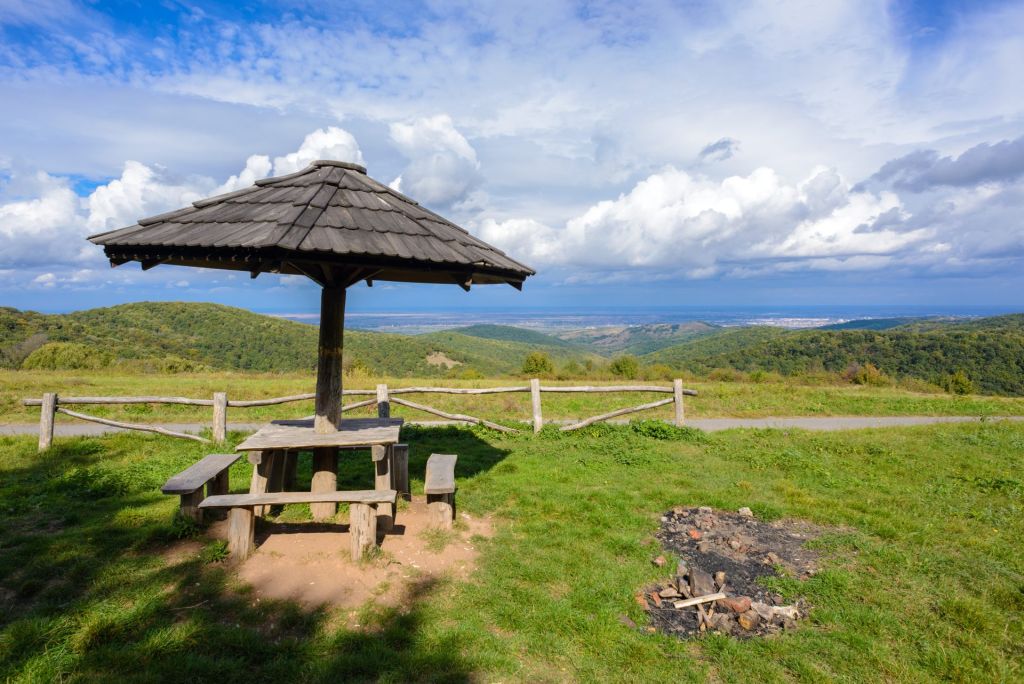
Fruška Gora countryside
A green, hilly national-park landscape in northern Serbia with a wider wine-country context.
Fruška Gora works as a regional base for travelers who want rural lodging within reach of hills and wine areas. Select a specific host before planning the final local journey.
Rural destinations across Serbia
Village stays and agritourism rather than one attraction
Mećavnik, Drvengrad
Stara Planina
Salaš
Čika Ljubina 8, 11000 Belgrade, Serbia
Terms such as farm stay, village house, chalet and wine-cellar visit describe a setting, not a guaranteed package. Before paying, request written confirmation of the room type, meal arrangement and any hosted activity that matters to the trip.
Farmyards, food-preparation areas, cellars and horse enclosures can be working spaces. Follow the host’s instructions before entering service areas, approaching animals, handling produce or photographing people at work.
A common accessibility specification is not published for Serbian countryside accommodation. Ask about steps, path surfaces, doorway widths, bathroom layout, parking distance and access to dining or activity areas before reserving.
A nationwide child policy is not published. Ask the individual host about minimum ages, room arrangements and access to any working farm or animal areas.
There is no common pet policy for the countryside category. Obtain written confirmation from the selected property before traveling with an animal.
Language availability is not published as a shared standard. Confirm the language used for booking, arrival instructions and any guided farm or cellar experience.
The general offer emphasizes homemade food and local ingredients, but it does not establish a universal dietary service. Describe allergies and dietary needs before reserving a meal or stay.
Horses appear within the documented countryside experience, but no universal riding activity is promised. Ask whether horses are present for the setting, viewing or an organized activity.
A common day-visit policy is not published. Contact the individual farm, village property or cellar to establish whether non-resident visits are accepted.
Stay connected in Serbia