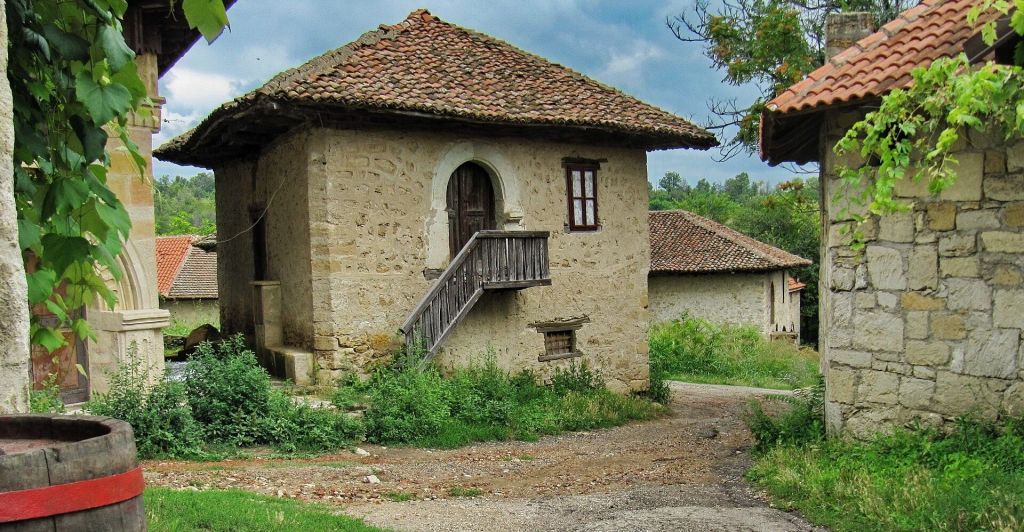
Rajac area, near Negotin, Eastern Serbia

Come to Rajac for the cellar streets themselves: stone-built wine buildings grouped into a separate hamlet, not for a polished museum-style visit. The experience is about walking the lanes, understanding how wine culture shaped settlement, and, when available, arranging a tasting with local producers.
Rajac Wine Cellar Villages is a separate settlement of stone wine cellars near Negotin in Eastern Serbia. Instead of being a normal residential village, it developed as a working wine hamlet where grapes were processed, wine was stored, and regional producers met around cellar life. Its identity comes from the concentration of cellar buildings rather than houses. The place is most closely associated with the wine culture of Negotin Krajina and with the idea of a village made almost entirely for wine. The atmosphere is quiet, rural, and heritage-focused rather than commercial.
It works best as a short detour or half-day stop from Negotin and its wine-cellar villages, especially if you want context before or after visiting Rajac in the wider regional wine story.
Rajac’s speciality is not one flagship winery but the cellar village itself. In many wine regions you visit a tasting room attached to a vineyard or family house. Here, the distinct feature is the concentration of dedicated wine buildings gathered in one place and used as a social and practical center of production. That separation matters: it shows how strongly wine shaped local life in Negotin Krajina.
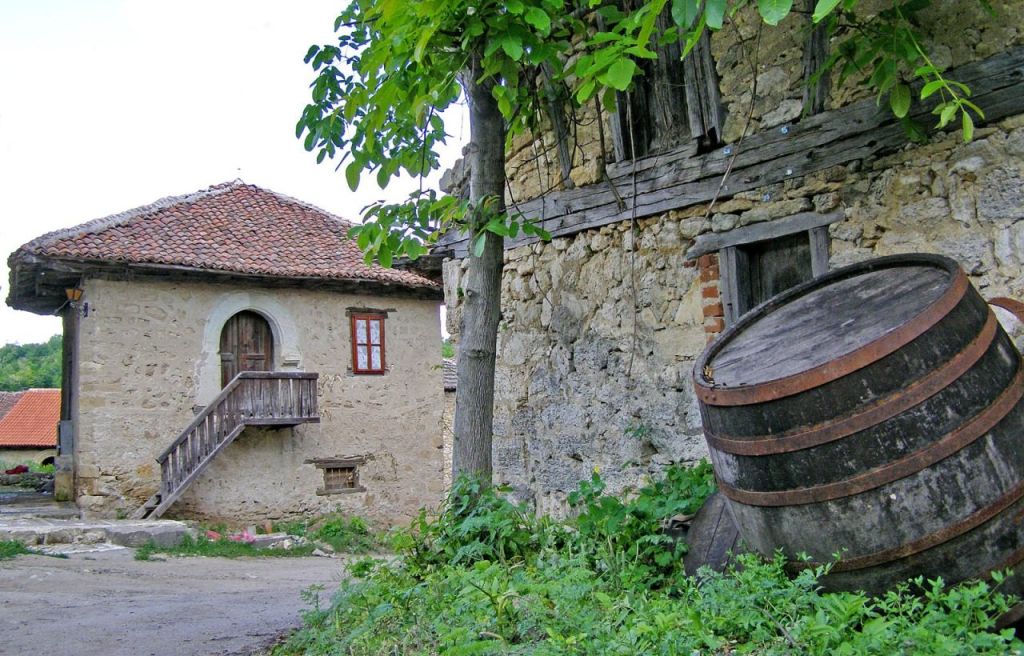
The value of Rajac is architectural as much as gastronomic. You are looking at a working landscape of storage spaces, cellar doors, lanes, and stone construction tied to regional wine traditions. If you are building a broader wine-focused route, Rajac pairs naturally with Serbia’s wine regions and with the other cellar heritage of Mokranjske stene near Negotin if you want to combine geology and wine-country scenery in one day.
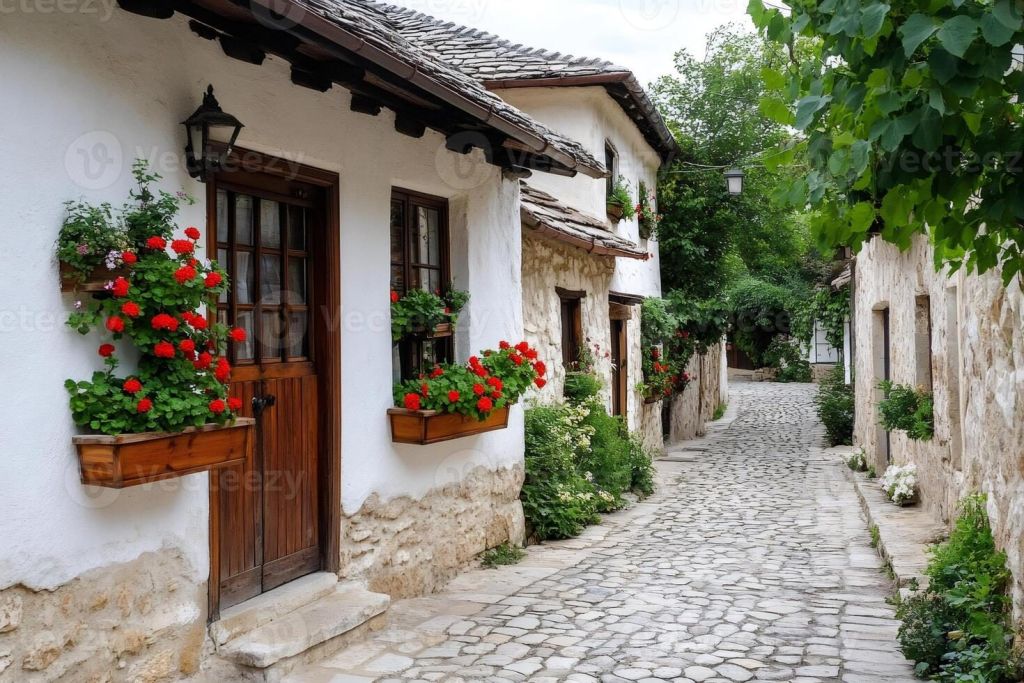
Most visitors reach Rajac Wine Cellar Villages from Negotin by car or taxi. The cellar hamlet is a practical short excursion from town, and driving gives the easiest access if you also want to continue through the wider wine area. From central Negotin, allow roughly 30 minutes depending on the exact starting point and road conditions.
If you are already in Rajac village, the final approach to the cellar area is a short local transfer on foot once you have parked near the village edge. Taxi should be arranged from Negotin in advance if you plan to stay for tasting, since return availability in rural areas is not always immediate. Parking is usually simplest at the approach to the hamlet rather than deep inside the narrow lanes.
For wider route planning to Negotin first, use the Serbia transit search before continuing locally by road.
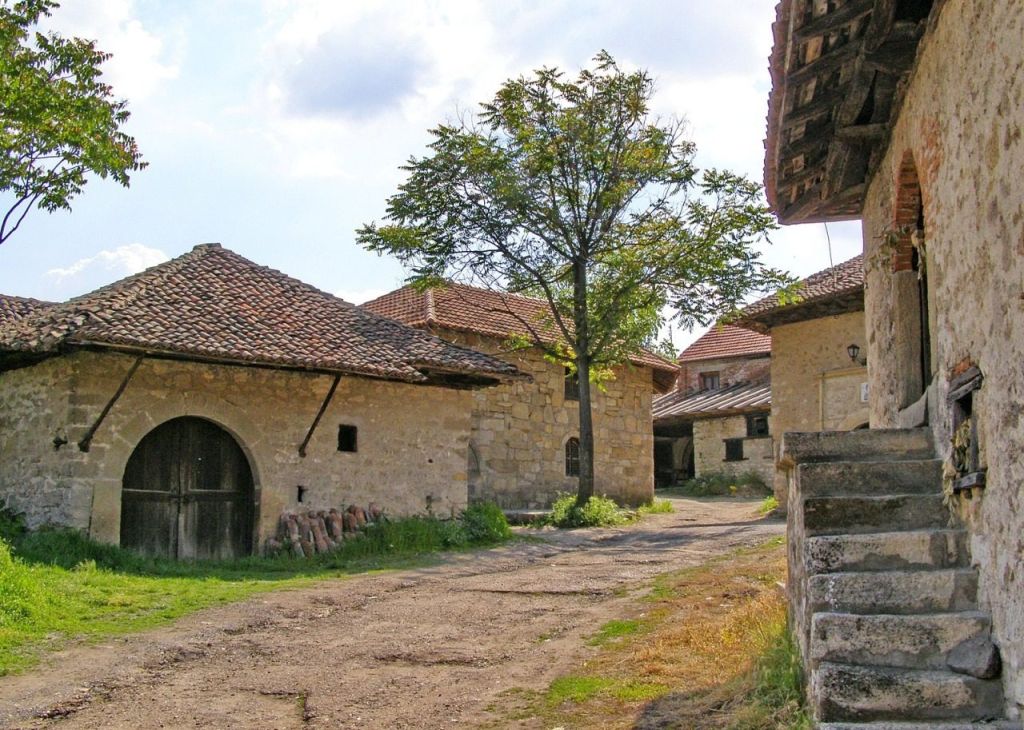
Expect a rural heritage setting rather than a polished tourism complex. The appeal is the built environment: stone cellar facades, compact lanes, and the sense that wine production shaped an entire settlement pattern. Some visits are quiet and self-guided from the outside, while others become more personal if a local producer is available.
Wear comfortable shoes with grip, especially after rain. Dress is informal. Accessibility can be limited because surfaces are uneven and the site developed for agricultural use, not barrier-free circulation. Families can visit, but the site works better for older children and adults interested in architecture, culture, or wine. Bring water, sun protection in warm months, and cash for any local purchase unless you have confirmed card payment in advance.
Tell us where you want to go and how you travel. We reply within two working days with a tailored plan.
Late morning through afternoon is the simplest window for walking, photography, and any chance of meeting local wine hosts. Avoid arriving near dusk if you want to explore the lanes properly.
Dry weather is better because the experience is mainly outdoors on village lanes. Harvest-related periods can be especially interesting for wine travelers, but arrangements should be made ahead if tasting is important to your visit.
Rajac Wine Cellar Villages lies in the Negotin area of Eastern Serbia, inland from the Danube routes and best reached as a rural excursion from Negotin.
Rajac is best experienced as a sequence of cellar lanes and viewpoints rather than a set of separate ticketed venues. Where fixed public prices or hours are not published, treat these notes as orientation only and confirm locally.
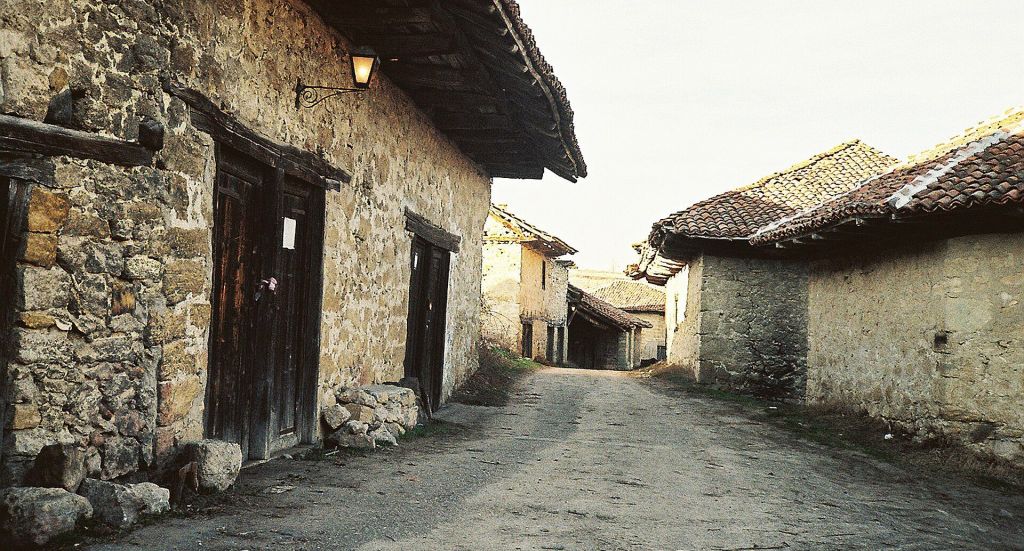
Main cellar hamlet, Rajac
The core stone-cellar settlement and the clearest first look at Rajac’s wine architecture.
Start here to understand why Rajac is different from a standard village: the focus is on cellar buildings grouped together for wine work and gathering.
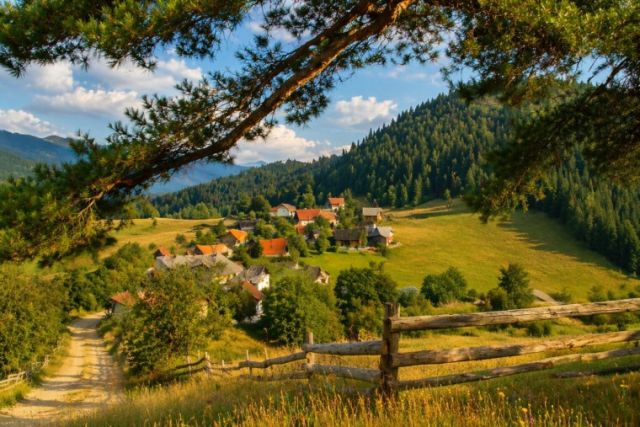
Upper cellar lane, Rajac
A quieter stretch for seeing repeated cellar forms and the compact layout of the hamlet.
Useful for travelers interested in building details, doors, stonework, and the rhythm of the settlement away from the first arrival point.
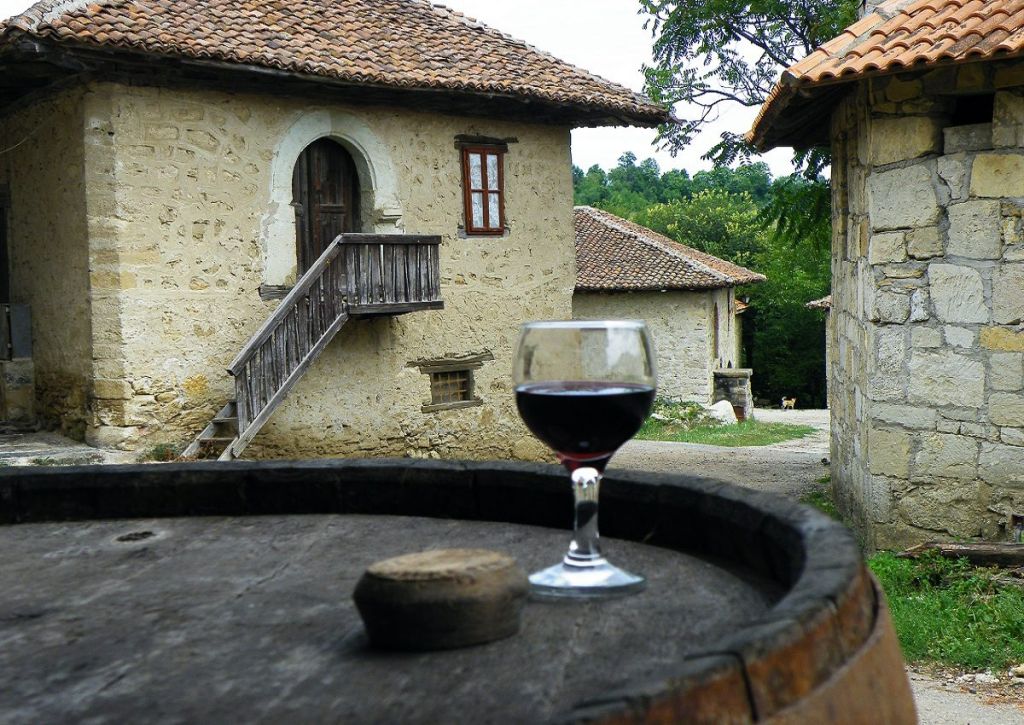
Lower cellar lane, Rajac
Another key walking section that shows how the cellar village extends beyond a single courtyard.
Walking both upper and lower lanes gives a better sense of Rajac as a real working wine settlement rather than a single preserved building.
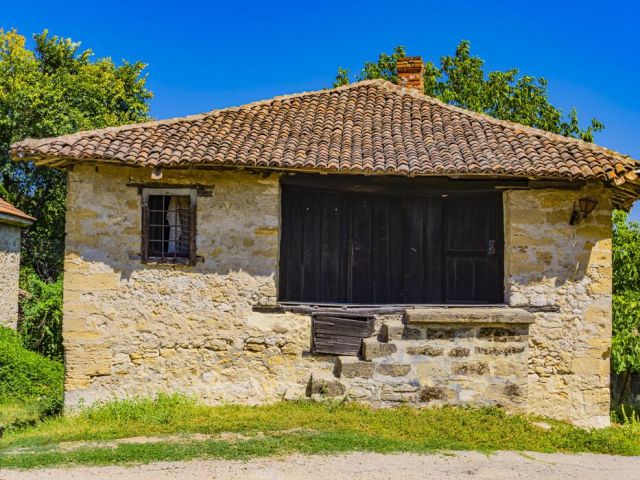
Approach from Rajac village
The practical base for parking, orientation, and understanding the separation between homes and wine cellars.
Seeing the relationship between the residential village and the cellar hamlet helps explain the historical role of Rajac in local wine culture.
Rajac area, near Negotin, Eastern Serbia
Rajac village
Separate hamlet of stone wine cellars
Exterior walk usually free; tasting arrangements vary
Dry-weather daytime visit
Recommended for cellar access and tasting
Travelers interested in vernacular architecture, wine heritage, rural photography, and slower day trips from Negotin.
Rajac is better approached as a walk through a heritage landscape than as a checklist attraction. Leave time to move slowly between lanes and cellar facades.
Do not assume walk-up tastings at every cellar. Rajac is a heritage wine hamlet, and access to interiors may depend on whether producers are present or whether a visit has been arranged in advance.
Rajac works well in a broader Eastern Serbia route focused on wine, rural heritage, and smaller cultural landscapes rather than large urban sights.
Not exactly. The key attraction is the separate cellar hamlet, built around wine production and storage rather than everyday housing.
You do not need one to walk the exterior lanes, but you should not assume cellar interiors or tastings are available without prior contact.
Allow about one to two hours for a focused visit, longer if you arrange a tasting or combine it with other Negotin wine stops.
Yes. It is one of the most practical wine-heritage side trips from Negotin and is commonly combined with other sites in the area.
Yes. The architecture, settlement form, and cultural history make it worthwhile even for travelers more interested in heritage than tasting.
Combine Rajac with Negotin and the wider region for a slower trip built around cellar heritage, rural landscapes, and local culture.
Stay connected in Serbia