
Rajac village, Negotin region, Eastern Serbia

Rajac is a village in the Negotin region of Eastern Serbia, known above all for its historic wine-cellar settlement built in stone and separated from the residential part of the village. The site is associated with the long wine-making tradition of Negotinska Krajina and is visited as a cultural landscape rather than a museum with a fixed route. What stands out most is the concentration of old cellar buildings gathered in one place. The mood is quiet, rural, and best suited to slow walking. In a wider itinerary, Rajac fits naturally into the Eastern Serbia Guide as a wine-and-heritage stop.
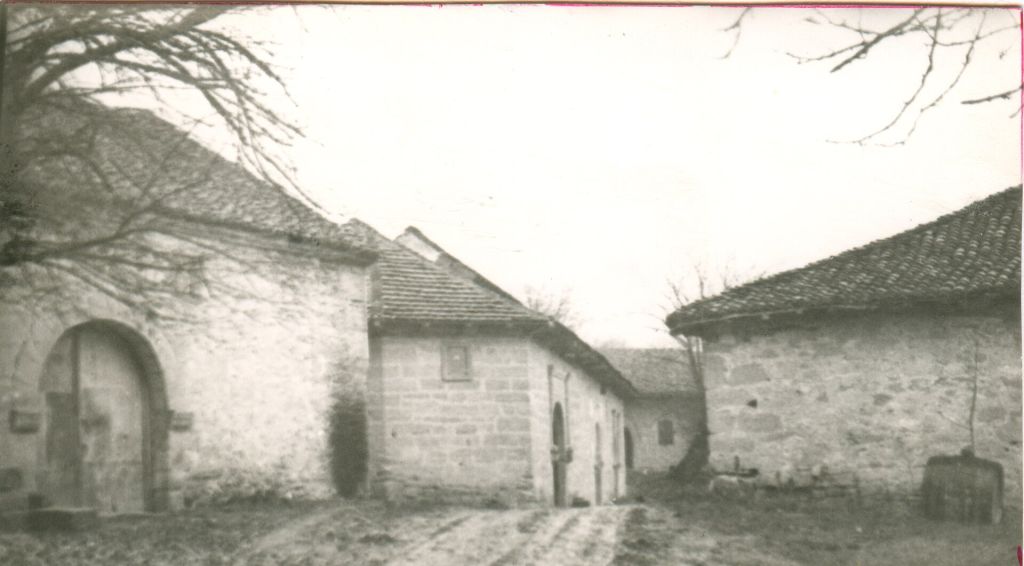
Rajac's speciality is the historic group of stone wine cellars, often referred to as pimnice. What makes the place distinct is that the cellar zone forms a separate architectural settlement devoted to storing, handling, and presenting wine, rather than simply a few cellars attached to family houses. Walking here, you notice repeated stone facades, narrow lanes, heavy wooden doors, and a layout shaped by production and storage rather than everyday village life. That gives Rajac a different feel from standard rural wine tasting: the built environment itself is the attraction. For travelers interested in regional identity, the cellar hamlet explains why the wider Krajina area is closely tied to wine traditions and why a base such as Negotin makes sense for exploring it.

Most international travelers reach Rajac from Negotin by car or arranged local transport. The source material identifies Rajac as part of the Negotin wine-cellar area, but it does not provide fixed public-transport line numbers, standardized timetables, or a formal visitor shuttle. In practical terms, Rajac works best as a short detour from Negotin, where you are more likely to find accommodation, basic services, and help arranging onward transport. If you are driving, use village navigation for Rajac and allow extra time for slower local roads. If you are relying on buses, confirm current services locally before travel rather than assuming same-day flexibility.
Rajac is best visited in daylight, when the stone details, lane structure, and surrounding vineyard setting are easiest to read. A dry day is better than a wet one because the visit is mainly outdoors and the experience depends on walking and looking closely at the architecture. Spring and early autumn usually suit this kind of rural heritage stop well, while harvest season may add more local wine context if you have arranged contact in advance. Because Rajac is quiet rather than event-driven in the source material, it is sensible to treat it as a daytime cultural stop rather than a late-afternoon arrival with expectations of guaranteed tastings on demand.

Expect a quiet heritage setting with limited formal visitor infrastructure. The appeal lies in the architecture, the separation between the village and the cellar settlement, and the sense of continuity with regional wine production. Dress is casual, with comfortable shoes recommended because the visit centers on walking through an old cellar area rather than moving through a polished museum environment. Families can visit, but the experience suits adults and older children more than very young kids because it is interpretive and visual rather than activity-based. Accessibility may be uneven due to old surfaces and rural conditions. Bring water, sun protection in warm months, and realistic expectations: Rajac is rewarding for travelers interested in place and tradition, not for those looking for a long list of services on site.

Tell us where you want to go and how you travel. We reply within two working days with a tailored plan.
Rajac works well on a half-day outing focused on wine culture, rural architecture, and photography. Most travelers combine it with Negotin rather than sleeping in the village itself.
Do not assume standardized visitor hours across the site. If tasting or meeting a local producer matters to you, arrange it ahead when possible and treat casual walk-in availability as uncertain.
Rajac is in the Negotin region of Eastern Serbia. Use the map to orient your drive or day trip planning.
Rajac is experienced as a small heritage ensemble rather than a checklist of separate ticketed attractions. These are the main parts of the site most travelers focus on.
Rajac cellar settlement
The core heritage area of stone wine cellars.
This is the main reason to come: a compact settlement of traditional cellar buildings linked to the wine culture of Negotinska Krajina.
Central cellar lanes
The most atmospheric part of the Rajac cellar complex.
The central lanes give the clearest sense of how the settlement functioned as a dedicated wine-cellar zone, with repeated stone fronts and close-set buildings.
Edge of the vineyards above Rajac
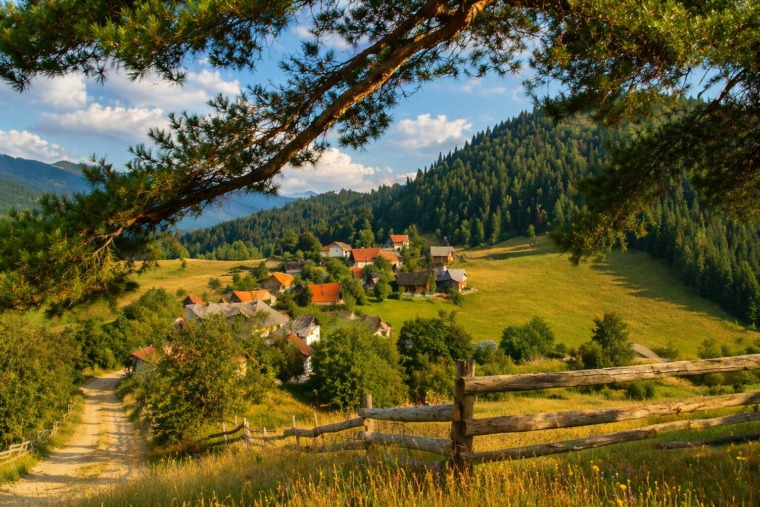
Context for understanding why the cellars are here.
The surrounding vineyard landscape helps explain the practical role of the cellar settlement and connects the architecture with the agricultural setting.
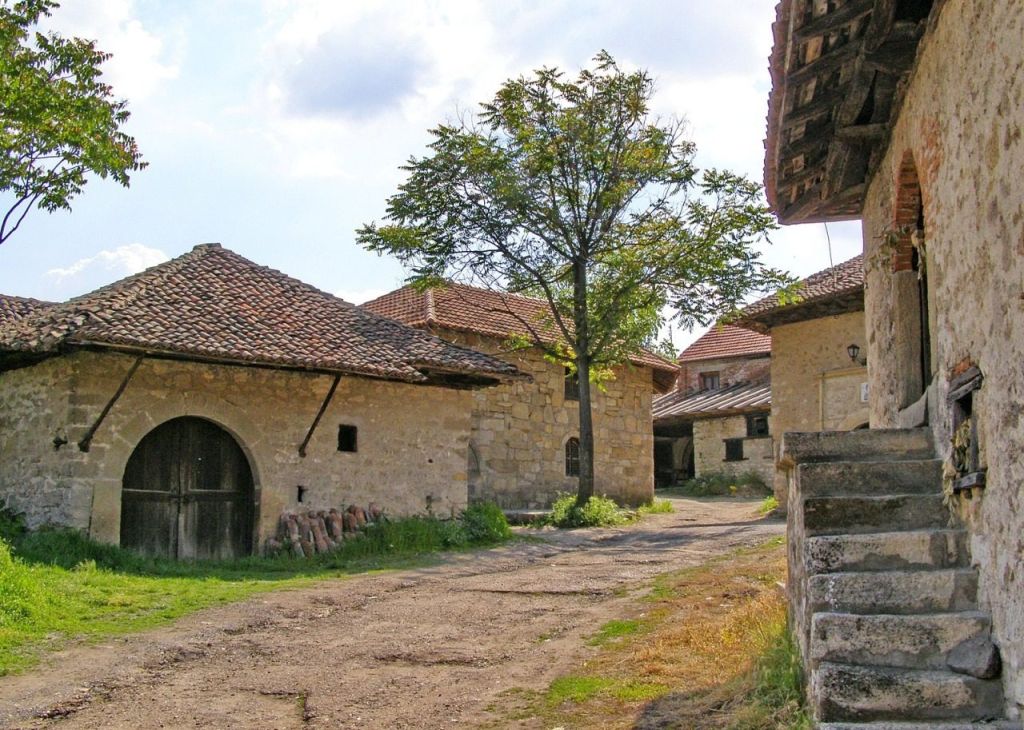
Village approach to the cellar area
Useful for seeing the transition from village to cellar hamlet.
Approaching on foot lets you understand that the cellar zone is distinct from the residential village, which is one of Rajac's defining features.
Rajac village, Negotin region, Eastern Serbia
Negotin
Historic stone wine-cellar settlement
Outdoor visit is generally free; tastings are not standardized in the source
Daylight, dry weather, spring to early autumn
Not for walking the cellar area; advisable if you want a tasting or host contact
Rajac is not a town-center sightseeing stop with ticket desks, long opening schedules, or dense tourist infrastructure. It works best for travelers who want a short heritage visit, a walk among the cellar buildings, and context for the wine culture of the Negotin area.
Rajac is better for self-drive travelers, private day tours, or visitors already based in Negotin. Public transport may exist seasonally or locally, but it should be checked on the ground because published visitor-facing transport details are limited in the source.
If you want a fuller day in this part of Serbia, read the practical background on Negotin and the Negotin region. Rajac makes more sense once you frame it as part of the wider Krajina wine landscape.
Choose Rajac if you are interested in vernacular architecture, wine culture, and slower rural stops. If you want a heavily interpreted attraction with fixed ticketing and all-day programming, other destinations may fit better.
Yes, if you are interested in architecture and cultural landscapes. The historic cellar settlement is the main draw, not only tasting.
Many travelers treat Rajac as a short stop of around one to two hours, especially when combining it with Negotin and other regional sights.
It is possible in principle, but the source does not provide dependable visitor-facing bus details. In practice, Rajac is easier by car, taxi, or arranged transport from Negotin.
The cellar settlement itself is an outdoor heritage area, so there are no single standard hours for the whole site in the source. Any tasting or hosted visit should be arranged separately.
The main reason is to see the separate stone wine-cellar settlement and understand the wine heritage of the Negotin region through the built environment.
Rajac works best as part of a broader journey through wine villages, Danube landscapes, archaeology, and small-town bases in the east of the country.
Stay connected in Serbia