Niš, Serbia

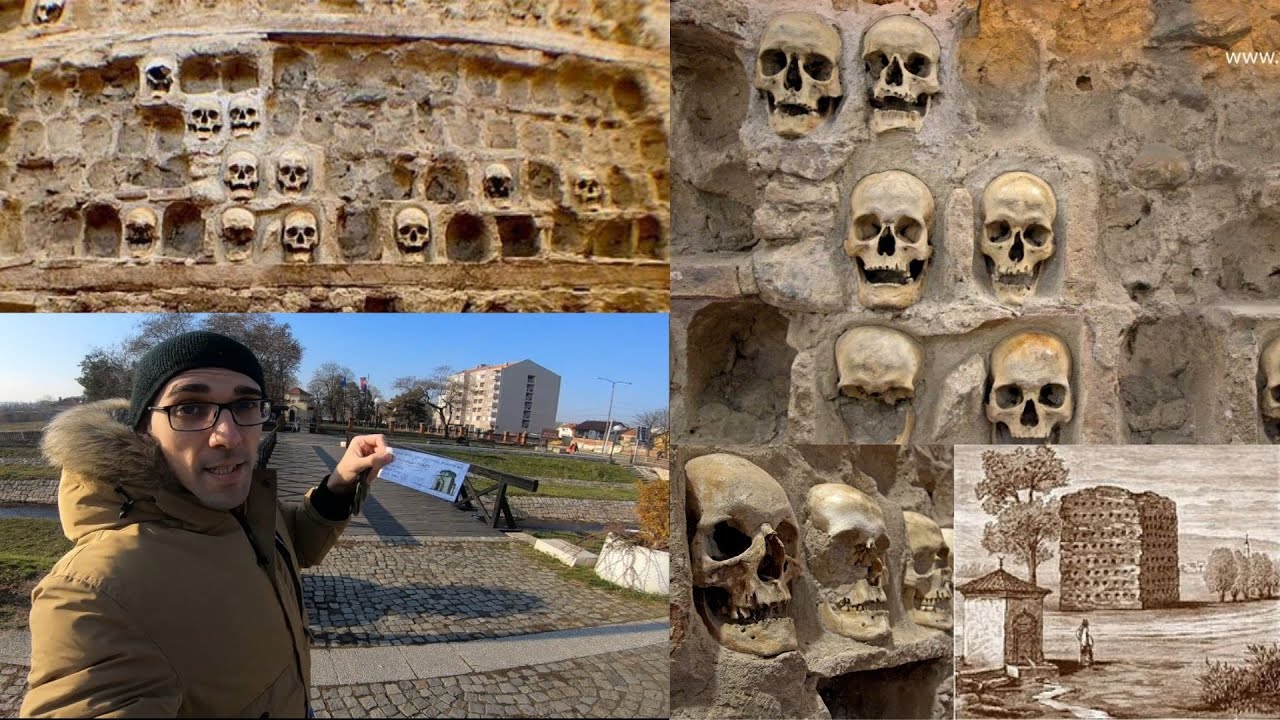
Skull Tower is one of Niš’s most important historical monuments. It was built by the Ottomans after the 1809 Battle of Čegar, using the skulls of Serbian rebels as a warning. Today, visitors come to read the site as a memorial and to connect it with the city’s wider history of resistance, empire, and remembrance.
Last checked: 2026-05-27. For corrections, contact us.
Skull Tower stands in Niš as a compact but charged historical monument linked to the Battle of Čegar in 1809, when Serbian insurgents fought Ottoman forces under Stevan Sinđelić. The structure was originally built as a warning and later enclosed to protect what remained of the memorial. It is known for the human story behind it, not for scale or decoration. The atmosphere is quiet, restrained, and reflective, with most visitors spending only a short time before continuing through Niš.
The site is part of the city’s broader historical route, which makes it a natural stop for travelers who already plan time for Niš City Guide: Fortress, Skull Tower & Nightlife.
What makes Skull Tower specific to Niš is the way it preserves a single historical event in physical form. Many Balkan memorials mark battles with plaques, statues, or museums. Skull Tower is different because the monument itself is the message. It reflects Ottoman punishment, local resistance, and the later Serbian effort to preserve evidence of the event rather than erase it.
For first-time visitors, the key is to read the site as a memorial to the rebels who died at Čegar and as a lesson in how 19th-century power was displayed in the Balkans. That is why the visit is usually brief, focused, and more emotional than scenic.
From Niš city center, plan on a short taxi ride or a longer walk depending on your base. If you are starting from Niš Fortress or the pedestrian core around Trg kralja Milana, the walk is roughly 25-35 minutes at an easy pace. A taxi from the center usually costs a modest city fare, often around 250-500 RSD depending on traffic and the exact pickup point.
For public transport, use a city bus serving the northern approaches of Niš and get off near the closest stop for Skull Tower; line numbers and stops can change, so confirm the current route map with the driver or at the stop before boarding. Parking is usually simpler than in the center, but space can still be limited close to the memorial, so drivers should expect a short final walk.
The best time is morning or late afternoon, when the site is calmer and easier to pair with other Niš stops. Weekdays are usually less crowded than weekends. Spring and autumn are the most comfortable seasons for walking around the city between historical sites.
Because Skull Tower is a memorial rather than a long museum visit, you do not need much time. If you want context, it helps to come after reading the Battle of Čegar story in advance or after visiting Niš Fortress the same day.
Expect a short, quiet visit with a strong historical focus. Dress is casual, but respectful clothing is appropriate because the site is treated as a memorial. Accessibility can be uneven around older heritage sites in Niš, so travelers with reduced mobility should allow extra time and check the approach in advance.
The setting is not noisy in itself, but it can feel busy if several groups arrive together. Families can visit, though the subject matter is heavy. Bring water in warm months, comfortable shoes, and a little reading context so the monument makes sense when you stand in front of it.
Allow 20-40 minutes if you are reading the displays carefully and taking photos of the exterior and memorial setting.
Skull Tower works well with Niš Fortress or Mediana in the same day, especially if you are using the city center as a base.
Skull Tower is in Niš, within reach of the city center and the fortress area.
These stops help place Skull Tower in a practical Niš itinerary. Distances are short, and most are best combined in one half-day city walk.
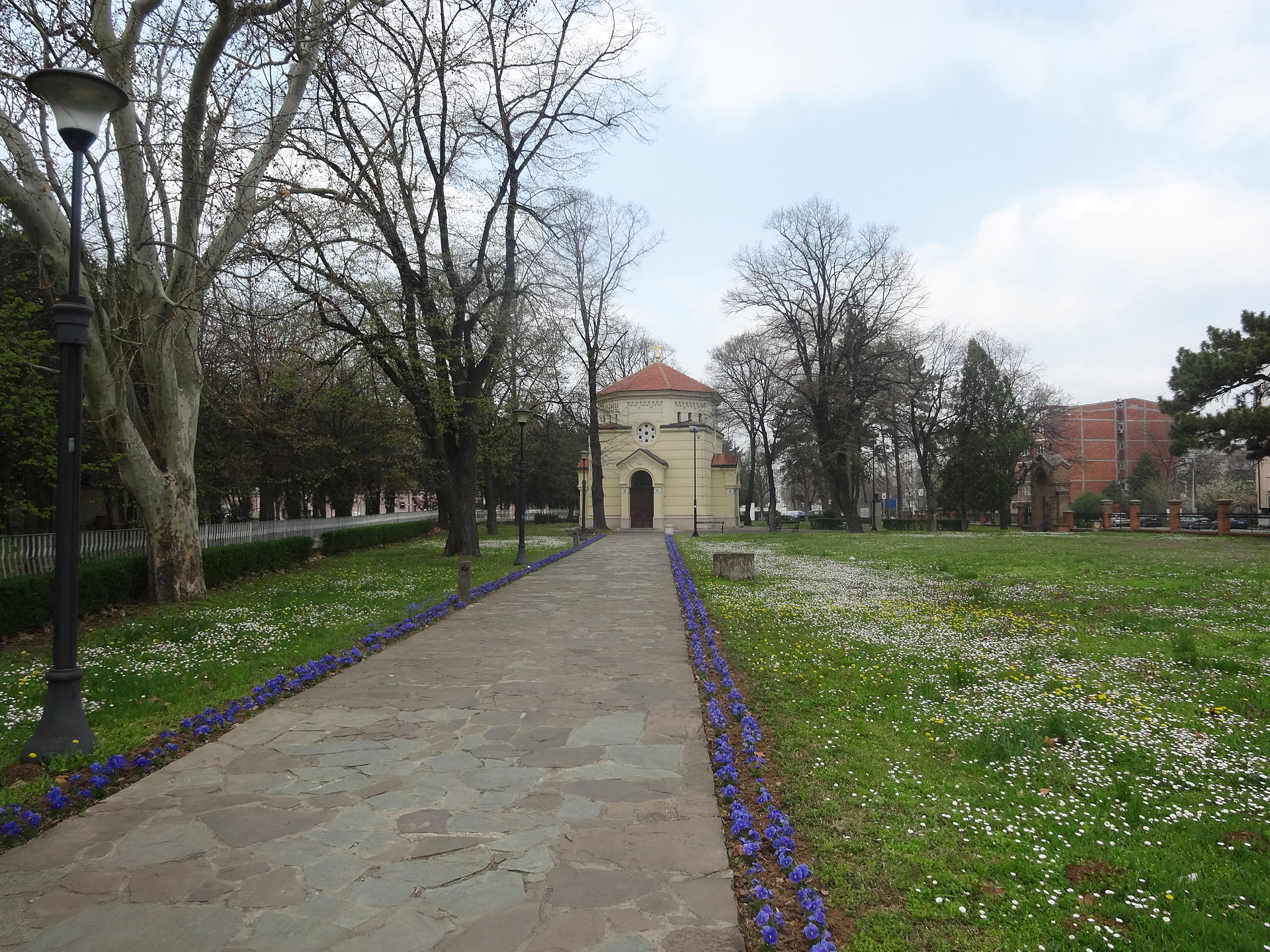
Skull Tower (Ćele Kula)
The memorial tower built from the skulls of Serbian rebels after the 1809 battle.
Main historical stop for understanding the Battle of Čegar and the Ottoman warning monument.
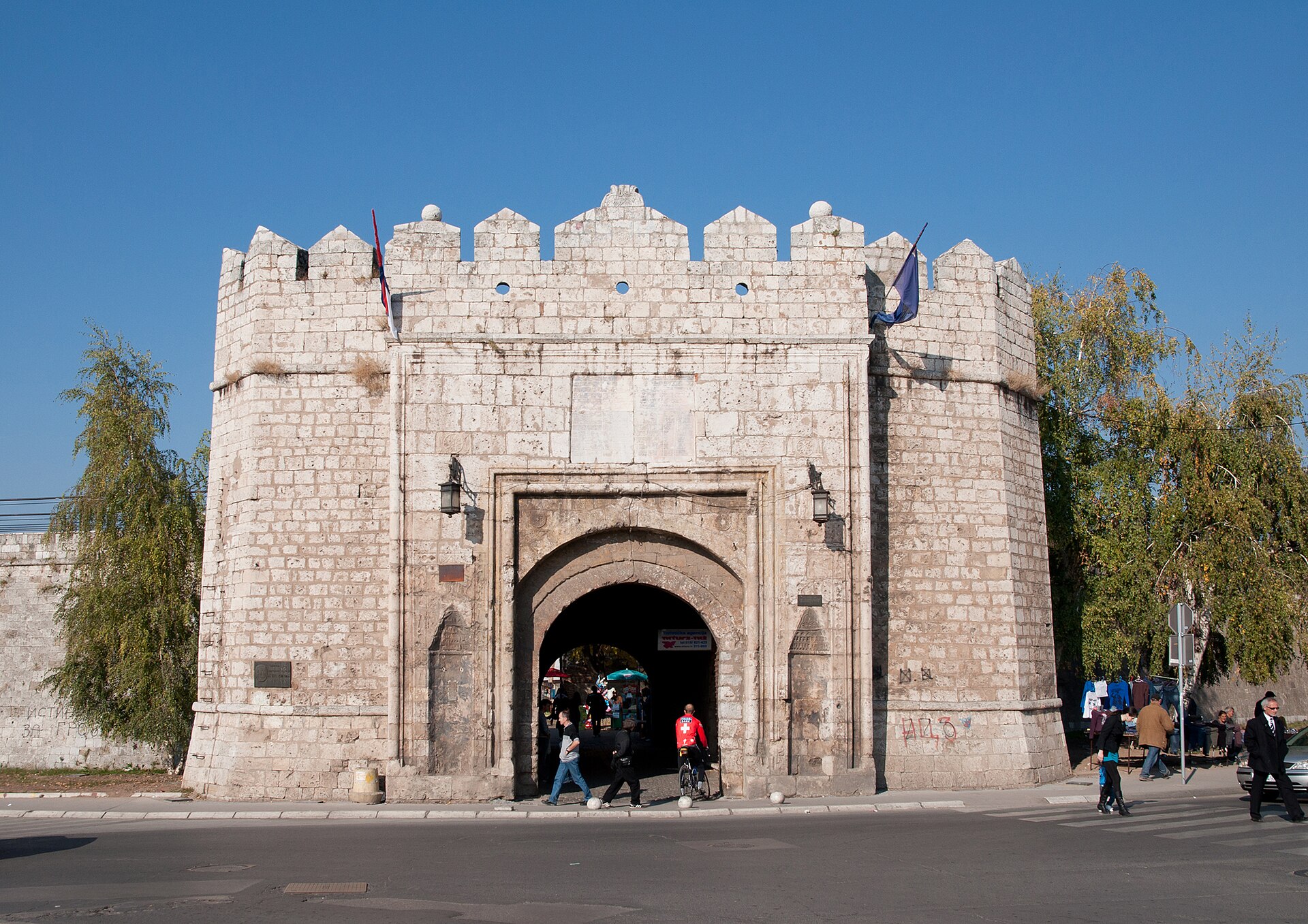
Niš Fortress
The main historic fortress complex in the city center.
Useful for a wider Ottoman and military history context after visiting Skull Tower.
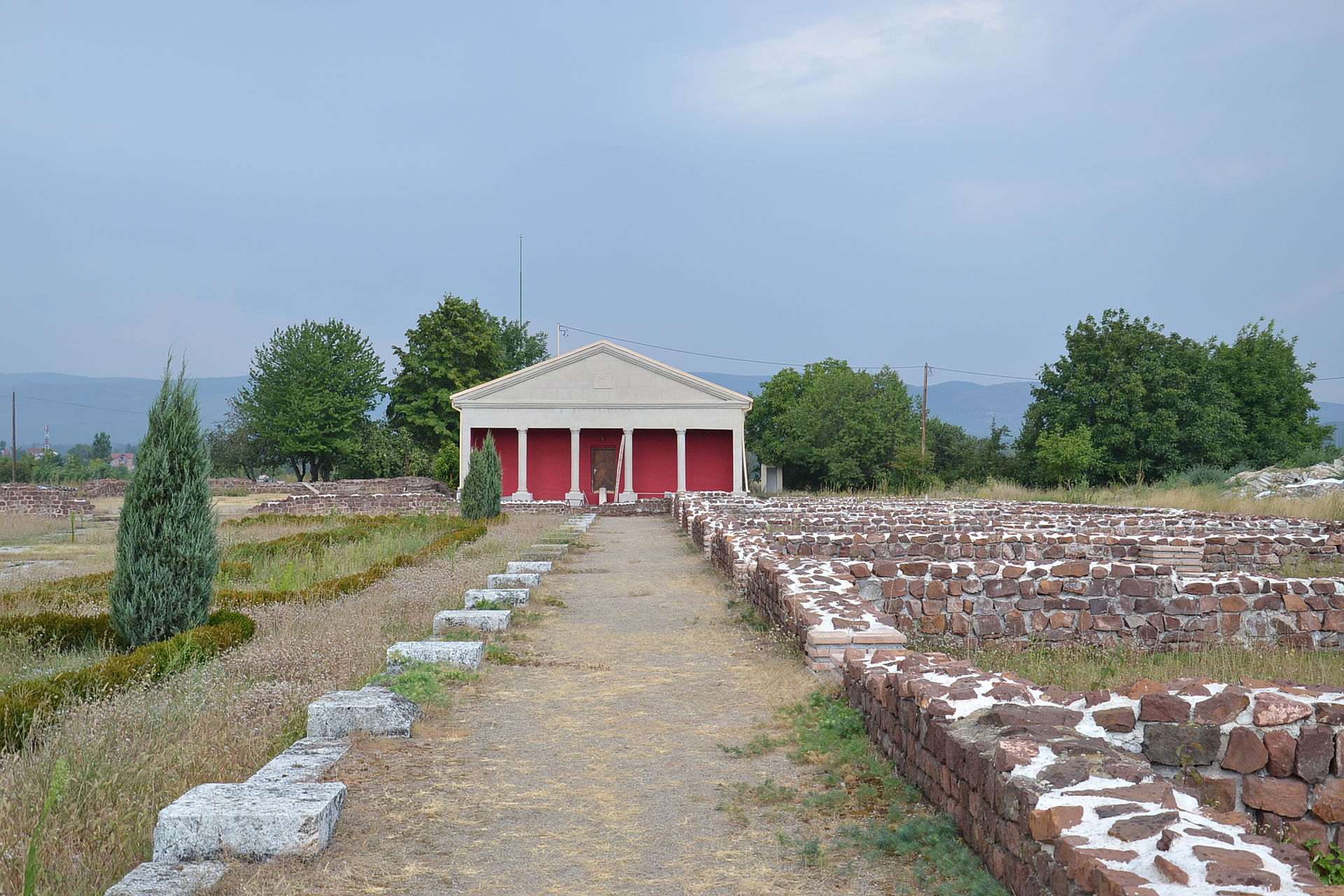
Mediana Niš
Roman imperial estate on the edge of the city.
A different historical layer of Niš, useful if you want to compare Roman and Ottoman heritage in one trip.
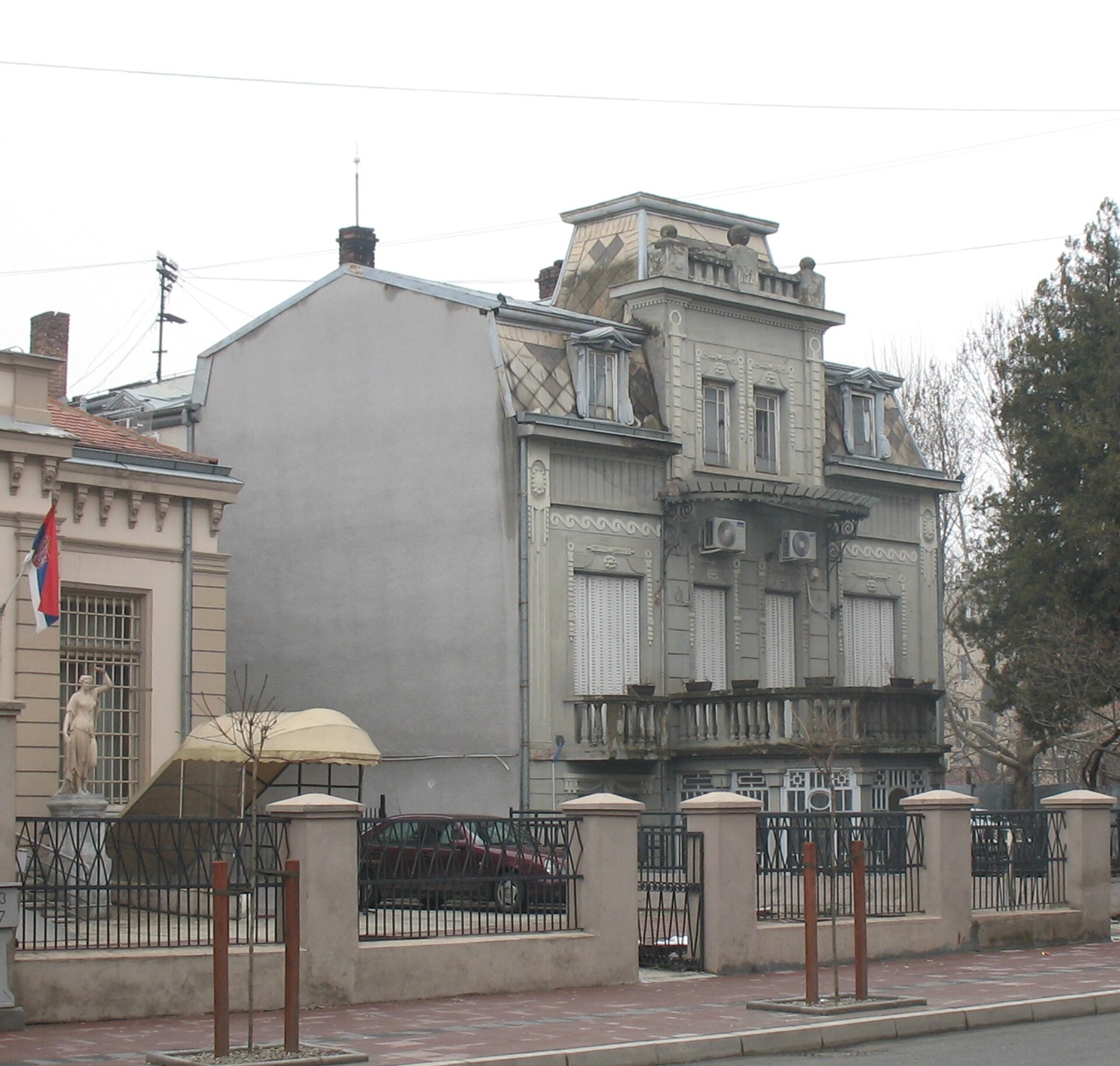
National Museum of Niš
Museum collections covering regional history and archaeology.
Good for reading up on local history before or after the memorial visit.
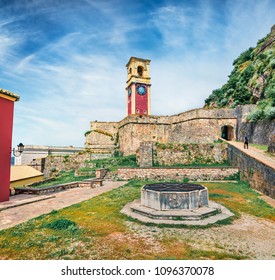
Niš City Guide: Fortress, Skull Tower & Nightlife
City-level planning guide for getting around Niš.
Helpful if you are building a walking route that includes several historical stops.
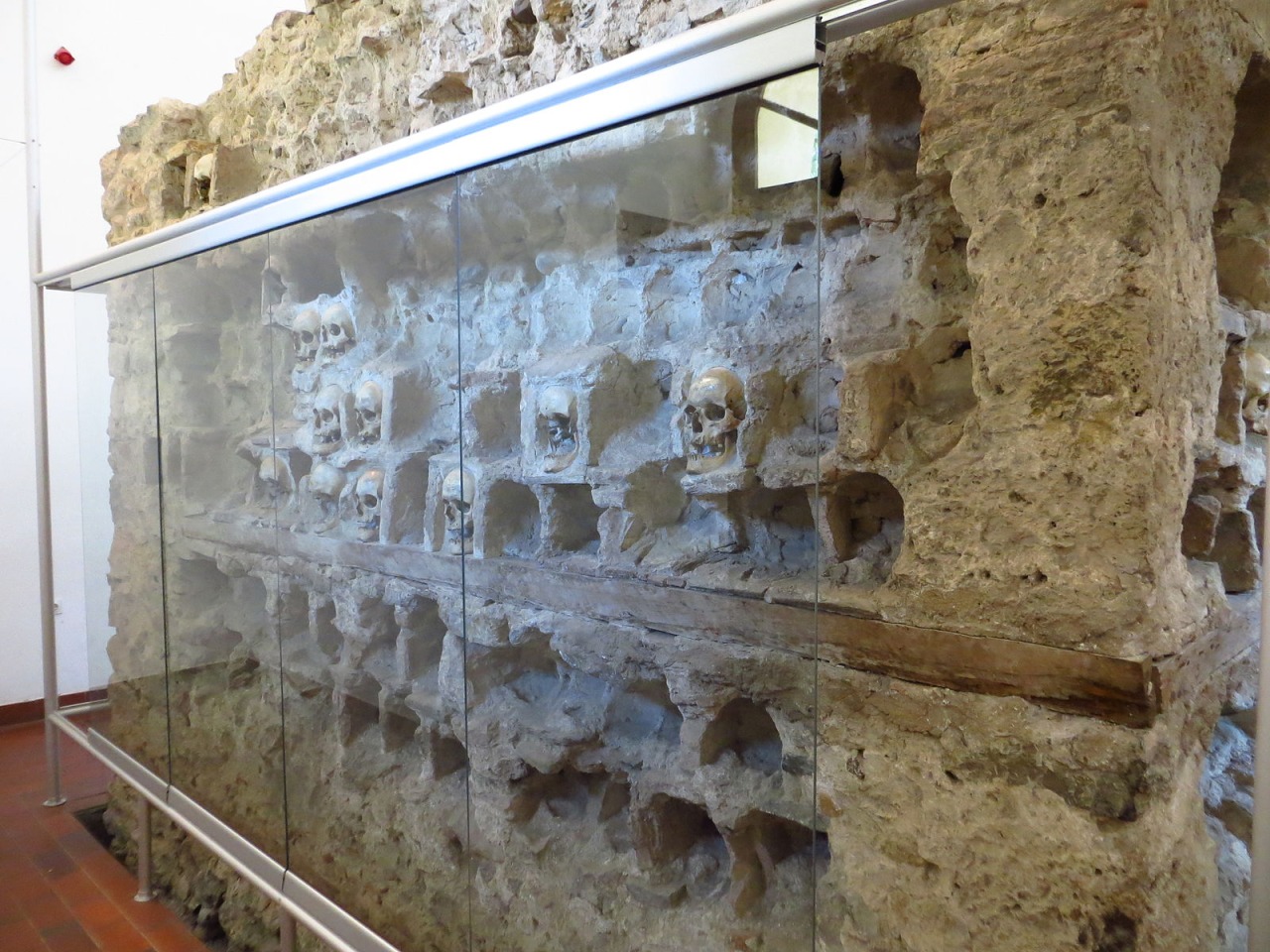
Skull Tower Wall Display
Human skulls are embedded in the stone wall at Skull Tower in Niš, protected behind glass panels
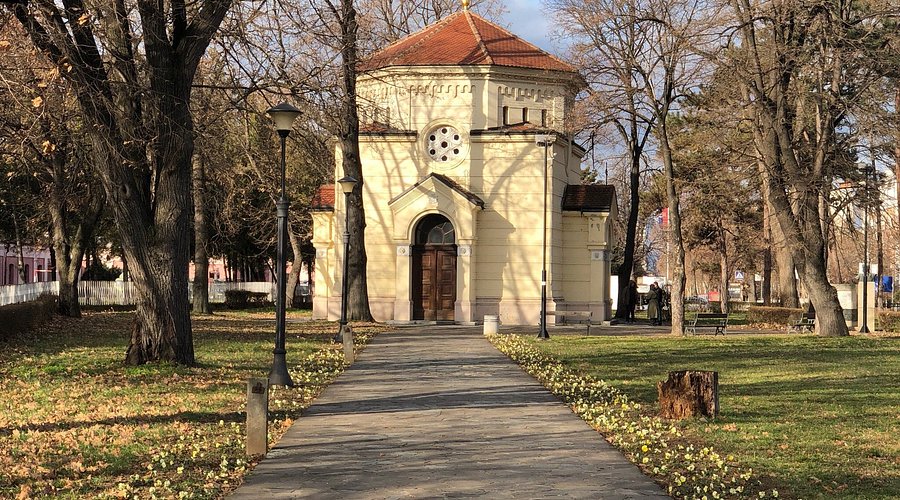
Chapel in Tree Park
A small chapel stands at Skull Tower in Niš, reached by a paved path through leafless trees
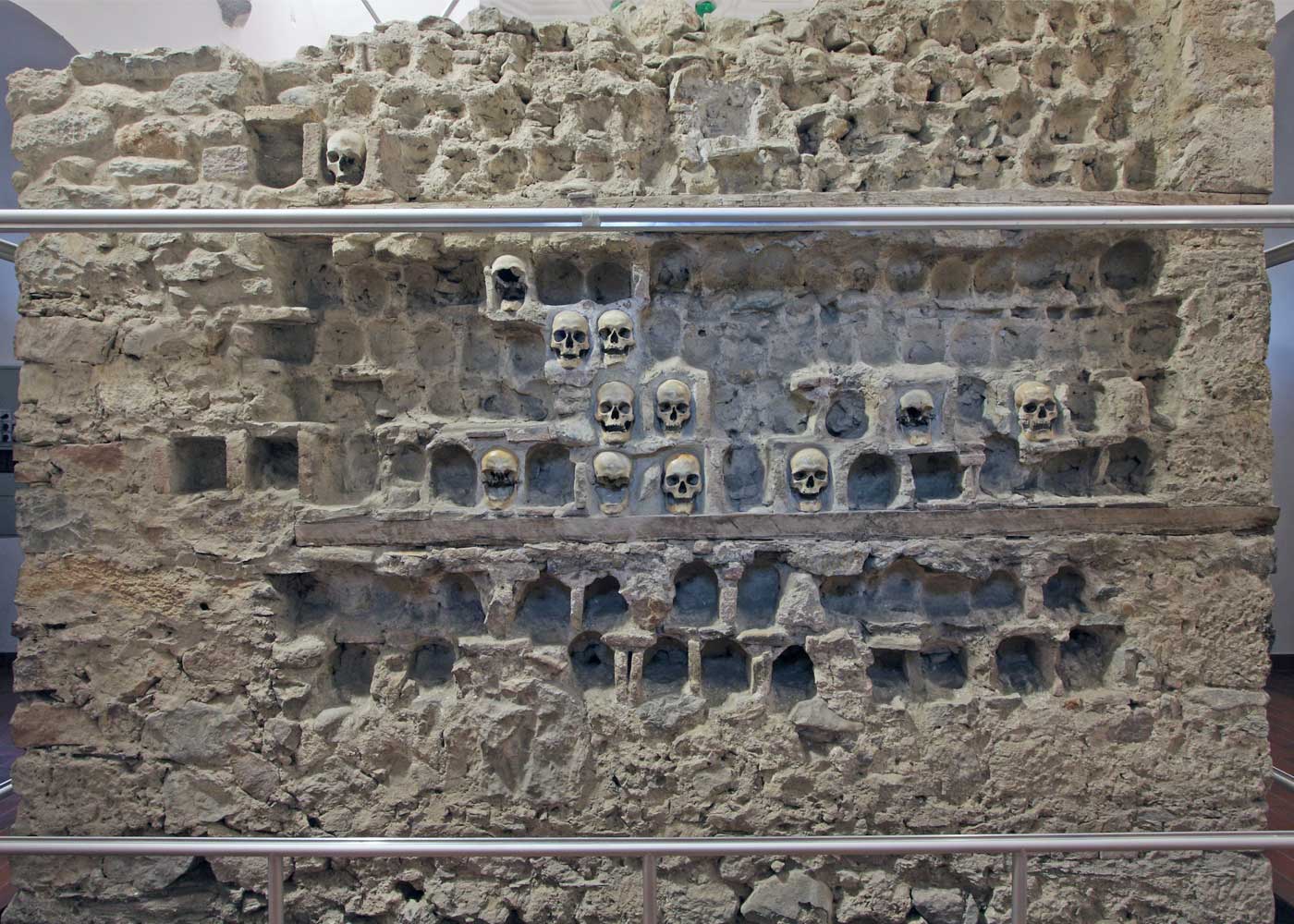
Skulls in stone wall
Embedded skulls and rough masonry are displayed at Skull Tower in Niš, behind metal railings
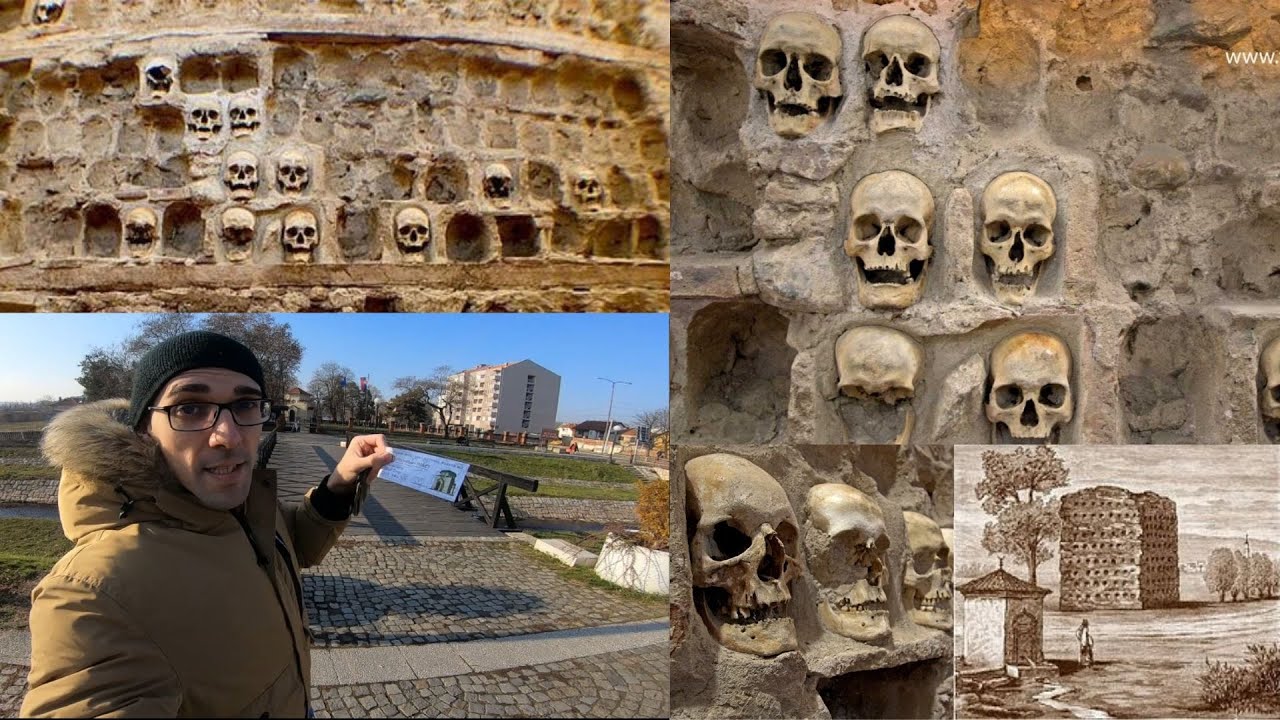
Skull Wall and Visitor
Skull Tower in Niš appears in a collage with embedded skulls, a visitor, and a historical illustration
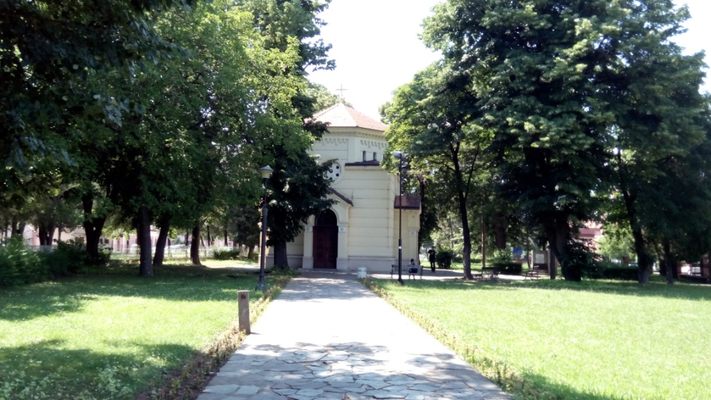
Chapel in the Park
A small chapel stands among trees along the path at Skull Tower in Niš
Niš, Serbia
Niš city center / Niš Fortress
Ottoman memorial tower from 1809
RSD 200-300
Morning or late afternoon
No, but check current opening times
Skull Tower is best treated as a memorial stop, not a sightseeing landmark for a long stay. If you want the historical background, read about the 1809 Battle of Čegar before arriving.
If Niš is one stop on a longer trip, the city fits naturally into routes that also include western Serbia, Belgrade, or the southern corridor toward Leskovac and Pirot.
It is an Ottoman-era memorial built after the 1809 Battle of Čegar using the skulls of Serbian rebels. Today it is visited as a historical monument and memorial site.
Most visitors spend 20-40 minutes. It is usually a short stop rather than a half-day attraction.
Yes, but the subject matter is heavy. Families should be ready to explain the history in simple terms.
Yes. Niš Fortress and Mediana are the easiest add-ons if you want a fuller historical route through the city.
Stay connected in Serbia