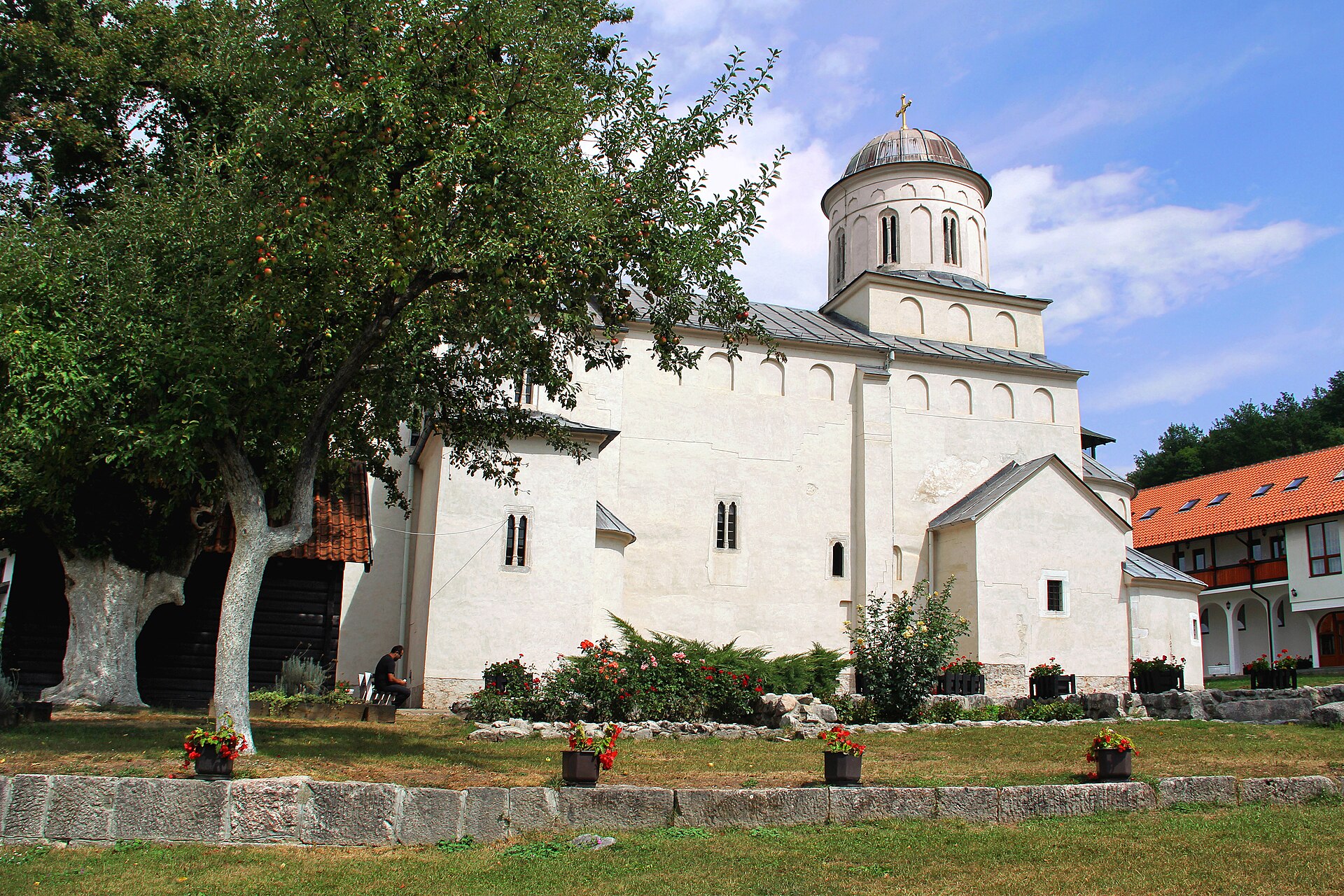
Mileševa b.b., 31300 Prijepolje, Serbia

Mileševa stands at Mileševa b.b., 31300 Prijepolje. General visits are published daily under separate summer and winter schedules. Expert-guided visits covering the monastery and treasury operate Tuesday through Sunday; they are not offered on Monday. Admission, guided-visit and treasury prices are not published. Individual advance booking is not stated as mandatory, while groups may announce their visit in advance. Seasonal changeover dates, photography permission and detailed accessibility information should be confirmed directly.
The road from Prijepolje enters the Mileševka valley, where the monastery occupies a compact religious precinct beside the river landscape. Its church, monastic buildings and visitor facilities remain part of an active Orthodox community rather than an isolated museum complex. The setting gives the visit a clear sequence: approach through the valley, enter the enclosure and then slow down inside the painted church. Mileševa belongs naturally within Western Serbia’s mountain, gorge and monastery routes, but its medieval painting and connection with Prijepolje give it a distinct purpose. The atmosphere is contemplative, with visitor activity shaped around religious life.
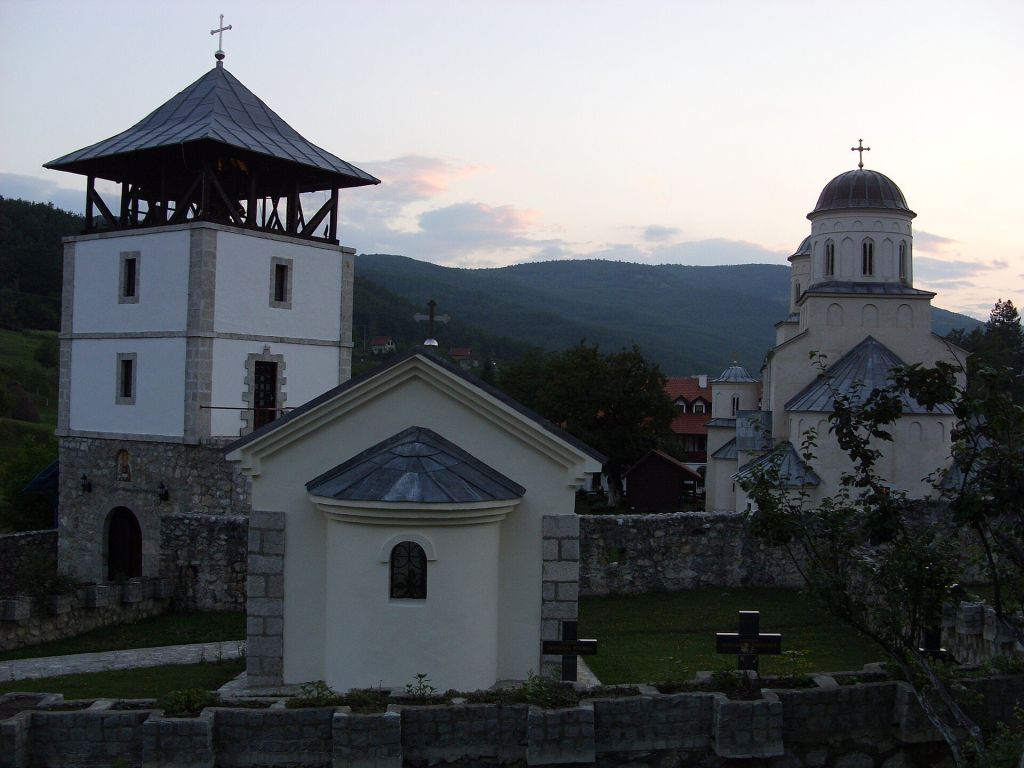
Mileševa was founded by King Stefan Vladislav in the first half of the thirteenth century. The broader dating matters because the exact construction year is not treated as settled in the available institutional accounts. Rather than fastening the monastery to a single disputed date, read it as a royal foundation from the mature Raška period, when architecture, dynastic patronage and church painting worked together.
The church’s historical portraits help place the building within the Nemanjić world, although visitors should not assume that every figure or painted detail will be equally legible. Travellers following this period can continue the architectural story at Studenica Monastery near Kraljevo, while allowing each foundation to retain its own history and painted programme.
The figure known as the White Angel, or Beli anđeo, is not an independent modern picture. It belongs to the medieval composition of the Myrrh-bearers at Christ’s Tomb, where the angel directs attention toward the empty burial place. That full scene changes the way the famous detail reads: the pale garment, extended arm and seated figure are part of a narrative about the Resurrection rather than a detached symbol.
Pause first at a distance that lets the surrounding composition register, then examine the angel’s gesture and relationship to the other figures. This approach avoids reducing Mileševa to a single reproduced image and makes the church’s visual storytelling easier to follow. Lighting, worship and conservation needs may affect how long visitors can stand in a particular position.
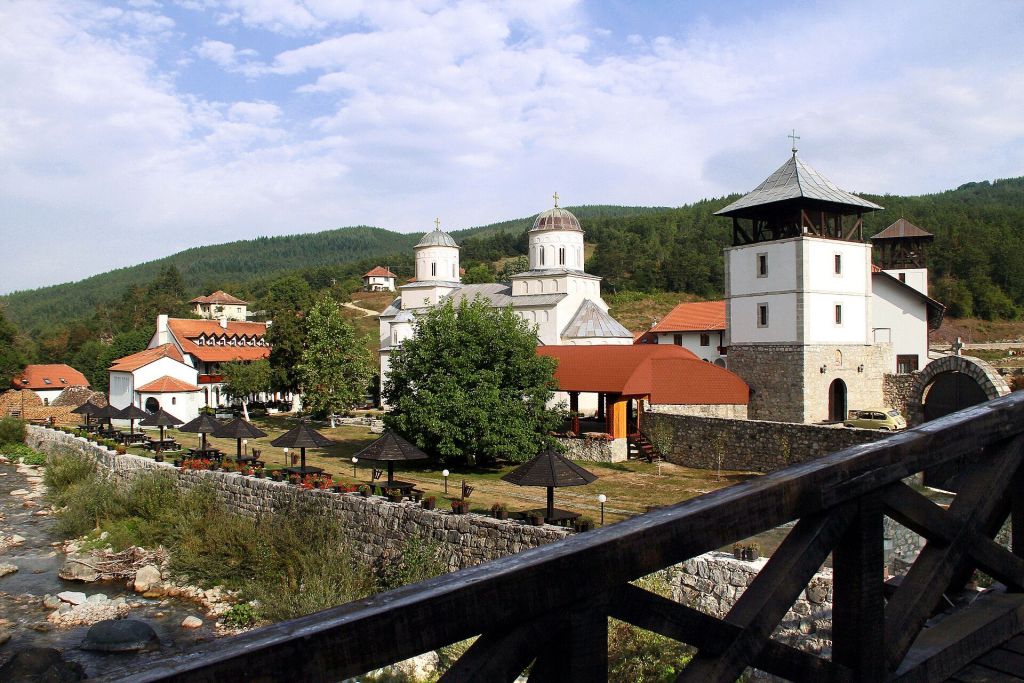
Once the White Angel has been located, let the rest of the interior rebuild the visual context around it. Mileševa preserves only part of its medieval painted ensemble, so blank or altered areas are part of the historical record rather than an interruption to the visit. Surviving sacred figures, narrative scenes and portraits show how painters organized meaning across walls and architectural bays.
Do not rely on a checklist that promises every named figure. Visibility can vary with interior light, the condition of individual passages and temporary restrictions. A guided explanation is useful because it can connect surviving fragments without pretending that the original programme remains complete. The reward is a clearer sense of the church as a designed painted space, not simply a container for one famous detail.
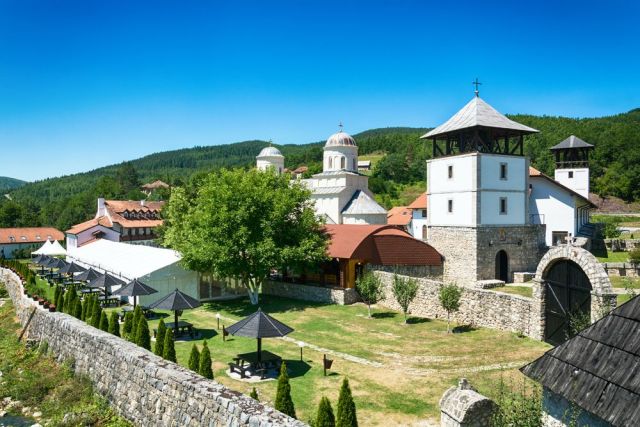
Mileševa’s place in Serbian memory is tied closely to St Sava. His relics were historically brought to and kept at the monastery before their removal in the Ottoman period. That association gave Mileševa importance extending beyond the founder’s royal patronage and helps explain why the site carries both artistic and devotional weight.
The distinction between history and present-day expectation is essential: the historic burial association does not mean that St Sava’s relics remain at Mileševa today. Inside a working monastery, that remembered past is encountered through the church, its painted programme and the community’s religious continuity. Approach the subject as part of a layered institutional history rather than as a promise of a surviving tomb display or relic-viewing experience.
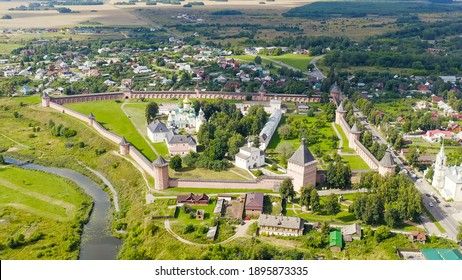
Descriptions of Mileševa refer to manuscripts, books and religious treasures, but the library and treasury should not be treated as spaces with identical public access. The monastery publishes expert-guided visits of the monastery and treasury from Tuesday through Sunday, 09:00–17:00; no organized guided visits are offered on Monday. A duration and a detailed list of included objects are not published.
Groups may announce a visit in advance. A mandatory reservation rule for individuals is not stated, but anyone travelling specifically for treasury access should use the published visit-reservations line before departure. No online reservation page or readable official reservations email is published. Prices for admission, the guided visit and treasury access are also not published, so ask about the current arrangement during the same call.
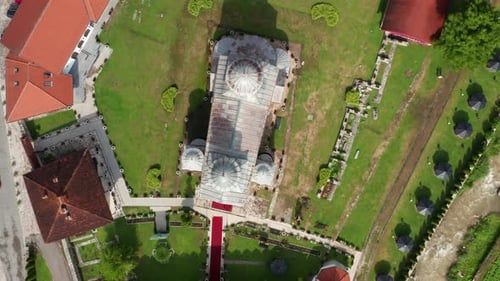
Arrive as a guest of a religious community rather than as a visitor entering a conventional gallery. Quiet speech, covered shoulders and knees, and clothing suitable for a church are sensible general practice, although a detailed site-specific dress code is not published. Follow instructions from the monastic community and allow services, prayer or pastoral activity to take priority.
Photography permission is not published. Ask before photographing inside the church, and accept that fresco protection or worship may rule it out. Families can visit, but children should remain close to adults around the church and collection spaces. Detailed information about step-free routes, thresholds, seating and accessible toilets is not published, so travellers with mobility requirements should call ahead. Bring a layer for the church interior and avoid carrying food or drinks into sacred spaces.
Prijepolje is the practical gateway. From the town, drivers follow the signed road into the Mileševka valley toward the monastery; regional access to Prijepolje uses State Road 23, while rail travellers arrive on the Belgrade–Bar railway corridor. Parking is listed among the monastery’s visitor facilities.
A verified local bus line number, stop timetable and dependable pedestrian walking time from central Prijepolje are not published. Do not assume that the valley approach is a short or protected roadside walk. Ask accommodation staff or the monastery to confirm current local transport, or arrange a taxi in Prijepolje. A typical taxi fare is not published, so agree on the price before departure.
For a wider southwestern route, Nova Varoš and the Uvac gateway can form a separate nature-focused stop. Check road conditions and realistic driving time locally rather than treating the monastery, Uvac and other mountain sites as one compressed excursion.
Choose Tuesday through Sunday when a guided treasury visit matters; Monday is suitable only if the general monastery visit is your aim. Earlier arrival leaves a margin for religious activity, access adjustments and the difference between the published general closing time and guided-visit availability. Avoid building a tight onward schedule around the final hour of access.
The monastery labels its schedules as summer and winter but does not publish fixed changeover dates. Call before travelling in spring or autumn, and reconfirm if treasury access is the main reason for the journey. Groups should announce their arrival in advance rather than expecting an unscheduled explanation on entry.
The visit moves between an active monastic enclosure, a church with fragile medieval painting and, when arranged, the treasury. The experience is quieter and less interpretively structured than a large museum: comprehensive English signage, a fixed tour duration and guaranteed access to every collection area are not published.
There is no formal dress occasion, but restrained church clothing is appropriate. Noise should remain low, especially if worship or prayer is taking place. The complex lists a guest area with a hospitium, souvenir shop, drinking fountain and toilet, as well as three guest houses associated with monastery lodging. These facilities do not establish step-free access or a bookable walk-in stay; confirm availability separately. Families are welcome to approach the visit as a cultural and religious site, provided children can remain quiet near the frescoes and services.
Before travelling, confirm which seasonal schedule applies, whether treasury guidance is available, the current price arrangement, photography permission and any worship-related limits. Travellers with mobility requirements should also ask about surfaces, steps, thresholds and toilet access. These details are either changeable or not published with enough precision for firm assumptions.
Leave popular space-broadcast stories out of the historical interpretation. Claims about extraterrestrial messages, satellite-image firsts or similar transmission narratives are not established facts about the fresco. The sound account is already substantial: a royal foundation from the first half of the thirteenth century, a partly preserved medieval painted ensemble, the White Angel within the Myrrh-bearers scene, and a consequential historical association with St Sava. Exact later political dates and disputed coronation narratives likewise need careful specialist treatment rather than repetition as settled history.
Sources cross-checked for this guide:
Last checked: 12 October 2026. Fact-checked by the editorial team led by Mascha against the official sources above, and reviewed before publishing.
General monastery visits follow separate summer and winter schedules.
The calendar dates defining the summer and winter schedules are not published. Confirm which schedule applies before travelling near a seasonal change.
Visitor details were checked on 9 October 2026. Seasonal boundaries, prices, photography rules and accessibility arrangements should be reconfirmed with the monastery.
The monastery is in the Mileševka valley near Prijepolje, at Mileševa b.b., 31300 Prijepolje, Serbia.
These five focal points explain how the White Angel fits into the monastery’s church, historical portraits and separately managed collection spaces. Access to particular details can depend on worship, conservation and guided-visit arrangements.
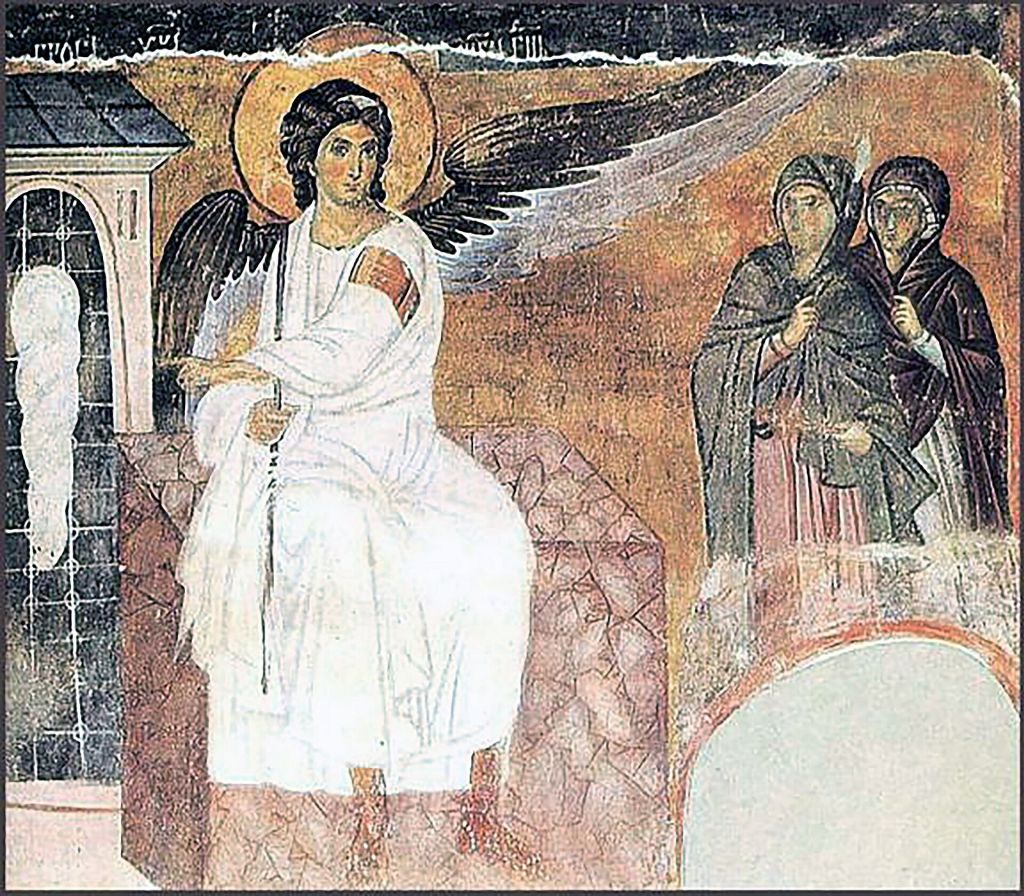
White Angel fresco
The angelic figure widely known as Beli anđeo.
View the figure within its burial-chapel context rather than as a detached image. Photography permission is not published and should be requested locally.
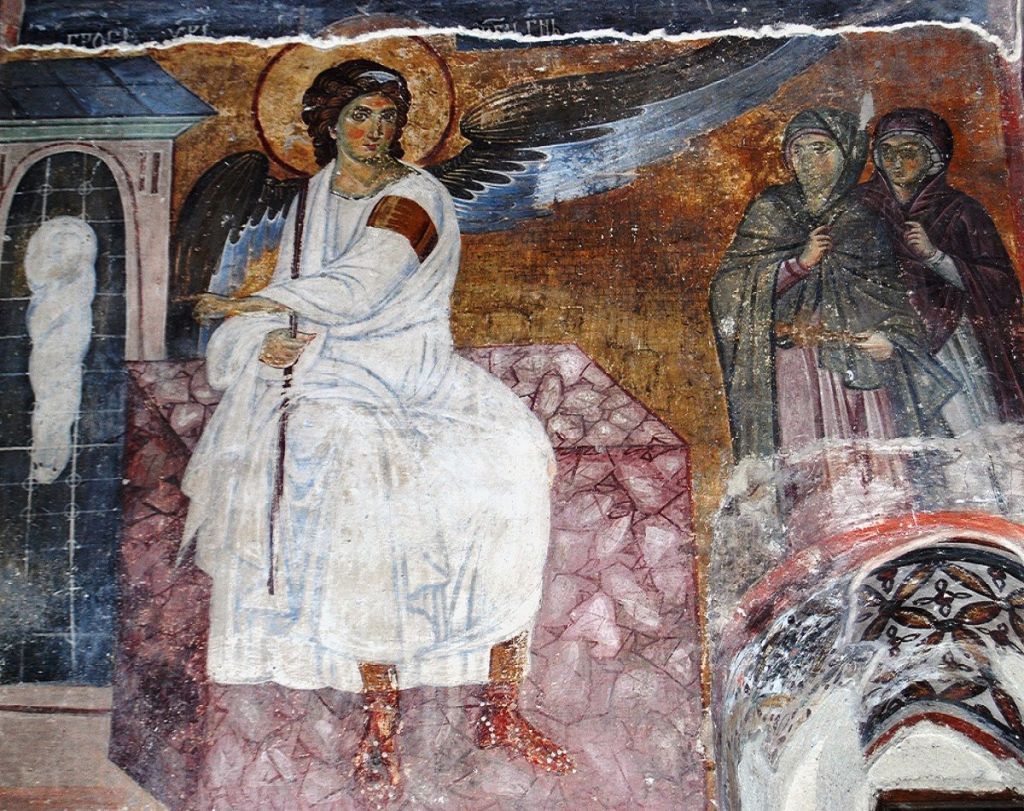
The Myrrh-bearers at Christ’s Tomb
The complete narrative composition containing the White Angel.
The surrounding figures, tomb and angel’s gesture provide the subject that reproductions of the single figure often omit.
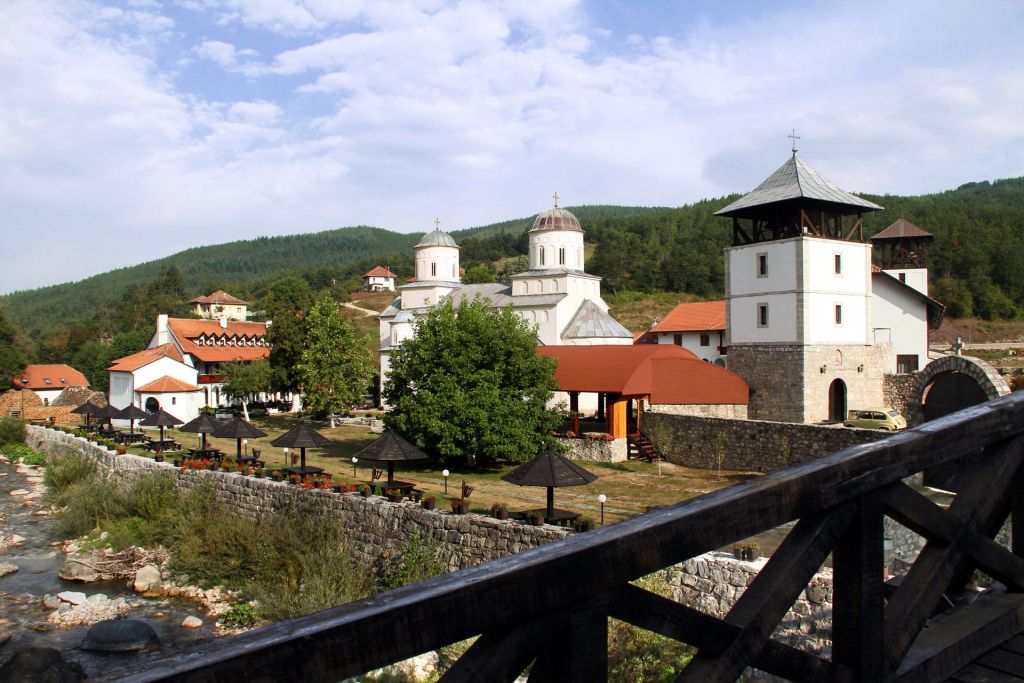
King Vladislav and dynastic portrait context
Painted history connected with the monastery’s royal founder.
Historical portraits place the church within the Nemanjić period, though the visibility of every figure or inscription should not be assumed.
Mileševa medieval fresco ensemble
Partly preserved wall painting beyond the best-known angel.
Look for the relationship between narrative scenes, sacred figures and the architecture rather than treating the church as a one-image stop.
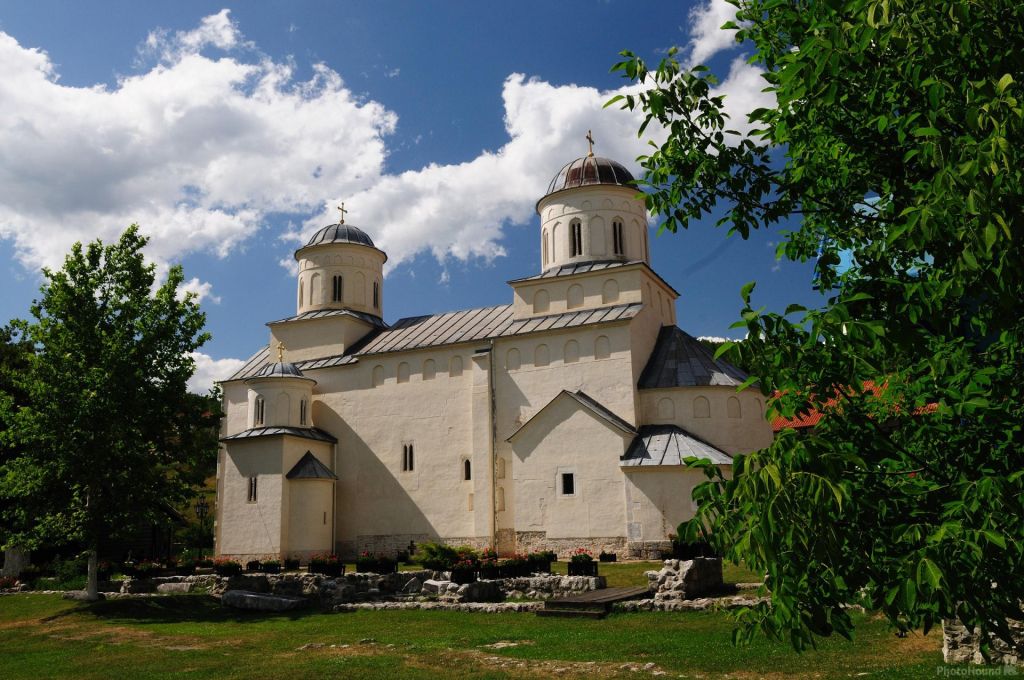
Mileševa treasury
A collection space associated with religious and historical objects.
Expert-guided visits include the monastery and treasury. The display status of every manuscript or object is not guaranteed.
Mileševa b.b., 31300 Prijepolje, Serbia
Prijepolje and the Mileševka valley
White Angel fresco within the Myrrh-bearers at Christ’s Tomb
Admission and guided-visit prices not published
Tuesday–Sunday if guided treasury access matters
Not stated for individuals; groups may announce visits in advance
Monastery and treasury; duration not published
Use the published visit-reservations telephone line
Permission not published; ask locally
Organized guidance covers the monastery and treasury. Groups may announce a visit in advance, while a compulsory reservation rule for individuals is not published. Use the monastery visit and lodging line to confirm access, current prices and group arrangements.
Summer and winter hours are published, but their calendar changeover dates are not. Confirm the applicable schedule before travelling in spring or autumn.
A current photography rule is not published. Request permission before using a camera or phone inside the church, and follow any restriction connected with worship or conservation.
Parking, a guest area, drinking fountain, souvenir shop and toilet are listed. Step-free routes, doorway widths and adapted facilities are not described, so call the Mileševa Monastery landline with specific access questions.
The White Angel belongs to the Myrrh-bearers at Christ’s Tomb composition in the monastery church’s burial-chapel context. Look at the complete scene before concentrating on the angelic figure.
General monastery visits are published for every day under seasonal hours. Organized expert-guided visits of the monastery and treasury are not offered on Monday.
Mandatory advance booking for individual visitors is not published. Groups may announce their visit in advance, and anyone travelling specifically for treasury access should call before departure.
Admission, guided-visit and treasury prices are not published. Confirm the current arrangement directly rather than assuming entry or guidance is free.
A current photography rule is not published. Ask for permission inside the monastery and accept any restriction required for worship or fresco conservation.
Published organized visits include the monastery and treasury from Tuesday through Sunday. Separate public library access and guaranteed display of particular manuscripts are not published.
Stay connected in Serbia