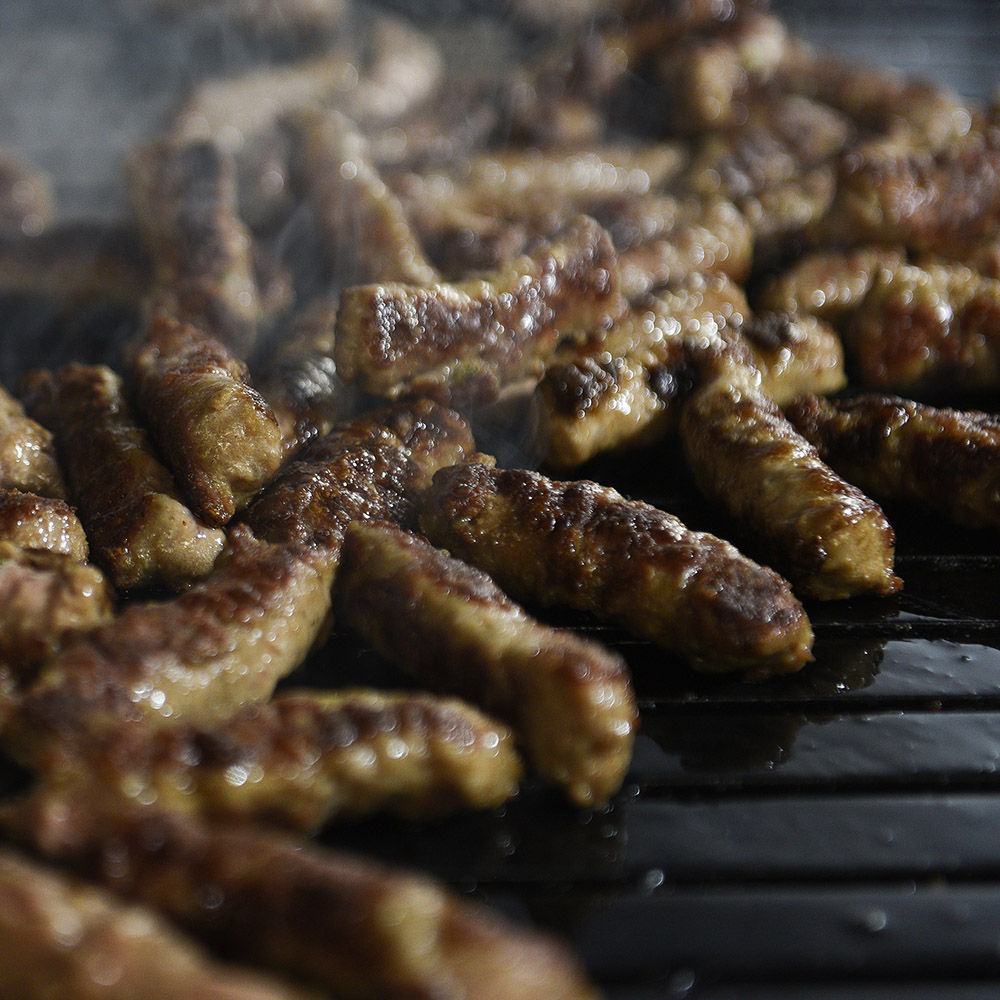
cevapi

Ćevapi, often written without accents as cevapi, are small grilled minced-meat pieces or skinless sausages served in portions. In Serbia they belong to roštilj culture, so the most reliable first order is a simple portion served hot in lepinja or somun with chopped onions, then kajmak if you want a richer version. Meat blends, size, texture, bread, and condiments vary by region and by grill shop, which is why trying ćevapi in more than one city is usually more useful than searching for a single definitive version.
Ćevapi are small grilled minced-meat pieces, sometimes described to foreign travellers as skinless sausages. They are part of Serbian roštilj culture, meaning meat cooked over fire or charcoal and served quickly, simply, and very hot. The singular is ćevap, but most travellers will order ćevapi because the dish arrives as a portion rather than a single piece. The smaller form ćevapčići can also appear on menus.
Ćevapi are not exclusively Serbian; they are popular across the Balkans, but Serbia has strong local grill traditions around them. Supporting food references connect the dish to Ottoman-era kebab traditions and note that by the 19th century ćevapi were already established as urban street food in places such as Belgrade. In practical travel terms, what matters most is that Serbia treats ćevapi as everyday food: something you eat in a grill shop, kafana, roštilj restaurant, or fast counter when you want a filling, direct meal without ceremony.
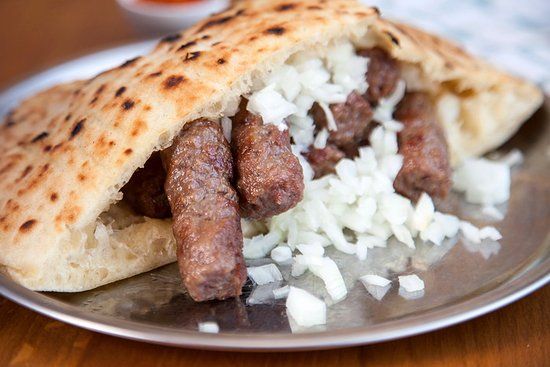
English-language menus and search results often drop the accent and write the dish as cevapi. In Serbia you will also see the accented form ćevapi, and both refer to the same basic dish. If you are speaking rather than reading, a simple approximation such as cheh-VAH-pee is usually close enough to be understood. The more important distinction for ordering is singular versus plural: ćevap is one piece, while ćevapi is the portion you actually want.
For a first order, keep it simple. Ask for one portion in flatbread with onions, then decide whether you also want kajmak. Supporting live menu references show that some places sell 5-piece and 10-piece portions, while broader food sources describe a typical portion as several pieces tucked into warm bread. If the counter is busy, order directly, step aside, and eat promptly. Fresh grilling matters with ćevapi; they are at their best when they reach you straight from the fire rather than after a long wait.
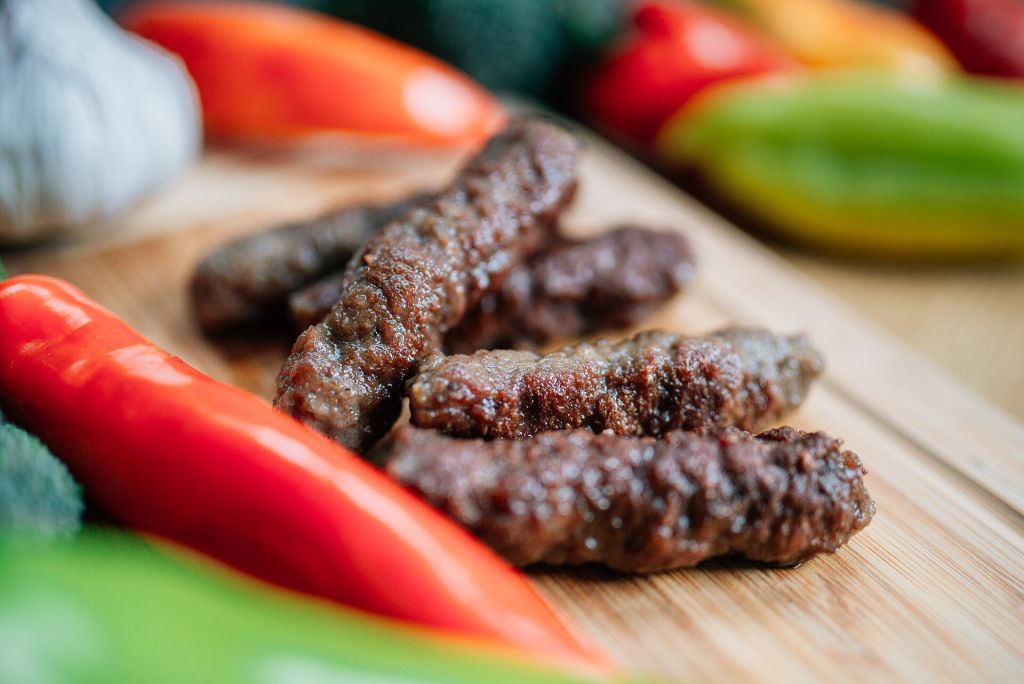
Travellers should not expect one uniform Serbian ćevapi. The meat blend, seasoning, size, texture, bread, and side dishes vary from one grill shop to another, and regional identity matters. That is why local debates about where the most convincing ćevapi are served tend to stay unresolved. Some people point to Leskovac and the wider grill culture of southern Serbia, others to Novi Pazar, Niš, Belgrade, or somewhere else entirely. The useful approach for visitors is not to search for a single winner, but to compare regional habits.
Belgrade travel guide is the easiest starting point for most international visitors because the capital has many grill shops, kafanas, and fast counters where ćevapi appear as an everyday order. Niš city guide opens the door to the broader barbecue culture of southern Serbia, where grill dishes are central rather than occasional. Novi Pazar travel guide is important for a more specific local tradition: official tourism sources there describe the city as strongly associated with ćevapi, mantije, pite, sweets, tea houses, aščinicas, and many ćevabdžinicas. Local material also notes that Novi Pazar ćevapi changed over time from more hand-shaped, uneven small bites to longer, thinner machine-formed pieces, while still keeping a distinct city identity.
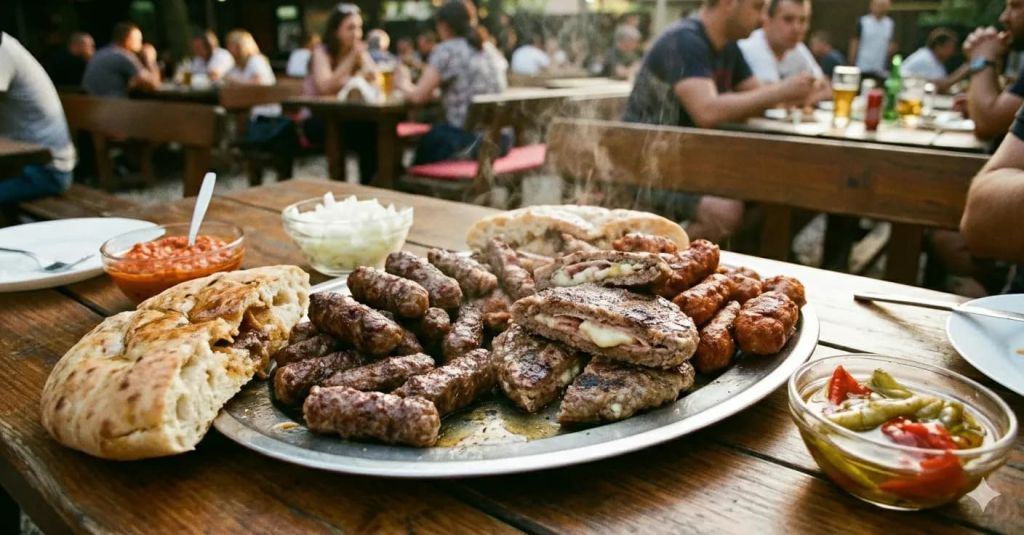
Leskovac is one of the main reference points for Serbian grill culture. Serbia Travel's national food stories describe the city as a place meat lovers should put on their list, not because ćevapi are the only thing eaten there, but because the whole barbecue repertoire is taken seriously: ćevapi, uštipci, ražnjići, pljeskavica, vešalica, mućkalica, spit-roasted meat, and wedding cabbage all belong to the wider southern Serbian food context.
The biggest showcase is Roštiljijada, the Leskovac Grill Festival. The official event listing places it in the city centre, says it can draw up to half a million visitors, and notes that guests come for grilled meats as well as brass-band entertainment. Every year the festival also stages the making of an enormous meat patty. For travellers, the value of Leskovac is not that it settles the argument about where Serbia's most memorable ćevapi are, but that it shows how deeply grill culture is woven into everyday identity and public celebration. If your dates line up, it is one of the clearest ways to experience that culture in one place.
If your trip is built around seasonal food events rather than only city stops, Serbia's wine and honey festivals can help frame other tasting-focused dates around the country.
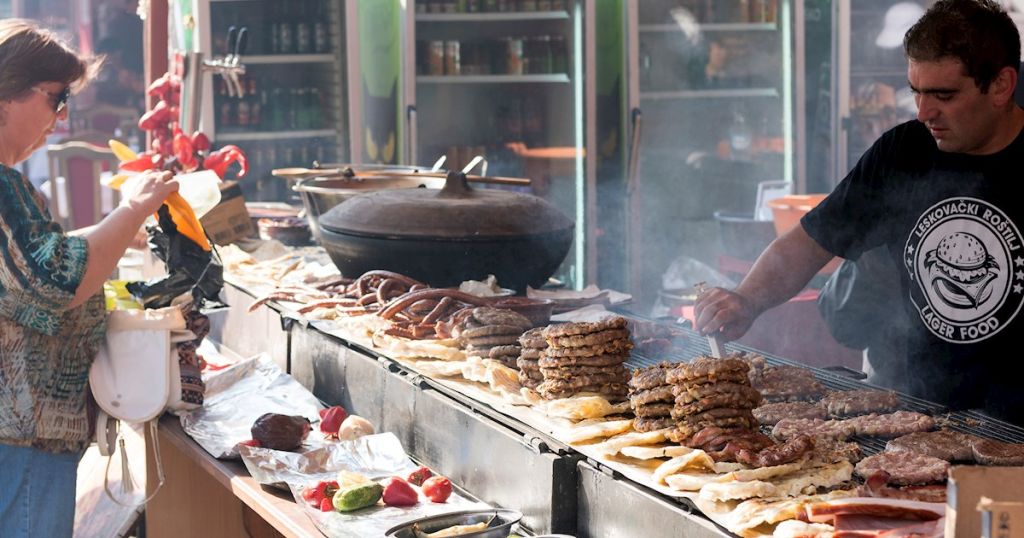
A ćevabdžinica is a specialist grill shop focused on ćevapi and related barbecue items. For travellers, the practical signs are straightforward: active grilling, fast turnover, a short menu centered on roštilj, bread and onions ready to go, and food served immediately rather than waiting under heat lamps. Traditional kafanas and local roštilj restaurants can also be reliable, but the key point stays the same: fresh grilling matters.
Ask simple questions before you order. If you do not eat pork, ask whether the mixture contains it. If halal preparation matters, ask directly instead of assuming that a city or neighbourhood guarantees it. If you are comparing shops, do not judge only by portion size. Texture, bread, onion balance, and how hot the ćevapi arrive all affect the meal as much as the meat blend itself.
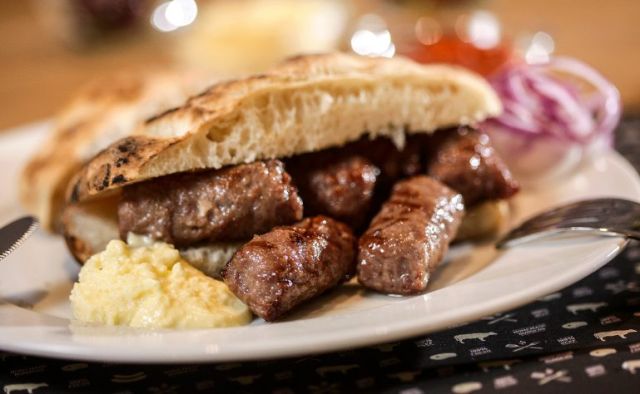
If you want to understand ćevapi rather than eat them only once, try them in stages. Start in Belgrade, where ordering is easy and comparison is simple because grill food appears in many formats. Continue to Niš or Leskovac for a stronger southern Serbian barbecue context. Finish in Novi Pazar, where local tourism sources make clear that ćevapi are part of the city's core food identity alongside mantije, pite, and sweets.
This approach works better than chasing one final answer to which city makes the right version. In Serbia, the interesting part is the variation: bread, onion balance, meat mixture, and the feel of the place serving them. If your wider route also includes broader national highlights, the Serbia Travel Guide from A to Z helps connect food stops with transport and trip planning.
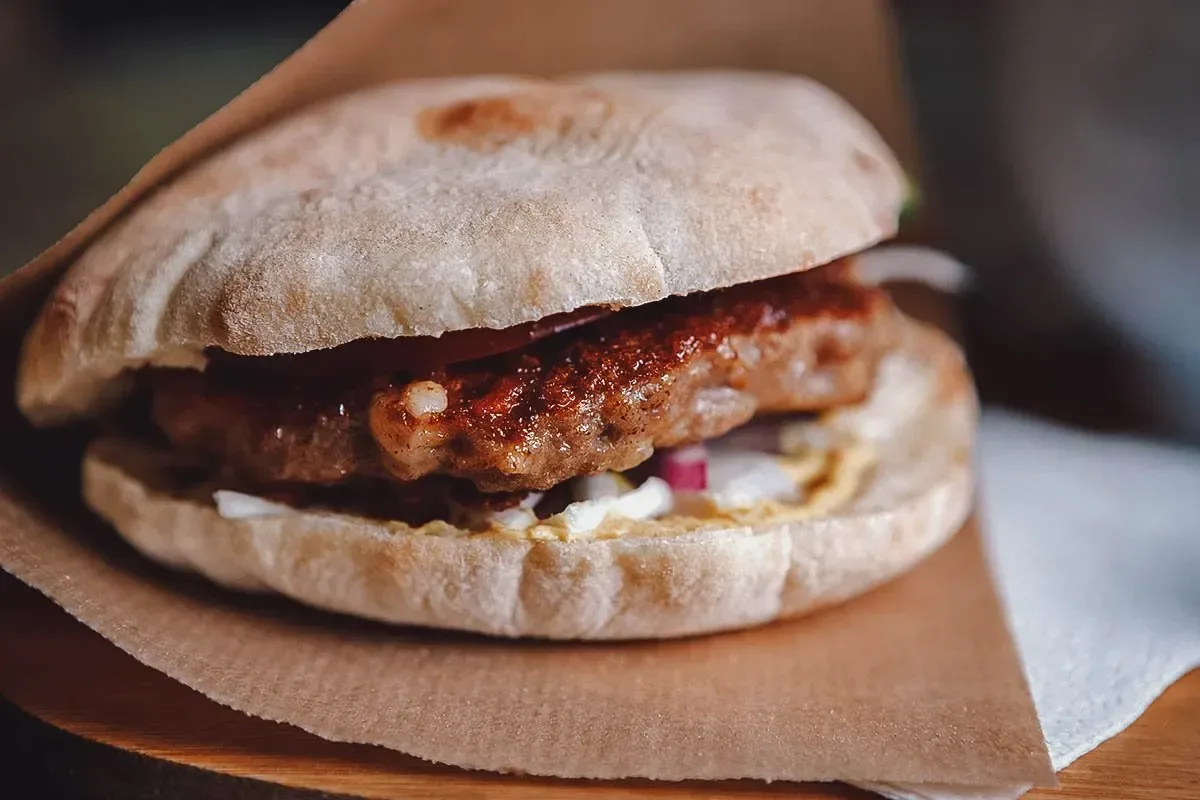
Choose the version that matches your route rather than forcing a special detour.
Priority was given to official tourism sources and destination tourism organisations. Supporting food references were used only where they added context without overriding the primary sources.
Tell us where you want to go and how you travel. We reply within two working days with a tailored plan.
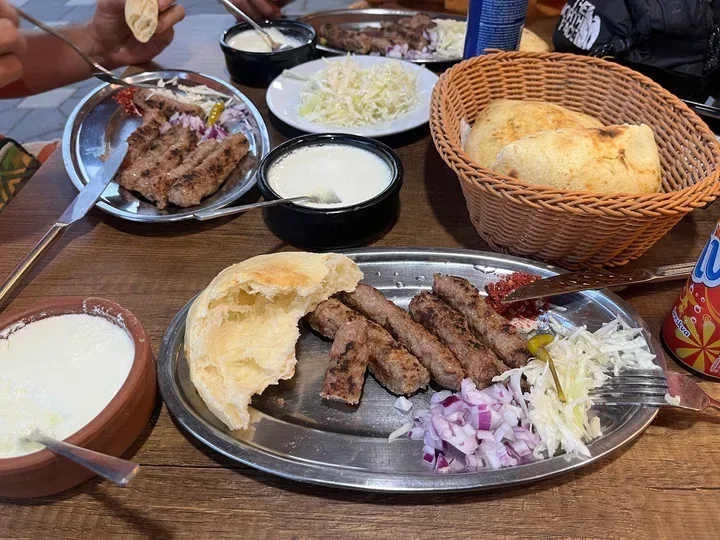
A standard Serbian serving brings several grilled pieces hot from the fire, usually in lepinja or somun bread, with chopped onions. Bread is not an afterthought; it is part of how the meal works, catching juices and making the portion easy to eat by hand at a counter, table, or outdoor grill stand.
Common additions include kajmak, ajvar, urnebes, sour cream, yoghurt, or a simple salad, depending on the shop and the region. Serbia Travel's national food material specifically pairs ćevapi with kajmak, while broader roštilj references treat onions, kajmak, and ajvar as core accompaniments. Start with onions first, then add richer spreads only if you want them.
This shortlist uses places explicitly published by Novi Pazar tourism sources, which provide names, addresses, and phone numbers for local ćevabdžinicas. It is not a national ranking. Current opening hours were not published in the cited source, so ask directly before going.
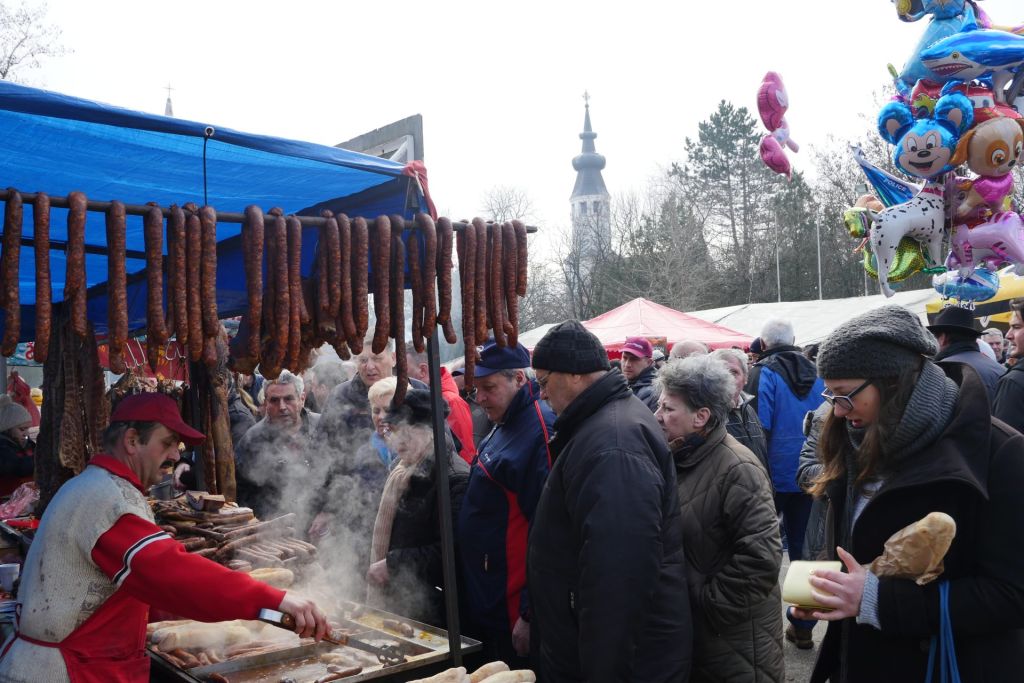
Roštilj Beko
One of the well-known Novi Pazar ćevapi names mentioned in local tourism material.
Listed by the Tourism Organisation of Novi Pazar among the city's ćevabdžinicas. Novi Pazar Travel names Beko among the city's recognisable ćevapi makers, each with its own recipe.

Ćevabdžinica Rile
A central Novi Pazar grill address for travellers seeking the city's everyday ćevapi culture.
Official Novi Pazar tourism material lists Rile among local ćevabdžinicas, and Novi Pazar Travel also names it among the city's better-known ćevapi makers.
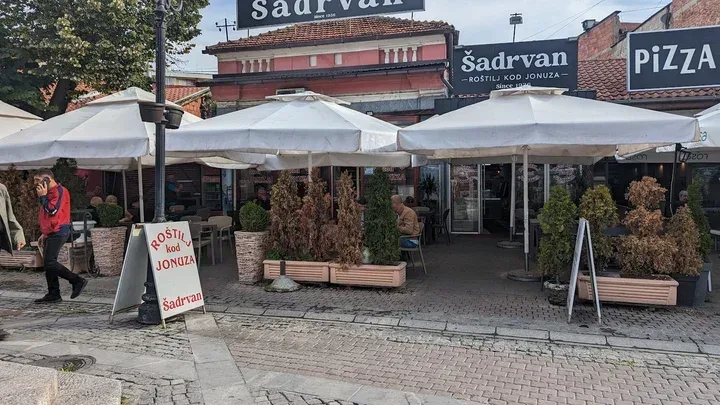
Roštilj kod Jonuza
Another official-source Novi Pazar option in a city strongly associated with ćevapi.
Tourism Organisation of Novi Pazar lists Jonuz among the city's ćevabdžinicas. Local travel writing names Jonuz among the places travellers hear about when asking where to eat ćevapi in Novi Pazar.
Roštilj kod Šukra
A further Novi Pazar grill address published by the local tourism organisation.
Included in the official gastronomic listing for Novi Pazar. It helps illustrate how many specialist grill shops shape the city's food identity beyond one single famous address.
cevapi
ćevap
ćevapčići may also appear
Hot off the grill in lepinja or somun with chopped onions
Kajmak, ajvar, urnebes, sour cream, yoghurt, simple salad
Whether it contains pork and whether halal options are available
Jednu porciju ćevapa, molim means One portion of ćevapi, please.
Sa lukom means with onions.
Bez luka means without onions.
U lepinji means in flatbread.
Sa kajmakom means with kajmak.
Da li ima svinjetine? means Does it contain pork?
Ćevapi are not one fixed recipe. Depending on the place and region they may contain beef, pork, lamb, veal, or a mixture. Travellers who avoid pork, need halal food, or follow other dietary rules should ask before ordering rather than assume. Bread may contain gluten, and kajmak, sour cream, and some sauces contain dairy. Vegetarian travellers will usually need to choose another dish, because ćevapi are a meat-based grill item.
If you are new to Serbian grill culture, order a plain portion before moving to mixed meat platters. Supporting sources describe portions of around ten pieces as common, while a current Serbian menu example lists 5-piece and 10-piece orders. Eat them immediately, because texture changes quickly once they sit. If you want a lighter meal, skip extra sauces on the first try and add them later.
The Leskovac Grill Festival, also called Roštiljijada, is scheduled for 24.08.2026 to 30.08.2026 in central Leskovac. Serbia Travel describes it as a major grilled-meat event with patties, sausages, ražnjići, and other barbecue dishes, plus brass-band atmosphere. The event listing gives the organiser as the Leskovac Tourist Organization and the location as Masarikov trg bb, 16000 Leskovac.
Ćevap is the singular form, meaning one piece. Ćevapi is the plural form and the way travellers will usually order the dish, because it is served as a portion.
No. The meat mix varies by region and by restaurant and may include beef, pork, lamb, veal, or a mixture. Ask directly if you avoid pork or need halal food.
The most common format is hot grilled ćevapi in lepinja or somun with chopped onions. Kajmak, ajvar, urnebes, sour cream, yoghurt, or a simple salad may be added depending on the place.
Belgrade is usually the easiest first stop because most international travellers start there. For stronger regional identity, look toward Niš, Leskovac, and especially Novi Pazar.
Say 'Bez luka', which means 'without onions'. If you also want flatbread or kajmak, add 'U lepinji' or 'Sa kajmakom'.
Stay connected in Serbia