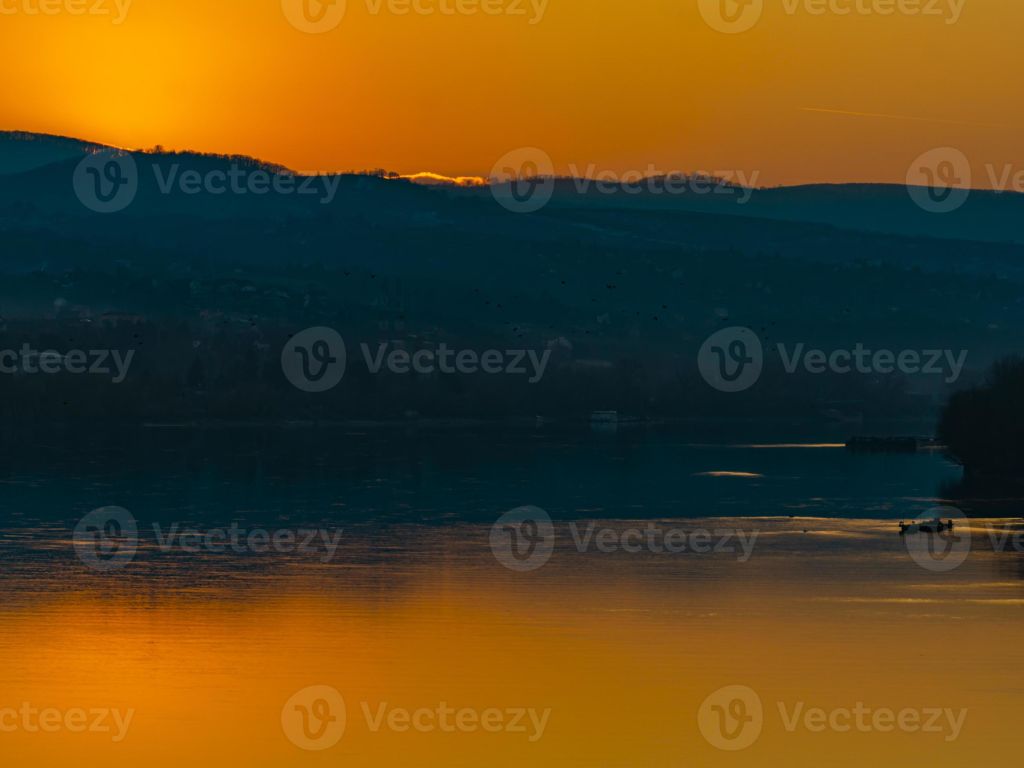
Vojvodina, northern Serbia

Novi Sad is Serbia’s second-largest city, but it feels more intimate than its size suggests. Set on the Danube and watched over by the Petrovaradin Fortress, it blends Austro-Hungarian architecture, a lively café scene, strong cultural life, and easy access to the monasteries and vineyards of Fruška Gora.
International travelers often arrive for a festival and end up staying for the atmosphere. The city is compact, walkable, welcoming, and increasingly popular with visitors from across Europe and beyond—especially in spring, summer, and early autumn.
Vojvodina, northern Serbia
April–June and September–October; summer for festivals
Petrovaradin Fortress, EXIT Festival, Danube riverfront, café culture
Serbian dinar (RSD)
Serbian; English is widely understood in tourist areas
Belgrade Nikola Tesla Airport
City break, culture, nightlife, food, riverfront walks
The center is very walkable and ideal for a car-free stay
Novi Sad has a rare balance that many travelers look for but few cities manage to keep: it is lively without being exhausting, historic without feeling staged, and cultural without becoming overly formal. You can spend the morning exploring baroque and 19th-century streets in the center, the afternoon crossing the Danube to the mighty Petrovaradin Fortress, and the evening over wine, craft beer, or a long dinner on a shaded terrace.
The city has also become one of Serbia’s strongest tourism success stories, with rising visitor numbers, more international guests, and a growing reputation as a stop on Danube river cruises. That popularity is easy to understand. Novi Sad is accessible, photogenic, and practical for first-time visitors to Serbia, while still offering enough depth for repeat trips.
Another big advantage is variety. Some travelers come for EXIT Festival and summer events, others for architecture and museums, and many simply use the city as a comfortable base for excursions into Fruška Gora National Park, where monasteries, viewpoints, and vineyards sit just beyond the urban edge.
If Belgrade is energetic and restless, Novi Sad is calmer and more measured. The pace is slower, the streets are easier to navigate, and the center invites wandering rather than rushing. You will notice Austro-Hungarian influences in the facades, a multicultural Vojvodina character in the food and atmosphere, and a strong connection to the Danube that shapes daily life.
Expect broad pedestrian streets, elegant squares, church towers, bookstores, pastry shops, and plenty of outdoor cafés. In warmer months, the city lives outside: on terraces, in parks, at river beaches, and during concerts, markets, and open-air film screenings. It is a place where even a short visit can feel unexpectedly restorative.
Novi Sad works well year-round, but your best season depends on what you want. Late spring and early autumn are ideal for most travelers: temperatures are pleasant, the city is active, and Fruška Gora is especially inviting for day trips. Summer brings the biggest event calendar, including concerts, night markets, children’s programs, outdoor cinema, and the famous festival season around Petrovaradin Fortress. It is also the best time for riverside evenings and Štrand beach.
Winter is quieter and less scenic along the river, but the city remains pleasant for a weekend of food, culture, and museums. If you prefer fewer crowds and lower accommodation prices, this can be a good time to visit.
Honest tip: if you are visiting during a major event, book accommodation well in advance. Prices can rise quickly, especially around EXIT Festival and popular late-summer weekends.
Novi Sad’s cultural calendar is one of the city’s biggest strengths. Beyond internationally known festivals, there are smaller events that give visitors a more local feel: evening bazaars, neighborhood concerts, family programs, gallery events, and film screenings by the river. Late summer is particularly lively, with the Lower Town of Petrovaradin often turning into a stage for music, art, and street performance.
Even if you are not traveling for a specific event, it is worth checking what is on during your stay. In Novi Sad, a random Friday can easily turn into an open-air cinema night, a local design market, or a concert in an unexpected square. Tourist information centers in the city are useful and generally traveler-friendly, especially if you want up-to-date event listings or excursion suggestions.
Novi Sad is one of the easiest cities in Serbia for dining out. The choice ranges from traditional Serbian grills and hearty Vojvodina dishes to modern bistros, wine bars, and international restaurants. Look for local specialties influenced by the wider Pannonian plain: rich soups, meat dishes, pastries, paprika-based flavors, and desserts with Central European roots.
Coffee culture is serious here, but unhurried. A simple coffee stop can stretch into an hour, and that is part of the experience. In the evening, local wines from Fruška Gora are worth trying, especially if you plan to explore the vineyards outside the city. Rakija is common too, but pace yourself—what looks like a small welcome drink can be stronger than expected.
For a more everyday side of the city, visit a market in the morning. You will get a sense of local rhythms, seasonal produce, and the social side of urban life in Vojvodina.
Explore the must-see attractions and hidden gems.

Petrovaradin Fortress
The landmark of Novi Sad and one of the most impressive fortresses on the Danube. Come for the views over the river and city, stay to explore its ramparts, artistic corners, and the atmosphere that becomes electric during major festivals.
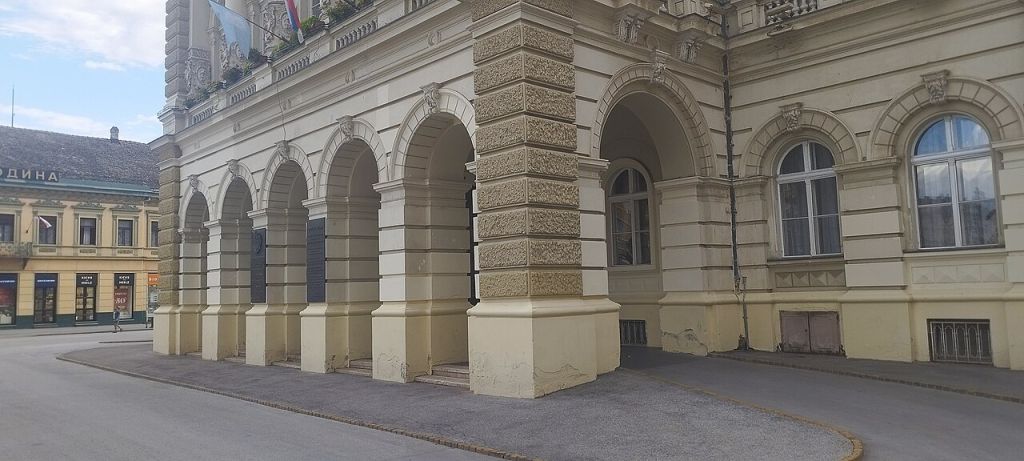
Old Town Center
The historic heart of the city, best explored on foot. Around Zmaj Jovina, Dunavska Street, and Liberty Square, you will find graceful facades, churches, cafés, shops, and the everyday elegance that gives Novi Sad much of its appeal.
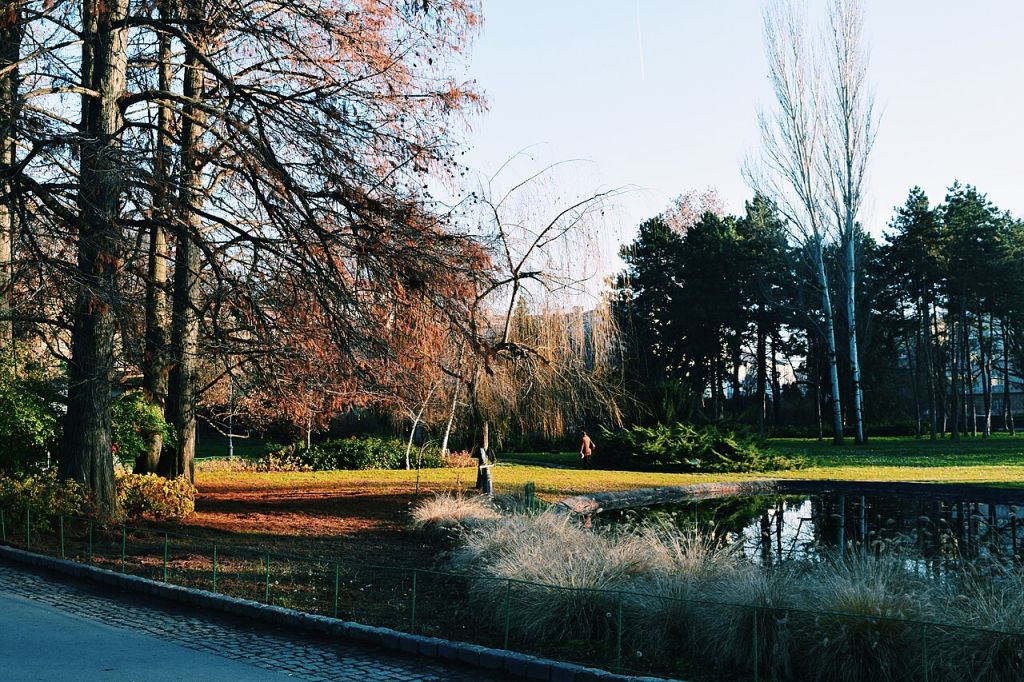
Danube Park
A compact but charming green space near the center, ideal for a break between sightseeing stops. It is especially pleasant in spring and summer, when locals come to stroll, sit in the shade, or bring children for a relaxed afternoon.
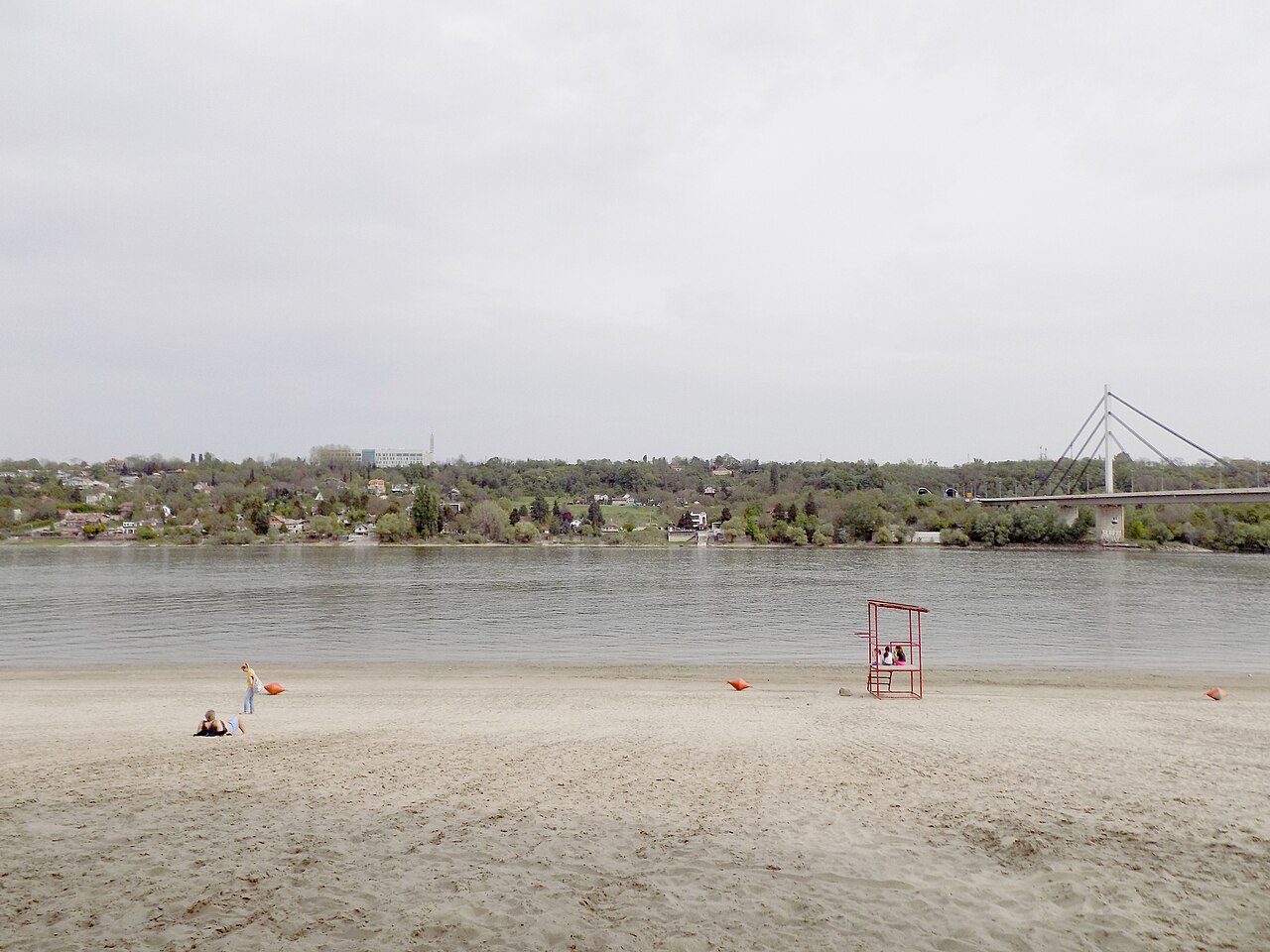
Štrand Beach
Novi Sad’s beloved river beach on the Danube, popular in hot weather for swimming, sunbathing, sports, and casual summer evenings. It is more local than glamorous, which is exactly why many visitors enjoy it.
Fruška Gora National Park
Just outside the city, this low mountain area offers monasteries, forest walks, viewpoints, wineries, and a cooler escape from summer heat. It is the easiest and most rewarding day trip from Novi Sad.
Lower Town of Petrovaradin
At the foot of the fortress, this atmospheric quarter has a different mood from the city center—quieter, a little rough around the edges, and increasingly associated with creative events, street festivals, and hidden corners worth photographing.
Getting there: Novi Sad is straightforward to reach from Belgrade by car, bus, or train. The fast rail connection from Belgrade makes it one of the easiest city breaks in Serbia for international visitors arriving via Belgrade Nikola Tesla Airport. If you are driving, the motorway connection is simple and efficient.
Getting around: The center is compact enough to explore on foot, and most key sights are within easy walking distance. Taxis and ride-hailing options are useful for reaching parts of the city outside the center, while local buses help if you are staying farther out. For Petrovaradin, many visitors simply walk across the bridge, which is often the nicest approach.
Best time to visit: Choose May, June, September, or early October for the best mix of pleasant weather and manageable crowds. July and August are best for festivals and river life, but can be hotter and busier.
Planning shortcut: Stay in the old center if it is your first visit; allow at least two nights; add one full day if you want to visit Fruška Gora; and book early for summer weekends and festival dates.
Honest observation: Novi Sad is not a city of nonstop landmark-hopping. It is best for travelers who enjoy atmosphere, food, walking, and a slower rhythm rather than racing through a checklist.
Use this map to orient yourself around the main sights and surrounding area.
Let Serbian Travel help you plan the perfect Serbia itinerary. We handle accommodation, transport, guided tours and local experiences.
Yes—especially for travelers who enjoy walkable city breaks, river views, historic architecture, festivals, and easy day trips. It is one of Serbia’s most approachable destinations for first-time visitors.
Two days is enough for the main sights and a relaxed evening or two. Three to four days is better if you also want to explore Fruška Gora, wineries, or seasonal events.
The city is best known for Petrovaradin Fortress, the EXIT Festival, its Danube setting, and its laid-back café culture.
Absolutely. The city center is very walkable, and it is easy to arrive by train or bus from Belgrade. A car is only really useful if you want to explore Fruška Gora independently.
Late spring and early autumn are ideal for weather and sightseeing. Summer is best if you want festivals, beach time at Štrand, and the busiest event calendar.
Stay connected in Serbia