Bor Mining and Metallurgy Museum
Bor Mining and Metallurgy Museum stands within a city whose modern identity is inseparable from copper extraction, but its chronology reaches far beyond industrial Bor. Its holdings span approximately 4500 BCE to the late twentieth century and exceed 20,000 objects across archaeological, ethnological, historical, artistic, technical and mineral collections. A mining-development exhibition opened in 1984; that date describes the museum’s exhibition history rather than guaranteeing that every case remains unchanged. Within Eastern Serbia’s mining and archaeology landscape, the experience rewards close attention to objects instead of industrial spectacle.
A Bor Mining and Metallurgy Museum visit, not an operational mine tour
The essential distinction becomes clear before entering: this is an institution for interpreting collections, not a descent into a shaft. The museum’s account titled Razvoj rudarstva i metalurgije od praistorije do savremenog doba follows the development of mining and metallurgy through surviving tools, ceramics, mineral-processing evidence, lamps, equipment and objects associated with everyday life. The visit therefore works through material evidence and museum interpretation rather than demonstrations of operating machinery.
No underground access, industrial-site tour or equipment operation is offered by the information reviewed for the museum. No fixed visit duration is published, and a current general reservation rule has not been established. Treat the institution as a focused cultural stop within Bor and its surroundings. Groups seeking a guided visit should confirm availability, group size, language and meeting location directly rather than relying on an older directory listing.
Prehistoric mining and Rudna Glava material at Bor Mining and Metallurgy Museum
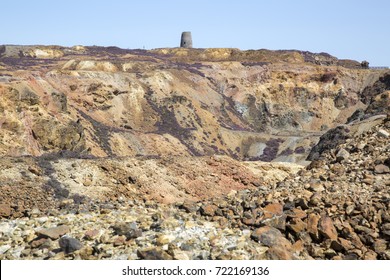
The chronology begins with the physical problem of removing and processing ore using tools made long before industrial machinery. Material associated with Rudna Glava supplies that prehistoric frame. The documented museum narrative identifies stone and bone tools and ceramics, allowing visitors to consider mining as a sequence of learned actions: recognising mineral-bearing ground, opening workings, removing material and organising the labour around extraction.
Rudna Glava belongs to the fifth-millennium-BCE copper-mining landscape of eastern Serbia. The significance of the museum material lies in the connection between an archaeological site and the practical knowledge preserved in small objects. A tool or ceramic vessel does not by itself reconstruct every stage of production, but groups of finds help archaeologists identify repeated techniques and changing relationships with copper. Rudna Glava is archaeological context for the collection, not a museum branch, and the cited information does not establish public access to the excavation area. Do not build a journey around entry to the site without separate confirmation.
Tools, lamps and people’s lives at Bor Mining and Metallurgy Museum
A mining lamp occupies an instructive position between technology and biography. It is equipment designed for a working environment, but it also belongs to a person’s shift, routines and exposure to risk. Mining tools and mineral-processing objects can be read in the same way: they explain how work was performed while pointing toward the people trained to use them.
The museum’s social-history material broadens that technical reading. Objects connected with work and domestic life place industrial production beside housing, family routines and community identity. This prevents the copper story from becoming a sequence of machines without workers. It also gives international visitors a useful way into Bor, where industrial history is not an isolated historical theme but part of the city’s development.
None of the documented material implies a hands-on equipment demonstration. The useful approach is to look for relationships between objects: a lamp beside protective or technical equipment, industrial material beside domestic possessions, and mineral specimens beside the tools used to reach and process ore. The value lies in how these categories illuminate one another.
The main Bor Mining and Metallurgy Museum and its separate branches
Three institutional names can appear during trip research, but they should not be treated as entrances to one building. The main Museum of Mining and Metallurgy is the Bor venue for the collection-led mining story. Bakar Gallery is separately identified by the operator, while Prince Miloš’s konak is a museum location at Brestovačka Banja. Its listed display, Brestovac Spa in the Time of Prince Miloš, concerns the spa’s historical setting rather than duplicating the main mining collection.
This distinction matters when arranging transport or calling ahead. Main-museum opening hours must not be transferred to Bakar Gallery or the konak. The same caution applies to tickets, guide availability and seasonal operation. The National Tourism Organisation’s Bor account also distinguishes the Brestovačka konak from the central museum, reinforcing that it is a separate visit rather than another gallery reached through the main entrance.
Planning a Bor Mining and Metallurgy Museum visit with current-display unknowns
The collection history is clearer than the current room-by-room arrangement. The listed permanent display Mining Heritage of Bor and Surroundings – Legacy for the Future is described as being in preparation, while the operator’s historical account records an exhibition that opened in 1984. Neither statement confirms exactly which cases a visitor will encounter on a particular date.
Before travelling, ask which galleries are open and whether refurbishment affects the visit. Current ticket prices, a general reservation rule, guide languages, photography permission and a complete physical-access assessment are not published in the material reviewed. Group visitors should also ask whether guided interpretation is available, how many people are required and where the group should meet. No verified online booking page has been found.
Use the official Museum of Mining and Metallurgy Bor site, the visitor phone line or the museum email for confirmation. A second visitor number and institutional switchboard are published by the operator, but one direct contact is usually enough for an initial enquiry. Ask separately about Bakar Gallery or the Brestovačka Banja konak so the response applies to the intended location.
How to get to Bor Mining and Metallurgy Museum
Navigate to the full street address listed in Quick facts and make sure the destination is the main museum rather than Bakar Gallery or the Brestovačka Banja branch. The cited visitor information does not establish a reliable walking time from Bor’s bus station, a municipal bus line number, a typical taxi fare or a visitor-parking policy. Those details should not be guessed because local routes and access arrangements can change.
If precise arrival instructions matter, ask the visitor desk which entrance to use and whether parking is available close to the building. Travellers continuing elsewhere in the region should confirm that transport plans leave enough time for the published closing hour; no late admission policy is stated.
Sources and last checked
Sources cross-checked for this guide:
Last checked: 24 November 2026. Written and reviewed by the editorial team led by Nenad, and fact-checked against the official sources listed above.
Mining knowledge through later periods at Bor Mining and Metallurgy Museum
The collection extends the prehistoric story through Roman, medieval and modern material. These chronological lenses show how mining knowledge moved between extraction, processing, exchange and organised industry without implying that every historically described object is currently displayed.
Roman holdings place mineral extraction within a wider material economy.
- Documented object types
- Amphorae, ritual altars, jewellery, ceramics and coins are represented in the broader holdings
- What to notice
- Objects connect production with transport, exchange, belief and settlement life
- Display status
- Confirm which Roman material is currently installed
Medieval material carries the chronology beyond antiquity and into later mining practice.
- Evidence type
- Mining and metallurgical objects within the historical collection
- Interpretive role
- Shows that technical knowledge developed across periods rather than beginning with modern Bor
- Display status
- Current gallery arrangement is not established
Technical holdings document the equipment and working systems associated with industrial mining.
- Documented material
- Mining equipment, lamps and technical objects
- Chronological reach
- The holdings extend into the late twentieth century
- Visitor boundary
- Museum interpretation only; no machinery operation is implied
The operator’s exhibition history is substantial, but it should not be read as confirmation that an older installation remains unchanged.
Current opening hours for Bor Mining and Metallurgy Museum
Use these operator-published hours for the main Bor museum only. They do not establish access to Bakar Gallery or Prince Miloš Konak.
Published weekly schedule for the main museum in Bor
| Day |
Published hours |
Planning status |
|
Monday–Friday |
08:30–19:00 |
Published by the operator |
|
Saturday |
09:00–13:00 |
Published by the operator |
|
Sunday |
Not published |
Confirm before travel |
Seasonal arrangements can change. Reconfirm summer hours and holiday closures directly before a time-sensitive visit.
Bor Mining and Metallurgy Museum | Copper, Tools and Mining Lives
Bor Mining and Metallurgy Museum | Copper, Tools and Mining Lives