Burek
Breakfast or late-night foodA bakery food closely associated with everyday eating in Niš.
- Meal role
- Breakfast; also eaten after a night out
- Planning note
- Look for it in Niš food routines

Serbian food is not a single fixed menu. Regional customs, Ottoman and Central European influences, seasonal conditions and family habits overlap, so the dishes associated with the northern plain differ from those found in hilly central Serbia or the southern cities. That variation is the main planning principle: decide which part of Serbia fits the rest of the trip, then look for the foods connected with that region.
Expect substantial meat dishes in many traditional settings, but do not reduce the cuisine to barbecue. The wider table includes pastries, fresh dairy products, soups, peppers, beans, vine leaves, salads, river fish and poppy-seed desserts. Burek can be breakfast or late-night food in Niš, while a kafana meal may begin with a hot-and-cold meze before moving to grilled or spit-roasted meat. Wine is another regional layer; the guide to Serbian wine regions helps place cellar visits within the same journey.
There is no countrywide restaurant timetable, price list or reservation rule. Treat regional foods as orientation, then confirm the current menu, hours, cost, accessibility and booking policy with the individual venue.
At the northern Serbian table, the meal develops in a measured sequence rather than arriving as one quick plate. Ham and bacon establish the savoury opening, soup follows, breaded goose provides the substantial centre, and poppy-seed pie closes the meal as dessert. The pattern matters as much as the individual recipes: food is taken slowly and at leisure, making this a regional tradition better approached as a long lunch or dinner than as a checklist of dishes.
Vojvodina occupies Serbia's broad northern plain, where Central European influences form part of the country's wider culinary layering. For a traveller, that creates a clear contrast with the grilled food commonly associated with southern Serbia and the fresh dairy products of the central hills. The useful decision is therefore not to search for a generic Serbian meal, but to leave enough time for the northern sequence and notice how preserved meat, soup, poultry and a sweet final course occupy different roles.
The Vojvodina travel guide can help turn that meal into a broader route through Novi Sad, Fruška Gora, Subotica and the surrounding plain. A city base is practical when food is one part of a cultural trip, while a countryside stop gives more space to the leisurely rhythm described in the regional tradition. Menus remain restaurant-specific, so the complete sequence should not be assumed at every dining room.
Choose one or two elements rather than forcing the entire progression into a short stop. Soup and a main course may be sufficient at lunch; preserved meat and poppy-seed pie can be sought at different meals. This approach respects the pace of the cuisine while leaving room for the other food traditions encountered farther south.
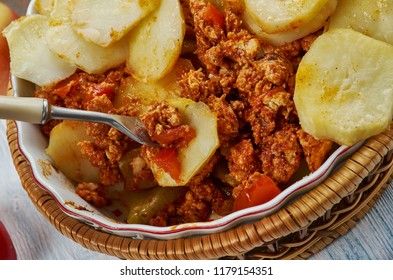
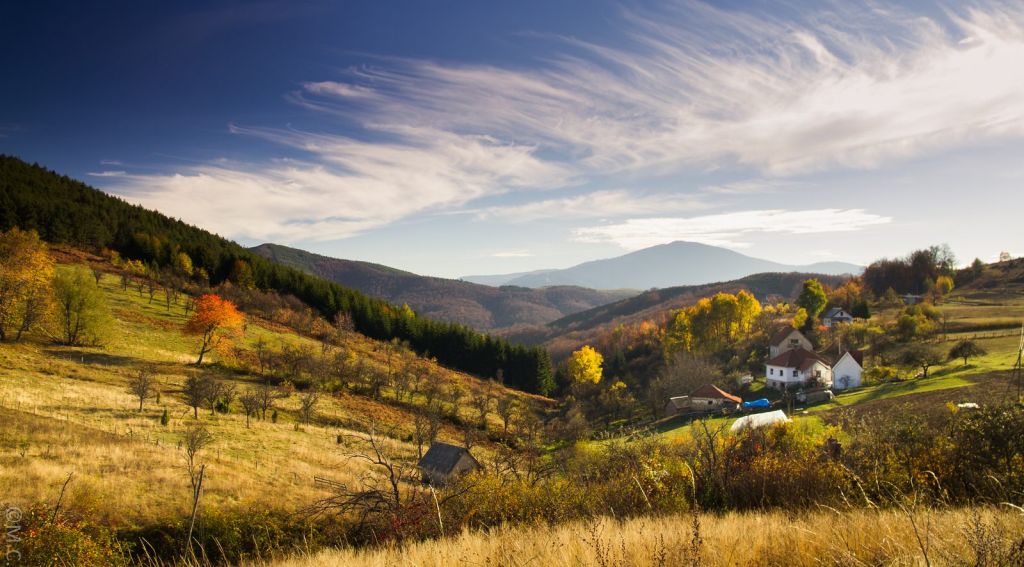
A day in the hills changes the logic of a Serbian meal. The food associated with hilly central Serbia is direct and substantial: fresh kajmak, gibanica pastries, prosciutto and čvarci. Instead of the staged northern progression, these foods work naturally around time outdoors, a countryside stop or an overnight stay away from a large city.
Kajmak brings the fresh dairy element to the table. Gibanica supplies the pastry component, while prosciutto and čvarci represent preserved and richly flavoured meat traditions. Their importance lies in the way regional customs, available ingredients and household practice meet. They are not merely interchangeable starters; together they describe a landscape where food production and family preparation remain closely connected.
Countryside travel material pairs days outdoors with homemade food prepared in a traditional way and ingredients grown locally in the sun. Wine from old cellars can complete the meal, and an overnight stay removes the need to rush back to an urban base. Travellers interested in that slower format can use Serbia's village stays to place food within a rural itinerary rather than treating lunch as a detached stop.
Practical planning begins with distance. A mountain or village meal may sit within a wider day of walking, driving or visiting cultural sites, so establish the route before choosing where to eat. A single year-round timetable, standard menu and price band are not published for mountain dining as a category. Contact the selected household, accommodation or restaurant to ask what is being prepared, whether non-guests may dine, and whether advance notice is needed.
Freshness also changes expectations. A named regional product may be available without appearing in every meal or in the same form at every property. Ask what is currently served and let the answer shape the order; that is more reliable than building the journey around an assumed permanent menu.
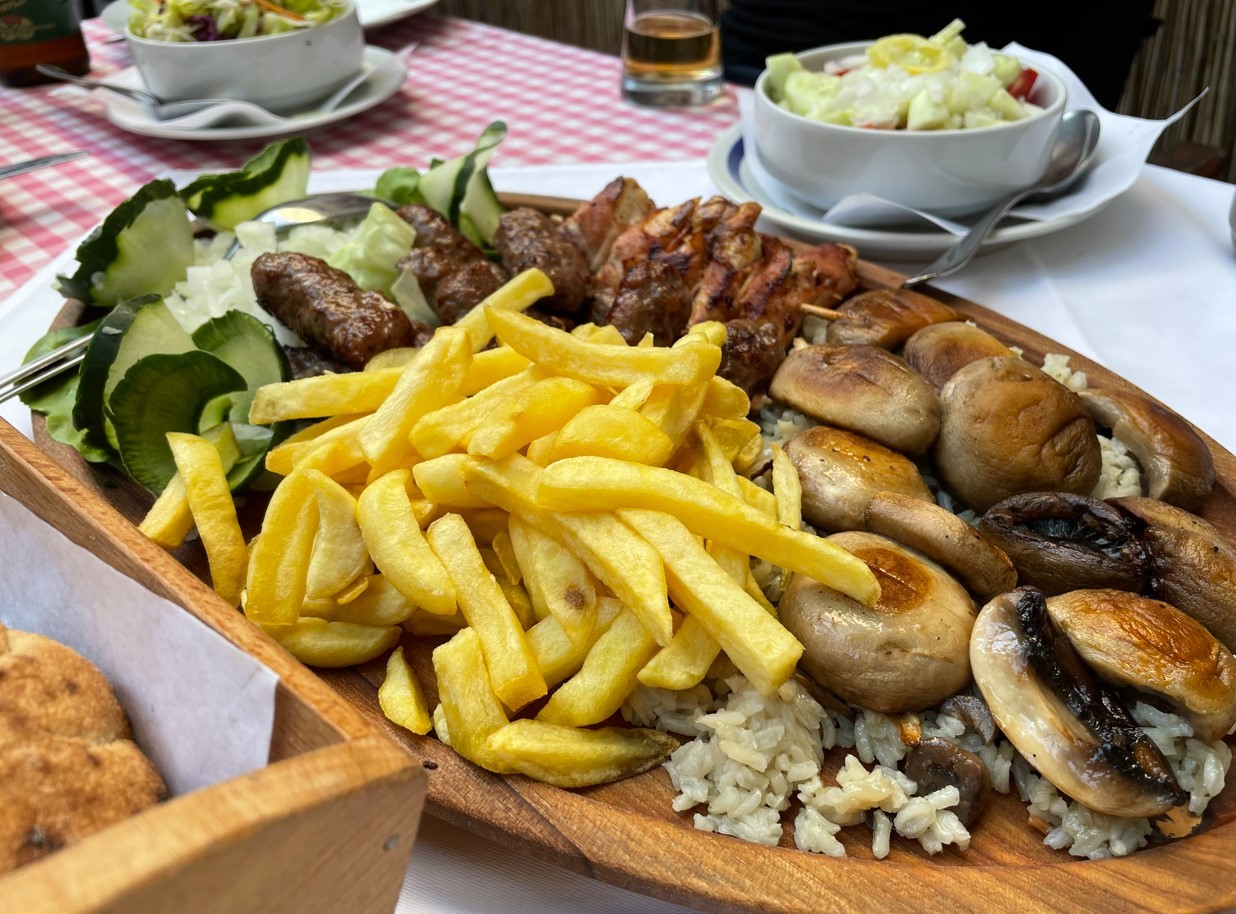
A kafana is the setting in which several strands of Serbian food become one social meal. The table may begin with ajvar, seasonal salads and a meze of hot and cold local specialities, then move toward spit-roasted meat or ćevapčići. The point is not simply the quantity of food. A starter, salad and grilled main create a progression that gives each person time to taste more than one part of the traditional repertoire.
Ajvar places peppers near the beginning of the meal, while seasonal salads reflect what is available at that point in the year. Meze broadens the opening with cheese, peppers, beans and vine leaves. Spit-roasted meat and ćevapčići then represent two different approaches to the meat course: one organised around a roast, the other around the grill. Roštilj is both a cooking tradition and a social format, commonly associated with meals shared among friends or family.
For travellers, the useful approach is to order in stages. Begin with the starter selection and ask what is seasonal before deciding how much grilled or roasted food to add. Portion sizes and the number of dishes in a meze are not standardised in the available countrywide information, so the waiter or menu should guide the final order. This is particularly important for small groups that want variety without ordering several full mains.
Belgrade provides an urban introduction to the tradition, and Skadarlija's bohemian kafanas place the meal within a historic restaurant quarter. The model is not limited to the capital, however. Regional kafanas can foreground the foods of their own area, which is why a Vojvodina meal, a southern barbecue stop and a mountain table should not be expected to look identical.
Dress codes, music, smoking arrangements, step-free access and reservation practices vary by establishment and are not published as national standards. Confirm the details that matter before making a special journey. The atmosphere may encourage a long meal, but practical conditions belong to the individual venue rather than to kafana culture as a whole.
Sources cross-checked for this guide:
Last checked: 20 August 2026. Written and reviewed by the editorial team led by Mascha, and fact-checked against the official sources listed above.

These names help international travellers identify the role of a dish before ordering. Preparation and portion size remain venue-specific.
A bakery food closely associated with everyday eating in Niš.
A hot-and-cold opening to a longer meal.
A fresh dairy element associated with hilly central Serbia.
A pastry named among the characteristic foods of the central hills.
Small minced-meat pieces associated with roštilj and kafana meals.
A Serbian burger-style grilled minced-meat patty.
Serbian Latin spelling preserves letters such as ć, č and š. Keeping the original spelling makes menu searches more reliable.
Countrywide food traditions do not provide venue-level operational details. Use the following checks after selecting a restaurant, bakery, rural household or organised experience.
A tasting duration, number of dishes, booking contact and inclusions can only be stated for a named operator. None applies to food in Serbia as a single attraction.
Static culinary traditions and regional examples were checked against the following tourism and food references. Individual venue hours, prices and reservation details are intentionally not generalised.
Use one city as the base and fit food around museums, streets and evening plans. Niš offers a clear morning or late-night bakery ritual, while Leskovac gives barbecue a stronger role in the itinerary. Belgrade can introduce kafana dining without requiring a separate rural journey. The practical advantage is choice: if one venue is closed or fully booked, another may be available nearby. Confirm restaurant hours and accessibility on the day rather than assuming that a regional tradition guarantees a particular menu.
Link food to an outdoor day and an overnight stop. Rural travel material describes homemade meals prepared traditionally, ingredients grown in the sun and wine from old cellars. This format suits travellers who want the meal to belong to the landscape rather than to a short urban break. Ask the host whether food is included in the stay, which meals are available, whether non-guests can dine and how far in advance arrangements should be made.
Guided routes, walking tours, and experiences that help you make the most of a visit to Food in Serbia.
Kafana Culture in Serbia
Kafana Culture in Serbia in Food in Serbia.
A Serbian kafana is a traditional taverna experience rather than one named attraction. Its table brings together regional cooking and an unhurried social ritual: ajvar made from roasted peppers, sa...
Mountain Cuisine in Serbia
Mountain Cuisine in Serbia in Food in Serbia.
Mountain cuisine in Serbia centers on fresh kajmak, gibanica pastries, prosciutto and čvarci from the country’s hilly central areas. It is a food tradition rather than a named restaurant, tastin...
Other pages and guides connected to Food in Serbia.
Serbian Desserts and Sweets
Serbian Desserts and Sweets.
Serbian sweets are easier to navigate when they are grouped by serving context rather than treated as one dessert course. Vanilice belong naturally beside coffee; slatko is a preserve connected wit...
Serbian Roštilj Guide
Serbian Roštilj Guide.
Roštilj means grill or barbecue, but a Serbian grill menu is not limited to one recipe. The useful distinction is between minced meat, represented by pljeskavica and uštipci; whole cuts such as v...
Use the country map to relate Vojvodina in the north, central Serbia's hills, southern cities such as Niš and Leskovac, and the Lower Danube around Golubac.
These destinations and regions provide practical geographic anchors for the food traditions in the guide. They are not individual restaurant listings, so prices, hours and reservations must be checked with the chosen venue.
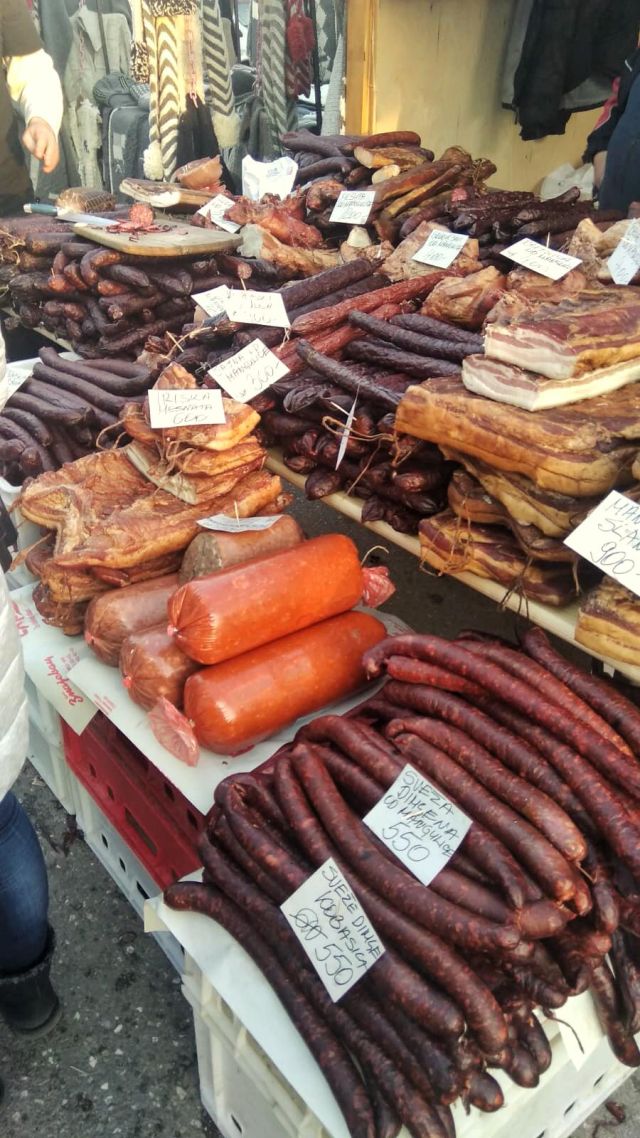
Vojvodina
Northern Serbia's plain provides the setting for leisurely, multi-stage meals.
Use Novi Sad or another regional base when the northern table is part of a broader cultural route.
Niš
A southern city where burek belongs to both breakfast and late-night eating.
Niš also provides the context for meze made from hot and cold local foods such as cheese, peppers, beans and vine leaves.
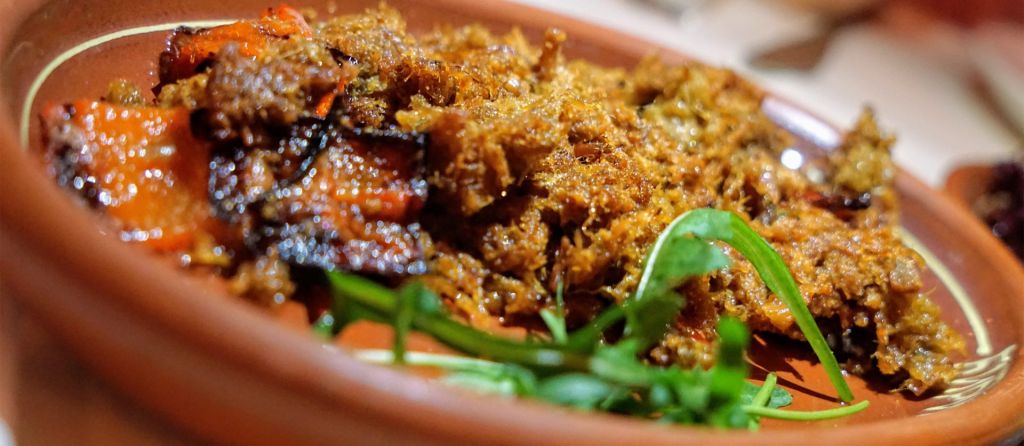
Leskovac
A southern Serbian anchor for roštilj and the named Barbecue Fair.
Build a stop around the city's barbecue identity, but verify current event dates and restaurant details before travelling.
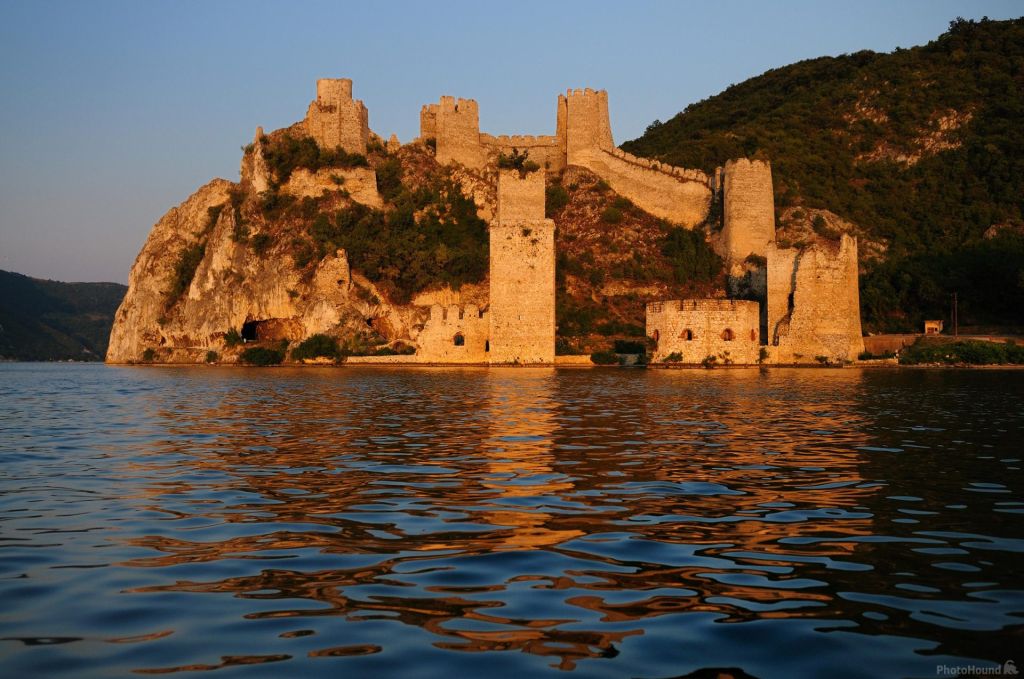
Golubac
A Danube stop connected with smoked carp and river-fish preparation.
A local smoked-carp method rests equal pieces overnight, smokes them over beech two or three times, then fries the fish until golden.
Central Serbia
Hilly landscapes provide the context for countryside meals and food after outdoor activities.
A rural stay can combine traditional home cooking, time outdoors and wine from old cellars without requiring a return to a city the same evening.
Countrywide food and dining guide
Regional dishes and kafana meals
Choose a region, then confirm individual venues
Venue-specific; no national price list
Venue-specific; no national schedule
Confirm directly with the chosen restaurant
Dish names are more useful when tied to geography. Decide whether the journey leads through the northern plain, the central hills, a southern city or the Danube, then identify individual places to eat. This avoids expecting the same traditional menu everywhere in Serbia.
Vegetarian and vegan food is available in Serbia, but many headline regional dishes involve meat or dairy. Ask what is inside pastries, beans, pepper dishes and salads, and explain dietary requirements before ordering rather than relying only on the dish name.
“Food” is a countrywide subject, not a single bookable attraction. No universal address, telephone number, email, opening schedule, tasting format, price list or reservation link exists for it. Once a restaurant or food experience has been selected, obtain those details directly from that business.
No. The northern plain, hilly central Serbia, southern cities and the Danube have distinct food contexts. Choose dishes by region rather than expecting one national restaurant menu.
Vegetarian and vegan meals are available, although many prominent traditional dishes contain meat or dairy. Ask about the ingredients in pastries, beans, pepper dishes, salads and cooked vegetable sides.
Not in Niš. It is associated with breakfast there, but it is also eaten at the end of a night out.
There is no universal rule. Reservation policies depend on the establishment, date and group size, so contact the chosen kafana when the meal is central to the itinerary.
No national schedule or price list applies. Check current hours and menu prices with each bakery, restaurant, farmstead or accommodation.
A hot-and-cold meze provides an introduction to several local foods before a grilled or roasted main. Ask what the selection contains and how large it is before adding further dishes.
Stay connected in Serbia