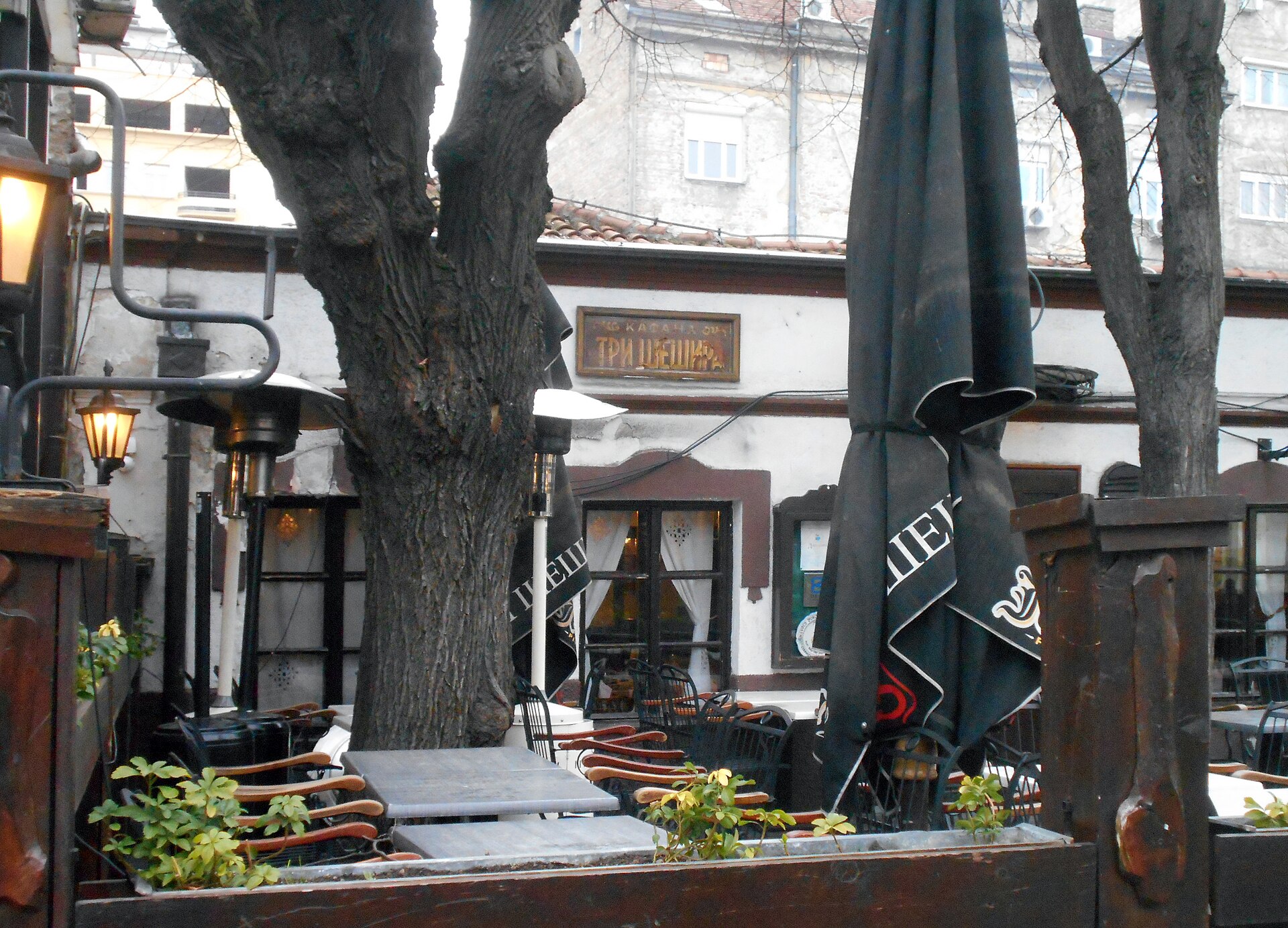
A Serbian tradition found in cities and market towns

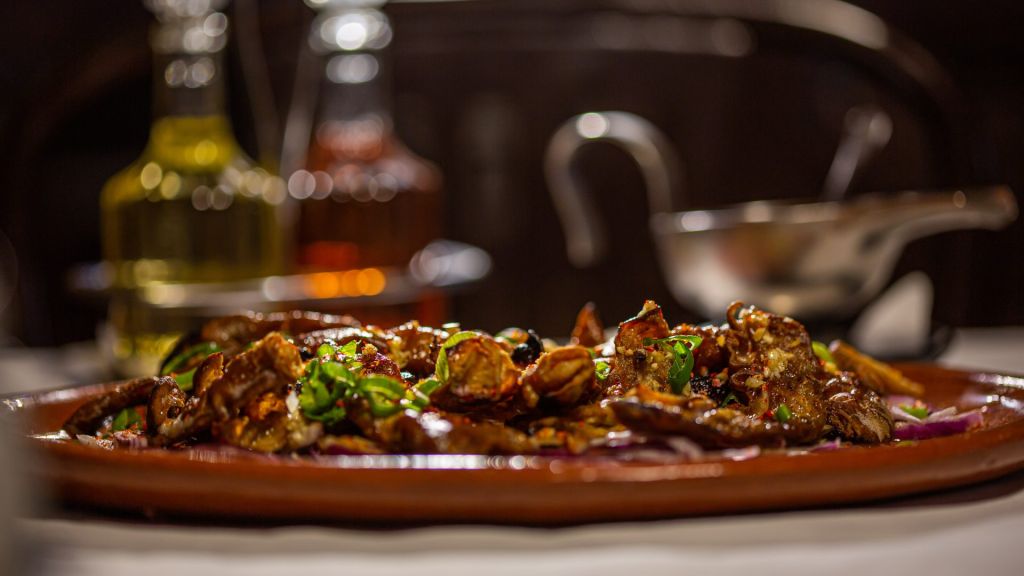
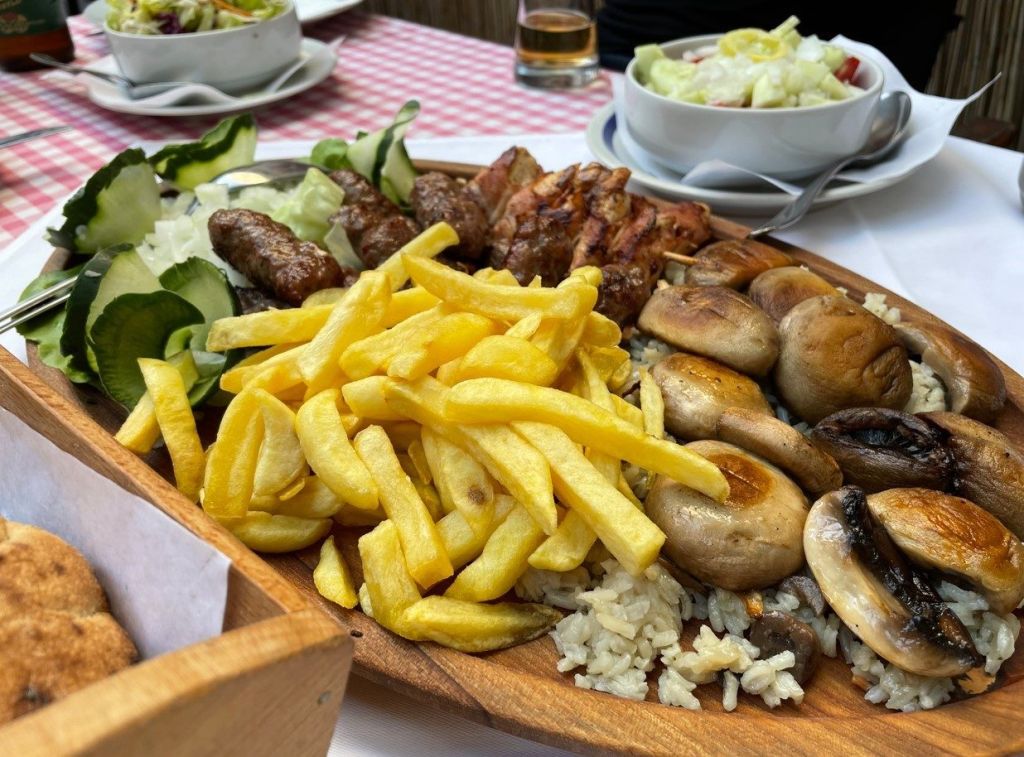
A Serbian kafana is a traditional taverna experience rather than one named attraction. Its table brings together regional cooking and an unhurried social ritual: ajvar made from roasted peppers, salads of seasonal vegetables or pickles, and meat prepared to a local recipe. Spit-roast meat and ćevapčići are recurring examples, but the exact menu belongs to the individual establishment and region.
Kafana culture forms one strand of food in Serbia. Visitors encounter it in recognised restaurant districts, old bazaar lanes, pedestrian streets and riverside quarters. There is no culture-wide ticket, price list, timetable or reservation system, so practical arrangements must be checked with the particular kafana selected.
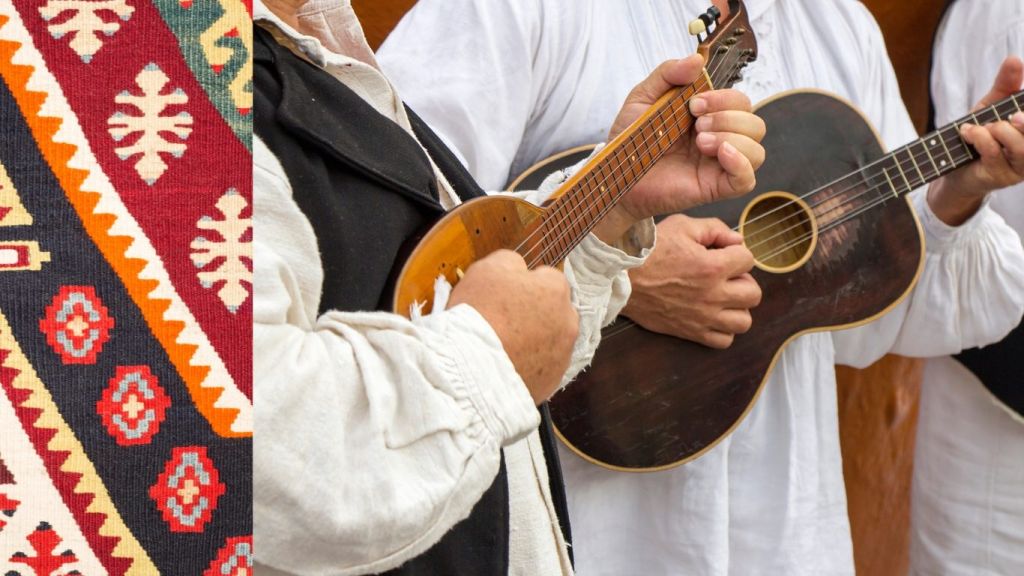
The defining feature of a kafana is not a single recipe or decorative style. It is the way eating, drinking and conversation occupy the same social space. A meal can be the purpose of the visit, but the room also functions as a meeting place. Live music may become part of that experience, although it is not guaranteed at every establishment or on every date.
This helps explain why kafanas gather in recognisable urban quarters. The setting lets a visitor choose a street first and then inspect individual venues rather than treating the tradition as a monument with one entrance. In Belgrade, the Skadarlija Bohemian Quarter is closely associated with kafanas and the city’s bohemian history. Other cities place the tradition in old commercial lanes, central streets or along the river.
The menu remains important because it gives structure to the gathering. Local recipes determine the main dish, while familiar accompaniments establish a recognisable Serbian table. The combination is flexible enough to vary by region but coherent enough that a first-time visitor can understand the ritual after learning a few dishes and the usual order of service.
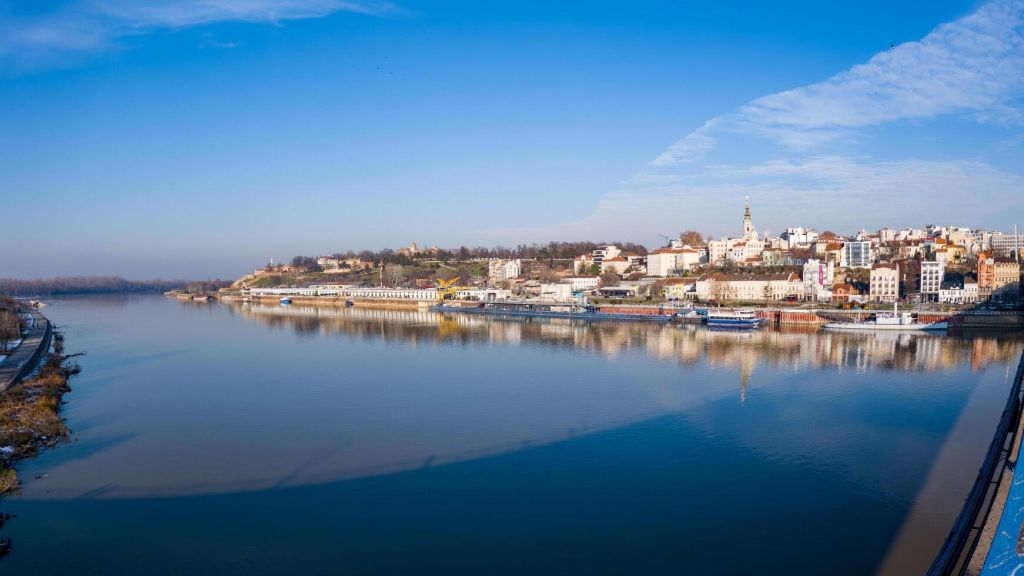
Begin with the setting rather than searching for an attraction named Kafana Culture. Choose a district that fits the rest of the day, identify a particular establishment and inspect its current menu and program. The named areas in this guide help narrow the search, but they do not operate as unified dining complexes.
Once seated, let the meal develop in stages. The established order starts lightly, moves through salad or pickles with ajvar, and finishes with a meat main prepared in the local style. The structured meal sequence below separates that ritual from the variable details of an individual menu. A fixed tasting flight, guided explanation or standard number of courses is not published for the tradition as a whole.
There is also no standard duration. A kafana meal is not timed like a museum tour, and an evening with confirmed live music may follow a different rhythm from a meal-focused visit. If music matters, ask the venue whether a performance is scheduled and whether it affects seating arrangements.
Regional context helps with the choice. The Niš city guide can frame a visit to the old central lanes, while Novi Sad provides the wider setting for the Dunavska and Zmaj Jovina street cluster. Save the exact venue name and address once selected; the name of the cultural tradition is not sufficient for route planning.
There is no nationwide day, season or time of day that applies to every kafana. Choose the timing from the experience wanted. For an evening organised around music, use a date on which the chosen venue confirms a performance. For a meal-led visit, verify kitchen service rather than assuming that the room and full menu follow identical hours.
The food itself contains a seasonal cue. Fresh vegetable salads depend on seasonal produce, while pickles form the stated alternative within the traditional order. That change affects what arrives with the meal without changing the broader kafana ritual.
City festivals and busy travel periods can affect individual restaurants, but no general reservation pattern is published for kafana culture. Make decisions at venue level, especially when travelling with a group or when a particular music program is central to the evening.
Route planning starts only after a venue has been chosen. Kafana culture has no single transport stop, and national guidance cannot provide one responsible set of bus, tram or trolleybus numbers for a tradition spread across several cities. Use the establishment’s exact address when checking walking directions, public transport or taxi access.
Within a recognised kafana district, walking between candidate venues may be more useful than committing from a remote search result. Inspect the displayed menu where available and ask whether the kitchen is serving the dishes wanted. A district name confirms cultural context, not the presence of spit-roast meat, ćevapčići or live music at every door.
Booking requirements are not standardised. Contact the chosen establishment if the visit involves a group, a fixed performance, dietary needs or a time-sensitive itinerary. There is no verified central booking platform for the tradition, and no standard tour or tasting package is included automatically.
Accessibility must also be handled at establishment level. Before travelling, ask about step-free entry, accessible toilets and seating arrangements. The culture-wide material does not publish these details. The same caution applies to parking: use current information for the exact street and venue rather than treating the district as a dedicated visitor site.
The most reliable approach is simple: select the city area, select the establishment, confirm the operational details and then use the traditional meal order as guidance rather than as a compulsory set menu.
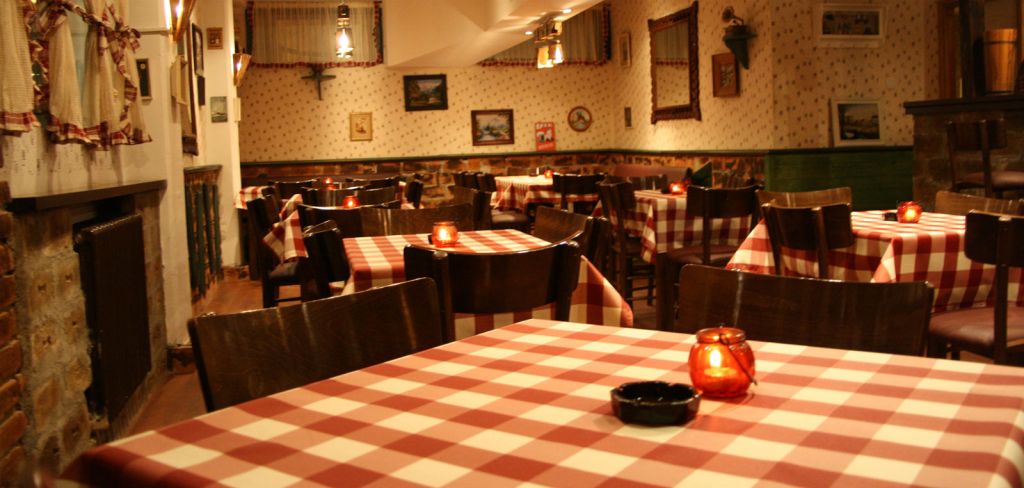
Expect a social dining room rather than a staged cultural exhibit. Food, drinks and conversation are central, and live music may share the room when scheduled. A music-led evening can naturally feel less suited to quiet conversation than a meal without a performance, so confirm the format if the group has a strong preference.
No culture-wide dress code is published. Choose clothing appropriate to the individual establishment and occasion rather than assuming that every kafana is either formal or casual. A special event or music program may operate differently from ordinary meal service.
Family policies are also establishment-specific. Ask the venue about children, high chairs, smoking arrangements and the timing of music where these details affect the visit. None of these facilities can be inferred safely from the word kafana alone.
Accessibility information is not standardised across the tradition. Travellers who need step-free access, an accessible toilet or a particular seating layout should obtain a direct confirmation. No special equipment is required for the cultural experience itself, but keeping the exact venue address and confirmed reservation details available will prevent confusion between a district and the restaurant selected within it.
Belgrade’s former Kafana Dardaneli shows why the tradition cannot be reduced to a list of dishes. It stood on the site of present-day Republic Square, opposite the National Theatre, and became a gathering place for the city’s bohemian world from the 1860s. Actors crossed over during theatre intermissions, placing the kafana directly inside the cultural life of the square.
That story changes how a visitor can read a modern kafana district. The meal still matters, but the room also belongs to conversation, performance and repeated local encounters. Contemporary establishments should not be treated as replicas of Dardaneli, and the history does not guarantee the same atmosphere everywhere. It does, however, explain why a kafana can carry cultural meaning beyond its menu and why certain streets become associated with the tradition over time.
Sources cross-checked for this guide:
Last checked: 28 August 2026. Fact-checked by the editorial team led by Mascha against the official sources above, and reviewed before publishing.
The sequence provides a practical ordering framework. Individual dishes and portion formats remain specific to each kafana.
This is a cultural ordering pattern, not a fixed tasting menu. Confirm actual dishes with the selected venue.
The cultural meal sequence and dish examples are grounded in national tourism material. Venue-wide operational information was checked separately; no single schedule, tariff, address or booking system exists for the tradition.
Ajvar is a roasted-pepper relish placed alongside the opening dishes rather than treated as a main course. Seasonal vegetables provide the fresh salad element when available, while pickles are another established choice. Together they prepare the table for the heavier meat course without defining the entire meal.
The main course is commonly meat prepared according to a local recipe. The source material names spit-roast meat and ćevapčići as representative choices. These are examples of the tradition, not a promise that every kafana carries the same menu or uses the same preparation.
The map shows Serbia rather than one venue. Kafana culture is distributed across the country, with named urban clusters in Belgrade, Niš, Novi Sad and Zemun.
These four named areas are grounded starting points for finding kafanas. They are districts or street clusters rather than individual businesses, so opening hours, menus, prices, accessibility and reservations vary by venue.
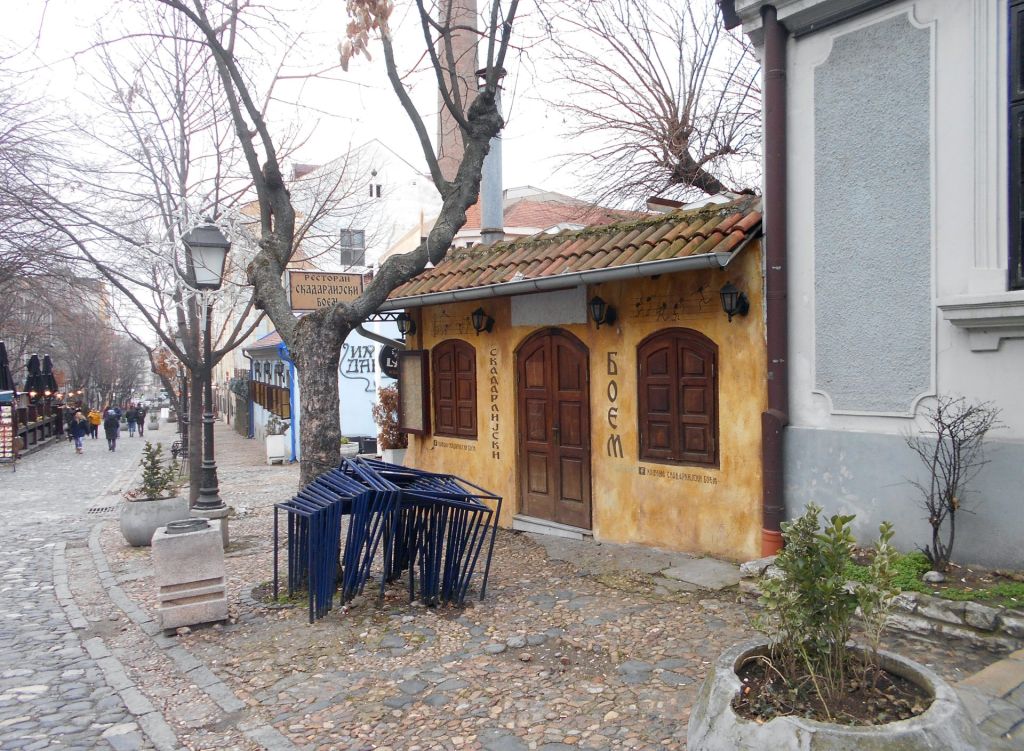
Skadarlija
Belgrade’s established bohemian kafana district.
Skadarska Street provides a concentrated setting for visitors who want to place a kafana meal within central Belgrade. Select an individual establishment before relying on operational details.
Kazandžijsko Sokače
Niš’s Tinkers’ Alley and a recognised kafana area.
The old bazaar lane gives the Niš experience a compact historic setting. It is a useful choice for combining regional food with a walk through the central part of the city.
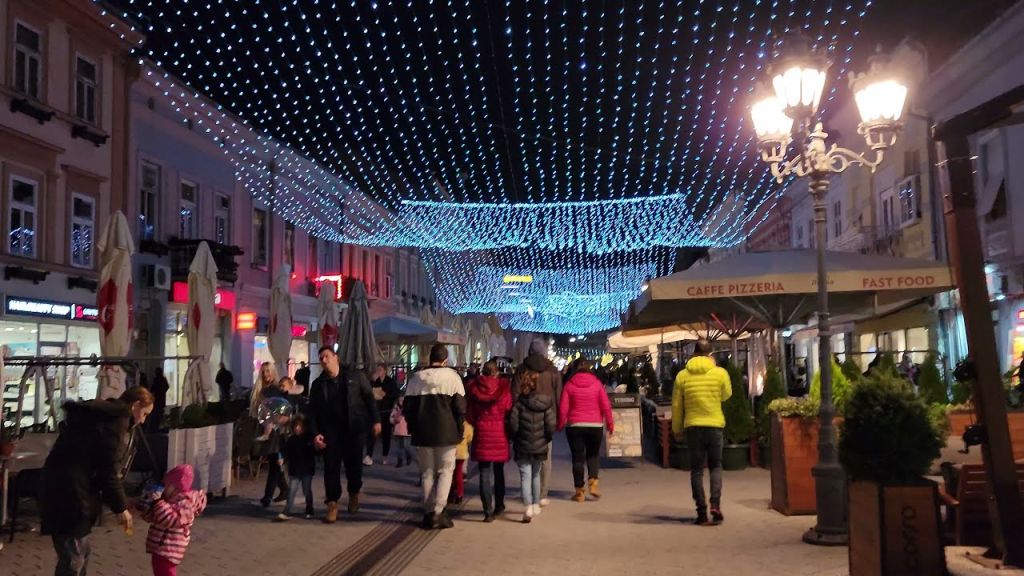
Dunavska and Zmaj Jovina
Central Novi Sad streets with kafanas and other dining venues nearby.
This street cluster places a kafana meal within Novi Sad’s historic centre. The area is a starting point rather than a guarantee of a particular menu, music program or service time.
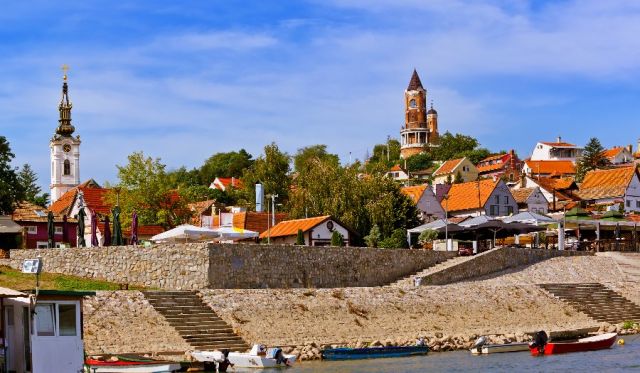
Zemun Promenade and Gardoš
A riverside and old-quarter setting for kafanas in Zemun.
The Danube promenade and Gardoš area provide a different urban setting from the central-city lanes. Check whether the chosen venue focuses on food, music or both before fixing the evening plan.
A Serbian tradition found in cities and market towns
Skadarlija, Kazandžijsko Sokače, central Novi Sad and Zemun
Ajvar, seasonal vegetable salads or pickles
Spit-roast meat and ćevapčići
Not published; prices are venue-specific
No general rule is published; confirm with the chosen venue
Kafana culture is a living dining tradition, not a single attraction. It has no shared postal address, admission ticket, visitor centre or central reservation desk. Choose a district and then verify the exact venue before travelling.
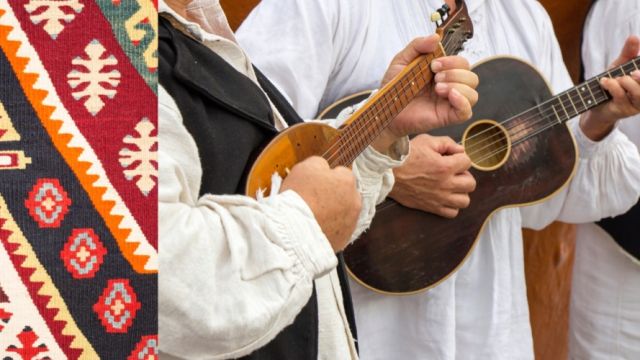
Live music is associated with kafana culture, but it is not a guaranteed part of every meal. Ask whether music is scheduled for the date, when it begins and whether the venue offers music-free seating if that matters to the group.
No shared opening hours, price band, telephone number, email address or online booking link is published for Kafana Culture. These details belong to individual establishments. Confirm them directly before making a journey for one specific meal or performance.
The documented examples focus on vegetables, ajvar and meat dishes, but they do not establish a standard vegetarian, vegan, allergy-aware or gluten-free offer. Discuss dietary requirements with the selected kafana before relying on a particular dish.
No. It is a national dining and social tradition found in many individual establishments. There is no single address, ticket office or official booking page for the culture as a whole.
No standard package is published. A normal visit may involve food, drinks, conversation and sometimes live music, but courses, explanations and duration depend on the establishment.
No. Live music is associated with the tradition, but schedules and formats vary. Confirm the program with the chosen venue if music is important to the visit.
No central price list or timetable is published. Check the current menu, kitchen hours and service times for the exact establishment selected.
Yes. Recognised settings include Kazandžijsko Sokače in Niš, streets around Dunavska and Zmaj Jovina in Novi Sad, and the Zemun promenade and Gardoš area.
No general reservation rule is published. Contact the establishment for groups, music nights, dietary needs or any visit that must begin at a fixed time.
Stay connected in Serbia