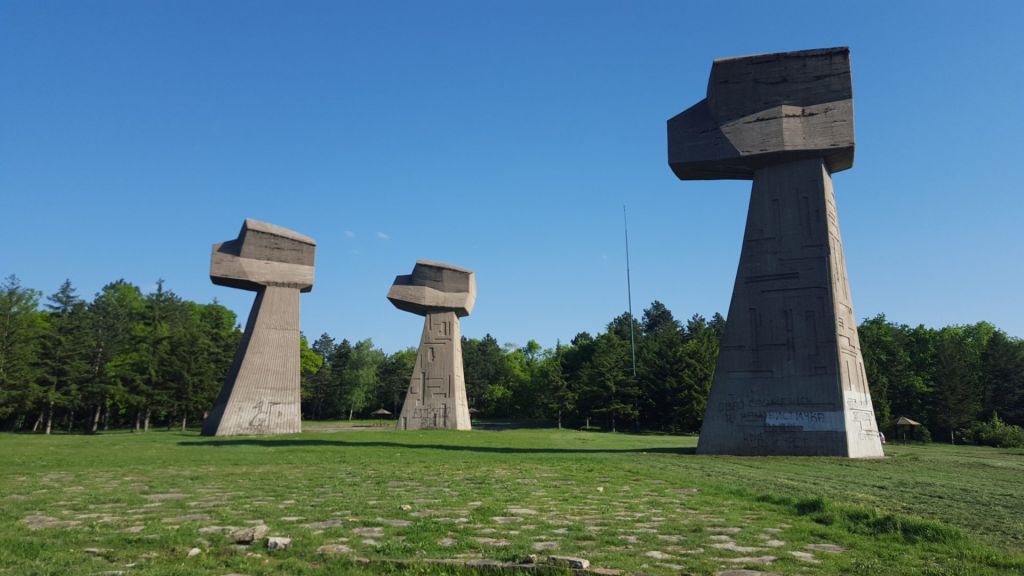
Nazi concentration camp; now a memorial and museum

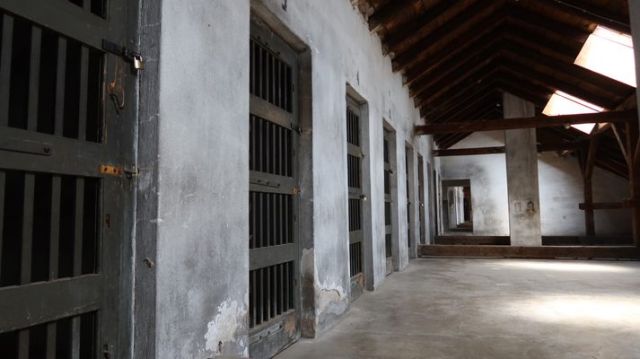
The Red Cross Concentration Camp in Niš was a Nazi concentration camp used from 1941 to 1944. Today it functions as a memorial and museum. For most travelers, this is not a casual sightseeing stop but a place to understand wartime Niš in a focused and respectful way. It fits best into a history-led day in the city, often alongside the Niš City Guide: Fortress, Skull Tower & Nightlife and other major memorial sites connected with resistance, occupation, and memory.
The Red Cross Concentration Camp in Niš is a preserved wartime site linked to Nazi occupation in Serbia. It operated from 1941 to 1944 and today stands as a memorial and museum rather than a conventional attraction. The physical setting is defined less by spectacle than by evidence, absence, and the weight of what happened there. For visitors, the main reason to come is historical understanding: this is one of the places in Niš where the city’s twentieth-century trauma becomes concrete. The atmosphere is sober, quiet, and reflective, and most travelers spend their time reading, moving slowly, and speaking softly.

What gives Red Cross Concentration Camp its distinct historical importance for visitors is that it is not only a preserved camp site but a memorial museum tied to resistance, imprisonment, and escape. Even if you already plan to visit the Skull Tower, the camp adds a different layer of understanding: instead of battlefield aftermath and symbolic remembrance, it brings you into the framework of detention and occupation itself. This makes it one of the clearest places in Niš for understanding how wartime history affected ordinary urban space.
Give yourself time to read carefully rather than rushing through. Travelers interested in a broader historical route often connect this stop with Čegar Hill, which explains the earlier 1809 uprising story, and with Mediana for a much older Roman layer of the city. Together, these places show how Niš is shaped by very different periods of conflict, power, and memory.

Most travelers visit Red Cross Concentration Camp from central Niš by taxi or on foot with navigation. If you are already exploring the center, start from King Milan Square and allow extra time for city traffic and orientation. A taxi is usually the simplest option for first-time visitors because it reduces the chance of wasting time on local route changes. If you prefer public transport, use local stop information in Niš on the day of travel and confirm the nearest stop before boarding, as this topic source does not provide line-by-line transit details. Drivers and hotel desks in Niš generally understand the site name. If you are combining the camp with Skull Tower or Mediana, a taxi between sites is often the most time-efficient way to manage the day.
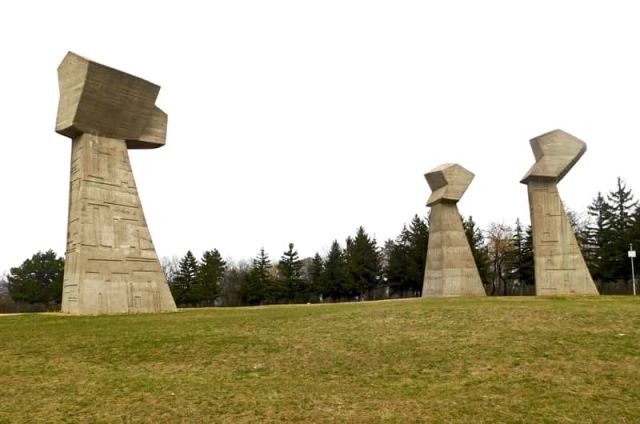
Go when you can give the site unhurried attention. Morning or early afternoon usually works better than the end of the day, especially if you want to read exhibitions carefully and continue on to another history stop in Niš. Because this is an indoor memorial-museum visit rather than a viewpoint or street-life area, weather matters less than your own energy and concentration. Avoid squeezing it into a rushed schedule between meals or transport departures. If you plan to combine it with Skull Tower, do the more emotionally demanding stop first while you are fresh, then leave time afterward for a quieter walk or coffee in the city center.
Expect a memorial atmosphere rather than an entertainment-style museum visit. The experience is emotionally heavy and text-based, with the value coming from the historical material and from standing inside a preserved place connected to wartime suffering. Wear normal city clothes; there is no special dress code, but understated clothing suits the setting. Bring water in warm months and allow mental space afterward, especially if you are traveling with children or have already visited other memorials that day. Accessibility and visitor services can vary at older memorial sites, so travelers with specific mobility needs should confirm conditions in advance. Photography rules may differ by room or exhibition, so follow posted guidance on site.
Tell us where you want to go and how you travel. We reply within two working days with a tailored plan.
Pair the camp with one other history stop, usually Skull Tower or central Niš, and leave time between visits rather than moving too quickly.
Build a layered route: Red Cross Concentration Camp for wartime memory, Mediana for Roman heritage, and the center for the city’s present-day rhythm.
Use the map to orient yourself before setting out from central Niš.
If you are building a history-focused day in Niš, these places work well before or after the camp.
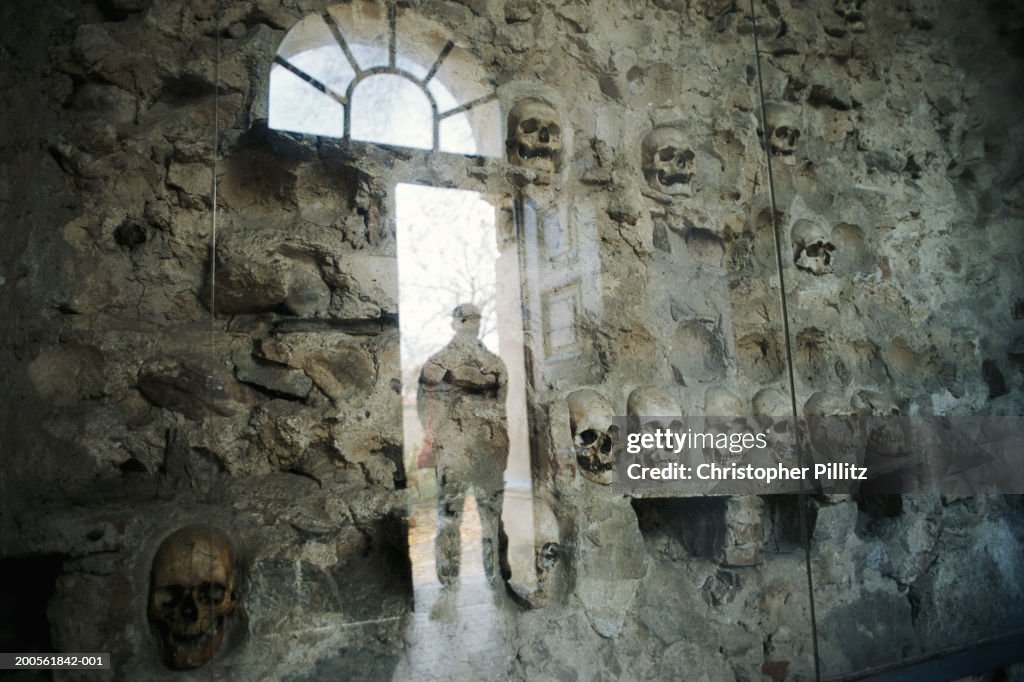
Skull Tower, Niš
Ottoman-era memorial linked to the 1809 uprising.
Best paired with Red Cross Concentration Camp if you want to understand how Niš preserves difficult history across different periods.
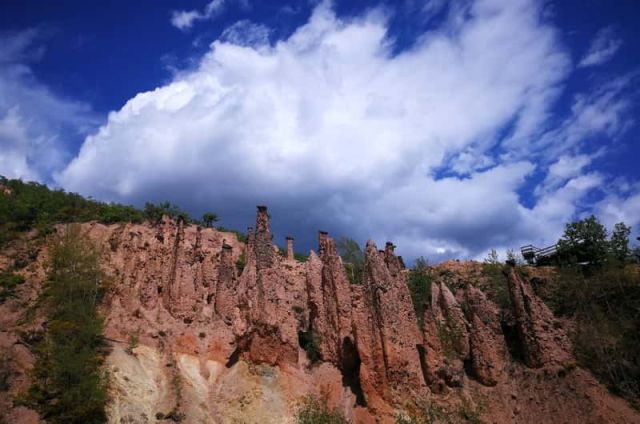
Čegar Hill, Niš
Uprising memorial hill above the city.
Useful for travelers who want to connect Niš’s wartime memorial spaces with the earlier Serbian struggle against Ottoman rule.
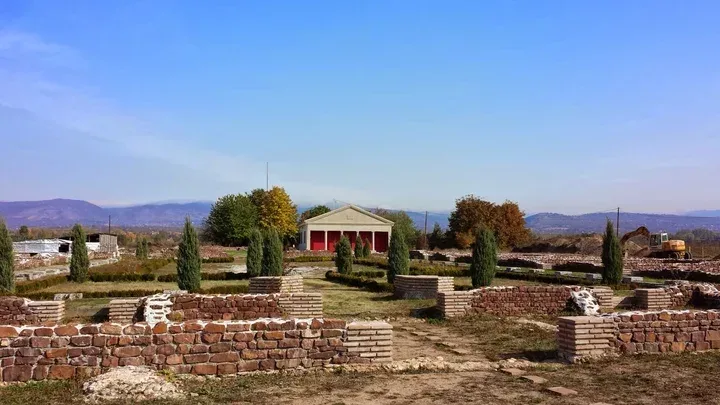
Mediana Niš
Roman imperial estate and archaeology site.
Adds a very different historical layer to your Niš itinerary and works well if you want one serious memorial stop and one classical antiquity stop on the same day.
Niš City Guide: Fortress, Skull Tower & Nightlife
Broader city planning guide for transport, neighborhoods, and timing.
Useful if Red Cross Concentration Camp is only one part of your stay and you need the bigger Niš picture for food, logistics, and route planning.
Nazi concentration camp; now a memorial and museum
1941–1944
Niš
Travelers interested in wartime and memorial history
Quiet, reflective, reading-focused
Usually 45–90 minutes
Check locally before visiting
Confirm locally before visiting
Skull Tower, Čegar Hill, Mediana, central Niš
This is a memorial space. Dress simply, keep your voice low, and avoid treating the site as a quick photo stop. If you are traveling with children, prepare them for the subject before entering.
The source for this topic confirms the historical role of the site and its current memorial-museum function, but not live visitor operations. Check current opening hours and ticket details locally before making a special trip.
Many travelers find it better to pair Red Cross Concentration Camp with only one or two other serious history sites in a day, not a full checklist of attractions.
Stay connected in Serbia