Archaeology
Early regional historyMaterial from the region introduces human activity before the periods covered by written local records.
- Chronology
- Begins in prehistory
- Visitor focus
- Regional settlement and material culture

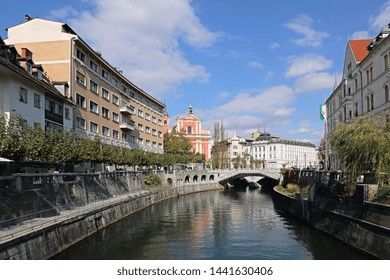
Loznica stands in Serbia’s Jadar and Podrinje area, where the city centre provides a cultural base distinct from the spa, monastery and heritage-village excursions outside it. Its urban visit is modest in scale: a protected historic building, a regional museum, cultural institutions and a large park form the central orientation. The mood is that of a working regional city rather than a purpose-built resort. Travellers following Western Serbia’s mountains, spas, gorges and monasteries can use Loznica as a focused cultural stop without treating every surrounding destination as part of the centre.
Loznica belongs to a landscape whose names help explain how visitors encounter the city. Jadar identifies the local region around Loznica, while Podrinje describes the broader Drina-side area. In practical terms, central Loznica supplies the museum and civic-cultural layer; the Drina, Gučevo, Tršić, Tronoša and Banja Koviljača are separate destinations or excursions.
That distinction matters when reading maps and accommodation listings. A property or attraction carrying the Loznica municipal label may not sit within the compact city centre. Build the central visit around the Jadar Museum and city landmarks, then assess each outlying destination by its own access requirements. The available visitor information does not establish a single timed circuit joining all of them, so a flexible sequence is more reliable than assuming they form one walkable attraction zone.
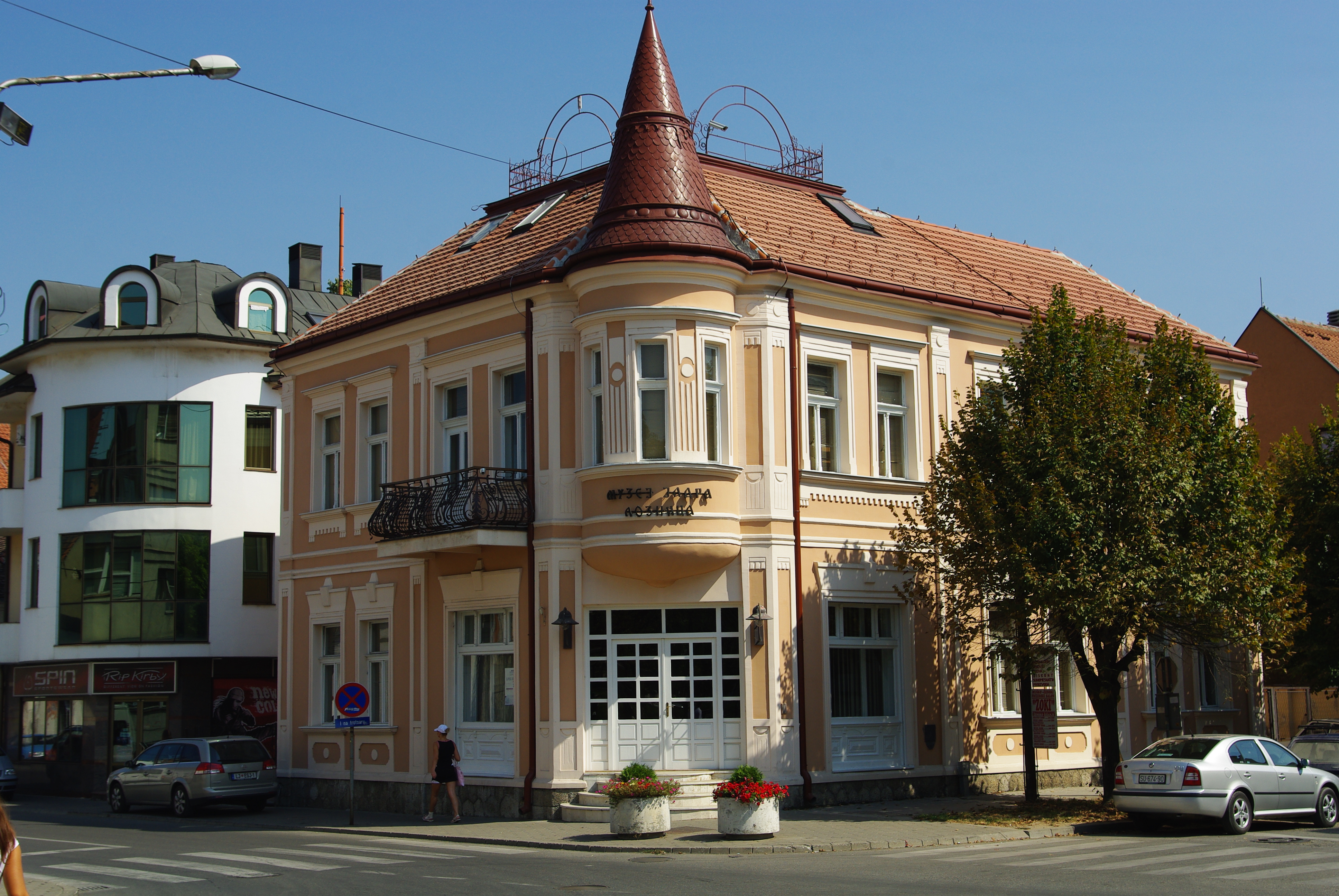
The Jadar Museum, or Muzej Jadra, occupies the building known as the Old Pharmacy at Pašićeva 25. The building received protected cultural-property status in 1986, and the museum opened there in 1987. This relationship between collection and setting gives the visit two layers: the regional exhibits explain the Jadar area, while the Old Pharmacy represents part of Loznica’s own built heritage.
The visit centres on a permanent exhibition rather than a timed guided product. No current online booking link, admission tariff or reservation requirement is published. The institutional pages also do not provide a current, dated public timetable. A third-party directory lists Monday to Friday from 08:00 to 19:00 and closure on Saturday and Sunday, but confirm those hours before relying on them. Travellers can call the Jadar Museum visitor desk or email the Cultural Center about a museum visit. Ask about opening, temporary exhibitions, payment and access in the same enquiry.
Loznica’s central heritage is easier to understand as a small civic network than as a sequence of large attractions. The Jadar Museum supplies the historical narrative, the Old Pharmacy gives that narrative an architectural setting, and the Vuk Karadžić Cultural Center provides the institutional framework around the museum. Other city-listed cultural institutions may host programmes, but an institution’s presence does not establish a daily interior visit or a permanent exhibition.
This calls for a measured approach. Begin with the museum only after confirming admission, then use the surrounding centre to understand Loznica as a city in its own right. Do not transfer the schedules of special events to ordinary weekdays, and do not assume that every building described as cultural is open for informal entry. The resulting visit is less about collecting many interiors and more about reading how regional history, civic memory and present-day cultural administration meet in the centre.
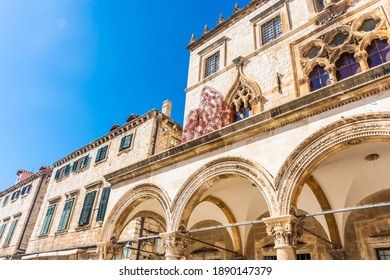
A statue of Jovan Cvijić stands in a large city park in Loznica, placing the geographer within the city’s public landscape rather than behind a museum door. Cvijić’s work is closely associated with the study of the Balkan Peninsula, so the monument adds an intellectual reference to a visit otherwise anchored in regional objects and documents.
Use the statue and park as a flexible outdoor element around the museum rather than as a precisely timed attraction. The park name, exact statue coordinates and a formal interpretation programme are not published in the visitor material used for this guide. Ask locally for the most direct route and avoid building a tight connection around an unverified walking time.
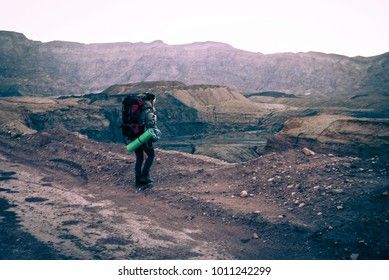
Three documented destinations broaden a stay in Loznica, but none should be folded into the central heritage walk. Tršić, the birthplace and heritage village of Vuk Karadžić, develops the language-reformer connection through a rural memorial setting. It deserves its own visit rather than a brief city-centre label.
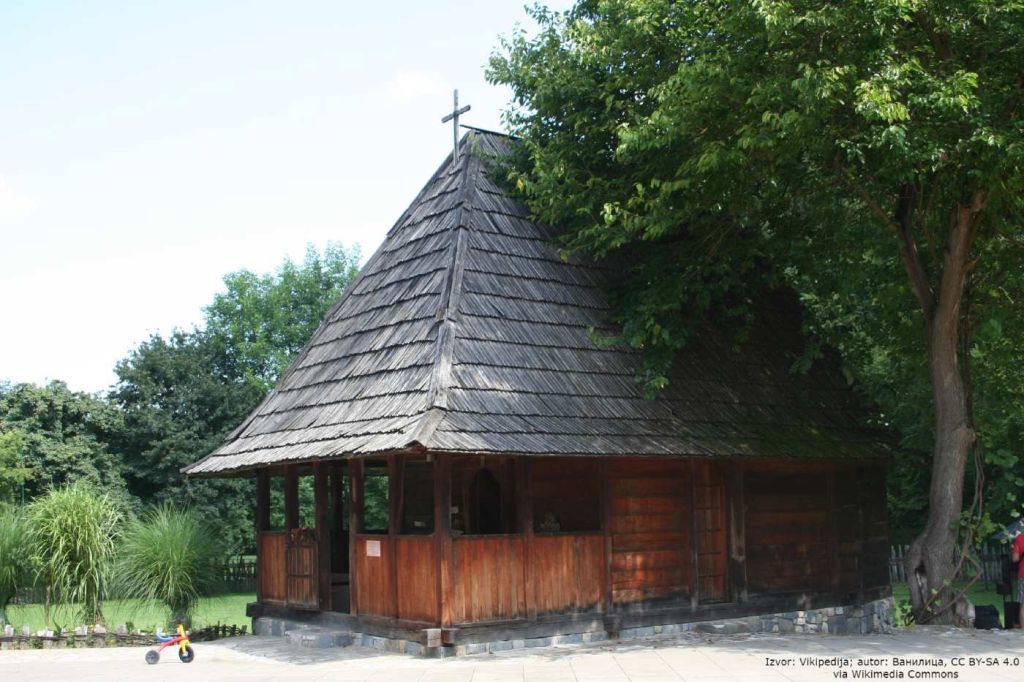
Tronoša Monastery near Loznica adds an Orthodox monastic and Vuk Karadžić context. Church etiquette, worship and the practical conditions of a religious site differ from those of the city museum, so confirm access separately and dress with the setting in mind.
Banja Koviljača’s spa park and wellness facilities form another distinct outing. Spa appointments, treatment access and hotel facilities should be checked with the relevant operator rather than inferred from Loznica museum information. The available city material does not establish one public-transport timetable or a timed circuit linking all three excursions, making a single, well-confirmed outing more dependable than trying to combine them automatically.
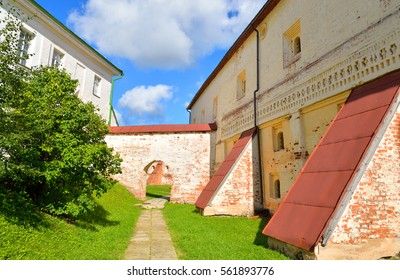
Loznica is a city in western Serbia and should be selected as the arrival point before planning onward travel to the surrounding municipal destinations. The available visitor information does not establish a current intercity timetable, so verify the service for the intended date rather than relying on an undated frequency.
For the Jadar Museum, use the confirmed destination address Pašićeva 25, 15300 Loznica. A numbered local bus line, nearest named stop, station-to-museum walking time and step-by-step pedestrian route are not published in the available visitor information. A typical taxi fare is also not published. Ask the driver to use the museum address and confirm the fare before departure. Dedicated museum parking, restrictions and charges are not established, so drivers should check current local signs instead of assuming spaces are attached to the building.
Choose a weekday if the Jadar Museum is the main reason for stopping in Loznica, but confirm the opening period first. The only current hours supplied through a third-party directory place access from Monday to Friday, while the institutional material does not provide a dated weekly schedule. Weekend entry should therefore remain unconfirmed until the museum responds.
No dependable seasonal timetable or current temporary-exhibition calendar is published. A morning arrival leaves more room to adjust if opening has changed, but it does not guarantee admission. Reservations for independent visitors are neither stated as mandatory nor explicitly waived, so groups and travellers with a fixed schedule should contact the institution in advance.
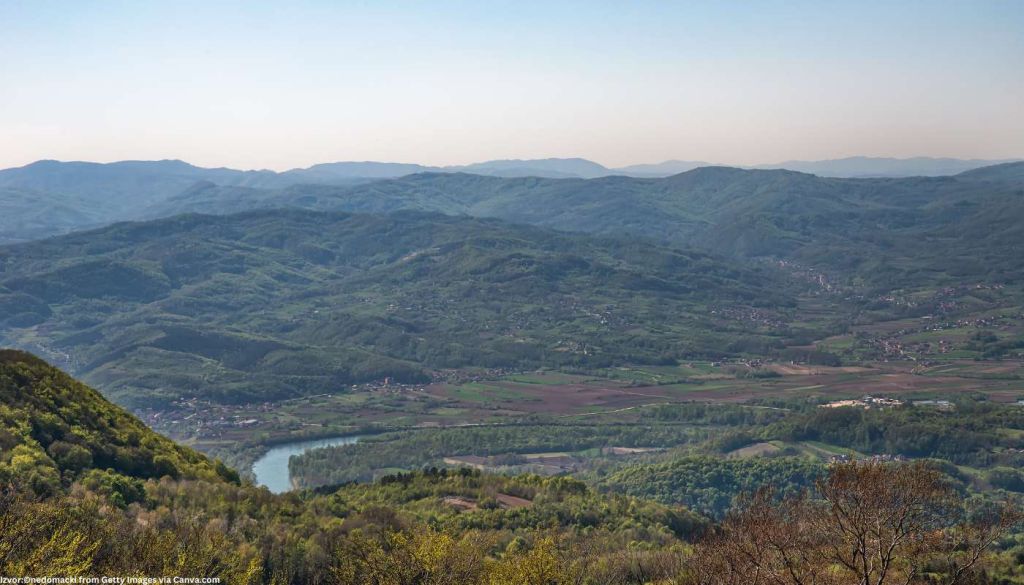
The central experience combines a regional museum, a protected historic building and ordinary civic space. It is not presented as a controlled attraction district, and the park and cultural institutions continue to function as parts of the city. Expect to make local orientation decisions rather than follow a signed, timed heritage circuit.
No museum dress code is published. Neat everyday clothing is suitable for the city visit, while a separate trip to Tronoša Monastery calls for respectful church attire. Accessibility information for the Old Pharmacy is not published, so wheelchair users and travellers who avoid stairs should ask about the entrance, internal levels and toilets before travelling. Rules for photography, bags, family facilities and guided interpretation are also not stated. Families can ask whether current displays suit their children and whether any group is scheduled at the intended time. Keep contact details available and allow enough flexibility to change the order if an interior is unavailable.
Sources cross-checked for this guide:
Last checked: 10 October 2026. Reviewed and fact-checked by the editorial team led by Patrick, using the official sources listed above.
The permanent display follows life and work in the Loznica and Jadar region across a long chronology. Its subject areas are better understood as connected ways of reading the region than as separate museums within the building.
Material from the region introduces human activity before the periods covered by written local records.
Objects connected with work and domestic life show how regional identity was expressed through practical routines.
Historical objects, documents and photographs connect political and social change with named places and communities.
Artworks, coins and decorations add visual and institutional evidence to the wider regional narrative.
Historic collection totals and past exhibition frequencies do not establish which objects or temporary displays are available on a particular date.
This is an editorial sequence rather than an operated tour. It depends on the Jadar Museum being open and deliberately avoids invented walking durations.
Several details that directly affect a museum visit are not currently published in a dated institutional visitor notice. Confirm them together before fixing the day’s sequence.
The historic description of daily viewing does not establish a current seven-day schedule. Weekend access should not be assumed.
Core historical and destination facts were reviewed on 9 October 2026. Museum hours, prices, exhibitions, accessibility and transport remain subject to direct confirmation.
The map is centred on the confirmed Jadar Museum address at Pašićeva 25 in Loznica. Check the final approach and current traffic conditions before travelling.
These four named places define the supported city-centre heritage theme. Only the museum has a confirmed postal address in the available visitor information; other locations should be checked locally rather than plotted from an assumed address.
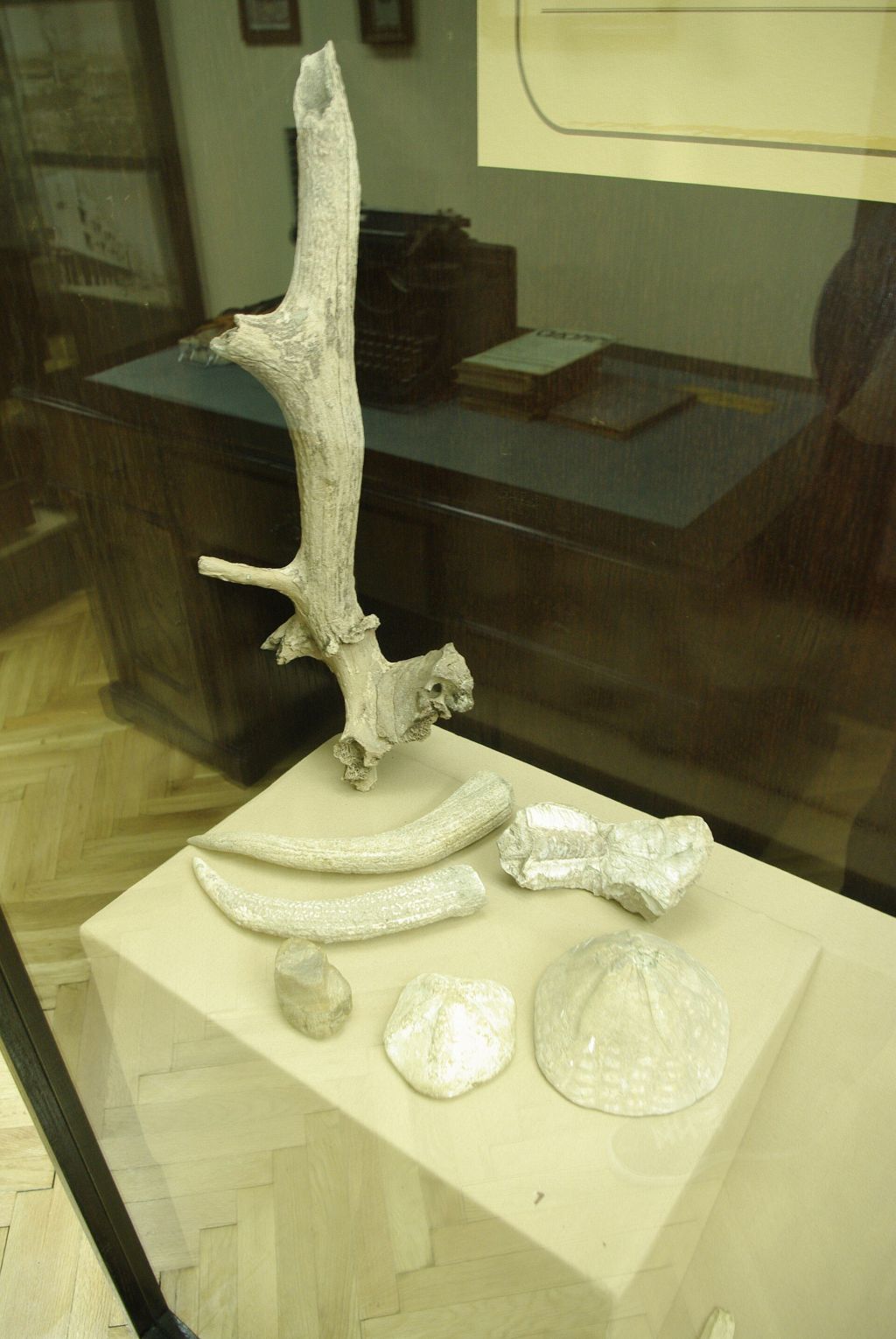
Jadar Museum
The regional museum inside the protected Old Pharmacy building.
The permanent exhibition covers local life and work from prehistory to 1950 through archaeology, ethnography, history, art and documentary material. No online booking facility or reservation rule is published; use the museum or Cultural Center contact options before arrival.
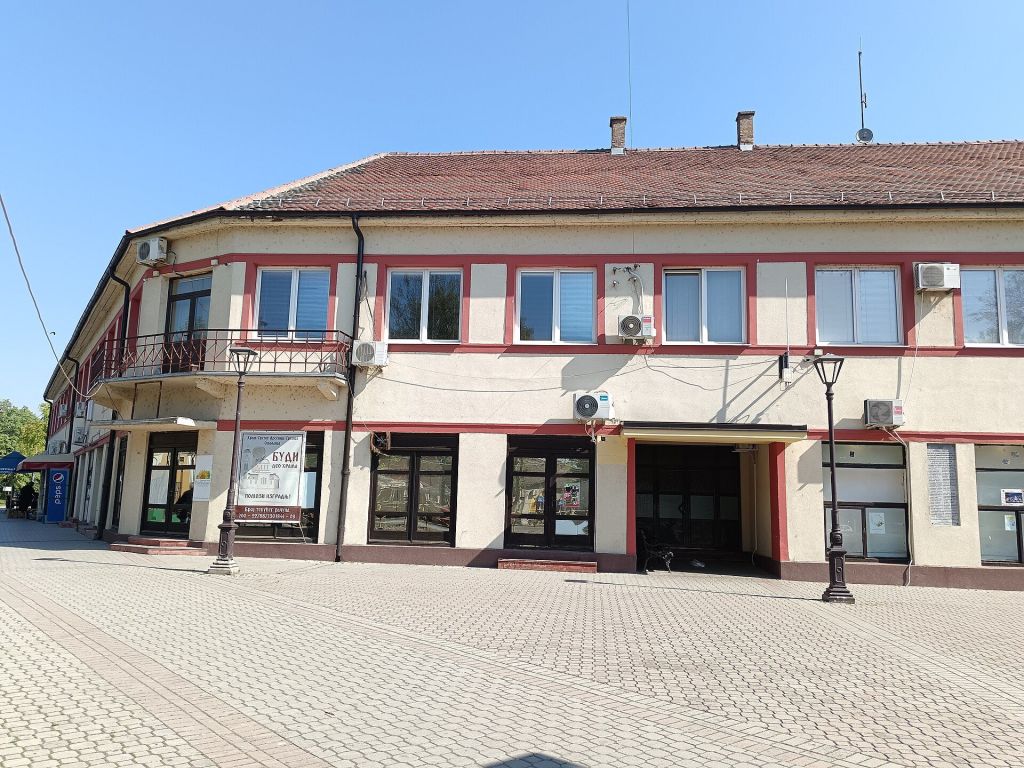
Vuk Karadžić Cultural Center
The cultural institution responsible for the Jadar Museum.
Use the Cultural Center as an information point for museum scheduling and current cultural programming. A dependable public interior-visit timetable and visitor tariff are not established.
Jovan Cvijić Statue
A monument to the Serbian geographer set in a large Loznica park.
The statue provides a useful point for understanding the city’s connection with Jovan Cvijić. The park’s formal name, exact monument address and an organised interpretation schedule are not established in the available visitor details.
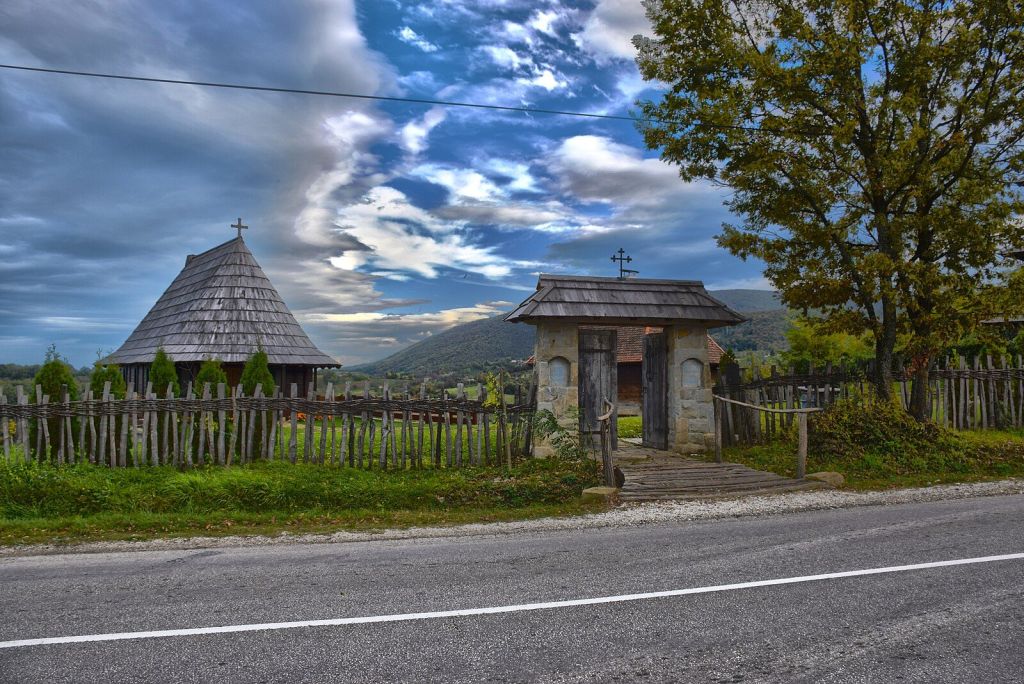
Loznica City Park
The large urban park associated with the Jovan Cvijić statue.
Treat the park as a pause and orientation point rather than a ticketed attraction with a fixed programme. Do not assume that references to the wider Loznica area describe places within walking distance of the park.
Loznica, western Serbia
Pašićeva 25, 15300 Loznica
Not established in published visitor information
Jadar Museum and city heritage
Museum admission price not published
A weekday after confirming museum hours
Not published; ask before a fixed-date visit
Call the Jadar Museum visitor desk
Email about museum access
Call the Jadar Museum visitor desk. The parent Cultural Center can also be reached through its first published telephone contact, second published telephone contact or current email contact.
A third-party directory reports Monday to Friday from 08:00 to 19:00 and closure on Saturday and Sunday. The institutional material does not provide a current dated weekly timetable, so call before making a special journey.
A current admission price, payment policy, reservation rule and temporary-exhibition calendar are not published. Ask for all four details in one enquiry, particularly if travelling as a group.
Step-free entry, internal lift access, accessible toilets and seating are not documented in the available visitor information. Describe the required access arrangement when contacting the museum.
The Jadar Museum is a regional museum in the protected Old Pharmacy building. Its permanent collection interprets life and work in the Jadar area from prehistory to 1950.
A third-party directory lists Monday to Friday from 08:00 to 19:00 and weekend closure, but a current dated institutional timetable is not published. Confirm the hours directly before travelling.
A current admission price is not published. Ask whether entry is charged and which payment methods are accepted when confirming the opening hours.
No current reservation rule or online booking link is published. Independent visitors with a fixed schedule and all groups should contact the museum or Cultural Center in advance.
Step-free entrance, internal circulation and accessible toilet information are not published. Contact the institution with specific mobility requirements before arrival.
They are separate destinations in the wider Loznica area rather than stops on a compact city-centre walk. Give each one its own access and opening-time check.
Stay connected in Serbia