
What Donaukai Dorćol is
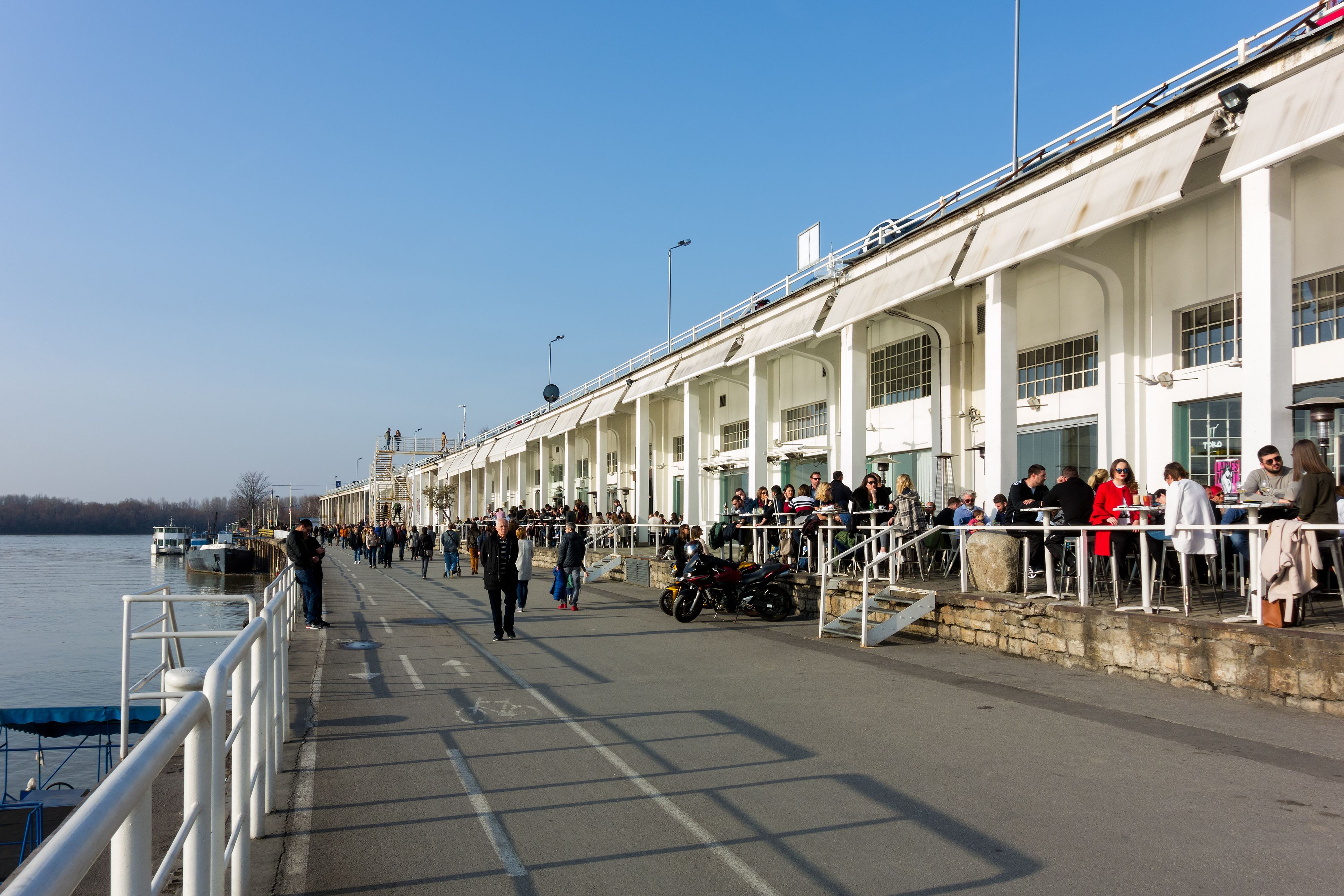
Donaukai Dorćol is the Danube-side walking edge of Dorćol, where the city becomes calmer and more open to the river. It is used for walking, cycling, and short sunset stops, with grassy patches, uneven paving in places, and swans often visible near the water. The experience is more about a slow riverside pause than about formal sightseeing.
For a broader base in the area, many travelers pair it with the Dorćol, Belgrade Travel Guide and nearby Kalemegdan walks.
Donaukai Dorćol
Donaukai Dorćol is the riverside promenade and quay area along the Danube in Dorćol, Belgrade’s old inner-city neighborhood east of the fortress. The setting is less polished than newer waterfront projects: expect long river views, stretches of paving that change in quality, grass at the edge, and a path that feels local rather than designed for show. It sits close to the northern side of the old town and the approach to Kalemegdan.
Historically, Dorćol was shaped by trade, port activity, and movement between the river and the hill above. Today, the quay is mainly known as a place to walk beside the water, watch boats pass, and step out of the dense street grid for a few quieter minutes. The vibe is calm, practical, and often lightly used outside peak evenings.
The Danube quay walks in Donaukai Dorćol
The specialty here is a low-key Danube walk, not a formal promenade. In Donaukai Dorćol, the river is the main point: you come for the waterline, the open sky, and a break from the streets above. Compared with Belgrade’s busier riverside zones, this stretch feels less programmed and more everyday, which is why it works for people who want a simple walk rather than a destination lunch scene.
The best part is the change of pace. You can move from the compact lanes of Dorćol down to the quay and immediately get a different city rhythm. The ground can be uneven in places, so it is better for relaxed walking shoes than for a dressy outing. If you want a longer Belgrade riverside loop, connect it with the fortress area or continue toward the Sava-side edge near Beton Hala, Belgrade.
How to get to Donaukai Dorćol
From Kalemegdan, walk downhill toward the Danube side in about 10 to 15 minutes, depending on which gate or path you use. From Dorćol’s upper streets, the descent to the quay is shorter, but the exact route changes with the block you start from. If you are already in the old town, the quay is usually easiest on foot.
For public transport, Belgrade city lines serving the wider Dorćol and Studentski Trg area are the most practical starting point, then continue on foot. Route planning is easier from central stops such as Studentski trg, Trg Republike, or nearby Danube-side stops depending on where you begin. Taxi from the city center is usually a short hop and is most useful if you are carrying bags or arriving late. Parking near the quay can be limited, so do not rely on finding a close space in peak hours.
Best time to visit Donaukai Dorćol
Late afternoon is the most practical time if you want softer light over the Danube and a calmer pace than midday. Weekdays are usually quieter than weekends, and that matters here because the quay works best when you can hear the water and the birds rather than city traffic.
Spring and early autumn are comfortable for longer walks. In summer, go earlier in the day or near sunset, since the open river edge can feel exposed. Reservations are not needed for the quay itself, but you may want to reserve elsewhere if you plan to combine the walk with dinner in nearby Dorćol or at Beton Hala.
What to expect at Donaukai Dorćol
Expect a low-intensity riverside area with ordinary city wear and tear rather than a polished attraction. Dress code is casual, and practical footwear is the main requirement. Accessibility varies because some sections can be uneven or interrupted by changes in the surface.
Noise is usually lower than in central traffic corridors, but it is still an urban river edge, not a park reserved for quiet. Families can use it for a short walk, though you should supervise children near the water. Bring water, a wind layer in cooler months, and a phone or camera if you want river views and the fortress skyline. The scene changes with weather, river level, and time of day, so a brief visit can feel different from one hour to the next.

Planning notes for Donaukai Dorćol
If you are already in central Belgrade, this is a simple place to step away from traffic and get a river view without a long transfer.
The quay works best when folded into a Dorćol walk, a fortress visit, or a longer riverfront route toward the Sava side.
Where Donaukai Dorćol is
Danube-side Belgrade quay in Dorćol, close to Kalemegdan and the old town.
Best stops in Donaukai Dorćol
These are the most useful nearby places to combine with a Danube-side walk in Dorćol.
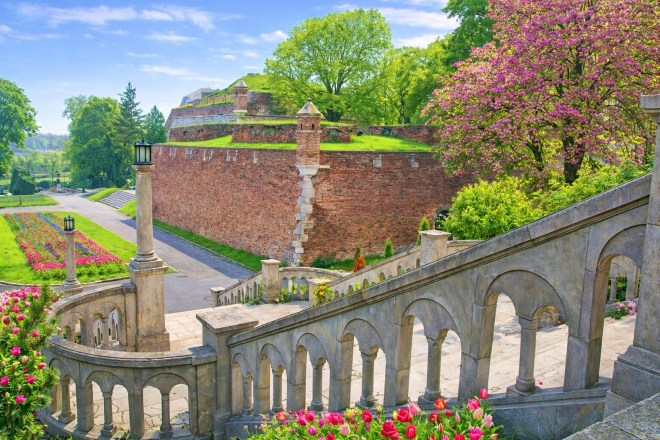
Kalemegdan Park
The fortress park above the riverside, useful for views before or after the quay walk.
A major green and historic area that gives context to the river edge below.
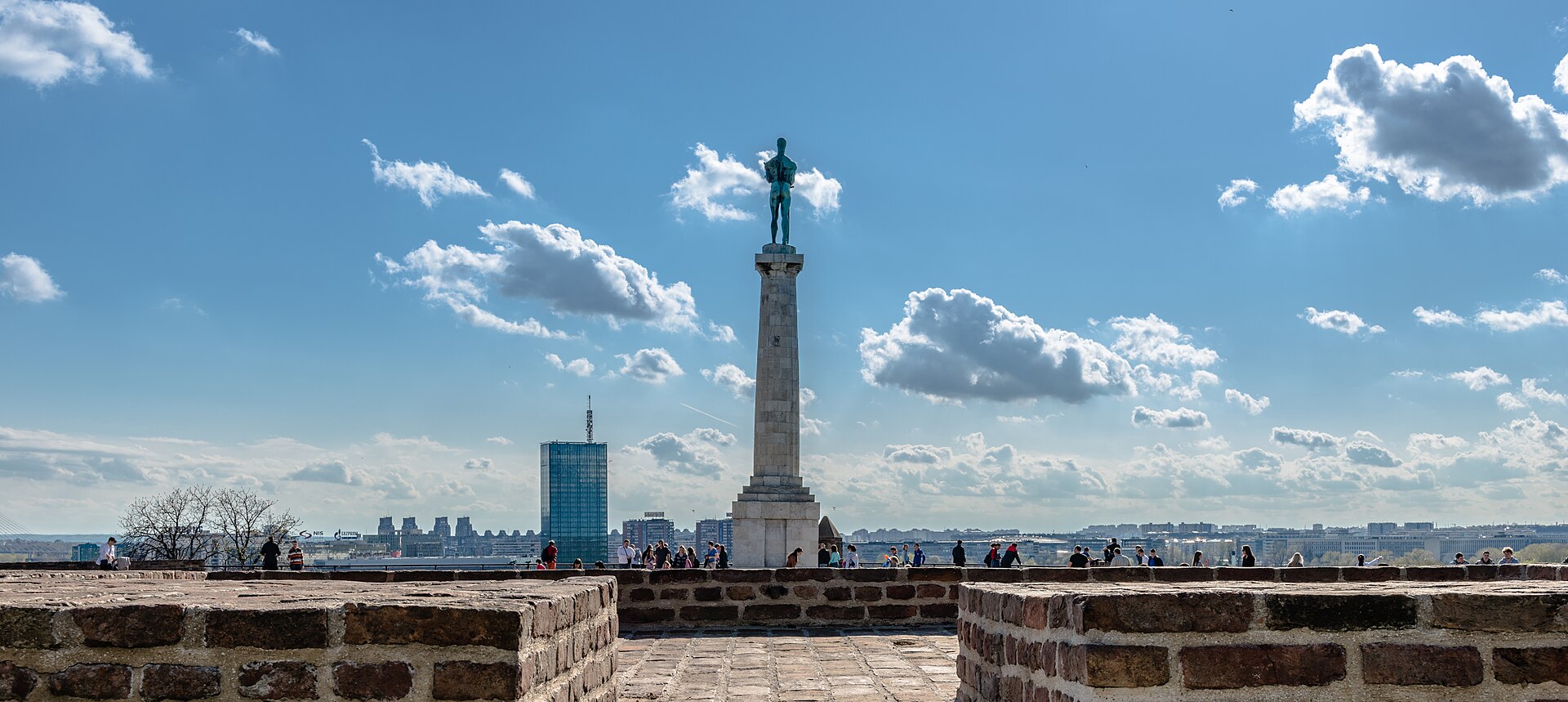
Pobednik Monument
A river-facing landmark at the fortress edge.
A clear lookout point when you want to connect the quay with one of Belgrade’s best-known Danube views.
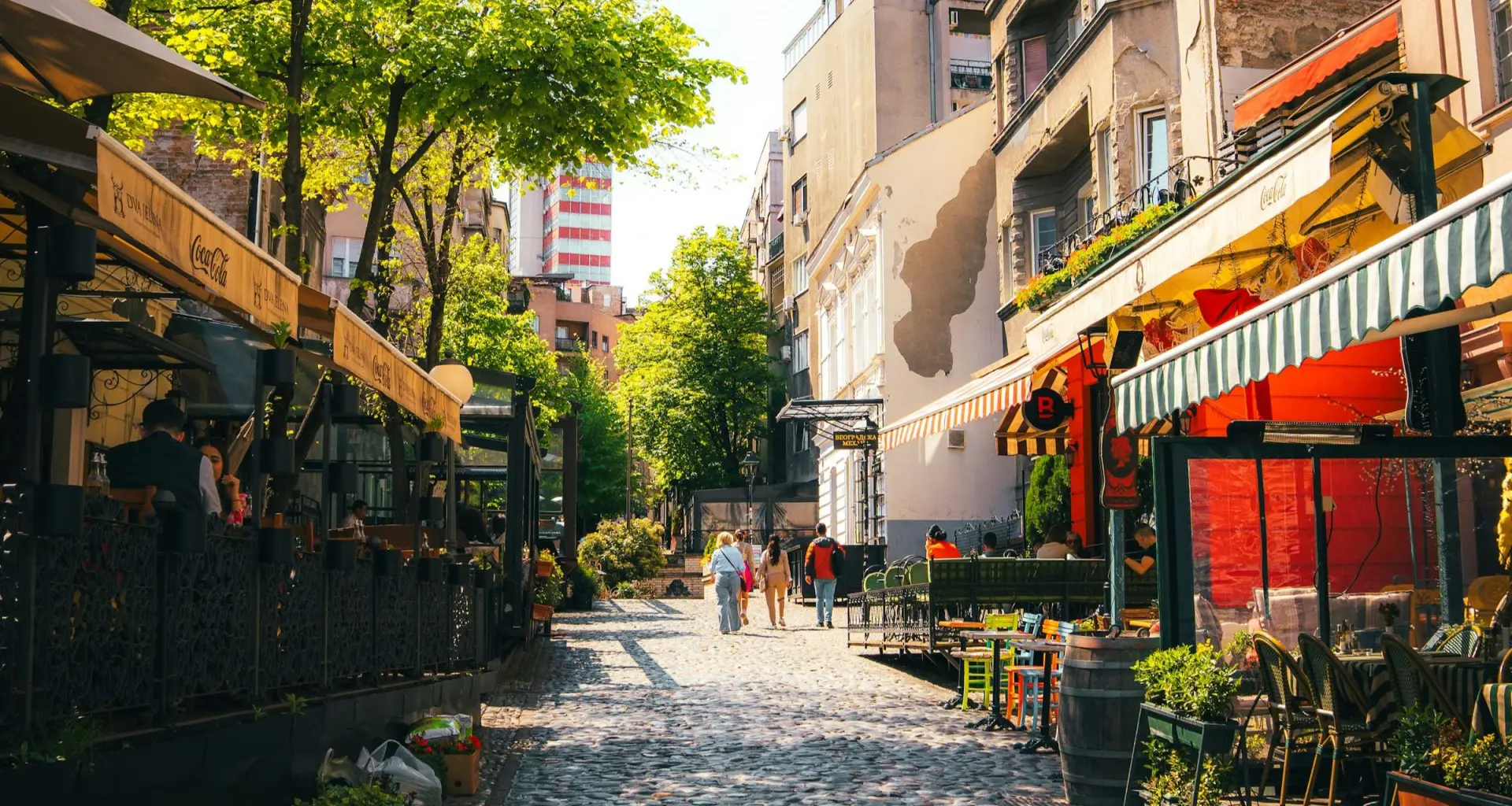
Nebojša Tower
A fortress tower at the Danube edge.
Useful if you want to tie the quay walk to the lower fortress side and the riverfront history around it.
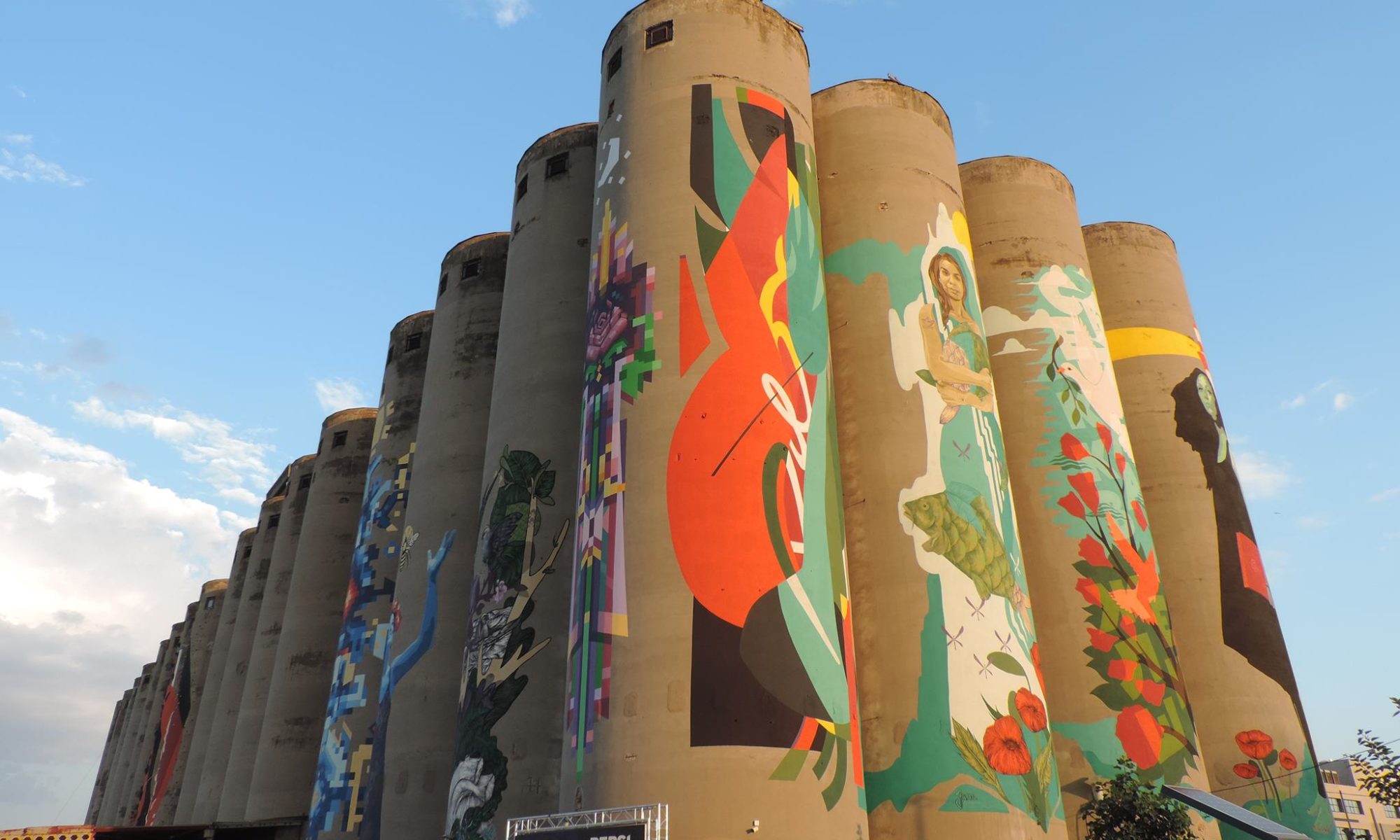
Römische Quelle
The underground well in Kalemegdan.
A compact stop if you are already moving between Dorćol streets and the fortress slopes.
Beton Hala
Sava-side dining and walking area for a longer city riverside route.
A practical add-on if you want to extend a Danube walk into another riverfront zone.
Quick facts about Donaukai Dorćol
Danube-side quay area in Dorćol, Belgrade
Kalemegdan Fortress
Quiet Danube riverside walks
€
Late afternoon, spring or early autumn
No
Good to know before you go
The quay is best treated as a walking surface, not as a manicured park. Bring flat shoes, especially after rain, and expect some sections to feel rough or grassy rather than fully finished.
Surface and comfort
Do not expect a uniform pedestrian boulevard. Some parts are easier underfoot than others, and the route can feel more like a local river edge than a finished tourist promenade.
Transport tip
The quay is easier to reach on foot from the fortress side than by trying to drive right up to the water. If you are staying in Dorćol, walking is usually the least complicated option.
Route idea
Start near Kalemegdan, drop to the Danube edge, walk the quay for a while, then return through Dorćol’s streets for coffee or a meal nearby.
Common questions about Donaukai Dorćol
Is Donaukai Dorćol a formal promenade?
No. It reads more like a riverside edge and walking path than a polished promenade, with some rougher surfaces and grassy stretches.
How long do I need at Donaukai Dorćol?
Most visitors spend 20 to 45 minutes unless they combine it with Kalemegdan or a longer Dorćol walk.
Is Donaukai Dorćol good for families?
Yes, if you are comfortable with a simple outdoor walk and keep an eye on children near the water and uneven pavement.
Can I bike along Donaukai Dorćol?
Cycling is possible in some stretches, but the condition of the surface varies, so it is better for careful, slower riding than for a fast ride.
Is there food right on the quay?
Food options are better in nearby Dorćol streets, Kalemegdan-adjacent areas, or at Beton Hala rather than on the quay itself.
First-time visitor questions about Donaukai Dorćol
Is Donaukai Dorćol the same as a sightseeing attraction?
Not really. It is mainly a river-edge walk in Dorćol, so the appeal is the atmosphere rather than a ticketed site.
What should I wear for Donaukai Dorćol?
Casual clothes and flat shoes are enough. A light jacket helps when the river wind picks up.
Can I visit in the evening?
Yes, but daylight is easier if you want to notice the surface and the path condition. Evening works best for a short, relaxed walk.
Is it worth combining with Kalemegdan?
Yes. The fortress and the quay make a practical pair because they are close and give you both the hilltop and river-edge experience.
Continue your Belgrade walk
Move from the Danube edge into the old town, or continue to the fortress side for a fuller Dorćol route.