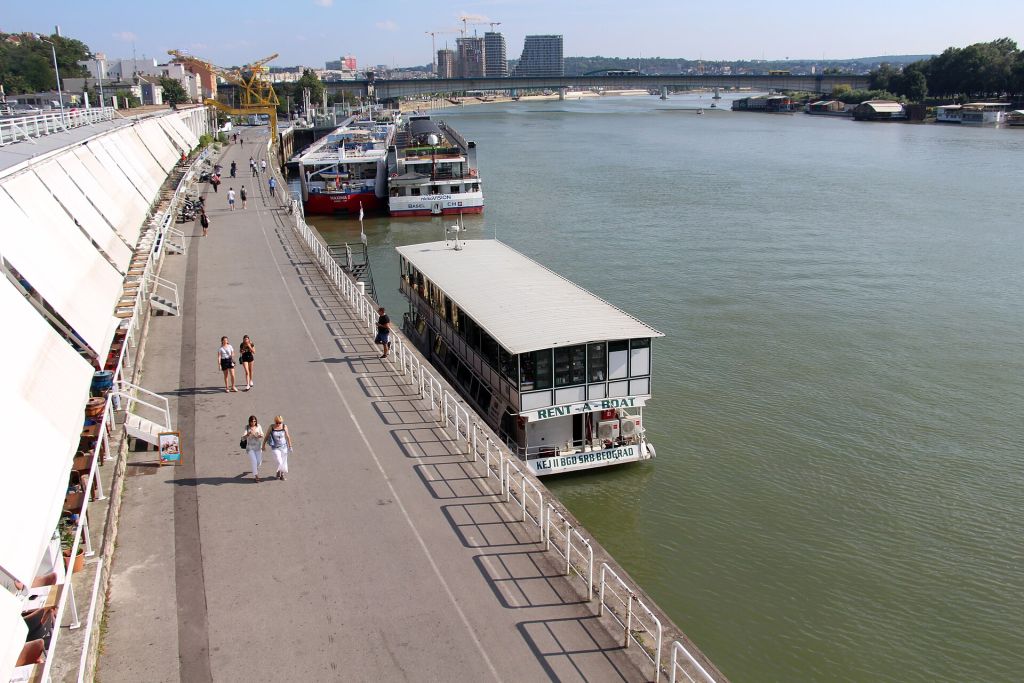
Karadjordjeva 2–4, Savamala, Belgrade 11000
Beton Hala on the map
Karadjordjeva 2–4, on the Sava riverfront in Savamala, central Belgrade. The arcade runs along the water just south of Brankov Most and immediately in front of the Belgrade Pier.

Karadjordjeva 2–4, Savamala, Belgrade 11000
Belgrade Pier / Brankov Most
Riverside restaurants — six venues sharing the arcade
€€–€€€ · mains 1,200–3,500 RSD
Weekday evenings or Sunday lunch
Recommended at Ambar, Iguana, Sakura on Fri/Sat
Tram 2/7/9/13 to Zeleni Venac (5 min walk); bus 31/53/56/58 to Brankov Most
Yes — level access from Karadjordjeva
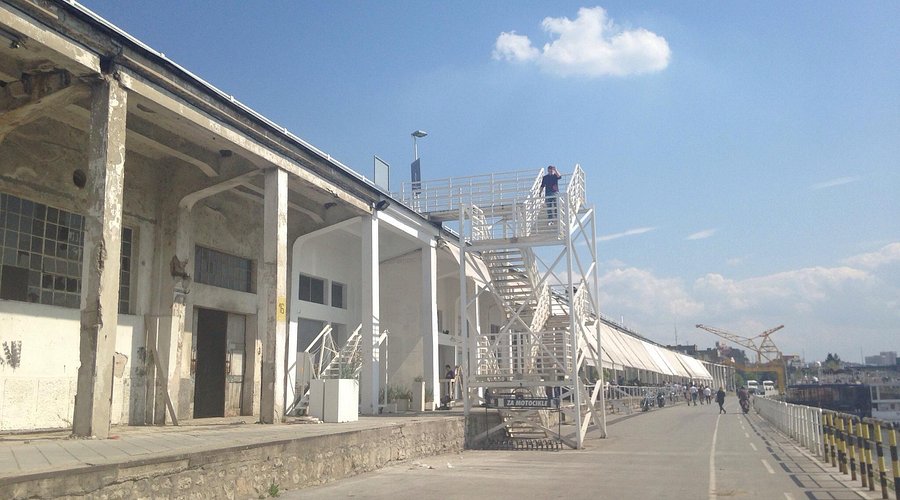
Beton Hala — literally Concrete Hall — is a 1930s customs warehouse converted into Belgrade's best-known riverside dining row. It sits at Karadjordjeva 2–4, on the Sava river edge of the Savamala district, directly under the cliff that carries the Stari Grad old town. The arcade runs roughly 200 metres along the water just south of Brankov Most and faces the Belgrade Pier.
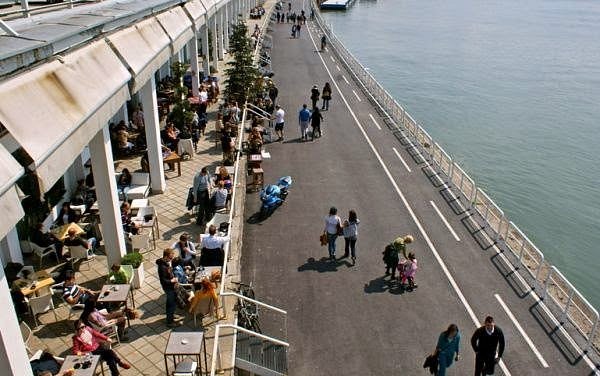
The position is what defines the experience: no street separates the terraces from the Sava. Cargo barges pass at table height, the New Belgrade skyline rises directly across the water, and the river breeze does most of the cooling work on summer evenings. From Republic Square the walk down through Knez Mihailova and Brankova is ten minutes; from Kalemegdan add another ten.
What makes Beton Hala specific to Belgrade — and not interchangeable with any other European riverside — is the way six restaurants share one long terrace directly above the water. The kitchens cover modern Balkan, Italian, Latin American, Japanese, and Mexican — a deliberately international line-up because Beton Hala is where Belgraders take visiting friends rather than where locals eat every Tuesday.
Prices sit at the top end for Belgrade — main courses 1,500–3,500 RSD (roughly €13–€30) — but well below comparable riverside dining in Vienna or Budapest. The set menu at Ambar is the best entry point; the river view is free at every table. Each of the six kitchens has its own character — see the restaurant grid below for the order they appear walking from Brankov Most toward the Belgrade Pier.
On foot — Beton Hala is a ten-minute walk downhill from Republic Square (Trg Republike). Walk down Knez Mihailova, cross Pariska, descend the steps or ramp at Kralja Petra, and continue down Brankova to the riverfront. From Stari Grad the route is roughly fifteen minutes; from Kalemegdan add another ten.
Tram — lines 2, 7, 9, and 13 stop at Zeleni Venac, a five-minute walk uphill. Tram 7 also stops at Brankov Most, four minutes' walk along the river.
Bus — lines 31, 53, 56, and 58 stop at Brankov Most. The eA1 airport bus passes Slavija; from there switch to tram 9 or take a taxi.
Taxi or rideshare — Pink Taxi, Lux Taxi, and CarGo all run to Karadjordjeva 2–4. From Republic Square expect 350–500 RSD; from Nikola Tesla airport 1,800–2,200 RSD on the official fixed tariff.
Parking — limited public parking on Karadjordjeva itself; the underground garage at Obilićev Venac (a ten-minute walk) is the most reliable option in the evening.
Dress is smart-casual at all six restaurants — no jacket required, but the Belgrade dinner crowd leans well-dressed and you will notice if you arrive in shorts on a Saturday evening. The arcade is fully step-free with level access from Karadjordjeva.
Noise rises through the evening — peaceful at 18:00, lively at 21:00, Latin-music-loud at Toro and Frida after 23:00. Families with young children are welcome at all six and have a clear advantage at early sittings before 19:00. Most menus are in Serbian and English; staff at every venue speak working English.
Card payment is universal — Visa, Mastercard, and contactless are accepted everywhere. RSD is the standard but EUR is sometimes accepted at unfavourable rates. A 10% service tip is customary on the final bill.
The Sava embankment around Beton Hala was Belgrade's main river freight zone from the late nineteenth century. The current concrete arcade was built in 1937 to a design in the same Yugoslav-modernist register as the nearby Geozavod building; it operated as a customs and goods warehouse for the river port for the next five decades.
After Yugoslav dissolution the structure stood semi-derelict through the 1990s and early 2000s — used informally for storage, occasionally for art events. The transformation began in 2010 when the river-facing panels were opened and the first restaurants moved in. The current six-restaurant cluster stabilised around 2015 and has been the city's signature river-dining address ever since.
Savamala is the steep transitional strip between the old town's cliff and the Sava river. The district has two distinct halves: upper Savamala, with the bars, galleries, and music venues around Karadjordjeva, and lower Savamala, which is Beton Hala itself plus the Belgrade Pier promenade.
A natural evening combines both: drinks or a gallery stop in upper Savamala from 18:00, then walk five minutes downhill for dinner on the Beton Hala terrace. After dinner the riverside walk continues south to the Belgrade Pier (10 minutes) or north under Brankov Most toward Kalemegdan (20 minutes).
Late afternoon into evening, when the light hits the New Belgrade waterfront across the Sava.
Evenings from about 19:30 in summer and 20:30 in winter, once the terraces fill and the lights come on.
Beton Hala is the only place in central Belgrade where you can sit at a restaurant table with nothing between you and the river. Skadarlija has the bohemian streets, Kalemegdan has the panorama from above, but Beton Hala has the water at terrace level. It is what most Belgraders mean when they say dinner by the river.
Beton Hala was built in 1937 as part of Belgrade's Savsko pristanište river freight terminal, in the same Yugoslav-modernist register as the nearby Geozavod building. It served as a customs and goods warehouse for fifty years, then stood semi-derelict through the 1990s. The opening of the river-side panels and the conversion of the bays into restaurants began in 2010.
Friday and Saturday from 21:00 onward is the busiest stretch. Book Ambar, Iguana, and Sakura at least 24 hours ahead on those nights. Comunale and Cantina de Frida usually accept walk-ins. Sunday lunch is the relaxed Belgrade-family favourite.
From Republic Square the route is exactly ten minutes downhill: Knez Mihailova → Pariska → ramp at Kralja Petra → Brankova → Karadjordjeva. From Brankov Most tram stop it is four minutes along the river.
The arcade is open every month. November–March is quieter and indoor-only (side panels close and heating takes over), but the cuisine is identical and prices unchanged.
All six restaurants accept Visa, Mastercard, and contactless. Tip 10% on the final bill. The arcade is step-free; restrooms are inside each venue. Mobile reception is strong on the terrace; eduroam Wi-Fi works at most of the kitchens.
Beton Hala sits at the river edge of Savamala. After dinner, the bars and galleries of inner Savamala — Mikser House, KC Grad, the Spanish House — are five minutes uphill. The district is the most cohesive walk-and-eat area in Belgrade outside the old town itself.
From the south end of Beton Hala the riverside path runs ten minutes to the Belgrade Pier — the city's main floating-restaurant cluster (splavovi). Heading north under Brankov Most reaches Kalemegdan park in twenty minutes, with the fortress walls lit at night.
Karadjordjeva 2–4, on the Sava riverfront in Savamala, central Belgrade. The arcade runs along the water just south of Brankov Most and immediately in front of the Belgrade Pier.
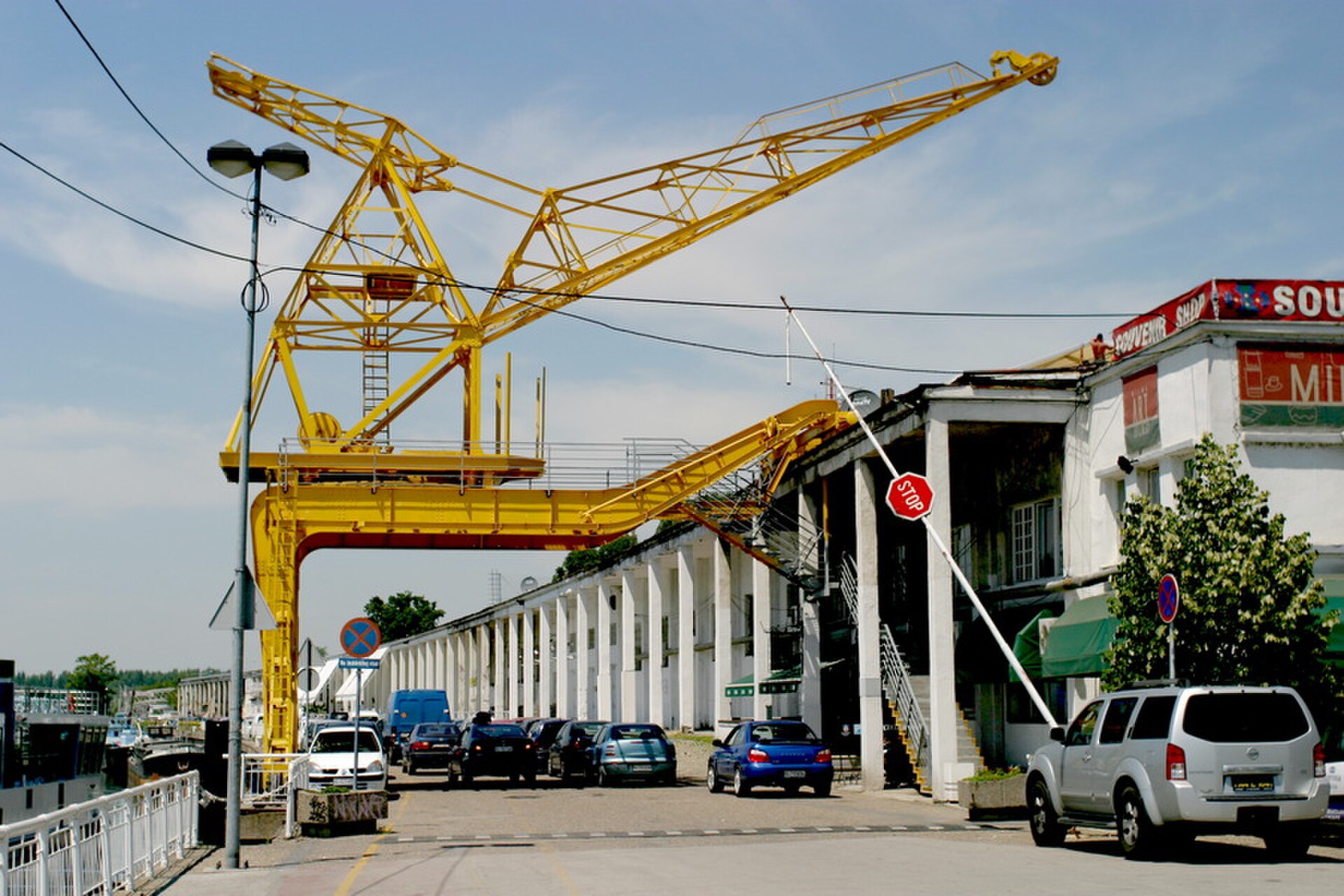
Yellow dock crane
A yellow dock crane towers over parked cars and waterfront warehouses at Beton Hala in Belgrade
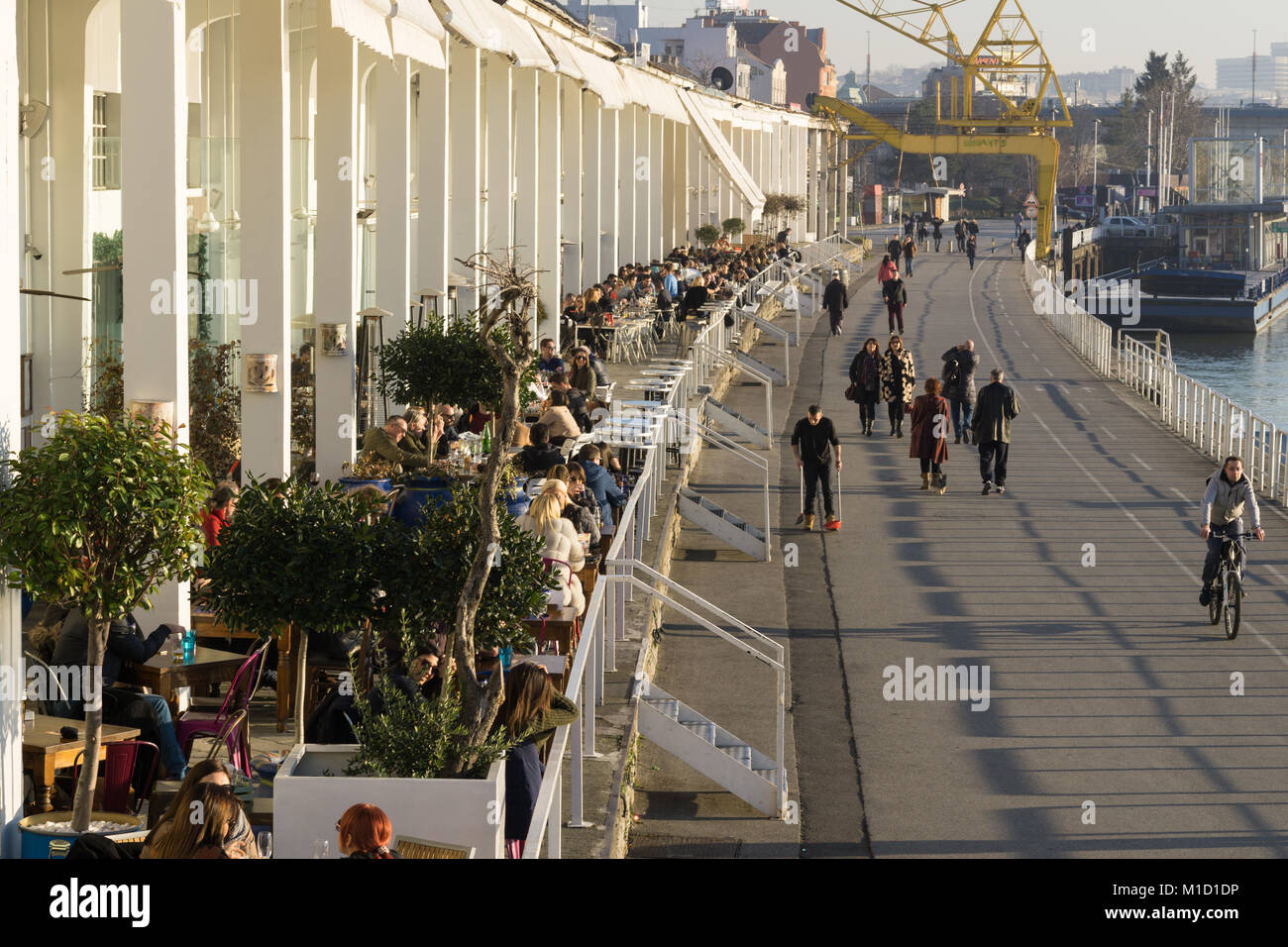
Beton Hala Promenade
Outdoor cafes line Beton Hala in Belgrade, beside a riverside walkway with pedestrians, cyclists, and yellow cranes in view
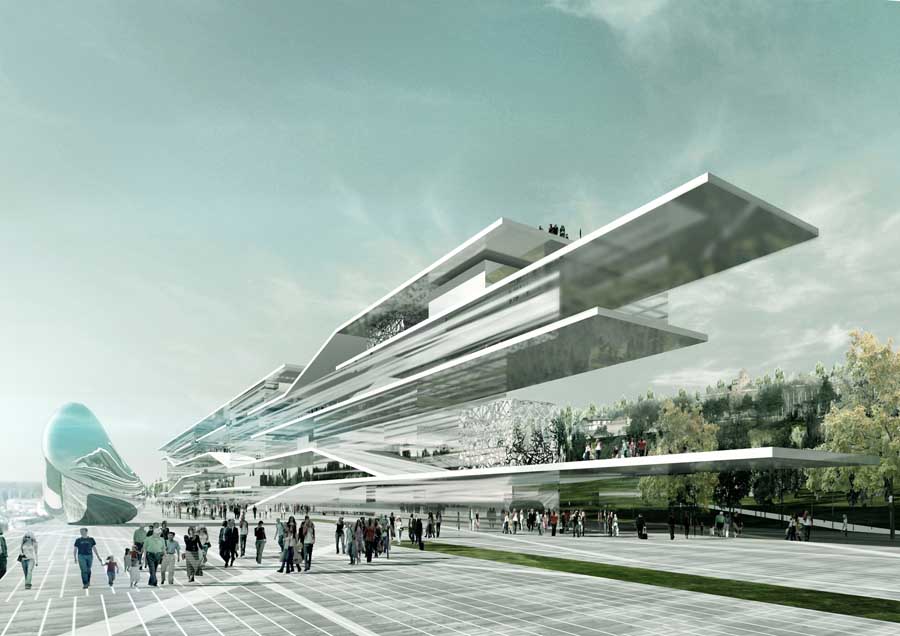
Futuristic riverside complex
A futuristic architectural rendering shows a layered riverside complex at Beton Hala in Belgrade with people walking below
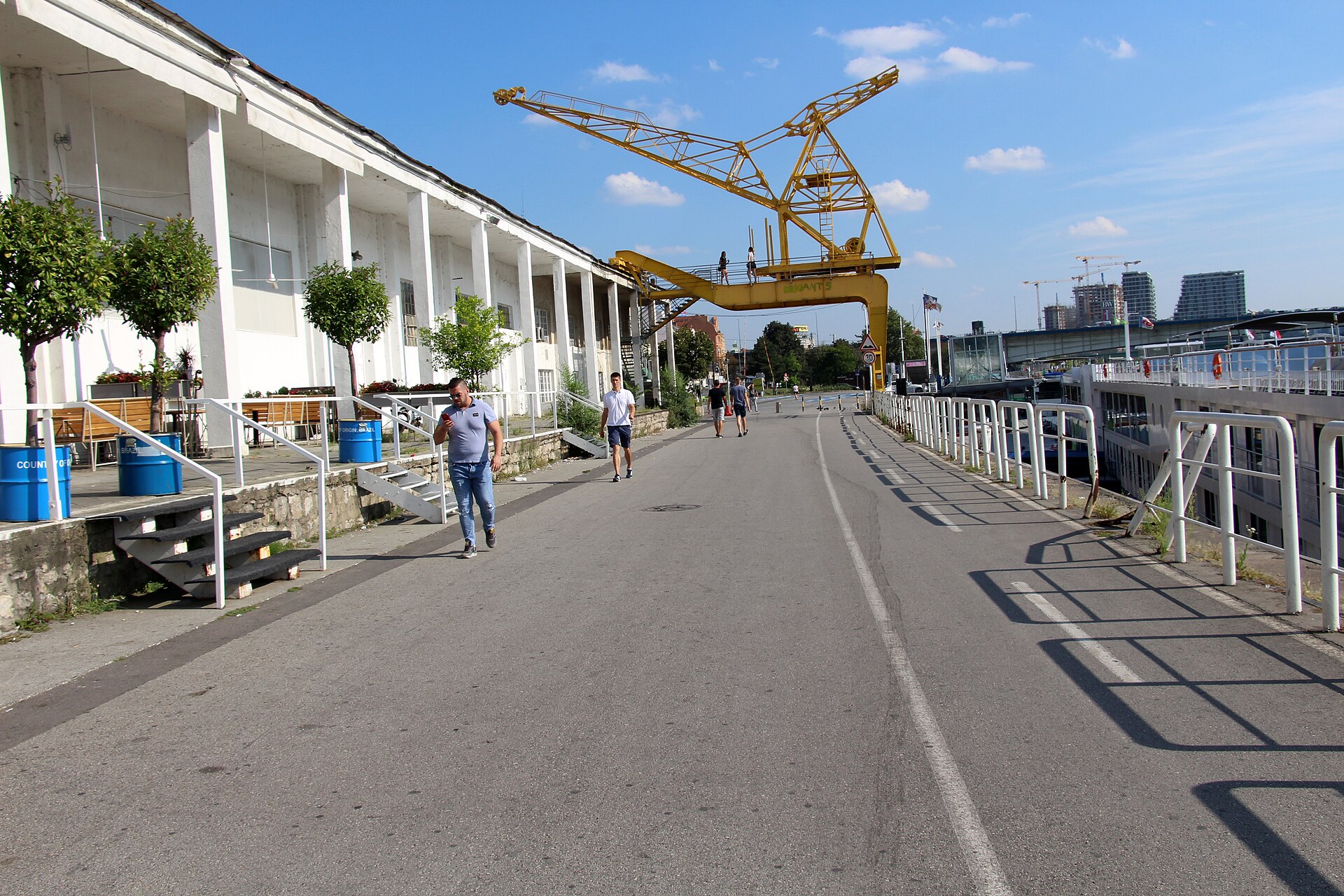
Beton Hala Promenade
A waterfront walkway with a yellow crane and white colonnade at Beton Hala in Belgrade
Six addresses share the riverside arcade at Karadjordjeva 2–4. They are listed in the order you encounter them walking from the Brankov Most end toward the Belgrade Pier.
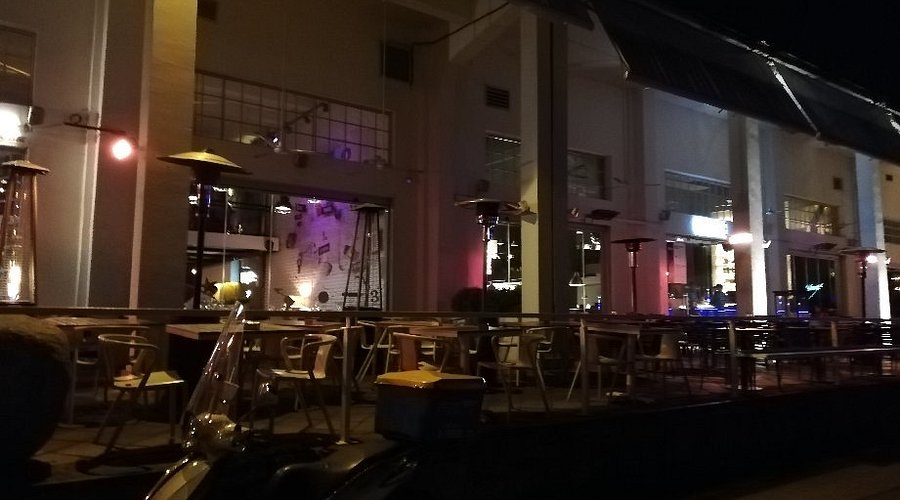
Ambar
Modern Balkan small plates, unlimited tasting menu
Seventy-plus Balkan-inspired small plates served as an unlimited set menu — kajmak with truffles, slow-cooked new ribs, ćevapi from the Josper grill. The room is large and the river terrace is the best of the six. Reservation strongly recommended on weekend evenings.
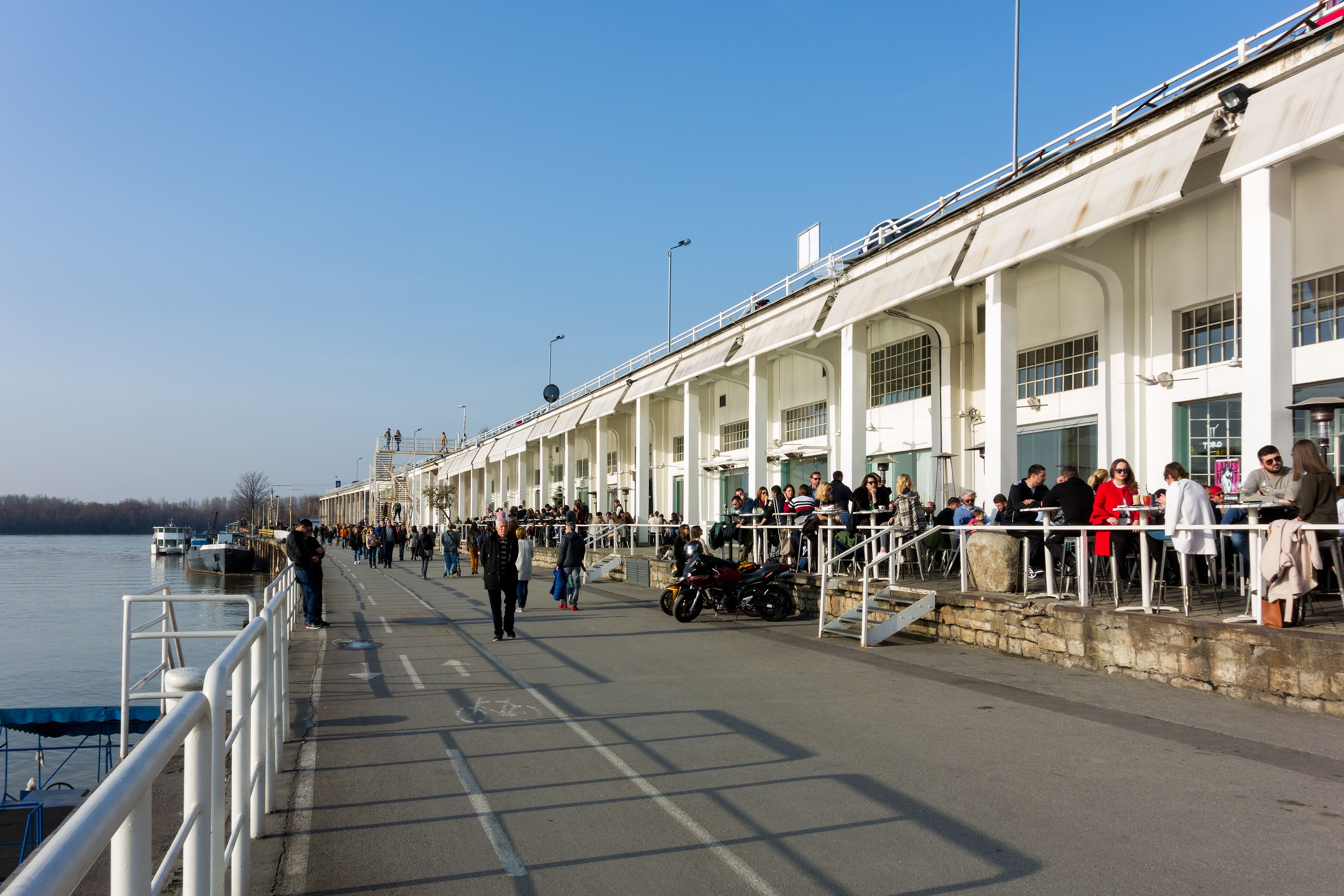
Iguana
Long-standing Italian-Mediterranean kitchen
Open since the arcade's first wave in the early 2010s. Italian and Mediterranean menu — pasta, grilled fish, risotto — with a polished river-facing terrace. Among the most reliable kitchens in the row.
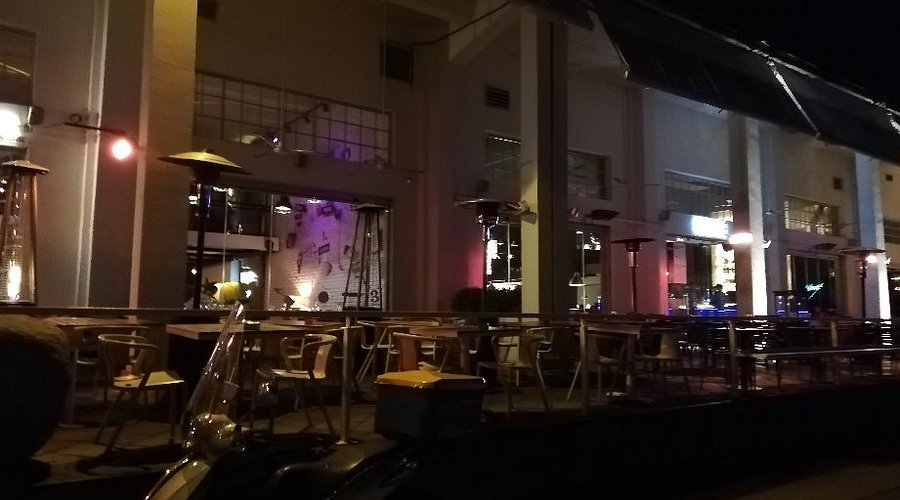
Comunale
Italian — pizza, pasta, antipasti
The straightforward Italian option in the row: wood-fired pizza, fresh pasta, and a long antipasti list. Lighter prices than its neighbours and the easiest choice for a relaxed lunch with the river in view.
Toro Latin Gastrobar
Latin American small plates and cocktails
Sister concept to the Washington DC original — Peruvian ceviche, anticuchos, Argentine chimichurri steaks, and a serious cocktail bar. Music gets louder after 23:00. Strong choice for groups.
Cantina de Frida
Mexican — tacos, mezcal, late kitchen
Mexican kitchen serving tacos, fajitas, and a long mezcal list. Open the latest of the six; the terrace becomes a bar after 23:00 in summer. Usually accepts walk-ins.
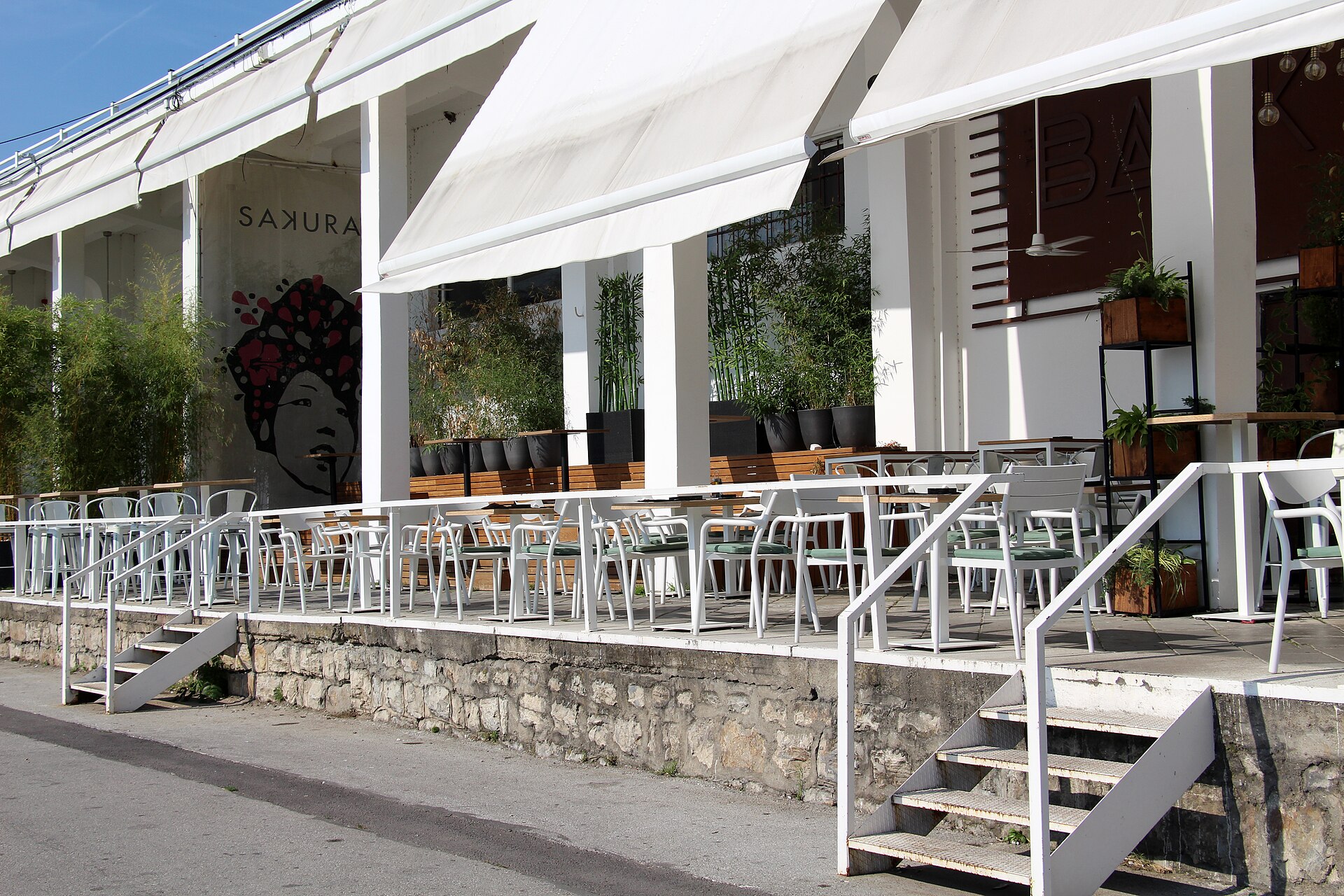
Sakura
Japanese — sushi, sashimi, ramen
The Japanese kitchen in the row — sushi rolls, sashimi platters, ramen, and a compact sake list. Smaller terrace than its neighbours; book a window table for the river view.
Within a 10–20 minute walk of Beton Hala — sequenced so you can string them into a single evening or a half-day combining Stari Grad and the Sava riverfront.
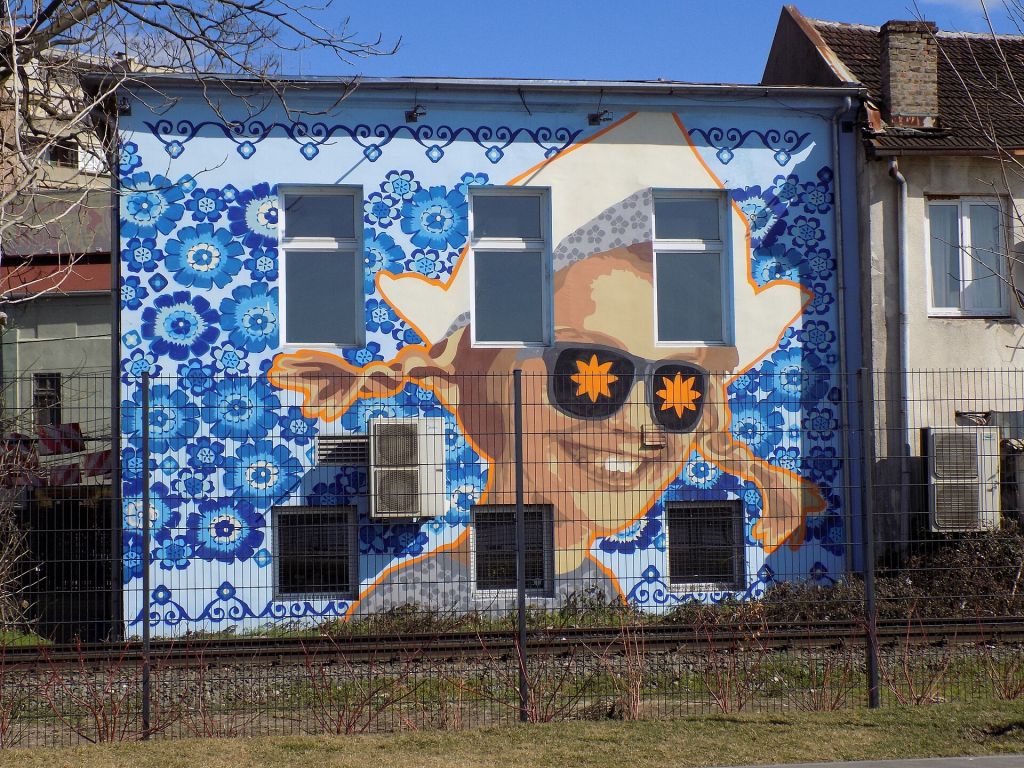
Savamala district
Galleries, bars, and the upper arcade
Five minutes uphill from Beton Hala. Mikser House, KC Grad, the Spanish House, and a string of independent bars line Karadjordjeva and Braće Krsmanović. The most cohesive walk-and-eat area in Belgrade outside the old town.
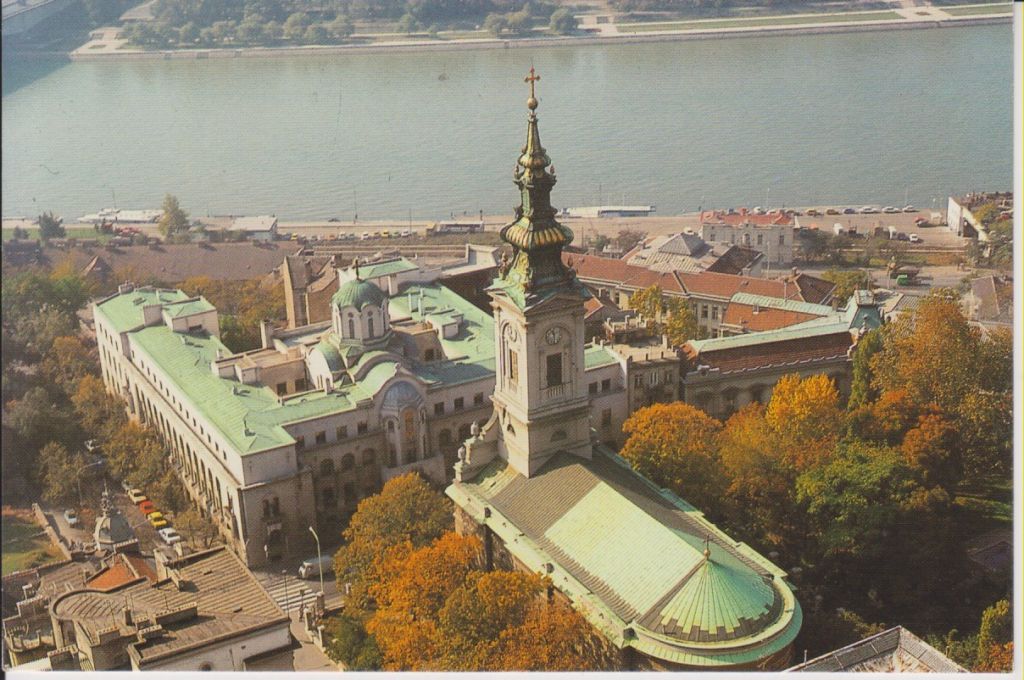
Trg Republike (Republic Square)
The natural starting point of the walk
Ten minutes uphill from Beton Hala via Knez Mihailova. The square anchors the National Museum, the National Theatre, and the start of the pedestrian street. The simplest meeting point for a Beton Hala evening.
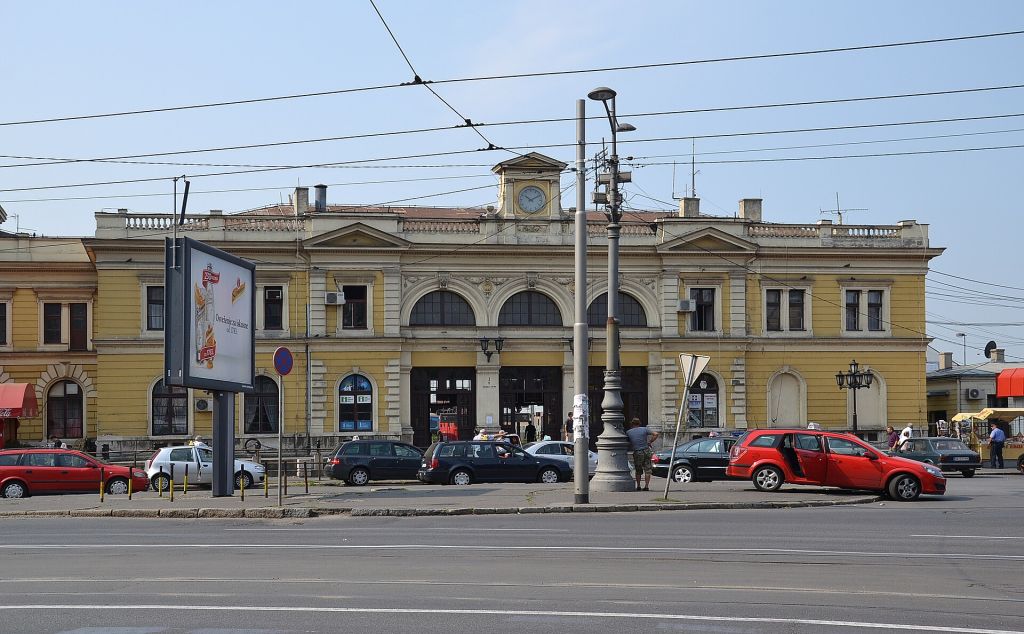
Kalemegdan Fortress
Twenty-minute riverside walk north
Walk north under Brankov Most along the Sava bank for twenty minutes to reach Belgrade's signature fortress and the confluence of the Sava and the Danube. Best at sunset; pair with dinner at Beton Hala on the return walk.
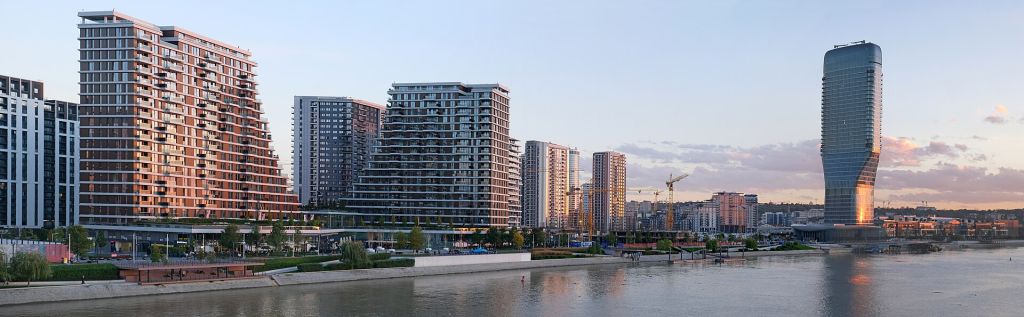
Belgrade Pier (splavovi)
Ten-minute walk south along the river
Belgrade's main floating-restaurant cluster begins ten minutes south of Beton Hala. Where Beton Hala is smart-casual riverside dining, the splavovi are the city's late-night river party — useful as a contrast or a continuation.
Ambar — the unlimited Balkan tasting menu is the most distinctive experience and gives the best sense of why Beton Hala exists. Book a riverside table at least a day ahead.
On Friday and Saturday evenings, yes — Ambar, Iguana, and Sakura fill from 20:00. Comunale and Cantina de Frida usually accept walk-ins; lunch any day is bookable on the spot.
Top of the local range. Mains run 1,500–3,500 RSD (€13–€30) and a full dinner with wine sits around €40–€60 per person. Roughly twice the price of a kafana meal in Skadarlija, but the riverside terraces are unique to this address.
Lunch is the under-used time — quieter terraces, identical menus, full river view. The arcade itself is open and walkable any time of day for a coffee and a look at the Sava.
It sits at the river edge of the Savamala district. After dinner, the bars and galleries of inner Savamala — Mikser House, KC Grad, the Spanish House — are five minutes uphill.
Stay connected in Serbia