
Plan my Serbia route

Belgrade museum complex

Museum of Yugoslavia, Belgrade | Tito Memorial Complex & Yugoslav History

A museum complex in Dedinje built around Josip Broz Tito's grave, best known for the House of Flowers, the Old Museum and the 25 May Museum.

Belgrade museum visit Tito memorial complex Practical transport Belgrade museums guide
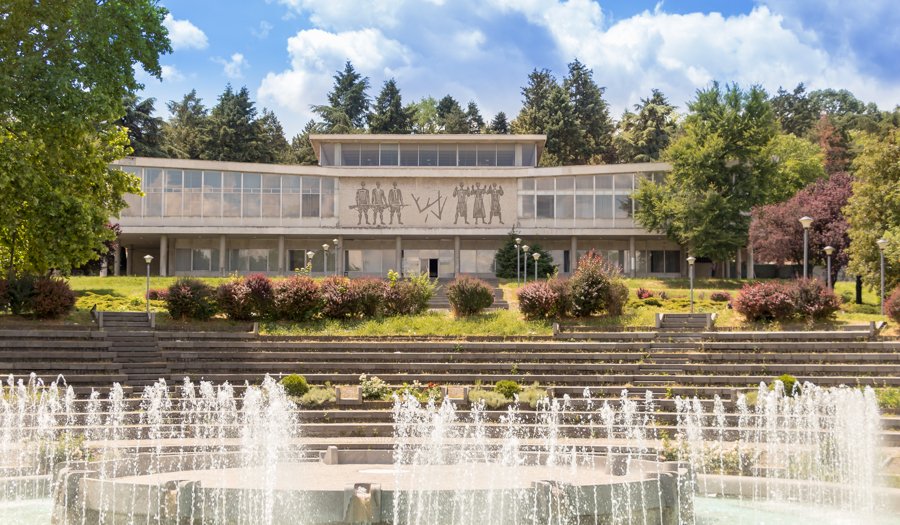
Three connected museum spaces in one complex The site brings together the House of Flowers, the Old Museum and the 25 May Museum, with Tito's grave at the center of the visit.
House of Flowers
Old Museum
25 May Museum
Memorial park

Museum of Yugoslavia at a glance

The Museum of Yugoslavia in Belgrade is a museum complex in Dedinje built around the tomb of Josip Broz Tito. Visitors usually come for the memorial setting, the preserved interiors, and the historical display of Yugoslav-era objects, gifts and documents. It is a straightforward half-day stop if you are already exploring Vračar, Dedinje or central Belgrade.

Museum of Yugoslavia

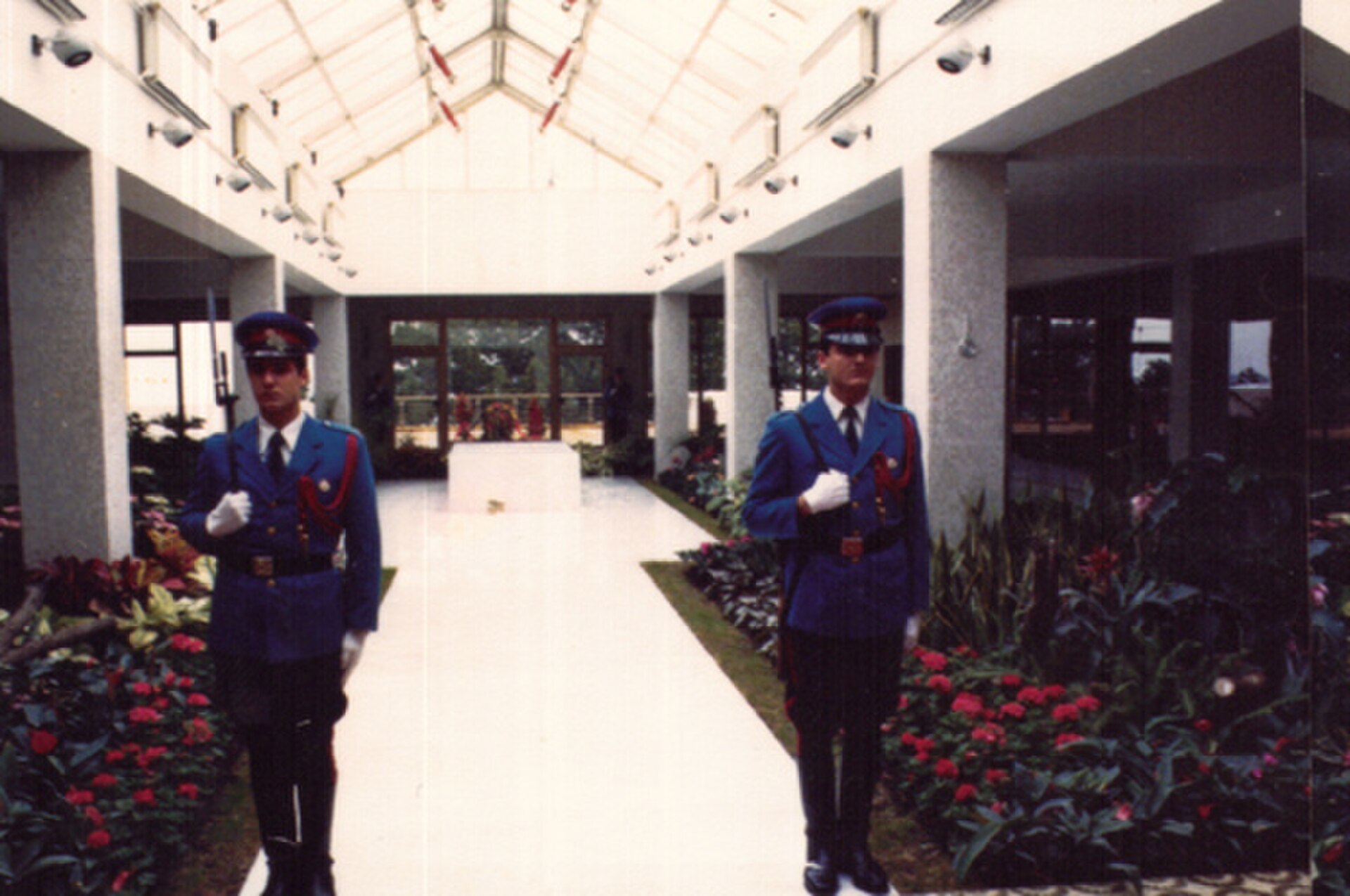
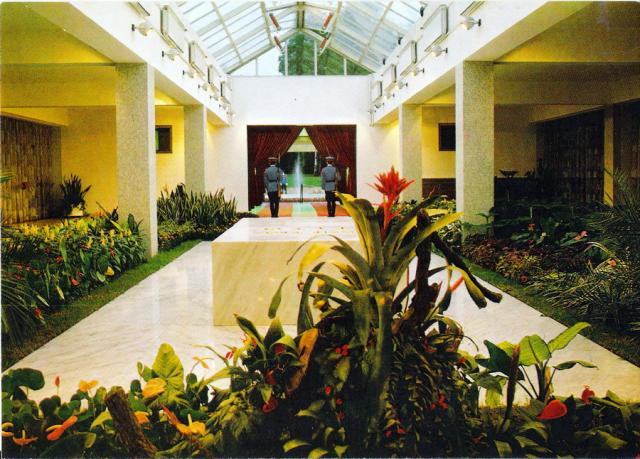
The Museum of Yugoslavia is a memorial and history complex in Belgrade's Dedinje district, formed around Josip Broz Tito's burial place and several connected exhibition spaces. The core visit is the House of Flowers, the former winter garden that became Tito's mausoleum, together with the Old Museum and the 25 May Museum. The setting is quiet, tree-lined and more residential than central Belgrade. It is best known for the House of Flowers and for the way the complex presents the political and social history of the socialist period without the noise of the city center.

If you are planning a wider city stay, the museum fits naturally into a day that also covers Belgrade Travel Guide and the nearby Vračar-Dedinje museum belt.

The Yugoslav memorial complex at Museum of Yugoslavia

What makes this place specific is that it is not a single museum hall. It is a memorial complex where architecture, objects and burial space work together. The House of Flowers is the emotional center, but the museum visit also matters because of the archives, state gifts, photographs and the way the exhibitions frame the Yugoslav period in everyday terms. Unlike a conventional history museum, the complex lets you move between a grave site, a preserved interior and a broader collection of material culture. That combination is why many visitors leave with a clearer sense of how the former state is remembered in Serbia today.

The atmosphere is restrained rather than dramatic. People usually move slowly, read labels, and spend time in the garden and covered spaces rather than rushing through. For travelers interested in 20th-century Balkan history, it is one of the most direct places in Belgrade to understand the Yugoslav legacy.

How to get to Museum of Yugoslavia

From Slavija Square, it is usually a 25-30 minute walk depending on your route, mainly along Bulevar oslobođenja toward Dedinje. By public transport, the most practical approach is to use buses that serve the Dedinje corridor and get off near the museum area; line numbers and stops can change, so check the city timetable before departure. For taxi, plan a short central-Belgrade fare rather than a long-city ride, especially from Slavija or Vračar.

If you are coming by car, parking is easier than in the center but still limited near the complex. Arrive early on weekends or during school-group hours. For general city movement, the route planning advice in Getting Around Serbia is useful when you are combining museum visits with other parts of Belgrade.

Best time to visit Museum of Yugoslavia

Go earlier in the day if you want a quieter visit and easier parking. Weekdays are better than Sundays if you prefer reading the displays without groups around you. In summer, the garden and outdoor approach feel more comfortable before the afternoon heat. In winter, the indoor spaces matter more, so allow enough time for the House of Flowers and the exhibition buildings rather than treating it as a quick stop.

Reservations are usually not needed for an ordinary visit, but group visits and guided tours are worth checking in advance if you want a deeper historical context.

What to expect at Museum of Yugoslavia

The complex is calm, formal and museum-like rather than lively. Dress code is casual, but respectful clothing works better because one part of the visit is a memorial site. Accessibility is mixed: the grounds are manageable, but some older museum spaces can be less convenient than modern buildings. Noise levels are usually low, though school groups can make the exhibition rooms busier.

Families can visit, but the material is mostly historical and may be more interesting for older children or teenagers. Bring water in warm months, comfortable walking shoes, and a little time for reading labels. If you want more background before you arrive, the broader context in the Museums in Belgrade guide helps place the complex within the city's museum scene.

Where Museum of Yugoslavia is

Museum of Yugoslavia sits in the Dedinje district of Belgrade, south of the city center.

Best museum spaces in Museum of Yugoslavia

These are the parts of the complex most visitors focus on first.

House of Flowers — Museum of Yugoslavia, Belgrade

House of Flowers

Tito's mausoleum and the main reason most visitors come.

Former winter garden with the grave of Josip Broz Tito and the most visited memorial space in the complex.

  • Memorial space, Tito grave, Garden setting
Old Museum — Museum of Yugoslavia, Belgrade

Old Museum

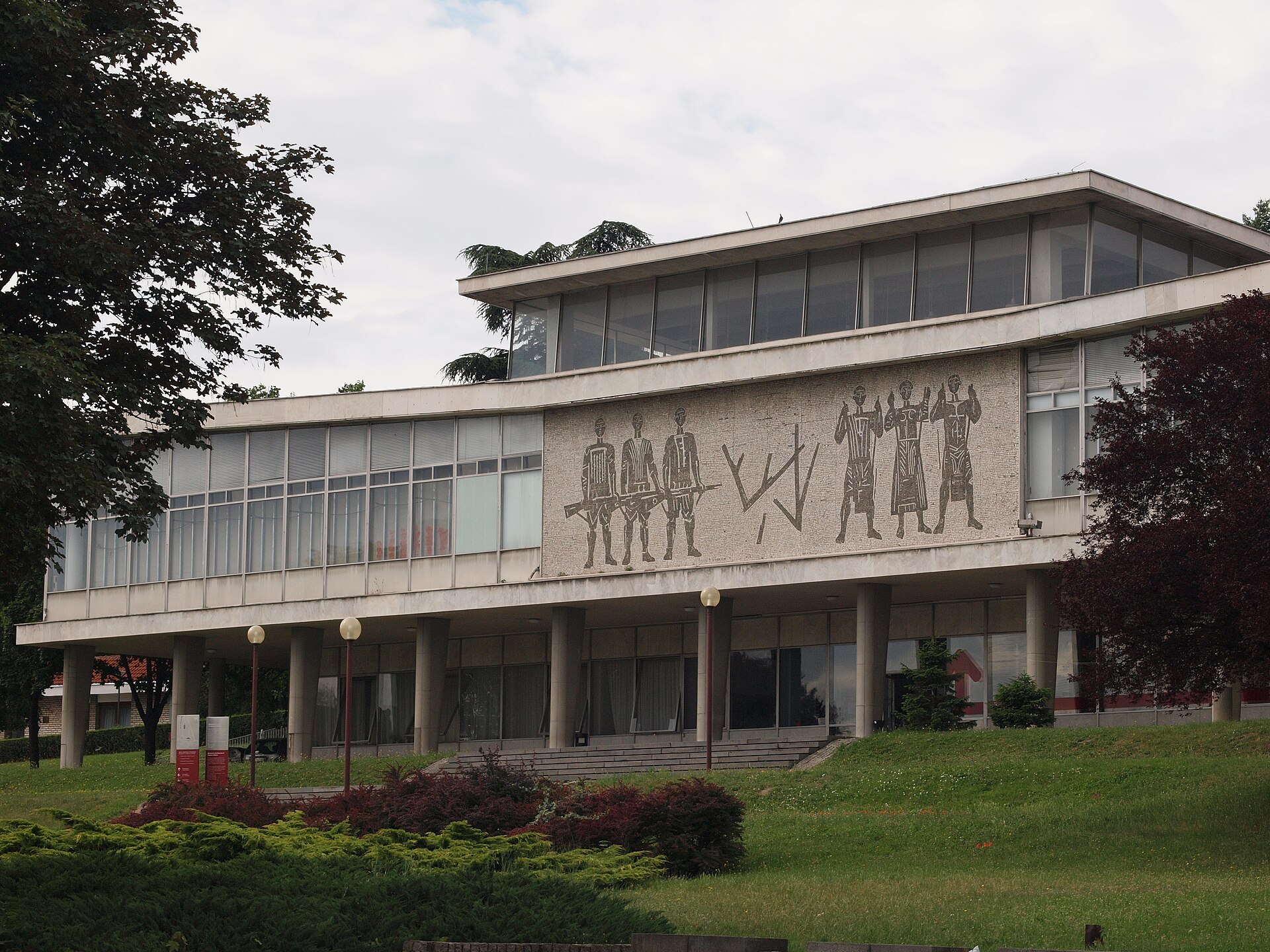
The historical exhibition building for the Yugoslav collection.

A compact museum space presenting objects, photographs and documents from the Yugoslav period.

  • Historical displays, Archive material, Indoor visit
25 May Museum — Museum of Yugoslavia, Belgrade

25 May Museum

The exhibition building associated with state visits and official gifts.

Known for collections tied to diplomacy, protocol and the ceremonial life of the former federation.

  • State gifts, Official history, Collection rooms
Museum garden and memorial grounds — Museum of Yugoslavia, Belgrade

Museum garden and memorial grounds

The outdoor space that connects the buildings.

A quiet walk between the exhibitions, useful for understanding the scale of the complex.

  • Walking path, Shade trees, Memorial setting

Quick facts about Museum of Yugoslavia

Address

Botićeva 6, Belgrade

Closest landmark

Dedinje residential district

Speciality

Yugoslav memorial complex and Tito mausoleum

Price band

Best time

Weekday mornings

Reservation required

Usually no

Common questions about Museum of Yugoslavia

What is Museum of Yugoslavia in Belgrade?

It is a museum complex in Dedinje centered on the grave of Josip Broz Tito, with the House of Flowers, the Old Museum and the 25 May Museum as the main parts of the visit.

How long do I need at Museum of Yugoslavia?

Most first-time visitors spend 1.5 to 3 hours, depending on how much time they spend reading the exhibitions and walking the memorial grounds.

Is Museum of Yugoslavia worth visiting if I only have one day in Belgrade?

Yes, if you are interested in 20th-century history or want a memorial site outside the busiest center. It works best when paired with other Vračar or Dedinje stops.

Can I visit Museum of Yugoslavia with children?

Yes, but the content is historical and reflective rather than interactive. Older children and teenagers usually get more from it than younger kids.

Do I need to book Museum of Yugoslavia in advance?

Usually not for a standard visit, though guided tours or group visits are better checked ahead of time.

Plan a Belgrade museum day

If you are building a wider museum route, combine the Museum of Yugoslavia with the city-center institutions in the Museums in Belgrade guide and keep travel times short by grouping nearby districts.

Explore Belgrade museums
Travel essentials

Stay connected in Serbia