
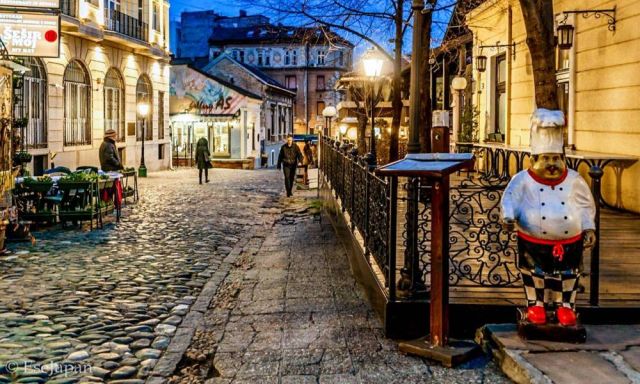
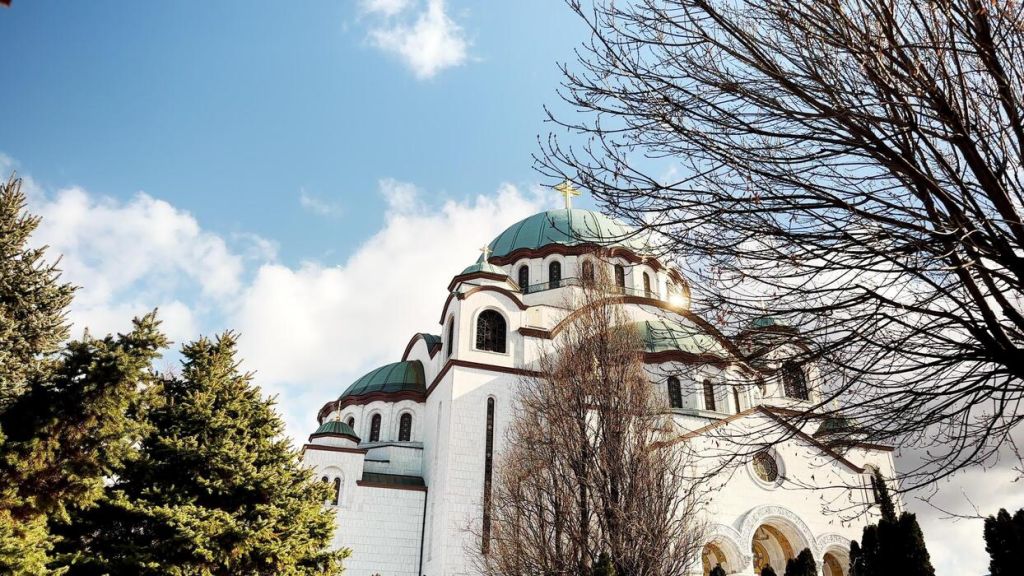
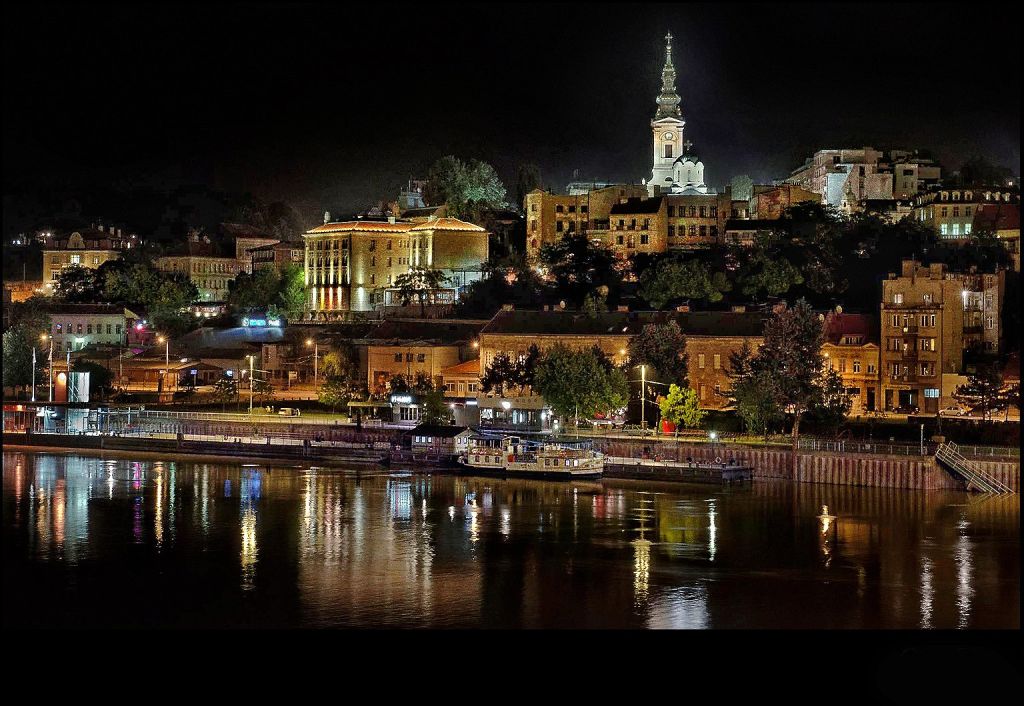
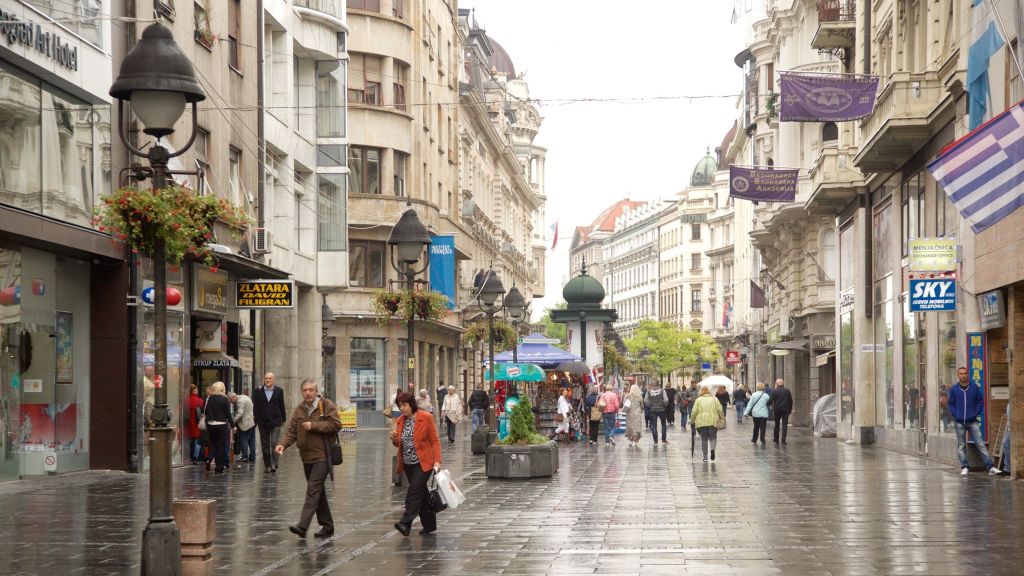
Central Vračar, around the Temple of Saint Sava area, Belgrade
Strogi Centar is the central, everyday part of Vračar in Belgrade, set around the Temple of Saint Sava and the streets that feed into it. It is useful for travelers who want a compact neighborhood base with cafés, short urban walks, and easy access to one of the city’s most important landmarks.
The area is not a separate tourist quarter in the classic sense. It is a lived-in city zone where people move between bakeries, stops, side streets, and the cathedral plateau. For visitors, the appeal is the mix of residential calm and easy access to the broader Vračar area.
Strogi Centar is the inner core of Vračar, one of Belgrade’s most central and densely used neighborhoods. The area sits close to the Temple of Saint Sava and the streets that connect the plateau with the rest of the city. It has a 20th-century urban feel: apartment blocks, small businesses, cafés, and steady local traffic rather than a single monument-driven tourist strip.
The place is best known for being part of daily Belgrade life near the city’s best-known Orthodox landmark. The vibe is practical and local, with enough foot traffic to feel active but not staged for visitors.
From the Temple of Saint Sava plateau, most of Strogi Centar is a 5 to 15 minute walk, depending on the street corner you are targeting. From Slavija Square, it is usually around 10 to 20 minutes on foot. The area is compact, so walking is the most practical way to move between addresses.
Belgrade’s frequent transit network serves the wider Vračar area, and the usual approach is to get off near Slavija Square or another nearby central stop and continue on foot. Taxis from the city center are short-distance and usually modest in cost, but fares vary with traffic and route. Street parking in central Vračar can be limited, so do not rely on arriving by car at peak times.
Late morning and late afternoon work best if you want a calm neighborhood walk and decent café seating. Early evenings are useful for an aperitif-style stop, especially if you want the area to feel active without being crowded. Weekdays are usually easier than weekends for sitting down quickly.
Spring and early autumn are the most comfortable seasons for walking in central Vračar. If you want to visit the Temple of Saint Sava alongside Strogi Centar, avoid the hottest part of the day in summer and allow extra time for church and crypt visits, since schedules can change.
Expect a city neighborhood rather than a polished tourist precinct. The atmosphere is residential and practical, with some local buzz around cafés and main routes. Dress code is casual, and there is no need for special clothing unless you are entering a church or cathedral area, where modest, respectful dress is a better choice.
Accessibility varies by building and sidewalk quality. Some crossings and older sidewalks can be uneven. Families can walk here easily, but this is more of a stop for short urban wandering than for a long children’s activity. Bring comfortable shoes, water in warm months, and small cash or card for cafés and bakeries.
Central Vračar, around the Temple of Saint Sava area, Belgrade
Temple of Saint Sava
Creative inner-city streets and café stops
Mostly free to walk; cafés vary
Late morning, late afternoon, weekday evenings
No for the neighborhood; only for specific cafés or events
Use walking for the last leg. If you are coming from farther away, plan your trip around Slavija Square or the Temple of Saint Sava area, then continue on foot through the neighborhood streets.
For visitors staying elsewhere in Belgrade, the simplest approach is often a taxi or ride-hailing drop-off close to the plateau, then a short walk into the exact part of Strogi Centar you need.
Not really. It is a central part of Vračar with a local urban feel, used more as a living neighborhood and walking zone than as a standalone attraction.
The Temple of Saint Sava area is the obvious pairing. If you want a longer city walk, continue toward the wider Vračar streets or the city center.
No. Most visitors only need a short stop or a walk of one to two hours unless they are also visiting the cathedral and crypt.
Yes. It is close to the city center and works well as a walk from Slavija Square or as a short taxi ride.
Central Vračar, Belgrade, near the Temple of Saint Sava plateau.
These nearby stops are the most useful references for a first visit. They are the kinds of places people combine with a walk through central Vračar and the Saint Sava area.
Cathedral of Saint Sava, Belgrade
The main landmark beside Strogi Centar and the clearest orientation point for the area.
A major Orthodox cathedral on the Vračar plateau, with the crypt and mosaics drawing most visitors.
Kathedrale des hl. Sava, Belgrade
A detailed visitor page for the Saint Sava complex and its interior spaces.
Useful for planning time around the cathedral, crypt, and mosaic visit in the immediate Strogi Centar area.
Vračar, Belgrade Travel Guide
The broader neighborhood frame for Strogi Centar and its streets.
Good for understanding how Strogi Centar fits into the residential and cultural structure of Vračar.
Belgrade Nightlife
Useful for extending an evening after a quiet stop in Strogi Centar.
Covers late-night areas, kafanas, and river clubs across the city when you want to continue after dinner or drinks.
Knez Mihailova Street, Belgrade
The most direct city-center pedestrian contrast to Strogi Centar’s residential feel.
A central walking boulevard for shopping and street life, reachable as part of a longer city-center outing.