Museum of Yugoslavia / Topčider area, Belgrade

Tito's Blue Train is a preserved Yugoslav presidential train linked to Josip Broz Tito, best visited by travelers who want a quick rail-history stop in Belgrade and a clearer sense of how the former state presented power, travel, and protocol.
Tito's Blue Train is a preserved luxury presidential train from the Yugoslav period, remembered as the rail set used by Josip Broz Tito for official travel and state protocol. For visitors, it is less about speed or modern rail service and more about the material culture of mid-20th-century Yugoslavia. In Belgrade, it fits naturally into a day of political history sites and museum visits, especially if you are already in Vračar and moving between the city's memorial and museum spaces.
The name usually refers to the train's exterior finish and the image of state travel it carried. What makes it interesting today is the contrast between its formal interior style and the ordinary rail experience most travelers know. It is a short stop, but it gives context to Tito's public image, the era's design choices, and the way rail travel could function as state theater.
The specialty here is a preserved presidential train, not a regular railway museum hall. That matters because the experience centers on the train as an object of power and ceremony: polished interiors, private compartments, and the idea of sovereign movement across Yugoslavia. For international travelers, the value is in seeing how state travel was staged rather than in collecting train facts alone.
In Belgrade, the Blue Train is best understood alongside other Tito-era or Yugoslav history stops. Its appeal is strongest for people who want concrete, tangible history rather than a broad city overview. If you are building a culture day that also includes the Cathedral of Saint Sava or the museums around central Belgrade, this is the kind of site that adds a specific historical layer rather than a full half-day commitment.
From central Belgrade, the simplest approach is to reach the Museum of Yugoslavia / Topčider area and continue on foot. From the nearest major landmark around the museum district, expect a short local walk rather than a long city hike; the exact route depends on which building or memorial space you are visiting first. Public transport in this part of Belgrade is usually easiest by bus or tram to the wider Topčider–Savski Venac corridor, then a short walk.
If you arrive by taxi from the city center, the fare is usually moderate by Belgrade standards, but it is worth confirming the meter before starting. Parking is limited around museum and park areas, so drivers should plan extra time and avoid assuming easy curbside space. Because this is a history stop rather than a stand-alone transport terminal, check the final approach on arrival instead of relying on the train name alone.
Late morning and early afternoon are the easiest times for a visit because the surrounding museum area is more straightforward to combine with other stops. Weekdays are usually calmer than weekends. Spring and autumn are the best seasons for walking between the museum, park, and memorial spaces without dealing with Belgrade's strongest heat.
If you want the most efficient visit, pair the Blue Train with one other nearby cultural stop and avoid arriving near closing time. Reservations are not usually the issue for the train story itself; the key is checking current museum access if the train is being visited as part of a broader complex.
Expect a history-focused visit with limited physical space and a stronger emphasis on interpretation than on large exhibition halls. Dress code is casual, but comfortable shoes help if you are linking the stop with the surrounding museum grounds. The site is manageable for families, though younger children may prefer the park setting around it more than the historical context.
Accessibility depends on the exact display location and surrounding paths, so travelers using wheelchairs or strollers should check access in advance. Noise levels are usually low compared with central Belgrade streets. Bring water in warm months, and keep your visit compact if you are on a broader Vračar day that also includes the Temple of Saint Sava area.
Take a taxi or bus toward the Topčider / Museum of Yugoslavia area. Walking is possible in theory, but it is not the practical choice for most visitors.
Use a taxi or local bus connection and plan for a short transfer once you reach the museum district. This is the most sensible route if you are already sightseeing in Vračar.
The Blue Train is associated with the Museum of Yugoslavia / Topčider area in Belgrade. Use the museum district as your navigation point.
Use these stops to turn a Blue Train visit into a practical history circuit. The first three are the most useful anchors for understanding the train in Belgrade.
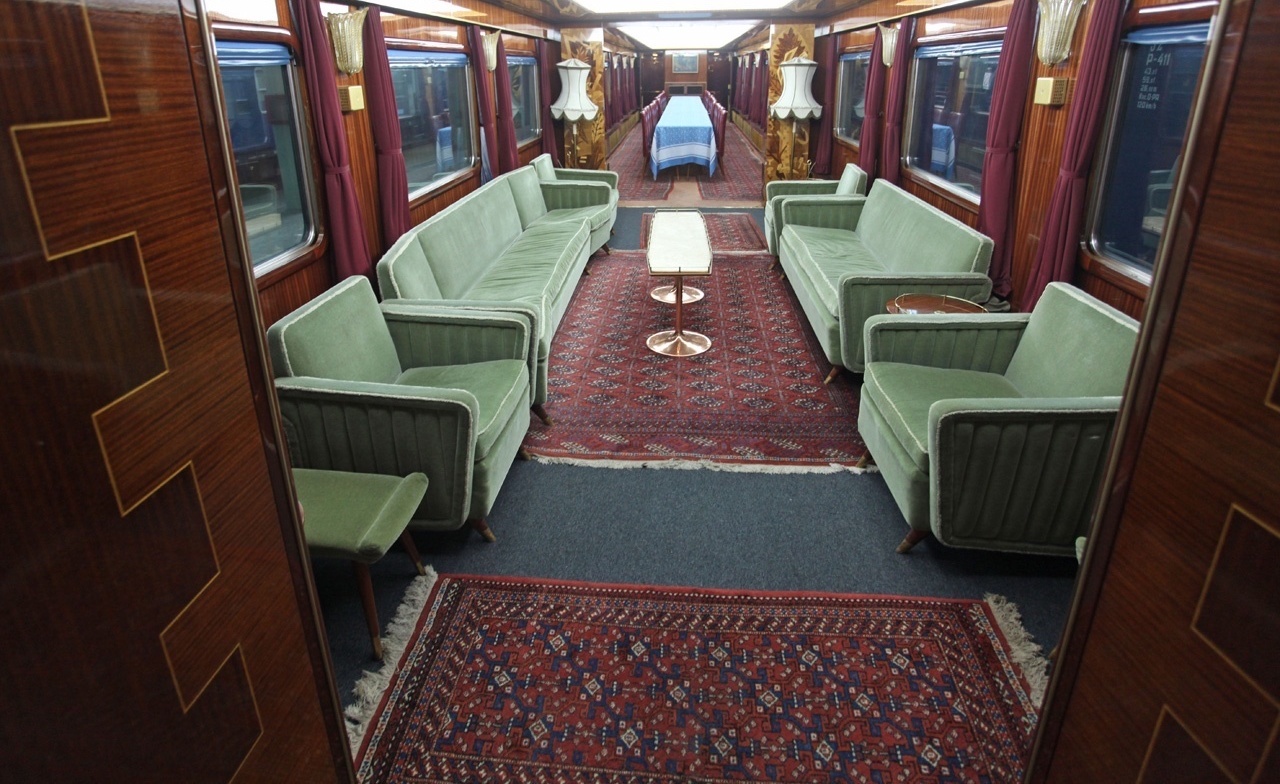
Museum of Yugoslavia
The main context for Tito-era history and the easiest place to place the Blue Train in a wider story about Yugoslavia.
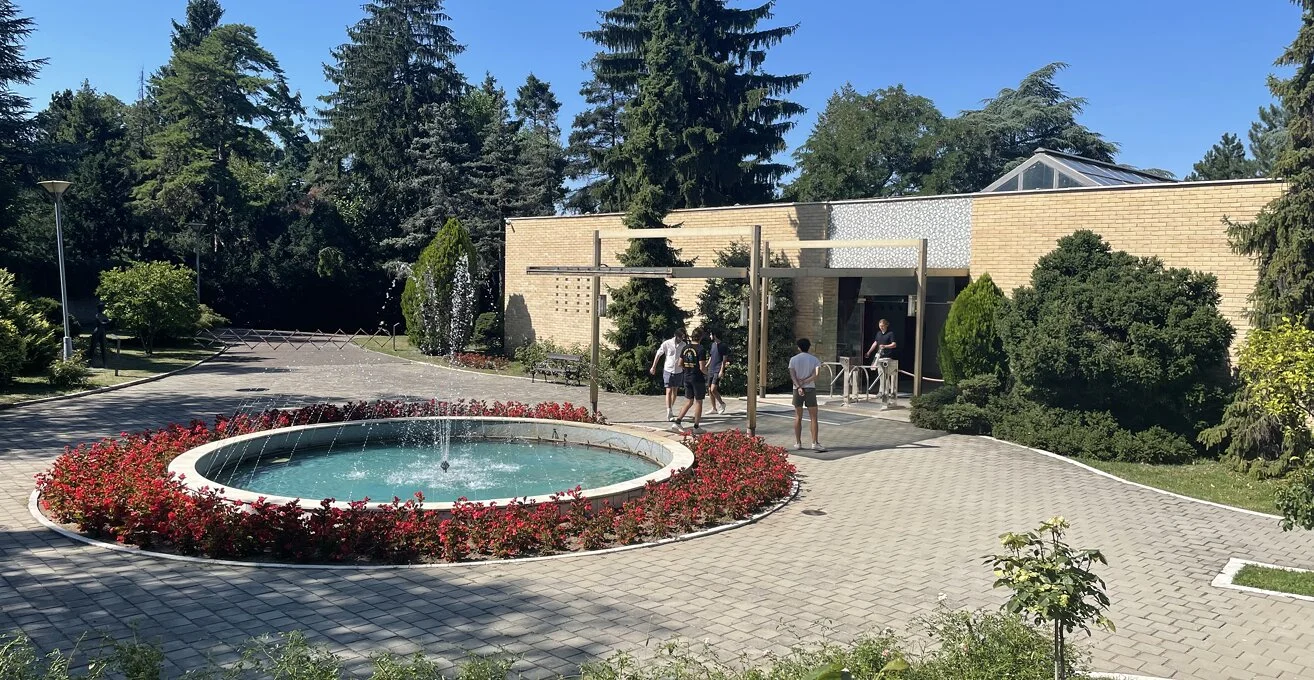
House of Flowers
Tito's memorial space, useful for pairing the train with a broader visit about his public legacy.
Topčider Park
A green break near the museum zone if you want to slow the visit and walk between stops.
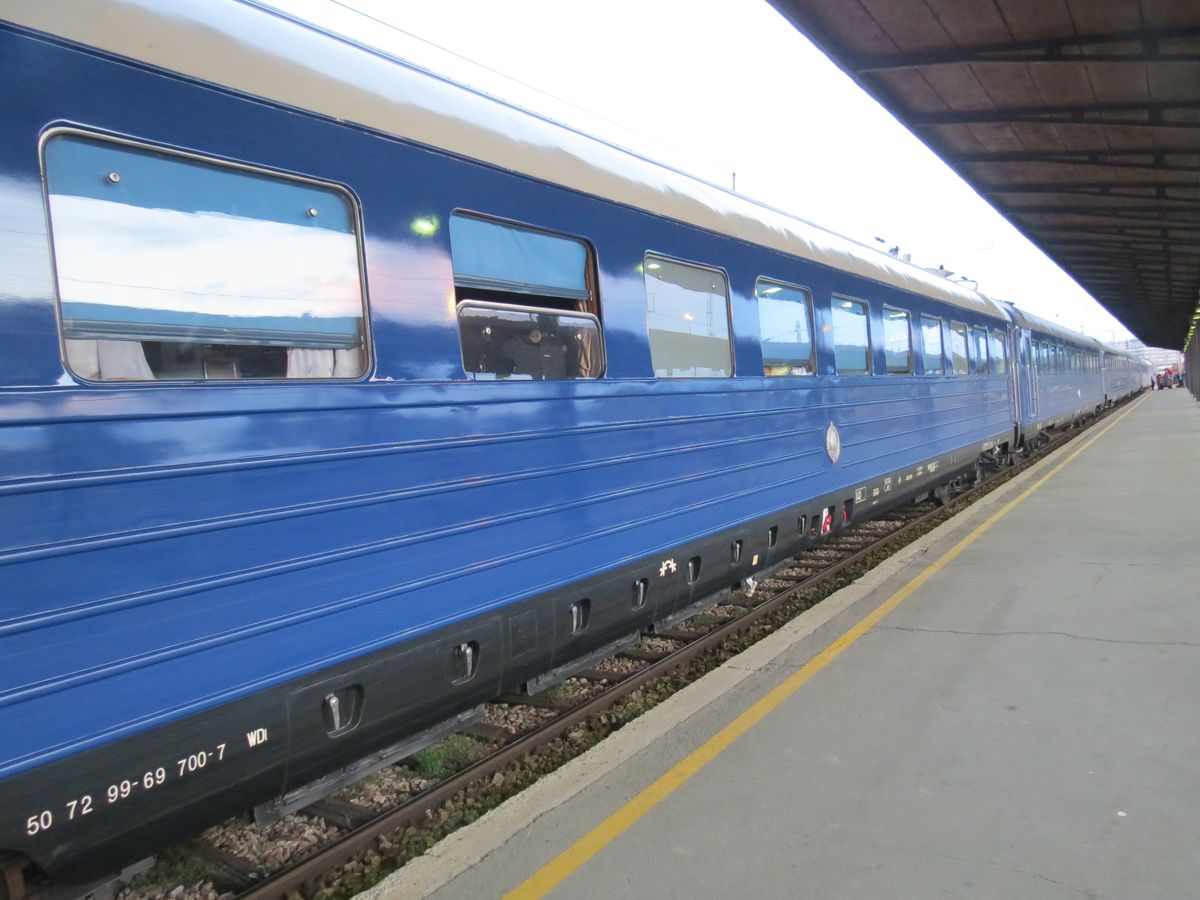
Belgrade Main Railway Station area
A useful reference point for understanding old Belgrade rail history and how the city connected to the train era.
Museum of Science and Technology
Not about Tito directly, but useful if you want more transport and industrial history after the Blue Train stop.
Museum of Yugoslavia / Topčider area, Belgrade
House of Flowers
Preserved presidential train
€€
Late morning, weekdays
Check current museum policy
It is best treated as a preserved history stop connected to the Museum of Yugoslavia area. Current access can change, so verify the museum's schedule before going.
Most travelers need a short visit, usually long enough to look at the train story and combine it with one nearby memorial or museum stop.
Yes. It fits well into a Vračar-based day if you are already visiting the Temple of Saint Sava area and want one additional history stop.
It can work for families, but the appeal is mostly historical. Children usually enjoy it more if you also add the nearby park spaces.
Not necessarily, but a guide helps if you want context about Tito, Yugoslavia, and why the train mattered politically.
Start in Vračar, add the Blue Train context, and keep one museum stop or memorial space for the rest of the afternoon.