Central Sokobanja; exact street detail not stated in the source provided

The Turkish Bath is one of the clearest historic symbols of Sokobanja’s spa identity. Known locally as the Amam, it is best visited as part of a short walk through the center, where it gives useful context to the town’s long association with thermal bathing and health travel.
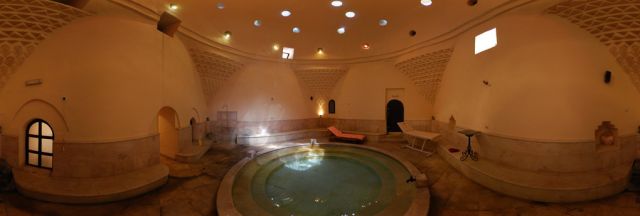
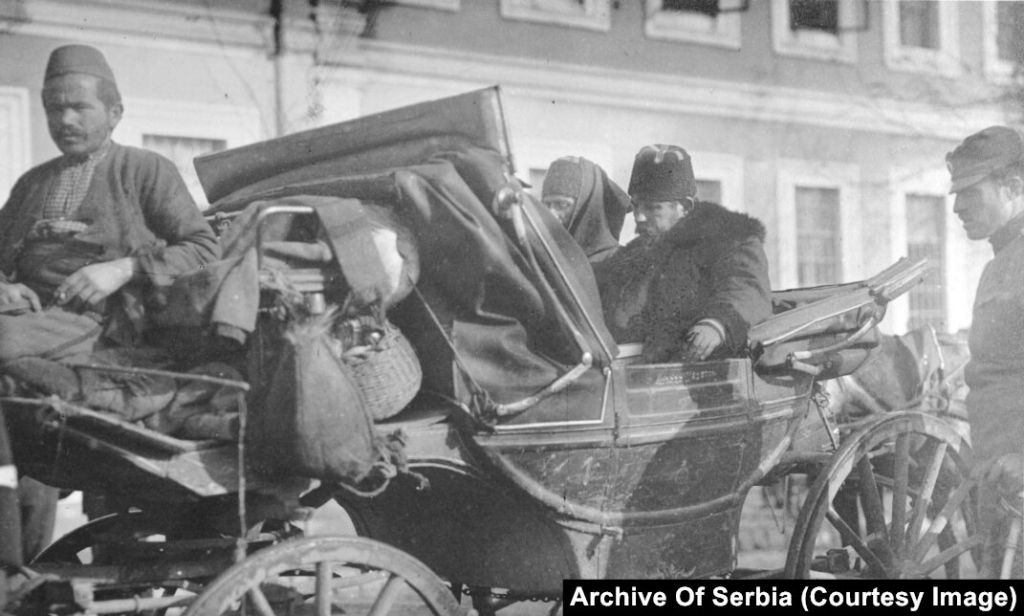
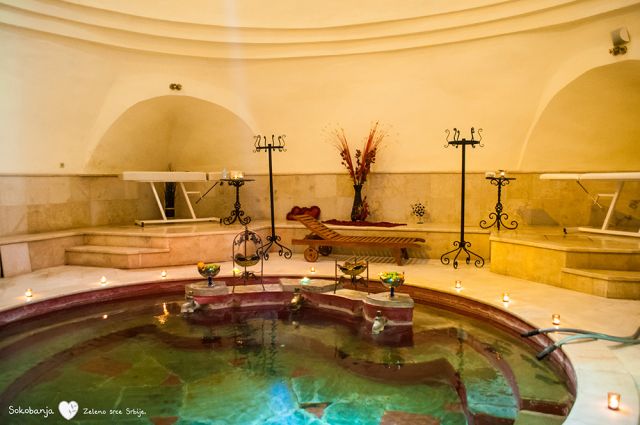
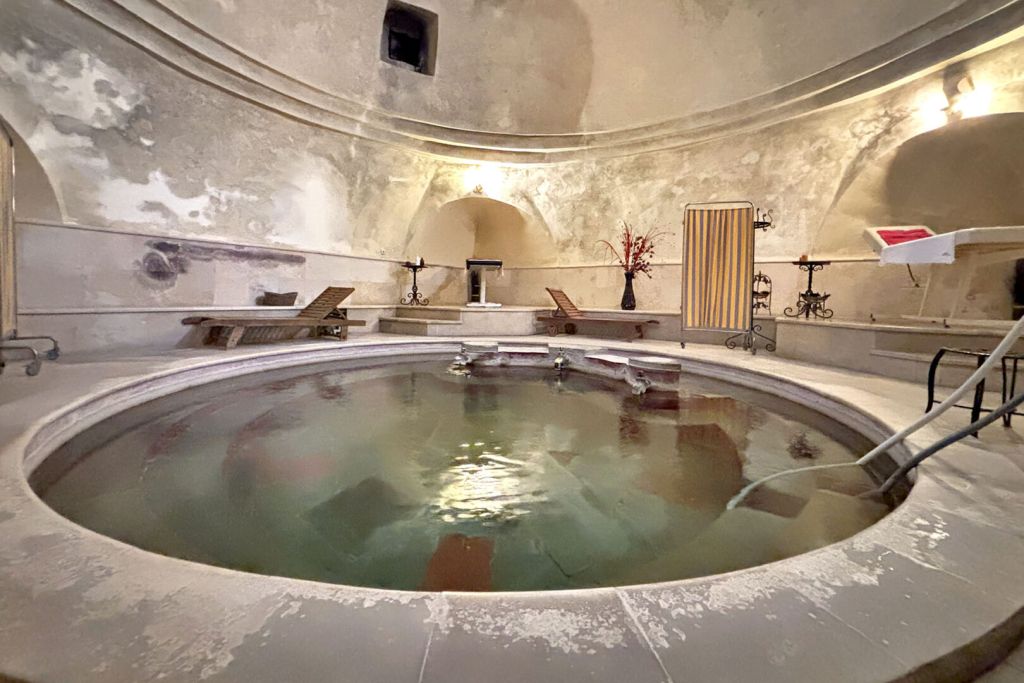
The Turkish Bath in Sokobanja is a restored Ottoman bathhouse, usually referred to locally as the Amam. It stands as one of the clearest built reminders that Sokobanja developed not only as a mountain-air resort but also as a thermal spa town shaped by bathing culture. The bath is known above all as a landmark of that spa identity. Its atmosphere is more historical and architectural than entertainment-focused: this is the kind of stop where visitors pause to understand the town’s older layers before continuing through central Sokobanja and the spa area.
For wider context, it makes sense to read the broader Sokobanja spa town guide before visiting.
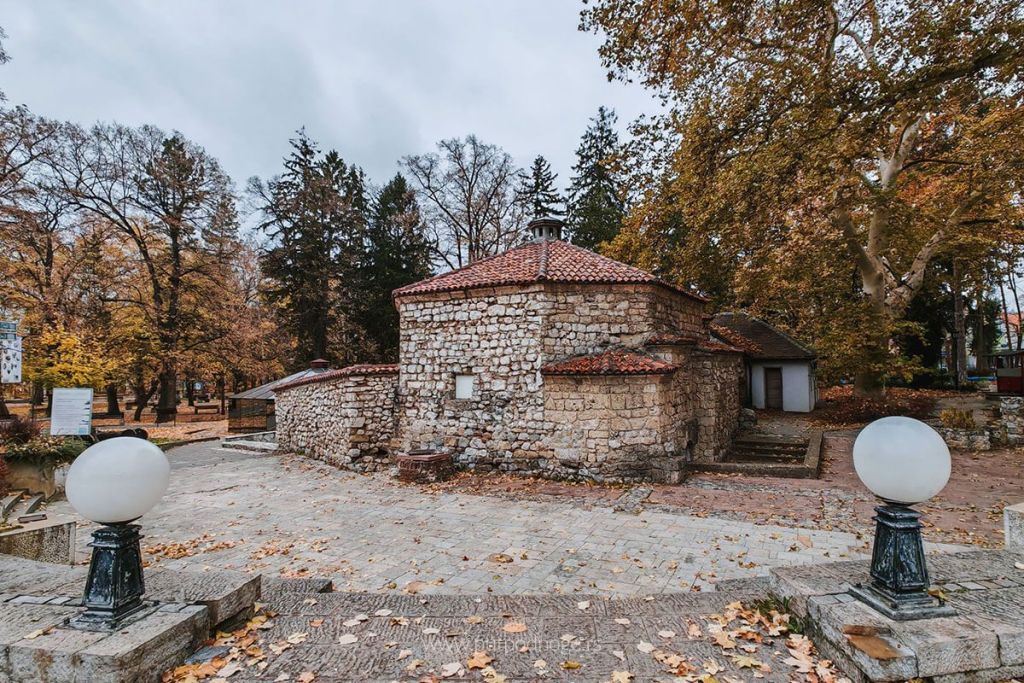
What gives this building real weight in Sokobanja is not just its age or style, but the way it anchors the town’s spa story in a physical structure. Many Serbian spa towns are known for mineral or sulfur waters, but here the Ottoman bathhouse form makes that tradition visible in the streetscape. The Amam helps visitors connect Sokobanja’s health-resort identity with the longer history of communal bathing, healing water, and adapted historical buildings.
If you are building a thermal-and-heritage route through Eastern Serbia, the Turkish Bath pairs naturally with Brestovačka Banja for another spa stop with a smaller, quieter feel, or with the broader Eastern Serbia Guide for regional planning.
These are the main reasons travelers include the Amam in their route through town.
Historic layer
It shows that Sokobanja’s identity is rooted in a long bathing tradition, not only in modern spa tourism.
Easy central stop
The bath fits naturally into a relaxed town walk without extra transport or a complex schedule.
Regional context
It helps connect Sokobanja with other spa and heritage destinations across Eastern Serbia.
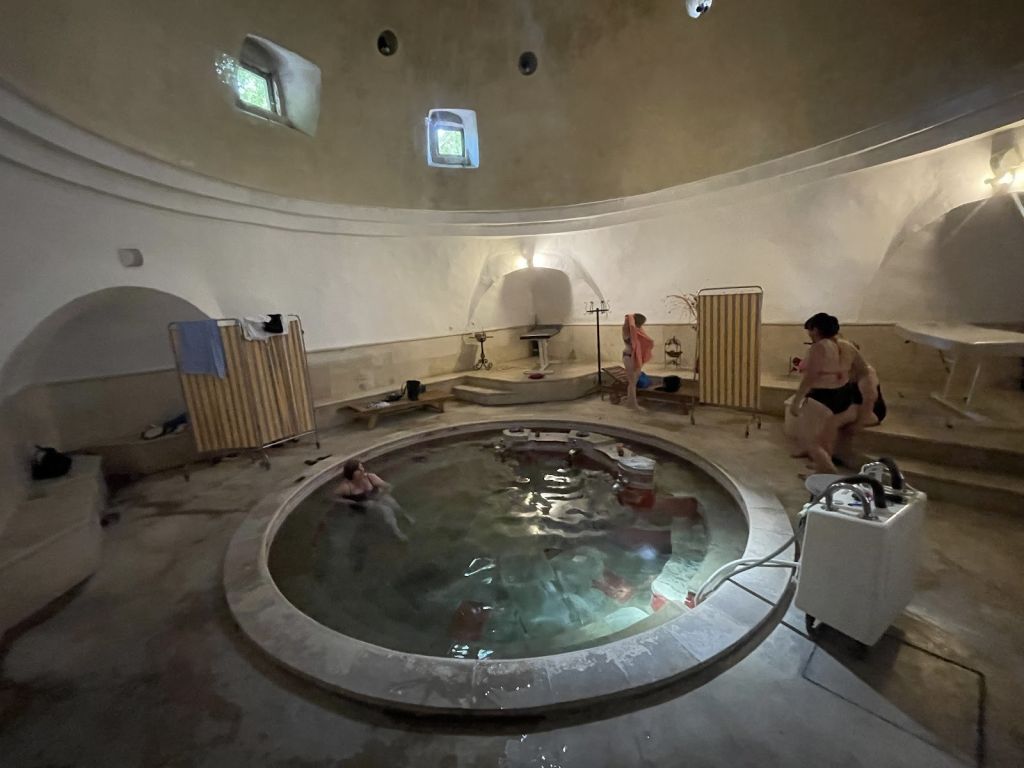
The Turkish Bath is approached as part of central Sokobanja, so most travelers reach it on foot once they are already in town. From the central spa promenade area, allow only a short walk through the center. If you arrive in Sokobanja by regional bus, you will usually continue on foot or by a short local taxi ride to the central area.
The available source for the Amam does not publish a dedicated stop name, line number, entrance tariff, or formal parking instructions for the building itself. For route planning into town, use Serbia-wide transport tools such as Serbia Transit Search, then finish the visit on foot in the center. Taxi fares inside Sokobanja are usually short-distance town rides, but ask the driver to confirm the price before departure.
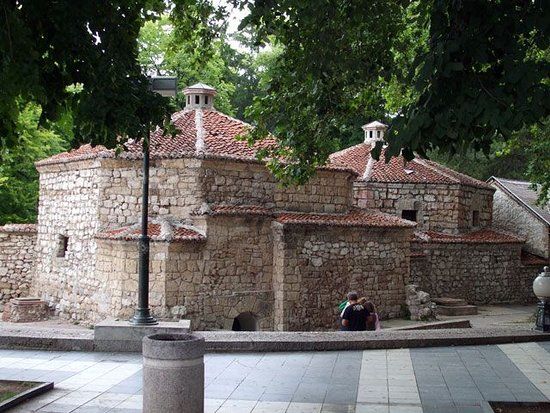
The Turkish Bath works best during a daytime walk through Sokobanja, when the town is active and it is easier to pair the stop with other central sights, coffee, or a spa-area stroll. Spring and early autumn are especially practical because walking conditions are comfortable and the town’s spa character is easier to appreciate at a slower pace.
If you are visiting during a weekend or a public-holiday spa break, expect more people in town generally. The source does not indicate a reservation system for simply viewing the landmark, but if you are planning a wellness-focused stay in Sokobanja, book accommodation ahead in peak periods.
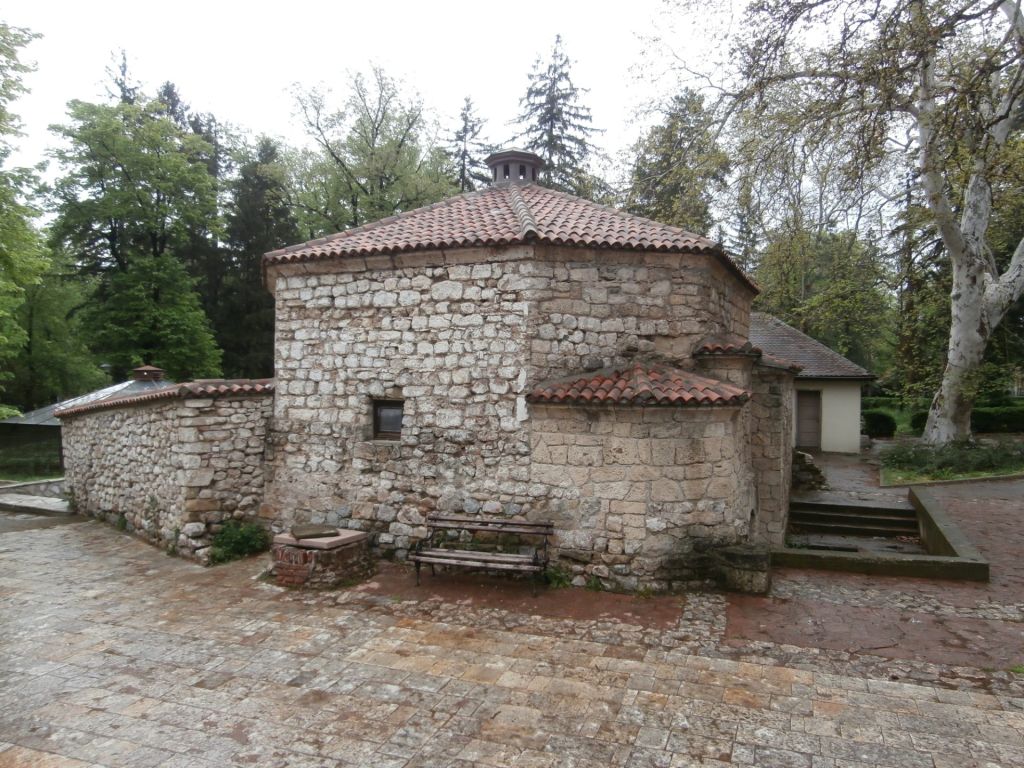
Expect a heritage stop rather than a large museum-style attraction. The main value is architectural and historical: you are looking at a restored Ottoman bathhouse that helps explain why Sokobanja is known as a spa town. Dress is casual, as with the rest of central Sokobanja. Families can include it easily because the stop is short and does not demand a technical visit plan.
Accessibility depends on the immediate street approach and the current condition of the site surroundings, so travelers with mobility needs should confirm locally on arrival. Bring water in warm weather and keep expectations focused on context and town history, not on a long in-depth exhibition.
Tell us where you want to go and how you travel. We reply within two working days with a tailored plan.
Travelers interested in Ottoman-era architecture, spa heritage, and short walkable stops in small Serbian towns.
If you want a long museum visit or a packed activity list, use the bath as one stop within a larger Sokobanja day rather than the whole plan.
Use the map to orient yourself within central Sokobanja before walking to the bathhouse.
Because the source material for the Amam is concise, this grid focuses on real nearby or context-setting places that help visitors understand the bath within a broader thermal and heritage trip.
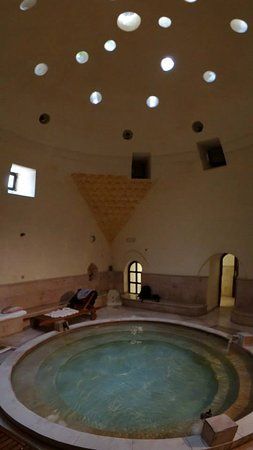
Turkish Bath Amam
Restored Ottoman bathhouse and the key historic spa landmark in Sokobanja.
The main reason to come here is to see the building that expresses Sokobanja’s bathing heritage most directly.
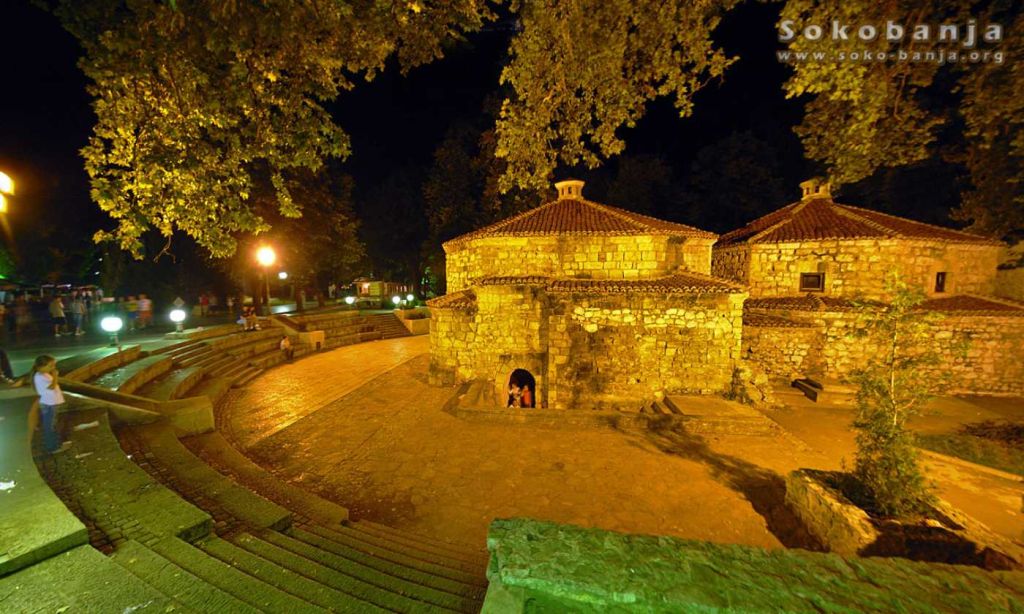
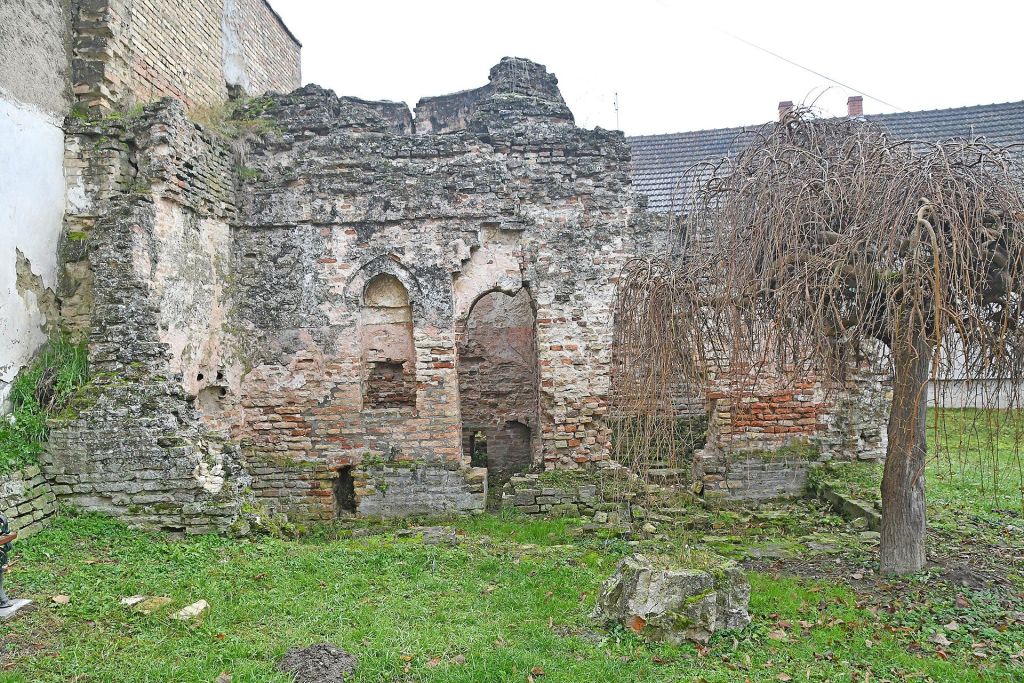
Sokobanja town center
Useful base for approaching the Amam on foot and understanding the spa-town setting around it.
The bath makes most sense when seen as part of the wider resort core rather than in isolation.
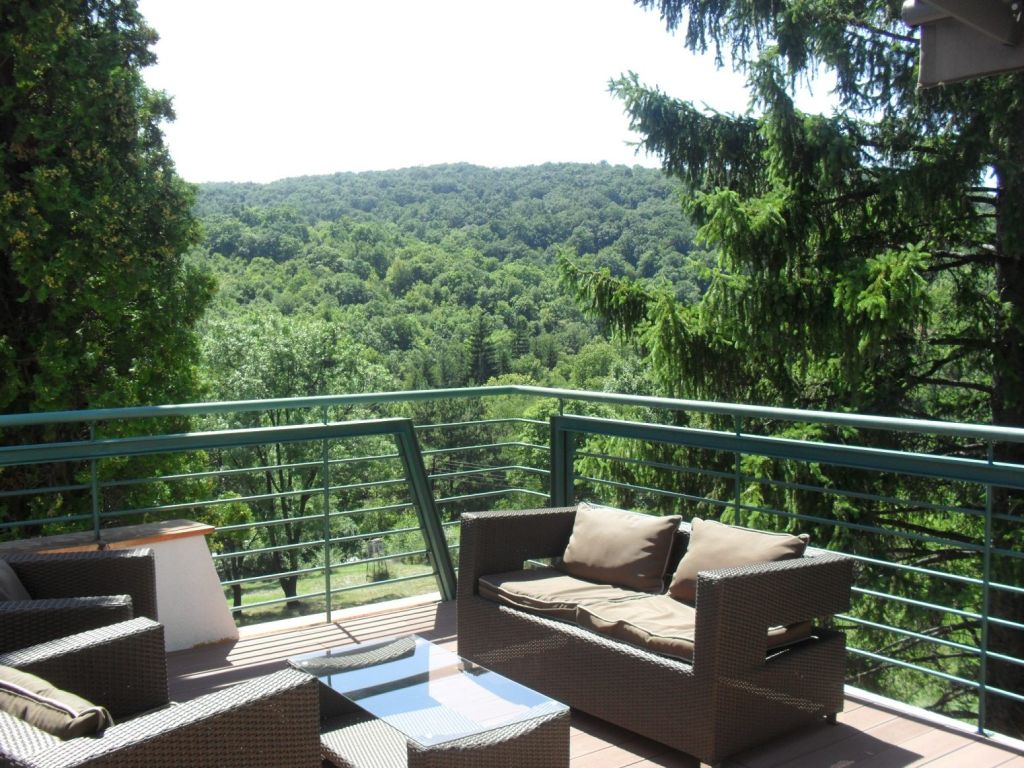
Brestovačka Banja
Small thermal spa in the Kučaj Mountains, good for travelers interested in comparing spa atmospheres.
This works as a second spa stop if you are touring Eastern Serbia by car and want another historic bathing destination.
Sokobanja, Eastern Serbia
Parent destination page covering the town’s broader thermal, walking, and practical travel context.
Read this before visiting if you need the bigger picture on where the bath sits within the town.
Central Sokobanja; exact street detail not stated in the source provided
Sokobanja town center and spa area
Restored Ottoman bathhouse known as the Amam
No standalone visitor price stated in the source
Daytime during a central Sokobanja walk
Not indicated for viewing the landmark
The source identifies the building as a restored Ottoman bathhouse, known as the Amam, and as a landmark of Sokobanja.
Use the Turkish Bath as a short heritage stop within a half-day walk around central Sokobanja rather than as a stand-alone day trip.
This is not a remote rural site. The practical approach is to arrive in Sokobanja first, then walk to the bath as part of a town-center circuit.
Put the Turkish Bath early in your walk, then continue through the rest of Sokobanja while the center is still easy to navigate.
It is a restored Ottoman bathhouse in Sokobanja, known locally as the Amam and recognized as a landmark of the town.
For most travelers, it is one important heritage stop rather than the only reason to come. It works best within a broader Sokobanja walk focused on spa-town atmosphere.
Usually a short visit is enough. Most people include it as one stop in a wider hour or half-day circuit through central Sokobanja.
The available source does not indicate a reservation requirement for viewing the landmark.
Yes. It is an easy, short stop in town and suits families better as part of a relaxed walk than as a dedicated attraction with long on-site activities.
Use Turkish Bath, Sokobanja as a short heritage stop, then extend your day with spa-town walking or a wider Eastern Serbia circuit.
Stay connected in Serbia