Avala Tower: Avalski put BB, 11223 Beli Potok, Belgrade

Avala works best as a half-day outing from Belgrade rather than a full rural excursion. Most visitors come for the rebuilt tower and its 122 m deck, then add the Monument to the Unknown Hero and a short forest walk.
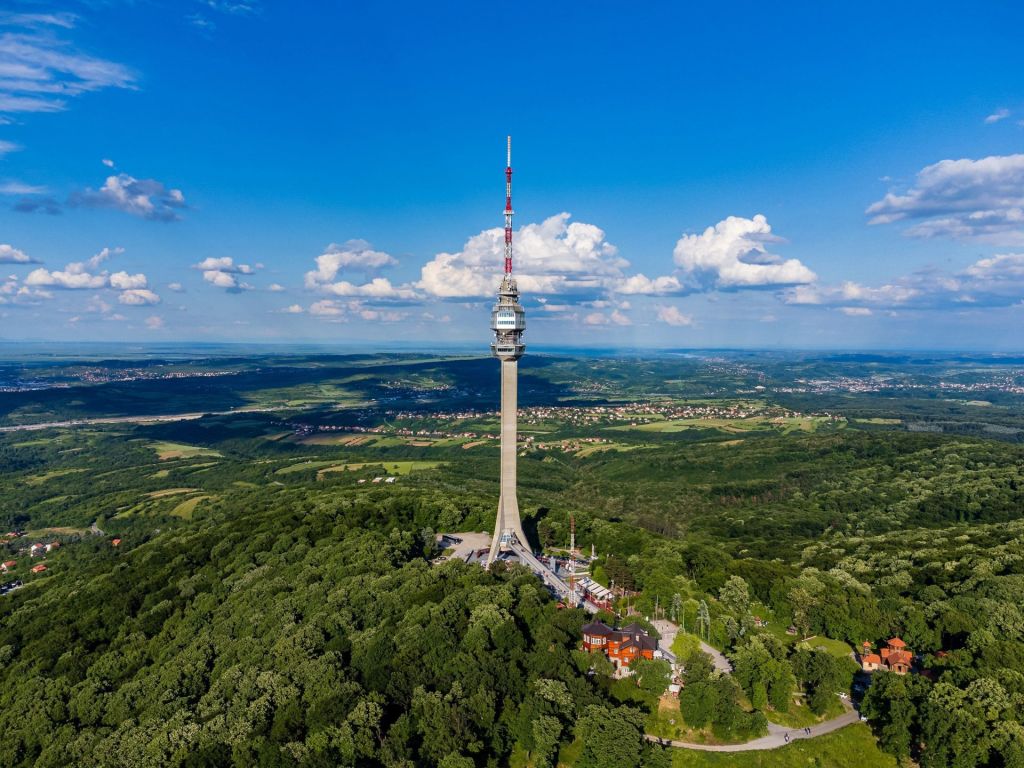
Avala rises to 511 metres at the northern edge of Šumadija, about 16 to 18 km south-east of central Belgrade, and stands roughly 200 metres above the flatter land around it. It has been protected since 1859, and in December 2007 about 489 hectares were designated a Landscape of Outstanding Features managed by JP Srbijasume. The mountain is best known for the tower on its summit, but the mood is more picnic ground and memorial plateau than busy tourist quarter. It makes one of the simplest short outings on the Day Trips from Belgrade route.
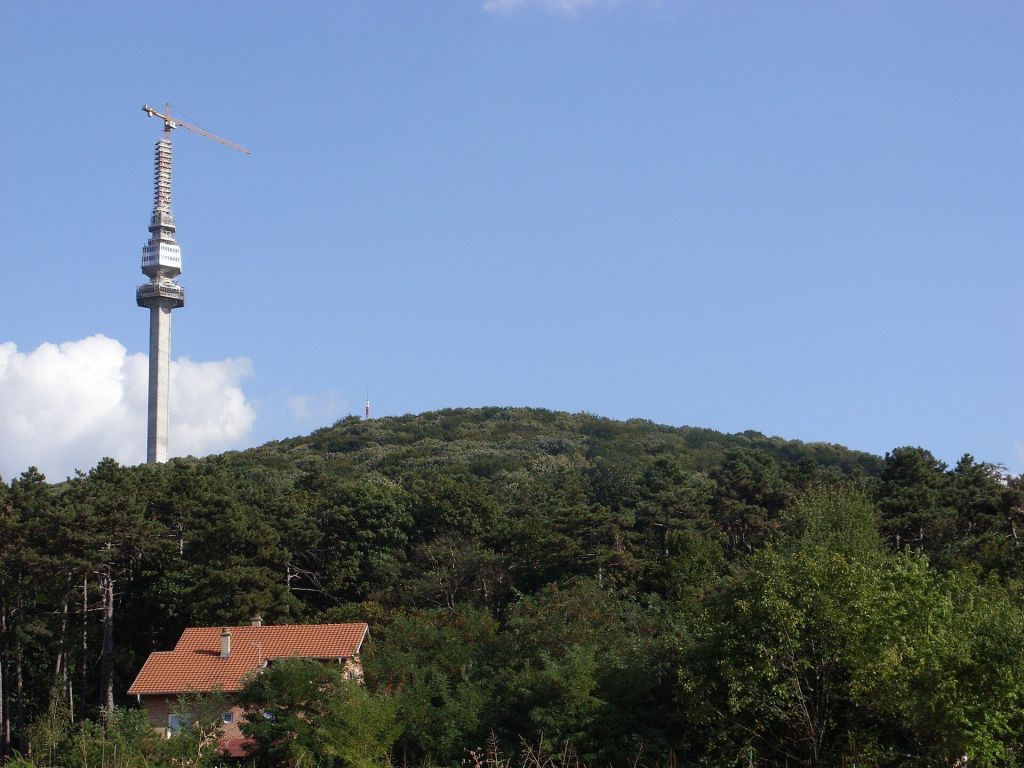
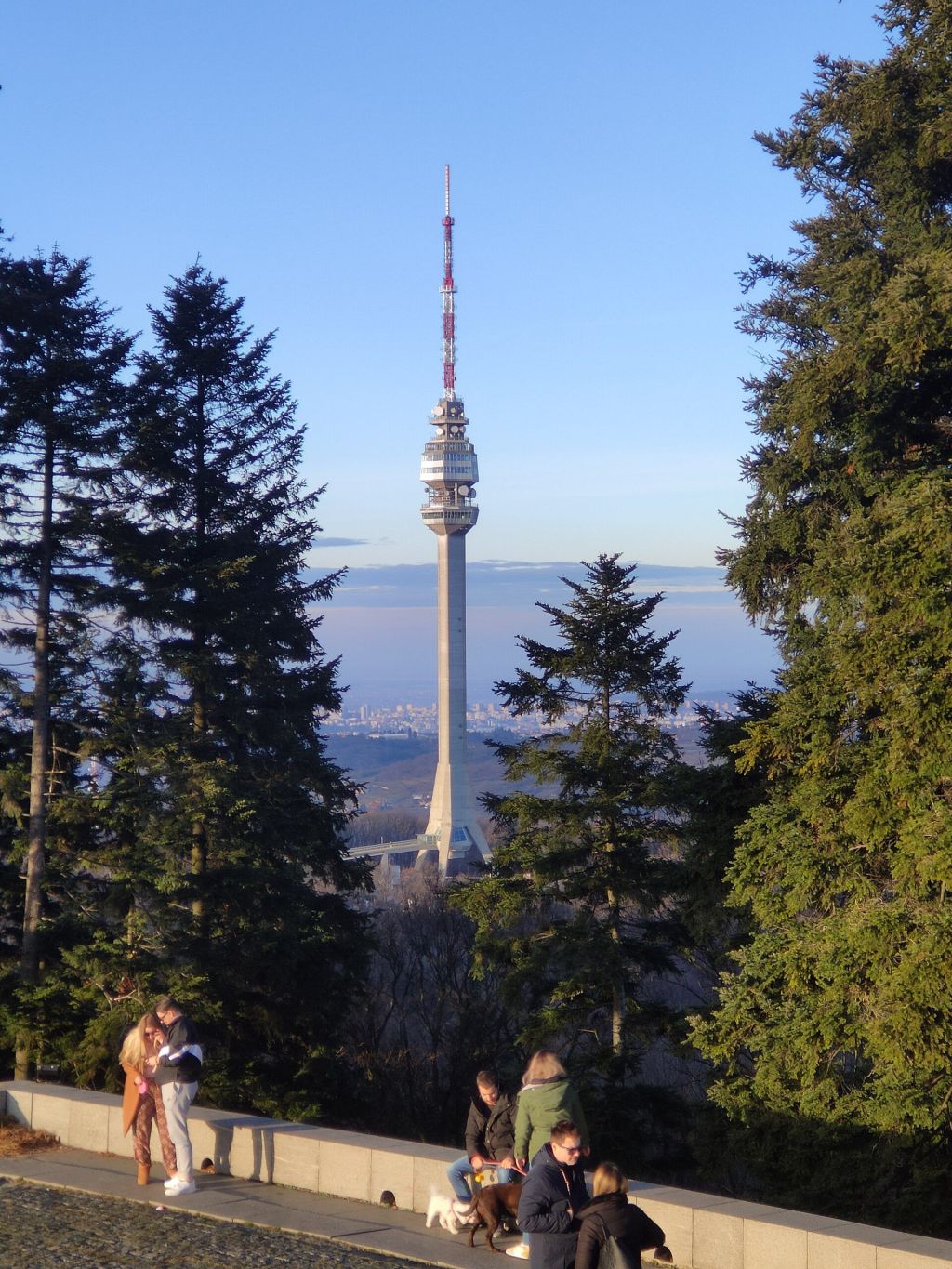
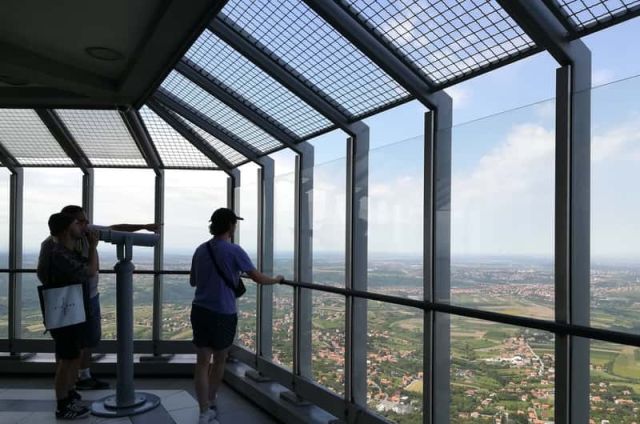
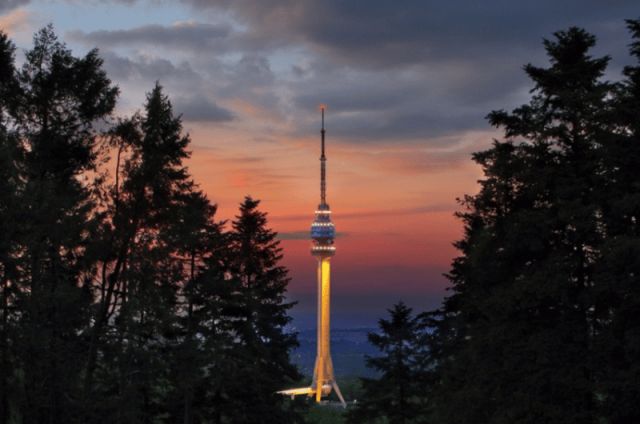
The reason most people come is the rebuilt tower. Official opening statements described it as 204.5 metres high, while its published technical height is 204.68 metres, making it the tallest structure in the Balkans. The original 1965 tower measured 202.87 metres, was designed by architects Uglješa Bogunović and Slobodan Janjić, and was destroyed on 29 April 1999. The rebuilt tower opened on 21 April 2010, following works that started in 2005 and were completed in November 2009; government statements said it was engineered to withstand a 9.2 Mercalli earthquake. Two lifts travel at about 3 m/s to the 122 m observation deck, with a café bar around 119 to 120 m. Compared with Kalemegdan Park’s fortress views, Avala gives a more distant panorama over wooded slopes, southern Belgrade, Vojvodina and Šumadija. Current visitor operations are published on the official Avala Tower website.
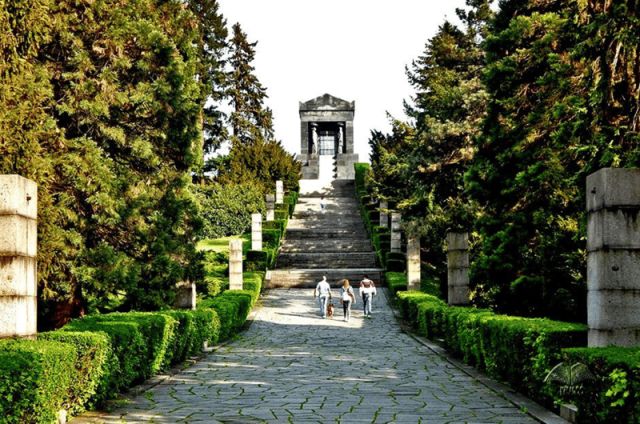
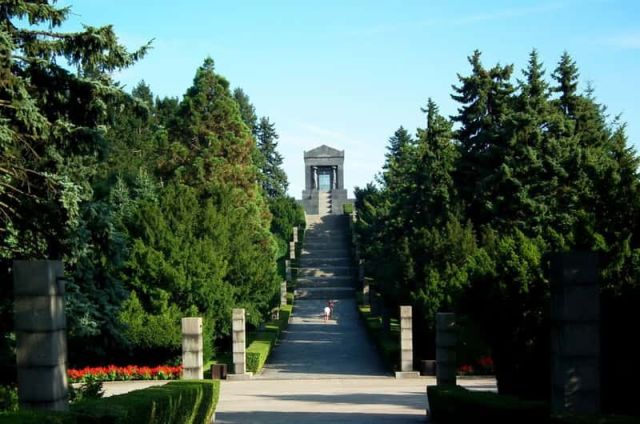
Beyond the tower, Avala is shaped by memorial architecture that explains why the mountain matters in Serbian public memory. The Monument to the Unknown Hero is a black granite mausoleum by Ivan Meštrović, built from 1934 to 1938 and opened on 28 June 1938 after the medieval fortress Žrnov was demolished. Eight granite caryatids, each about four metres tall and weighing around 15 tonnes, stand around the structure in regional folk dress, while the crypt contains the symbolic remains of an unknown First World War soldier. Near Čarapićev Brest, memorials to Vasa Čarapić and to Soviet war veterans add a second historical layer to a visit. For broader geographic background and protection history, the Avala reference entry is a useful orientation.
From central Belgrade, Avala is usually a 30 to 45 minute drive, depending on traffic. Starting near Slavija Square, the direct route follows Bulevar oslobođenja and Avalski put toward the mountain. By car, allow about 18 to 20 km and roughly 25 to 40 minutes; the E75 bypass with the Banjica or Beli Potok exit is the other practical approach. Parking is available near the tower and at the base trailhead, but weekends and public holidays fill earlier. Taxi or an app-based ride is the simplest first visit and usually costs about 1,700 to 3,200 RSD one way, so confirm the fare in advance or book through an app.
Public transport works, but it needs planning. Seasonal line 400 runs from Voždovac (Trošarina) to Vrh Avale and is the only bus that reaches the summit; it runs on Saturdays, Sundays and public holidays, usually from about May, with the first departure around 08:00, the last departure back from Vrh Avale around 20:00, and intervals of about 40 minutes. Year-round line 401 runs from Slavija (Birčaninova) to Pinosava and stops at the Avala stop at the foot of the hill roughly every 16 to 30 minutes, about 40 minutes from Slavija. From that foot stop, marked uphill paths measure about 1.5 to 3.5 km, so allow 25 to 60 minutes on foot. From the Vrh Avale terminal, it is about 5 minutes to the tower ticket office and around 10 more minutes across the plateau to the Monument to the Unknown Hero. Lines 403, 405, 406, 407 and 408 from Banjica also serve the foothill villages of Beli Potok, Zuce and Pinosava. The standard BusPlus city fare applies; for broader route planning, use Getting Around Serbia alongside current Belgrade schedules.
Avala is open all year, but spring to early autumn gives the easiest conditions for combining the tower with walking. Morning and late afternoon are usually the best times: the light is cleaner for long views, the plateau is cooler, and the tower queue is often lighter than in the middle of the day. Weekdays are calmer than weekends. Saturdays, Sundays and public holidays are the busiest not only because more Belgraders picnic here, but also because line 400 reaches the summit on those days. The observation deck is popular around sunset. Winter visits can still work, but expect colder paths and more variation in visibility. For broader seasonal context, the national Best Time to Visit Serbia guide helps you line Avala up with the rest of your trip.
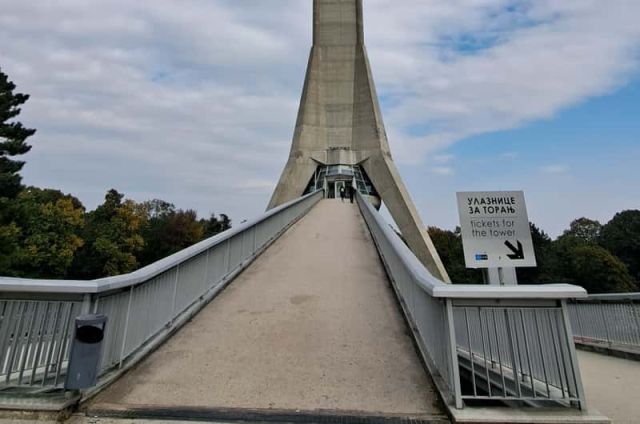
Avala is not a dense sightseeing district with constant cafés, museums or storefronts. The rhythm is stop, walk, pause and look out: tower, memorial, short path, coffee, then back to Belgrade. Dress casually and bring shoes that can handle paved areas and uneven forest ground. Families usually manage well, but rougher sections suit carriers better than strollers away from the tower. At the tower itself, tickets can be bought with cash or cards, and the accessible lift-and-deck setup makes it easier than the surrounding woodland.
Bring water and a light layer, especially if you plan to stay toward sunset. Strong wind can temporarily close the tower. Most people spend 1 to 2 hours for the tower and the monument, or up to half a day if they add lunch at Čarapićev Brest, the base café or the café bar inside the tower. Research notes mention Hotel Avala and the Avalski konaci lodges nearby, but current operating status is unclear, so treat them as items to confirm directly rather than assumed stops.
If you want to verify the reconstruction timeline in primary sources, the Ministry of Defence notice on the Avala Tower opening, the Serbian government report that the tower was officially opened, and the earlier government update saying the tower had been fully reconstructed set out the public record. For background reading, the Avala Tower article summarises design and rebuilding details, while TV Avala explains the separate broadcaster that later used the mountain’s name.
Take a taxi or drive straight to the summit zone, buy tower tickets at the base, go up to the 122 m deck, then walk across to the Monument to the Unknown Hero before returning to Belgrade. This is the easiest pattern if you have only half a day or want the least walking.
Use line 401 from Slavija to the Avala stop at the foot of the hill and follow a marked route uphill, or use line 400 on weekends and public holidays when it runs to Vrh Avale. This option is slower but it lets you experience the mountain as woodland and picnic ground, not just as a viewpoint stop.
The map below is centred on the Avala Tower summit area at 44.6960, 20.5144. The Monument to the Unknown Hero lies a short walk south on the same plateau.
These are the stops most visitors combine on one outing. Only the tower requires a ticket; the memorials and walking routes are open-air and free.
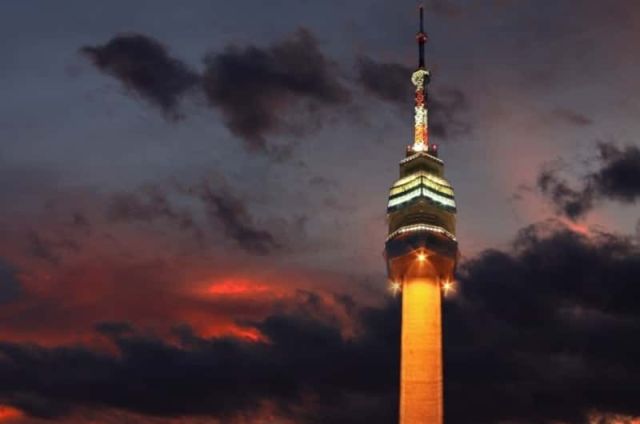
Avala TV Tower observation deck
Rebuilt telecommunications tower with lifts to a 122 m deck and a café bar.
The original tower from 1965 was destroyed on 29 April 1999. The rebuilt tower opened on 21 April 2010 on the same spot. Individual visitors buy tickets at the base; reservations are not necessary, but group visits are advised to contact the operator in advance.
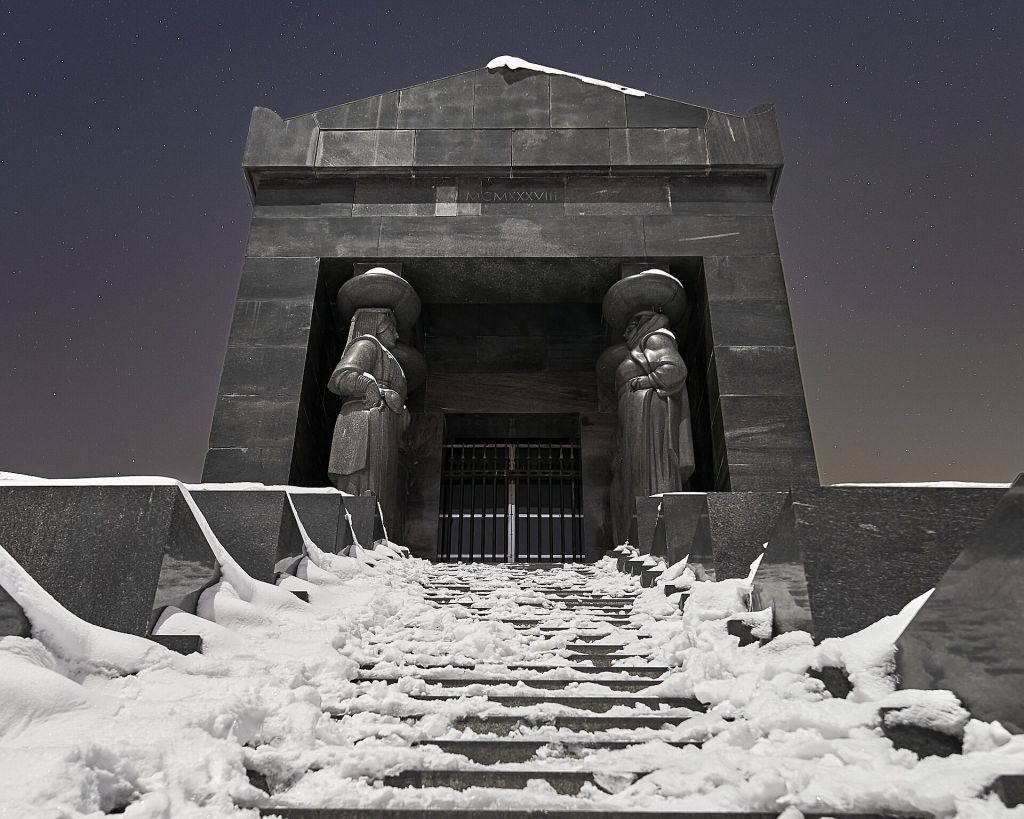
Monument to the Unknown Hero
Black granite mausoleum with monumental steps and eight caryatids in regional dress.
Sculptor Ivan Meštrović built the monument between 1934 and 1938 on the site of the demolished medieval fortress Žrnov. It opened on 28 June 1938 and holds the symbolic remains of an unknown First World War soldier.
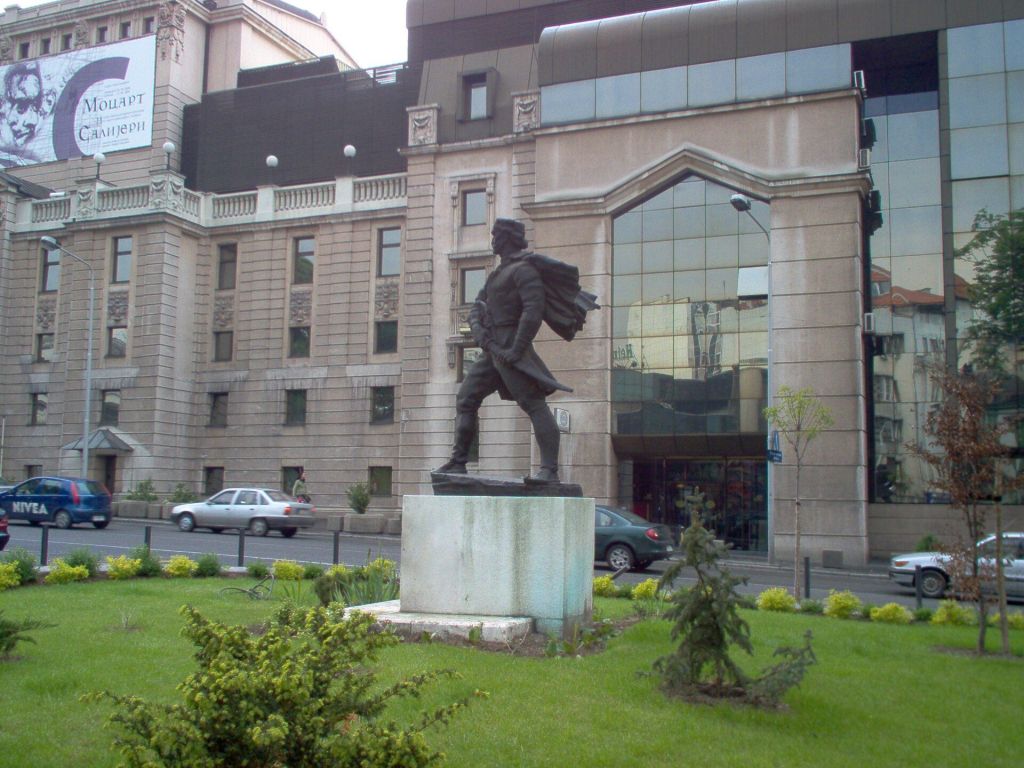
Monument to Vasa Čarapić
Memorial to the First Serbian Uprising commander known as the Dragon of Avala.
The memorial stands near Čarapićev Brest and reflects local memory of Vasa Čarapić, born in nearby Beli Potok in 1770 and killed during the attack on Belgrade’s Stambol Gate on 29 November 1806. The site includes an older wooden monument by Bogosav Živković and a newer bronze monument by Dušan Nikolić.
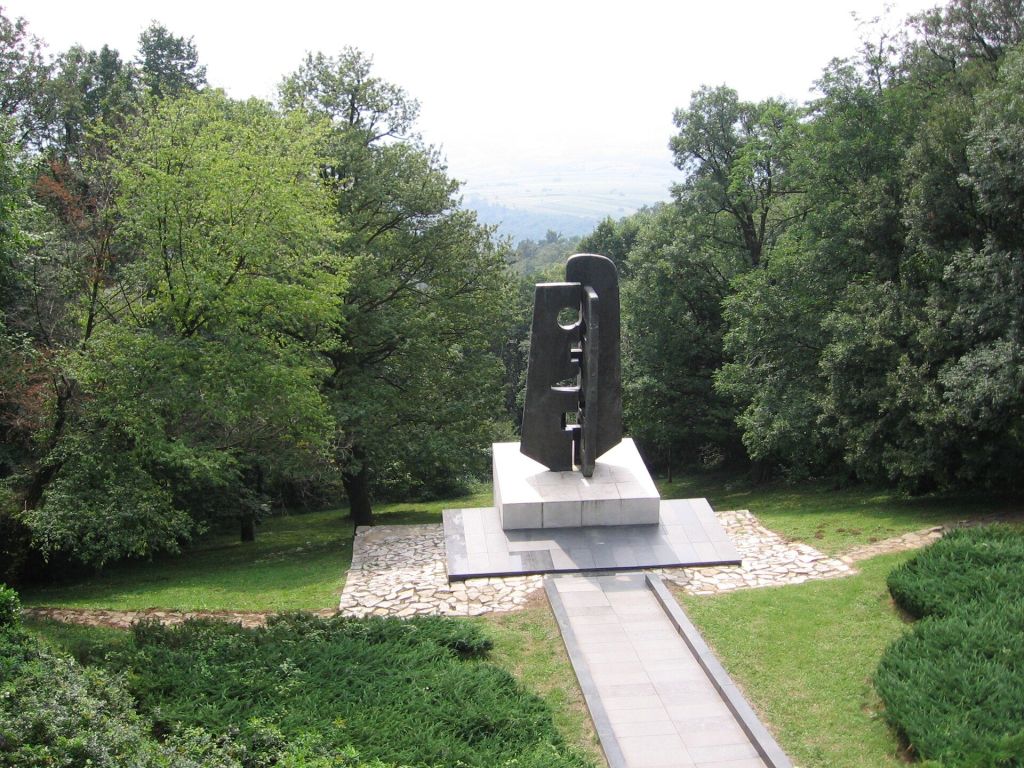
Monument to Soviet war veterans
1965 memorial marking the 1964 Aeroflot crash on Avala.
Designed by Jovan Kratohvil, the monument uses broken bronze aircraft wings to commemorate the Soviet delegation that died in the crash on Avala in 1964.
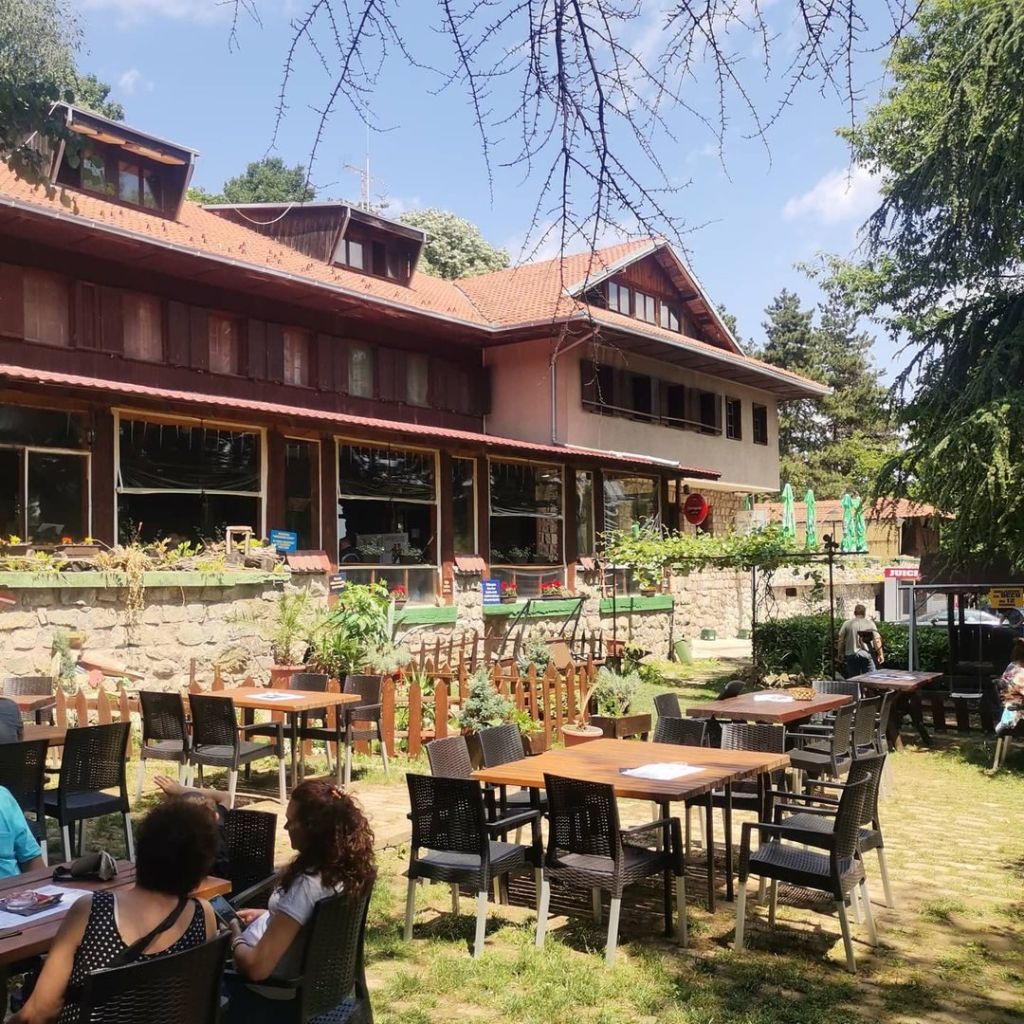
Čarapićev Brest lodge
Traditional meal stop near the memorial zone.
If you want lunch without going back to Belgrade, this is the most clearly published sit-down option on Avala. Research notes confirm traditional Serbian cooking here.
Forest walking trails on Avala
Marked paths through woodland between the foothill stops and summit area.
Avala is not one continuous promenade. The practical walking pattern is to choose a short marked path near the summit or to walk uphill from the Avala stop on line 401.
Avala Tower: Avalski put BB, 11223 Beli Potok, Belgrade
Avala TV Tower summit plateau
Rebuilt TV tower, observation deck and memorial plateau
400 RSD adults; 200 RSD discounted; 1 RSD for certain categories
Weekday morning or late afternoon from spring to early autumn
No for individual visitors; groups should contact ahead
09:00-18:00 winter; 09:00-20:00 summer; closed 7 January
Line 400 to the summit on weekends and holidays; line 401 to the foot year-round
1-2 hours for tower and monument; up to half a day with lunch and walking
Daily hours are 09:00-18:00 from 1 November to 31 March and 09:00-20:00 from 1 April to 31 October. The tower is closed on 7 January. Adult tickets cost 400 RSD; pupils, students and pensioners pay 200 RSD. Children under 7, visitors with disabilities plus one companion, and licensed guides pay 1 RSD. Tickets are sold at the base office, individual reservations are not needed, and cash and cards including Dina, Visa and Mastercard are accepted.
The current published operator is JP Emisiona tehnika i veze. Contacts in current material include +381 11 390 75 27, +381 66 877 76 55, avalski.toranj@etv.rs, office@etv.rs and komercijala@etv.rs.
Line 400 is the easy public-transport option because it reaches Vrh Avale, but it runs only on Saturdays, Sundays and public holidays, usually from about May. Line 401 is the dependable year-round option from Slavija to Pinosava, with an Avala stop at the foot of the hill. If you choose line 401, treat the final stretch as a real uphill walk rather than a short city stroll.
The tower approach, elevators and observation deck are described as accessible for wheelchairs and strollers, which makes the main paid sight the easiest part of the mountain for mixed-mobility groups. Away from the tower, surfaces become rougher and forest paths are less stroller-friendly. Families usually do well here if children are comfortable with outdoor walking.
Pets are not allowed in the elevators, on the deck or in the tower café.
A tower visit includes more than the deck. Current published amenities mention a café bar around 119 to 120 m, a base café, gift shop, walking paths, sports grounds, an artificial climbing wall and a children’s playground in the tower complex. For a fuller meal, research notes place traditional Serbian cooking at Čarapićev Brest from about 12:00 to 21:00. Hotel Avala and the Avalski konaci lodges are nearby in older references, but their current operating status was not verified in the source set.
Most visitors spend 1 to 2 hours for the tower and the Monument to the Unknown Hero. If you add an uphill walk or lunch at Čarapićev Brest, Avala becomes an easy half-day trip from Belgrade.
Yes. Line 400 reaches the summit on Saturdays, Sundays and public holidays, while line 401 runs year-round to the foot of the hill. Without a car, expect either schedule planning or an uphill walk on marked paths.
Individual visitors do not need reservations and buy tickets at the base ticket office. Group visits are better arranged in advance with the operator using the published phone or email contacts.
Yes. It is an open-air monument with free access, usually visited in daylight, and reached by a broad staircase from the summit plateau.
Yes for families, especially if you focus on the tower area, which is described as accessible for wheelchairs and strollers. Rougher forest ground is less comfortable for strollers, so carriers work better off the paved approach.
Bring water, comfortable walking shoes and a light layer. If you are relying on public transport, add time for the uphill walk or schedule gap, and remember that strong wind can occasionally close the tower.
If you want to fit Avala around city museums, riverside walks or an airport arrival, Serbian Travel can help you shape a realistic schedule with transfers and stop lengths that make sense.
Stay connected in Serbia