Vinča Culture
The Vinča chapter begins on the Danube near Belgrade, where the archaeological record shifts from simple notions of scattered Stone Age life toward a settled and organized environment. The culture is dated from 5300 to 4300 BC. Its people lived in an urban setting, made figurines representing female deities and used a recurring system of written signs.
Those three elements matter for different reasons. The settlement provides evidence of people organizing life in one place over time. The figurines give physical form to beliefs and representation, while the signs show that information could be encoded visually. The signs are commonly approached as proto-writing rather than casually treated as a modern alphabet. That distinction is useful when reading displays: their importance lies in systematic symbolic communication, not in forcing them into a later model of writing.
For travellers based in Serbia’s capital, Vinča Archaeological Site near Belgrade is the logical entry point. Keep the visit focused on settlement structure, figurines and signs rather than expecting the remains to explain themselves without interpretation. Current opening hours, admission prices and a reservation procedure are not supplied in the national visitor information, so obtain operational confirmation before leaving central Belgrade.
Lepenski Vir Culture
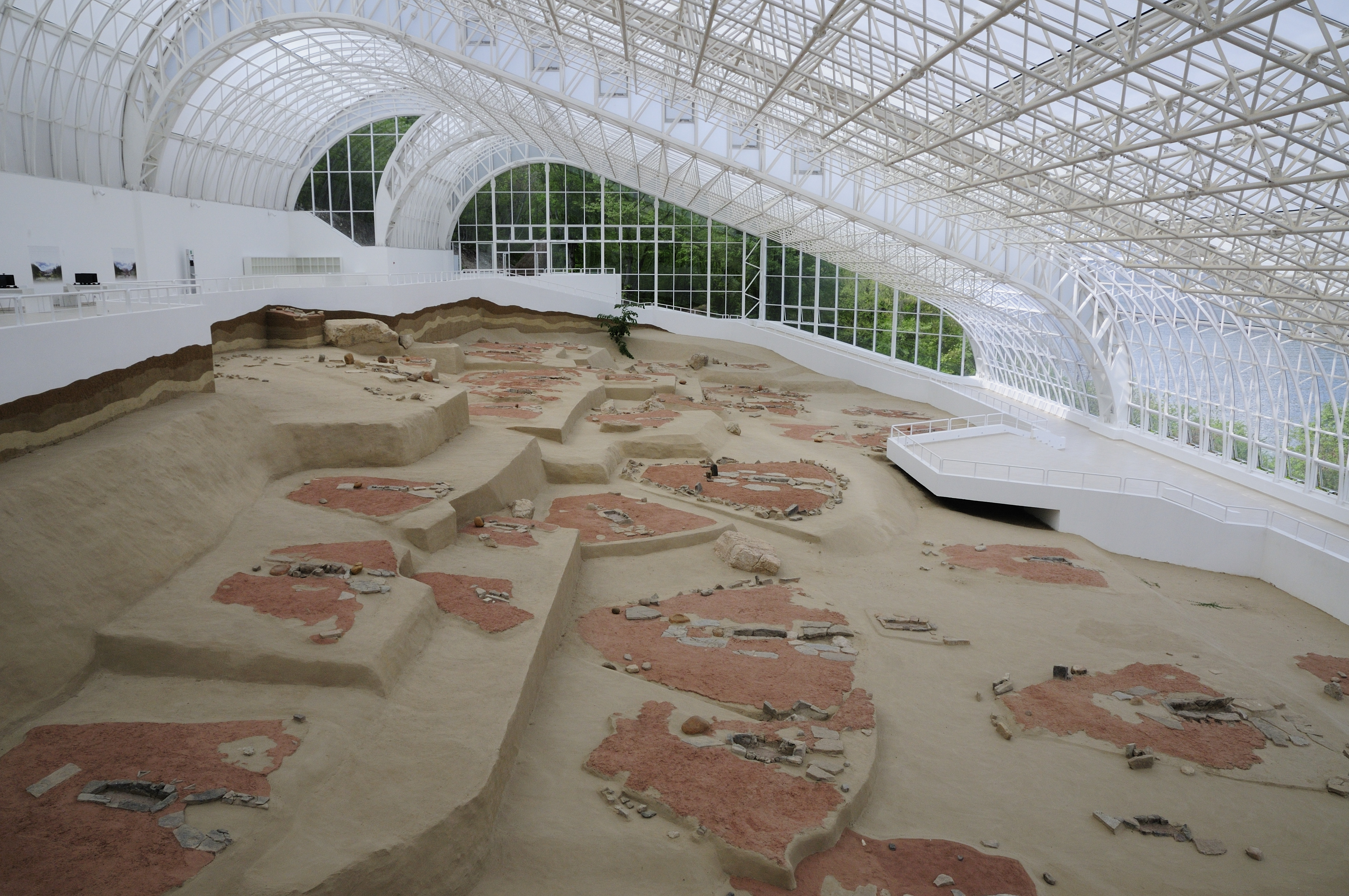
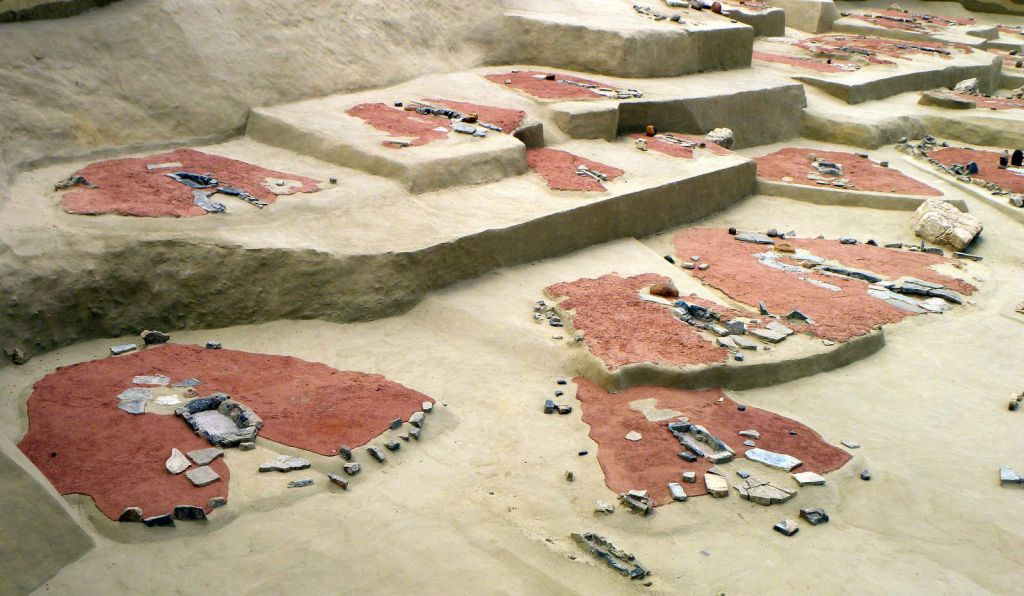
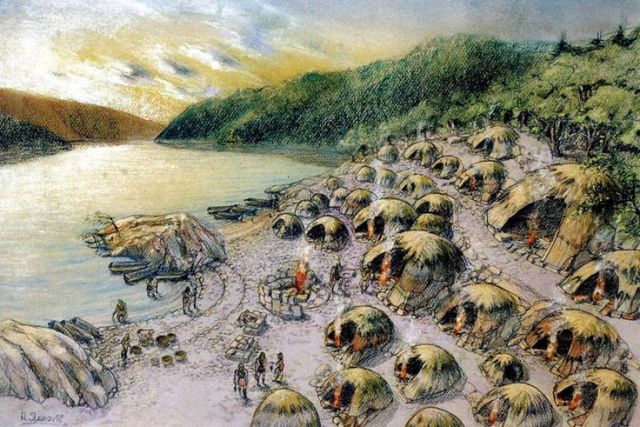
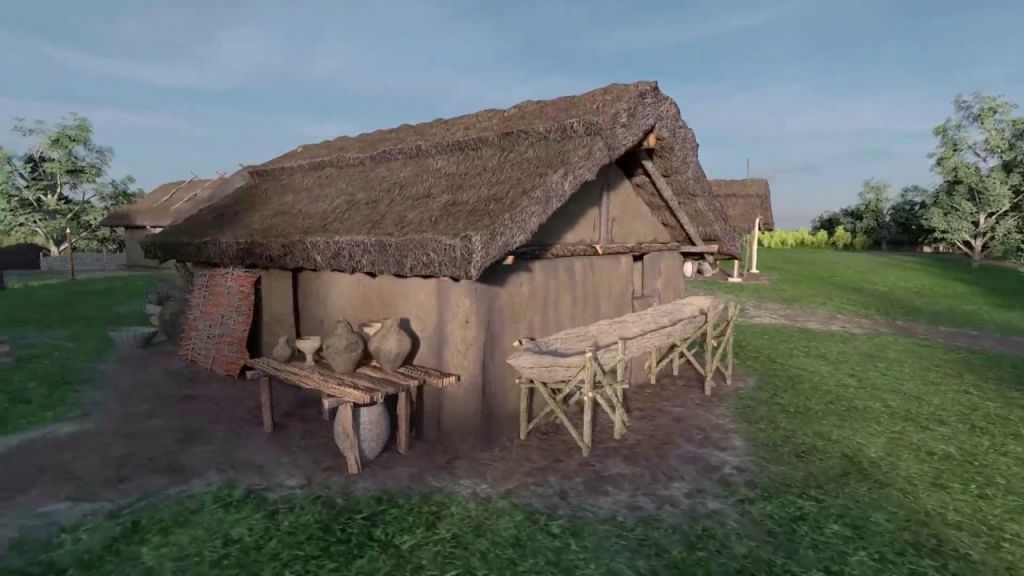
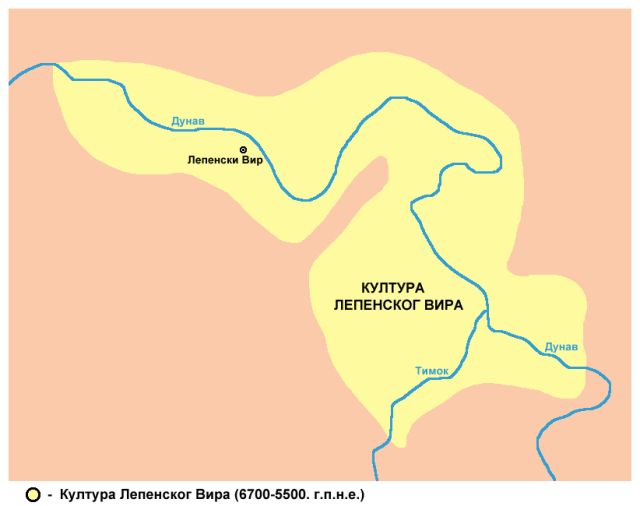
At Lepenski Vir, the chronology moves back to around 6000 BC. The settlement preserves planned houses and is identified within Serbia’s archaeological chronology as the country’s earliest permanent settlement. Its monumental sculptures belong to the earliest known tradition of large-scale Stone Age sculpture in Europe, giving the site a visual language very different from the later Vinča figurines and signs.
The planned houses are as important as the individual objects. They turn prehistory from an abstract span of millennia into an organized living place. A traveller can approach the site by asking how repeated house forms, permanent occupation and sculpture worked together within one community. That is a more useful frame than treating a single artefact as an isolated curiosity.
Lepenski Vir on the Danube belongs to a broader Lower Danube journey, so it requires a different planning commitment from Vinča. The national visitor material identifies the culture and its significance but does not publish a visit duration, guided-tour format, reservation rule or current admission price. Allow enough flexibility to confirm the operating arrangements before committing to a fixed arrival.
How to read Serbia’s prehistoric objects and settlements
A productive archaeological visit starts with relationships rather than a checklist of famous objects. At Lepenski Vir, begin with the houses. Notice how the settlement is presented as a planned place of permanent occupation, then consider where monumental sculpture fits within that organized environment. The key question is not simply how old an object is, but what its scale and repeated presence suggest about the community that made it.
At Vinča, change the method. Figurines, signs and the urban setting form three separate lines of interpretation. Look at figurines as made objects with deliberate human forms, then examine how signs recur as a communication system. Avoid treating every mark as a letter with a modern sound. The supported claim is that the inhabitants communicated through a system of written signs; the surviving material does not need to be turned into a modern alphabet to be significant.
This contrast keeps the two cultures distinct. Lepenski Vir asks the visitor to think about permanent settlement, planning and monumental sculpture around 6000 BC. Vinča shifts attention to later urban life, figurines and symbolic communication between 5300 and 4300 BC. Reading each place on its own terms produces a clearer journey than using one broad label for everything prehistoric.
Practical planning for Prehistory
Plan Serbia’s prehistoric heritage as a route with separate stops, not as a single attraction complex. Vinča is the natural choice for a Belgrade-based introduction. Lepenski Vir belongs to the Lower Danube and should be built into an eastern Serbia day or a longer river itinerary. There is no published through-ticket, linked shuttle or unified reservation system connecting the sites.
Timing should follow confirmed access rather than assumptions. A year-round timetable is not published in the national overview, and neither are current prices or formal booking instructions. Avoid fixing onward transport around an unverified closing time. First confirm the operating day and entry arrangement, then leave a margin between the archaeological visit and the next fixed commitment.
For the Lower Danube part of the journey, treat Đerdap National Park as the wider geographical context rather than a substitute for Lepenski Vir. The archaeological settlement explains human occupation; the national-park landscape explains the river corridor in which that history developed. Keeping those purposes separate helps when deciding how much time to assign to interpretation and how much to the broader landscape.
Dress for a heritage visit rather than a formal cultural event. Comfortable walking shoes are sensible, but detailed path surfaces, shelter, luggage storage, toilet provision and step-free access are not documented in the national prehistory material. Bring water without assuming that food or drinks will be sold at every stop, and follow all posted rules around remains, displays and photography.
Building a Danube route around Prehistory
The river gives the journey a coherent shape, but the archaeology should determine the pace. Begin with Vinča if the trip starts in Belgrade. Its later date range and symbolic material provide a strong introduction to settled Neolithic life without requiring the entire Lower Danube journey on the same day.
Continue east toward Lepenski Vir when there is enough time to make the settlement the main purpose of the outing. The transition is chronological as well as geographical: the route moves from Vinča’s culture of 5300–4300 BC back toward permanent settlement and monumental sculpture around 6000 BC. This reverse sequence can be useful because the differences become clearer once the later culture has established a point of reference.
Travellers extending the journey can use the Danube route through eastern Serbia to understand how archaeology fits among fortresses, river towns and later historical layers. Keep those additions secondary on the day assigned to Lepenski Vir. A crowded list of unrelated stops leaves less time for the planned houses and sculptures that distinguish the prehistoric settlement.
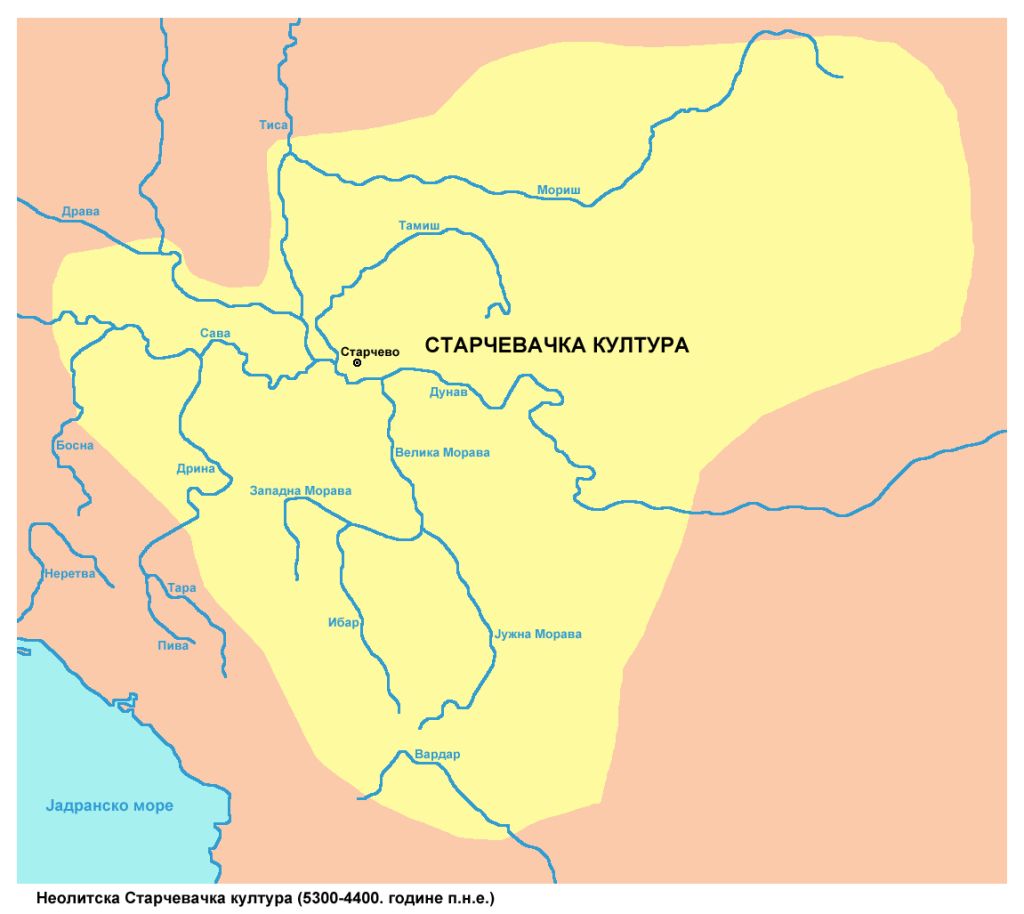
Starčevo can be researched as a third cultural anchor, but do not build a dedicated detour around an assumed exhibition or timetable. Its formal visitor arrangements are not published in the current national introduction. Confirm what can be visited before assigning it the same itinerary weight as Vinča or Lepenski Vir.
Choose a scope for Serbia’s prehistoric route
The sites are geographically separate, so the useful decision is how much of the Danube sequence to include.
Concentrate on the Vinča Culture without adding the Lower Danube journey.
- Primary focus
- Vinča settlement, figurines and signs
- Starting point
- Belgrade
- Planning approach
- Confirm site operations before departure
Make Lepenski Vir the central purpose of an eastern Serbia journey.
- Primary focus
- Planned houses and monumental sculpture
- Route setting
- Lower Danube and Đerdap
- Planning approach
- Keep the day flexible until access is confirmed
Read Lepenski Vir and Vinča as distinct cultures within one river corridor.
- Order
- Either direction works
- Main decision
- Allow separate time for each archaeological stop
- Interpretive value
- Earlier permanent settlement followed by later Vinča urban culture
No combined ticket, linked tour or unified reservation process is published.
Published visitor details for Serbia’s prehistoric sites
The national prehistory overview establishes the cultural importance of the sites but leaves several operational questions to be confirmed locally.
Visitor information publication status
| Planning detail |
Published status |
Practical response |
|
Opening hours |
Not published |
Confirm before choosing a travel date |
|
Admission prices |
Not published |
Do not rely on an assumed free or paid entry policy |
|
Reservation requirement |
Not published |
Confirm before arranging fixed transport |
|
Guided visit and duration |
Not published |
Ask whether interpretation is guided or independent |
|
Full postal addresses |
Not published |
Verify the exact entrance rather than only the place name |
|
Step-free access details |
Not published |
Request site-level accessibility information |
No phone number, email address or official online reservation link was identified in the national overview.
Where Vinča-Belo Brdo is
Use the map to orient the Belgrade-area archaeological anchor. Lepenski Vir lies farther east in the Lower Danube and Đerdap area.
Key prehistoric places in Serbia
These three named places form the practical core of the national prehistoric heritage overview. Operational fields are marked plainly where current details are unavailable.
The principal place for understanding the Vinča Culture near Belgrade.
Focus on the settlement’s urban character, female deity figurines and recurring written signs. The cultural sequence covered here runs from 5300 to 4300 BC.
- Vinča Culture, Neolithic settlement, Figurines and written signs
A Lower Danube settlement associated with planned houses and monumental Stone Age sculpture.
The settlement is dated to around 6000 BC and preserves evidence of permanent, planned habitation. Its sculpture gives the earlier culture a distinct visual identity.
- Permanent settlement, Planned houses, Monumental sculpture
A third named anchor in Serbia’s prehistoric cultural sequence.
Starčevo is presented alongside Vinča and Lepenski Vir in the national introduction to prehistoric heritage. Detailed on-site interpretation and a defined visitor format are not supplied there.
- Prehistoric heritage, Danube cultural sequence, Independent planning required